Courses
Individual course profiles with design lineage, playing conditions, and practical detail. Filter by region, tier, type, or budget to find a round worth the trip.
Total courses
226
Destinations
26
Green fee range
$18–$1250
States
17
Region
Tier
Type
Budget
Showing 226 of 226 courses
Southeast
105 courses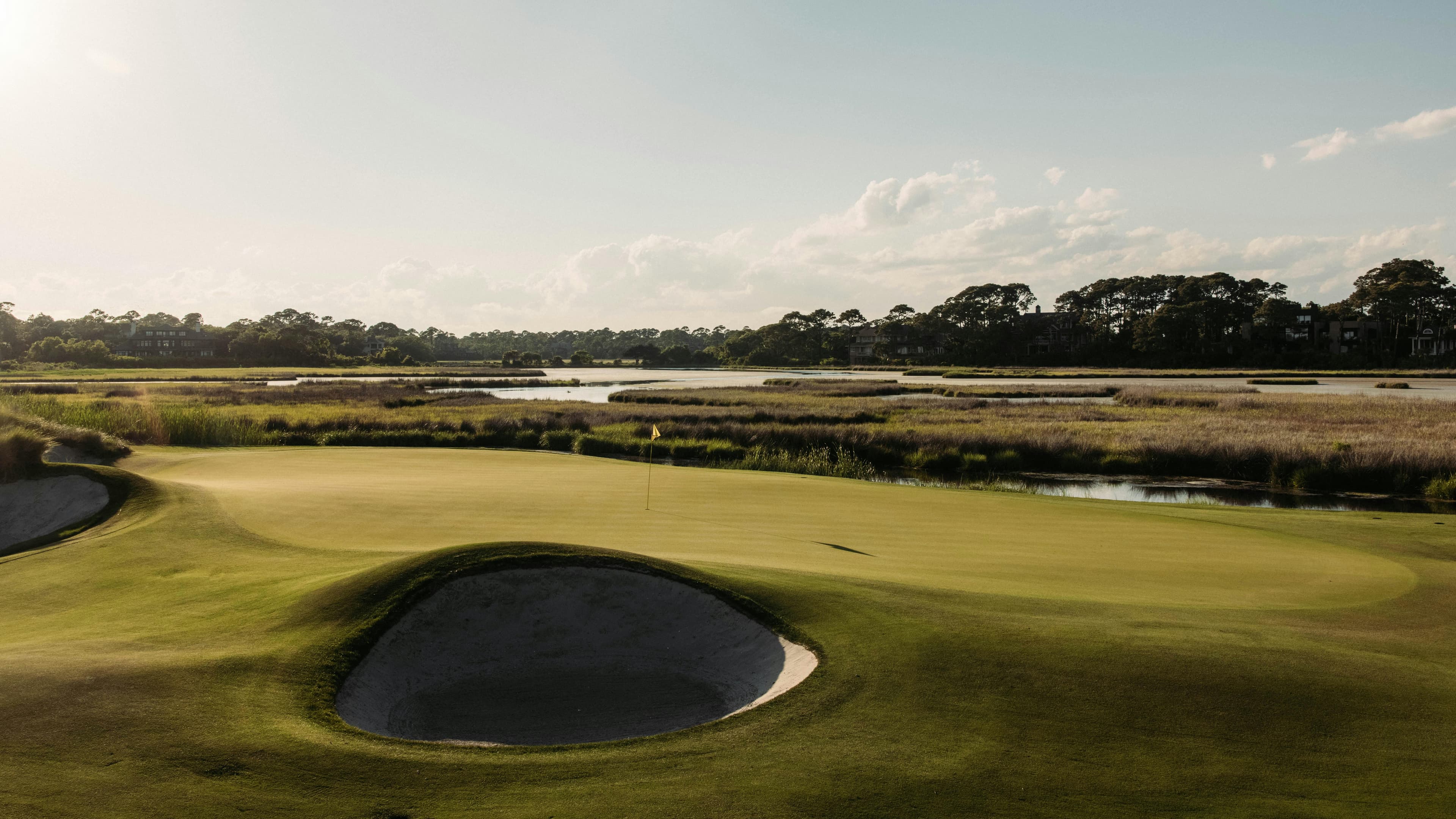
Mid-Range
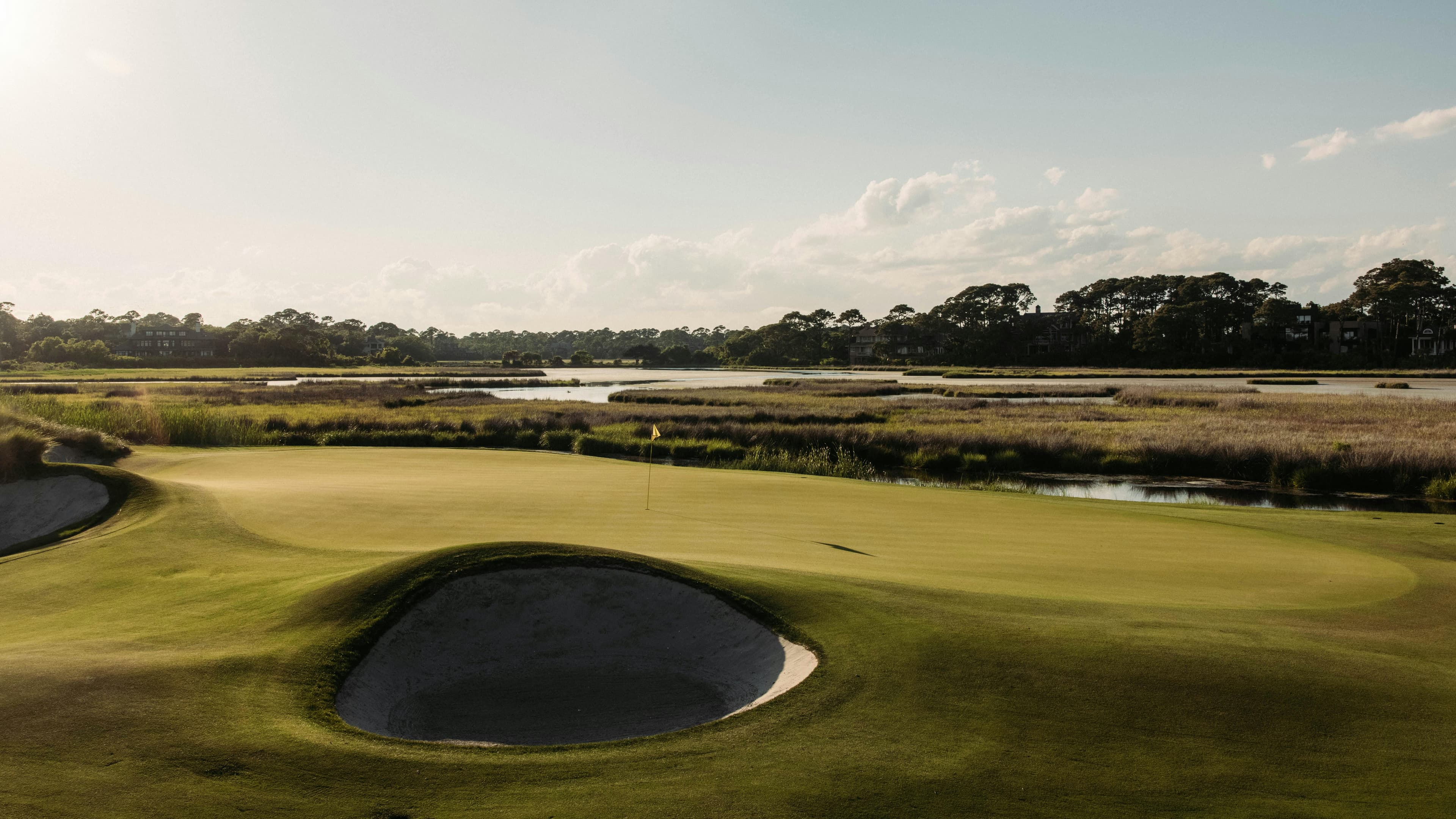
Charleston National Golf Club
Charleston & Kiawah Island, South Carolina
Rees Jones along the Intracoastal Waterway in Mount Pleasant, public access, cart included, and no resort gate to clear.
$75–$115PublicRees Jones (1989)
GolfNowBook tee time
Mid-Range
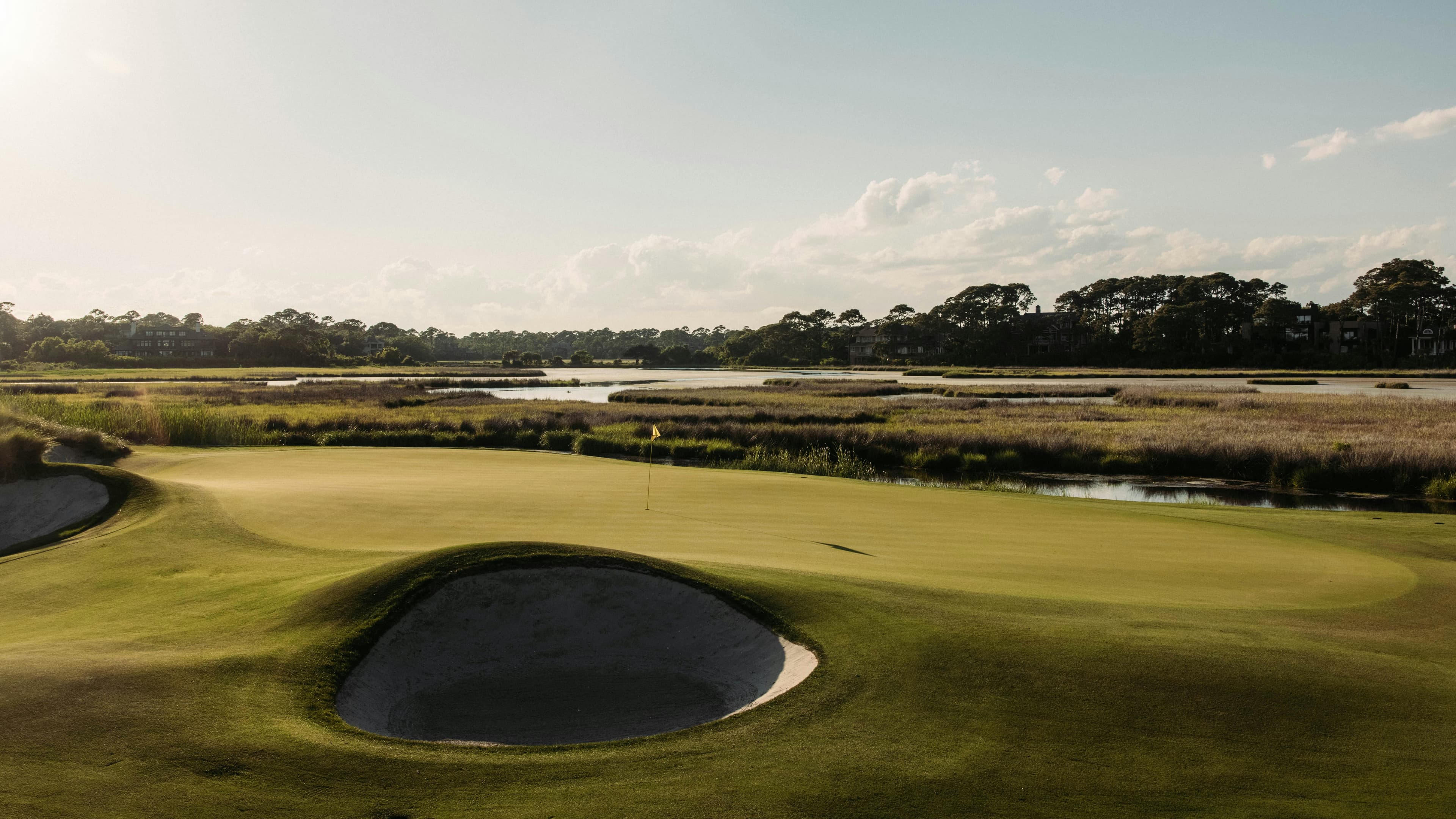
Harbor Course at Wild Dunes Resort
Charleston & Kiawah Island, South Carolina
Fazio's second act at Wild Dunes, where the Intracoastal Waterway replaces the ocean and the green fees drop accordingly.
$63–$209ResortTom Fazio (1986)
GolfNowBook tee time
Premium
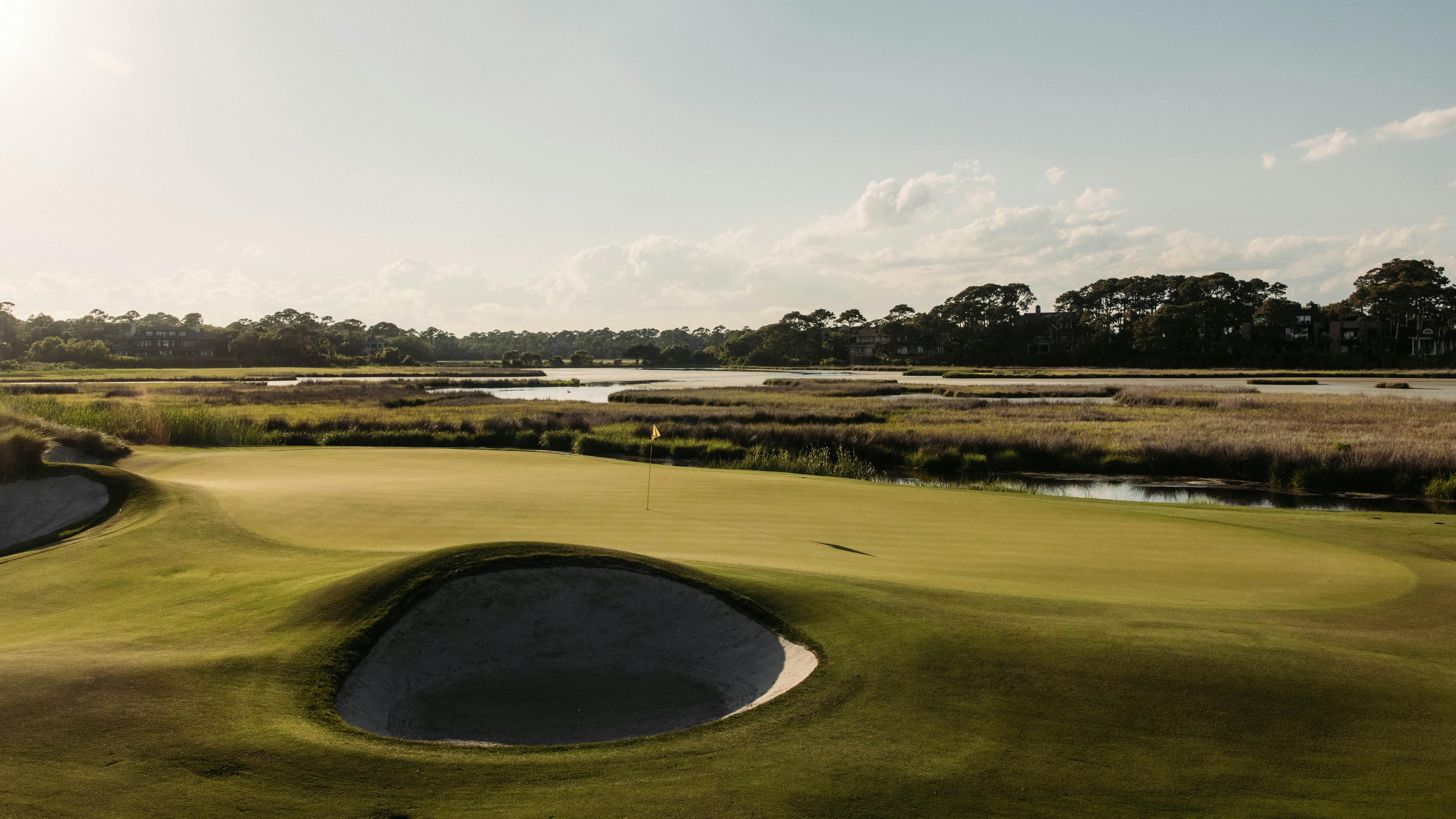
Links Course at Wild Dunes Resort
Charleston & Kiawah Island, South Carolina
Tom Fazio's first solo commission, revised and reopened on the Isle of Palms oceanfront.
$63–$279ResortTom Fazio (1980)
GolfNowBook tee time
Mid-Range
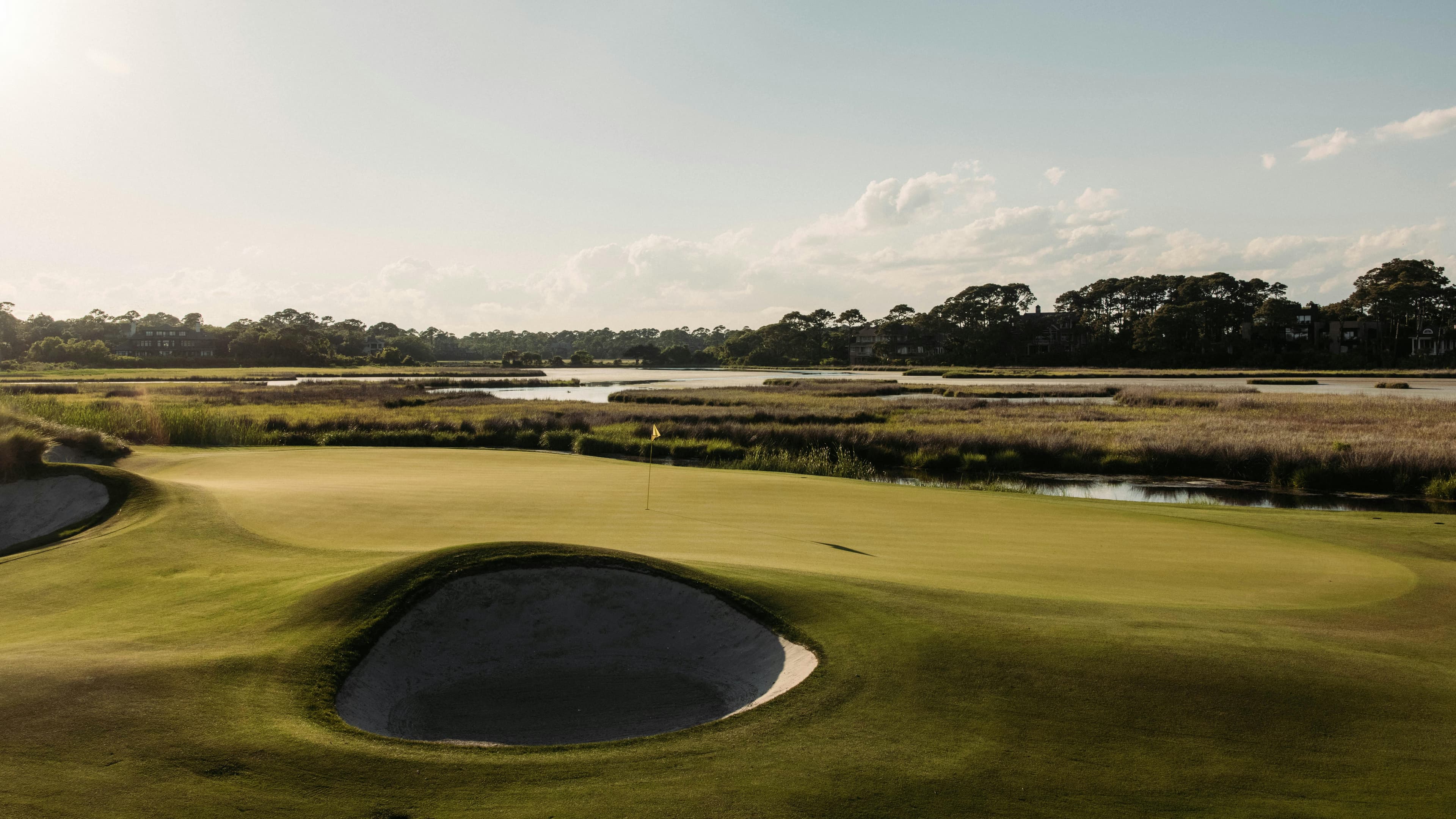
Oak Point Golf Course at Kiawah Island
Charleston & Kiawah Island, South Carolina
The most affordable entry point to Kiawah resort golf, set among marshland and oak canopy just outside the main gate.
$150–$315ResortClyde Johnston (1989; acquired by Kiawah Resort 1997)
GolfNowBook tee time
Premium
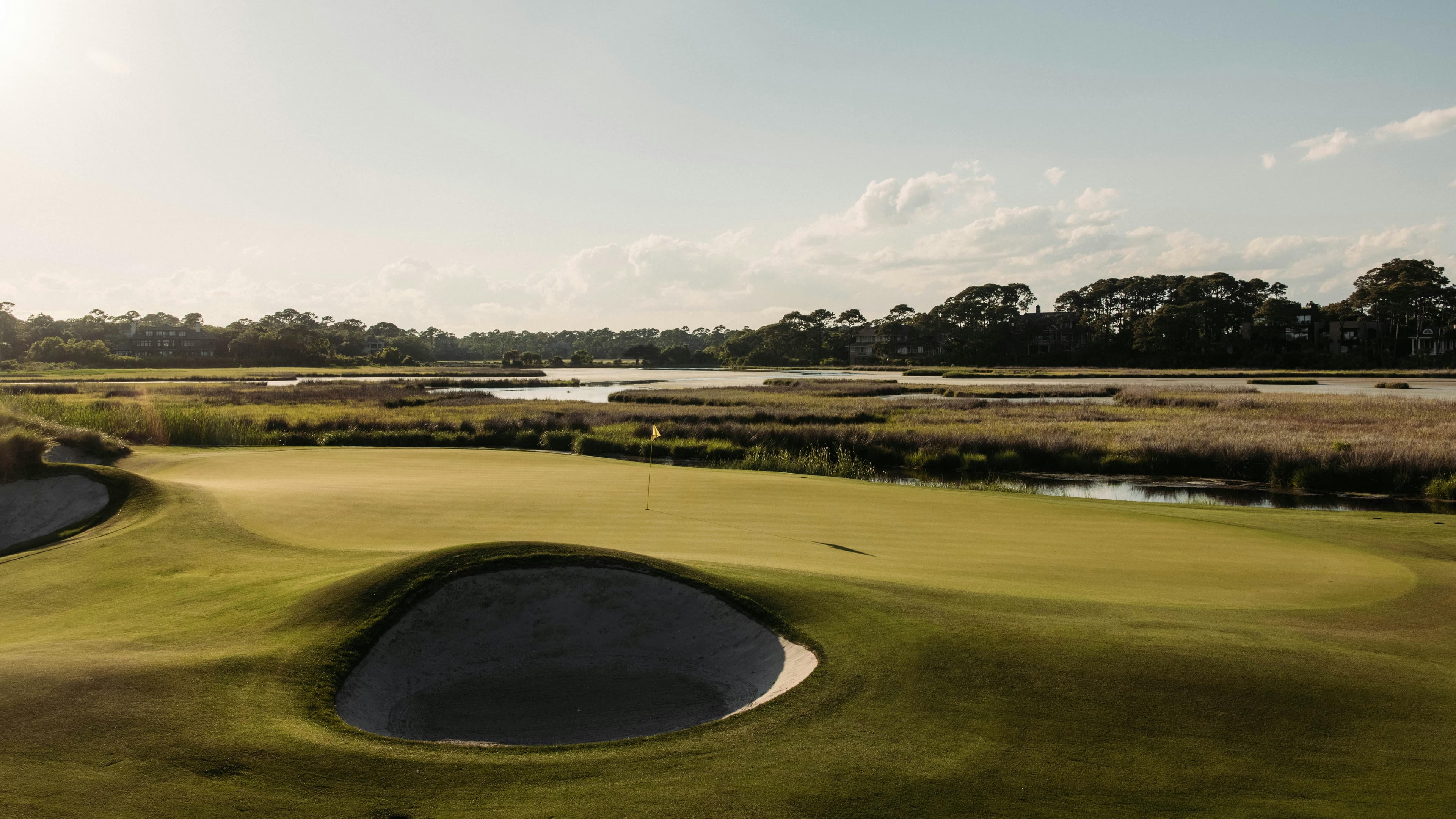
Osprey Point Golf Course at Kiawah Island
Charleston & Kiawah Island, South Carolina
The Kiawah course that resort guests return to, routed through freshwater lakes and Lowcountry marsh.
$262–$315ResortTom Fazio (1988)
GolfNowBook tee time
Hidden Value
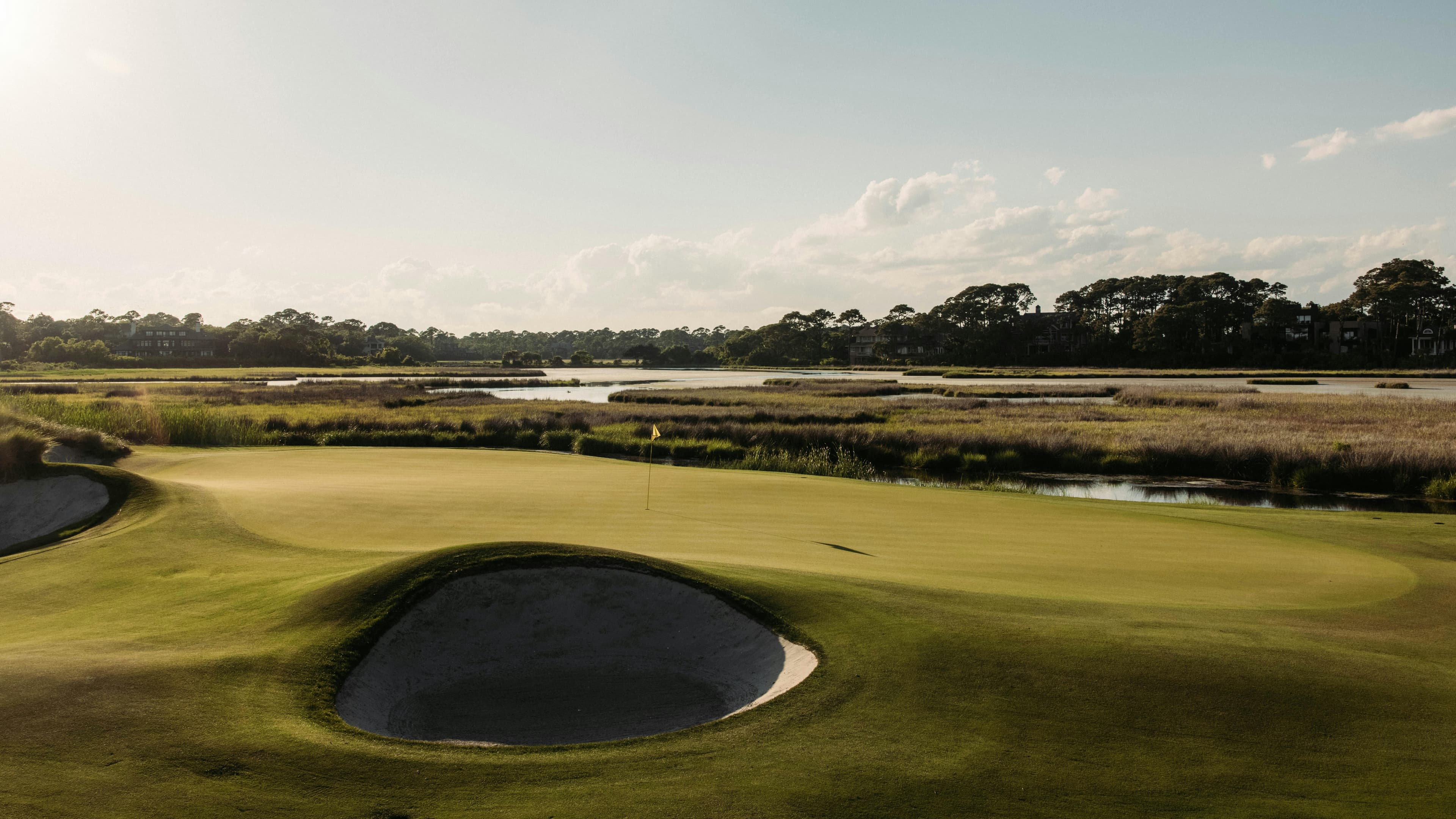
RiverTowne Country Club
Charleston & Kiawah Island, South Carolina
Arnold Palmer's marshland routing along the Wando River, with 13 waterside holes and green fees that start at $50.
$50–$109Semi-PrivateArnold Palmer (2002)
GolfNowBook tee time
Bucket List
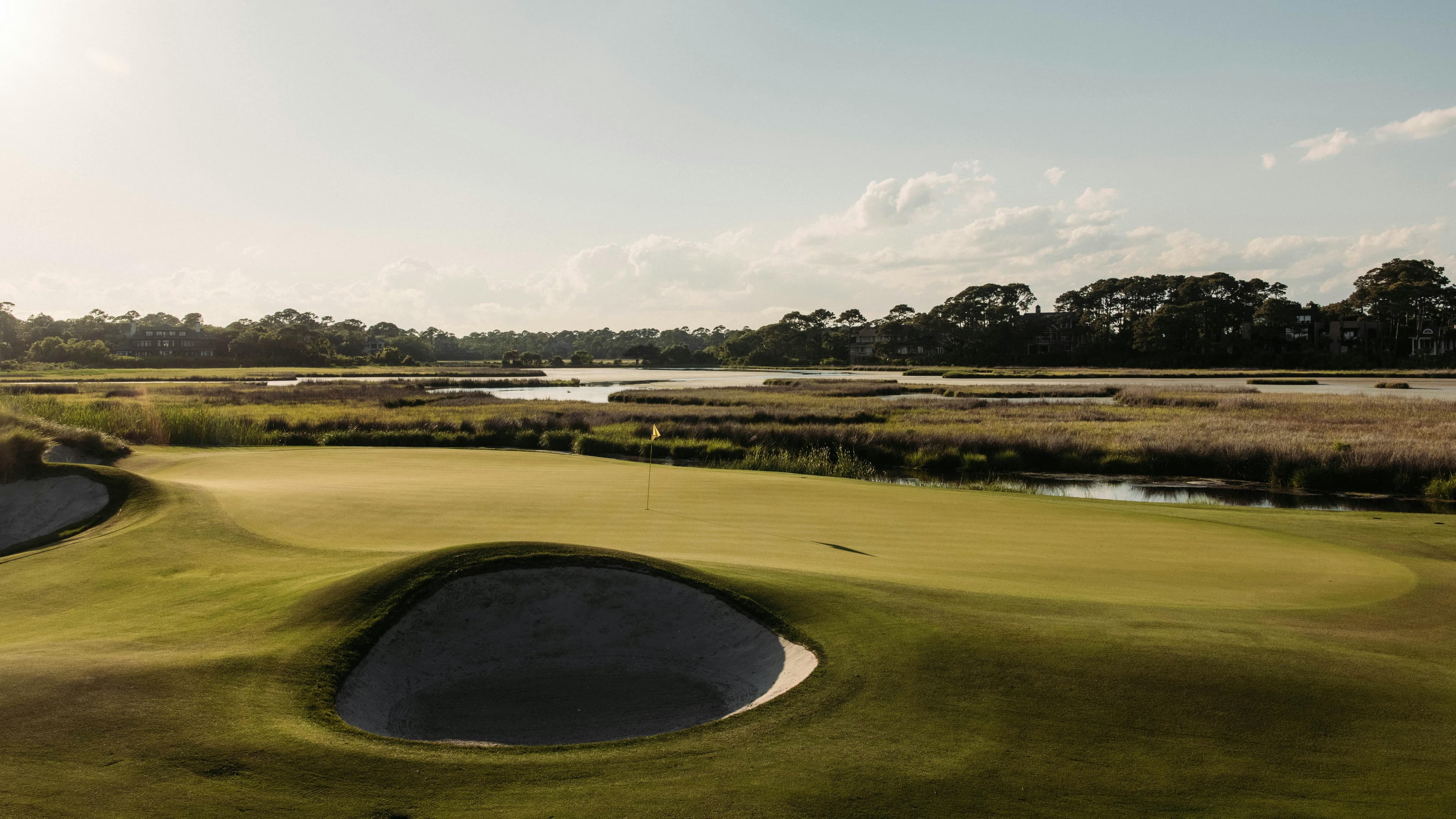
The Ocean Course at Kiawah Island
Charleston & Kiawah Island, South Carolina
Built for a Ryder Cup, defined by the Atlantic, and still the most demanding seaside test in American golf.
$350–$685ResortPete Dye (1991)
GolfNowBook tee time
Mid-Range
The River Course at Kiawah Island
Charleston & Kiawah Island, South Carolina
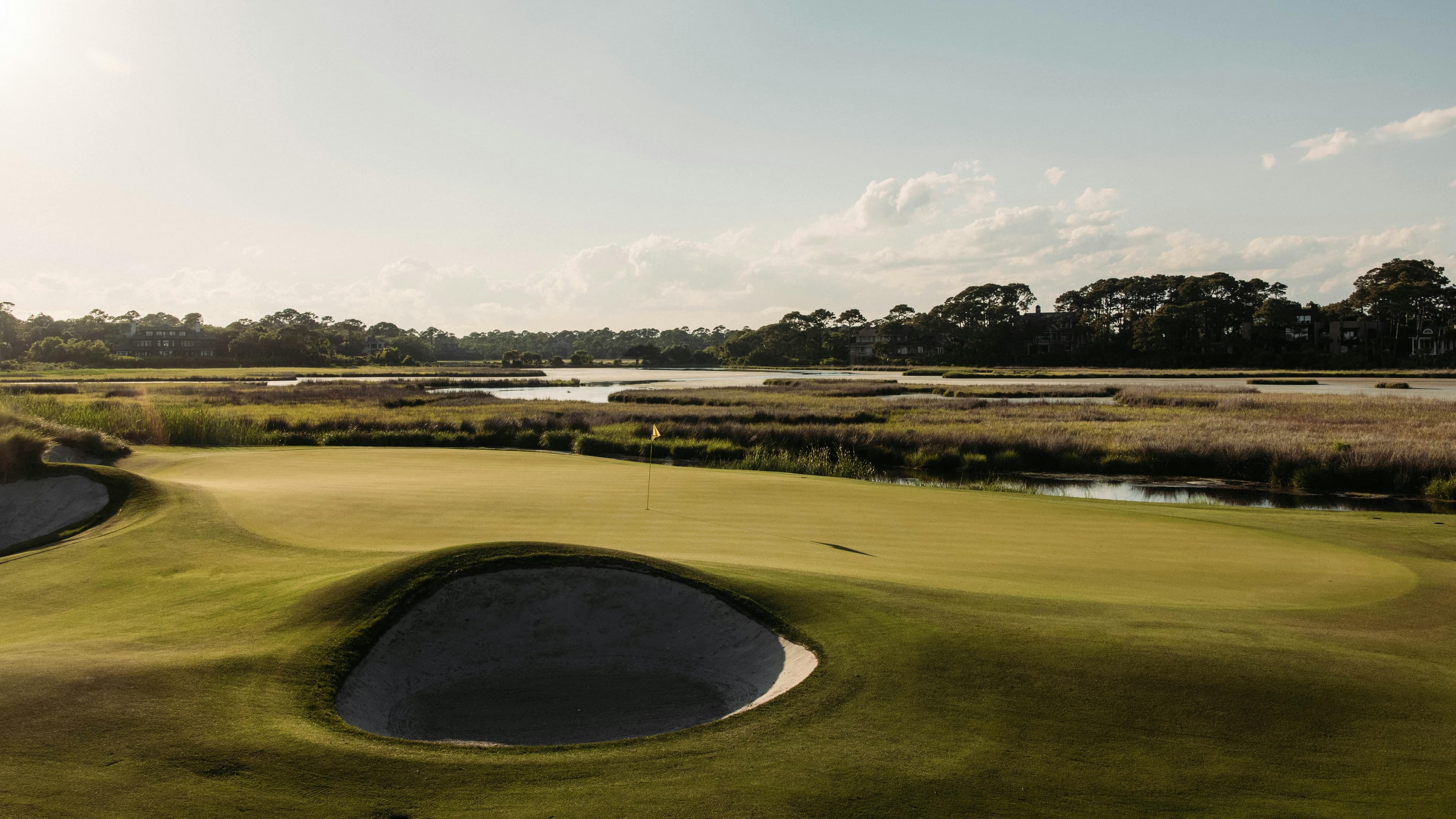
Fazio's inland Kiawah layout along the river and tidal creeks, sheltered from the wind that defines the Ocean Course.
$150–$185PrivateTom Fazio (1995)
PartnerBook tee time
Mid-Range
Turtle Point Golf Course at Kiawah Island
Charleston & Kiawah Island, South Carolina
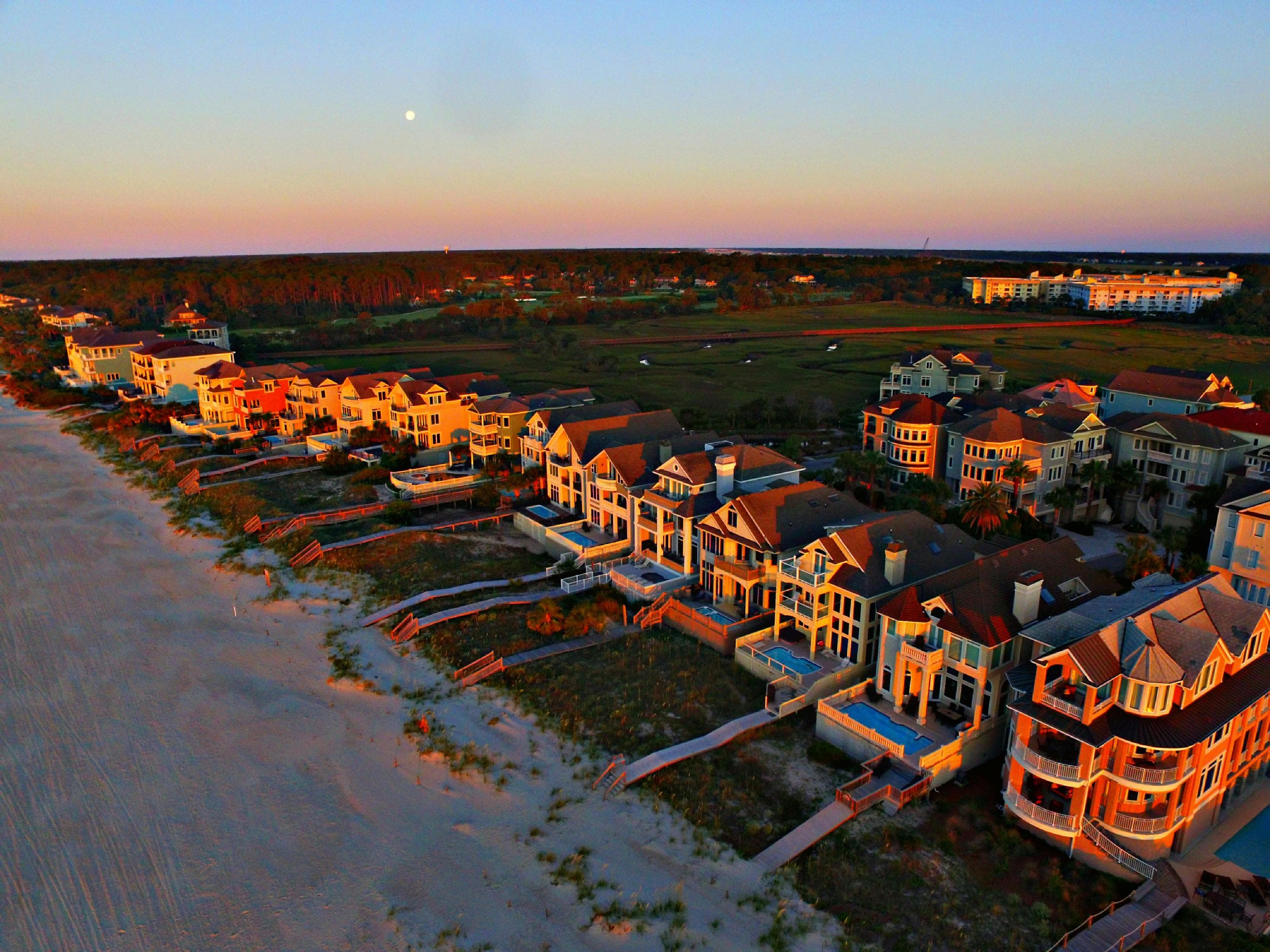
Jack Nicklaus on a barrier island, with three oceanfront holes and a 2016 renovation that sharpened every edge.
$250–$315ResortJack Nicklaus (1981)
GolfNowBook tee time
Premium
Atlantic Dunes by Davis Love III
Hilton Head, South Carolina
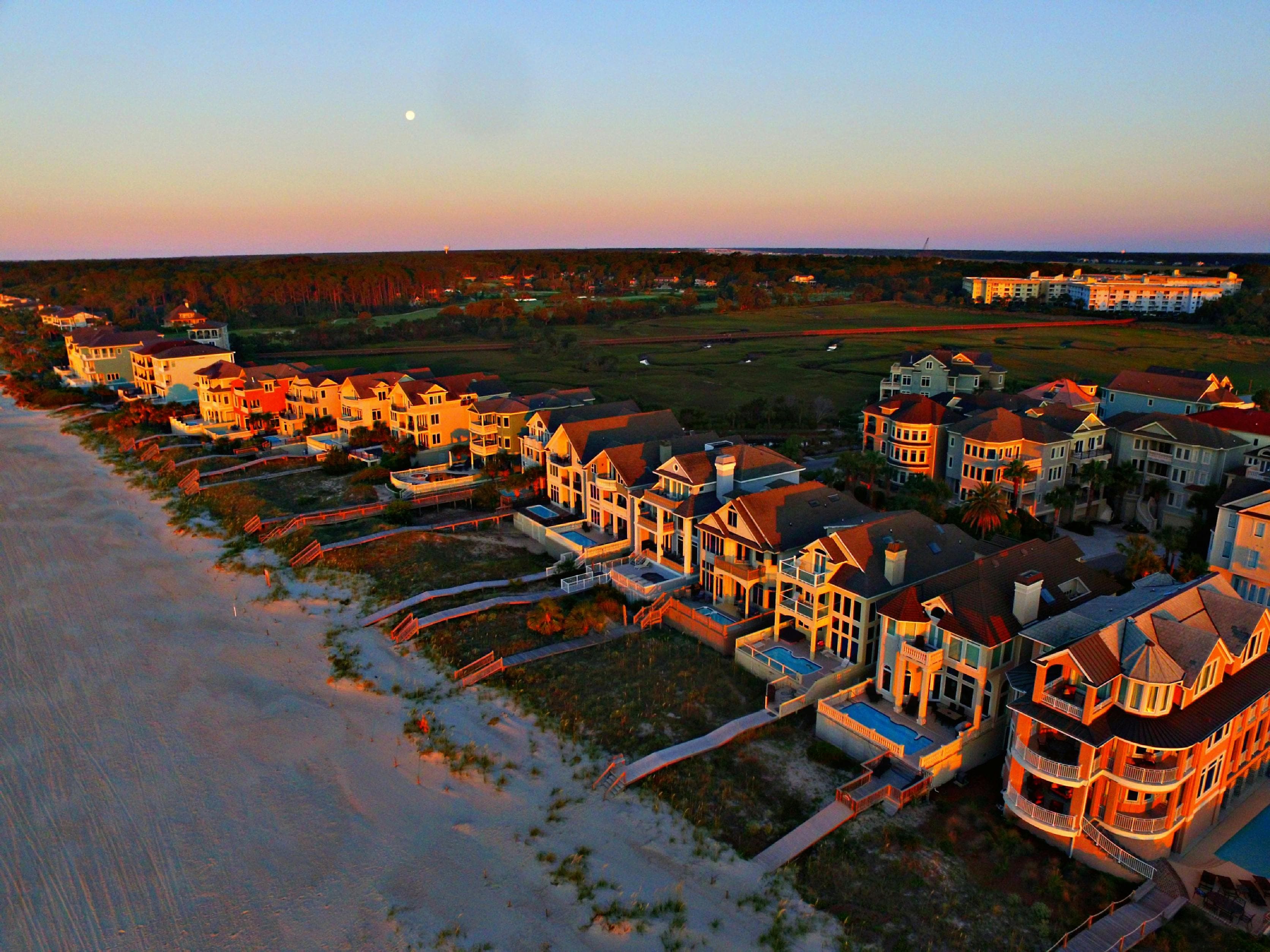
A complete reconstruction of Hilton Head's first golf course, with water on nearly every hole and Spanish moss overhead.
$120–$180ResortDavis Love III (2016 redesign)
GolfNowBook tee time
Hidden Value
Crescent Pointe Golf Club
Hilton Head, South Carolina
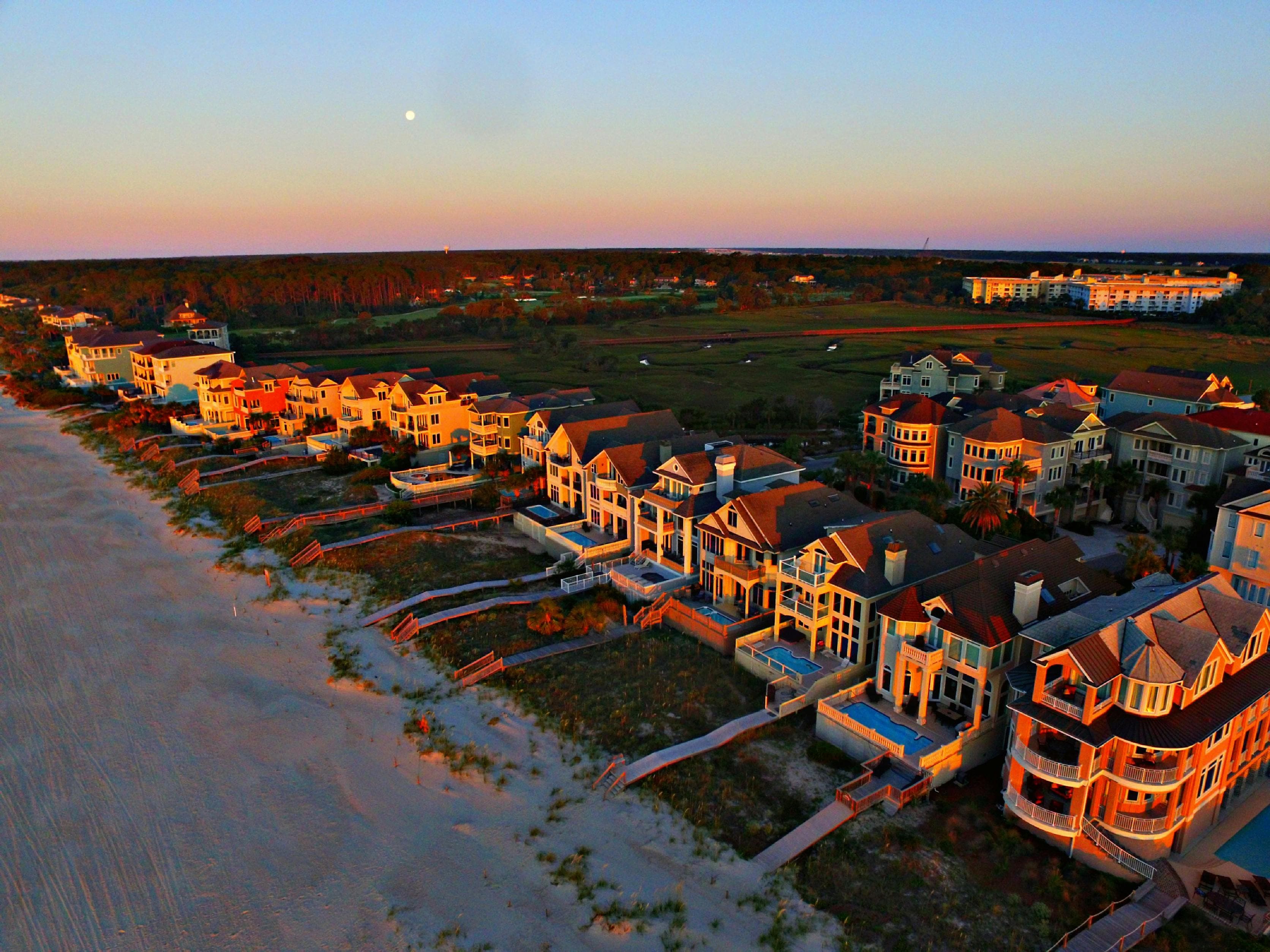
The only Arnold Palmer design in the area, with six sets of tees and green fees that start at $34.
$34–$74PublicArnold Palmer / Ed Seay (2000)
GolfNowBook tee time
Bucket List
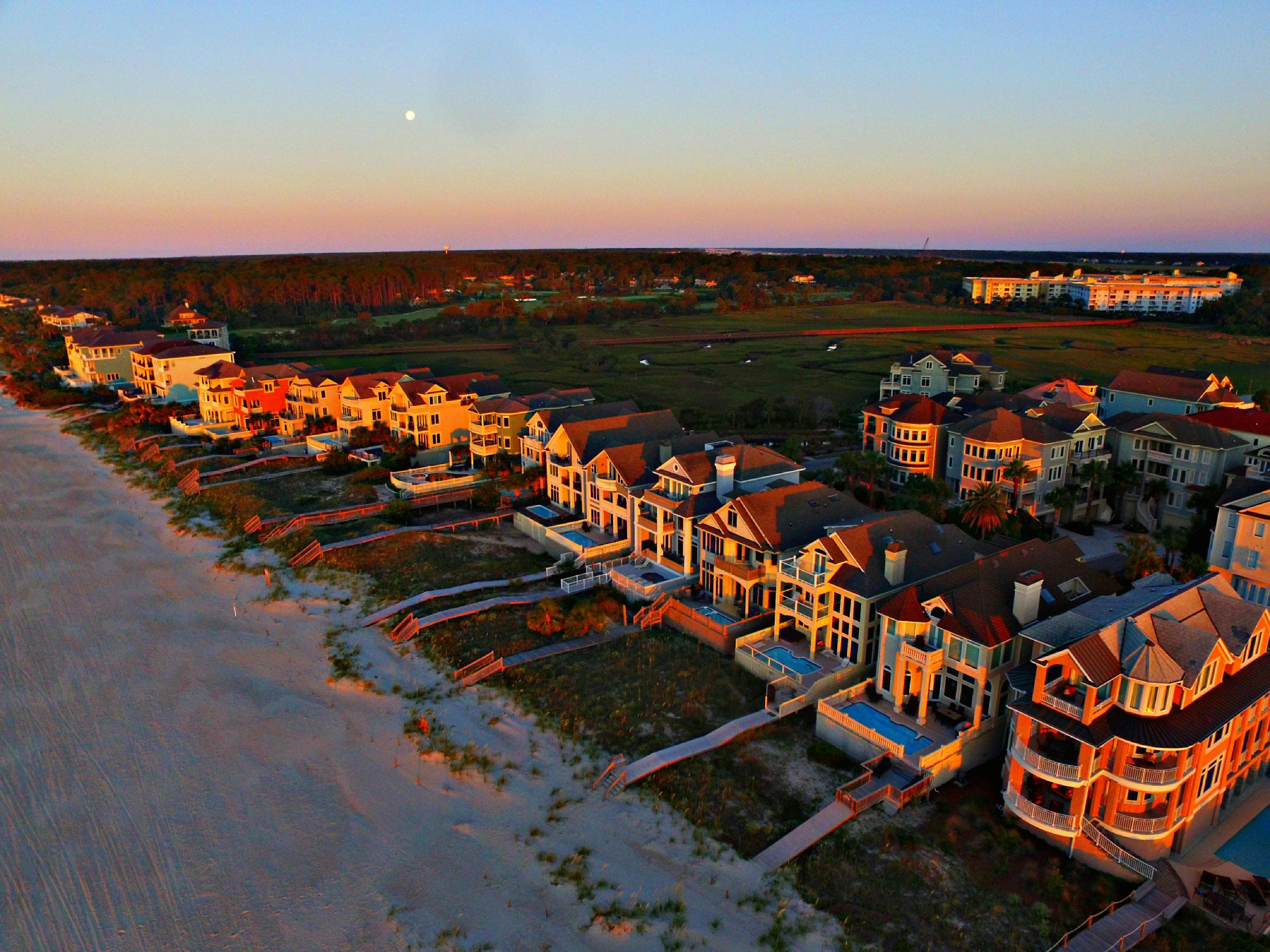
Harbour Town Golf Links
Hilton Head, South Carolina
The lighthouse, the tournament, and a Pete Dye design that has not stopped being relevant for more than fifty years.
$399–$518ResortPete Dye / Jack Nicklaus (consultant) (1969)
GolfNowBook tee time
Premium
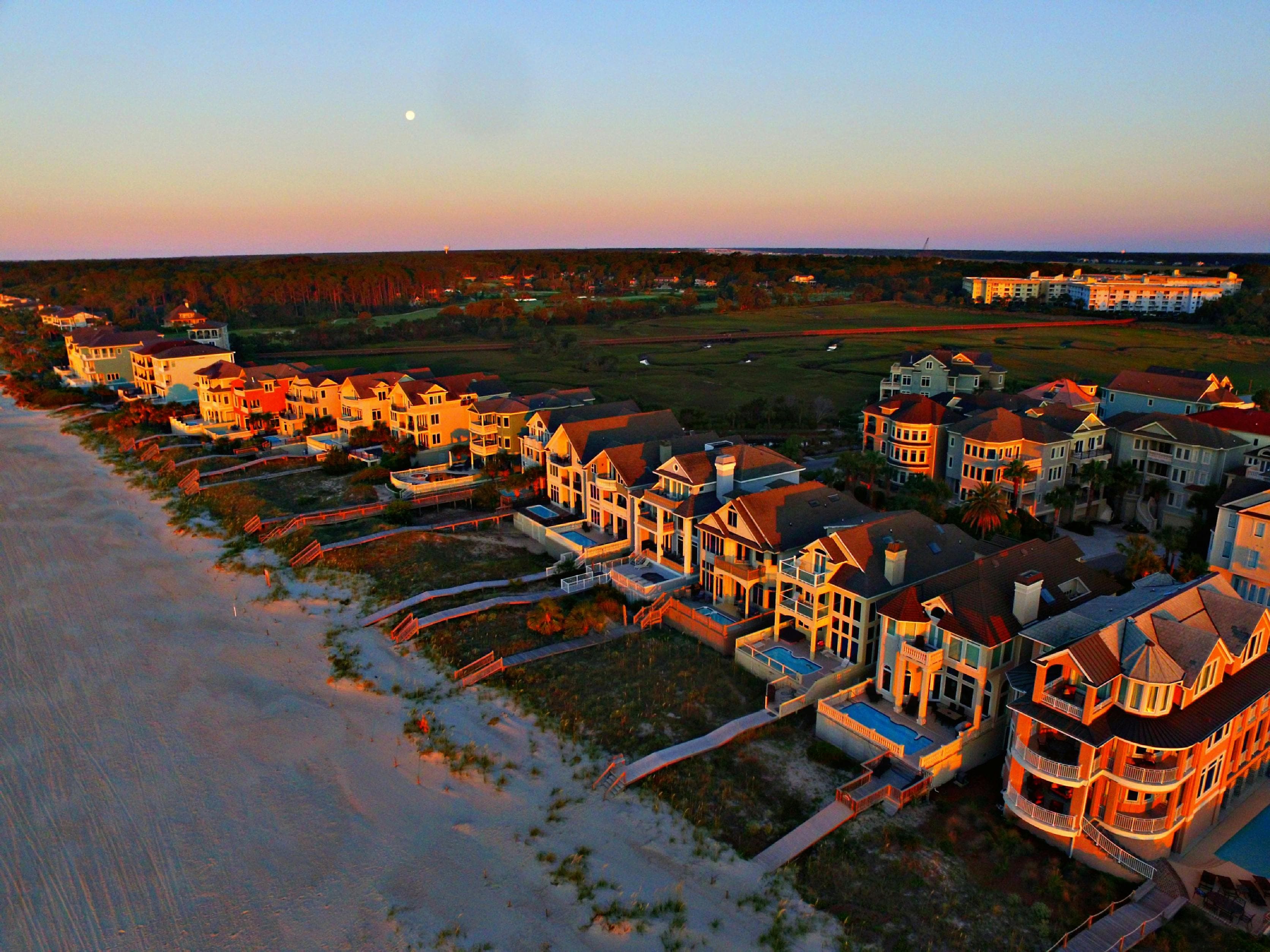
Heron Point by Pete Dye
Hilton Head, South Carolina
Pete Dye returned to Sea Pines nearly four decades after Harbour Town and built a course that plays like a conversation between two eras.
$169–$265ResortPete Dye (2007 redesign)
GolfNowBook tee time
Mid-Range
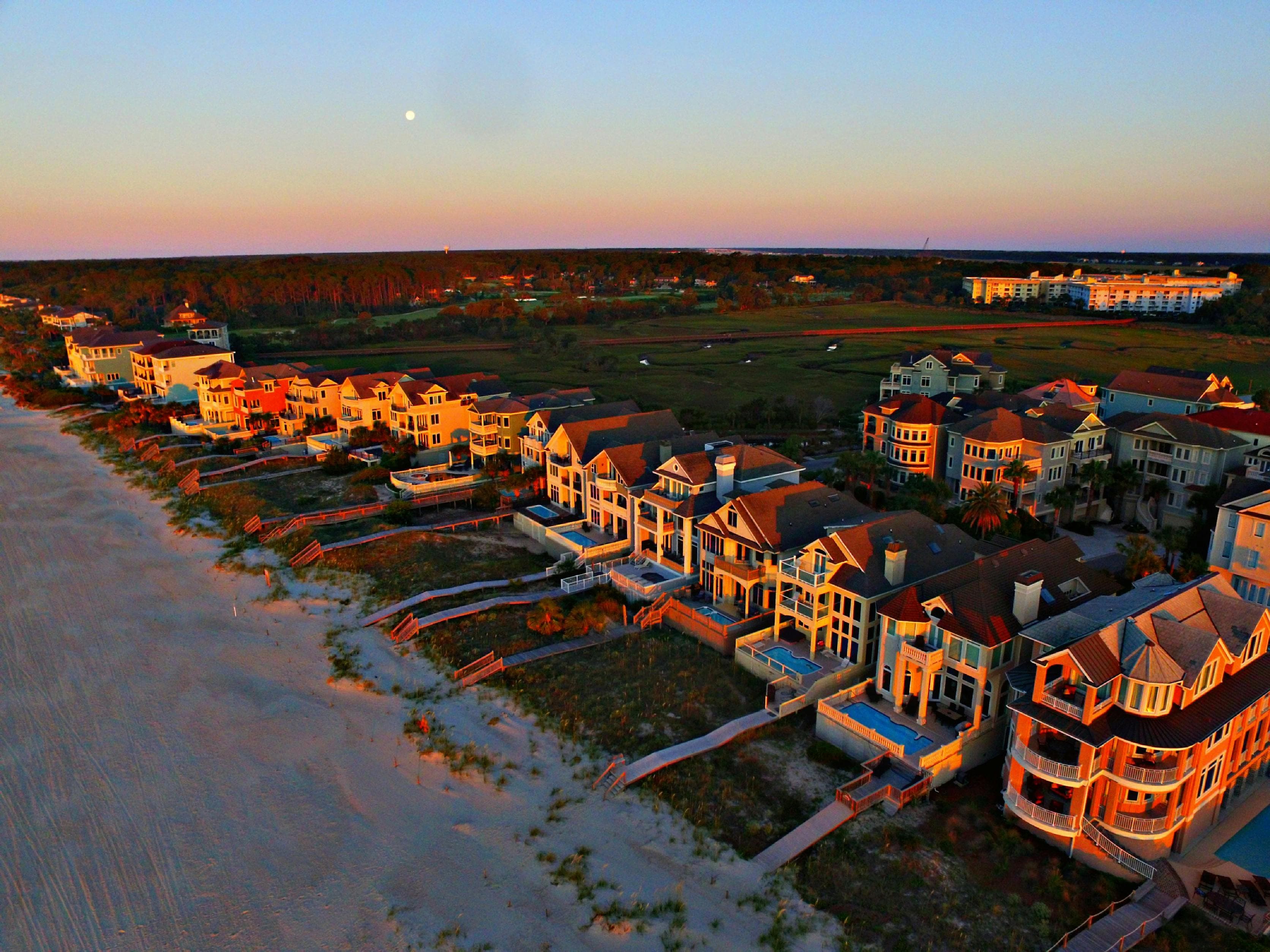
Hilton Head National Golf Club
Hilton Head, South Carolina
Two distinct design voices on a single routing, with time-of-day pricing that rewards flexible scheduling.
$110–$160PublicGary Player / Bobby Weed
GolfNowBook tee time
Hidden Value
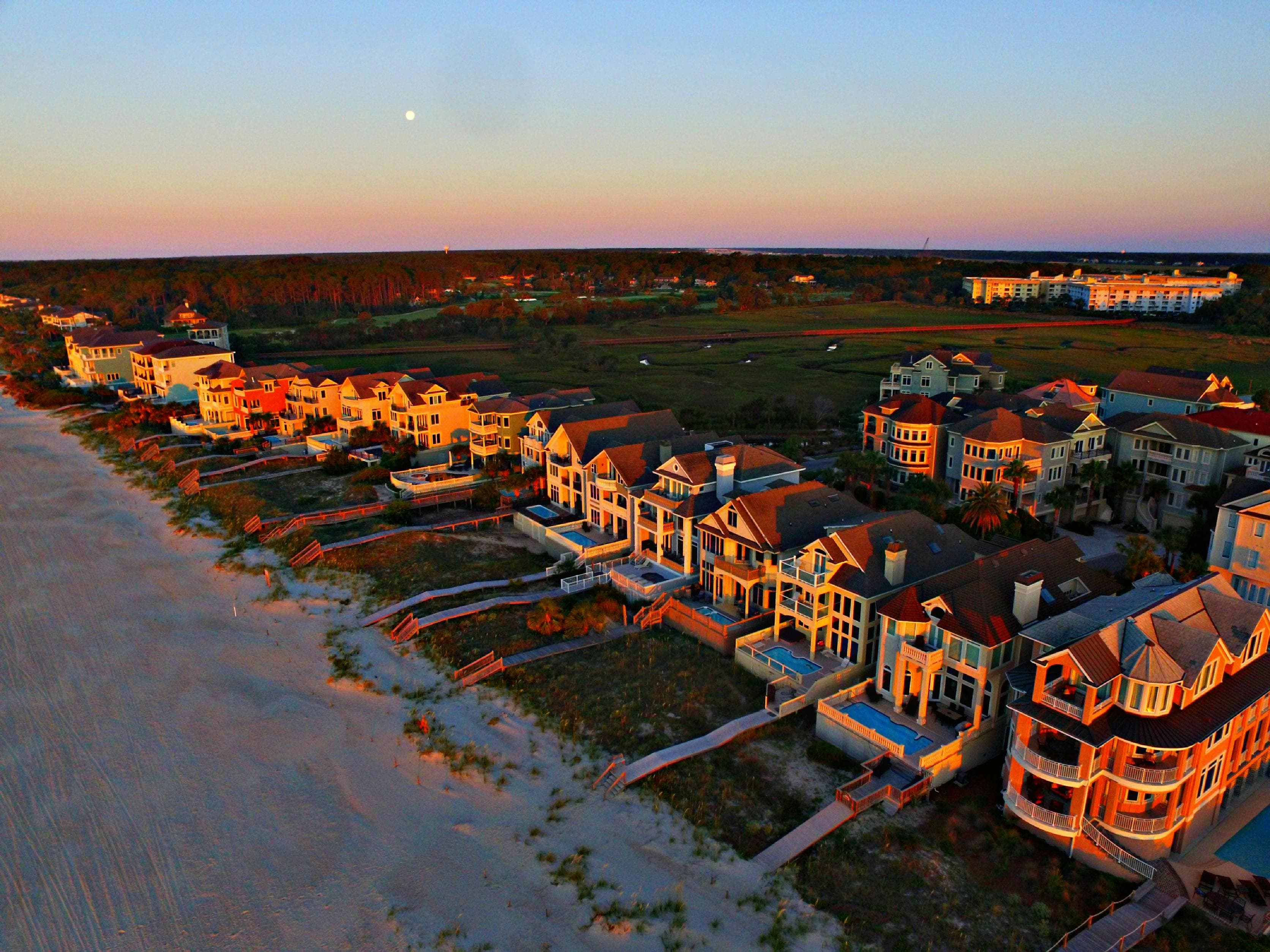
Old South Golf Links
Hilton Head, South Carolina
Lowcountry marsh golf at mainland prices, with a slope of 141 that keeps the design honest.
$55–$100PublicClyde Johnston (1991)
GolfNowBook tee time
Mid-Range
Palmetto Dunes - Arthur Hills Course
Hilton Head, South Carolina
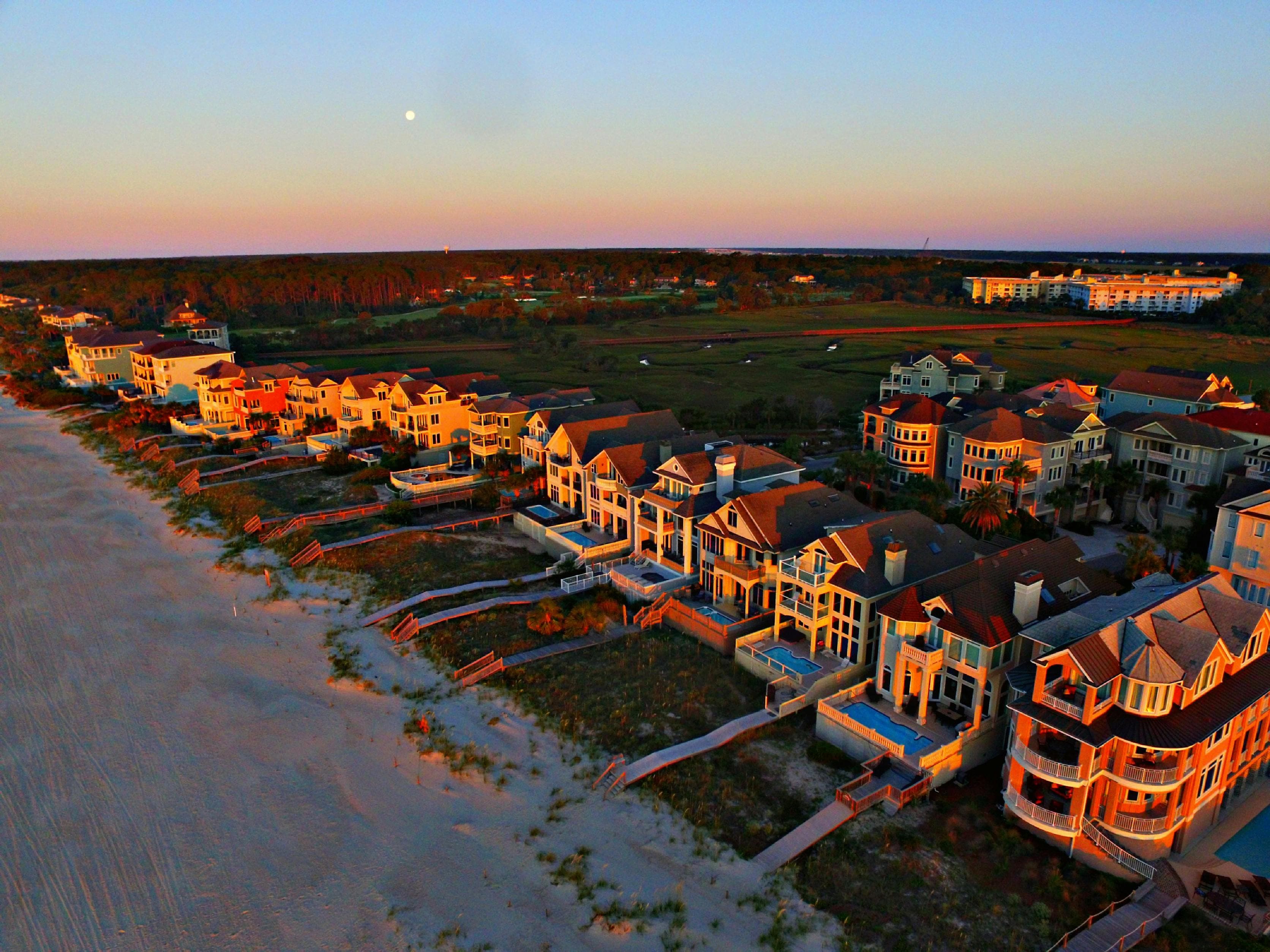
The thinking player's course at Palmetto Dunes, where lagoons wind through ten holes and accuracy matters more than distance.
$150–$241ResortArthur Hills (1986)
PartnerBook tee time
Mid-Range
Palmetto Dunes - George Fazio Course
Hilton Head, South Carolina
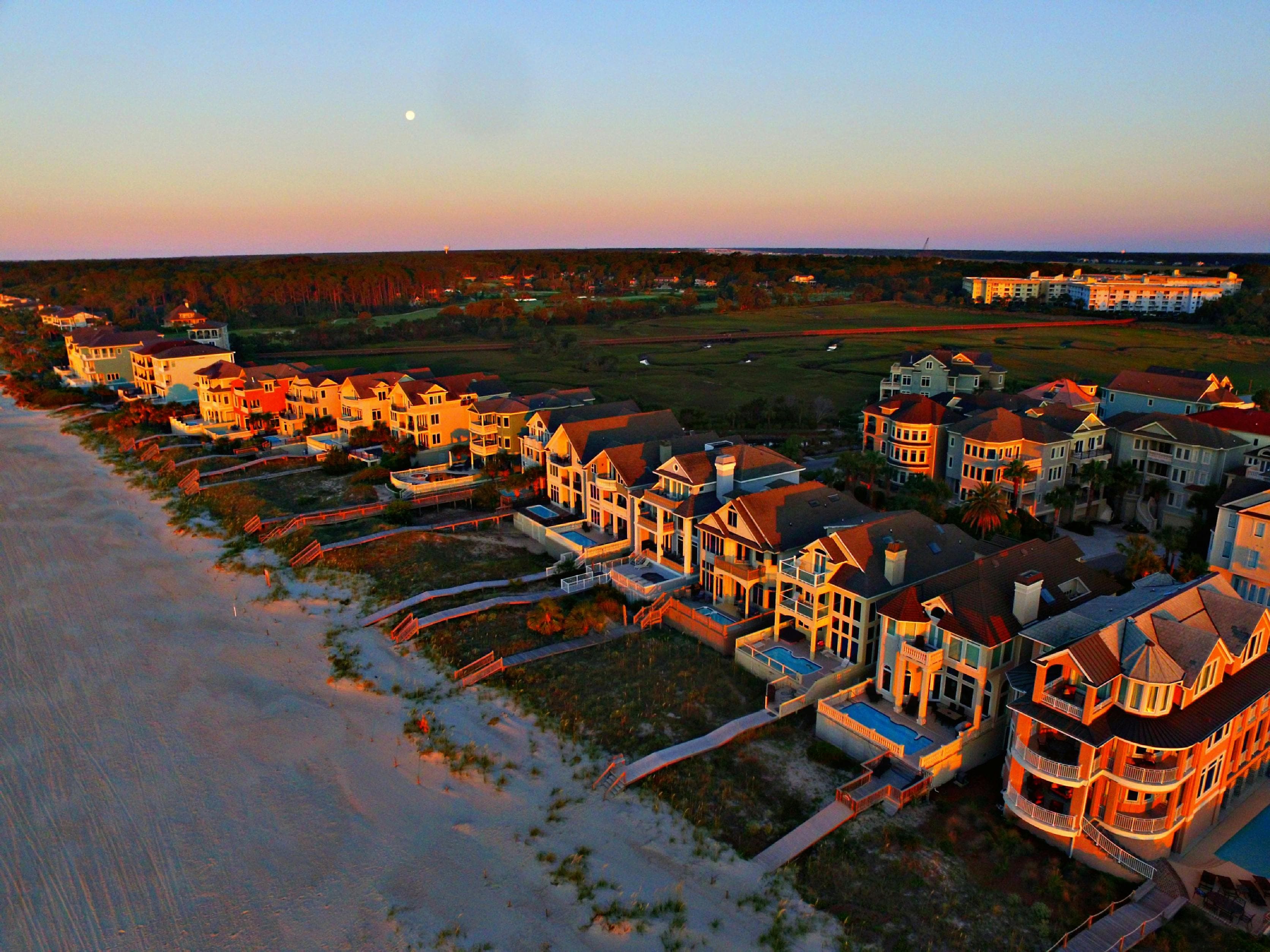
The only par 70 on the island, built around long par 4s and Diamond Zoysia greens that separate the Palmetto Dunes trio by temperament.
$150–$241ResortGeorge Fazio (1974)
GolfNowBook tee time
Premium
Palmetto Dunes - Robert Trent Jones Course
Hilton Head, South Carolina
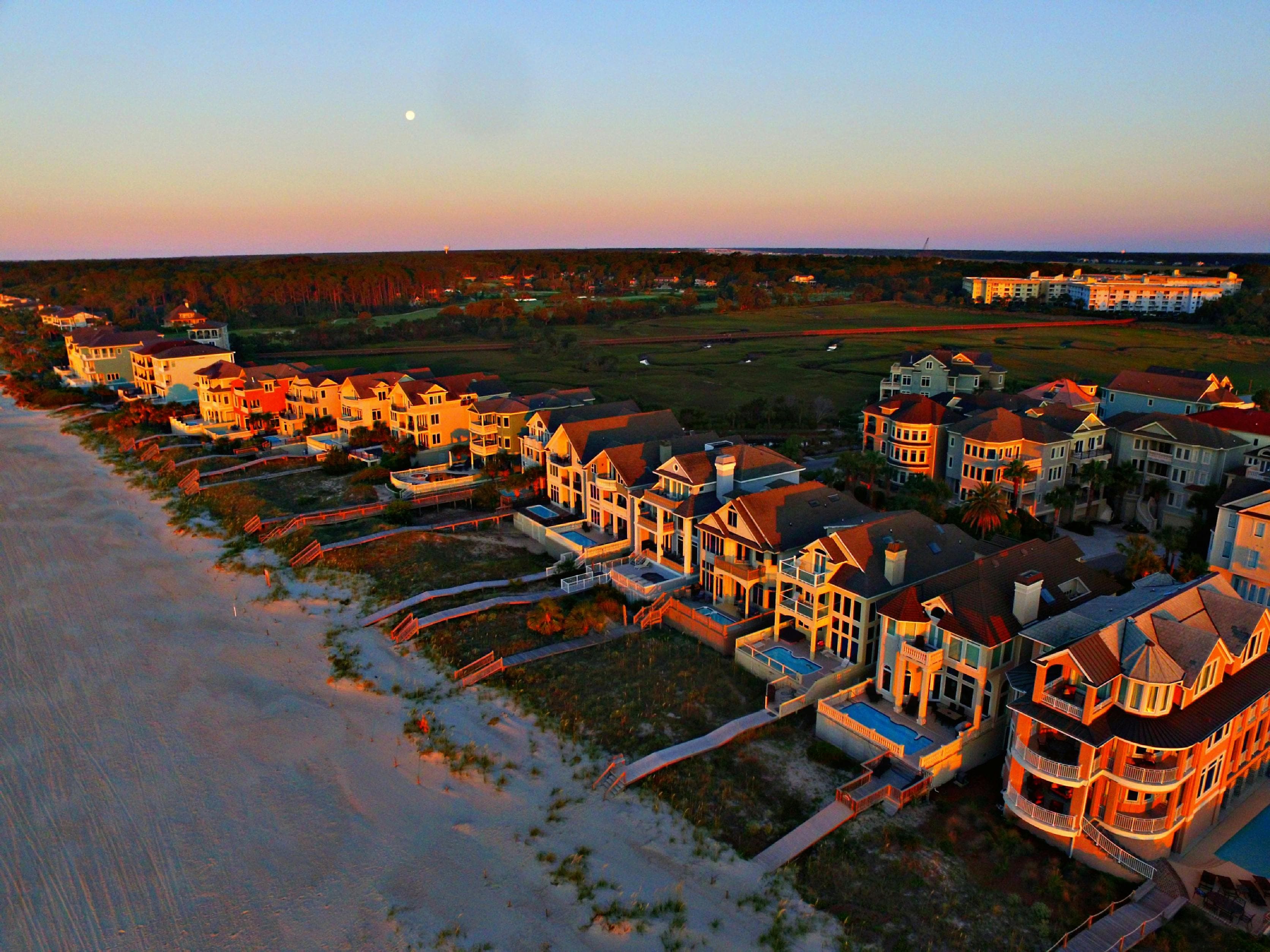
The first course at Palmetto Dunes, and the one that best represents the Jones Sr. philosophy of bold bunkering and strategic risk-reward.
$200–$300ResortRobert Trent Jones Sr. (1969)
PartnerBook tee time
Mid-Range
Palmetto Hall - Arthur Hills Course
Hilton Head, South Carolina
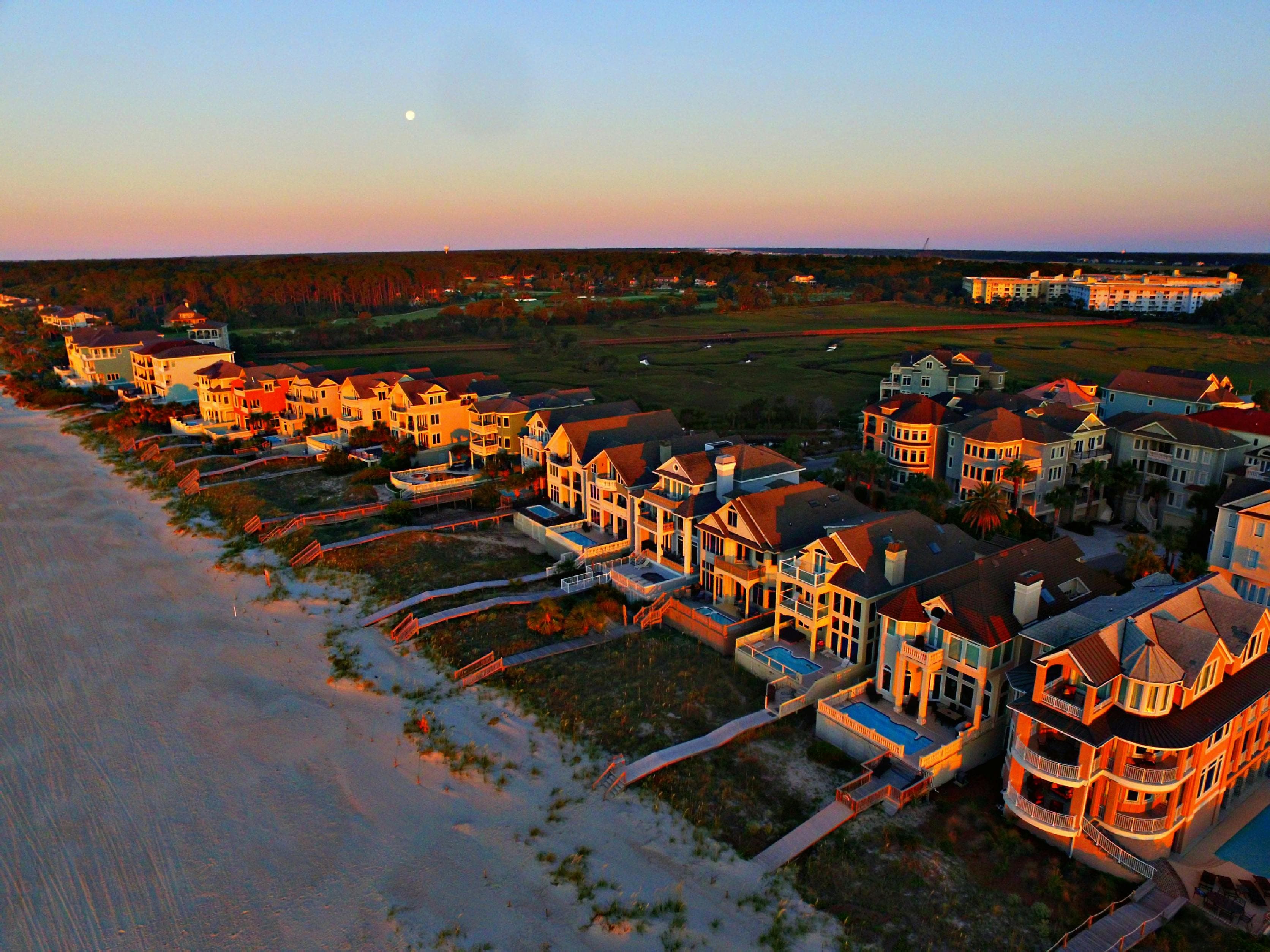
A wooded corridor through towering pines and moss-draped oaks, away from the plantation resort atmosphere.
$100–$185Semi-PrivateArthur Hills / Spencer Holt (1991)
GolfNowBook tee time
Mid-Range
Port Royal Golf Club - Barony Course
Hilton Head, South Carolina
One of the first courses on the island, where small greens and thick rough reward accuracy over ambition.
$60–$190ResortGeorge Cobb (1963)
GolfNowBook tee time
Mid-Range
Shipyard Golf Club
Hilton Head, South Carolina
Twenty-seven holes across three nines, with a green fee range wide enough to accommodate nearly any budget.
$39–$160ResortGeorge Cobb (Clipper/Galleon, 1970) / Willard Byrd (Brigantine, 1982)
GolfNowBook tee time
Mid-Range
Arcadian Shores Golf Club
Myrtle Beach, South Carolina
Rees Jones's mature tree-lined layout, quietly aging into its best version.
$60–$100PublicRees Jones (1974)
GolfNowBook tee time
Premium
Barefoot Resort — Dye Course
Myrtle Beach, South Carolina
Pete Dye's contribution to Barefoot Resort: the longest, hardest, and most polarizing of the four courses.
$90–$168ResortPete Dye (2000)
GolfNowBook tee time
Premium
Barefoot Resort — Fazio Course
Myrtle Beach, South Carolina
The most visually refined of Barefoot's four courses, built by Fazio through pines, lakes, and waste bunkers.
$90–$168ResortTom Fazio (1999)
GolfNowBook tee time
Premium
Barefoot Resort — Love Course
Myrtle Beach, South Carolina
Davis Love III's most playable design at Barefoot, routed through Lowcountry wetlands and live oaks.
$90–$168ResortDavis Love III (2000)
GolfNowBook tee time
Premium
Barefoot Resort — Norman Course
Myrtle Beach, South Carolina
Australian links influences transplanted to the Carolina Lowcountry, with greens built for ground-game creativity.
$90–$168ResortGreg Norman (2000)
GolfNowBook tee time
Hidden Value
Beachwood Golf Course
Myrtle Beach, South Carolina
The most welcoming course on the Grand Strand, with the slope rating to match.
$40–$79PublicGene Hamm (1968)
GolfNowBook tee time
Bucket List
Caledonia Golf & Fish Club
Myrtle Beach, South Carolina
The Grand Strand's quietest argument for greatness, served with a bowl of fish chowder.
$200–$249PublicMike Strantz (1994)
GolfNowBook tee time
Hidden Value
Crow Creek Golf Club
Myrtle Beach, South Carolina
A former Nicklaus associate's best value play in the Calabash corridor.
$45–$79PublicRick Robbins (2000)
GolfNowBook tee time
Bucket List
Dunes Golf & Beach Club
Myrtle Beach, South Carolina
The original. Robert Trent Jones Sr's 1949 design that put Myrtle Beach golf on the map.
$200–$300Semi-PrivateRobert Trent Jones Sr (1949)
GolfNowBook tee time
Premium
Grande Dunes Resort Course
Myrtle Beach, South Carolina
The longest course on the Grand Strand, with five holes along the Intracoastal Waterway.
$150–$200ResortRoger Rulewich (2001)
GolfNowBook tee time
Mid-Range
King's North at Myrtle Beach National
Myrtle Beach, South Carolina
Palmer's Grand Strand staple, rebuilt for a new generation.
$80–$140PublicArnold Palmer (1973, renovated 2025)
GolfNowBook tee time
Mid-Range
Legends Resort – Heathland
Myrtle Beach, South Carolina
Tom Doak's links experiment on the Carolina coast, wind included.
$65–$93ResortTom Doak (1990)
GolfNowBook tee time
Mid-Range
Legends Resort – Moorland
Myrtle Beach, South Carolina
The Dye family's trademark visual intimidation, priced for resort play.
$65–$93ResortP.B. Dye (1990)
GolfNowBook tee time
Mid-Range
Myrtlewood PineHills
Myrtle Beach, South Carolina
Arthur Hills redesign in the middle of everything, priced for daily play.
$50–$80PublicArthur Hills (1993 redesign)
GolfNowBook tee time
Mid-Range
Pawleys Plantation Golf & Country Club
Myrtle Beach, South Carolina
Nicklaus Signature design where Lowcountry marsh meets strategic golf.
$150–$225Semi-PrivateJack Nicklaus (1988)
GolfNowBook tee time
Mid-Range
Pine Lakes Country Club
Myrtle Beach, South Carolina
The Granddaddy of the Grand Strand, playing golf since 1927.
$60–$120PublicRobert White (1927)
GolfNowBook tee time
Hidden Value
Prestwick Country Club
Myrtle Beach, South Carolina
SC's 2025 Course of the Year, open to the public and flying under the radar.
$100–$175Semi-PrivatePete Dye/P.B. Dye (1989)
GolfNowBook tee time
Mid-Range
Rivers Edge Golf Club
Myrtle Beach, South Carolina
Palmer's riverside signature in Brunswick County, with the slope rating to prove it.
$70–$120PublicArnold Palmer/Ed Seay (2000)
GolfNowBook tee time
Mid-Range
Thistle Golf Club
Myrtle Beach, South Carolina
Twenty-seven holes of Scottish-flavored design in Sunset Beach.
$80–$206PublicTim Cate (1999)
GolfNowBook tee time
Premium
Tidewater Golf Club
Myrtle Beach, South Carolina
Oceanfront holes and marsh crossings on the Cherry Grove peninsula, at a fraction of the expected price.
$97–$192PublicKen Tomlinson (1990)
GolfNowBook tee time
Bucket List
TPC Myrtle Beach
Myrtle Beach, South Carolina
The only TPC-branded public course on the Grand Strand, built by Fazio through Lowcountry wetlands.
$250–$350PublicTom Fazio (1999)
GolfNowBook tee time
Premium
True Blue Golf Club
Myrtle Beach, South Carolina
Mike Strantz's bolder sibling to Caledonia, routed through the ruins of an indigo plantation.
$150–$196PublicMike Strantz (1998)
GolfNowBook tee time
Mid-Range
Hammock Bay Golf Course
Naples, Florida
Peter Jacobsen and Jim Hardy championship design adjacent to JW Marriott Marco Island, with restricted access November through April.
$100–$219Semi-PrivatePeter Jacobsen / Jim Hardy (2004)
PartnerBook tee time
Mid-Range
Heritage Bay Golf & Country Club
Naples, Florida
A 27-hole Gordon Lewis facility offering public play at green fees roughly one-third of the Naples average.
$40–$110Semi-PrivateGordon G. Lewis / Jed Azinger (2006)
PartnerBook tee time
Mid-Range
Lely Resort — Flamingo Island
Naples, Florida
Robert Trent Jones Sr.'s 1989 design with island fairways, water on 12 holes, and Champion Ultra Dwarf Bermuda greens at public-access pricing.
$75–$200PublicRobert Trent Jones Sr. / Roger Rulewich (1989)
PartnerBook tee time
Mid-Range
Lely Resort — Mustang
Naples, Florida
Lee Trevino's only Southwest Florida design, a 7,230-yard layout with 12 lakes built on his philosophy of challenging but fair golf for all skill levels.
$75–$200PublicLee Trevino (1996)
PartnerBook tee time
Premium
Naples Grande Golf Club
Naples, Florida
A Rees Jones championship layout through 200 acres of mangrove preserve, affiliated with Naples Grande Beach Resort and open to walking at all times.
$80–$250ResortRees Jones (2000)
PartnerBook tee time
Mid-Range
Saltleaf Golf Preserve
Naples, Florida
Raymond Floyd's original 2001 course through 500 acres of Estero Bay preserve, reopened in November 2023 after a $20M renovation managed by Troon.
$150–$299PublicRaymond Floyd (2001; renovated 2023)
PartnerBook tee time
Hidden Value
The Rookery at Marco
Naples, Florida
A 7,180-yard resort layout managed by Marriott Golf, redesigned by Robert Cupp in 2003, with difficulty ratings that match the premium tier at lower pricing.
$100–$349ResortJoe Lee (1991); Robert Cupp Jr. (2003 redesign)
PartnerBook tee time
Premium
Tiburon Golf Club — Black Course
Naples, Florida
Greg Norman's second Tiburon design with pine straw-lined fairways, crushed coquina waste areas, and the highest slope rating in Naples at 147.
$99–$500Semi-PrivateGreg Norman & Tad Burnett (2001)
PartnerBook tee time
Premium
Tiburon Golf Club — Gold Course
Naples, Florida
Home of the PGA Tour's QBE Shootout and the LPGA's CME Group Tour Championship, a Greg Norman design featuring stacked sod-wall bunkers on a 7,288-yard layout.
$99–$500Semi-PrivateGreg Norman & Tad Burnett (1998)
PartnerBook tee time
Hidden Value
Valencia Golf & Country Club
Naples, Florida
A Gordon Lewis public course in North Naples offering year-round access with TifEagle Bermuda greens and peak-season rates starting at $85.
$40–$159PublicGordon G. Lewis (1997)
PartnerBook tee time
Bucket List
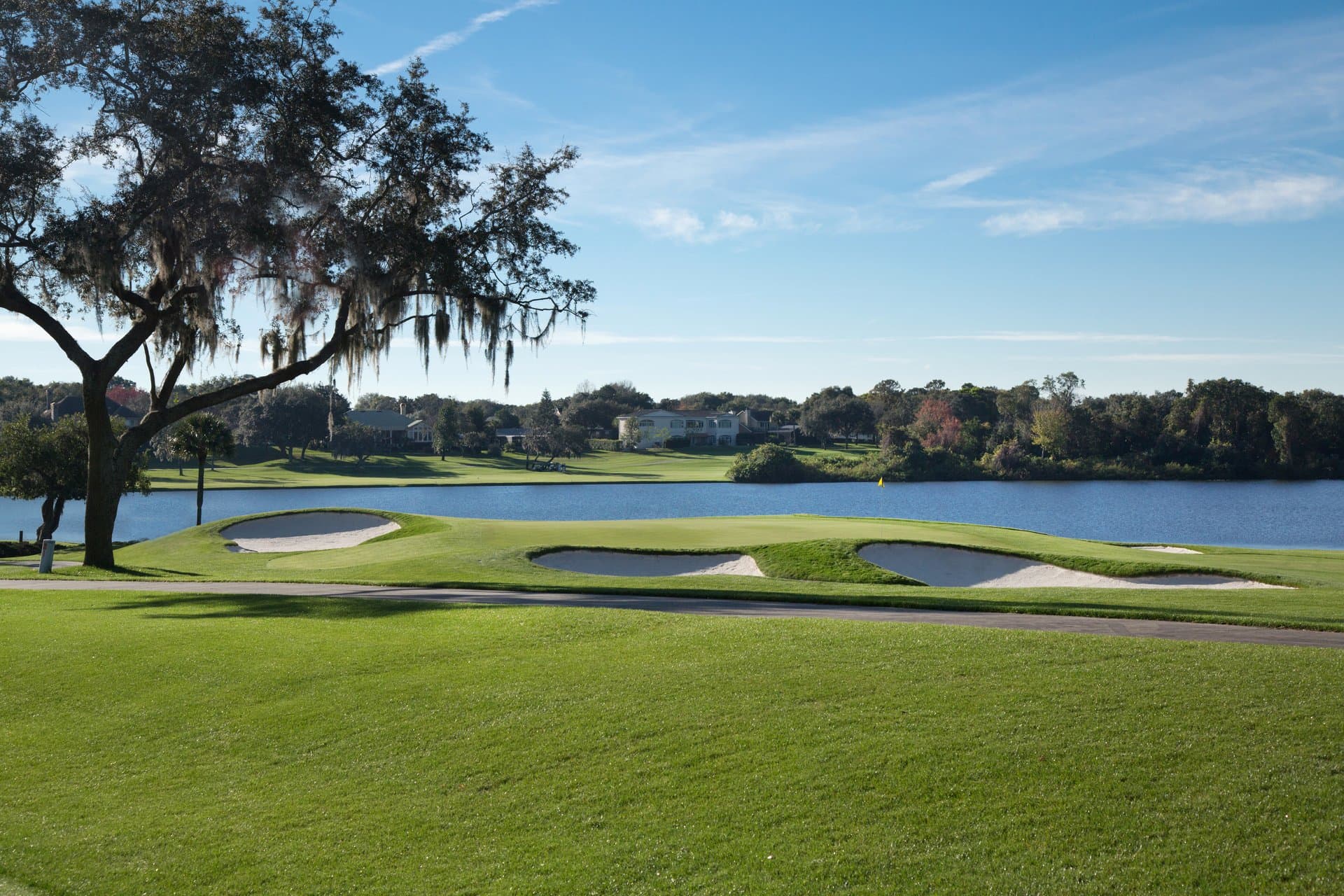
Arnold Palmer's Bay Hill Club & Lodge
Orlando, Florida
Arnold Palmer's living room, and the only Orlando course with genuine PGA Tour history.
$105–$475PrivateDick Wilson (1961), refined by Arnold Palmer
PartnerBook tee time
Mid-Range
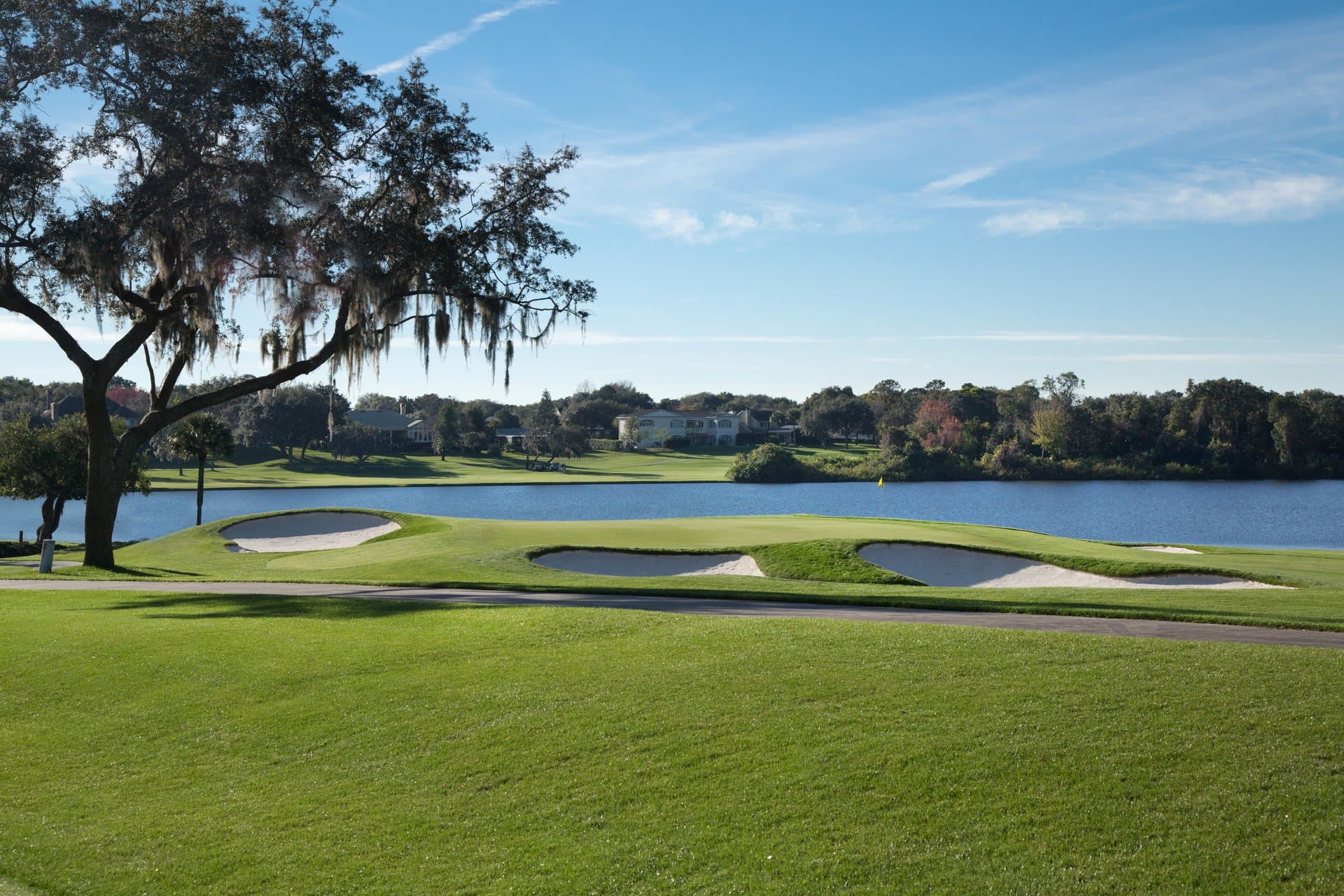
Bella Collina Golf Club
Orlando, Florida
Nick Faldo's only North American design, built into lakeside terrain with elevation changes rare for Florida.
$99–$175PrivateNick Faldo & Steve Smyers (2008)
GolfNowBook tee time
Premium
ChampionsGate Golf Club — International Course
Orlando, Florida
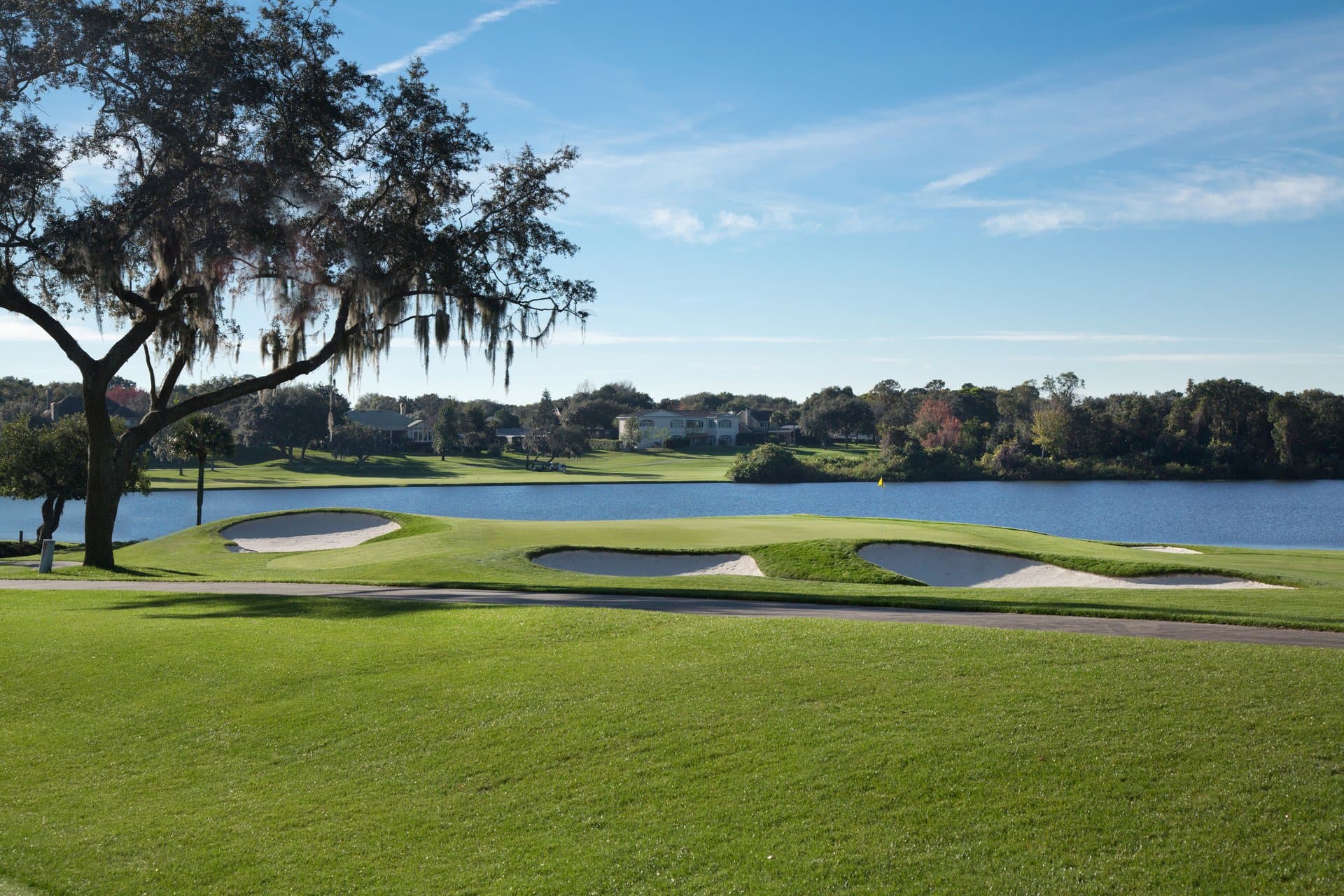
The highest course rating in Florida, and the closest thing to links golf that Orlando produces.
From $275ResortGreg Norman, Matthew Dusenberry & Tad Burnett (2000; remastered 2016)
GolfNowBook tee time
Premium
ChampionsGate Golf Club — National Course
Orlando, Florida
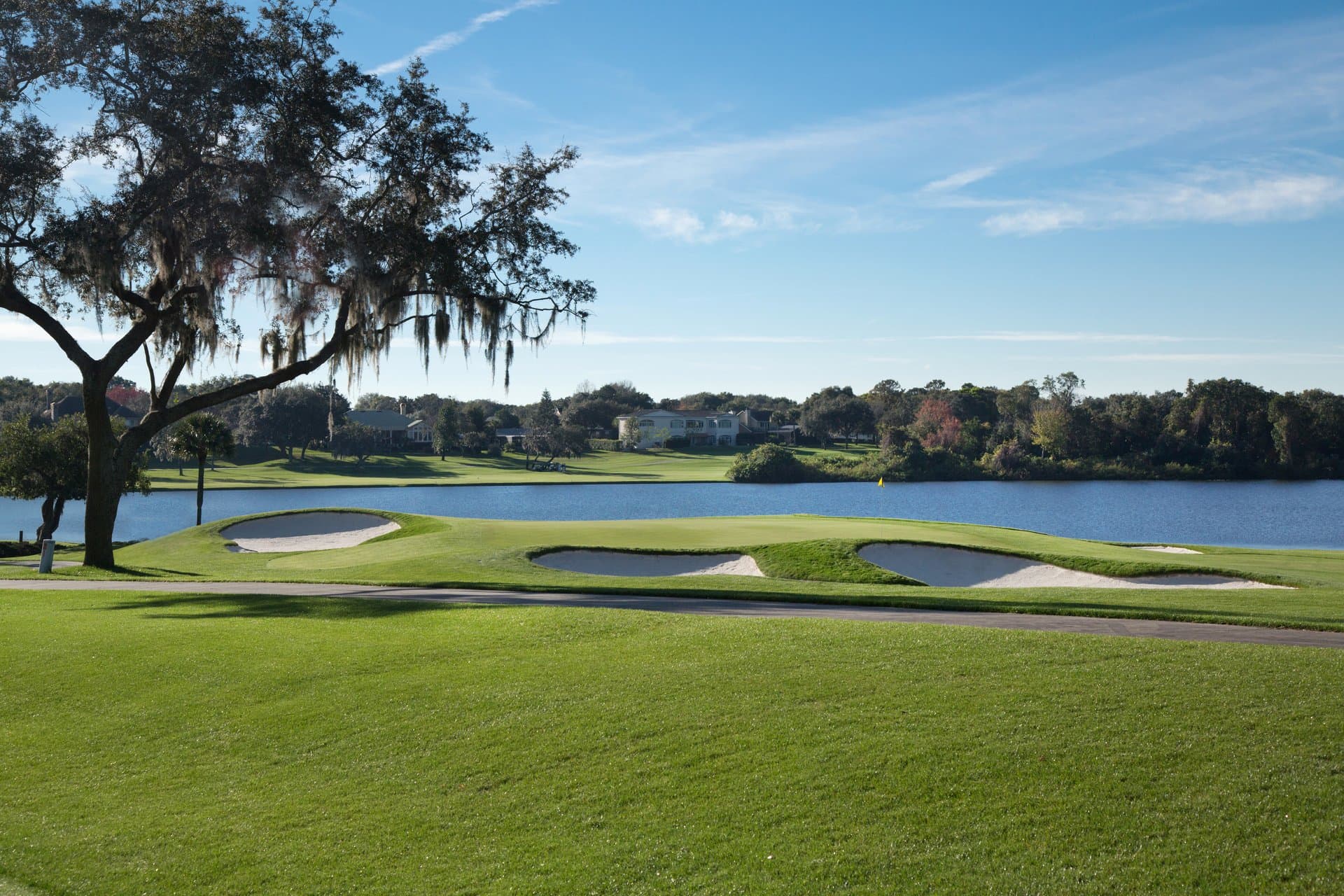
Greg Norman's parkland counterpart to the International, with 80 bunkers winding through former orange groves.
From $275ResortGreg Norman (2000)
GolfNowBook tee time
Hidden Value
Falcon's Fire Golf Club
Orlando, Florida
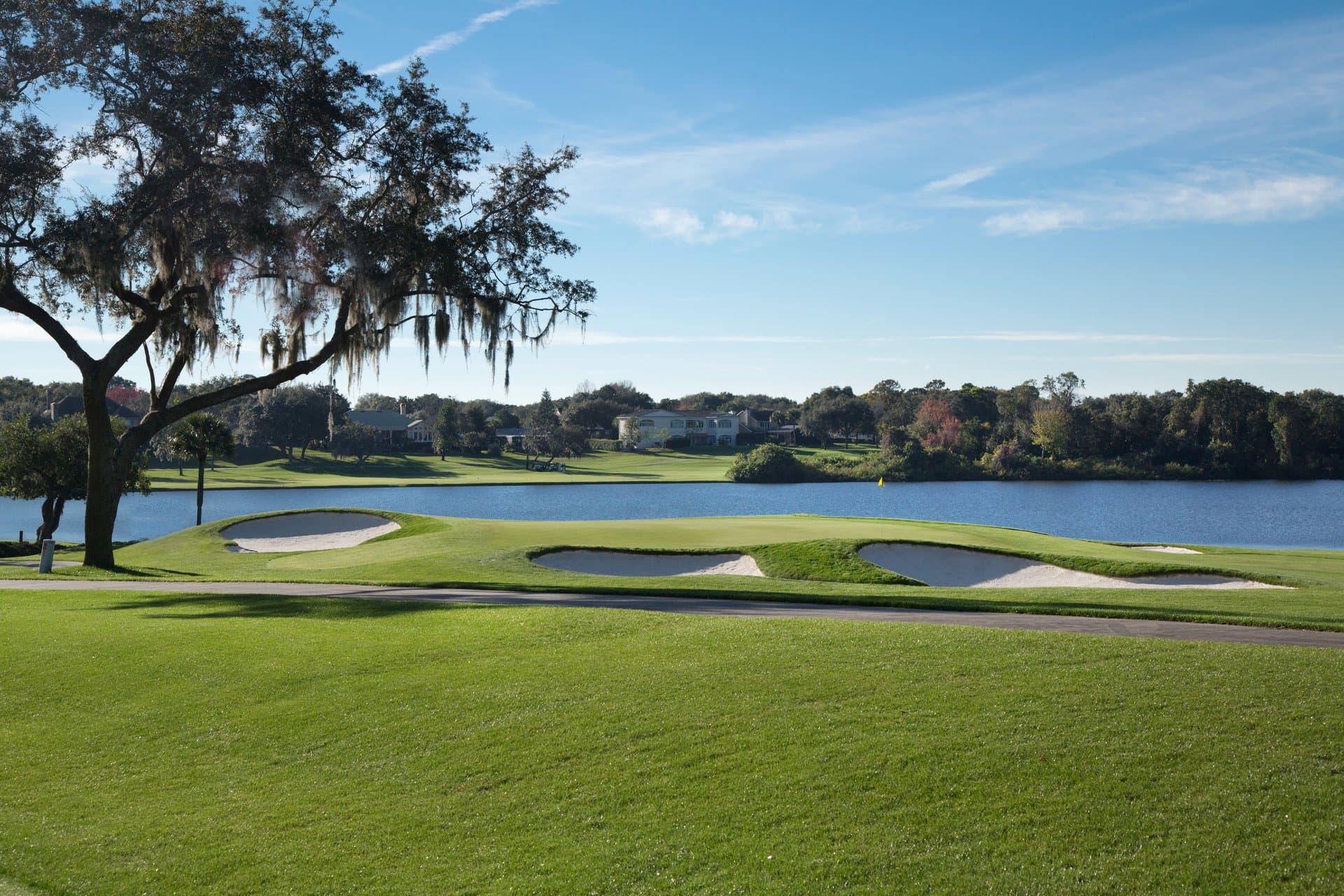
Rees Jones conditioning at a public-course price, quietly reliable since 1993.
From $145PublicRees Jones / Greg Muirhead (1993)
GolfNowBook tee time
Premium
Grand Cypress Golf Club — New Course (Links)
Orlando, Florida
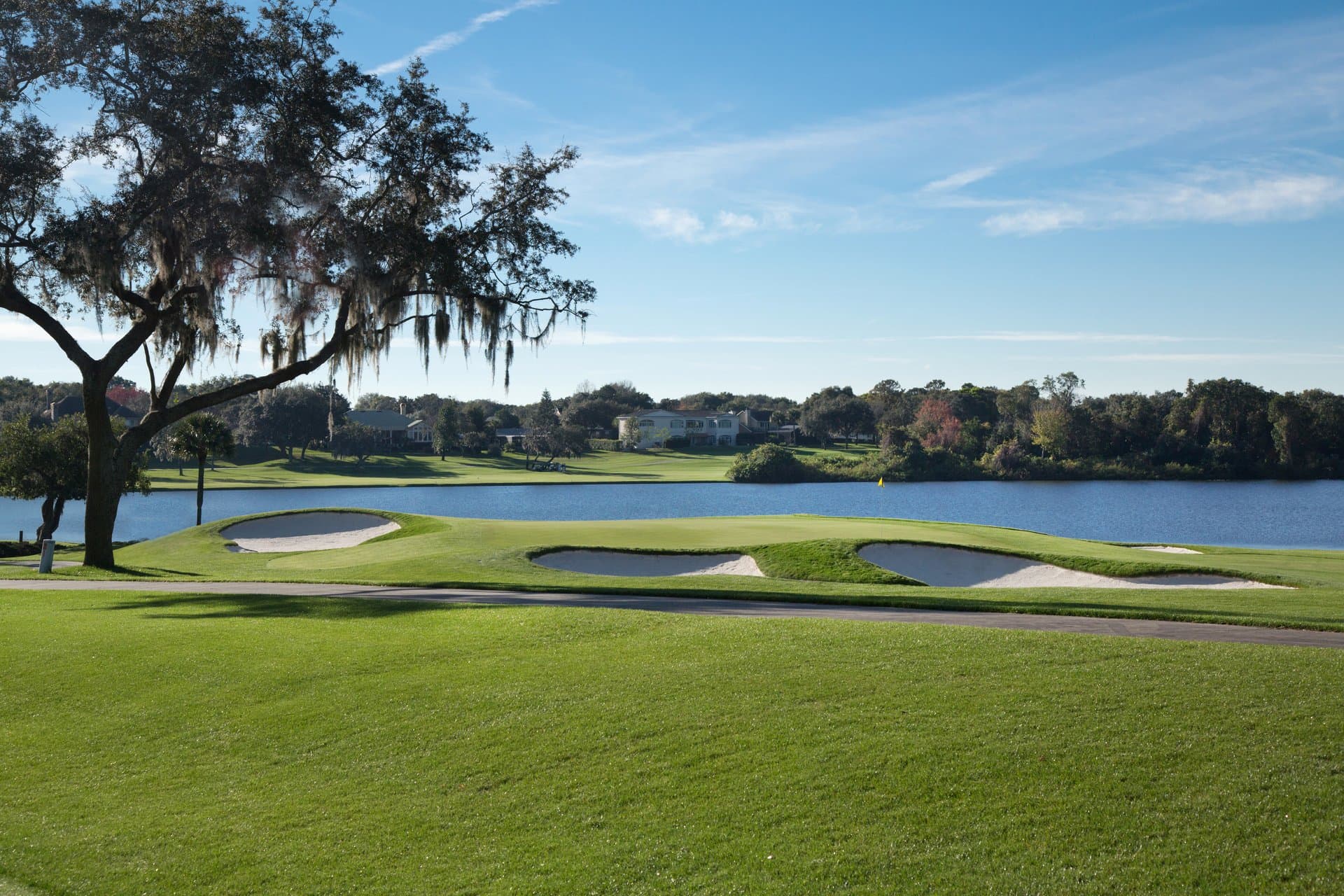
Jack Nicklaus built a tribute to the Old Course at St Andrews in the shadow of Walt Disney World.
$75–$150ResortJack Nicklaus (1988)
GolfNowBook tee time
Mid-Range
Orange County National — Crooked Cat
Orlando, Florida
The tougher sibling at Orange County National, with a 76.0 rating that tests accomplished players.
From $209PublicPhil Ritson / Dave Harman / Isao Aoki (1997)
GolfNowBook tee time
Mid-Range
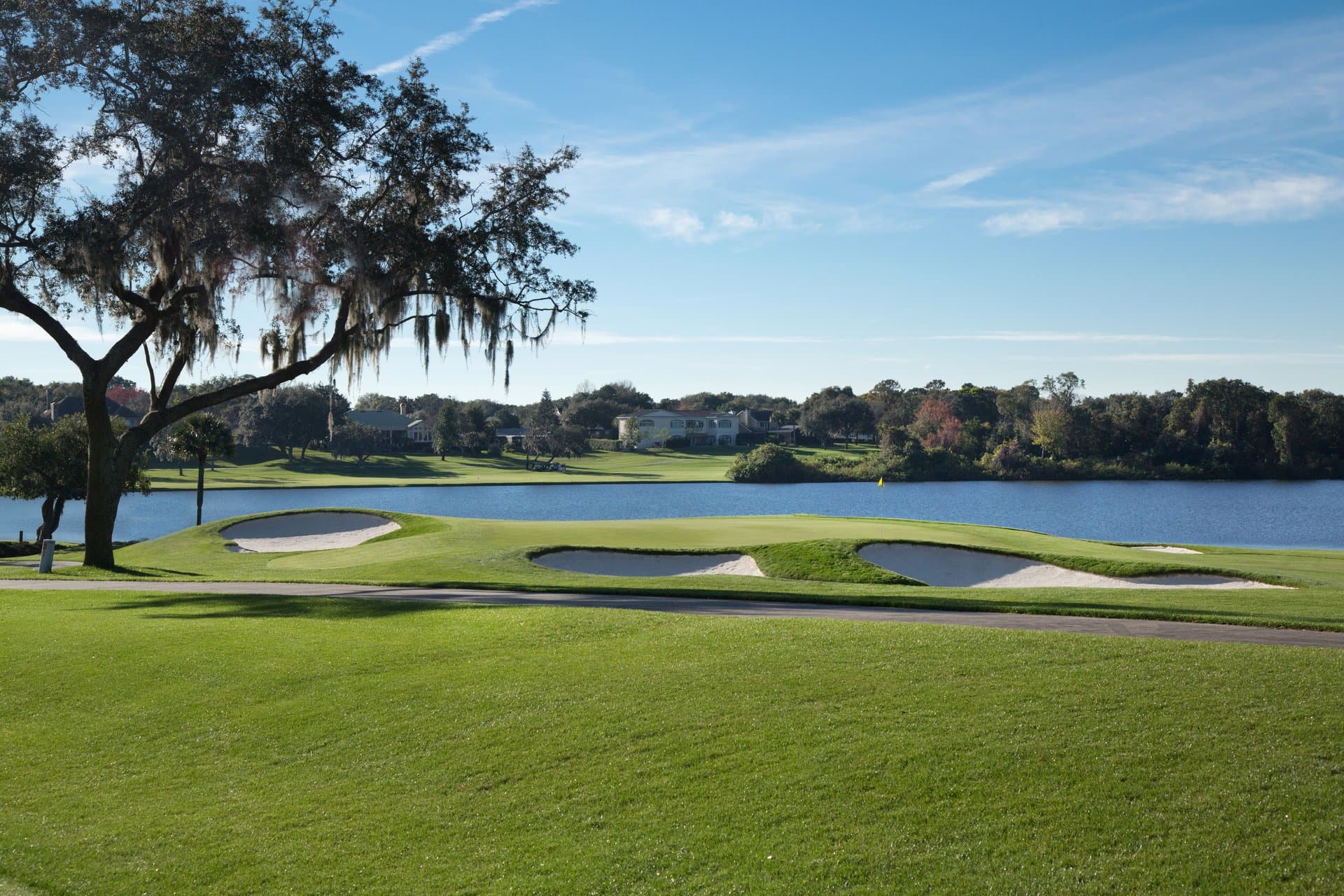
Orange County National — Panther Lake
Orlando, Florida
A 900-acre golf-only facility that consistently ranks among the best public courses in Florida.
From $149PublicPhil Ritson / Dave Harman / Isao Aoki (1997)
GolfNowBook tee time
Mid-Range
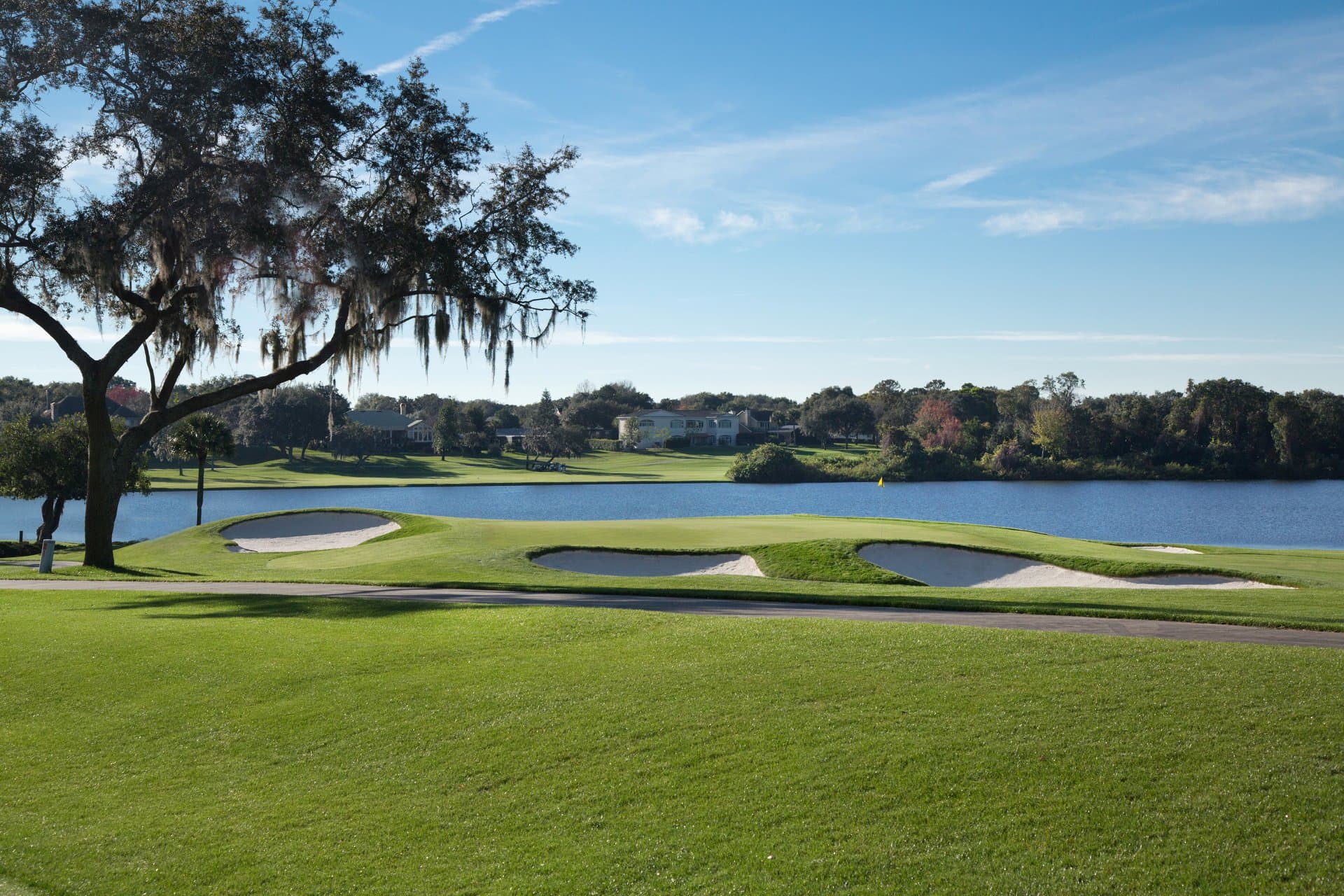
Providence Golf Club
Orlando, Florida
A public course ten minutes from Disney with greens that punch above its price point.
$100–$119PublicMike Dasher (2007, renovated 2018)
GolfNowBook tee time
Premium
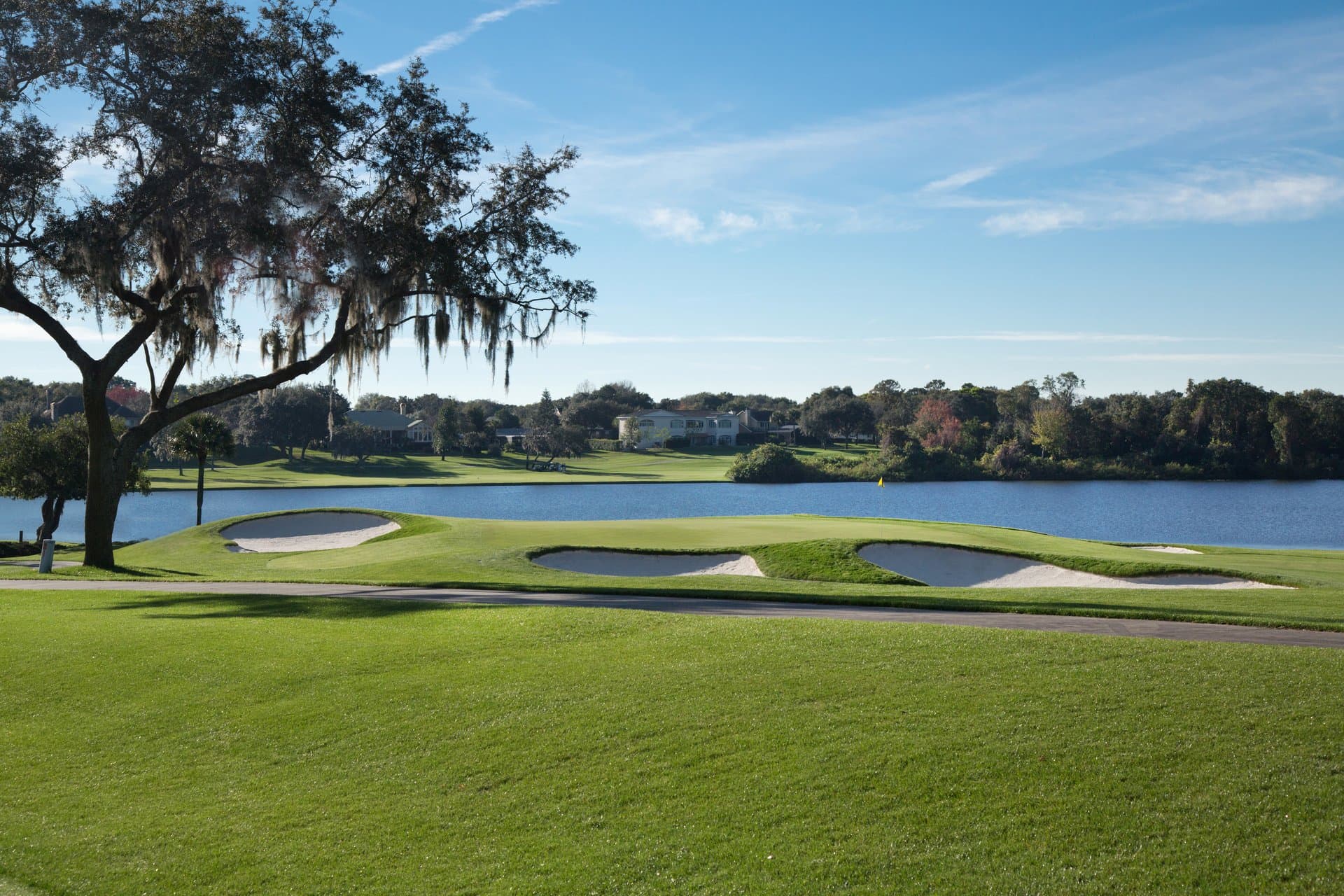
Reunion Resort — Nicklaus Course (Tradition)
Orlando, Florida
Jack Nicklaus's precise demand for iron play, with pot bunkers and small greens that accept nothing casual.
$101–$223ResortJack Nicklaus (2004)
GolfNowBook tee time
Premium
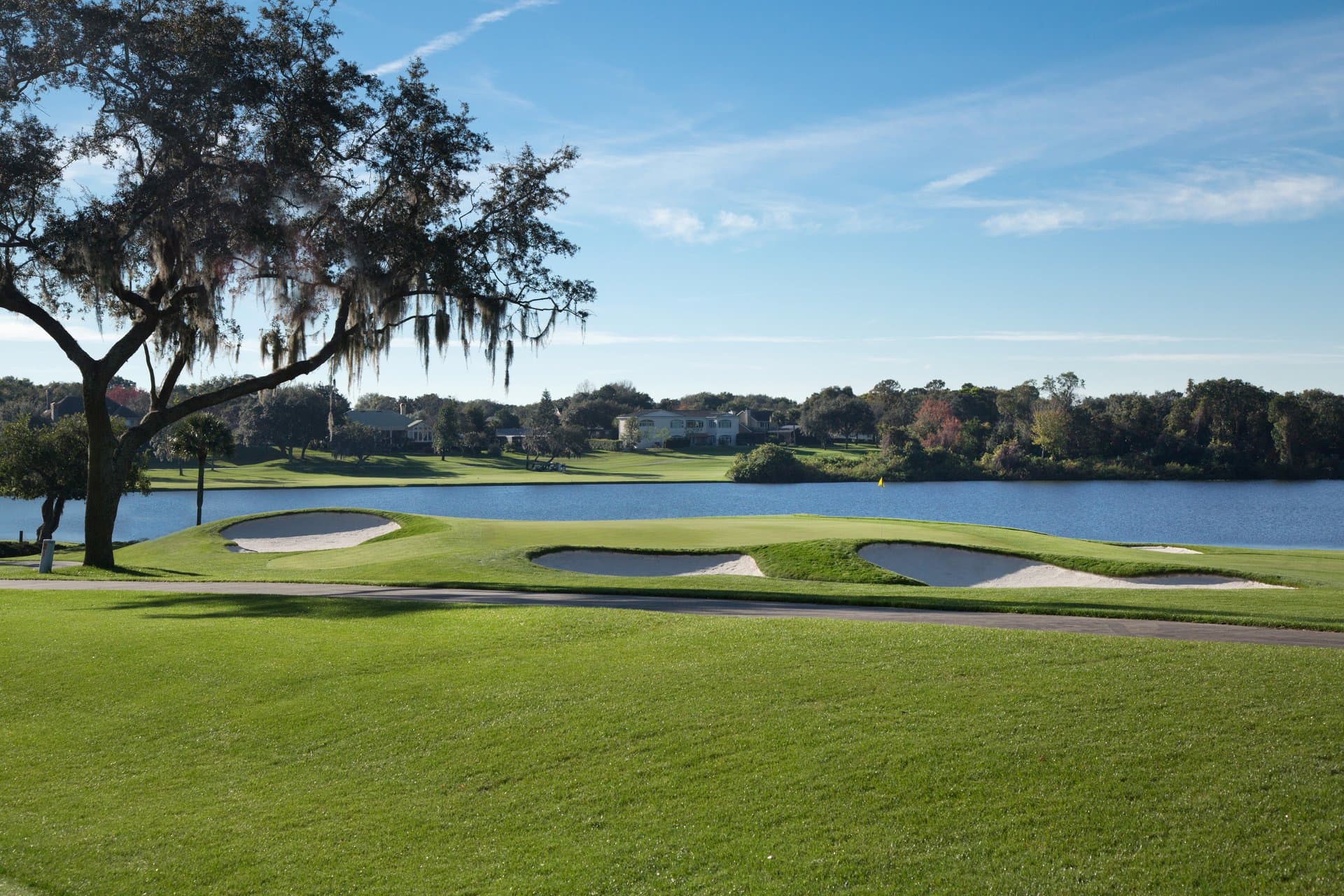
Reunion Resort — Palmer Course
Orlando, Florida
Arnold Palmer's signature elevation changes bring hill-country drama to flat Florida.
$101–$223ResortArnold Palmer (2004)
GolfNowBook tee time
Premium
Reunion Resort — Watson Course
Orlando, Florida
Tom Watson's strategic test on rolling terrain, and the most cerebral of Reunion's three designs.
$101–$223ResortTom Watson (2004)
GolfNowBook tee time
Hidden Value
Royal St. Cloud Golf Links
Orlando, Florida
Three British Isles-themed nines at a price that makes five-round Orlando trips possible.
$59–$64PublicChip Powell (~2001, third nine 2009)
GolfNowBook tee time
Mid-Range
Shingle Creek Golf Club
Orlando, Florida
Water on 15 of 18 holes along the headwaters of the Everglades, redesigned by the Palmer firm in 2016.
From $199ResortDavid Harman (2003), redesigned Thad Layton/Arnold Palmer Design (2016)
GolfNowBook tee time
Premium
Waldorf Astoria Golf Club
Orlando, Florida
Rees Jones routed through a wetland preserve to produce Orlando's most visually immersive resort course.
From $325ResortRees Jones (2009)
GolfNowBook tee time
Legacy Golf Links
Hidden Value
Legacy Golf Links
Pinehurst & the Sandhills, North Carolina
A Nicklaus-family design at $119 a round. The best pure value in the Sandhills.
From $119PublicJack Nicklaus II (1991)
GolfNowBook tee time
Longleaf Golf & Family Club
Hidden Value
Longleaf Golf & Family Club
Pinehurst & the Sandhills, North Carolina
Dan Maples designed it for families. The Longleaf Tee System makes it work for everyone else, too.
From $140PublicDan Maples (1988; Bill Bergin enhancements)
GolfNowBook tee time
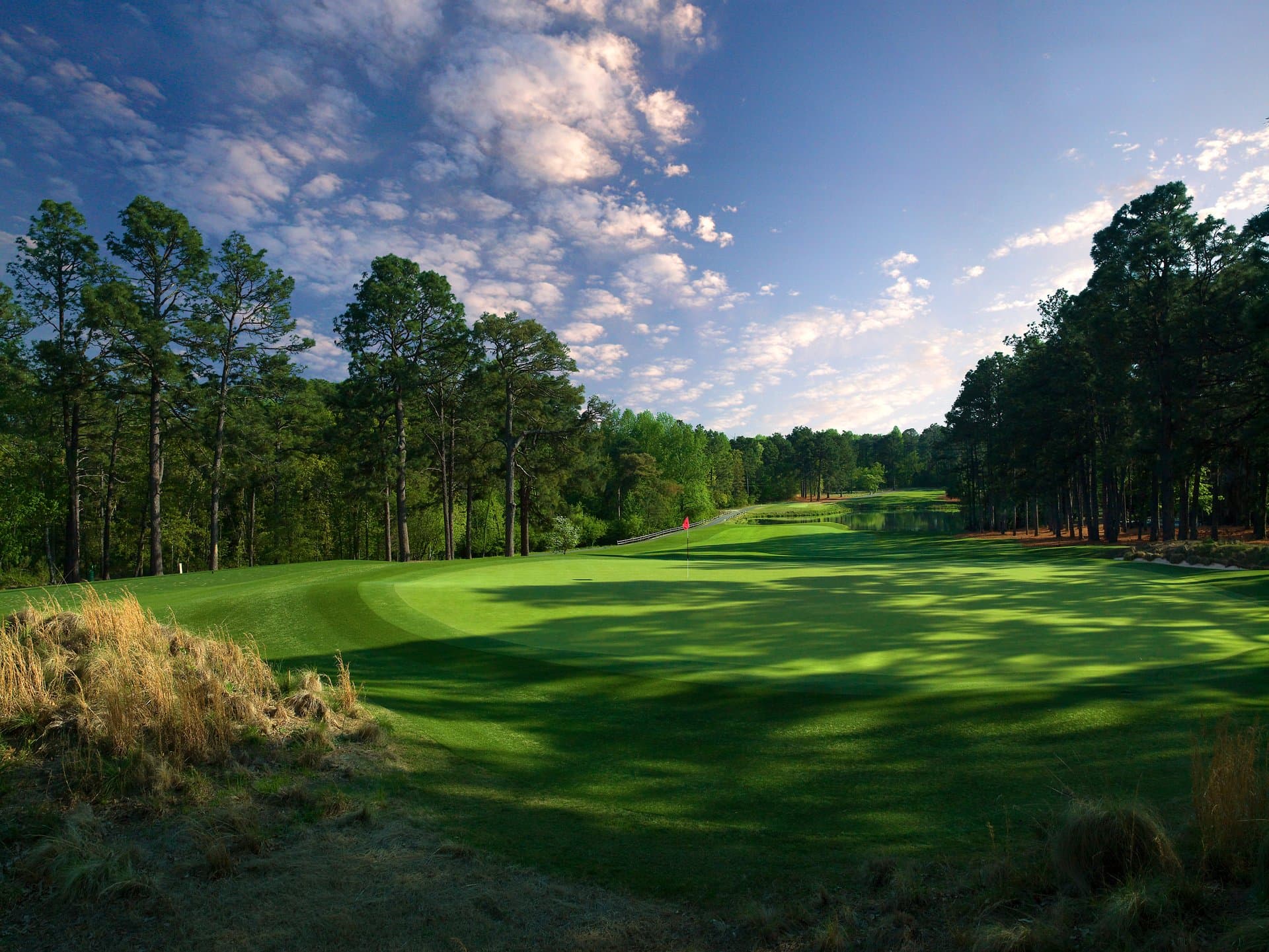
Mid Pines Inn & Golf Club
Premium
Mid Pines Inn & Golf Club
Pinehurst & the Sandhills, North Carolina
Donald Ross at his most natural, restored to original intent. The quieter sibling that returning players prefer.
From $225ResortDonald Ross (1921; Kyle Franz restoration 2013)
GolfNowBook tee time
Premium
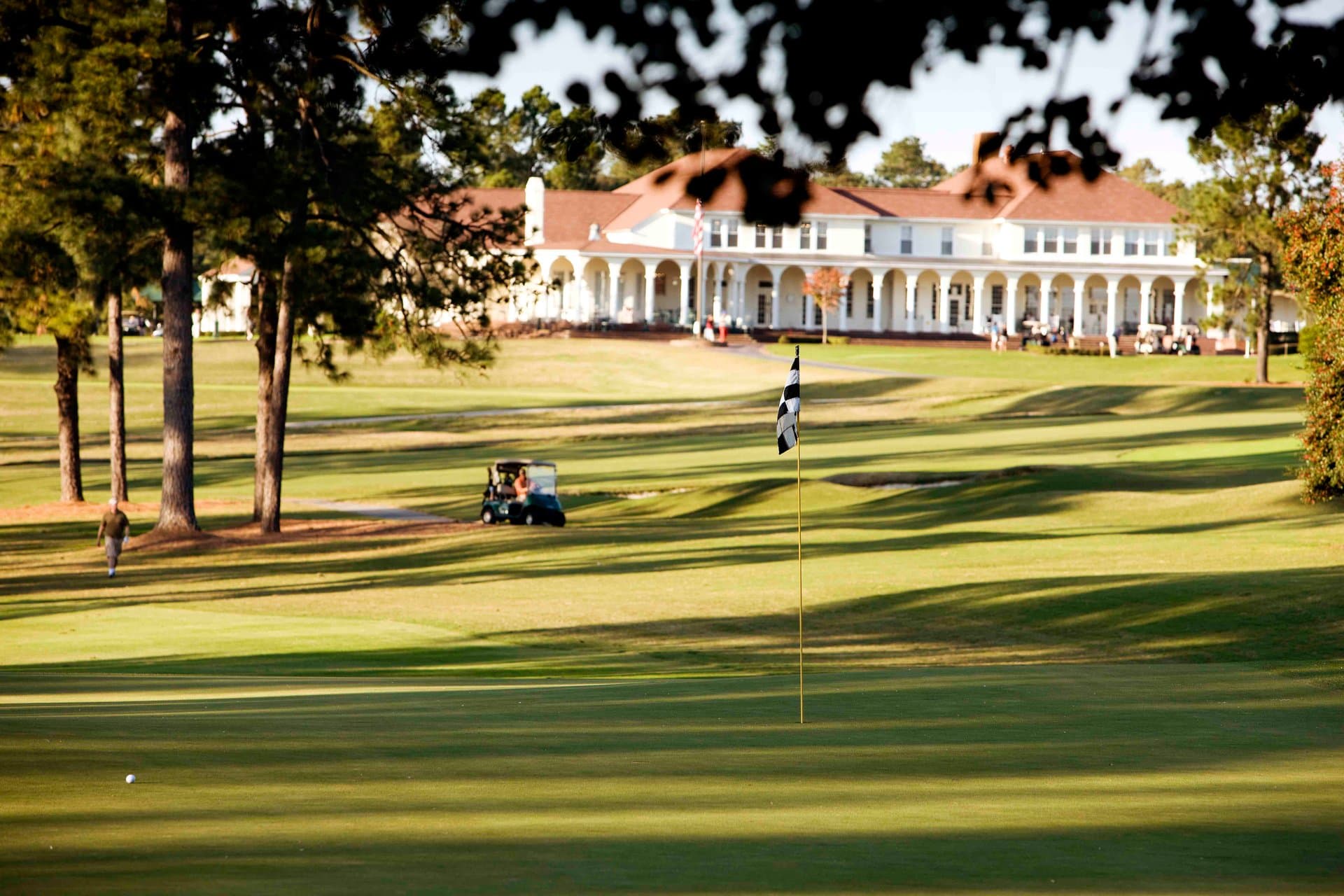
Pine Needles Lodge & Golf Club
Pinehurst & the Sandhills, North Carolina
Four U.S. Women's Opens on a Donald Ross routing that proves championship golf does not require championship length.
$155–$295ResortDonald Ross (1928)
PartnerBook tee time
Bucket List
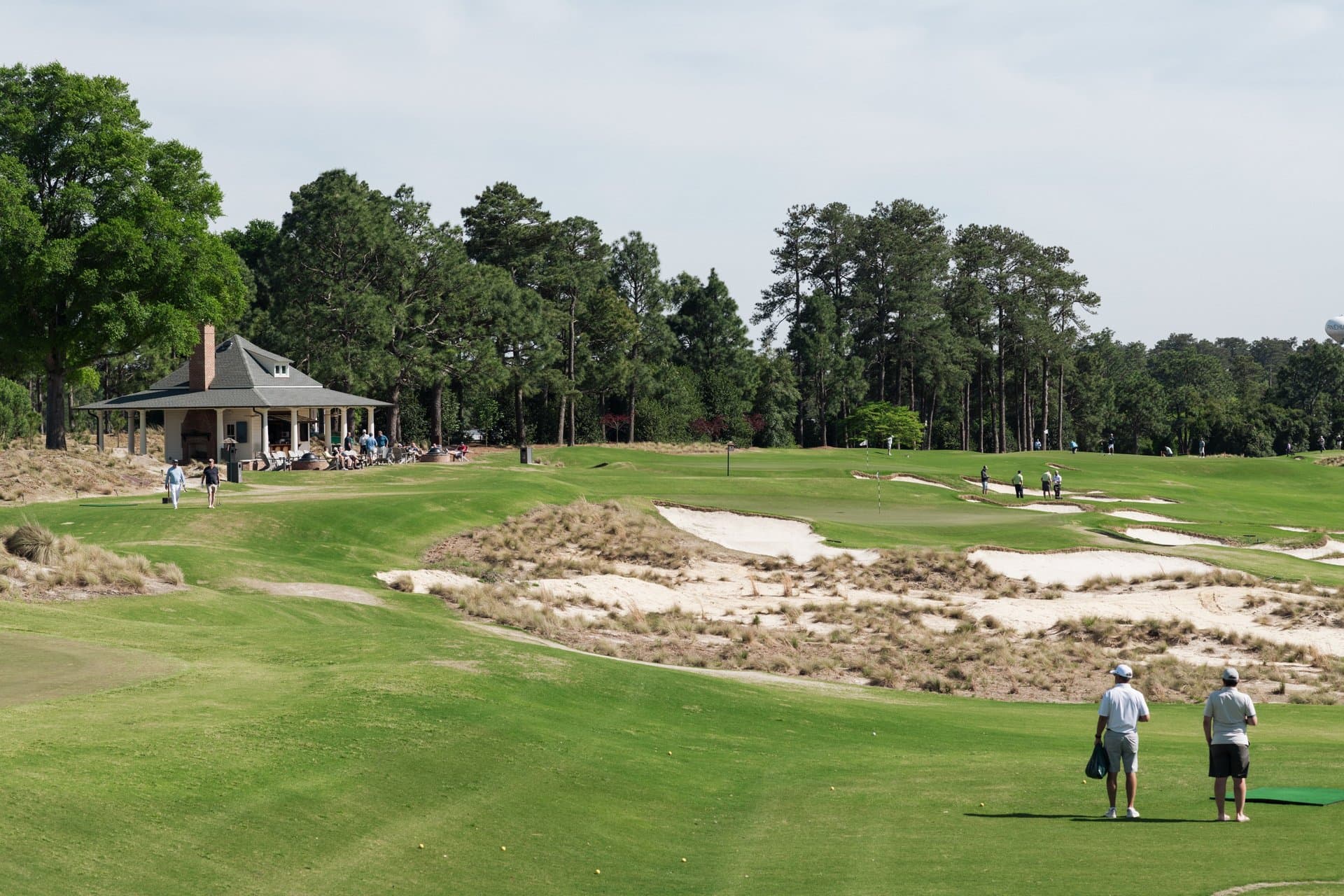
Pinehurst No. 2
Pinehurst & the Sandhills, North Carolina
The course Donald Ross spent a lifetime refining, restored to the sandy, wire-grassed original that the USGA keeps coming back to.
$195–$595ResortDonald Ross (1907, refined through 1948; Coore/Crenshaw restoration 2011)
PartnerBook tee time
Premium
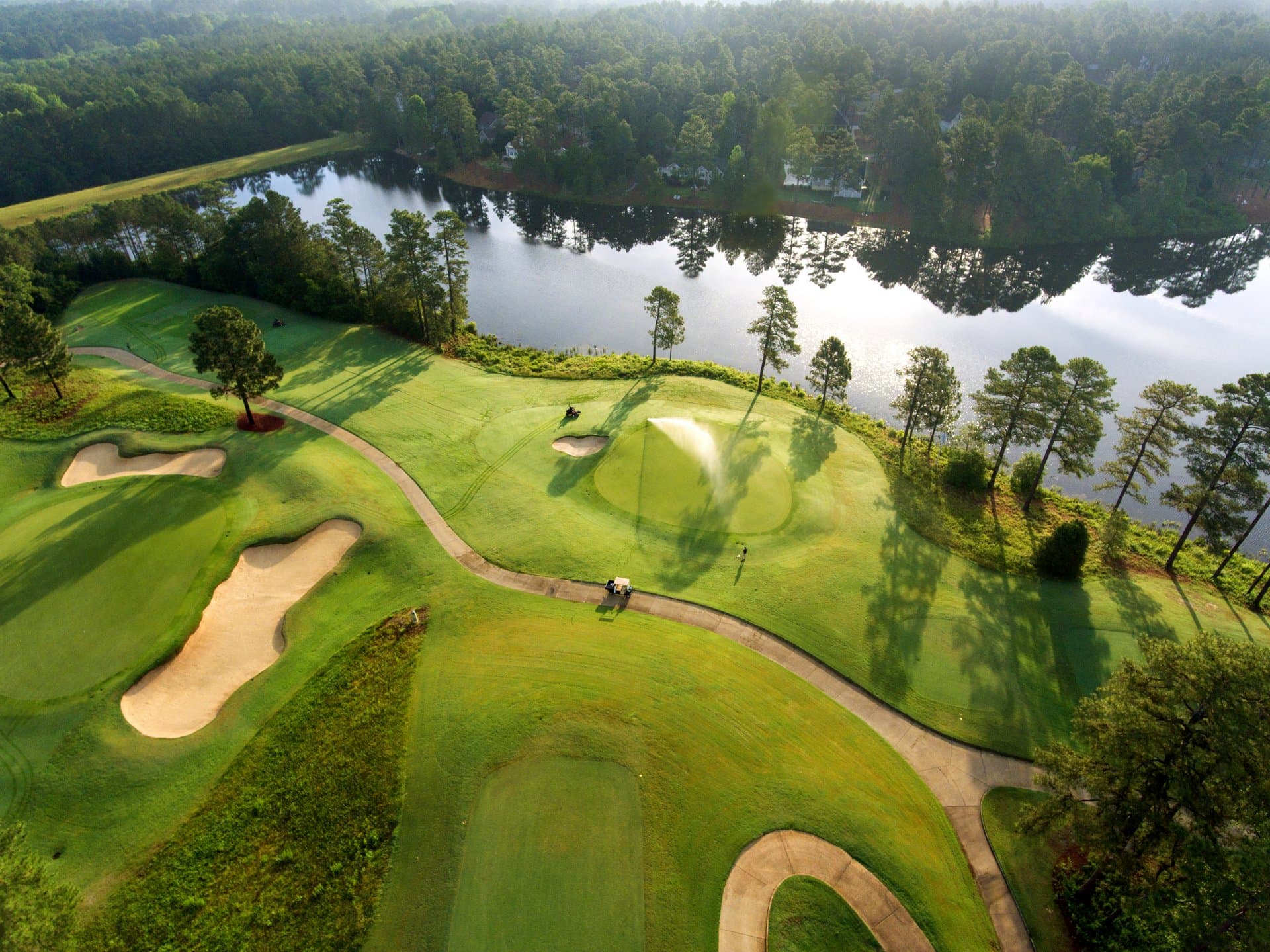
Pinehurst No. 4
Pinehurst & the Sandhills, North Carolina
Gil Hanse rebuilt a Donald Ross original into the resort's most complete modern test. Golf Digest agreed.
From $395ResortGil Hanse (2018 redesign; orig. Donald Ross 1919)
PartnerBook tee time
Mid-Range
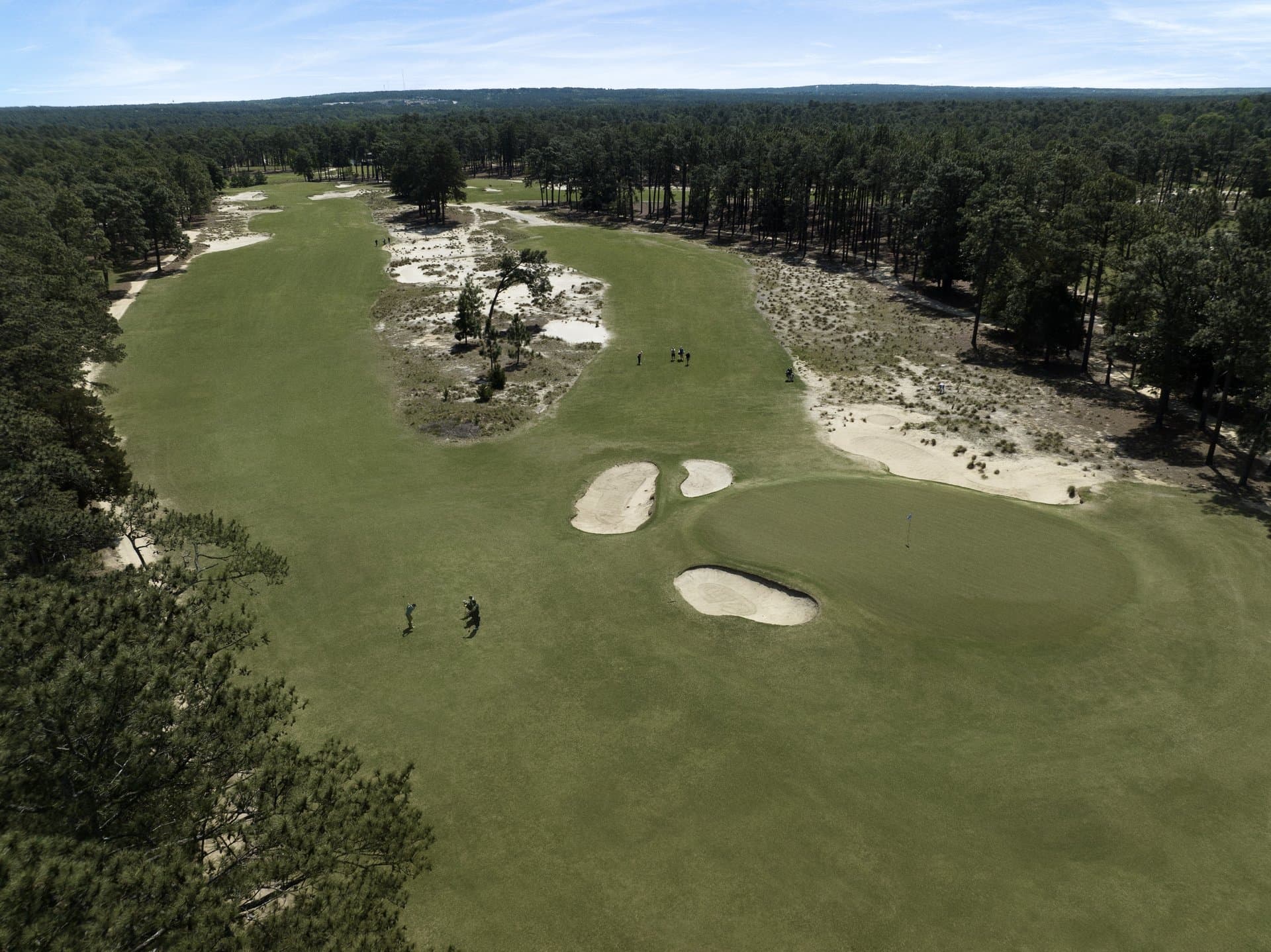
Pinehurst No. 8 — Centennial
Pinehurst & the Sandhills, North Carolina
Tom Fazio's centennial tribute to Donald Ross, with false fronts and collection areas filtered through Fazio's groomed sensibility.
From $275ResortTom Fazio (1996)
PartnerBook tee time
Mid-Range
Pinehurst No. 9
Pinehurst & the Sandhills, North Carolina
The only Nicklaus design in the Sandhills. A different voice in a region defined by Donald Ross.
From $275ResortJack Nicklaus (1989; renovated 2012)
PartnerBook tee time
Talamore Golf Resort
Mid-Range
Talamore Golf Resort
Pinehurst & the Sandhills, North Carolina
Rees Jones built it for Golf Digest's Top 5 in 1991. The restored greens still hold up.
From $189ResortRees Jones (1991)
GolfNowBook tee time
Tobacco Road Golf Club
Bucket List
Tobacco Road Golf Club
Pinehurst & the Sandhills, North Carolina
Mike Strantz carved a sand quarry into the most polarising course in the Southeast. The slope of 150 is not a misprint.
From $275PublicMike Strantz (1998)
GolfNowBook tee time

Mid-Range
Cambrian Ridge Canyon/Sherling
Robert Trent Jones Golf Trail, Alabama, Alabama
A 27-hole complex where the Canyon nine, carved from hunting grounds with extreme elevation, produces the Trail's most dramatic terrain
$55–$95PublicRobert Trent Jones Sr. / Roger Rulewich (1993, Canyon nine reconstructed 2016)
Direct websiteVisit website

Mid-Range
Capitol Hill Judge
Robert Trent Jones Golf Trail, Alabama, Alabama
GOLF Magazine declared it worthy of hosting a U.S. Open, and at $65-$105 the green fee remains difficult to reconcile with the architecture
$65–$105PublicRobert Trent Jones Sr, Roger Rulewich (2000)
Direct websiteVisit website

Premium
Fighting Joe
Robert Trent Jones Golf Trail, Alabama, Alabama
The first Trail course to exceed 8,000 yards, perched above the Tennessee River with the highest slope rating in the system
$55–$95PublicRoger Rulewich (2004)
Direct websiteVisit website
Mid-Range
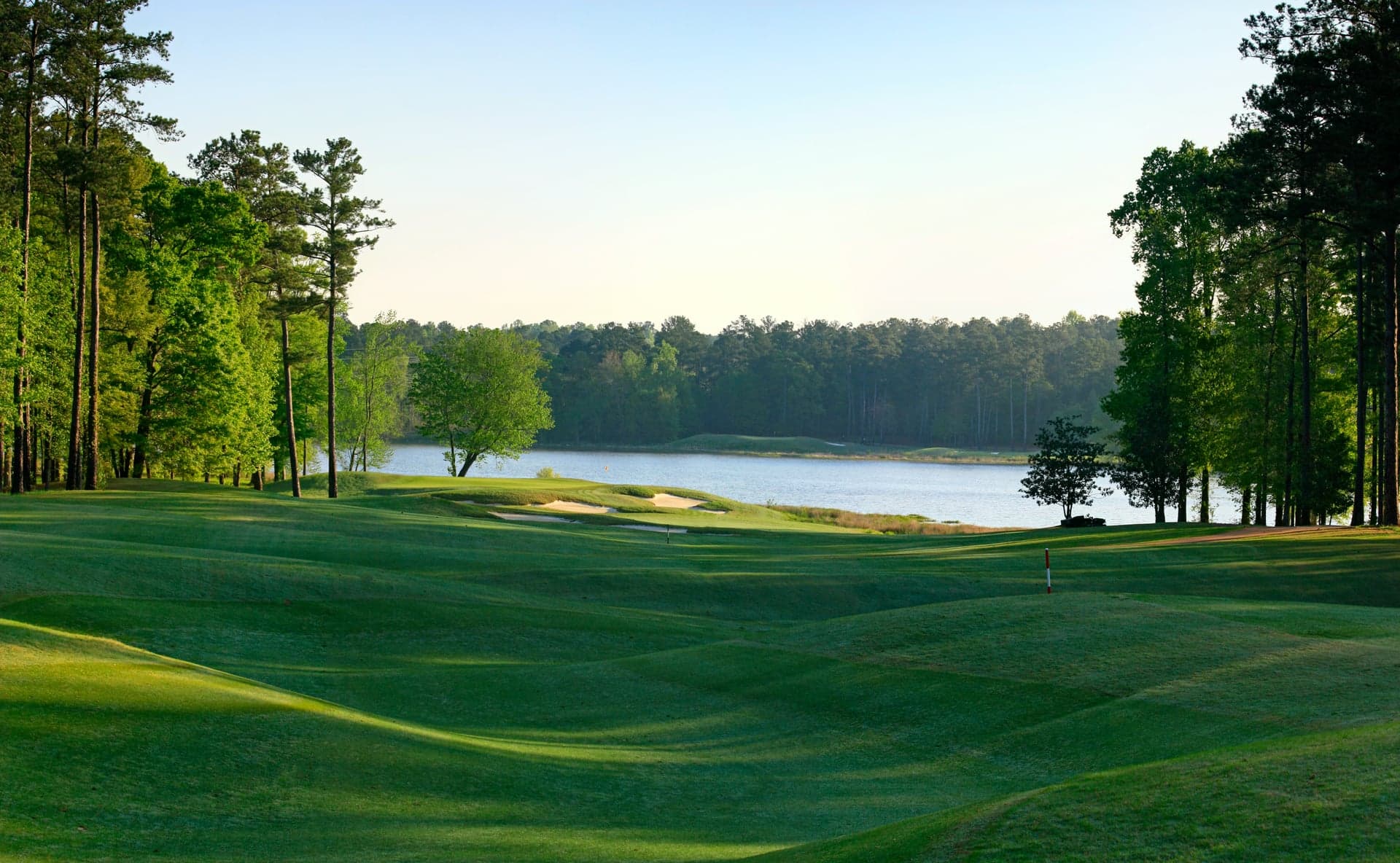
Grand National Links
Robert Trent Jones Golf Trail, Alabama, Alabama
One of the original Trail courses, routed around a 600-acre lake as part of a 54-hole complex in Opelika
$55–$95PublicRobert Trent Jones Sr. / Roger Rulewich (1993)
Direct websiteVisit website

Hidden Value
Oxmoor Valley Ridge
Robert Trent Jones Golf Trail, Alabama, Alabama
The original Trail site, built on former U.S. Steel mining land with exposed shale and 200 feet of elevation through hardwood forest
$45–$75PublicRobert Trent Jones Sr. / Roger Rulewich (1992)
Direct websiteVisit website
Premium
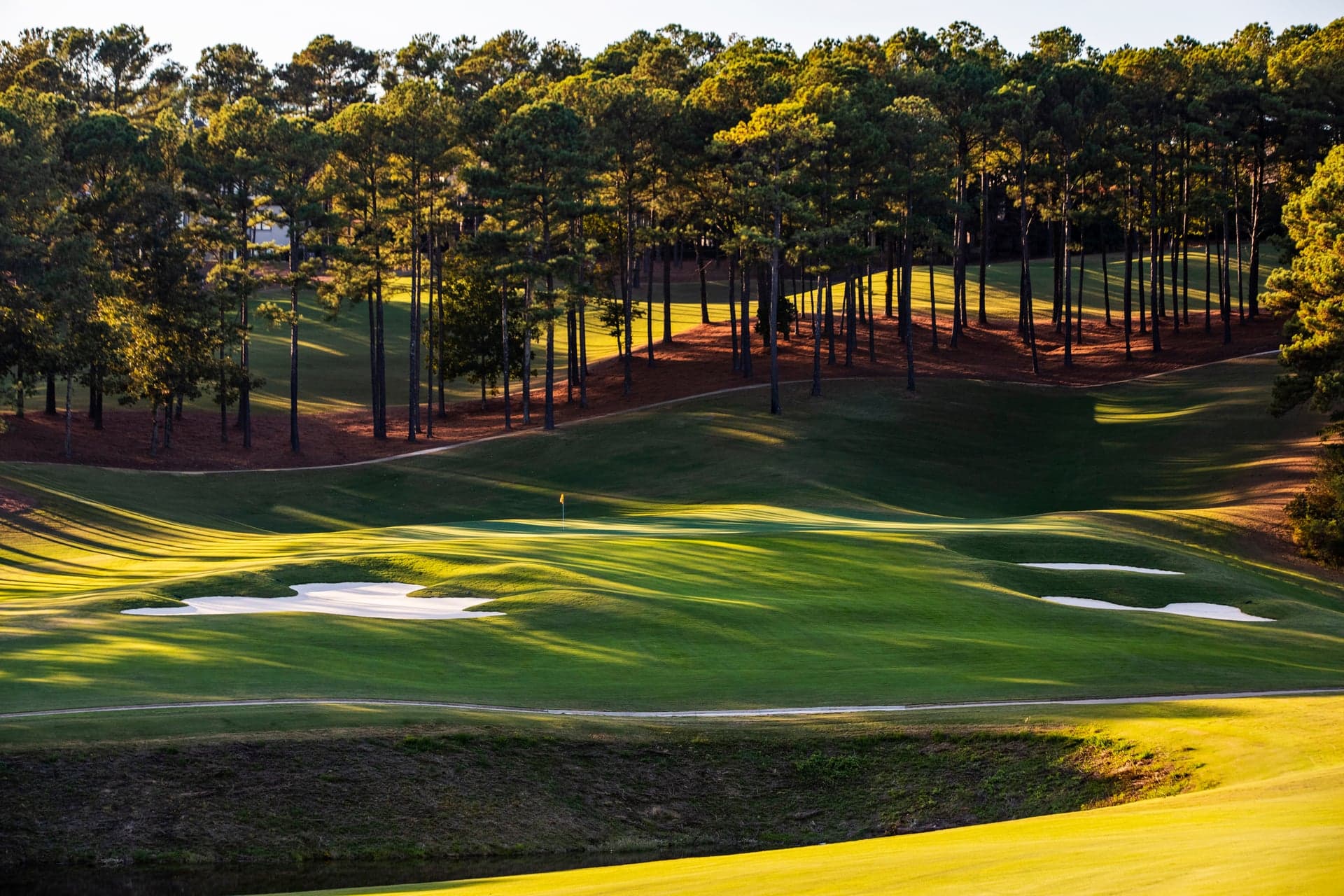
Ross Bridge
Robert Trent Jones Golf Trail, Alabama, Alabama
The Trail's flagship at 8,191 yards, routed through pine forests and across two lakes with 200 feet of elevation change
$85–$190ResortRoger Rulewich, Bobby Vaughan (2005)
Direct websiteVisit website
Amelia Island — Long Point
Premium
Amelia Island — Long Point
Sawgrass and Ponte Vedra Beach, Florida, Florida
Tom Fazio through salt marsh and oceanfront dunes, available to resort guests who know to ask.
$150–$200PrivateTom Fazio (1986)
Direct websiteVisit website
Amelia Island — Oak Marsh
Mid-Range
Amelia Island — Oak Marsh
Sawgrass and Ponte Vedra Beach, Florida, Florida
Pete Dye's 1972 design, freshly renovated in 2025, with water on 14 holes and a green fee that respects the budget.
$100–$155ResortPete Dye (1972); Beau Welling (renovation, 2025)
Direct websiteVisit website
TPC Sawgrass — Dye's Valley Course
Premium
TPC Sawgrass — Dye's Valley Course
Sawgrass and Ponte Vedra Beach, Florida, Florida
The second course at TPC Sawgrass, redesigned in 2014, that earns its tee time on its own terms.
$225–$325ResortPete Dye, Bobby Weed & Jerry Pate (1987)
Direct websiteVisit website
TPC Sawgrass — Stadium Course
Bucket List
TPC Sawgrass — Stadium Course
Sawgrass and Ponte Vedra Beach, Florida, Florida
The island green, the stadium mounding, and a Pete Dye design that changed how tournament courses are built.
$550–$750ResortPete Dye and Alice Dye (1980)
Direct websiteVisit website
World Golf Village — King & Bear
Mid-Range
World Golf Village — King & Bear
Sawgrass and Ponte Vedra Beach, Florida, Florida
The only course co-designed by Arnold Palmer and Jack Nicklaus, and a better golf course than that footnote might suggest.
$80–$200ResortArnold Palmer and Jack Nicklaus (2000)
Direct websiteVisit website
World Golf Village — Slammer & Squire
Mid-Range
World Golf Village — Slammer & Squire
Sawgrass and Ponte Vedra Beach, Florida, Florida
Bobby Weed's tribute to Snead and Sarazen, built with the kind of playability that honors both names.
$80–$199ResortBobby Weed; consultants Sam Snead and Gene Sarazen (1998)
Direct websiteVisit website
Plantation Course at Sea Island Golf Club
Premium
Plantation Course at Sea Island Golf Club
Sea Island & St. Simons, Georgia
Rebuilt in 2019 by Davis Love III as a Golden Age homage, routing through live oaks and marsh with wide strategic corridors on St. Simons Island.
$250–$335ResortWalter Travis (1928); Colt & Alison (completed); Rees Jones (1990s); Davis Love III & Mark Love (rebuild, 2019)
Direct websiteVisit website
Retreat Course at Sea Island Golf Club
Premium
Retreat Course at Sea Island Golf Club
Sea Island & St. Simons, Georgia
The most relaxed of the three Sea Island courses, routed through mature live oaks and marshland at a length that invites enjoyment over endurance.
$175–$245ResortDick Wilson (1960); Davis Love III & Mark Love (redesign, 2001)
Direct websiteVisit website
Sea Palms Resort Golf Course
Mid-Range
Sea Palms Resort Golf Course
Sea Island & St. Simons, Georgia
The most accessible course on St. Simons Island, a George Cobb design managed by Troon with public tee times and sensible green fees.
$100–$160ResortGeorge Cobb (1967); renovated 2019
Direct websiteVisit website
Seaside Course at Sea Island Golf Club
Bucket List
Seaside Course at Sea Island Golf Club
Sea Island & St. Simons, Georgia
Host of the PGA Tour's RSM Classic and the original heart of Sea Island golf, routed along tidal marshes and the Georgia coast since 1929.
$310–$425ResortHarry S. Colt & Charles Alison (1929); Tom Fazio (redesign, 1999); Love Golf Design (restoration, 2026)
Direct websiteVisit website
The King and Prince Golf Club
Mid-Range
The King and Prince Golf Club
Sea Island & St. Simons, Georgia
A Joe Lee design on St. Simons Island with saltwater marshes, mature trees, and the lowest green fees in the Golden Isles.
$95–$135Semi-PrivateJoe Lee (1989)
Direct websiteVisit website
Premium
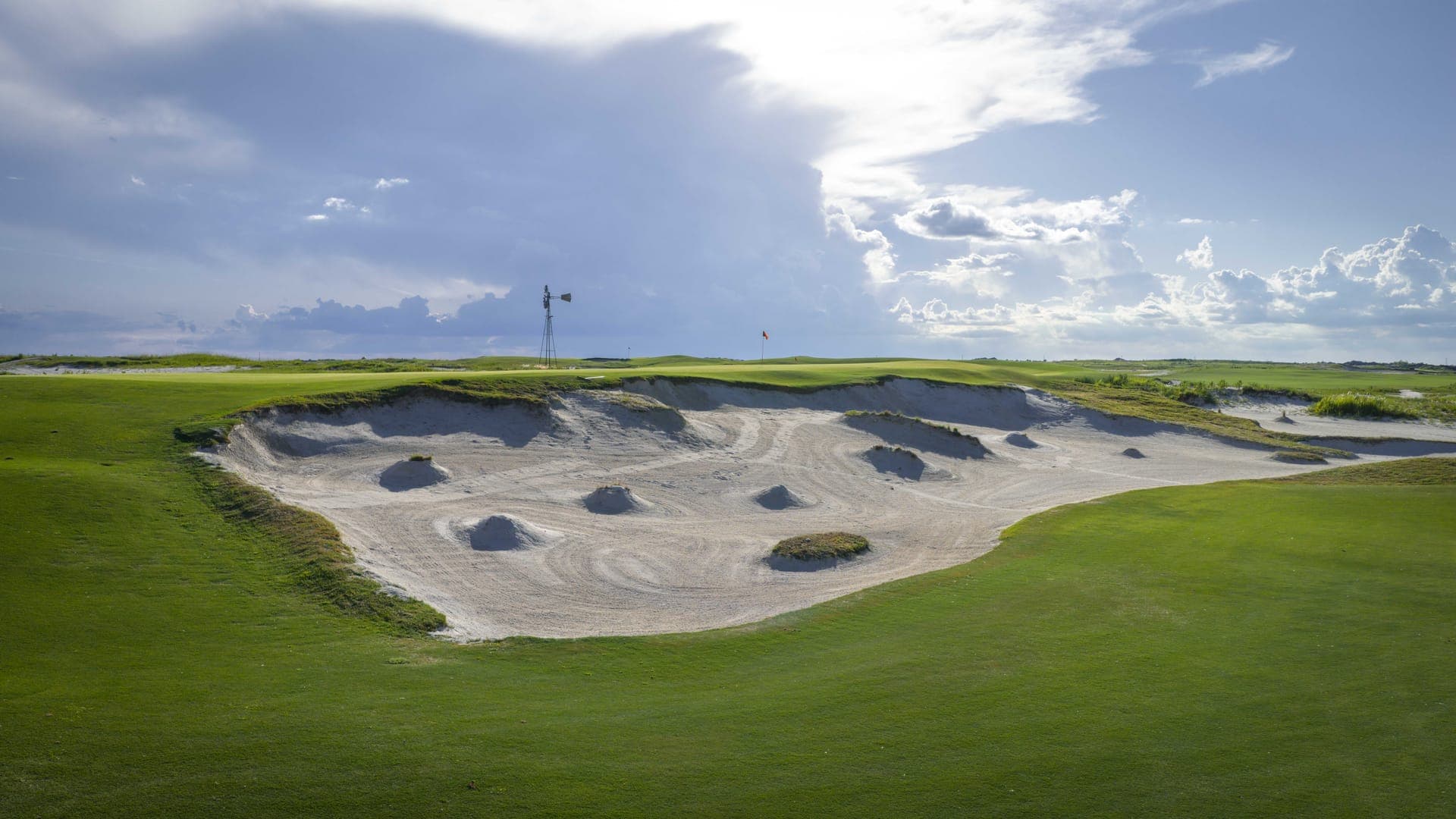
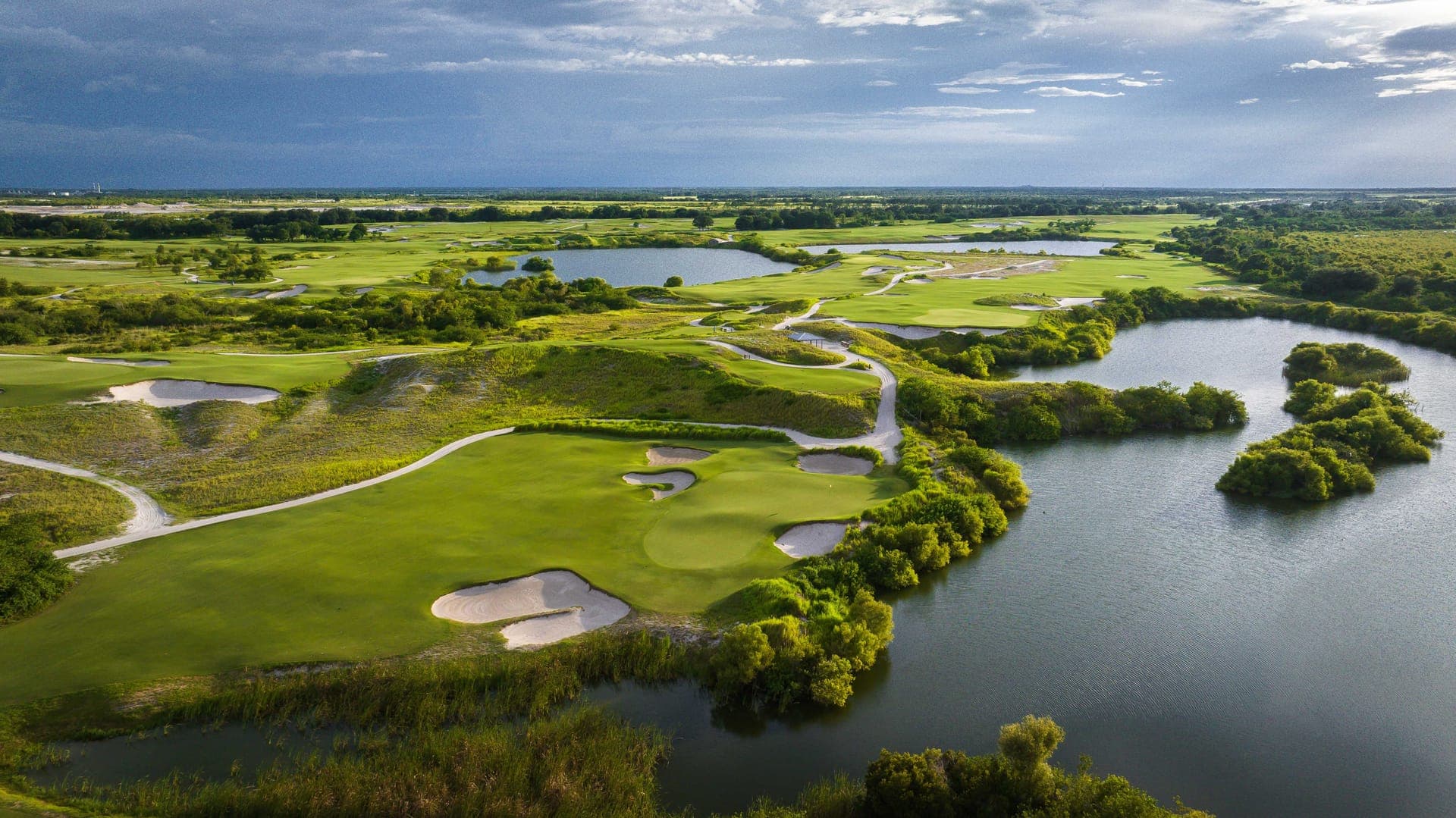
Streamsong Black
Streamsong, Florida
Gil Hanse's Answer to the Streamsong Landscape
$275–$395ResortGil Hanse & Jim Wagner (2017)
PartnerBook tee time
Bucket List
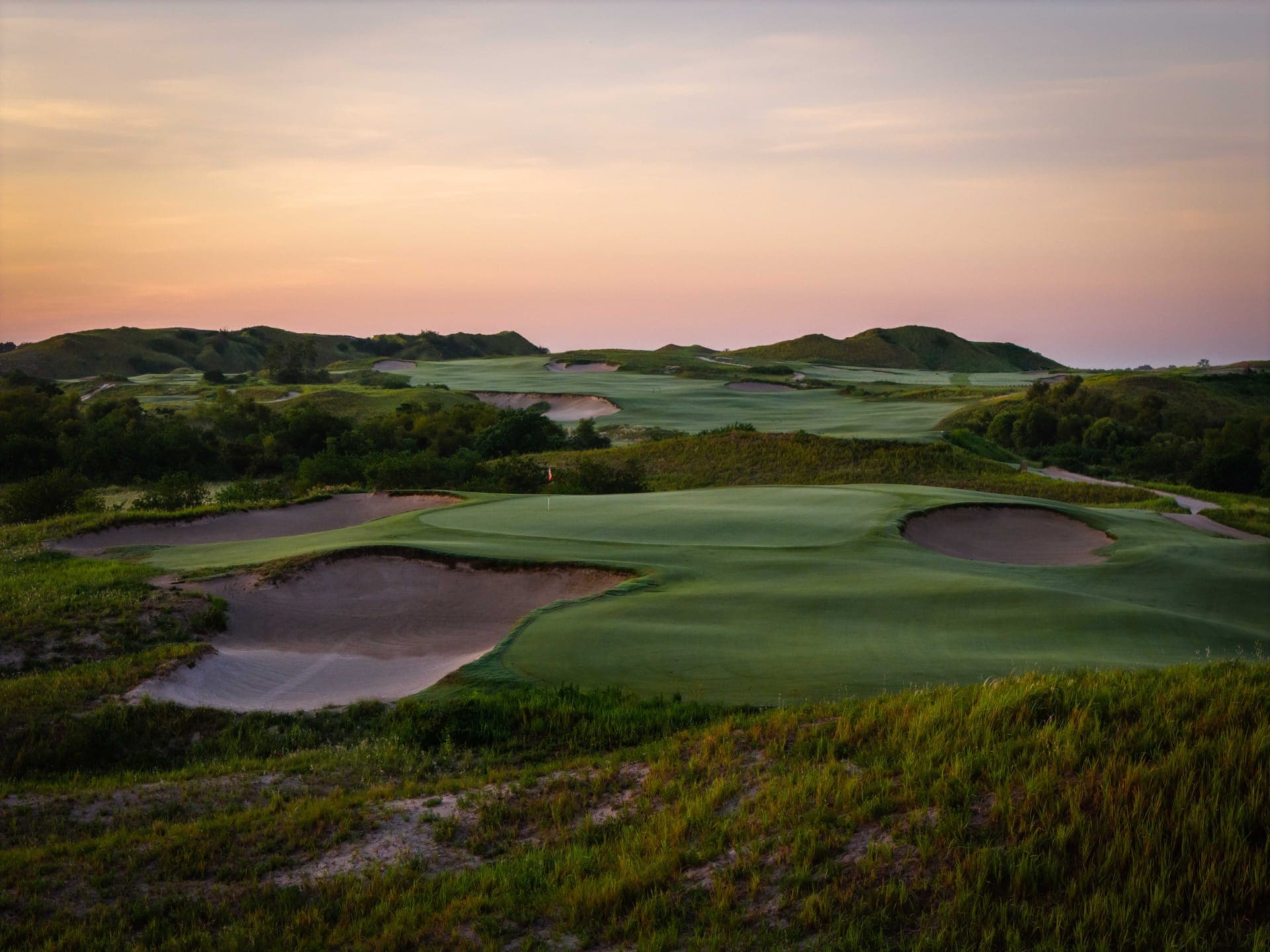
Streamsong Blue
Streamsong, Florida
The Quieter Genius of Streamsong's Original Pair
$275–$395ResortTom Doak (Renaissance Golf Design)
PartnerBook tee time
Bucket List
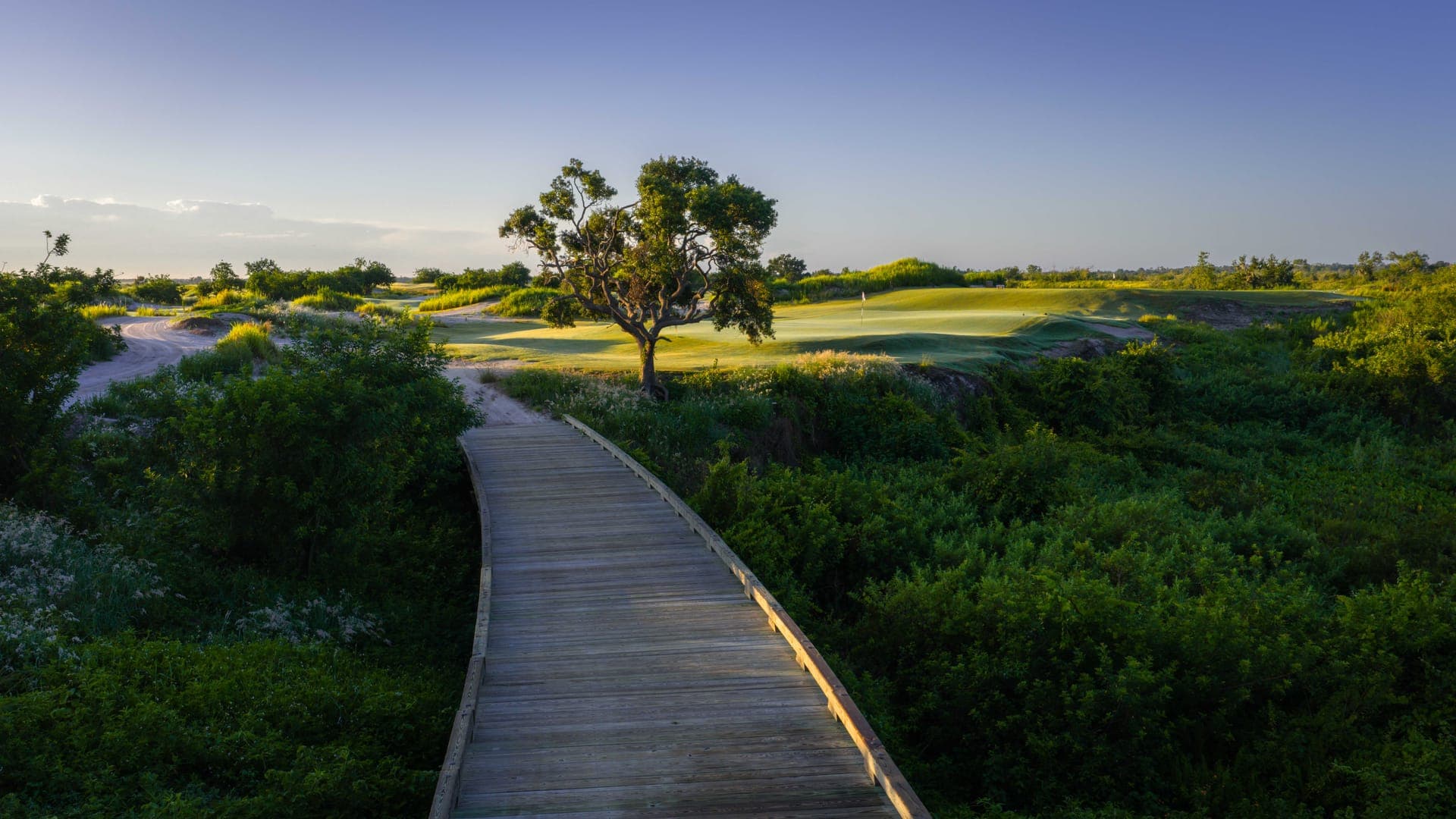
Streamsong Red
Streamsong, Florida
The Course That Rewrote What Florida Golf Could Be
$275–$395ResortCoore & Crenshaw (2012)
PartnerBook tee time
Mid-Range
The Chain at Streamsong
Streamsong, Florida
Nineteen Holes, No Tee Times, Pure Golf
$50–$75ResortCoore & Crenshaw (2023)
PartnerBook tee time
Golden Horseshoe — Gold Course
Mid-Range
Golden Horseshoe — Gold Course
Williamsburg, Virginia, Virginia
Robert Trent Jones Sr.'s first island green, on Colonial Williamsburg's grounds since 1963.
$99–$169ResortRobert Trent Jones Sr. (1963)
Direct websiteVisit website
Golden Horseshoe — Green Course
Hidden Value
Golden Horseshoe — Green Course
Williamsburg, Virginia, Virginia
The longer Golden Horseshoe course at a fraction of the price, with Rees Jones routing through natural terrain.
$27–$89ResortRees Jones (1991)
Direct websiteVisit website
Kingsmill Resort — Plantation Course
Mid-Range
Kingsmill Resort — Plantation Course
Williamsburg, Virginia, Virginia
Arnold Palmer's more forgiving offering at Kingsmill, with wide fairways and water on eight holes.
$80–$150ResortArnold Palmer / Ed Seay (1985)
Direct websiteVisit website
Kingsmill Resort — River Course
Premium
Kingsmill Resort — River Course
Williamsburg, Virginia, Virginia
Pete Dye along the James River, with four decades of LPGA history and a par-3 on the bluff.
$150–$250ResortPete Dye (1975)
Direct websiteVisit website
Royal New Kent Golf Club
Mid-Range
Royal New Kent Golf Club
Williamsburg, Virginia, Virginia
Mike Strantz brought Royal County Down to Virginia. The course divides opinion and rewards conviction.
$75–$103PublicMike Strantz (1997)
Direct websiteVisit website
Williamsburg National — Jamestown Course
Mid-Range
Williamsburg National — Jamestown Course
Williamsburg, Virginia, Virginia
A well-conditioned daily-fee option that delivers consistent quality without demanding heroics.
$60–$120PublicJim Lipe / ASGCA (1995)
Direct websiteVisit website
Southwest
47 courses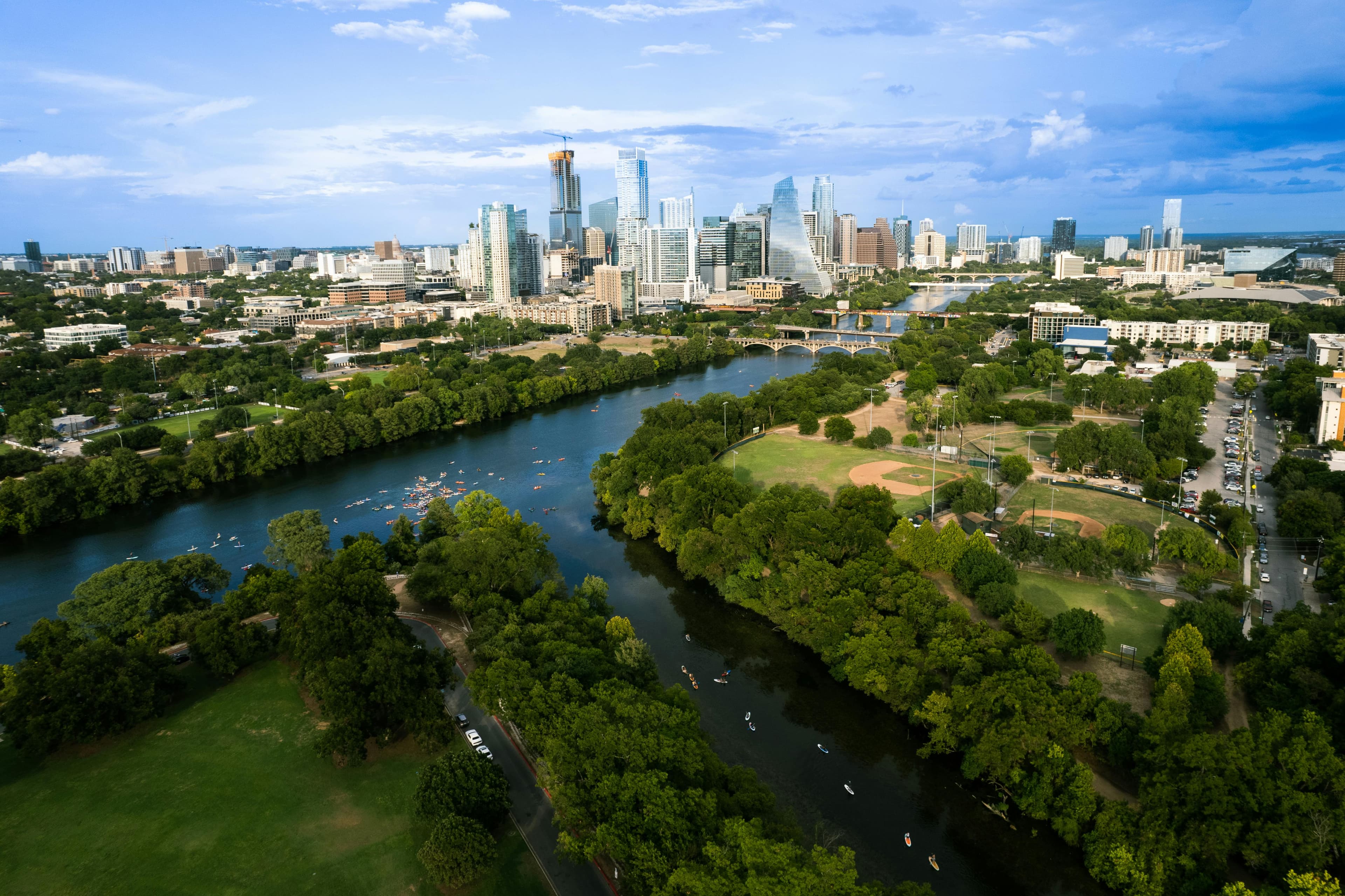
Mid-Range
Crystal Falls Golf Club
Austin, Texas
Municipal golf in the Hill Country, priced like a public course should be.
$18–$55PublicJack Miller (1990)
GolfNowBook tee time
Mid-Range
Falconhead Golf Club
Austin, Texas
A public Hill Country layout where the 8th hole, and its waterfall, justify the entire green fee.
$75–$89PublicPGA Tour Design Center, Chris Gray (2003)
GolfNowBook tee time
Premium
Horseshoe Bay Resort — Ram Rock
Austin, Texas
Robert Trent Jones Sr. carved 62 bunkers and 10 water hazards into the Hill Country rock, then called it The Challenger.
$80–$150ResortRobert Trent Jones Sr. (1981)
PartnerBook tee time
Premium
Horseshoe Bay Resort — Summit Rock
Austin, Texas
Nicklaus Signature design in the Hill Country, reserved for members who own the view.
$175–$295PrivateJack Nicklaus (2012)
Direct websiteVisit website
Mid-Range
Lost Pines Golf Club
Austin, Texas
Prairie hills give way to river pines on the east side of Austin, at a price that ranges from reasonable to resort.
$68–$215ResortArthur Hills, Steve Forrest (2006)
GolfNowBook tee time
Premium
Omni Barton Creek — Coore Crenshaw
Austin, Texas
Coore and Crenshaw's second course ever built, and the one you can walk.
From $225ResortBill Coore, Ben Crenshaw (1991)
Hotels.comBook tee time
Premium
Omni Barton Creek — Fazio Canyons
Austin, Texas
Fazio's canyon sequel at Barton Creek, and the course Golfweek once called the best in Texas.
From $275ResortTom Fazio, Beau Welling, Roy Bechtol, Dennis Wise (1999)
Hotels.comBook tee time
Bucket List
Omni Barton Creek — Fazio Foothills
Austin, Texas
Limestone cliffs, natural caves, and Tom Fazio's most geological routing in Texas.
$250–$325ResortTom Fazio, Roy Bechtol (1986)
Hotels.comBook tee time
Hidden Value
Vaaler Creek Golf Club
Austin, Texas
Forty-five minutes from Austin, in Blanco, where the green fees drop and the Hill Country opens up.
$75–$110Semi-PrivateMichael Lowry / J.R. Newman (2009)
GolfNowBook tee time
Mid-Range
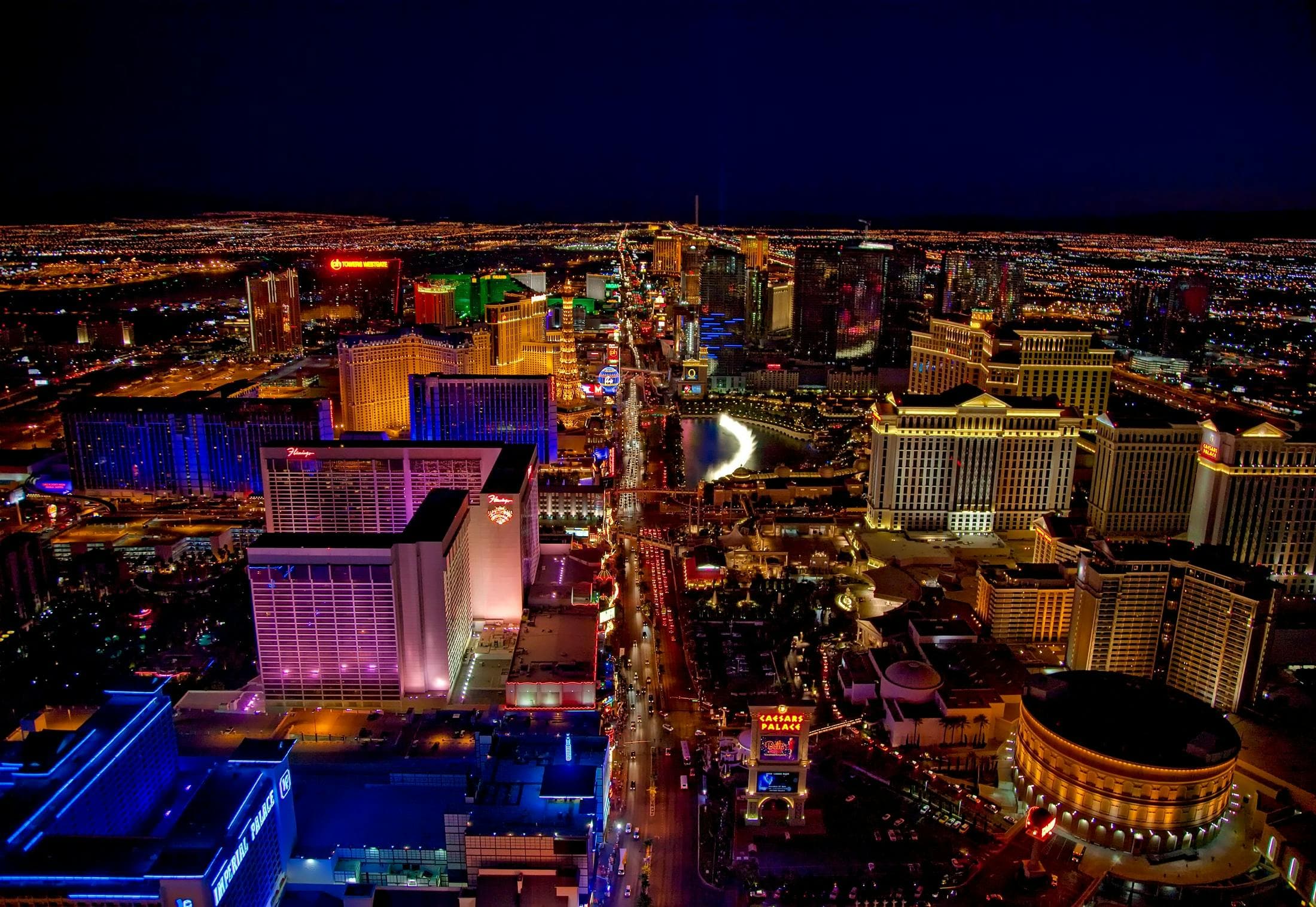
Bear's Best Las Vegas
Las Vegas, Nevada
Closed to public play since June 2025. A Jack Nicklaus tribute course converting to a private luxury club.
$89–$179PrivateJack Nicklaus (2002)
No booking neededRead more
Premium
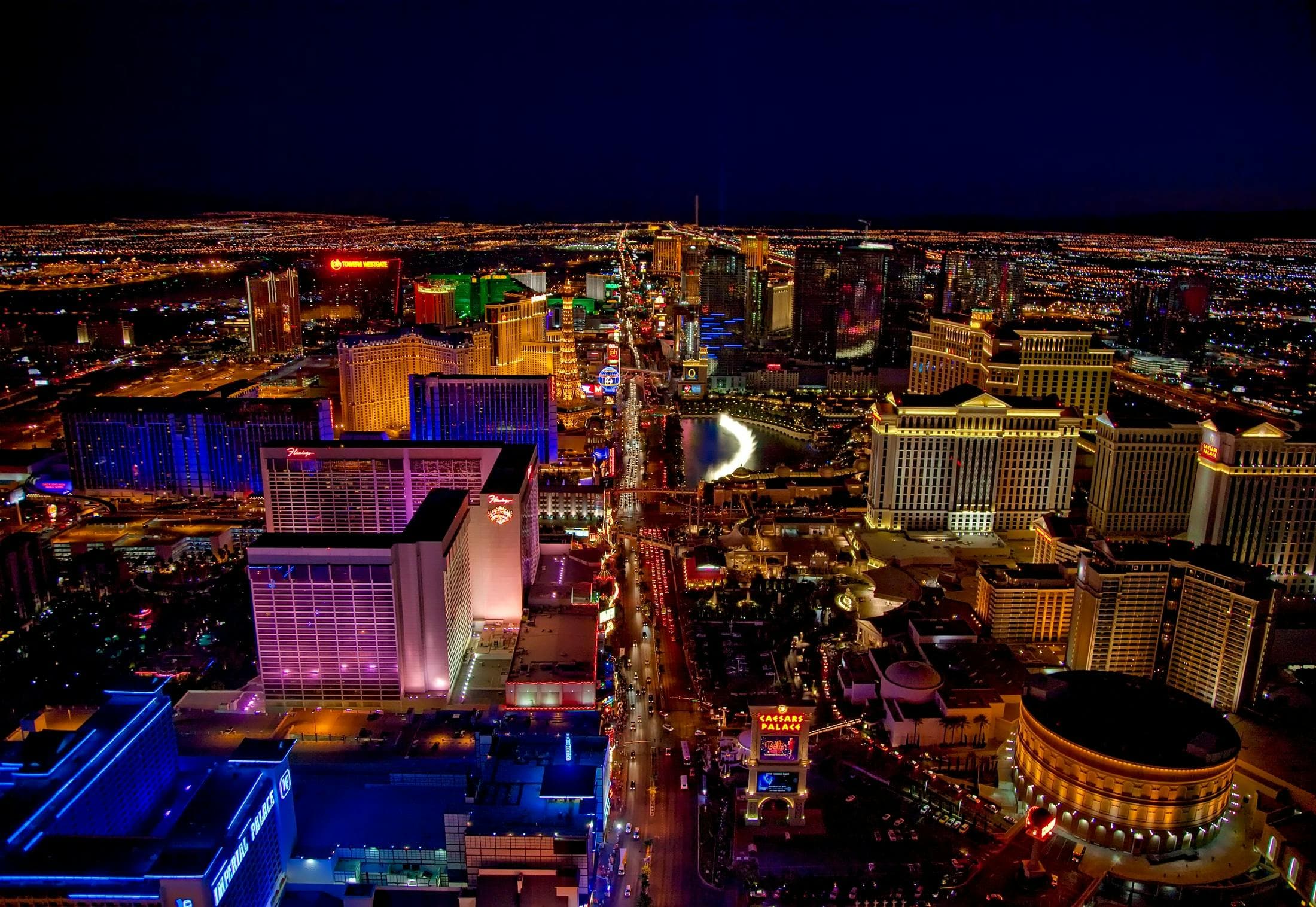
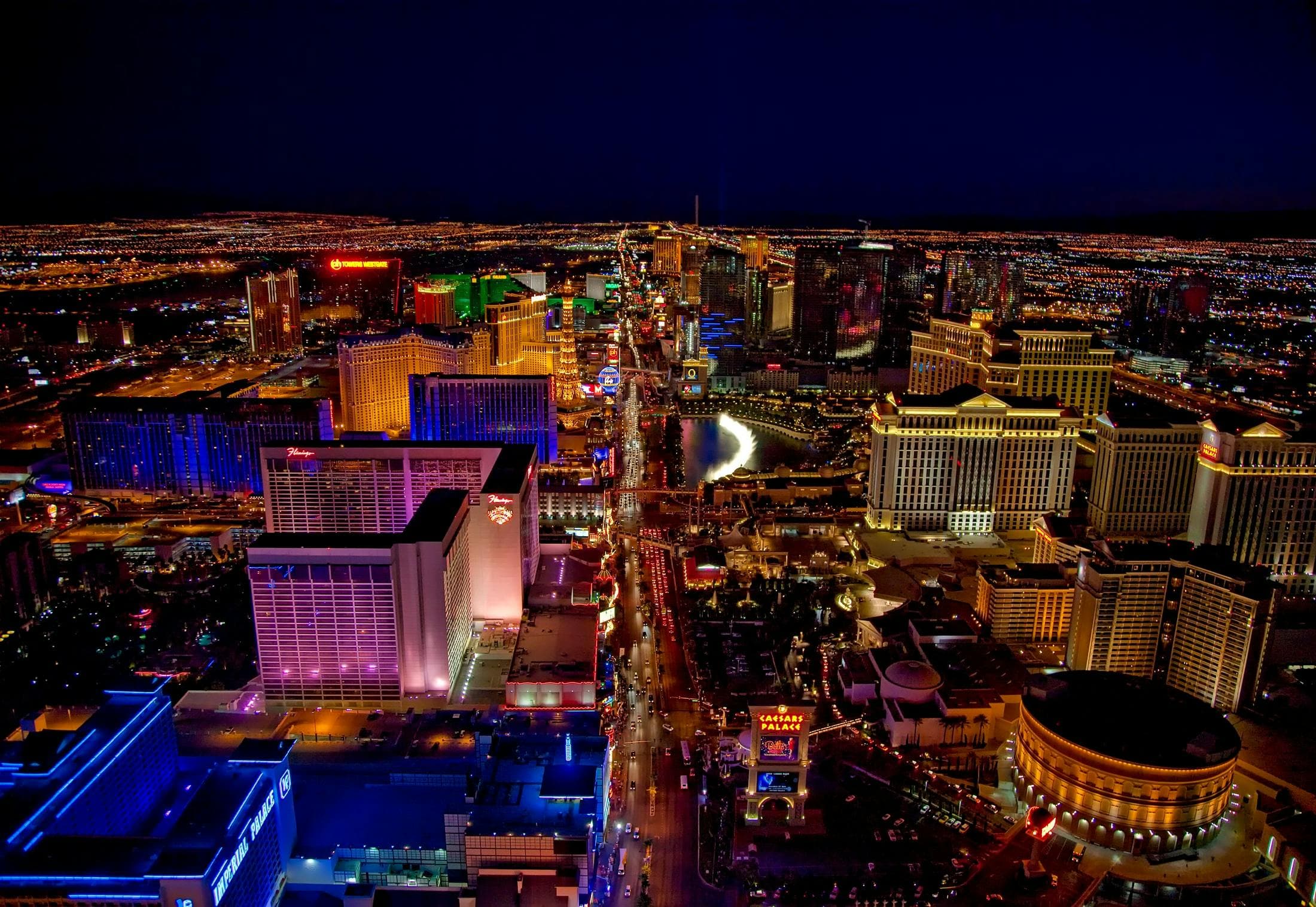
Cascata Golf Club
Las Vegas, Nevada
A Rees Jones design in Boulder City with a 418-foot waterfall cascading through the clubhouse. Nevada's 8th-ranked course.
$295–$415PublicRees Jones (2000)
PartnerBook tee time
Premium
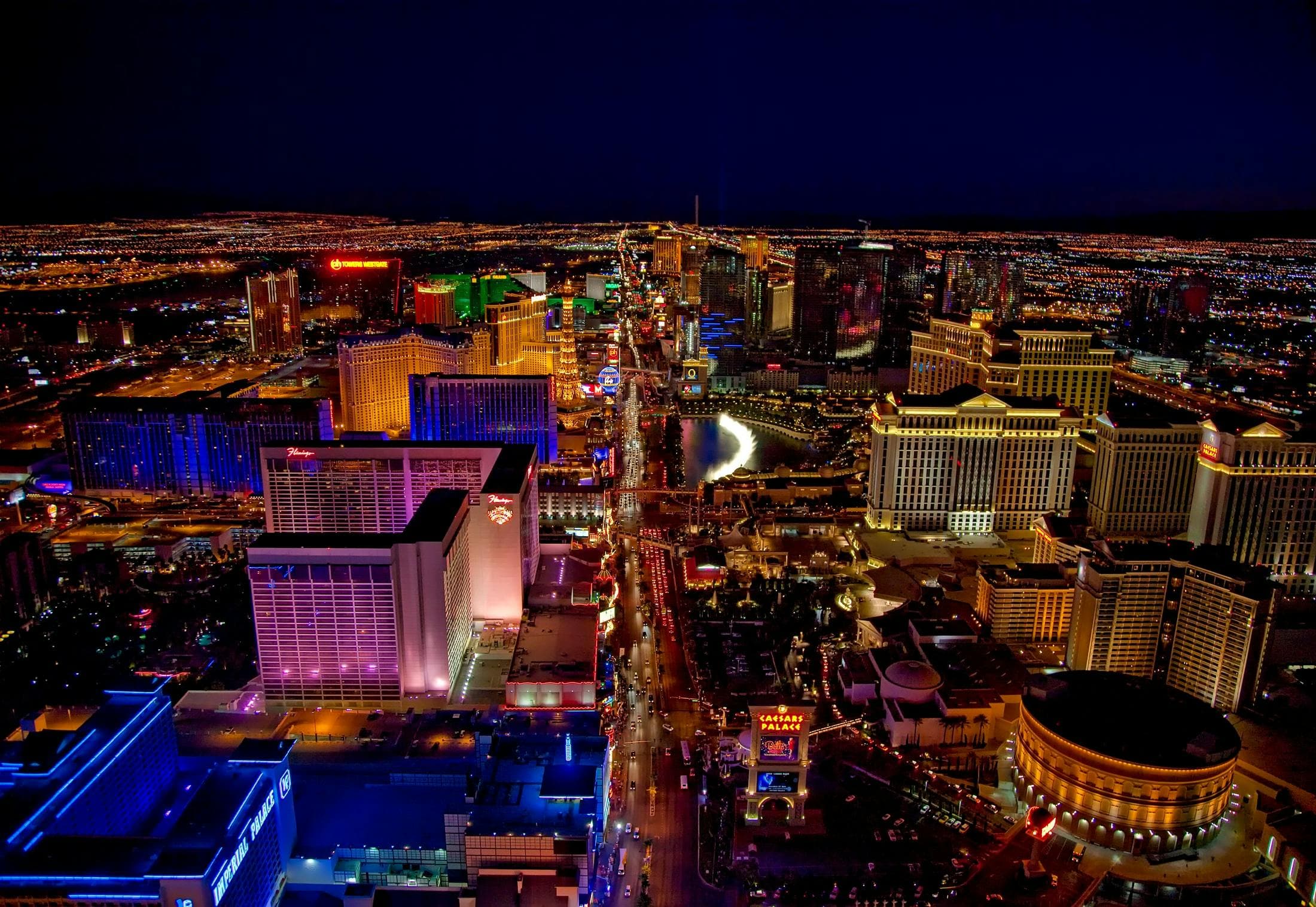
Reflection Bay Golf Club
Las Vegas, Nevada
The only Jack Nicklaus Signature Design in Nevada, with multiple holes along the Lake Las Vegas shoreline. Former host of the Wendy's 3 Tour Challenge.
$140–$225PublicJack Nicklaus (Signature Design, 1998)
PartnerBook tee time
Premium
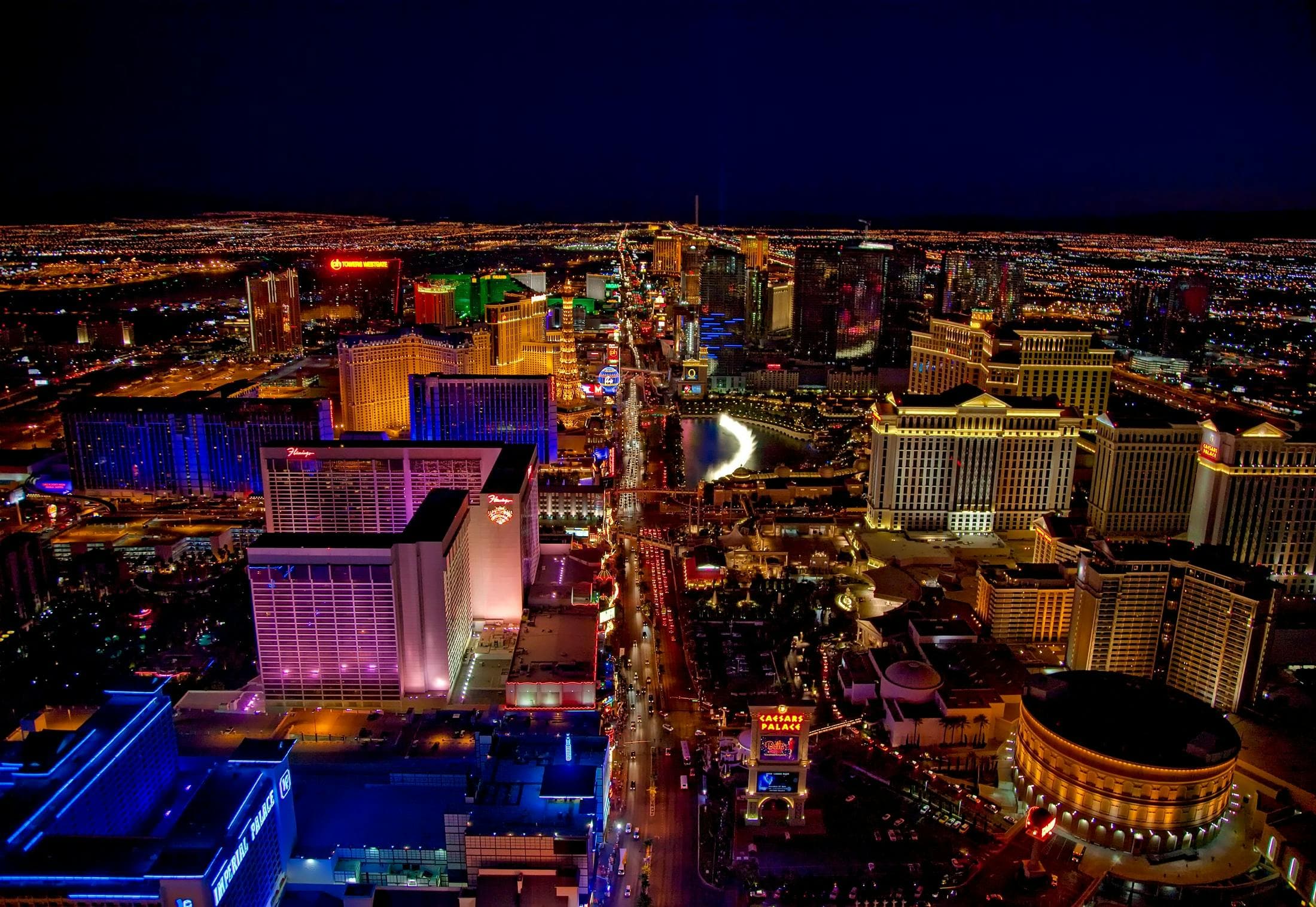
Serket Golf Club
Las Vegas, Nevada
Formerly Rio Secco. A Rees Jones desert-canyon layout in Henderson with dramatic elevation changes and the Butch Harmon School of Golf on site.
$79–$259PublicRees Jones (1997; $2M renovation 2017)
PartnerBook tee time
Bucket List
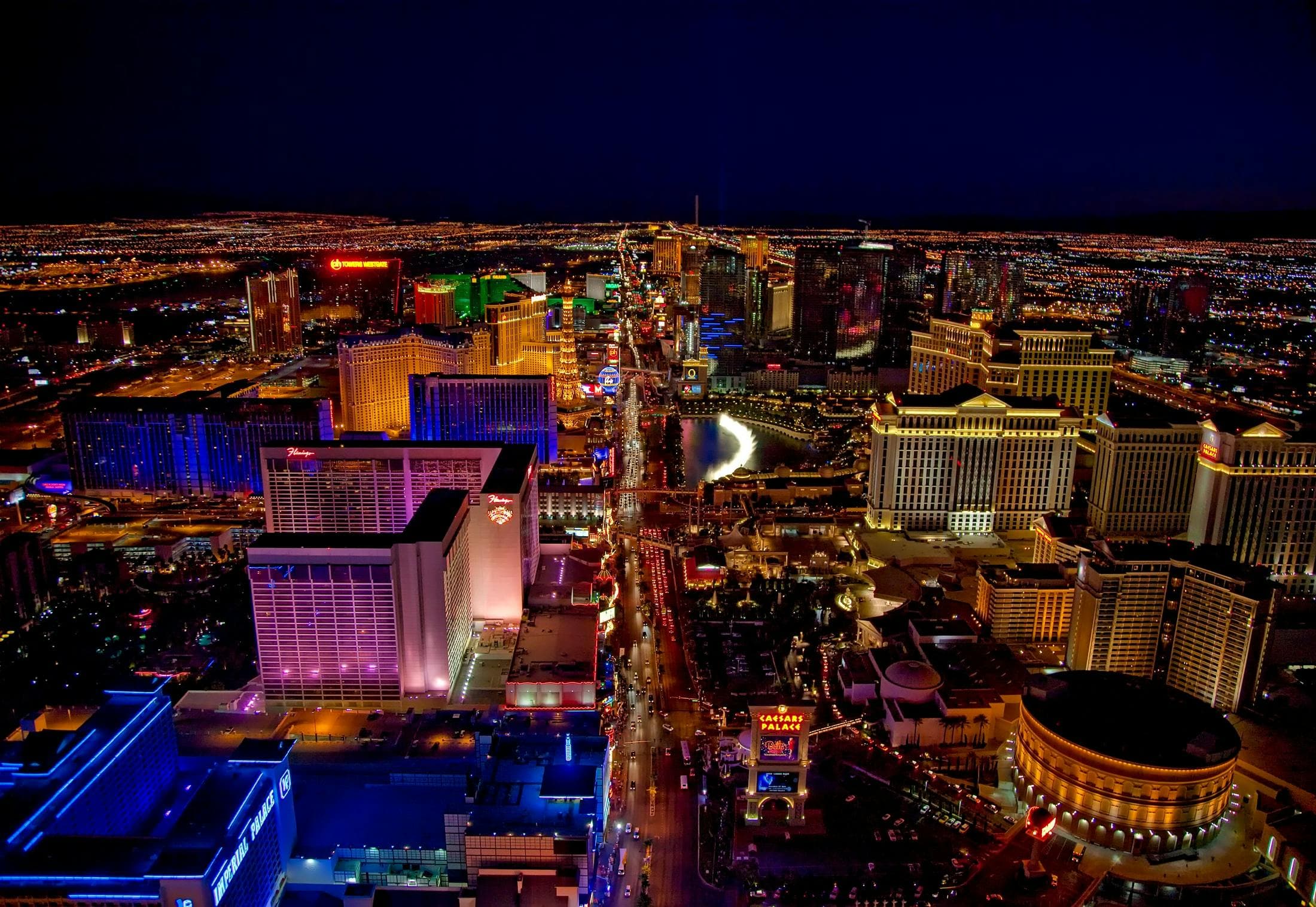
Shadow Creek Golf Course
Las Vegas, Nevada
A $60 million Tom Fazio creation carved from flat desert, ranked among the top 25 courses in America. The limousine ride is included.
From $1250ResortTom Fazio (1989)
PartnerBook tee time
Hidden Value
Snow Mountain Course at Las Vegas Paiute Golf Resort
Las Vegas, Nevada
The original Pete Dye course at Paiute and the most forgiving of the three layouts, with a 126 slope that welcomes mid-handicappers.
$99–$289PublicPete Dye (1995)
PartnerBook tee time
Mid-Range
Sun Mountain Course at Las Vegas Paiute Golf Resort
Las Vegas, Nevada
The most playable of Pete Dye's three Paiute courses, with railroad-tie bunkers and undulating greens on open desert terrain.
$99–$289PublicPete Dye (1996)
PartnerBook tee time
Mid-Range
TPC Las Vegas
Las Vegas, Nevada
A PGA TOUR-managed facility in the desert canyons northwest of the Strip, with six sets of tees and tournament-standard conditioning.
$175–$395PublicBobby Weed & Raymond Floyd (1996)
PartnerBook tee time
Mid-Range
Wolf Course at Las Vegas Paiute Golf Resort
Las Vegas, Nevada
The longest course in Las Vegas at 7,604 yards and the most demanding of Pete Dye's three Paiute layouts. Desert links on tribal land.
$99–$289PublicPete Dye (2001)
PartnerBook tee time
Premium
Wynn Golf Club
Las Vegas, Nevada
The only golf course on the Las Vegas Strip. Six par 3s, a finishing hole beneath a waterfall, and a flat rate that covers everything.
From $550ResortTom Fazio (2005); Tom Fazio & Logan Fazio (2019 renovation)
PartnerBook tee time
Mid-Range
Cowboys Golf Club
PGA Frisco, Texas
The only NFL-branded golf course in the country, a Jeff Brauer design in Grapevine where the all-inclusive green fee covers cart, range, and on-course food.
$250–$300ResortJeff Brauer (2001)
PartnerBook tee time
Bucket List
Fields Ranch East at PGA Frisco
PGA Frisco, Texas
Gil Hanse's walking-only championship layout at PGA Frisco, host of the 2027 PGA Championship, where mandatory caddies and strategic green complexes set the standard for modern public-access golf in Texas.
$252–$277Semi-PrivateGil Hanse & Jim Wagner (2023)
PartnerBook tee time
Premium
Fields Ranch West at PGA Frisco
PGA Frisco, Texas
Beau Welling's resort complement to Fields Ranch East, routing 75 feet of elevation change along Panther Creek with generous fairways and large, fast greens.
$202–$222Semi-PrivateBeau Welling (2023)
PartnerBook tee time
Premium
Maridoe Golf Club
PGA Frisco, Texas
Steve Smyers' private fortress in Carrollton with an 80.5 course rating, water on 14 holes, and a reputation as the most difficult course in Texas.
PrivateSteve Smyers & Patrick Andrews (2017)
Direct websiteVisit website
Mid-Range
Old American Golf Club
PGA Frisco, Texas
A links-style collaboration between Tripp Davis and Justin Leonard on the shores of Lake Lewisville, named Golfweek's Best New Course in 2010 and consistently ranked as the top course in DFW.
$85–$150Semi-PrivateTripp Davis & Justin Leonard (2010)
PartnerBook tee time
Hidden Value
Tangle Ridge Golf Club
PGA Frisco, Texas
Jeff Brauer's municipal gem in Grand Prairie with bentgrass greens, Bermuda fairways, and green fees that start at $55.
$55–$75PublicJeff Brauer (1995)
PartnerBook tee time
Hidden Value
Texas Rangers Golf Club
PGA Frisco, Texas
A municipal course reborn in 2018 adjacent to Globe Life Field, offering modern public golf at Arlington pricing with a Texas Rangers brand.
$62–$87PublicColligan Golf Design — John Colligan & Trey Kemp (2018)
PartnerBook tee time
Mid-Range
The Tribute Golf Club
PGA Frisco, Texas
Tripp Davis's tribute to Scottish links design on the banks of Lake Lewisville, a former top-ranked daily-fee course in North Texas and sister layout to Old American.
$100–$175PublicTripp Davis (2000)
PartnerBook tee time
Premium
TPC Craig Ranch
PGA Frisco, Texas
Home of the PGA Tour's CJ CUP Byron Nelson, a Tom Weiskopf design in McKinney that underwent a $22 million renovation and remains strictly private.
$125–$275PrivateTom Weiskopf & Phil Smith (2004; renovated by Lanny Wadkins)
Direct websiteVisit website
Premium
Vaquero Club
PGA Frisco, Texas
Tom Fazio's private layout in Westlake, freshly remodeled by Andrew Green in 2023, within the exclusive Discovery Land Company community.
PrivateTom Fazio (2001; remodeled by Andrew Green, 2023)
Direct websiteVisit website
Premium
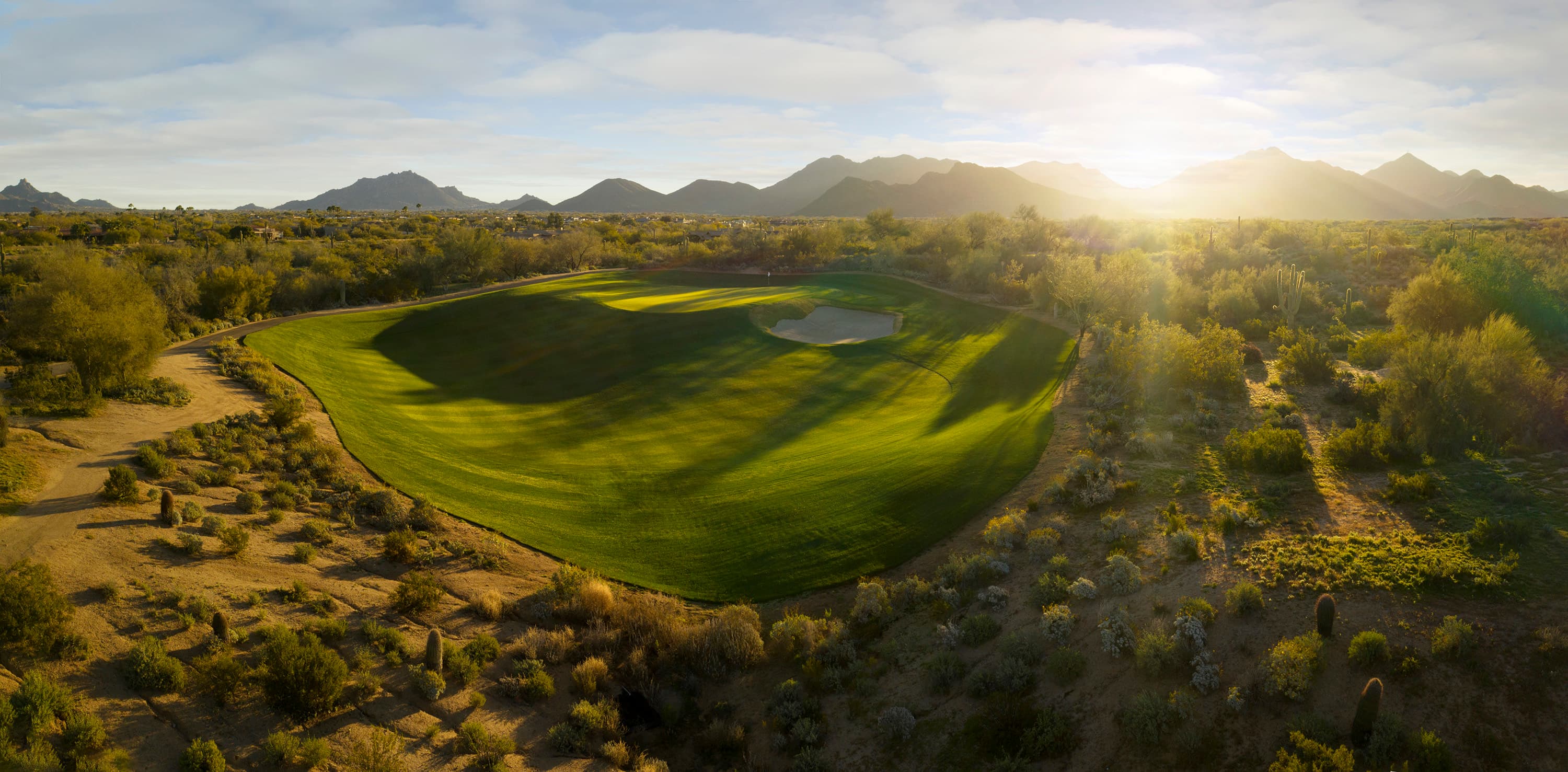
Ak-Chin Southern Dunes Golf Club
Scottsdale, Arizona
Links-style golf on 320 acres of Ak-Chin Indian Reservation in Maricopa. An annual U.S. Open qualifying site that plays nothing like the desert courses nearby.
$75–$275PublicBrian Curley, Lee Schmidt & Fred Couples (2002)
GolfNowBook tee time
Hidden Value
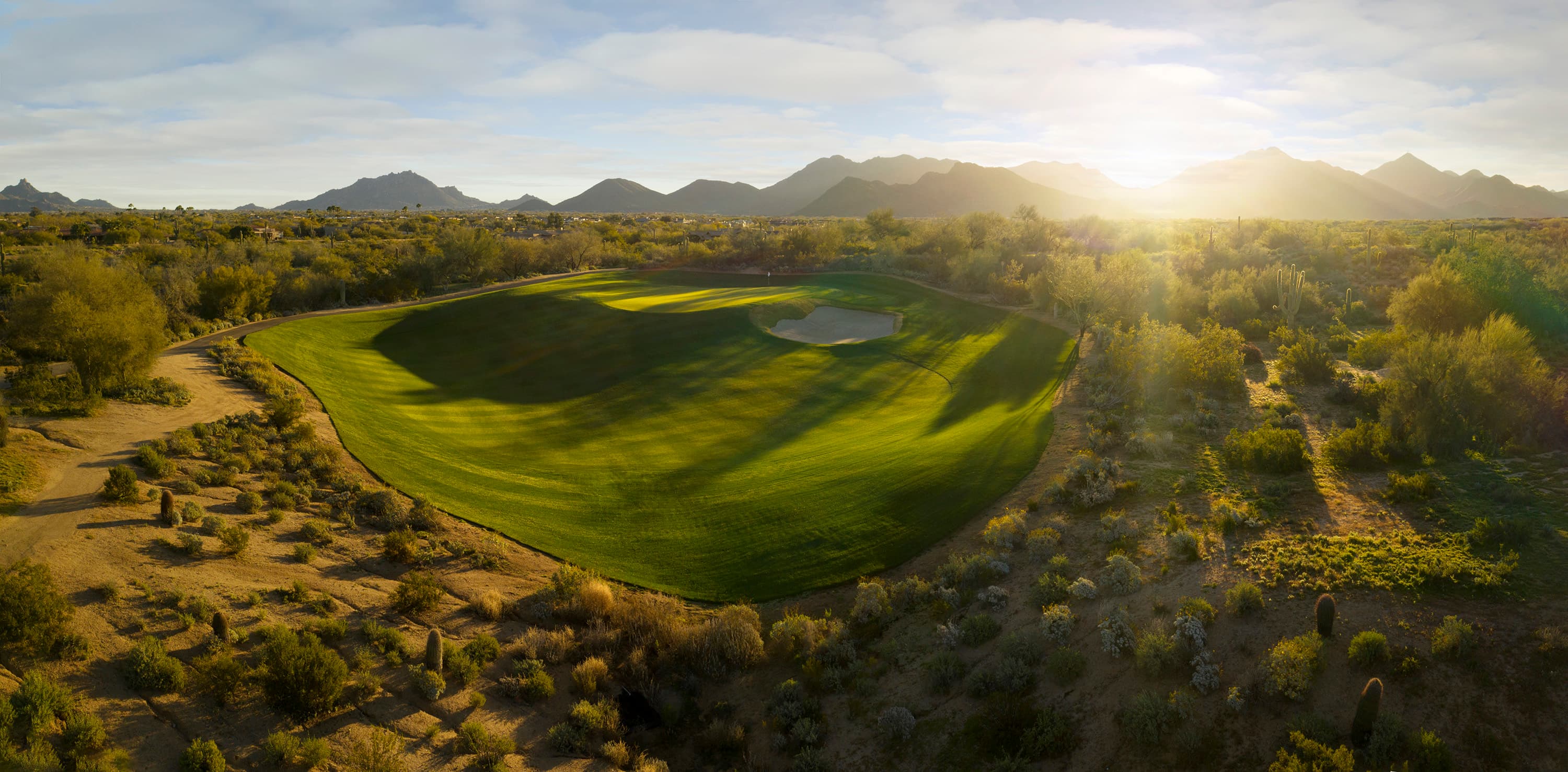
Arizona Grand Golf Course
Scottsdale, Arizona
A short, scenic par-71 at Arizona Grand Resort with lush semitropical landscaping and South Mountain Park as a backdrop.
$75–$225ResortForrest Richardson (1987)
GolfNowBook tee time
Mid-Range
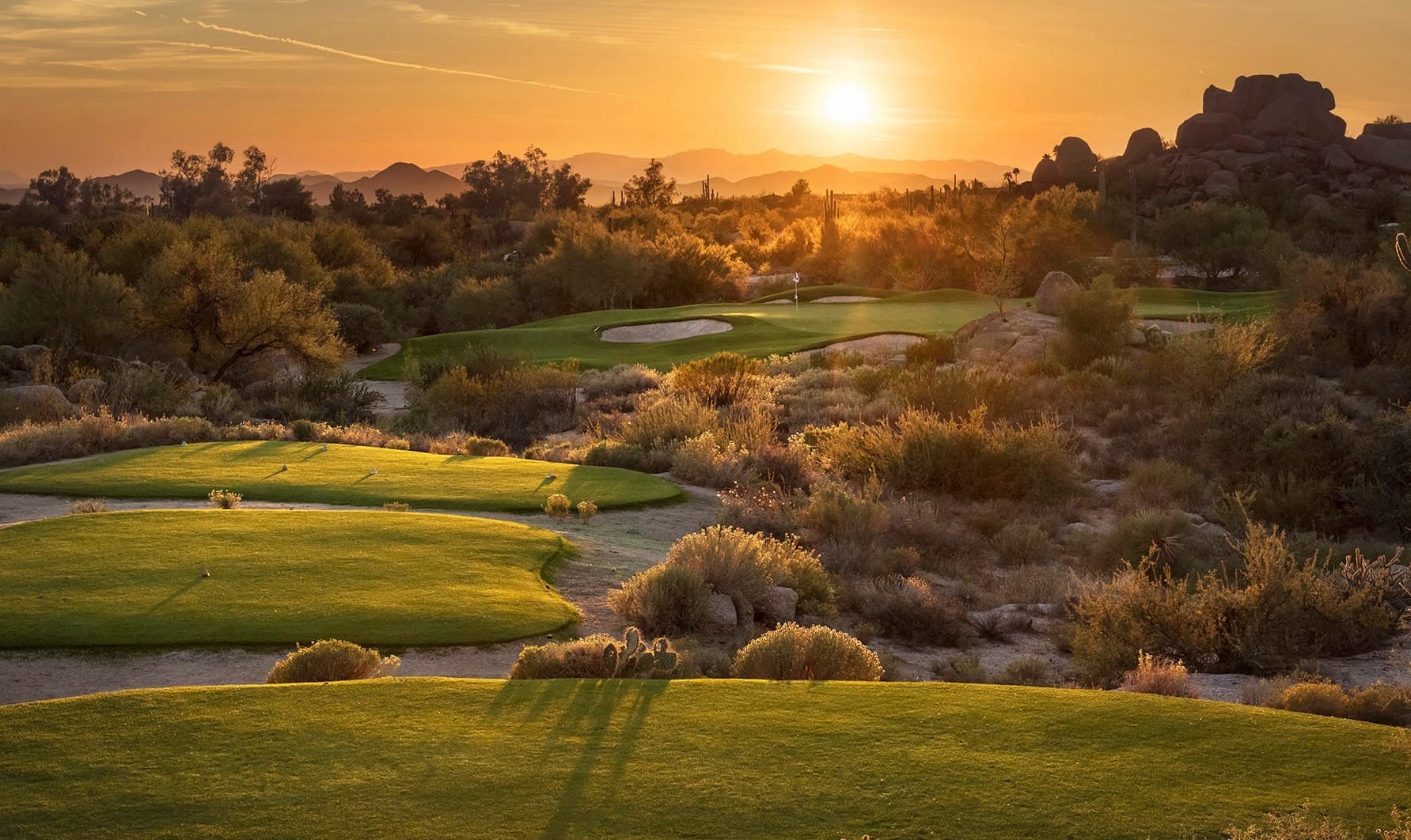
Boulders Golf Club — South Course
Scottsdale, Arizona
Jay Morrish's desert design among iconic granite boulder formations. No other course in the area looks anything like it.
$75–$250ResortJay Morrish (1983)
GolfNowBook tee time
Premium
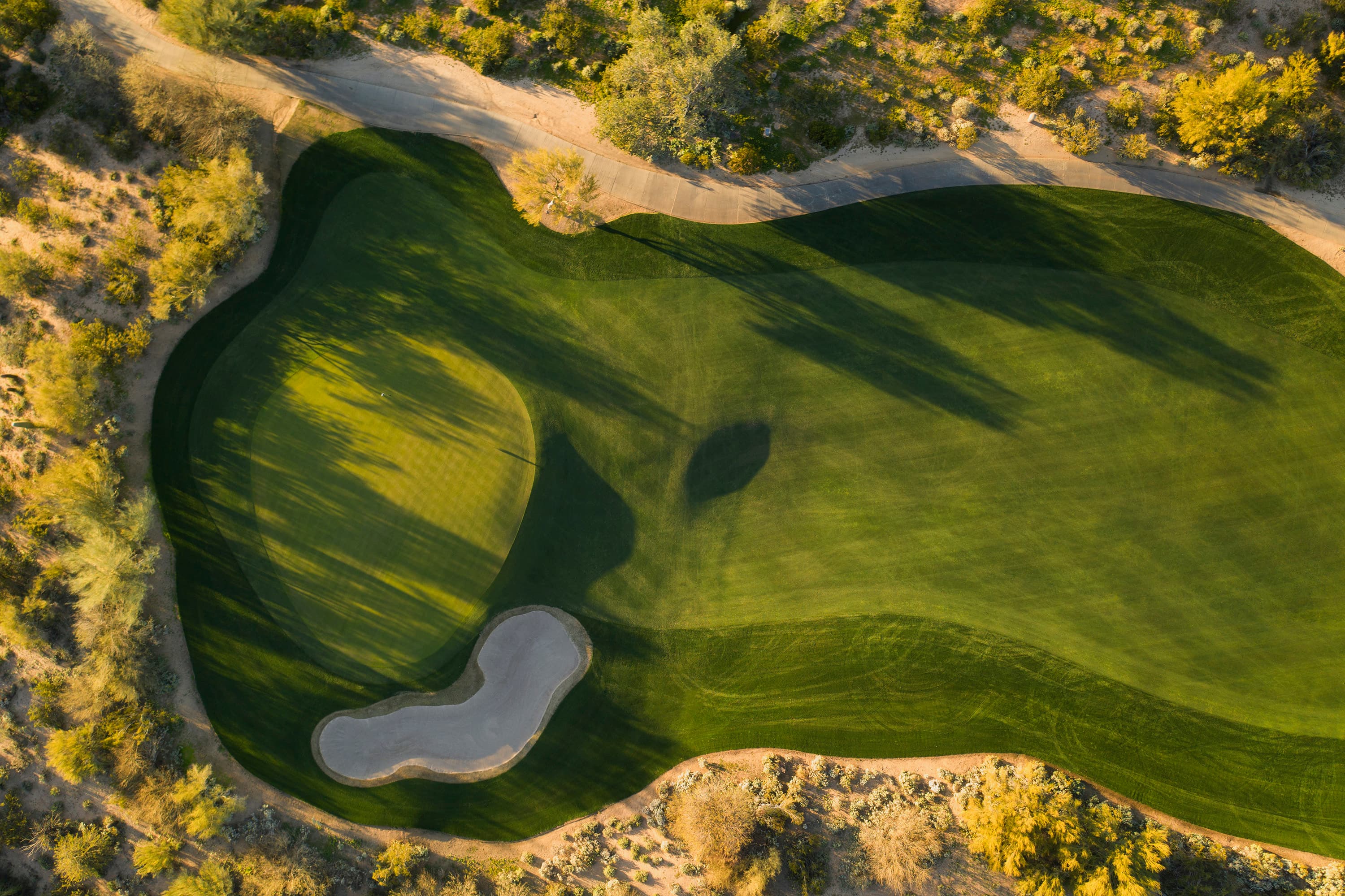
Grayhawk Golf Club — Raptor Course
Scottsdale, Arizona
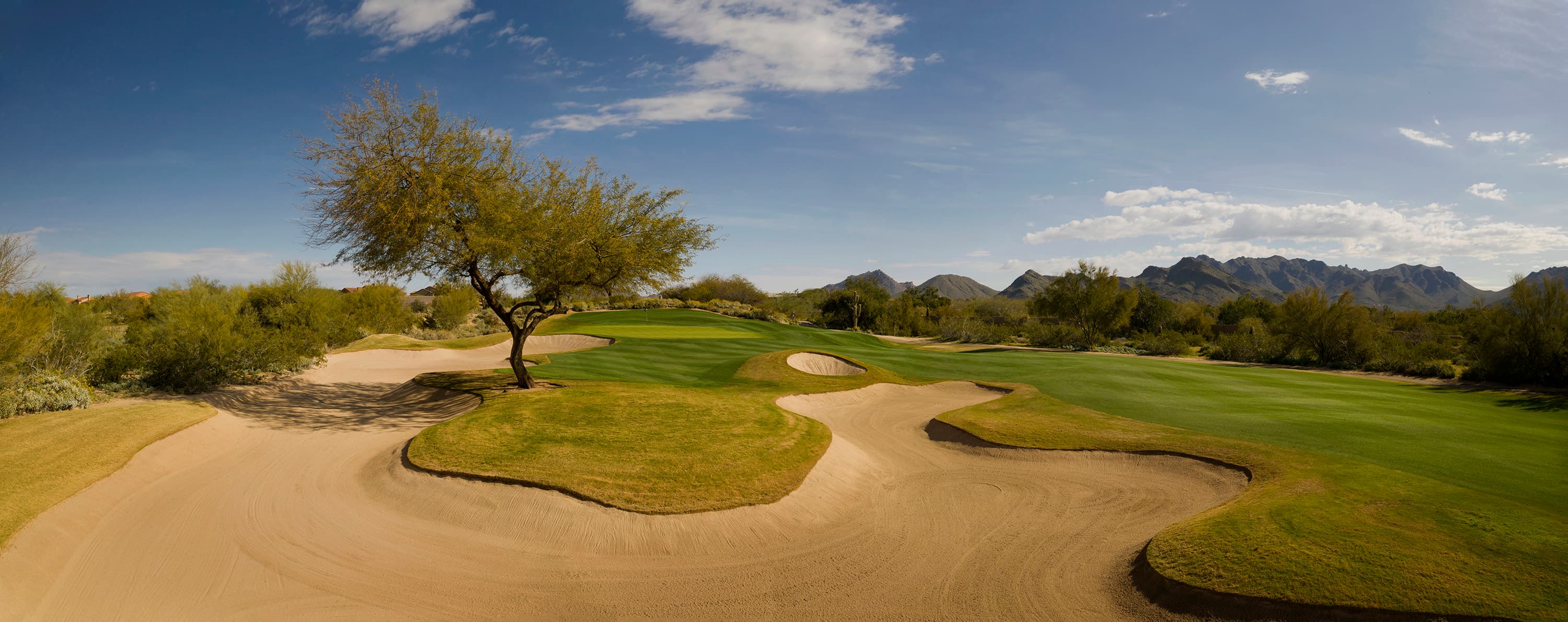
Tom Fazio's Arizona contribution and former NCAA Division I Championship host. Consistently ranked among the top daily-fee courses in the state.
$100–$475PublicTom Fazio (1995)
PartnerBook tee time
Premium
Grayhawk Golf Club — Talon Course
Scottsdale, Arizona
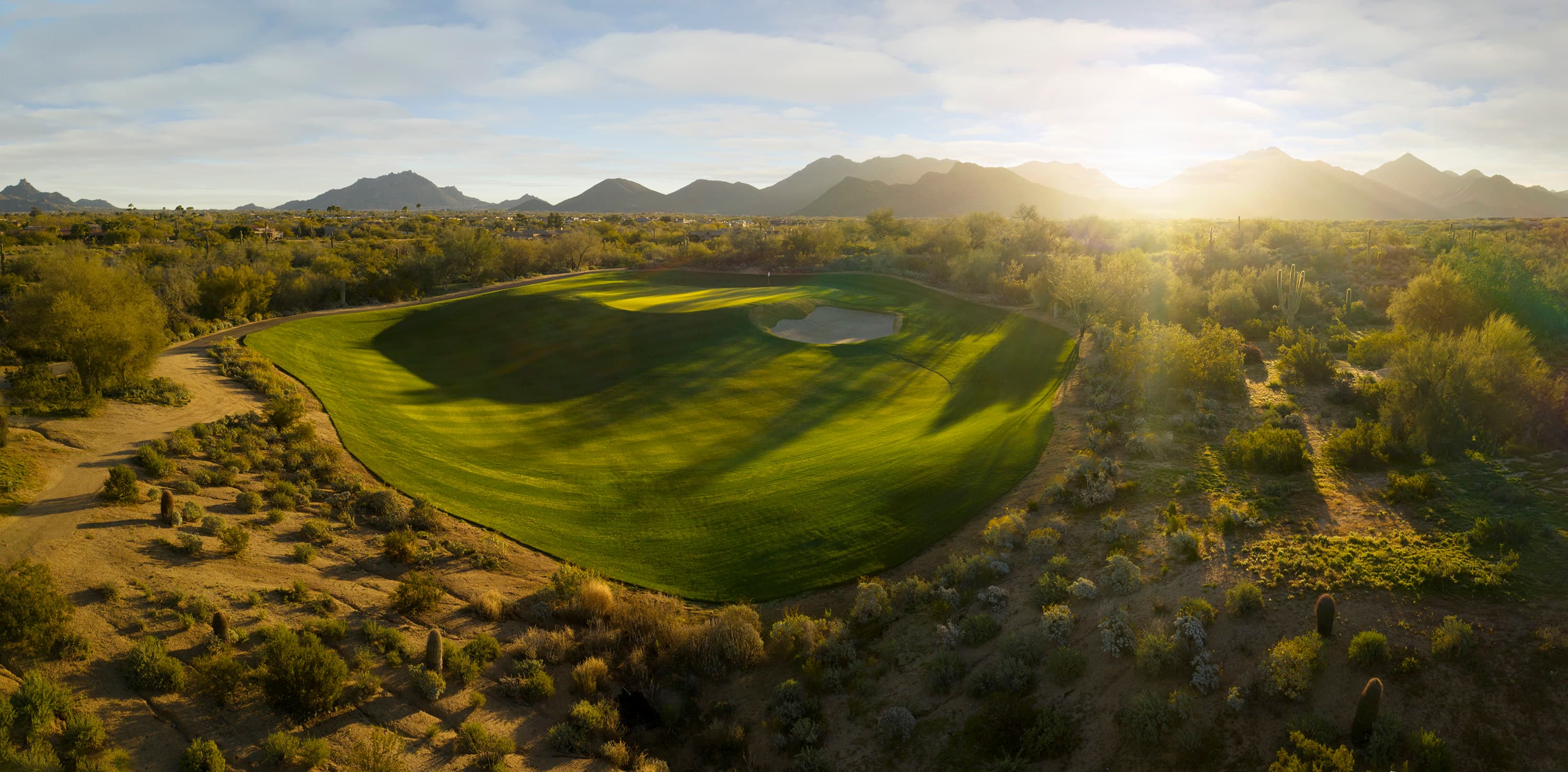
Golf Magazine ranked it among the Top 10 You Can Play in the U.S. Bent grass greens and a slope of 149 provide a test that does not suffer by comparison with the Raptor.
$100–$250PublicDavid Graham & Gary Panks (1994)
GolfNowBook tee time
Mid-Range
Lookout Mountain Golf Club
Scottsdale, Arizona
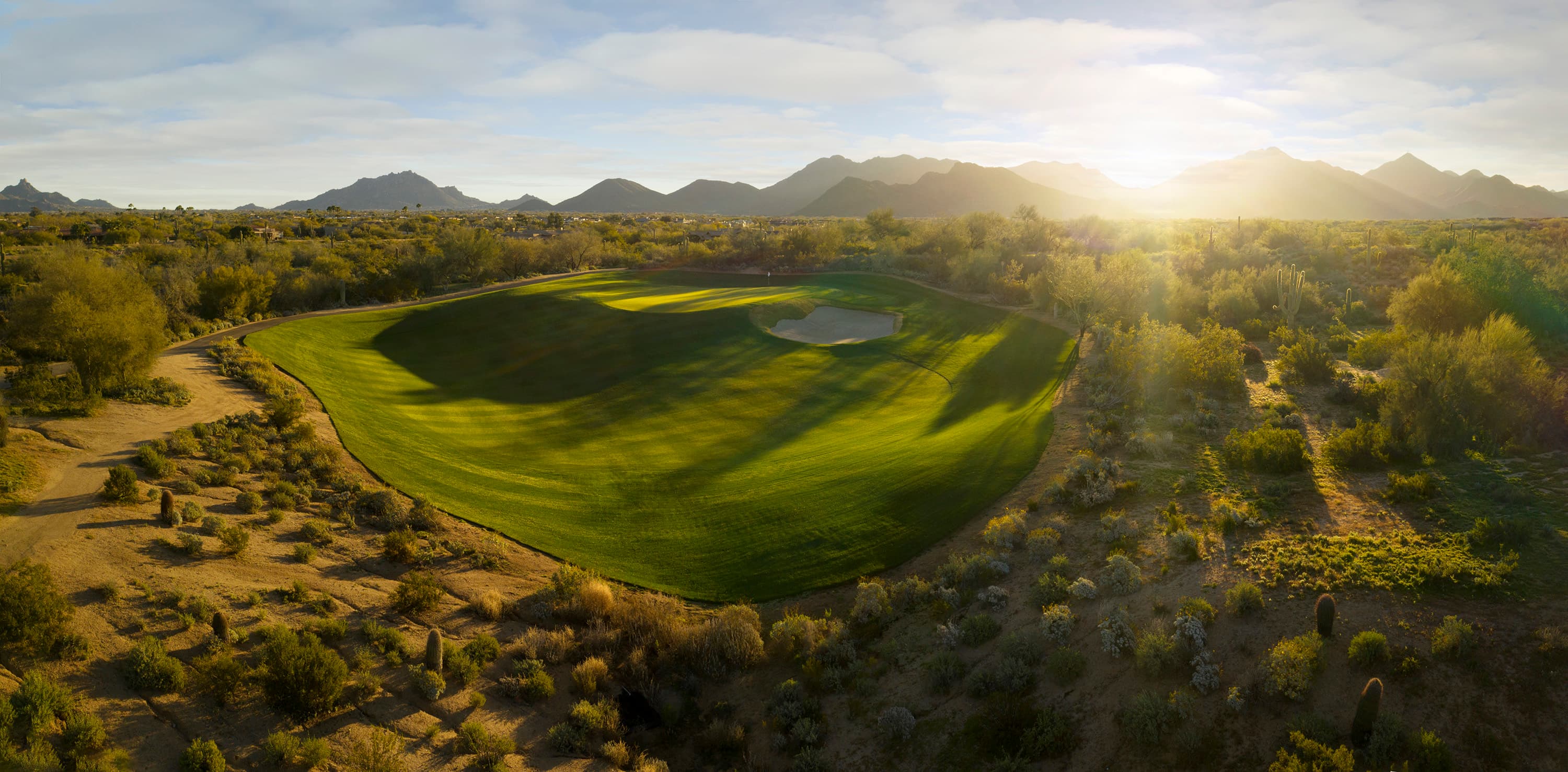
Golf Digest Four Star Award for nine consecutive years. A hillside design at Hilton Phoenix Tapatio Cliffs with elevation changes that earn the name.
$50–$168ResortBill Johnston & Forrest Richardson (1989)
GolfNowBook tee time
Hidden Value
Ocotillo Golf Club
Scottsdale, Arizona
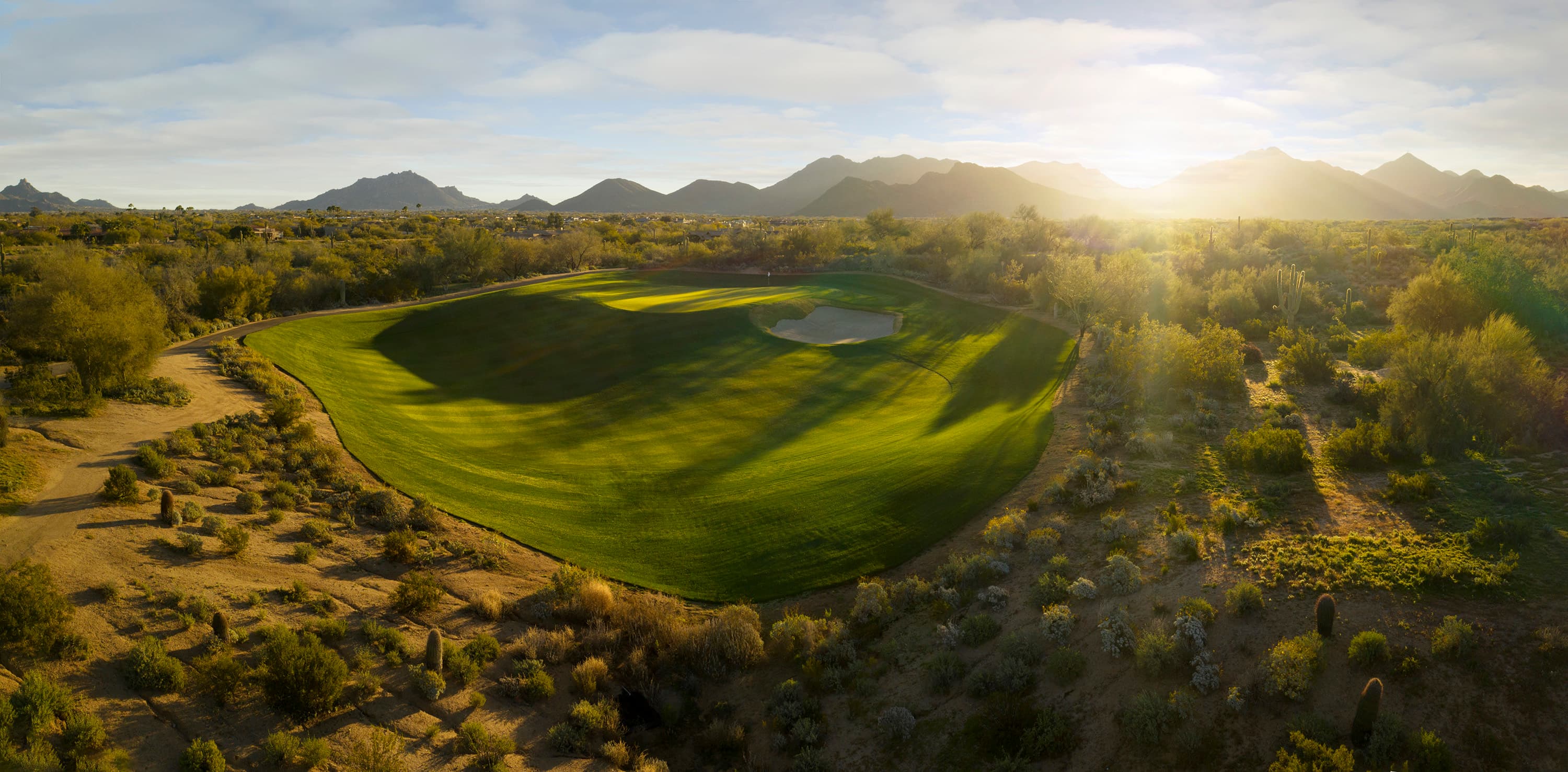
Twenty-seven holes of Ted Robinson design in Chandler with water features on most holes, a Golf Digest 4.5-star rating, and complimentary replay and range balls.
$40–$120PublicTed Robinson (1986)
GolfNowBook tee time
Mid-Range
Papago Golf Club
Scottsdale, Arizona
A City of Phoenix municipal course that plays 7,380 yards with Papago Buttes as a backdrop. Renovated in 2008 at a cost of $5.8 million.
$50–$140PublicWilliam F. Bell (1963; renovated 2008)
GolfNowBook tee time
Premium
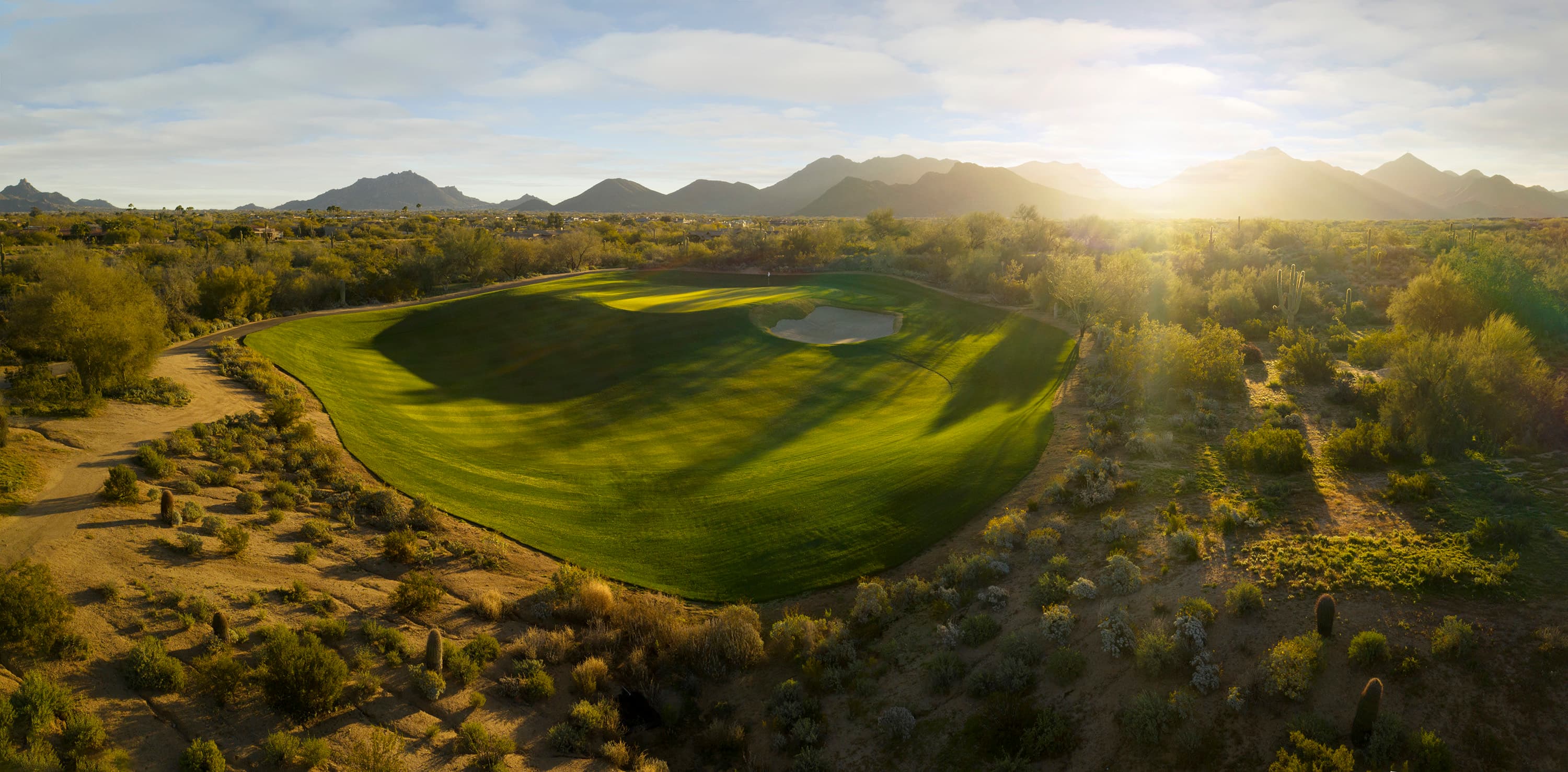
Quintero Golf Club
Scottsdale, Arizona
Dramatic elevation changes on 7,249 yards of Rees Jones desert design, 45 minutes northwest of Scottsdale in Peoria.
$105–$385PublicRees Jones with Steve Weisser (2000)
GolfNowBook tee time
Mid-Range
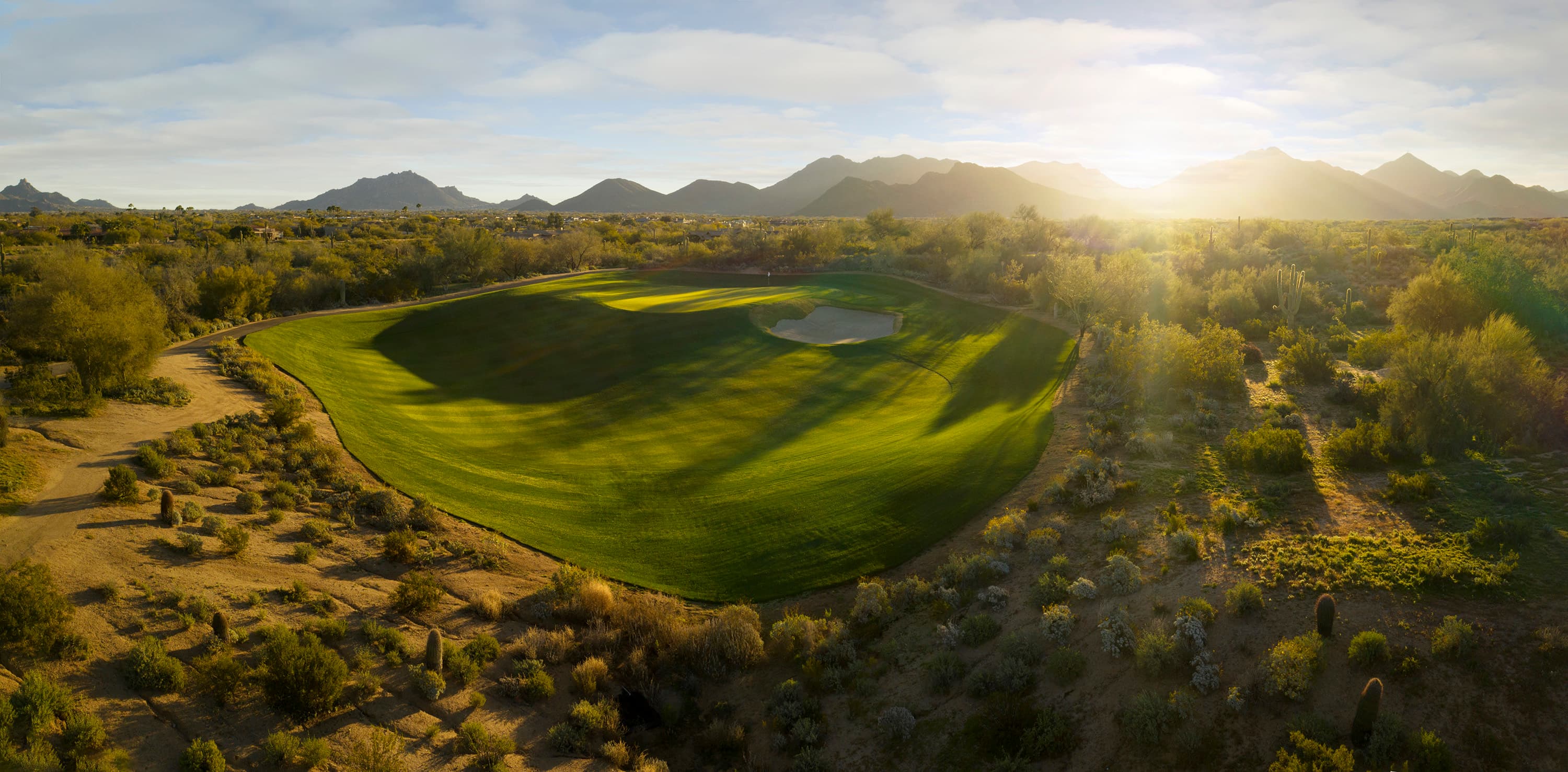
Raven Golf Club — Phoenix
Scottsdale, Arizona
A Carolina-style layout with 6,000+ imported Georgia pines, five miles from Sky Harbor Airport. Scottsdale desert golf, this is not.
$55–$229PublicDavid Graham & Gary Panks (1995)
GolfNowBook tee time
Mid-Range
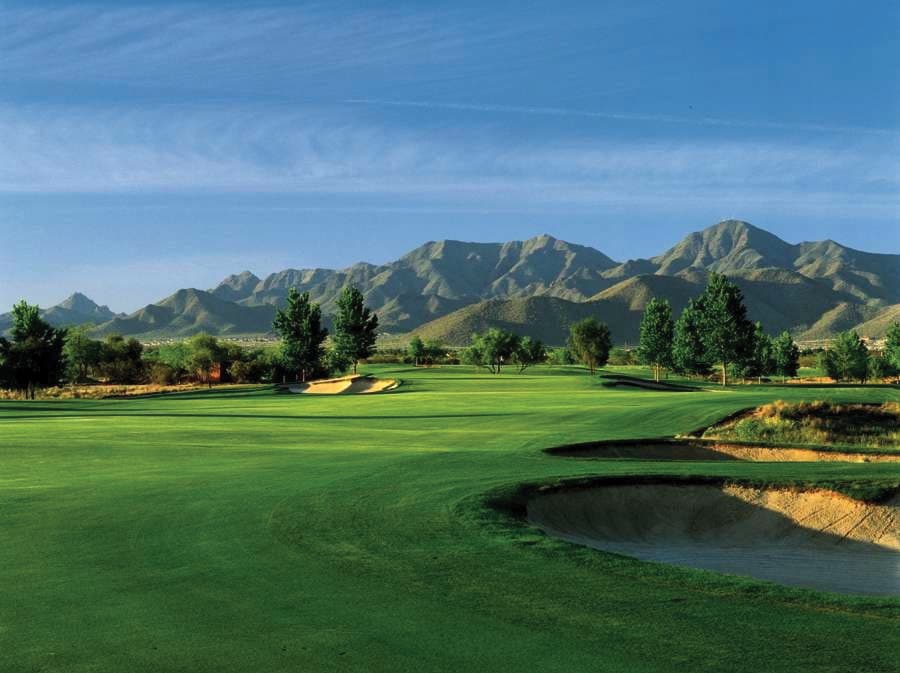
Talking Stick Golf Club — O'odham Course
Scottsdale, Arizona
Flat, links-style Coore-Crenshaw design with views of the McDowell Mountains and Pinnacle Peak. Consistently top-5 in Arizona by Golfweek.
$75–$150PublicBill Coore & Ben Crenshaw (1997)
GolfNowBook tee time
Mid-Range
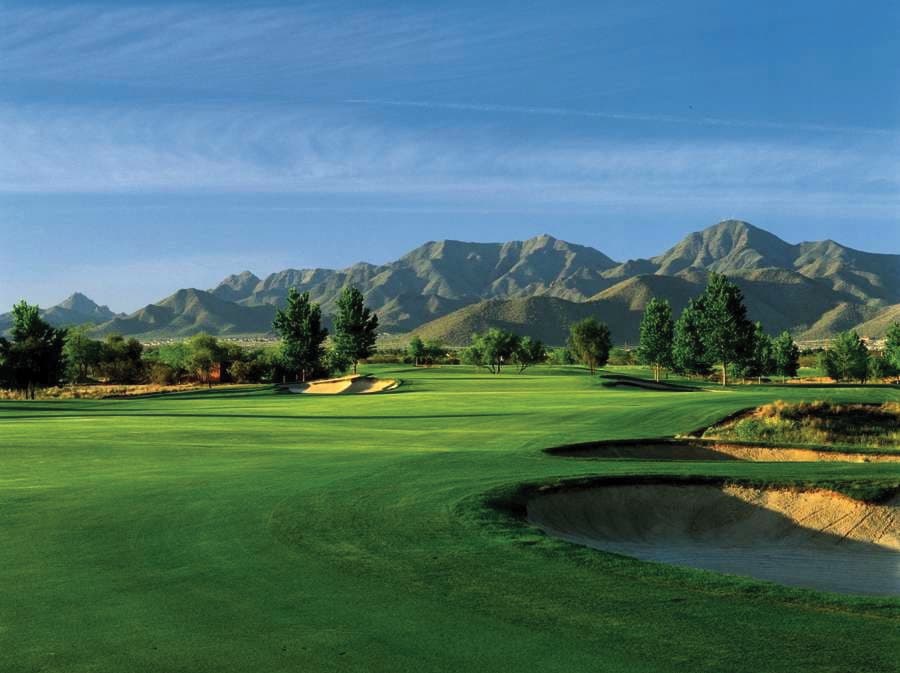
Talking Stick Golf Club — Piipaash Course
Scottsdale, Arizona
The more traditional counterpart to the O'odham. Tree-lined fairways, raised greens, and a Coore-Crenshaw design that rewards accuracy.
$75–$250PublicBill Coore & Ben Crenshaw (1997)
GolfNowBook tee time
Mid-Range
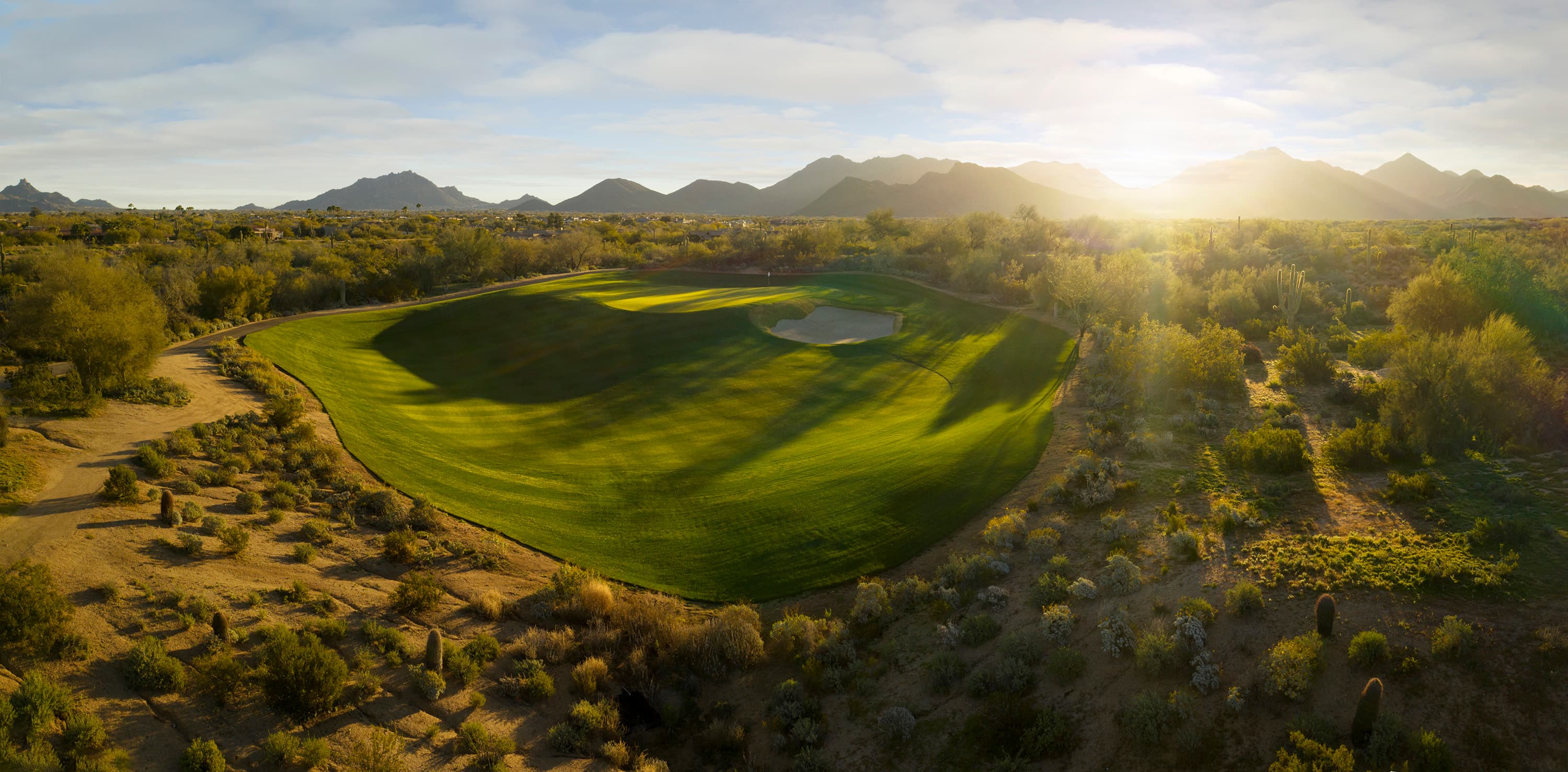
TPC Scottsdale — Champions Course
Scottsdale, Arizona
The quieter sibling at TPC Scottsdale. Same facility standards, less than half the green fee, and a par-71 layout that measures 7,235 yards.
$100–$234PublicRandy Heckenkemper (2007)
GolfNowBook tee time
Bucket List
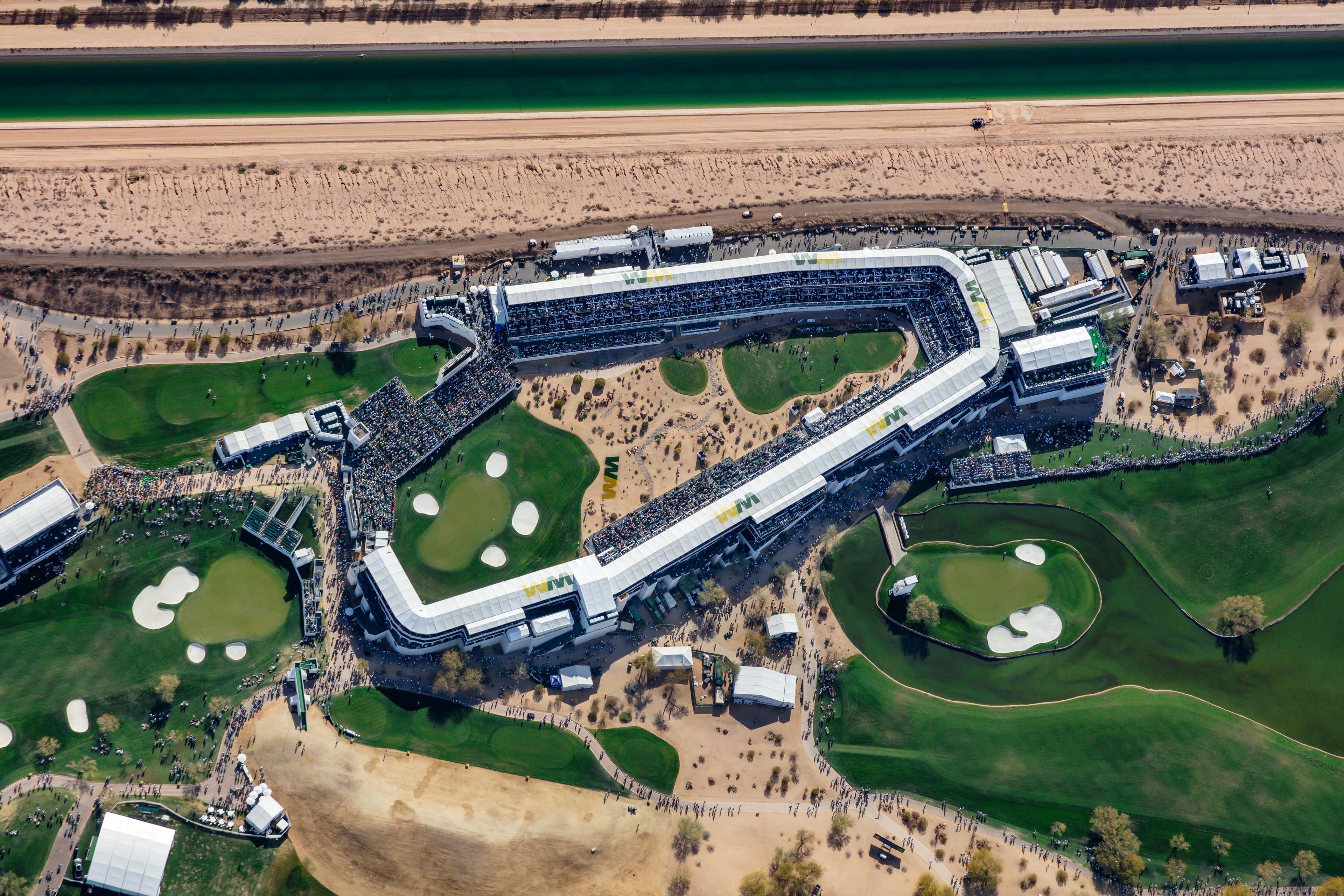
TPC Scottsdale — Stadium Course
Scottsdale, Arizona
Home of the loudest tournament in professional golf and a par-3 16th that seats 20,000. The rest of the course rewards strategy over power.
$150–$550PublicTom Weiskopf & Jay Morrish (1986)
GolfNowBook tee time
Premium
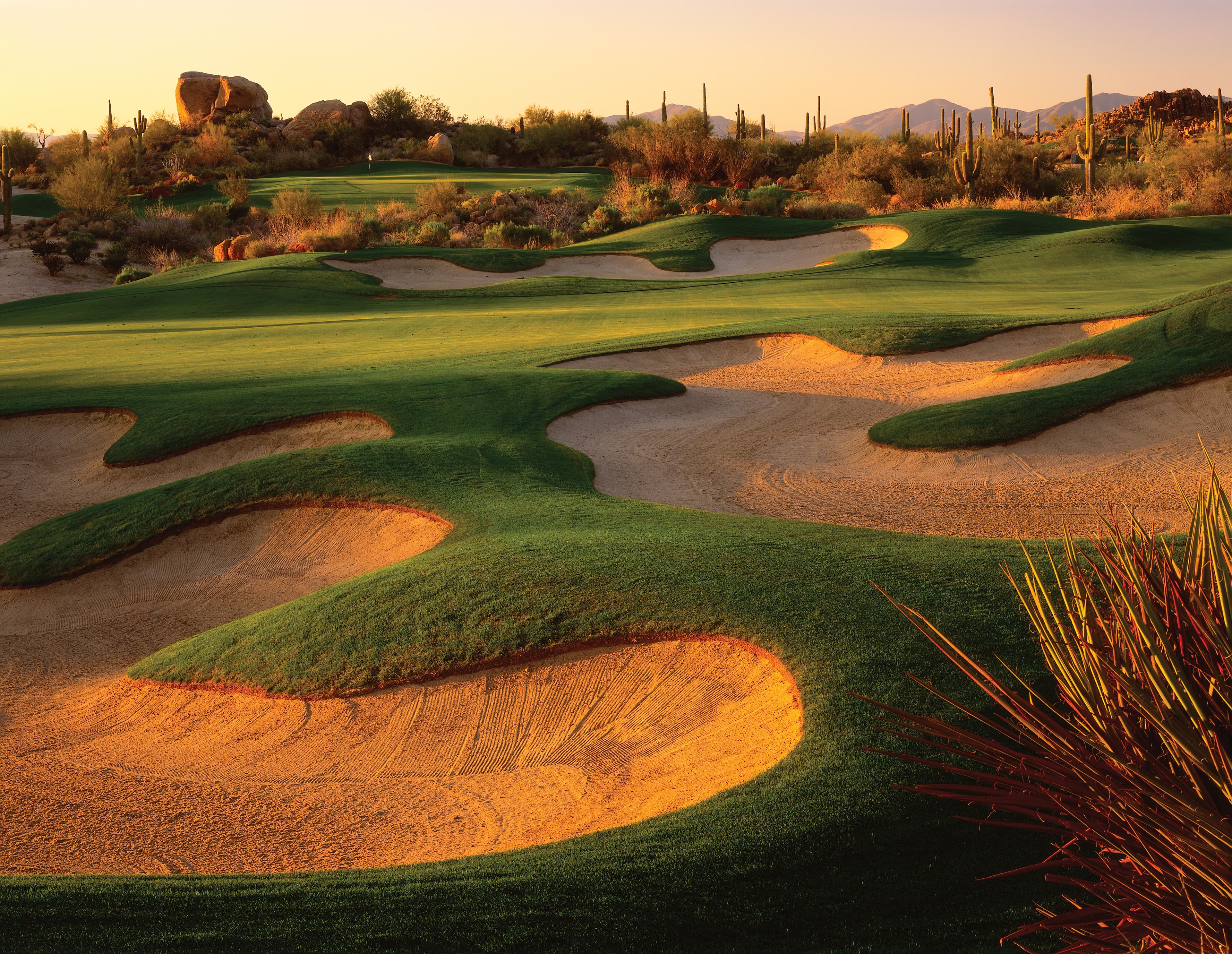
Troon North Golf Club — Monument Course
Scottsdale, Arizona
British links principles transplanted to the Sonoran Desert. Firm greens, bump-and-run approaches, and four par 5s exceeding 500 yards.
$100–$500PublicTom Weiskopf & Jay Morrish (1990); Weiskopf redesign 2007
GolfNowBook tee time
Premium
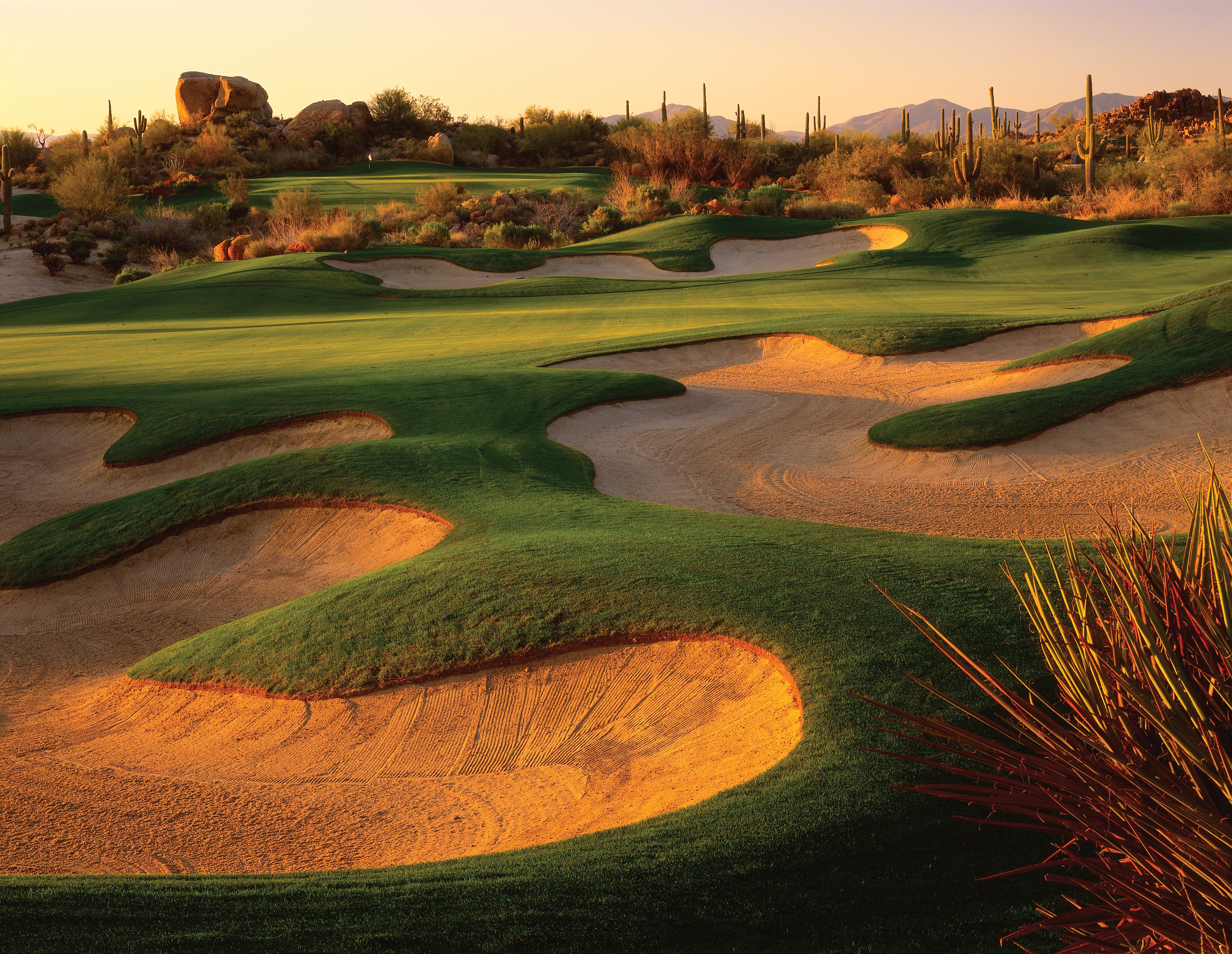
Troon North Golf Club — Pinnacle Course
Scottsdale, Arizona
Desert target golf through steep arroyos and saguaro forests. The signature par-5 16th measures 609 yards through a natural wash.
$100–$325PublicTom Weiskopf & Jay Morrish (1995)
GolfNowBook tee time
Bucket List
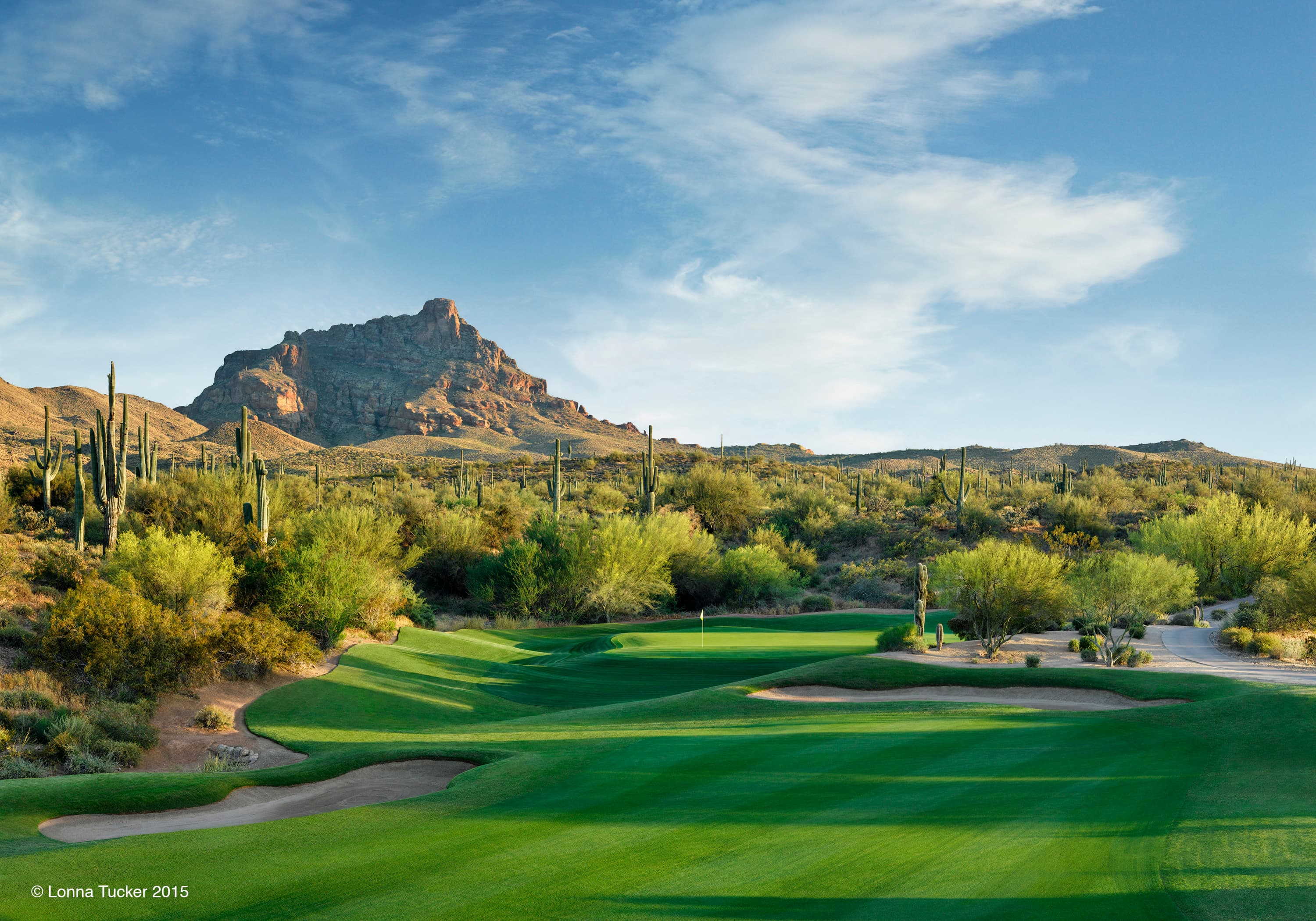
We-Ko-Pa Golf Club — Cholla Course
Scottsdale, Arizona
Named one of the ten best new public courses in the world upon opening. Scott Miller's bolder, longer counterpart to the Saguaro.
$69–$309PublicScott Miller (2001)
PartnerBook tee time
Bucket List
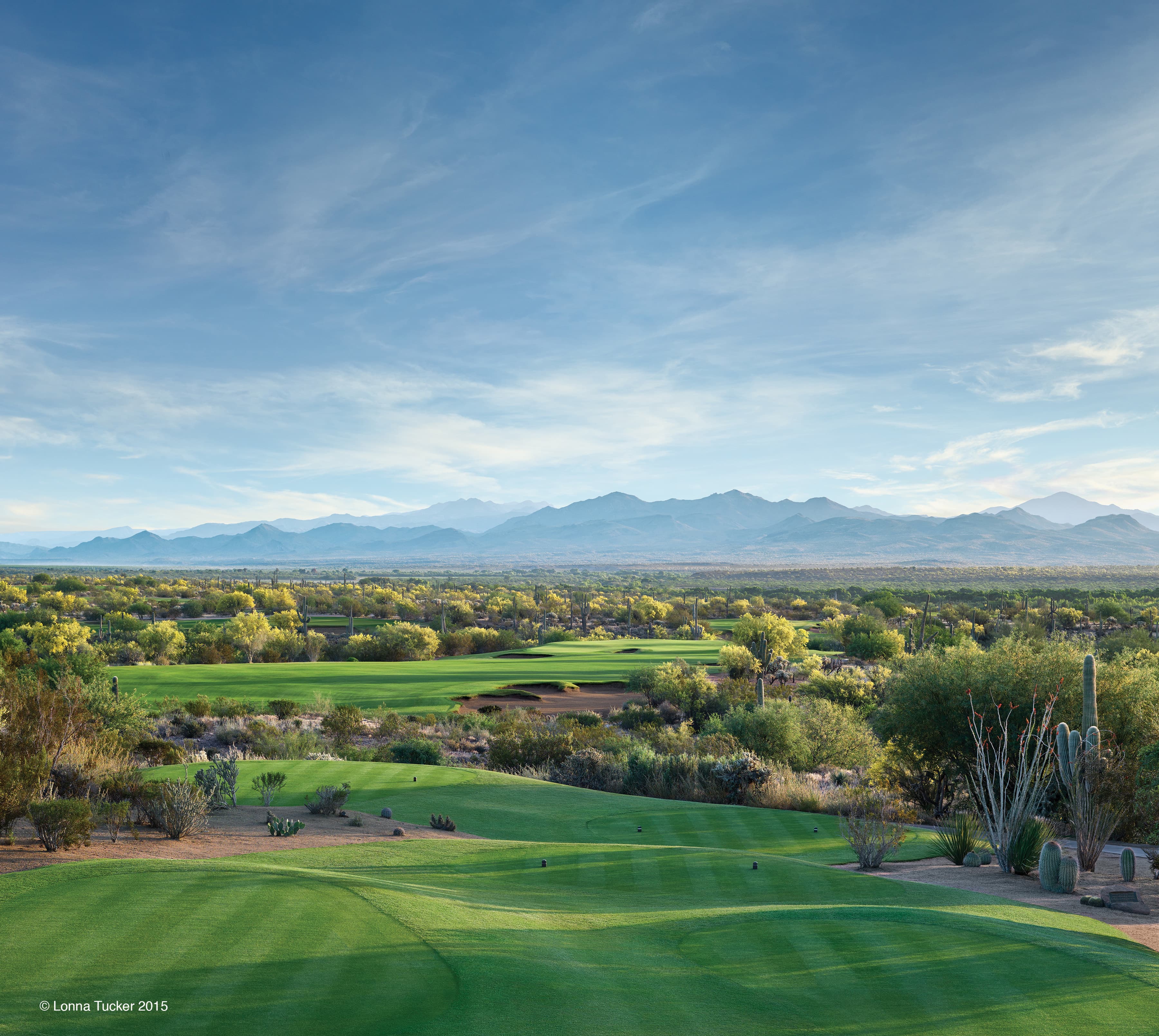
We-Ko-Pa Golf Club — Saguaro Course
Scottsdale, Arizona
Ranked number one in Arizona by Golfweek for 15 of the past 16 years. Coore-Crenshaw minimalism on Fort McDowell Yavapai Nation land.
$69–$309PublicBill Coore & Ben Crenshaw (2006)
PartnerBook tee time
Midwest
32 courses
Mid-Range
Buffalo Ridge Springs Golf Course
Big Cedar Lodge, Missouri, Missouri
Tom Fazio's 18-hole design through rolling Ozarks grassland, where a resident bison herd grazes alongside the fairways. Ranked among Golf Digest's Top 100 Public.
$225–$275ResortTom Fazio (1999, redesigned 2014)
Direct websiteVisit website
Mid-Range
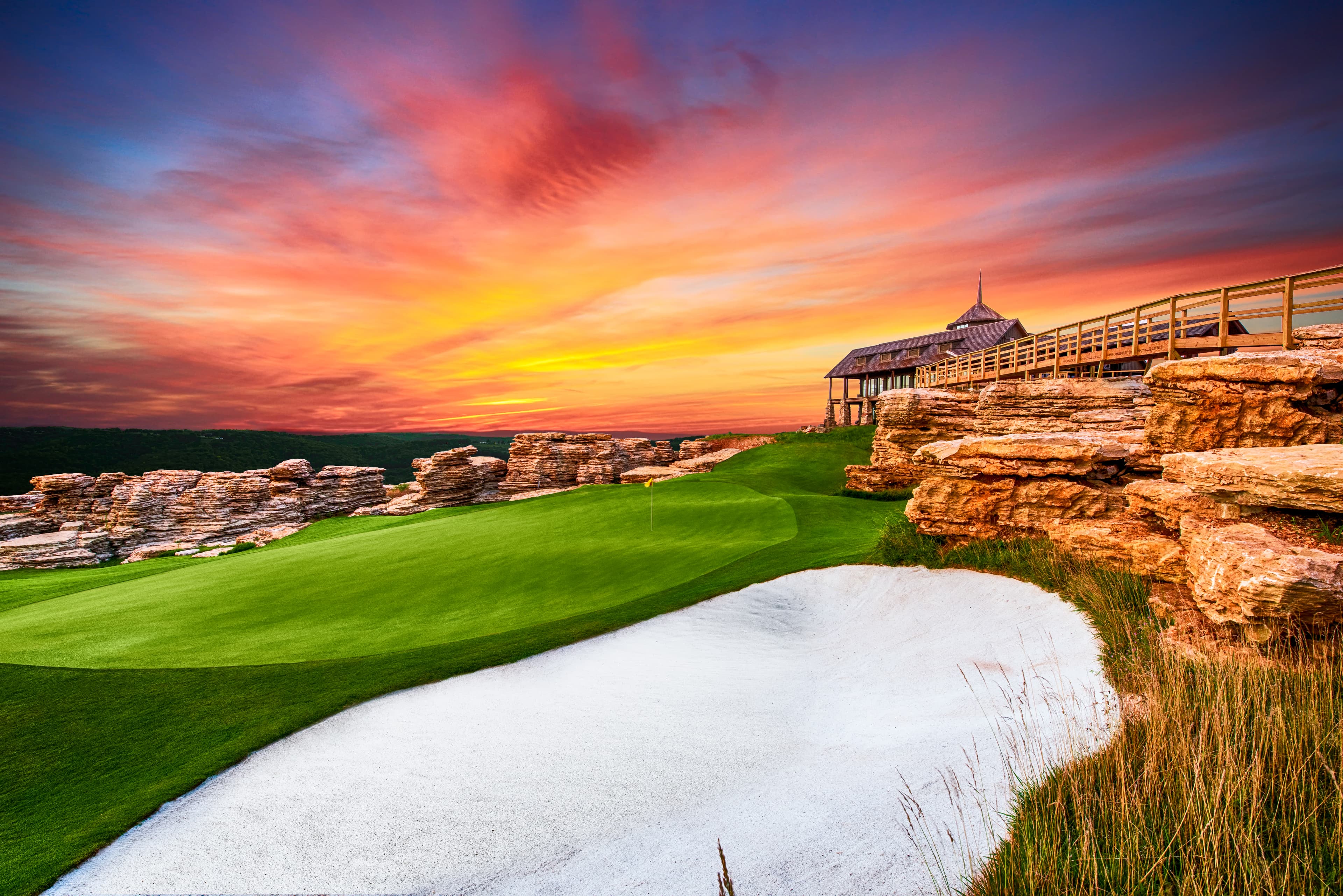
Mountain Top Golf Course
Big Cedar Lodge, Missouri, Missouri
Gary Player's 13-hole par-3 course routed through Ozarks rock formations at elevation. Walking only, designed to be accessible across all skill levels.
$80–$95ResortGary Player (2017)
Direct websiteVisit website
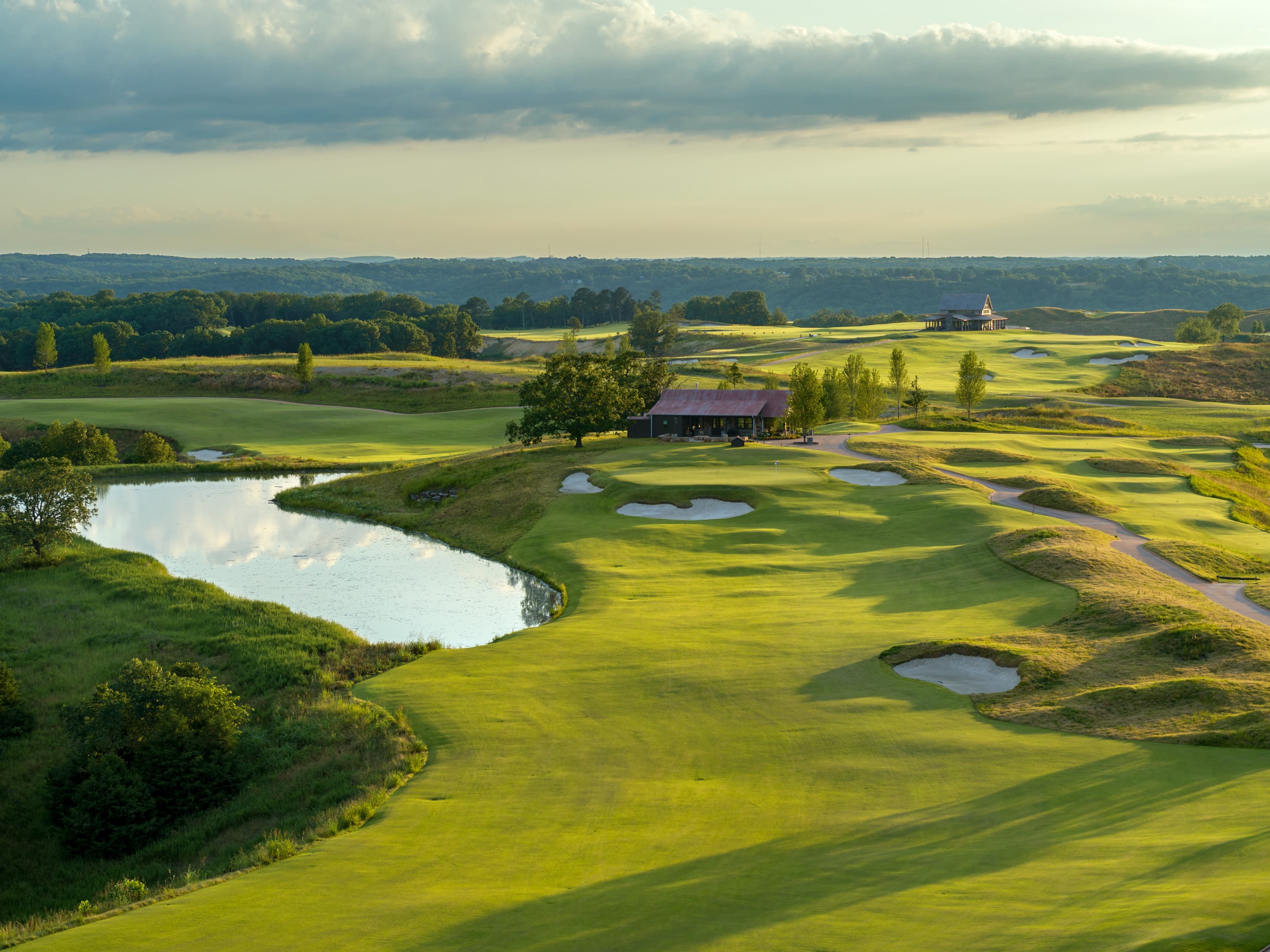
Premium
Ozarks National Golf Course
Big Cedar Lodge, Missouri, Missouri
Coore and Crenshaw's ridgeline routing through the Ozarks, featuring panoramic views and a 400-foot wooden bridge on the 13th hole. Golf Digest Best New Public 2019.
$225–$525ResortBill Coore & Ben Crenshaw (2019)
Direct websiteVisit website
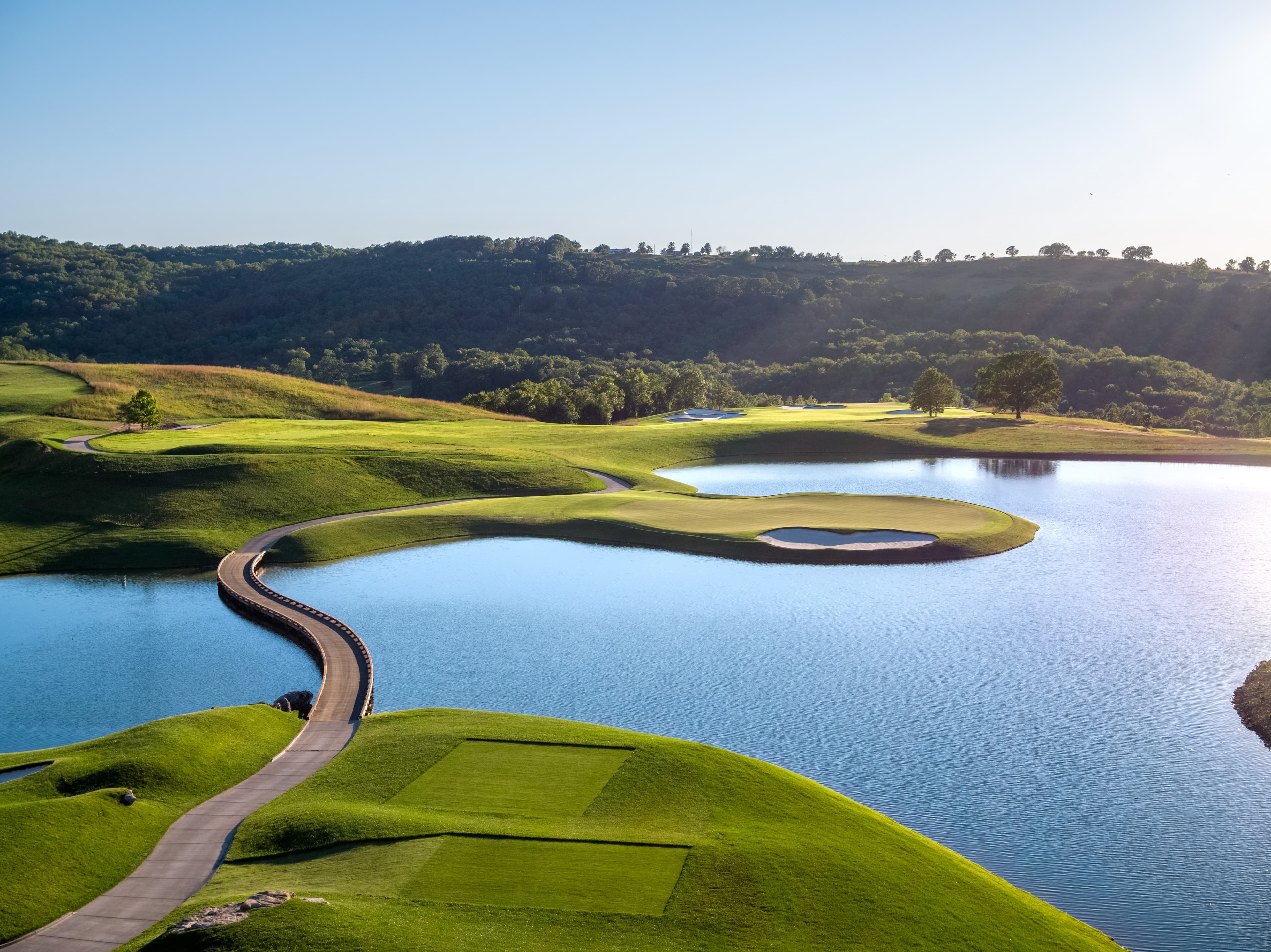
Bucket List
Payne's Valley Golf Course
Big Cedar Lodge, Missouri, Missouri
Tiger Woods' first public-access course, an 18-hole championship layout with a bonus 19th par-3 carved through Ozarks ridgelines above Table Rock Lake.
From $400ResortTiger Woods / TGR Design (2020)
Direct websiteVisit website
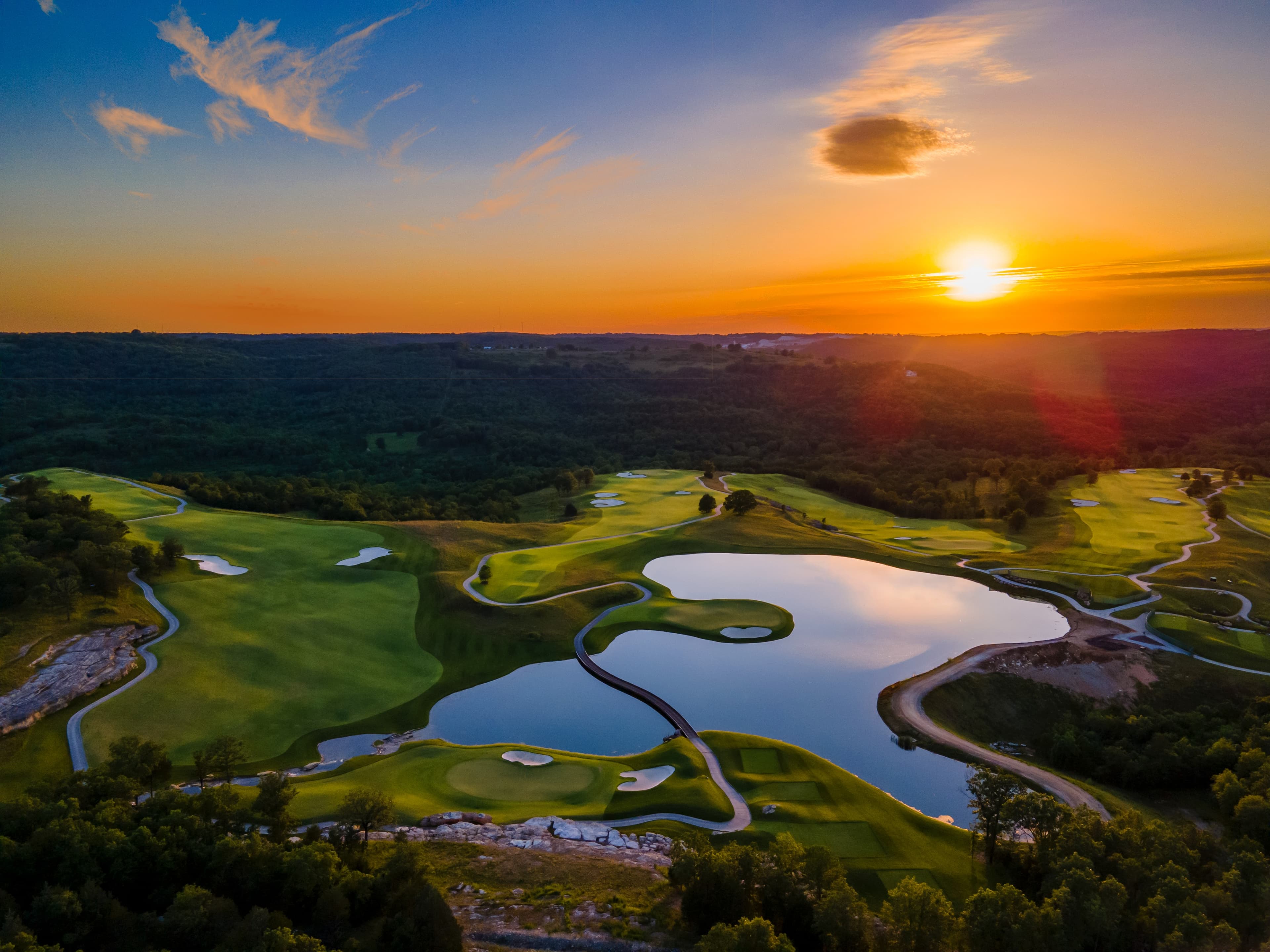
Premium
Top of the Rock Golf Course
Big Cedar Lodge, Missouri, Missouri
The only par-3 course ever used by the PGA Tour, a Jack Nicklaus design through limestone cliffs above Table Rock Lake.
From $135ResortJack Nicklaus (1996)
Direct websiteVisit website
Branson Hills Golf Club
Mid-Range
Branson Hills Golf Club
Branson & the Ozarks, Missouri, Missouri
The longest course in Branson, routed through rock outcroppings, waterfalls, and Ozark creek bottoms
$80–$165PublicChuck Smith / Bobby Clampett (2009)
Direct websiteVisit website
Ledgestone Country Club
Premium
Ledgestone Country Club
Branson & the Ozarks, Missouri, Missouri
Dramatic Ozark ridgeline golf where elevation changes do the talking.
$100–$160Semi-PrivateTom Clark (1994)
Direct websiteVisit website
Pointe Royale Golf Course
Hidden Value
Pointe Royale Golf Course
Branson & the Ozarks, Missouri, Missouri
Branson's original championship course, with water on 12 of 18 holes and green fees that start at $35
$35–$90ResortAult-Clark & Associates (1986)
Direct websiteVisit website
Thousand Hills Golf Resort
Hidden Value
Thousand Hills Golf Resort
Branson & the Ozarks, Missouri, Missouri
A par-64 executive layout through hilly Ozark terrain with resort convenience and the area's best stay-and-play value
$40–$90ResortRobert E. Cupp ASGCA (1995)
Direct websiteVisit website
Blackwolf Run — Meadow Valleys
Premium
Blackwolf Run — Meadow Valleys
Kohler & Sheboygan County, Wisconsin
The most approachable of Dye's Kohler courses, and the one that rewards a return visit most.
From $395ResortPete Dye
Direct websiteVisit website
Blackwolf Run — River Course
Premium
Blackwolf Run — River Course
Kohler & Sheboygan County, Wisconsin
Pete Dye's first Kohler course, carved through river bluffs and still his most natural work in Wisconsin.
From $495ResortPete Dye
Direct websiteVisit website
Erin Hills
Bucket List
Erin Hills
Kohler & Sheboygan County, Wisconsin
A U.S. Open venue built on glacial terrain, where the fescue does most of the talking.
$395–$495PublicDr. Michael Hurdzan, Dana Fry, Ron Whitten
PartnerBook tee time
SentryWorld
Premium
SentryWorld
Kohler & Sheboygan County, Wisconsin
An all-inclusive green fee, a par 3 framed by 33,000 flowers, and a redesign that earned a second life.
From $375PublicRobert Trent Jones Jr.
PartnerBook tee time
Whistling Straits — Irish Course
Premium
Whistling Straits — Irish Course
Kohler & Sheboygan County, Wisconsin
The Straits Course gets the headlines. The Irish Course gets under your skin.
From $380ResortPete Dye
PartnerBook tee time
Whistling Straits — Straits Course
Bucket List
Whistling Straits — Straits Course
Kohler & Sheboygan County, Wisconsin
Four major championships, a thousand bunkers, and Lake Michigan as the permanent backdrop.
$545–$645ResortPete Dye & Alice Dye
PartnerBook tee time
A-Ga-Ming — Torch
Mid-Range
A-Ga-Ming — Torch
Northern Michigan, Michigan
Hillside layout with panoramic views of Torch Lake, one of the clearest inland lakes in the United States. Twenty-five minutes from Traverse City.
$65–$105PublicJerry Matthews / Chick Harbert (1974, rerouted 2005)
Direct websiteVisit website
Arcadia Bluffs — South Course
Premium
Arcadia Bluffs — South Course
Northern Michigan, Michigan
An inland counterpart to The Bluffs with square tees and greens paying homage to golden-age architecture. Walking only.
$150–$225PublicDana Fry (2018)
Direct websiteVisit website
Arcadia Bluffs — The Bluffs
Bucket List
Arcadia Bluffs — The Bluffs
Northern Michigan, Michigan
Links-style golf on 200-foot bluffs above Lake Michigan, ranked among Golf Digest's top 100 public courses.
$175–$250PublicWarren Henderson & Rick Smith (1999)
Direct websiteVisit website
Bay Harbor Golf Club
Premium
Bay Harbor Golf Club
Northern Michigan, Michigan
Three distinct nines carved through a former shale quarry, a Lake Michigan shoreline, and a wooded preserve. Played in 18-hole combinations.
$200–$440ResortArthur Hills (1996)
Direct websiteVisit website
Boyne Highlands — Donald Ross Memorial
Mid-Range
Boyne Highlands — Donald Ross Memorial
Northern Michigan, Michigan
A composite course recreating 18 of Donald Ross's most celebrated holes from courses across the country.
$40–$91ResortNewcomb / Kircher / Flick (1989)
Direct websiteVisit website
Boyne Highlands — Heather
Mid-Range
Boyne Highlands — Heather
Northern Michigan, Michigan
Robert Trent Jones Sr.'s championship design and the flagship course at Boyne Highlands. Recently renovated.
$90–$176ResortRobert Trent Jones Sr (1966)
Direct websiteVisit website
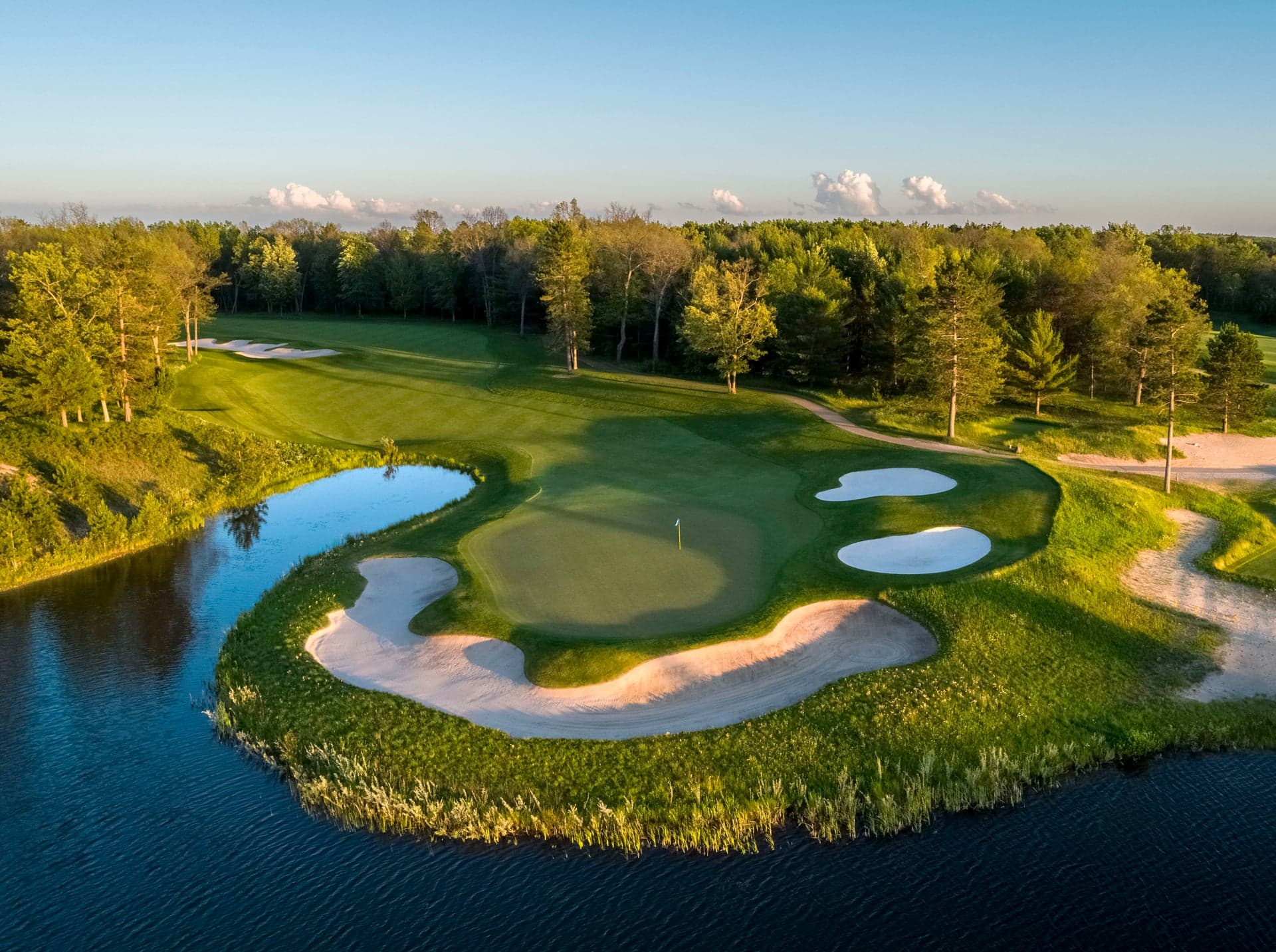
Premium
Forest Dunes — Forest Dunes
Northern Michigan, Michigan
Tom Weiskopf's original Forest Dunes layout, named Best New Upscale Course in America by Golf Digest upon opening. Set among towering pines and natural sand.
$145–$215PublicTom Weiskopf (2002)
Direct websiteVisit website

Bucket List
Forest Dunes — The Loop
Northern Michigan, Michigan
The world's first reversible golf course, playing as the Black Course on odd days and the Red Course on even days. Walking only.
$145–$215PublicTom Doak (2016)
Direct websiteVisit website
Shanty Creek — The Legend
Mid-Range
Shanty Creek — The Legend
Northern Michigan, Michigan
Arnold Palmer design set in the hills above Lake Bellaire with significant elevation change and resort stay-and-play packages.
$65–$120ResortArnold Palmer (1986)
Direct websiteVisit website
Treetops Resort — Masterpiece
Mid-Range
Treetops Resort — Masterpiece
Northern Michigan, Michigan
Robert Trent Jones Sr.'s Gaylord design with elevation changes up to 300 feet. Named second-best new course in America by Golf Digest in 1987.
$80–$145ResortRobert Trent Jones Sr (1987)
Direct websiteVisit website
Lawsonia Links
Mid-Range
Lawsonia Links
Sand Valley, Wisconsin, Wisconsin
A 1930 Langford and Moreau design in Green Lake with massive elevated greens and deep bunkers, ranked among America's best affordable public courses.
$70–$140PublicWilliam Langford & Theodore Moreau (1930)
Direct websiteVisit website
Bucket List
Mammoth Dunes
Sand Valley, Wisconsin, Wisconsin
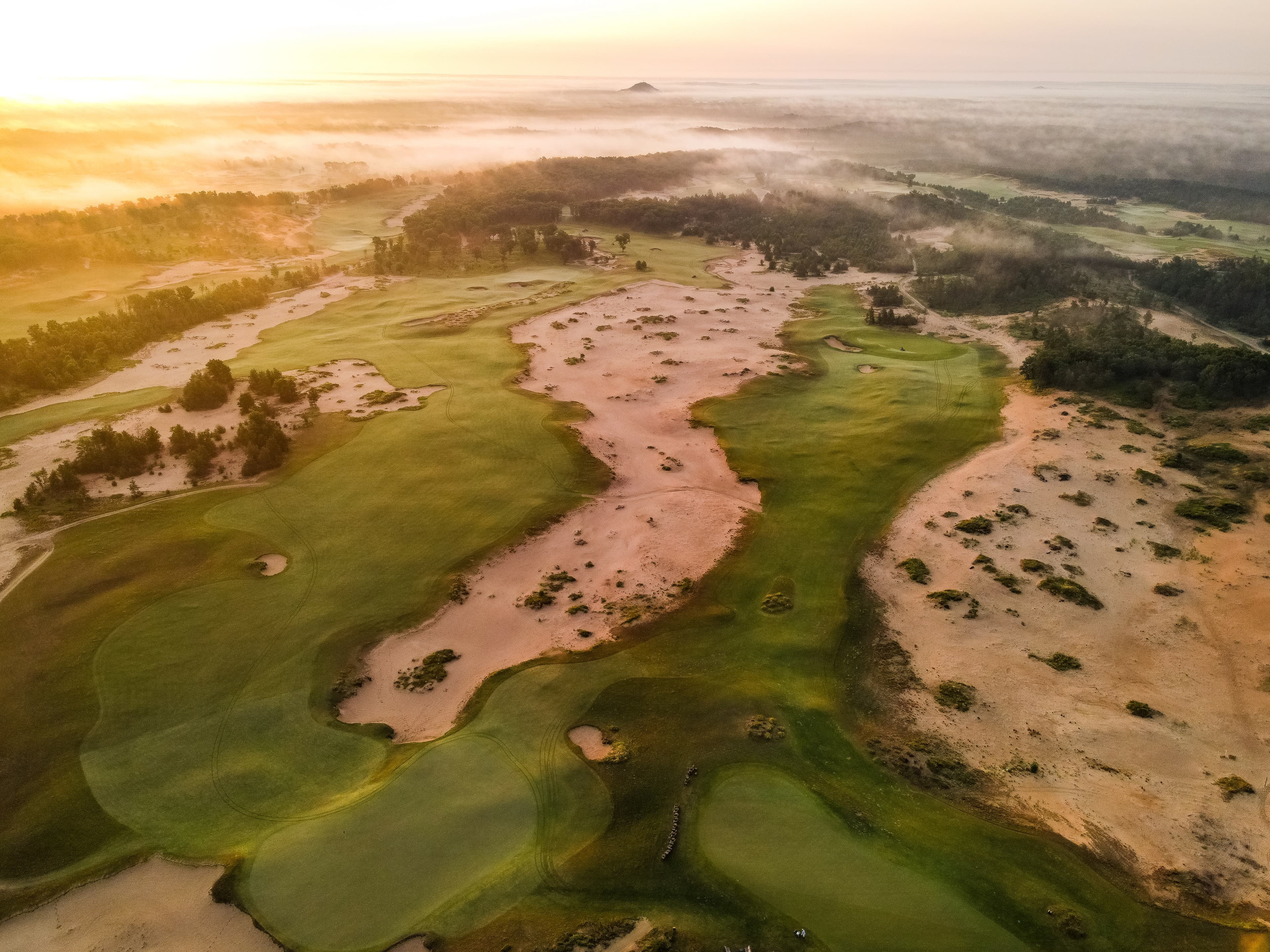
David McLay Kidd's 2018 design features some of the widest fairways in American golf, sculpted around a massive sand ridge with enormous greens.
From $295ResortDavid McLay Kidd (2018)
Direct websiteVisit website
Premium
Sand Valley
Sand Valley, Wisconsin, Wisconsin
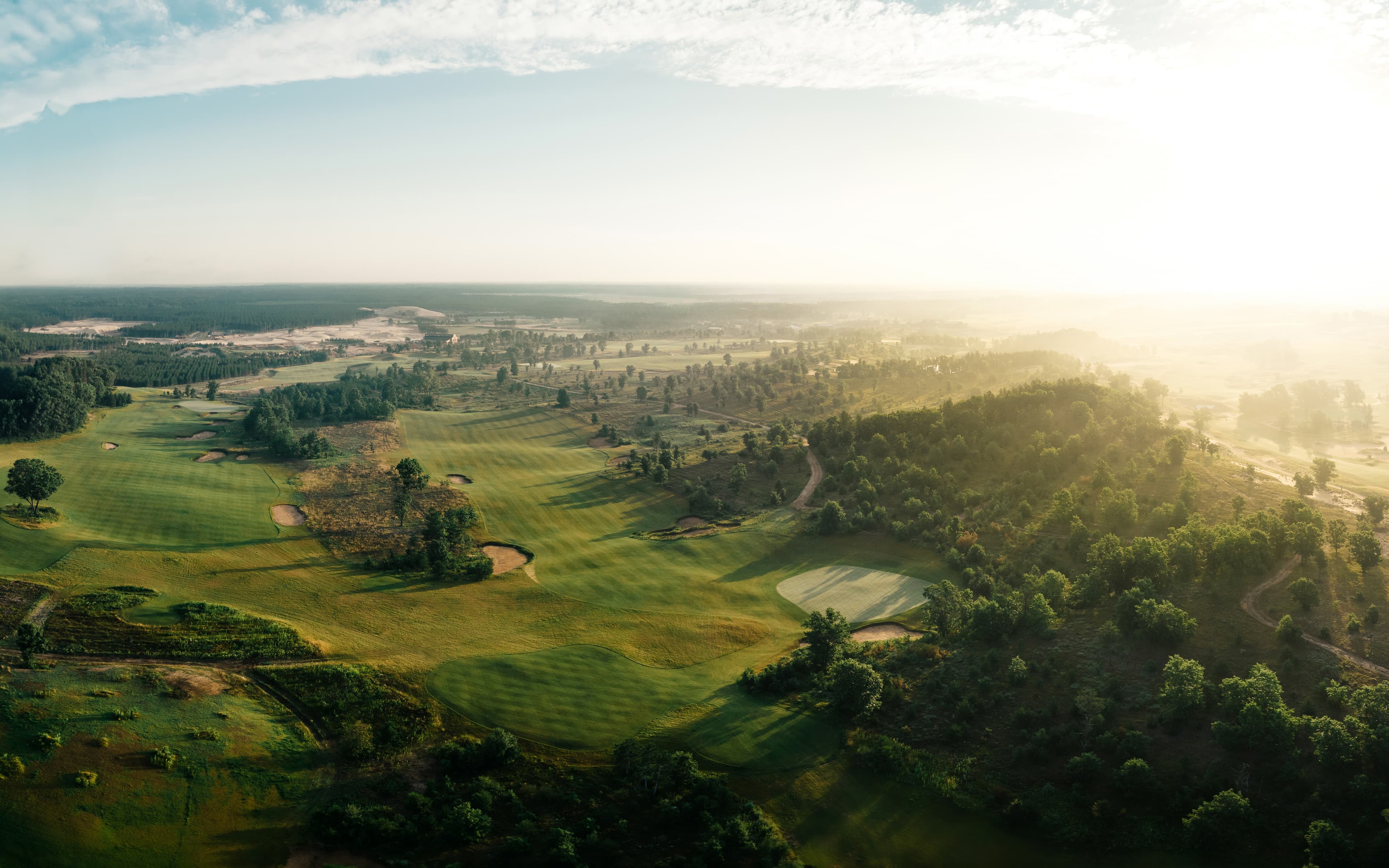
The resort's original Coore and Crenshaw course plays through exposed sand dunes with firm-and-fast conditions and multiple strategic playing options.
$105–$295ResortBill Coore & Ben Crenshaw (2017)
Direct websiteVisit website
Mid-Range
Sedge Valley
Sand Valley, Wisconsin, Wisconsin
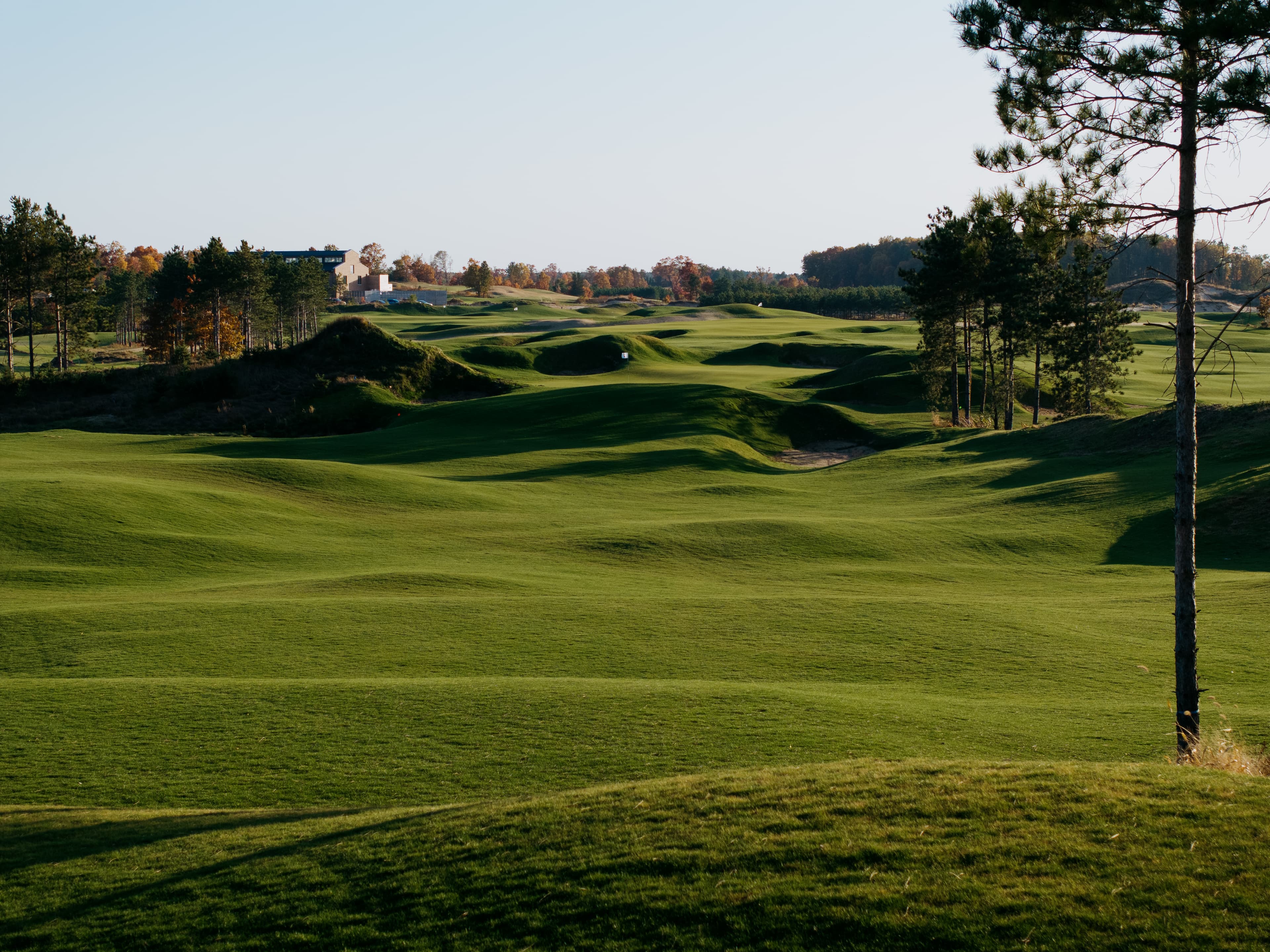
Tom Doak's heathland-inspired par 68 packs a 74.2 course rating into fewer than 5,900 yards through small, complex green sites.
From $295ResortTom Doak (2024)
Direct websiteVisit website
Mid-Range
The Commons
Sand Valley, Wisconsin, Wisconsin
A 12-hole, par-45 afternoon course inspired by ancient Scottish links like Prestwick and North Berwick, opening in 2026.
ResortJim Craig (2026)
Direct websiteVisit website
Bucket List
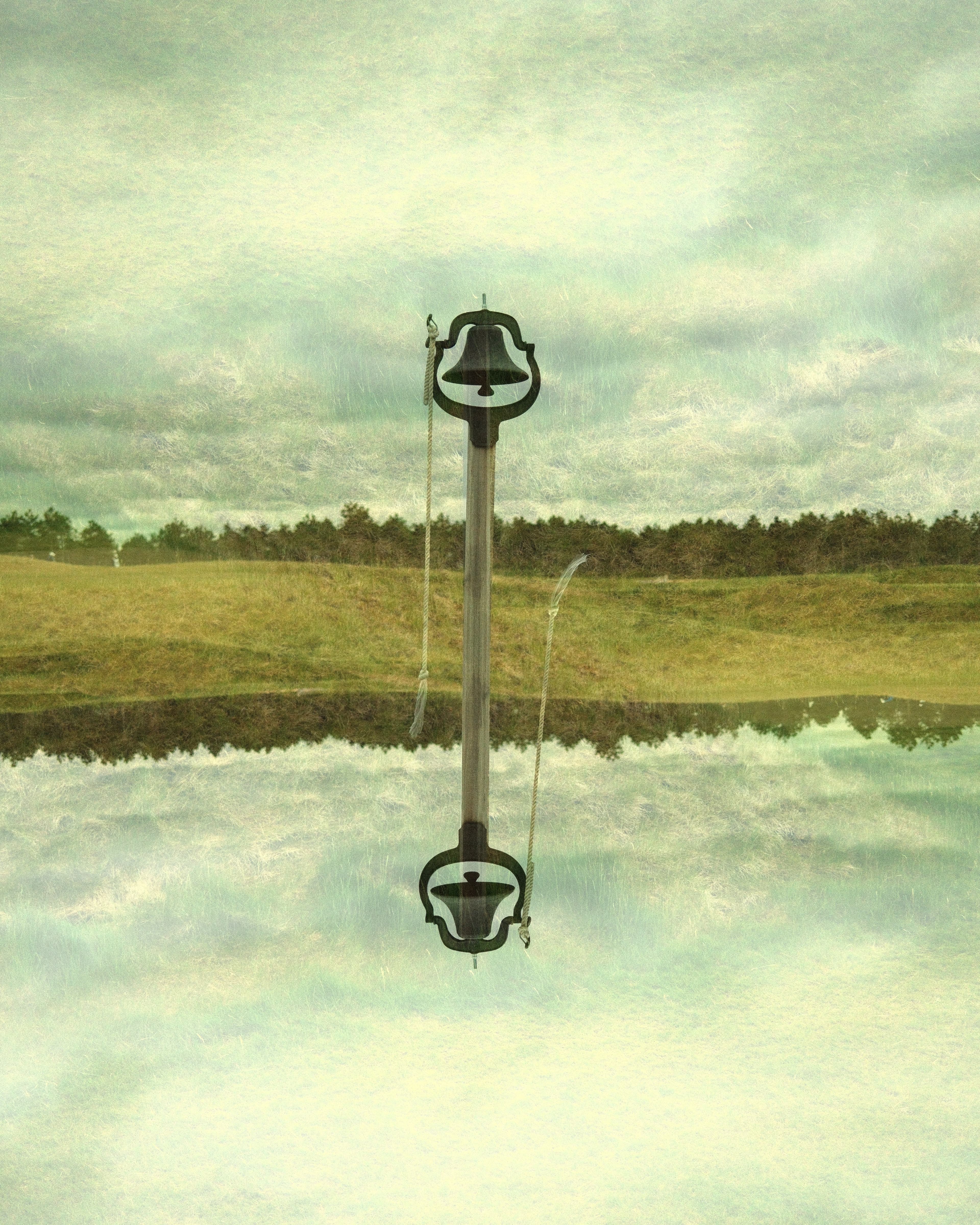
The Lido
Sand Valley, Wisconsin, Wisconsin
A down-to-the-inch recreation of C.B. Macdonald's lost 1917 Long Island masterpiece, rebuilt on Wisconsin sand dunes and opened in 2023.
From $295ResortTom Doak / Brian Schneider, Renaissance Golf (C.B. Macdonald recreation) (2023)
Direct websiteVisit website
Mid-Range
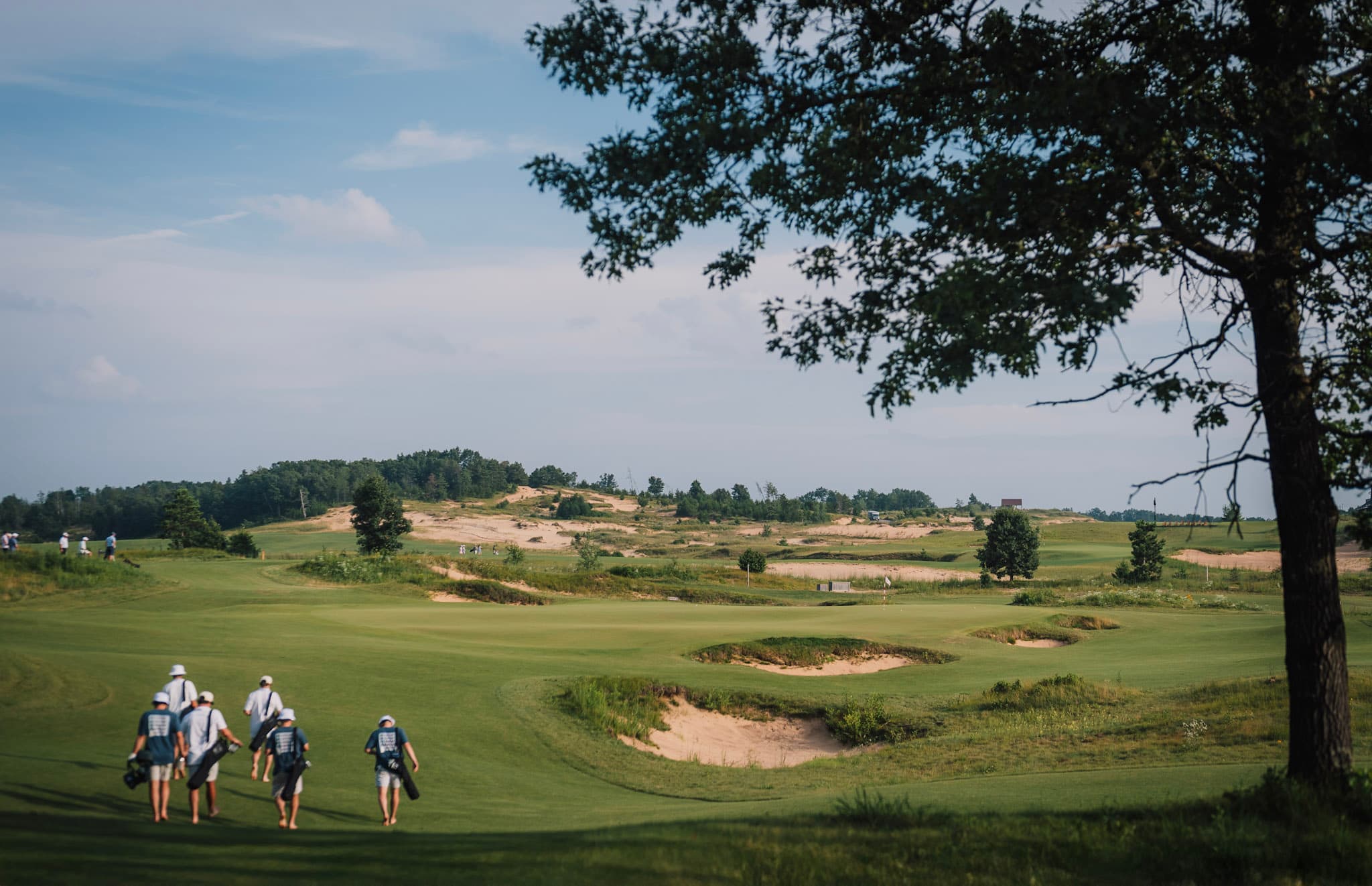
The Sandbox
Sand Valley, Wisconsin, Wisconsin
A 17-hole par-3 short course with holes ranging from 40 to 140 yards, featuring template greens including a Biarritz, Lion's Mouth, and Redan.
From $65ResortBill Coore & Ben Crenshaw / Jim Craig (2017)
Direct websiteVisit website
West
29 courses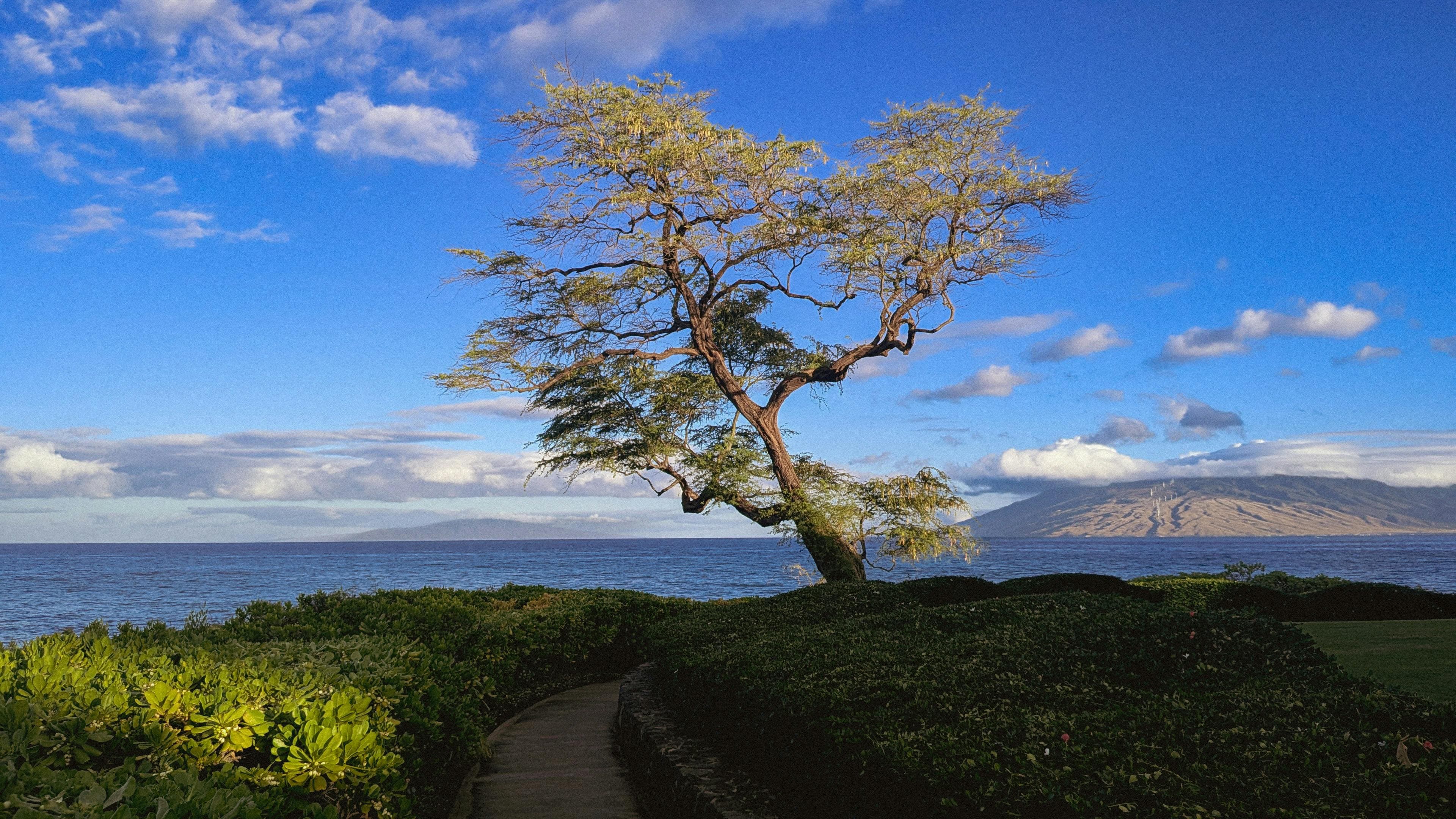
Bucket List
Kapalua — Plantation Course
Hawaii (Maui / Big Island), Hawaii
Home of the PGA Tour's The Sentry, this Coore & Crenshaw renovation plays across volcanic ridgelines above the Pacific with elevation changes that reward strategic positioning over brute force.
$445–$546ResortBill Coore & Ben Crenshaw (1991, renovated 2019)
Direct websiteVisit website
Premium
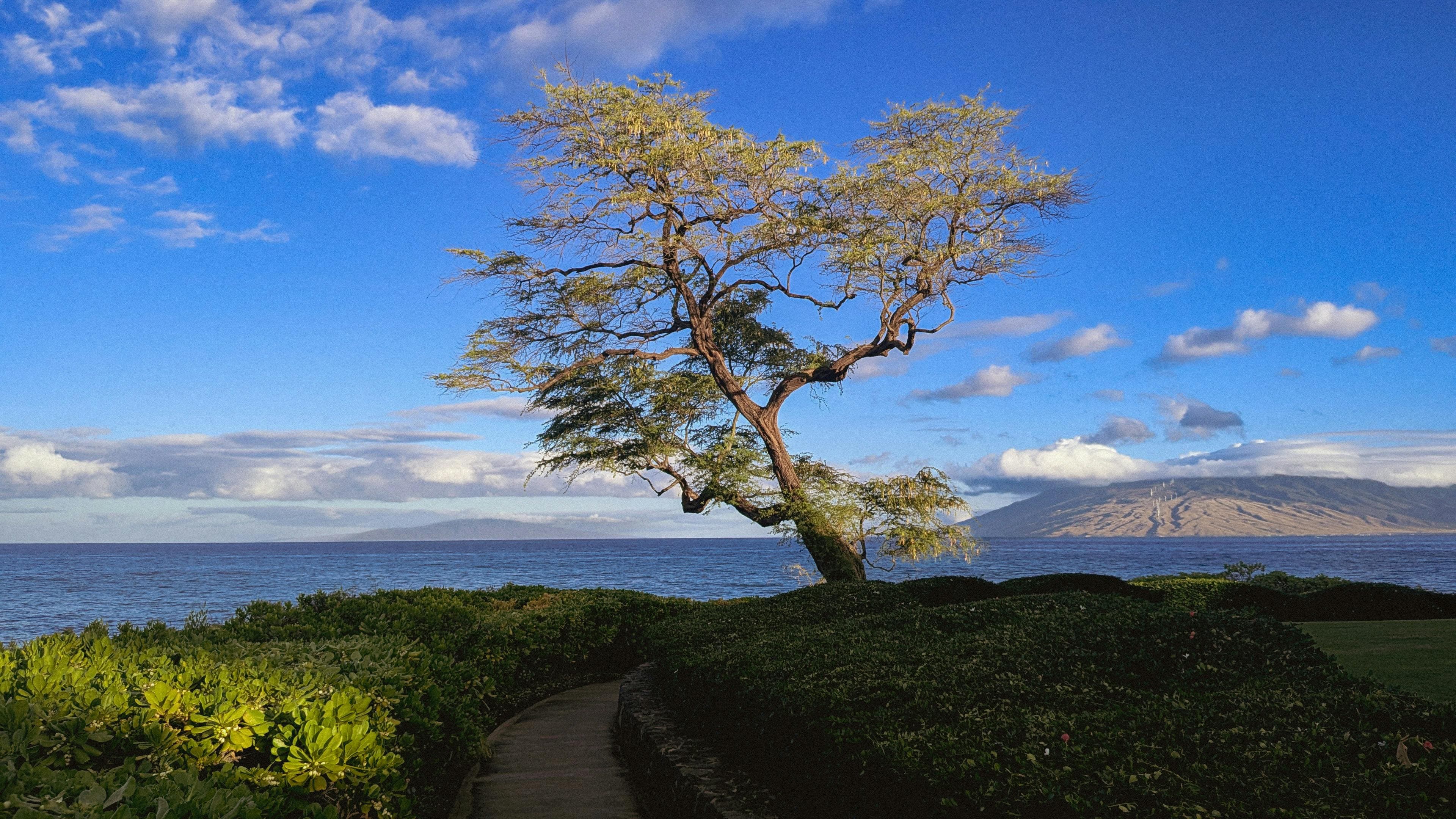
Mauna Kea Golf Course
Hawaii (Maui / Big Island), Hawaii
Robert Trent Jones Sr.'s 1964 design pioneered destination golf in Hawaii and remains a formidable test across rugged lava terrain with panoramic ocean and mountain views.
$215–$325ResortRobert Trent Jones Sr. (1964); RTJ Jr. renovation
Direct websiteVisit website
Premium
Mauna Lani — South Course
Hawaii (Maui / Big Island), Hawaii
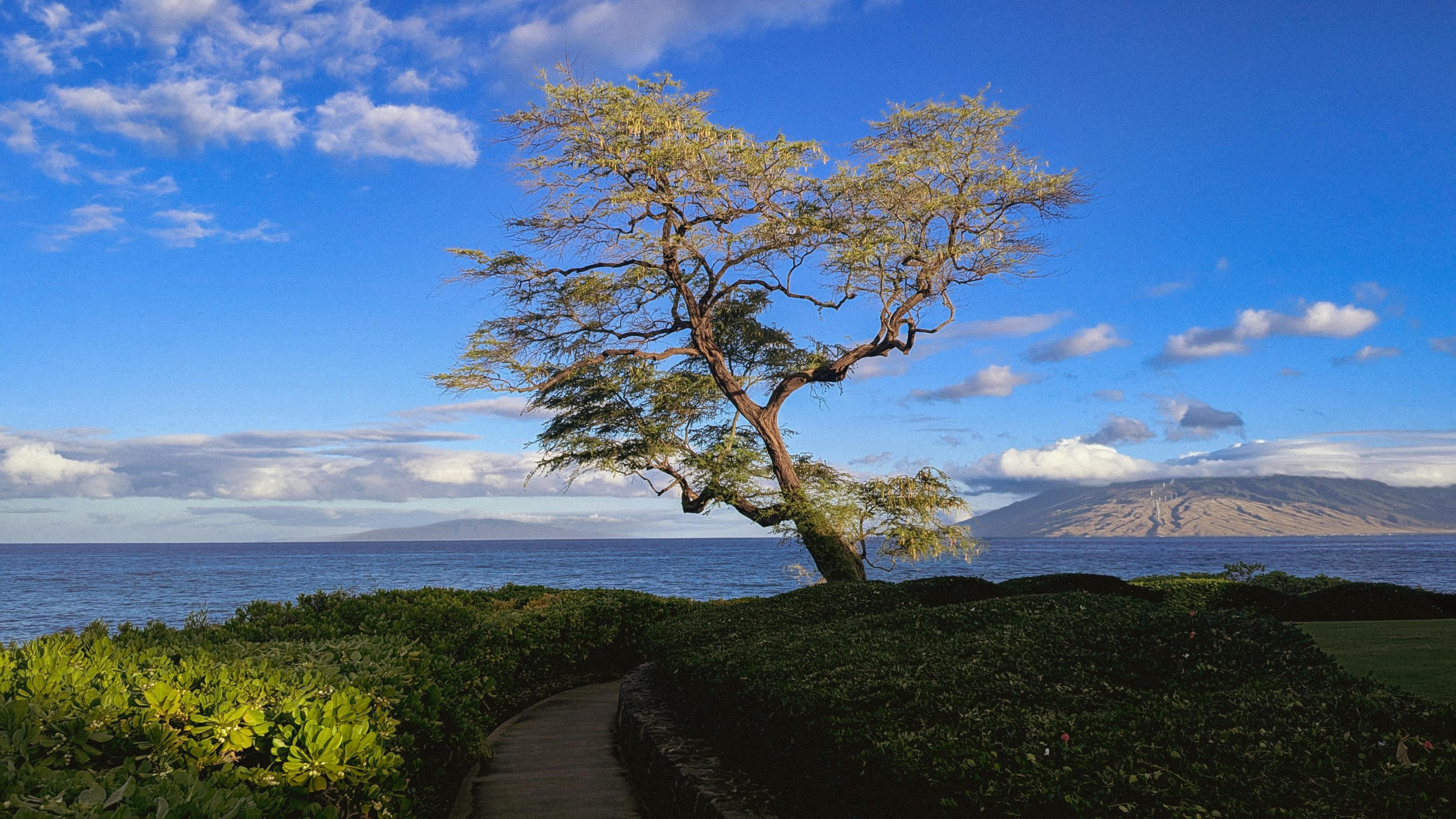
Six oceanfront holes through ancient lava fields along the Kohala Coast make this one of the most visually dramatic resort courses in the United States.
$195–$295ResortHomer Flint & Raymond Cain (1981); Nelson & Haworth redesign (1991)
Direct websiteVisit website
Mid-Range
Wailea — Emerald Course
Hawaii (Maui / Big Island), Hawaii
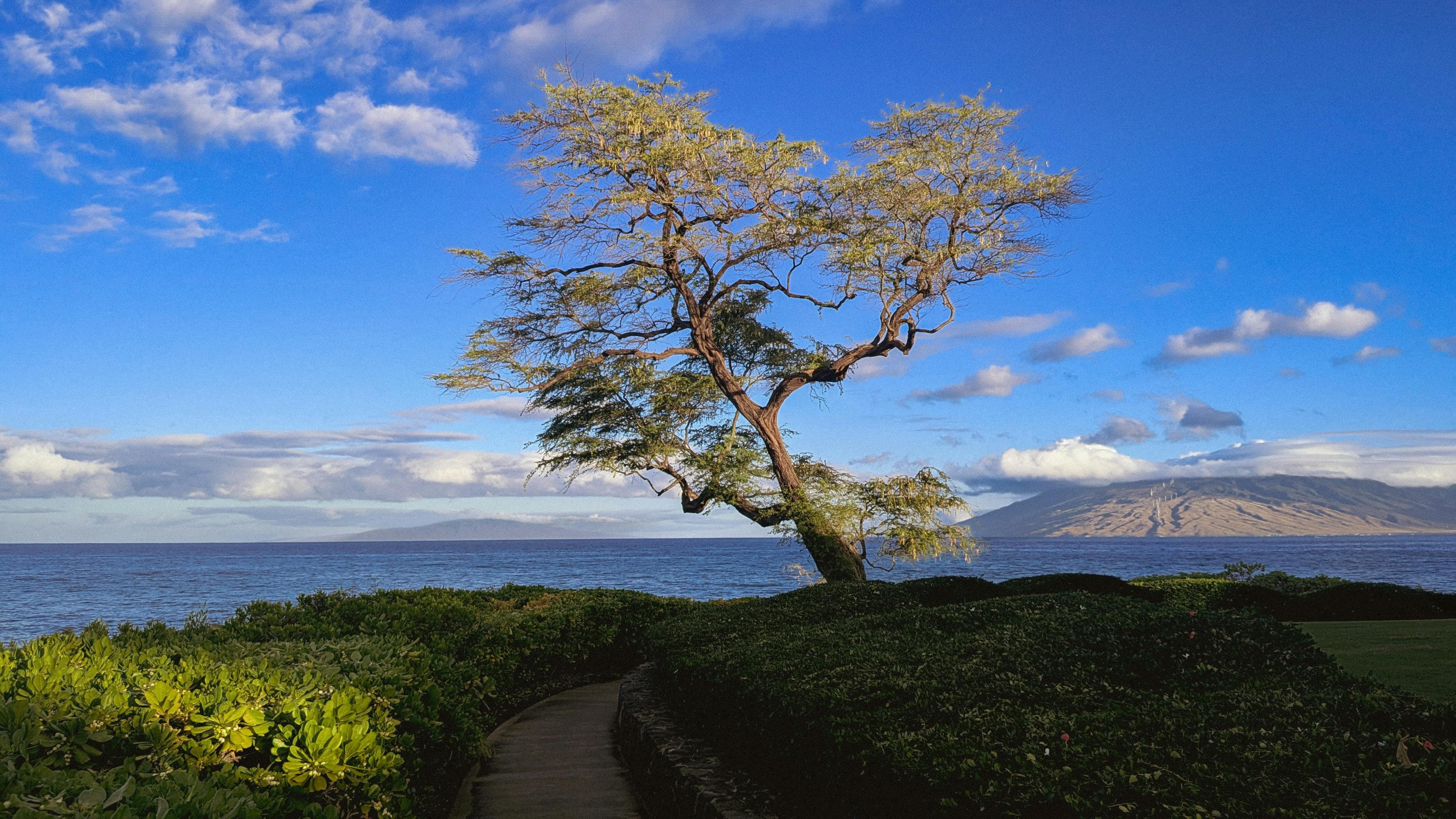
The more forgiving companion to the Gold, the Emerald features wider fairways and dramatic tropical landscaping with ocean views from every hole in South Maui.
$199–$285ResortRobert Trent Jones Jr. (1994)
Direct websiteVisit website
Mid-Range
Wailea — Gold Course
Hawaii (Maui / Big Island), Hawaii
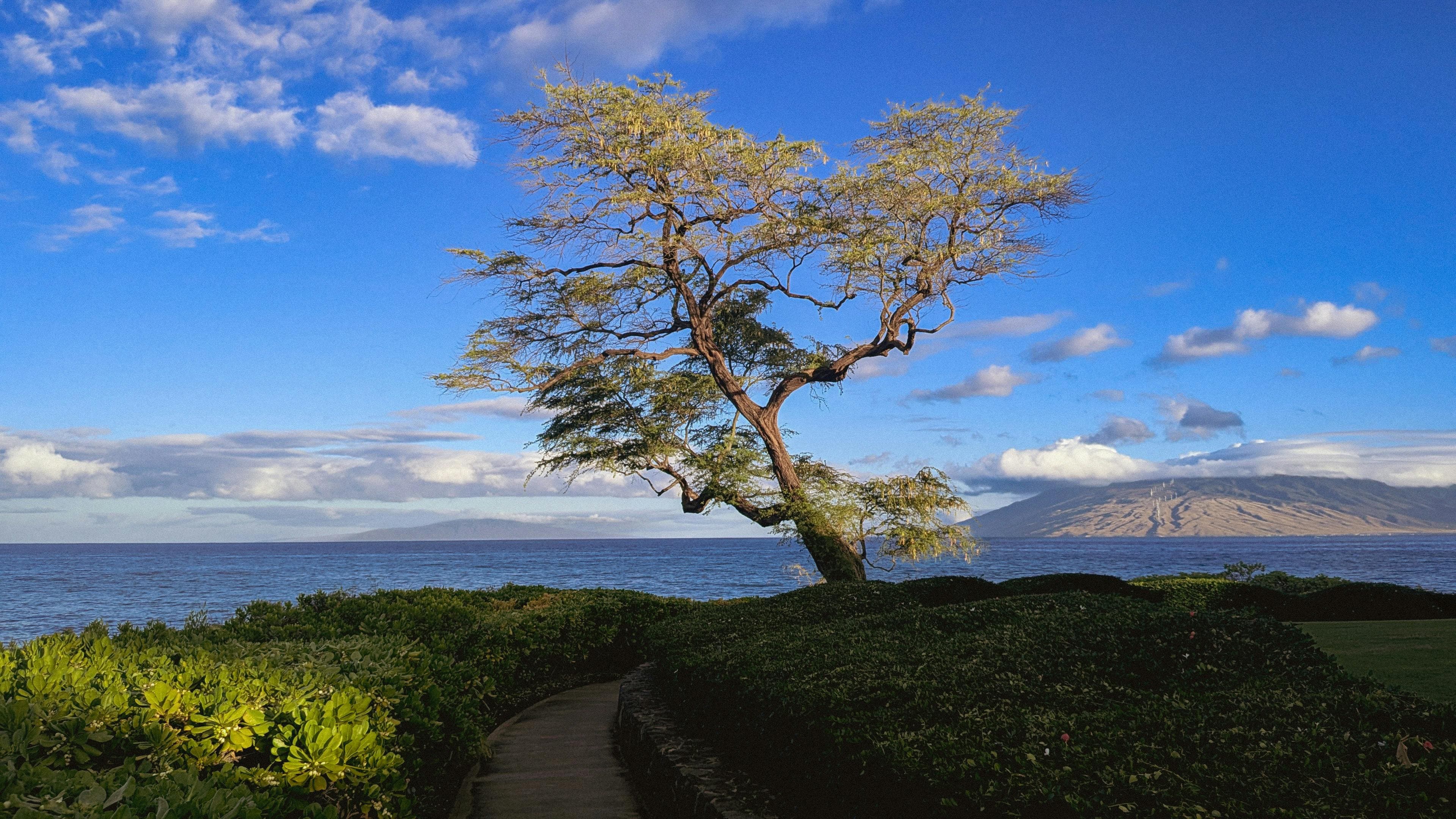
The more demanding of the two Wailea RTJ Jr. courses, the Gold plays through natural lava outcroppings with ocean views from every hole on the slopes of Haleakala.
$199–$285ResortRobert Trent Jones Jr. (1994)
Direct websiteVisit website
Coyote Moon Golf Course
Mid-Range
Coyote Moon Golf Course
Lake Tahoe, California / Nevada, California/Nevada
250 acres of Sierra forest with no homes on the course and significant elevation changes
$120–$225PublicBrad Bell (2000)
Direct websiteVisit website
Edgewood Tahoe Golf Course
Bucket List
Edgewood Tahoe Golf Course
Lake Tahoe, California / Nevada, California/Nevada
Lakefront golf on Tahoe's south shore, where the closing stretch plays along the water
$250–$425ResortGeorge Fazio / Tom Fazio (1968, redesigned 1985)
Direct websiteVisit website
Gray's Crossing Golf Course
Mid-Range
Gray's Crossing Golf Course
Lake Tahoe, California / Nevada, California/Nevada
Meadow and river golf at the base of Northstar with Truckee River frontage
$100–$230Semi-PrivatePeter Jacobsen / Jim Hardy / Gage Davis (2007)
Direct websiteVisit website
Old Greenwood Golf Course
Mid-Range
Old Greenwood Golf Course
Lake Tahoe, California / Nevada, California/Nevada
Jack Nicklaus design at 6,000 feet through Truckee's Jeffrey pines
$120–$200Semi-PrivateJack Nicklaus (2004)
Direct websiteVisit website
Tahoe Donner Golf Course
Hidden Value
Tahoe Donner Golf Course
Lake Tahoe, California / Nevada, California/Nevada
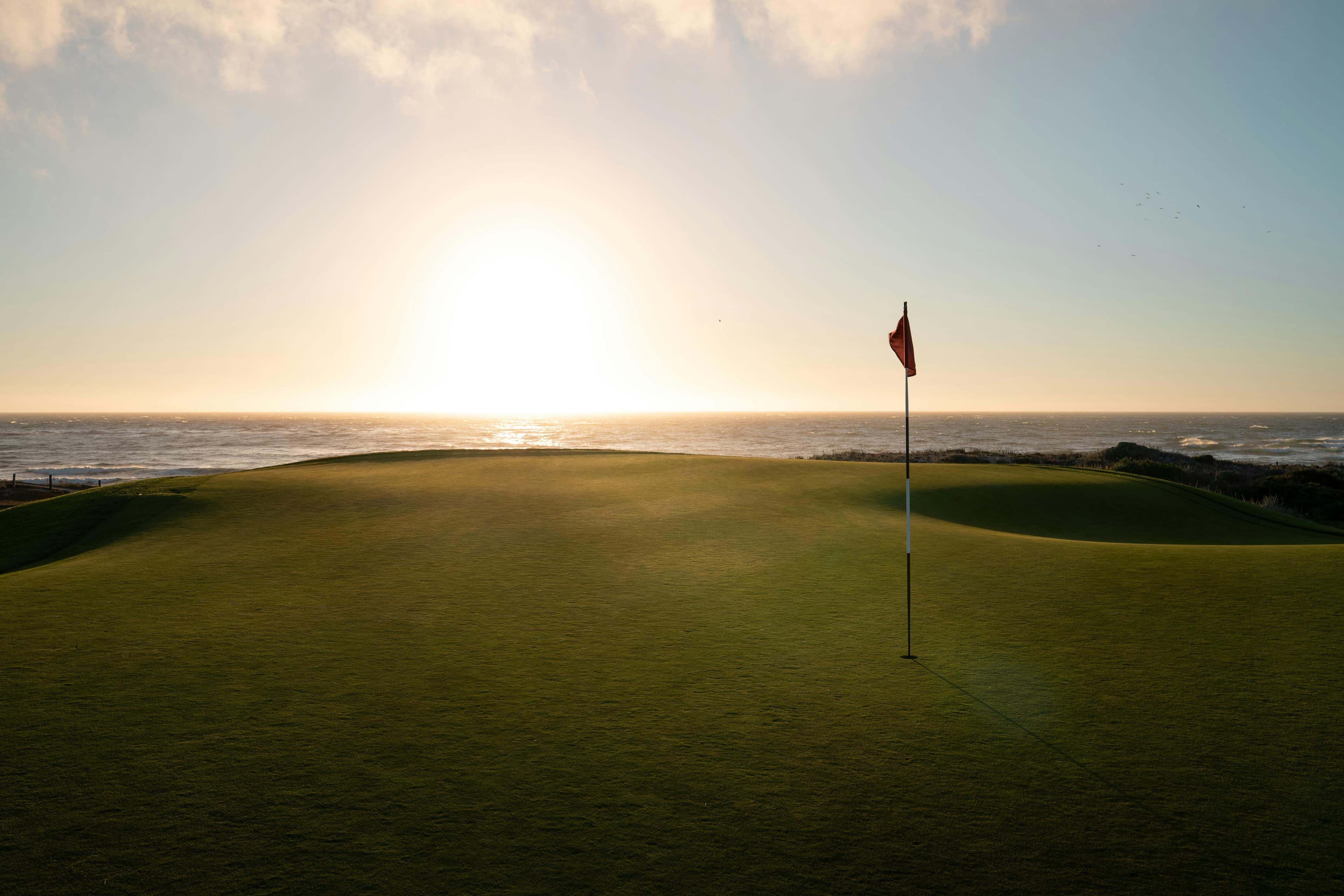
Mountain views and honest golf at Lake Tahoe's most accessible green fee
$50–$190PublicRoy Williams (front 9) / Billy Bell Jr. (back 9) (1976, renovated 2006 & 2020)
Direct websiteVisit website
Mid-Range
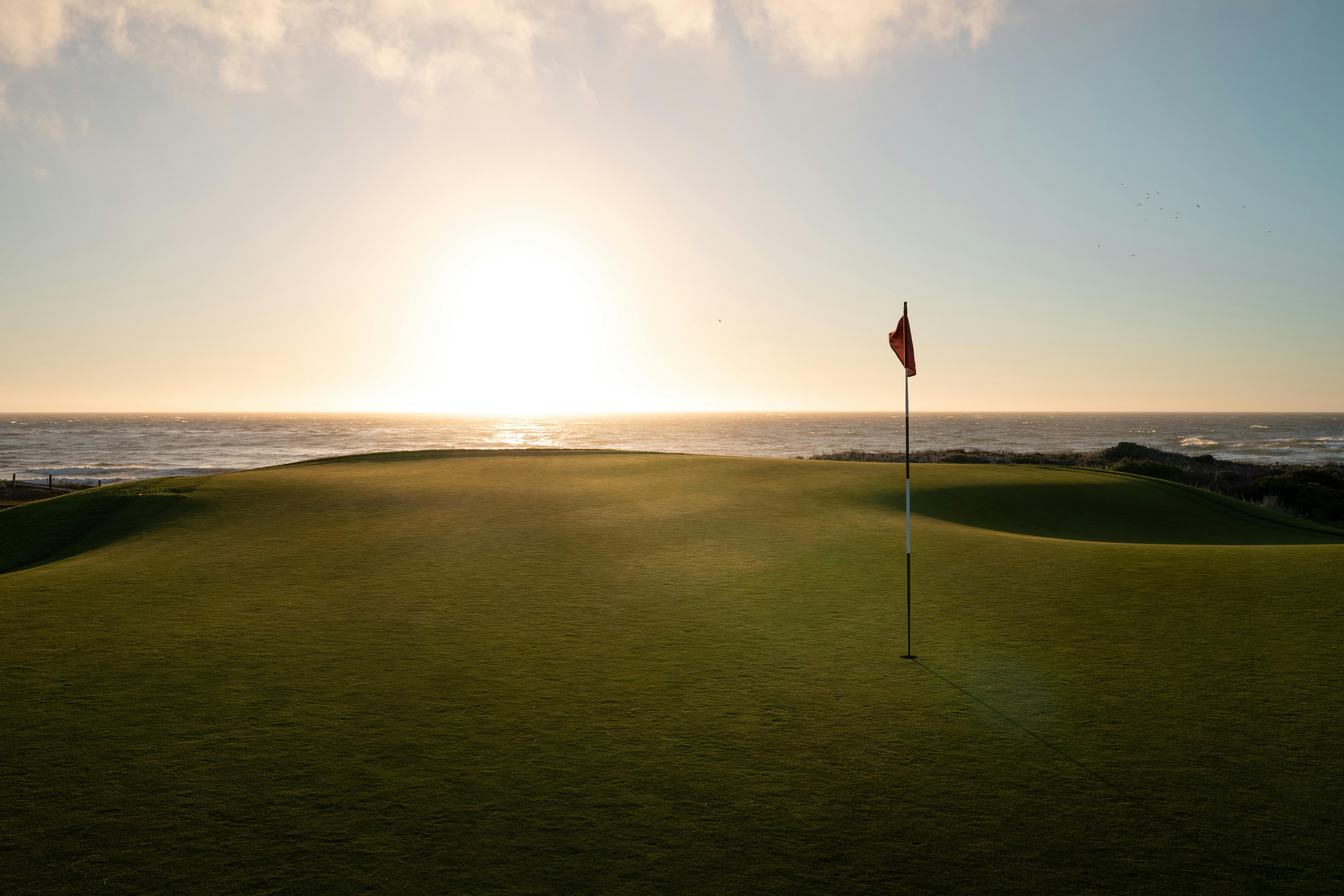
Bayonet Golf Course
Monterey Peninsula, California
A former military course that still fights back, especially over the final four holes.
$79–$119PublicGeneral Robert McClure (1954)
GolfNowBook tee time
Mid-Range
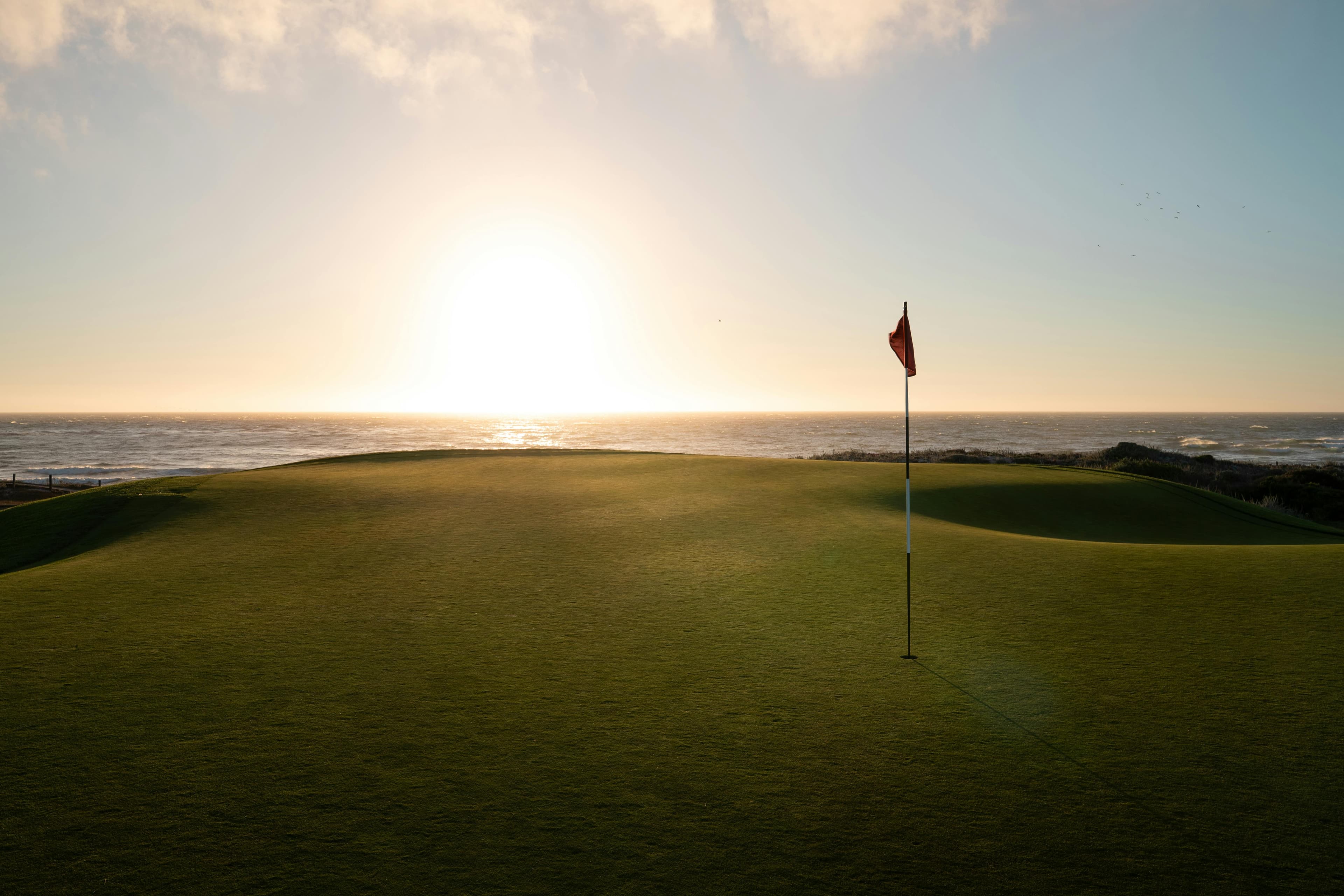
Black Horse Golf Course
Monterey Peninsula, California
The younger sibling at Fort Ord, with Pacific views from the elevated tees and a modern renovation underneath.
$79–$119PublicGeneral Edwin Carnes (1964; renovated by Gene Bates, 2008)
GolfNowBook tee time
Mid-Range
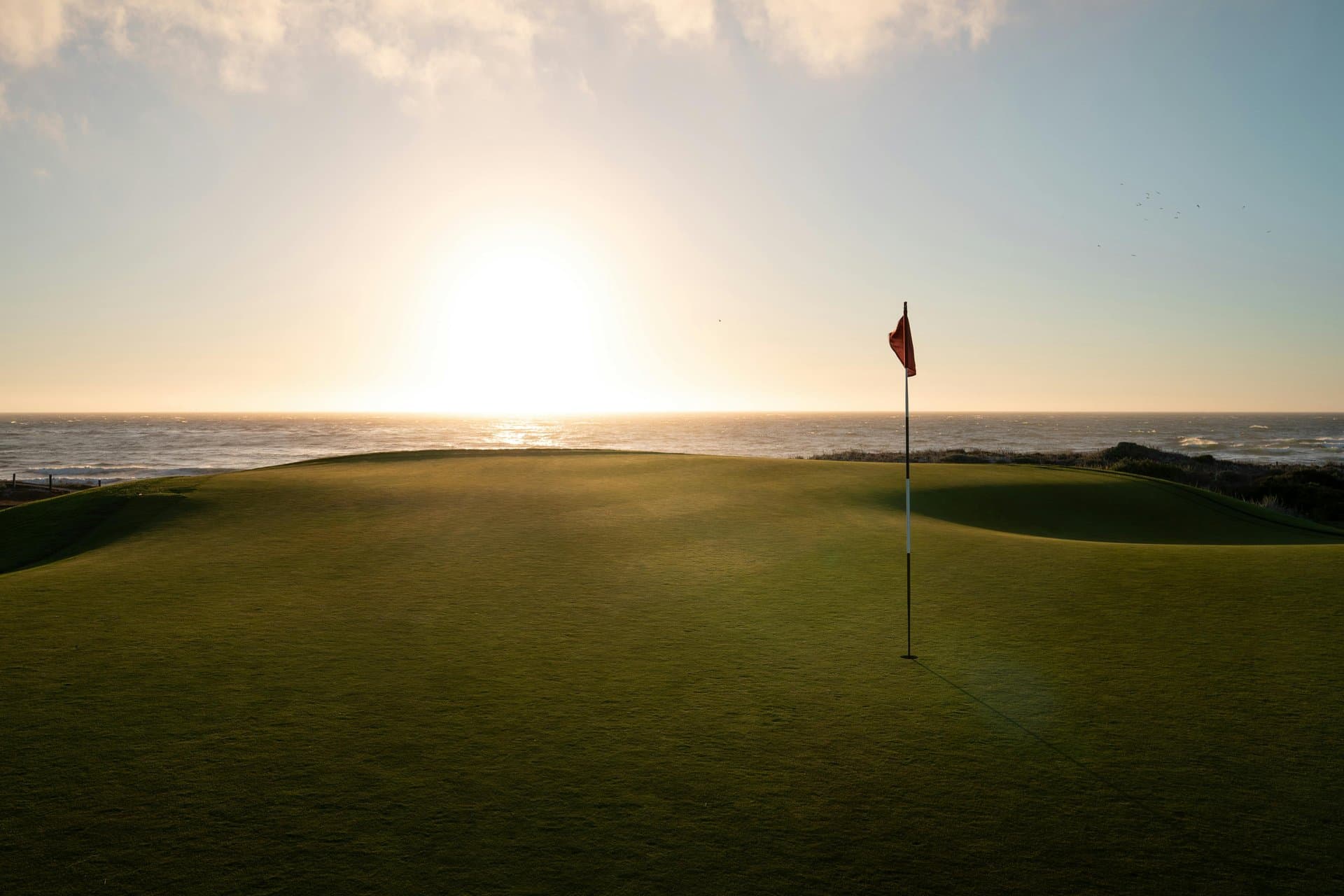
Pacific Grove Golf Links
Monterey Peninsula, California
Jack Neville's other course on the Monterey Peninsula, where the ocean views cost $53.
$53–$58PublicH. Chandler Egan (front 9, 1932) / Jack Neville (back 9, 1960)
GolfNowBook tee time
Bucket List
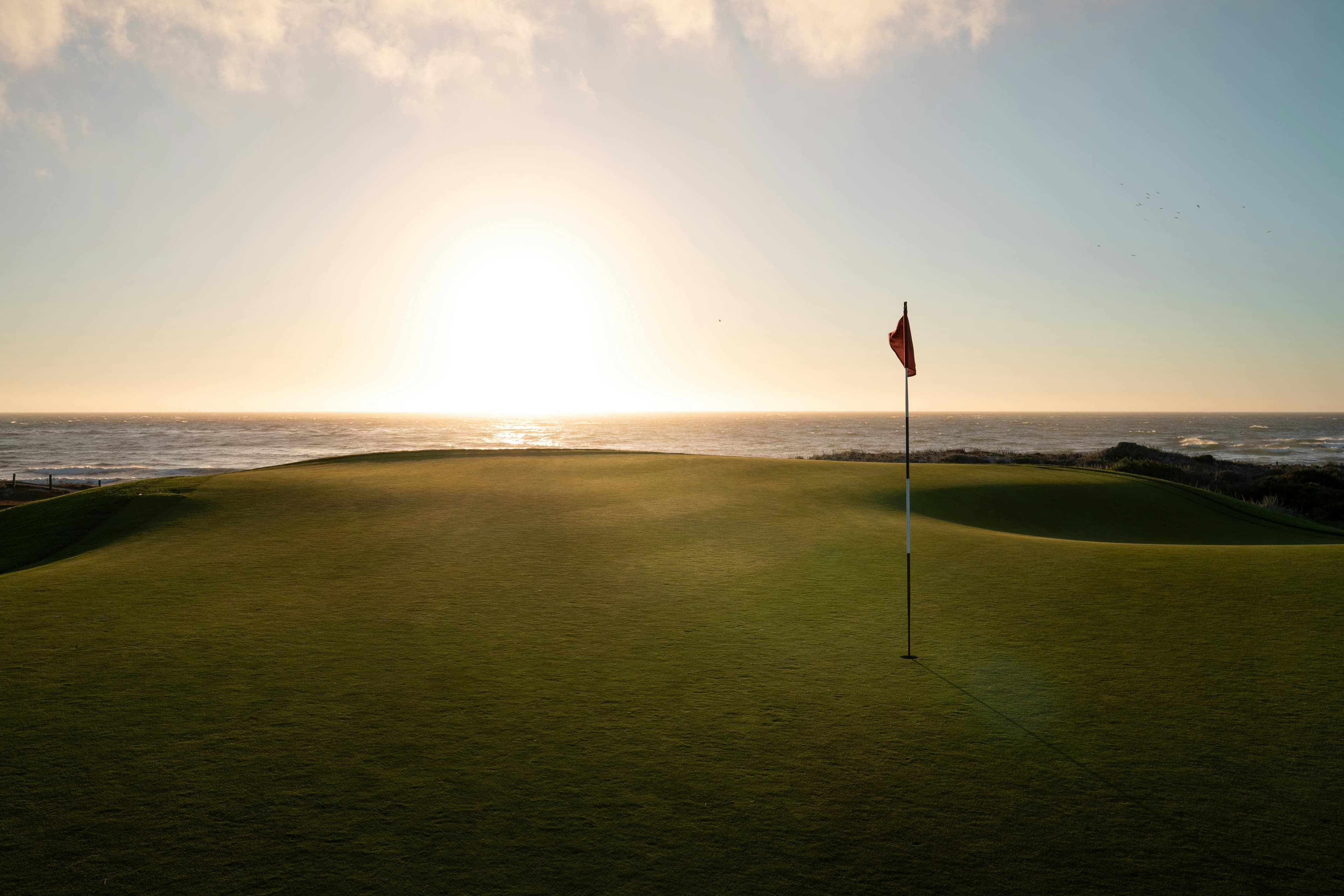
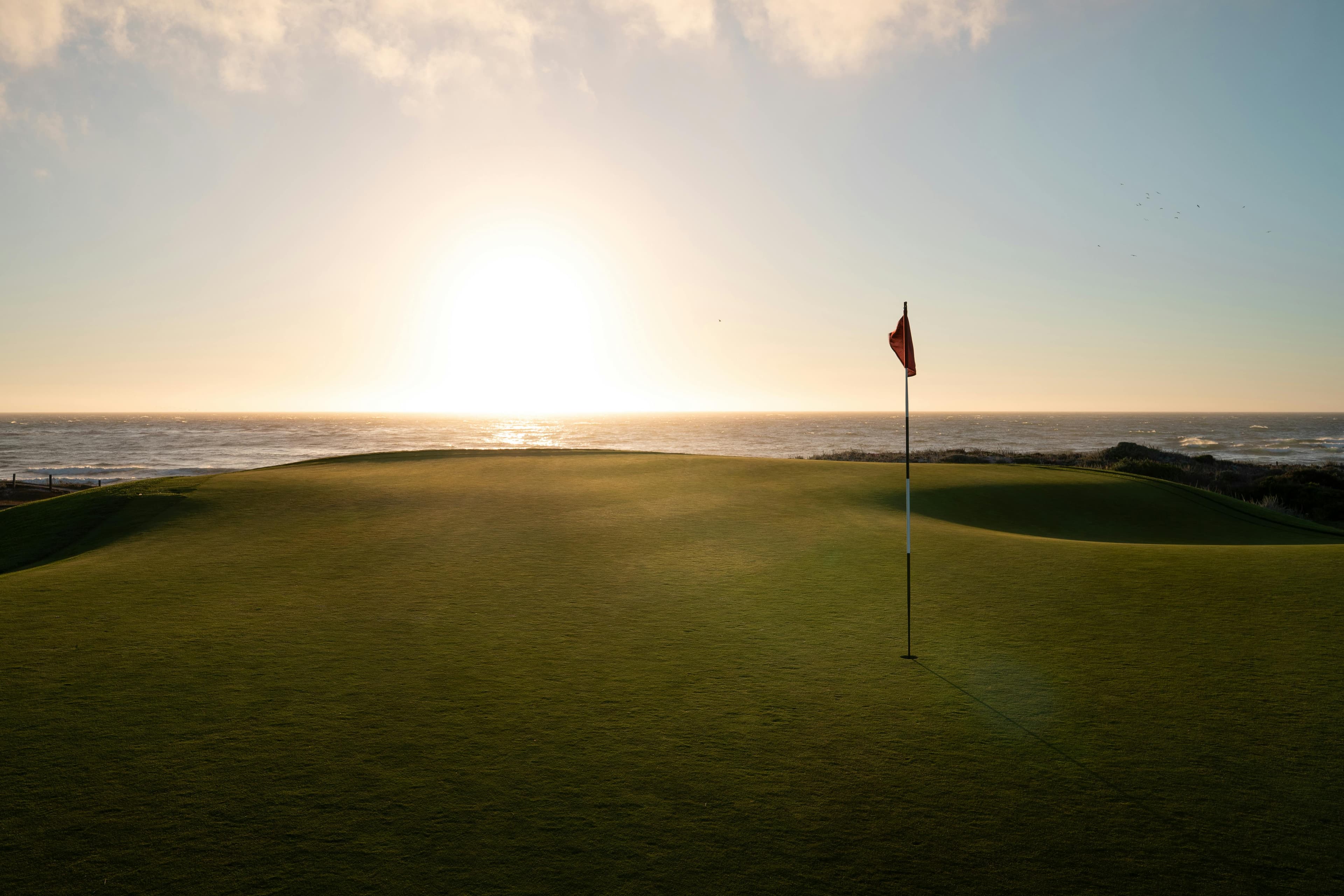
Pebble Beach Golf Links
Monterey Peninsula, California
Nine holes along the Pacific, six U.S. Opens, and the green fee that everyone has an opinion about.
From $695ResortJack Neville & Douglas Grant (1919)
PartnerBook tee time
Premium
Poppy Hills Golf Course
Monterey Peninsula, California
The NCGA's own course in Del Monte Forest, and the peninsula's best value for members who know to ask.
$75–$225PublicRobert Trent Jones Jr. (1986; renovated 2014 by Jones Jr. & Bruce Charlton)
PartnerBook tee time
Premium
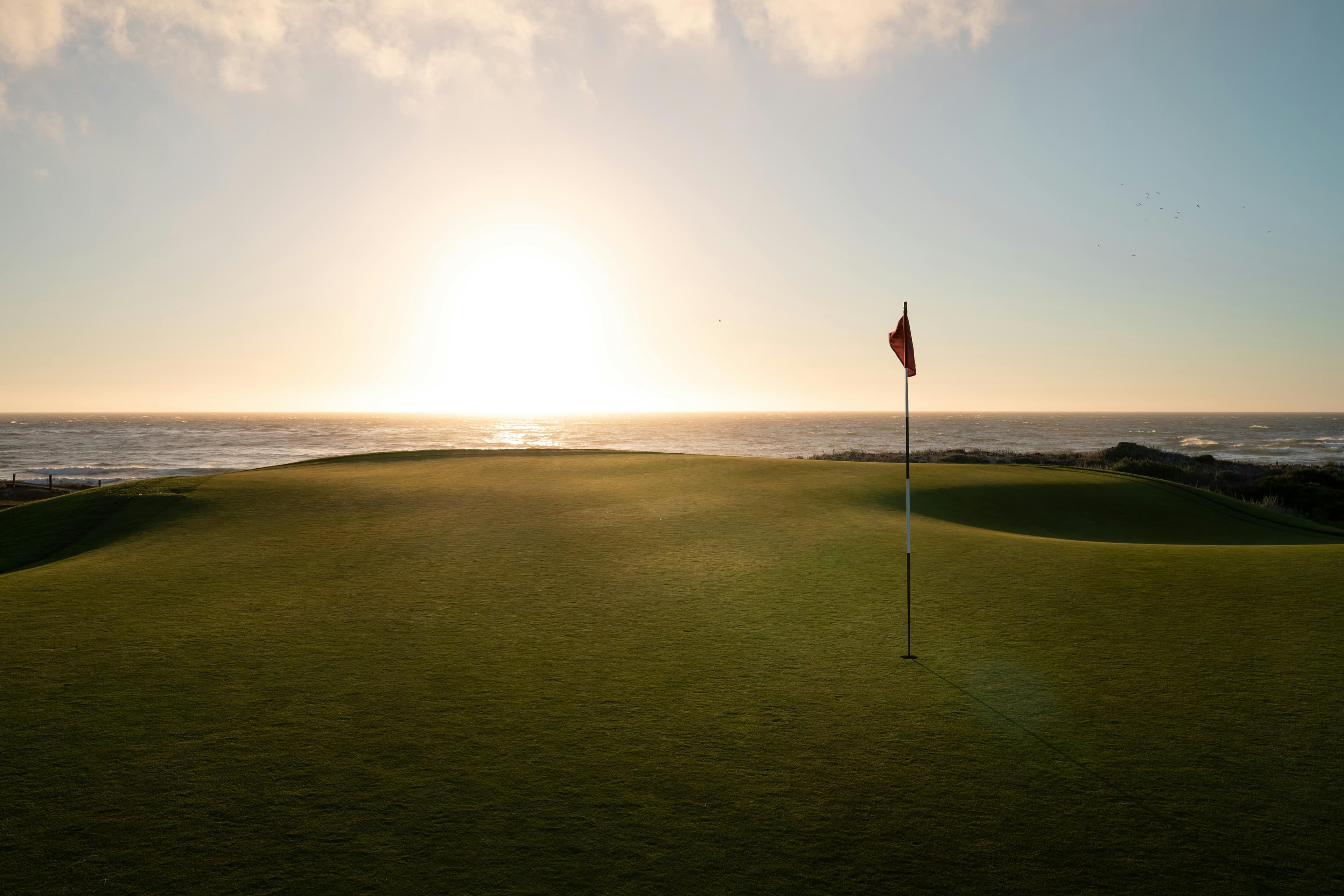
Quail Lodge & Golf Club
Monterey Peninsula, California
Carmel Valley's quiet alternative, where the fog lifts earlier and the pace slows down.
From $300ResortRobert Muir Graves (1963; refined by Todd Eckenrode)
GolfNowBook tee time
Bucket List
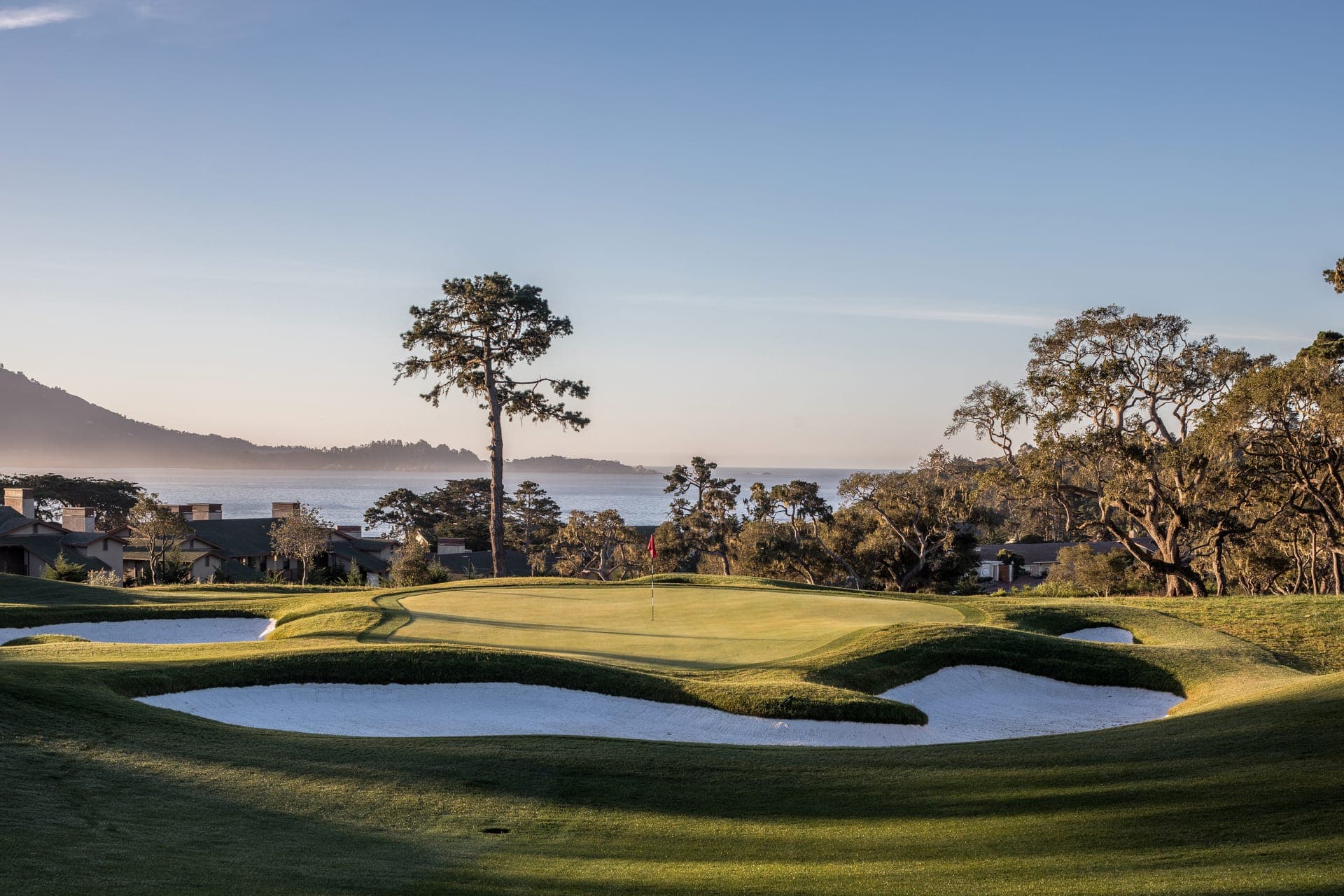
Spyglass Hill Golf Course
Monterey Peninsula, California
The hardest course most golfers will ever play on the Monterey Peninsula, and possibly the most honest.
From $525ResortRobert Trent Jones Sr. (1966)
PartnerBook tee time
Premium
Walking
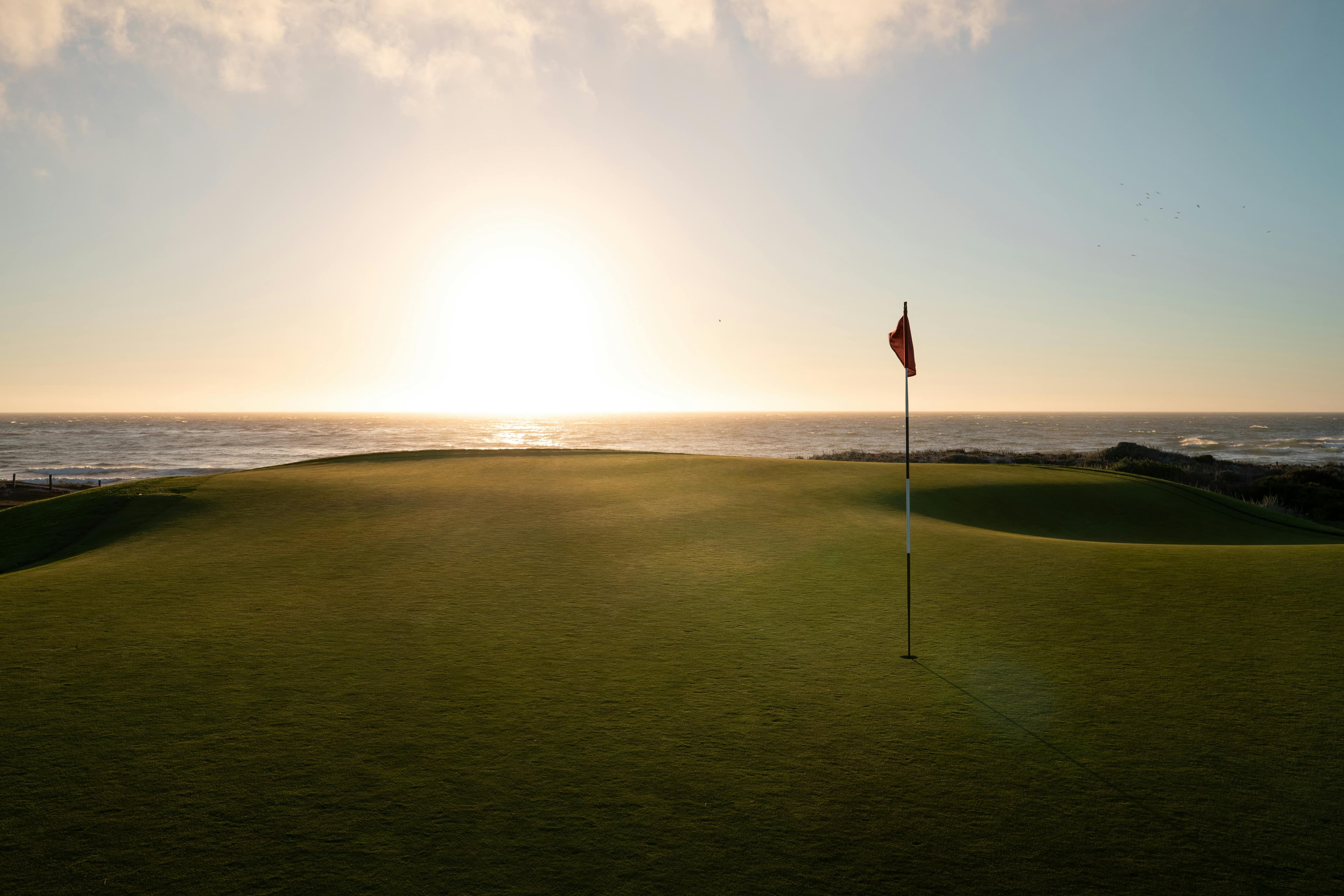
The Hay Short Course
Monterey Peninsula, California
A genuine Tiger Woods design at family-friendly scale, with the same coastal backdrop as the resort’s flagship courses.
ResortTiger Woods (TGR Design)
No booking neededRead more
Premium
The Links at Spanish Bay
Monterey Peninsula, California
A links course on the Pacific, a bagpiper at sunset, and a Hanse renovation that will redefine it.
From $350ResortRobert Trent Jones Jr., Tom Watson & Sandy Tatum (1987)
PartnerBook tee time
Premium
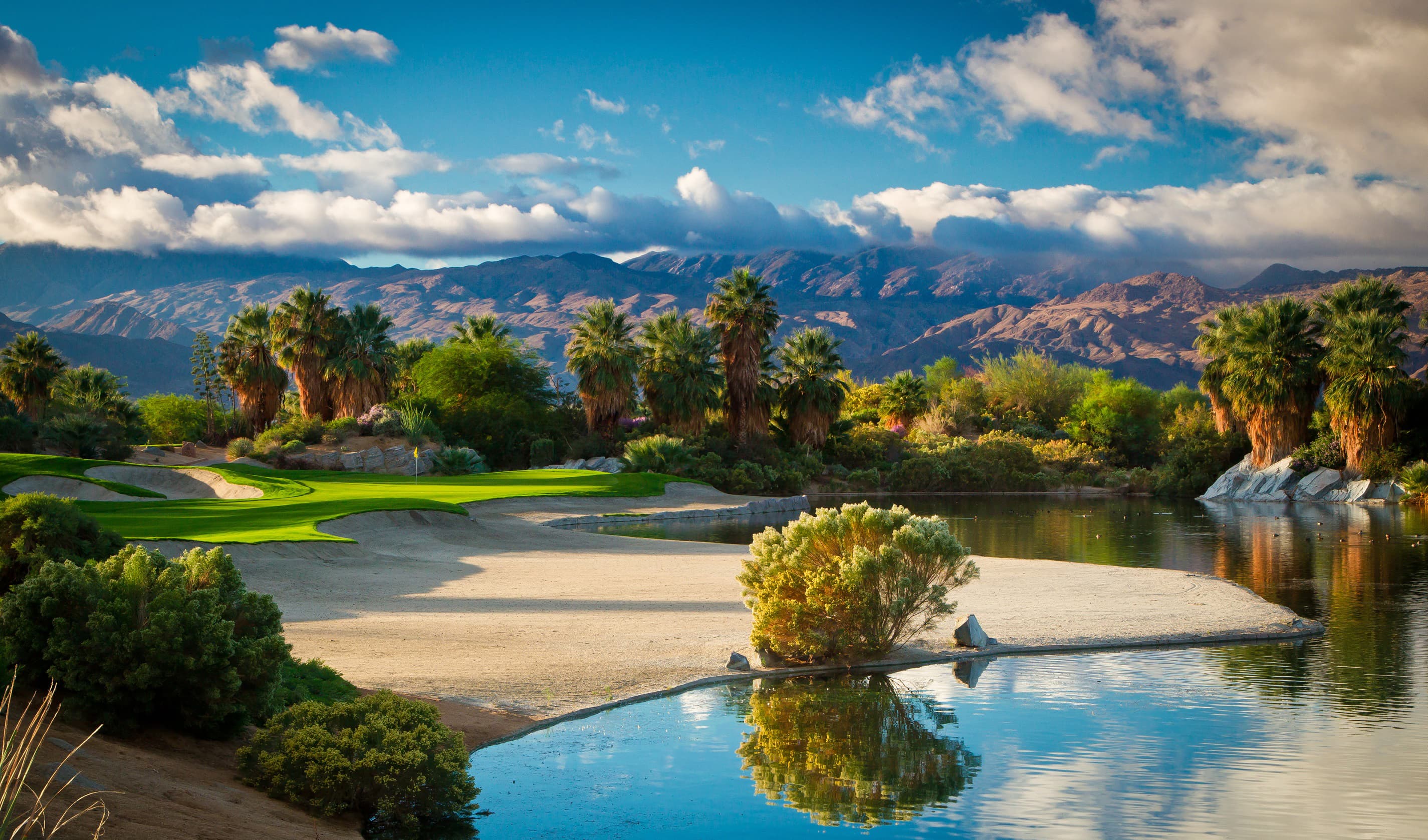
Desert Willow Golf Resort — Firecliff
Palm Springs, California
The more demanding half of Desert Willow, rated among the top public courses in California, where desert washes and elevation changes create a round that earns its reputation.
$73–$217PublicMichael Hurdzan / Dana Fry / John Cook (1997)
GolfNowBook tee time
Mid-Range
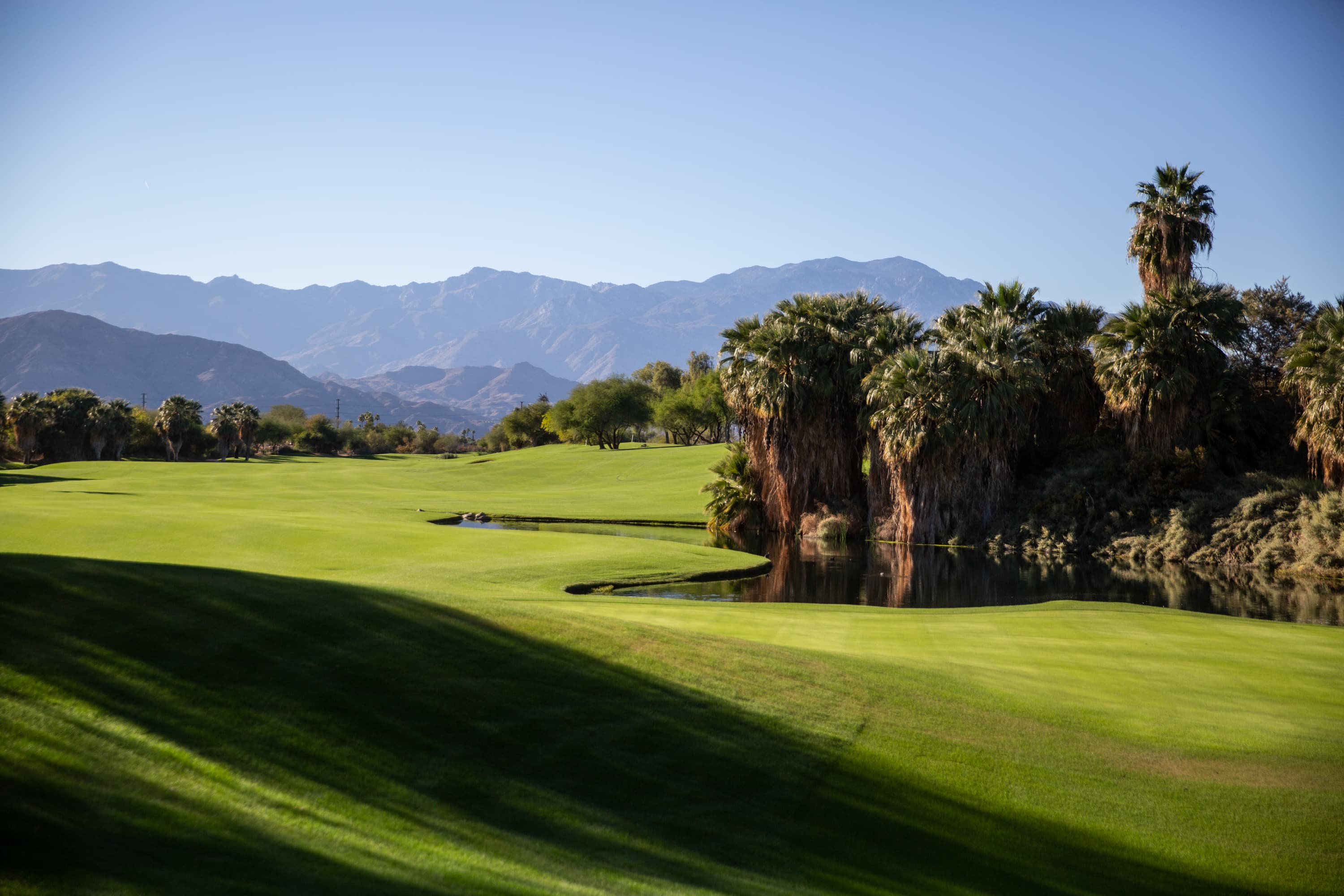
Desert Willow Golf Resort — Mountain View
Palm Springs, California
Desert Willow's gentler layout, where the mountain views outperform the scorecard difficulty and the conditioning matches its tougher sibling.
$73–$200PublicMichael Hurdzan / Dana Fry / John Cook (1998)
GolfNowBook tee time
Mid-Range
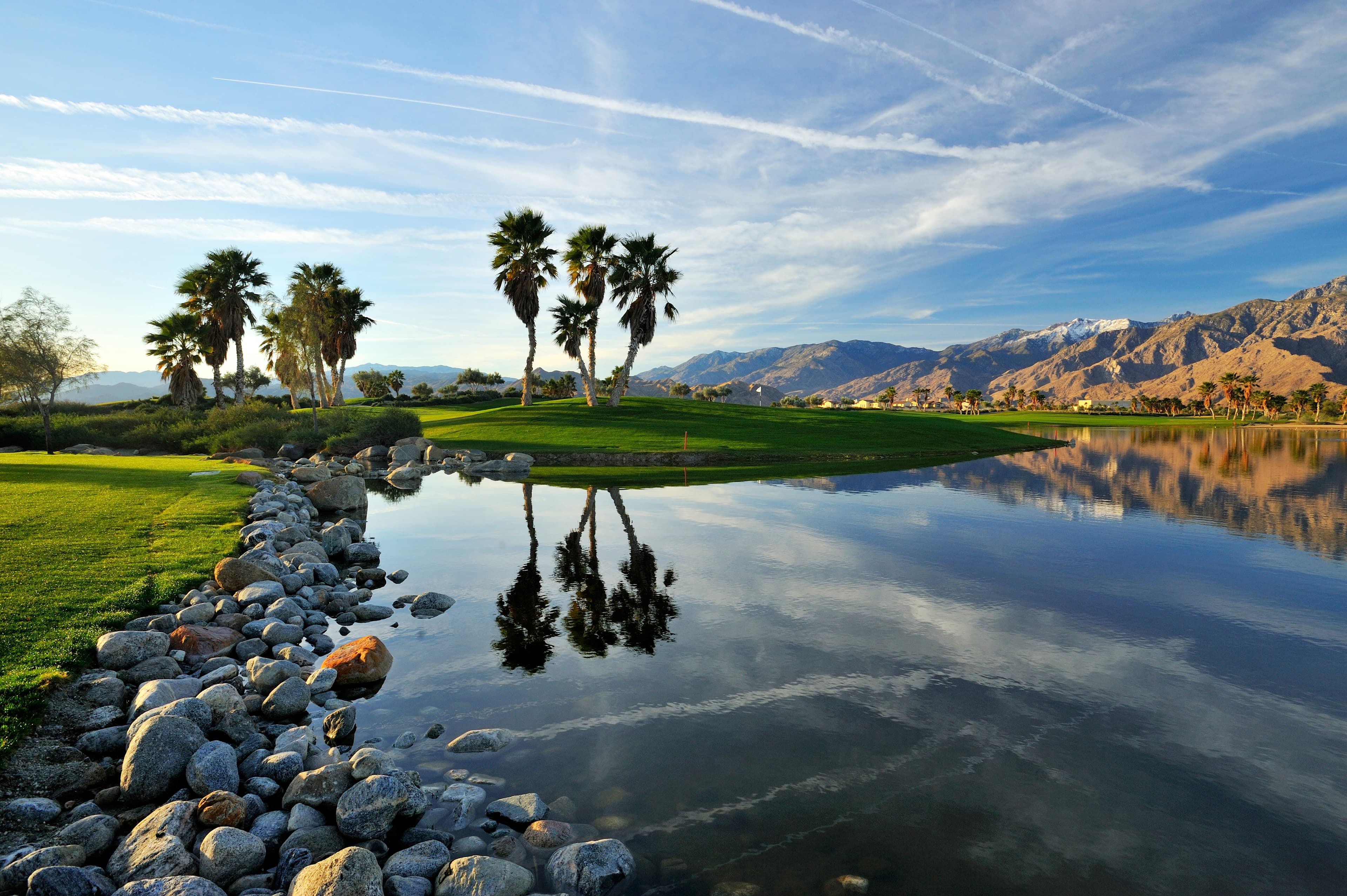
Escena Golf Club
Palm Springs, California
Generous corridors, clear sightlines, and the widest green-fee range in the valley make Escena the course that fits every budget.
$59–$204PublicNicklaus Design (2005)
GolfNowBook tee time
Mid-Range
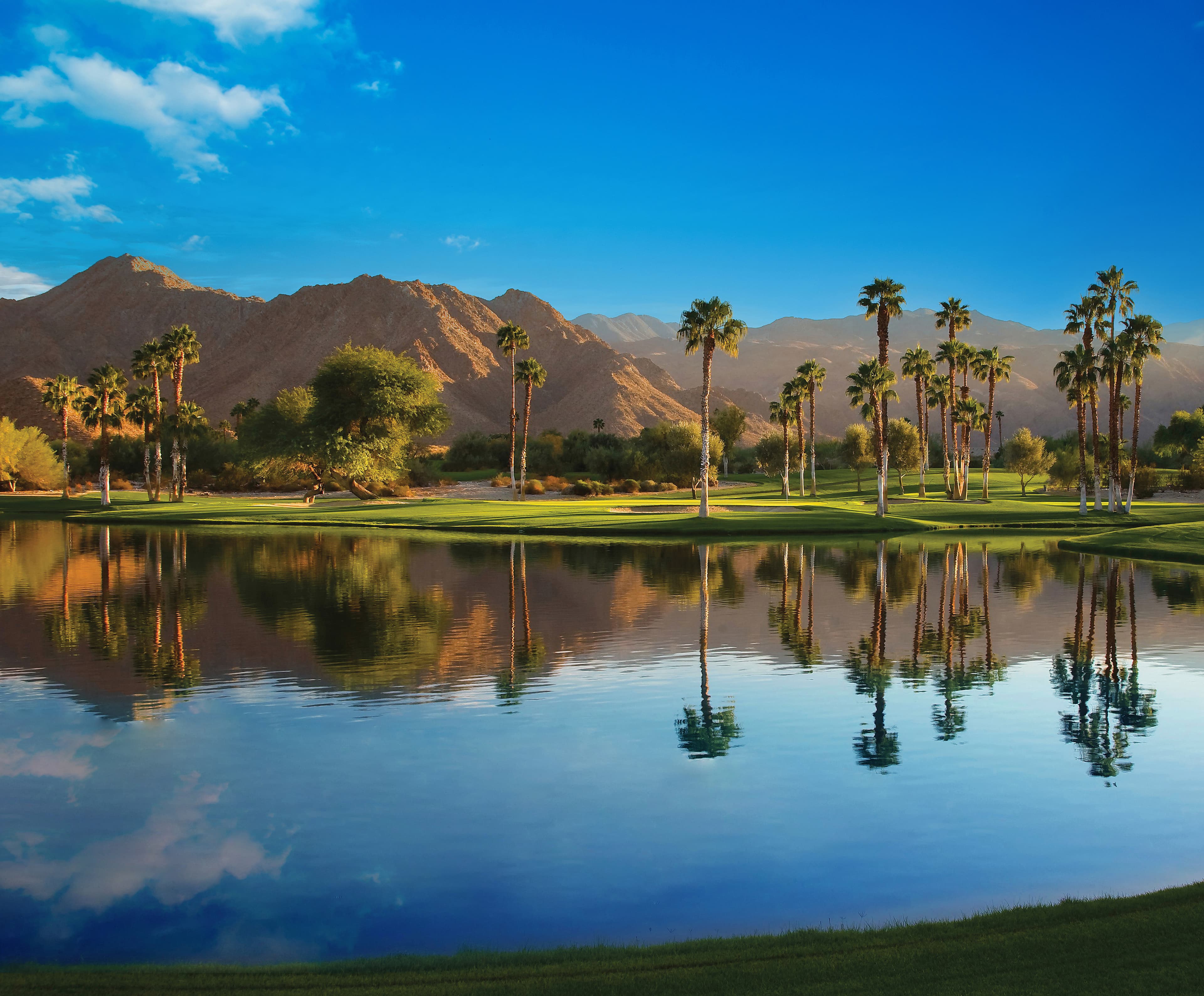
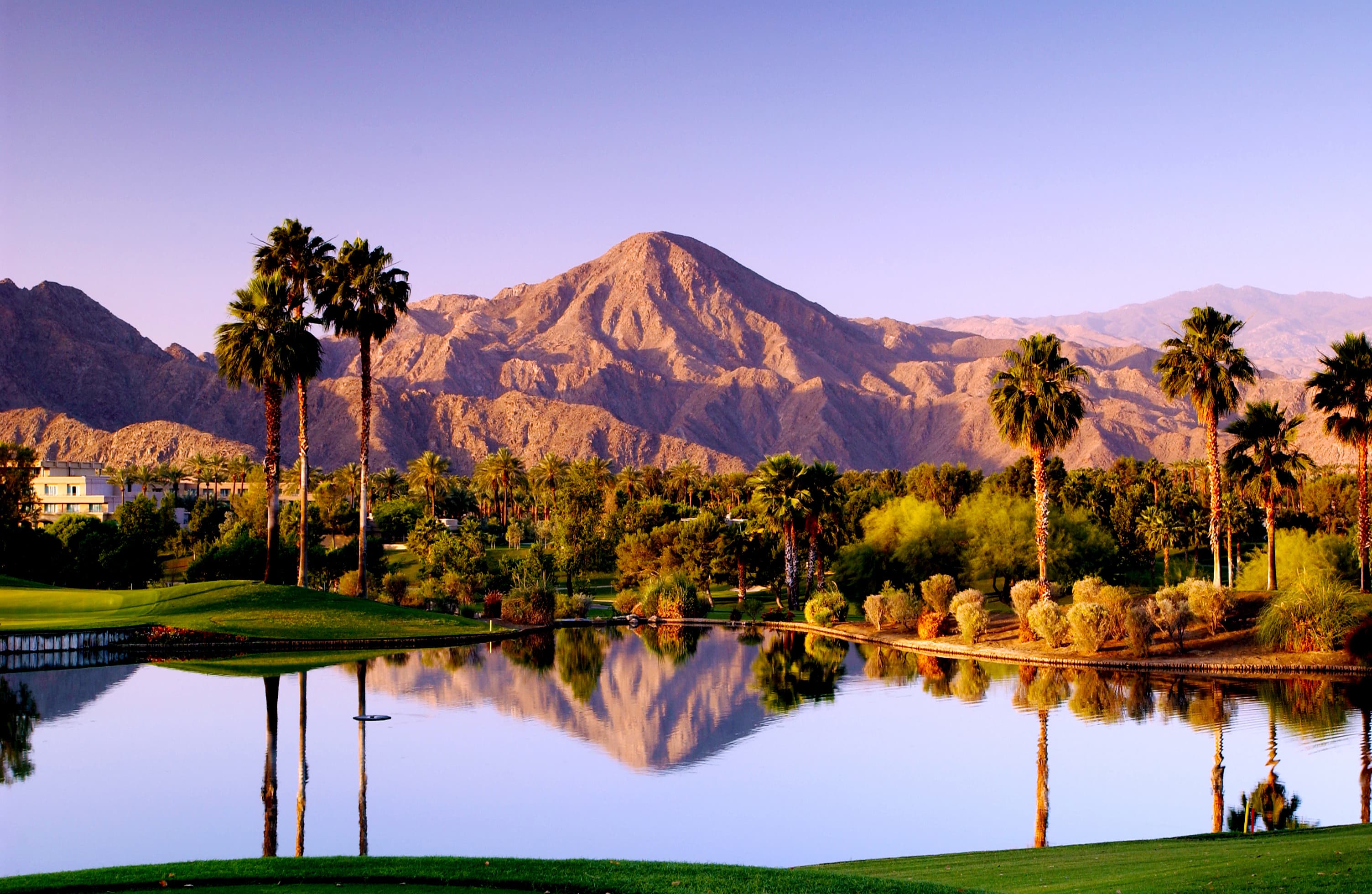
Indian Wells Golf Resort — Celebrity Course
Palm Springs, California
Split-level lakes, waterfalls, and television history on a resort course that prioritizes visual drama over strategic subtlety.
$72–$199ResortClive Clark (2006)
GolfNowBook tee time
Premium
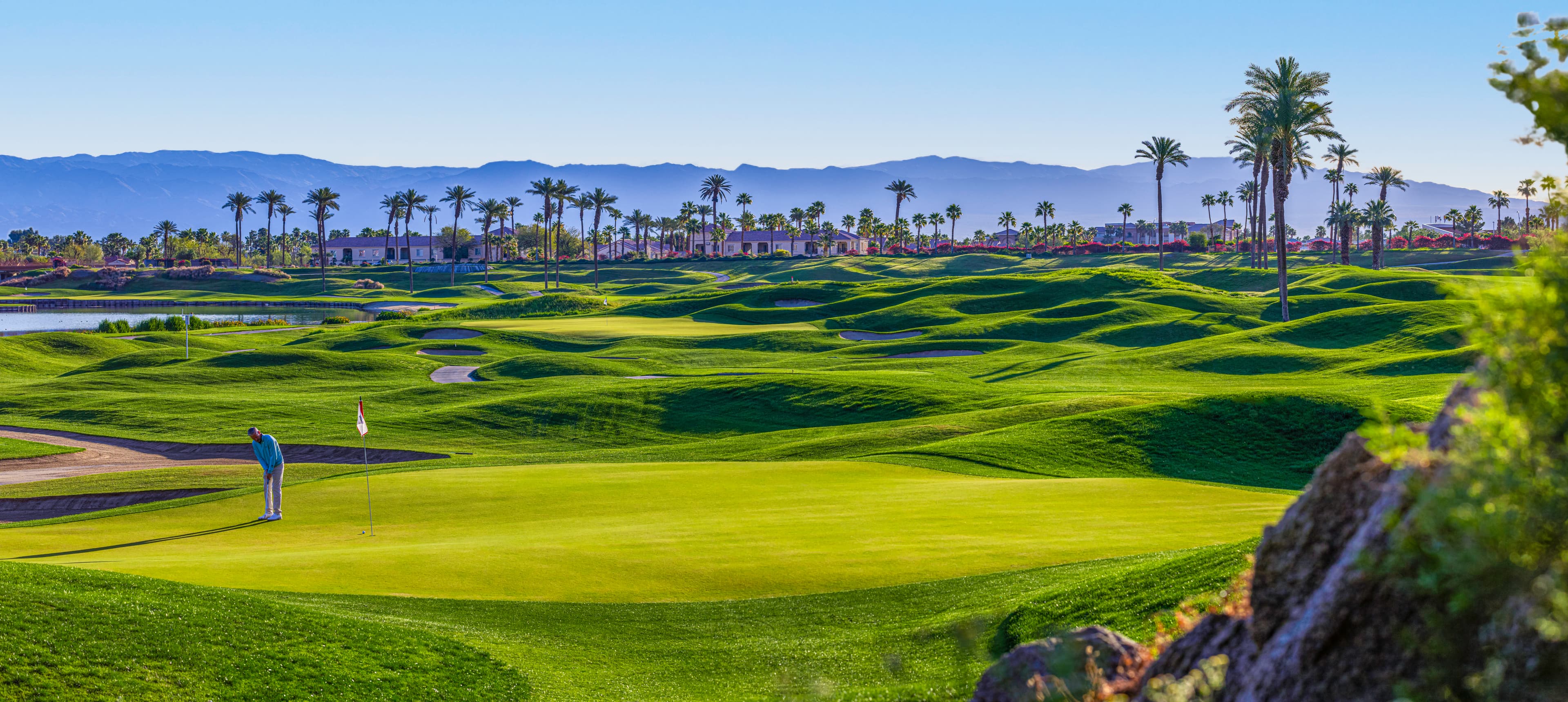
Indian Wells Golf Resort — Players Course
Palm Springs, California
John Fought's homage to classic American architecture, stretched to 7,376 yards across the Coachella Valley floor.
$72–$199ResortJohn Fought (2007)
GolfNowBook tee time
Premium
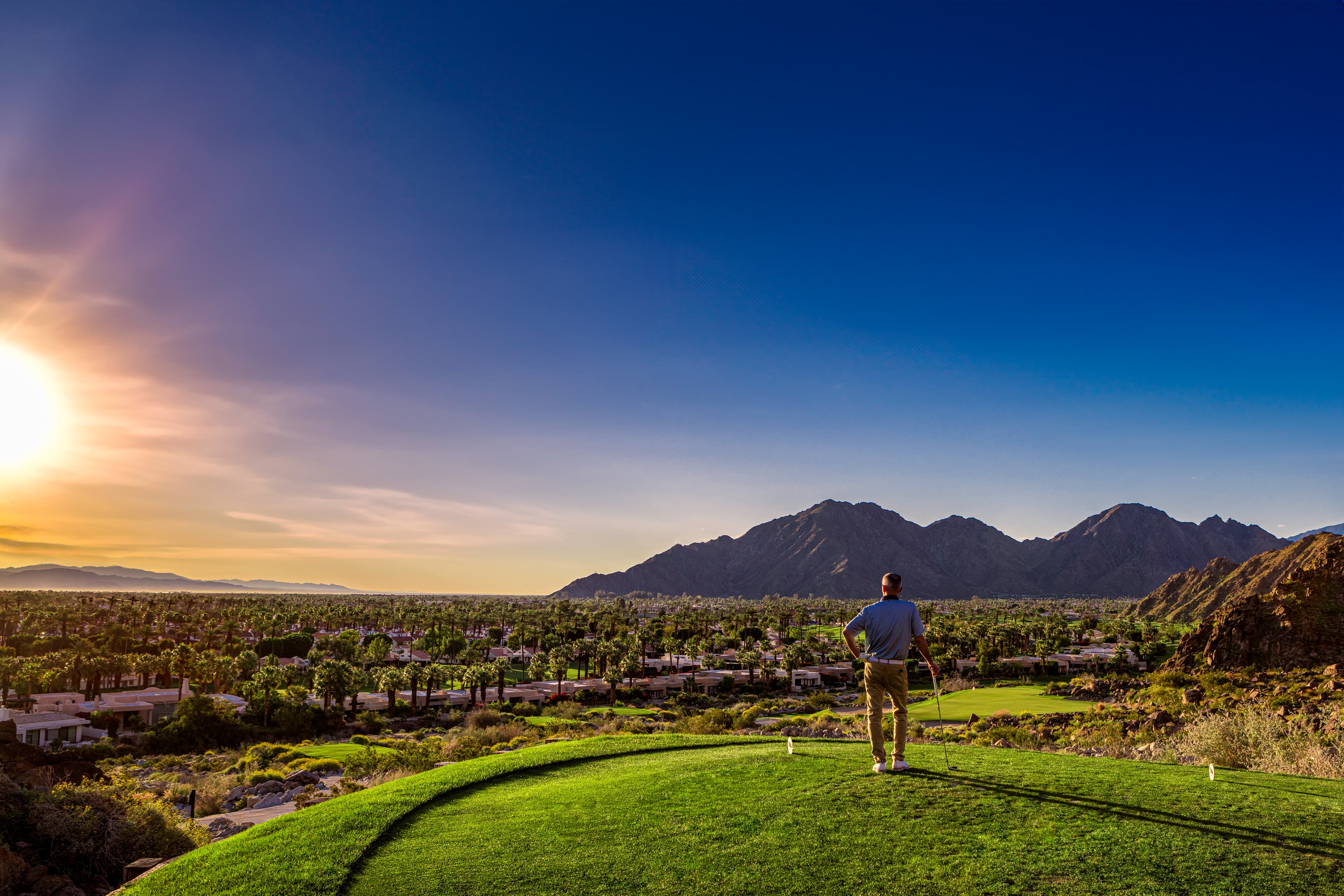
PGA West — Jack Nicklaus Tournament Course
Palm Springs, California
The most expensive public tee time in the Coachella Valley, with two island greens and Q-School pedigree to justify it.
$94–$366ResortJack Nicklaus, Rick Jacobson, Thomas Pearson (1987)
GolfNowBook tee time
Bucket List
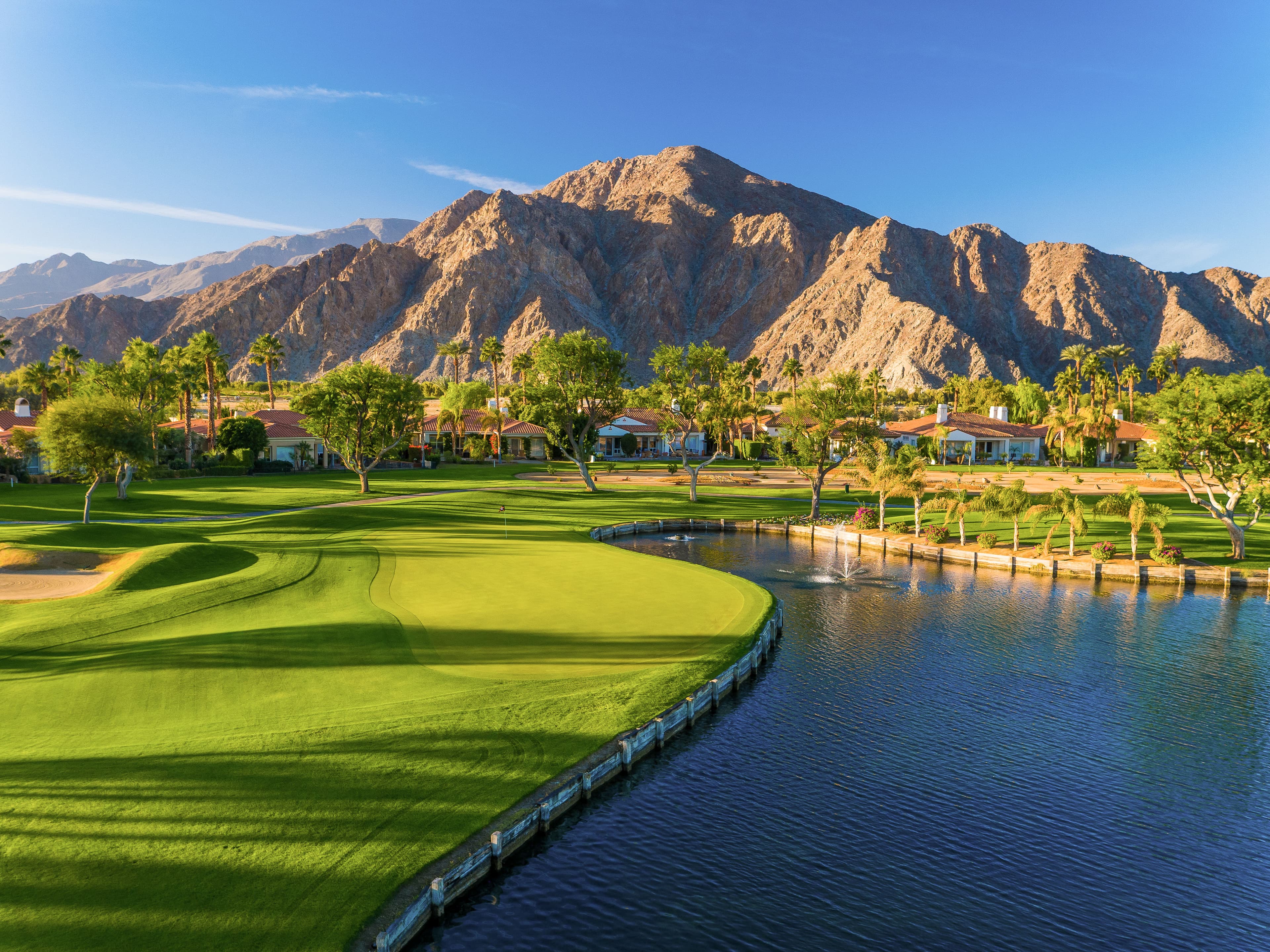
PGA West — Stadium Course
Palm Springs, California
Pete Dye's desert proving ground, where the 17th island green is the most famous hole you will probably lose a ball on.
$146–$264ResortPete Dye (1986)
GolfNowBook tee time
Mid-Range
SilverRock Resort (Arnold Palmer Classic Course)
Palm Springs, California
A former Bob Hope Classic host that charges municipal rates. The value gap between what SilverRock costs and what it delivers is the widest in the valley.
$80–$218PublicArnold Palmer (2005)
GolfNowBook tee time
Hidden Value
Tahquitz Creek Golf Resort — Legend Course
Palm Springs, California
The cheapest legitimate round in the Coachella Valley, on a 1959 municipal course with 40 Palmer-era bunkers and peak-season green fees under $65.
$25–$65PublicWilliam F. Bell (1959); Arnold Palmer renovation (1996)
GolfNowBook tee time
Mid-Range
The Classic Club
Palm Springs, California
Arnold Palmer's longest Coachella Valley design, with Bermuda greens and a Bob Hope Classic pedigree.
$80–$230PublicArnold Palmer (2006)
GolfNowBook tee time
Pacific Northwest
13 courses
Bucket List
Bandon Dunes
Bandon, Oregon
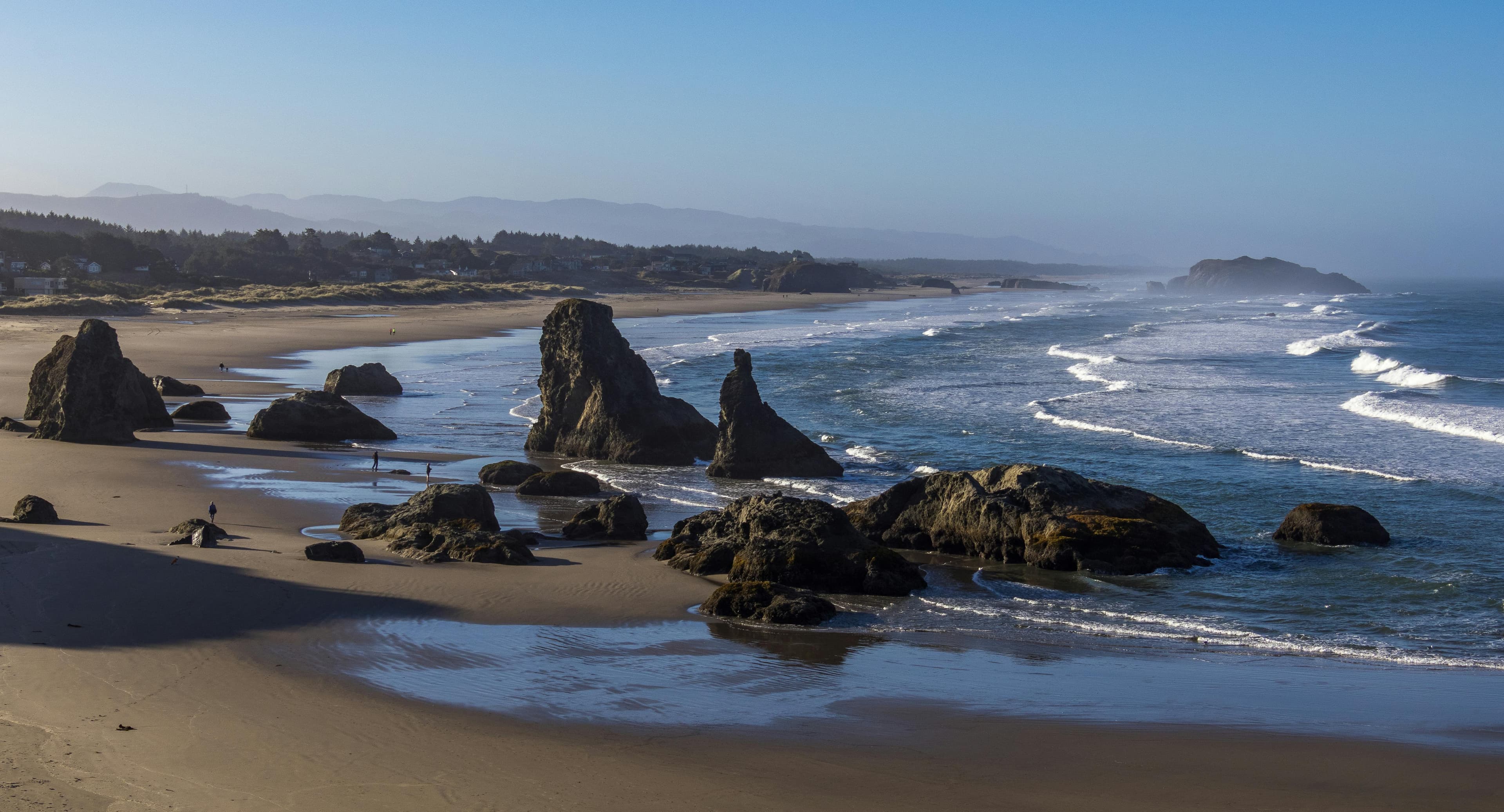
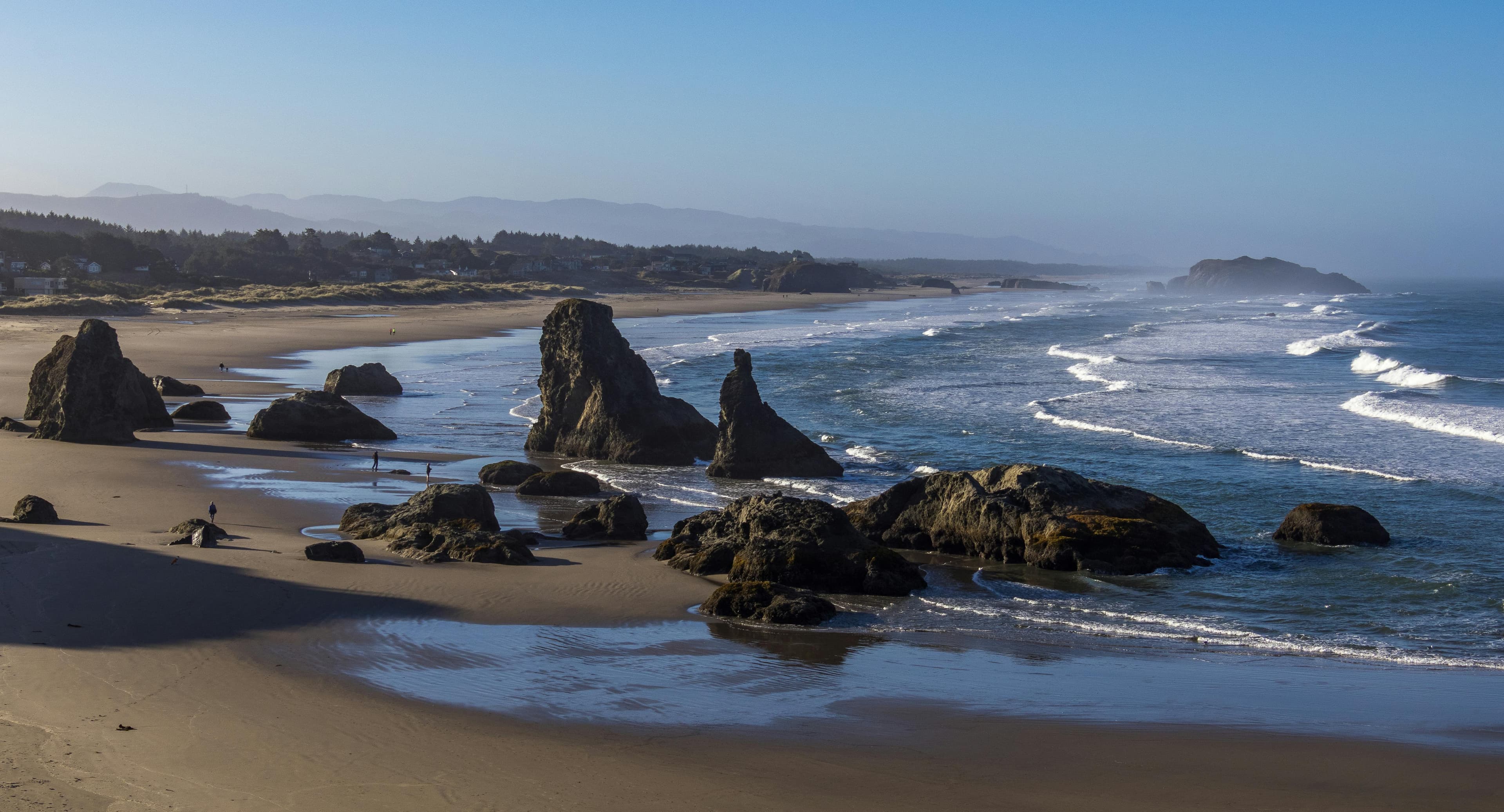
The original. The course that proved links golf could work in America.
$120–$420ResortDavid McLay Kidd (1999)
PartnerBook tee time
Hidden Value
Bandon Preserve
Bandon, Oregon
Thirteen par 3s on high ground between the ocean and the forest. Net proceeds go to charity.
$60–$125ResortBill Coore & Ben Crenshaw (2012)
PartnerBook tee time
Premium
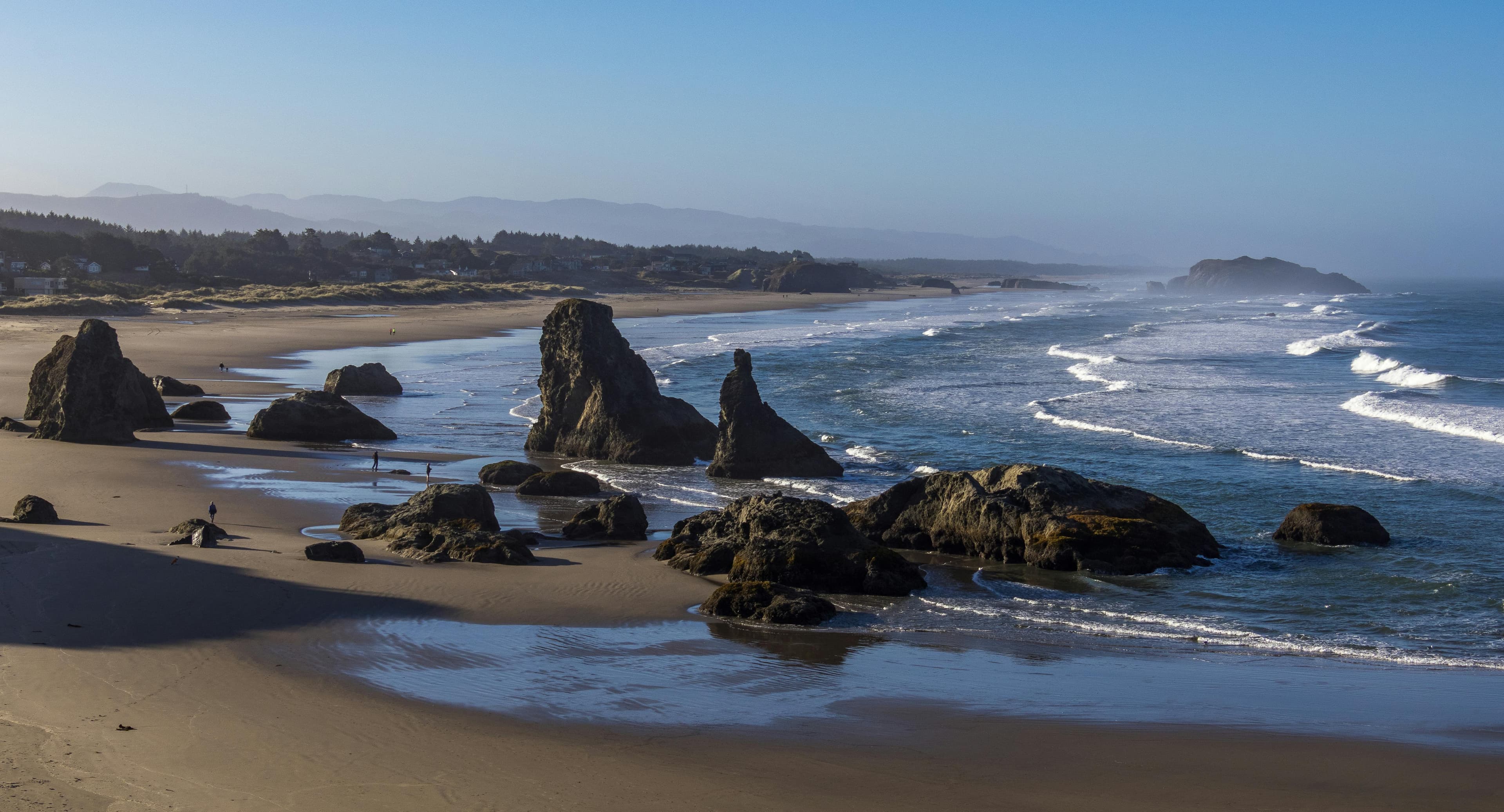
Bandon Trails
Bandon, Oregon
The inland outlier that may be the most interesting walk on the property.
$120–$420ResortBill Coore & Ben Crenshaw (2005)
PartnerBook tee time
Premium
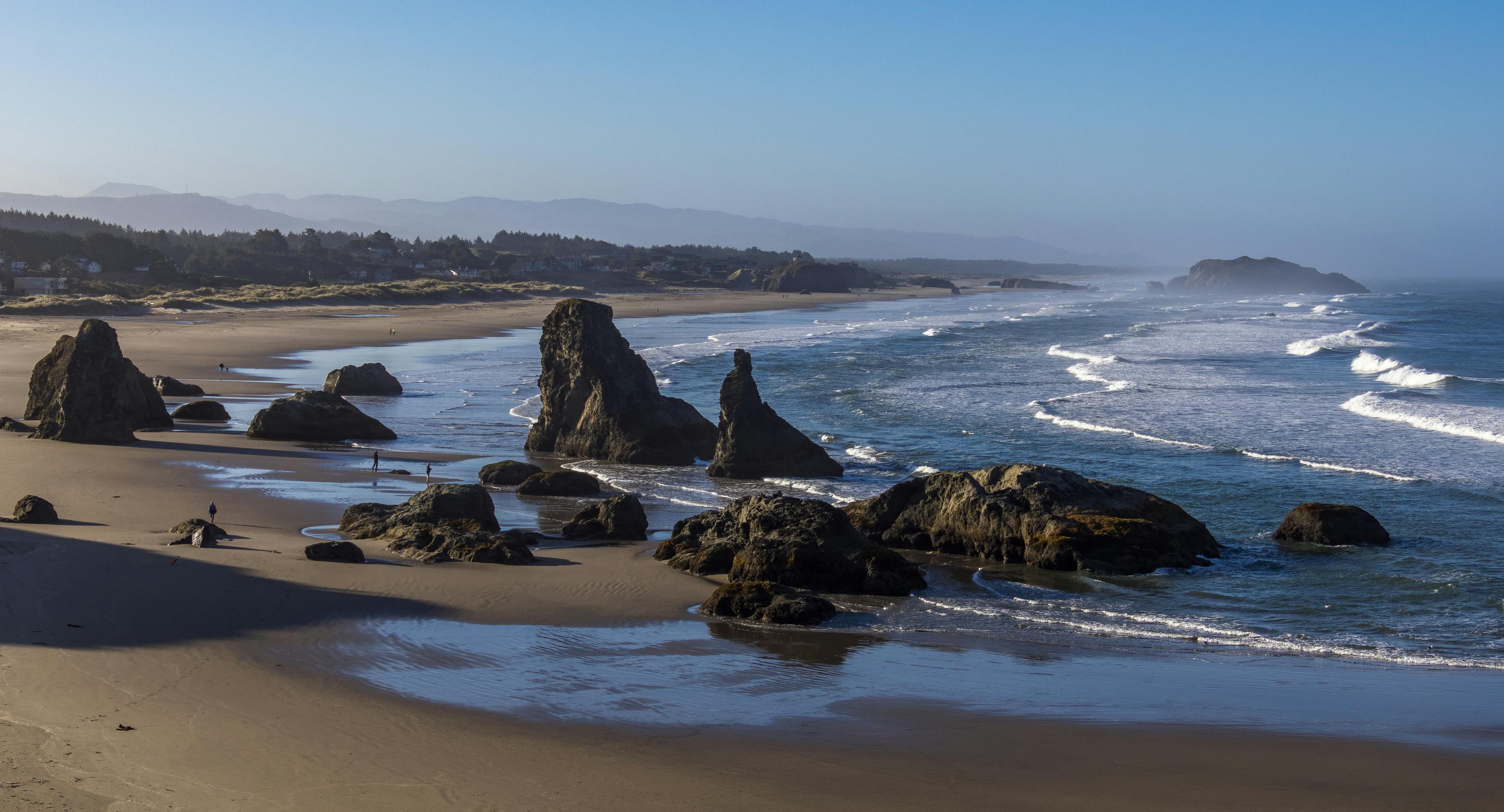
Old Macdonald
Bandon, Oregon
A tribute to the father of American golf architecture, built with greens large enough to land a small aircraft.
$120–$420ResortTom Doak & Jim Urbina (2010)
PartnerBook tee time
Bucket List
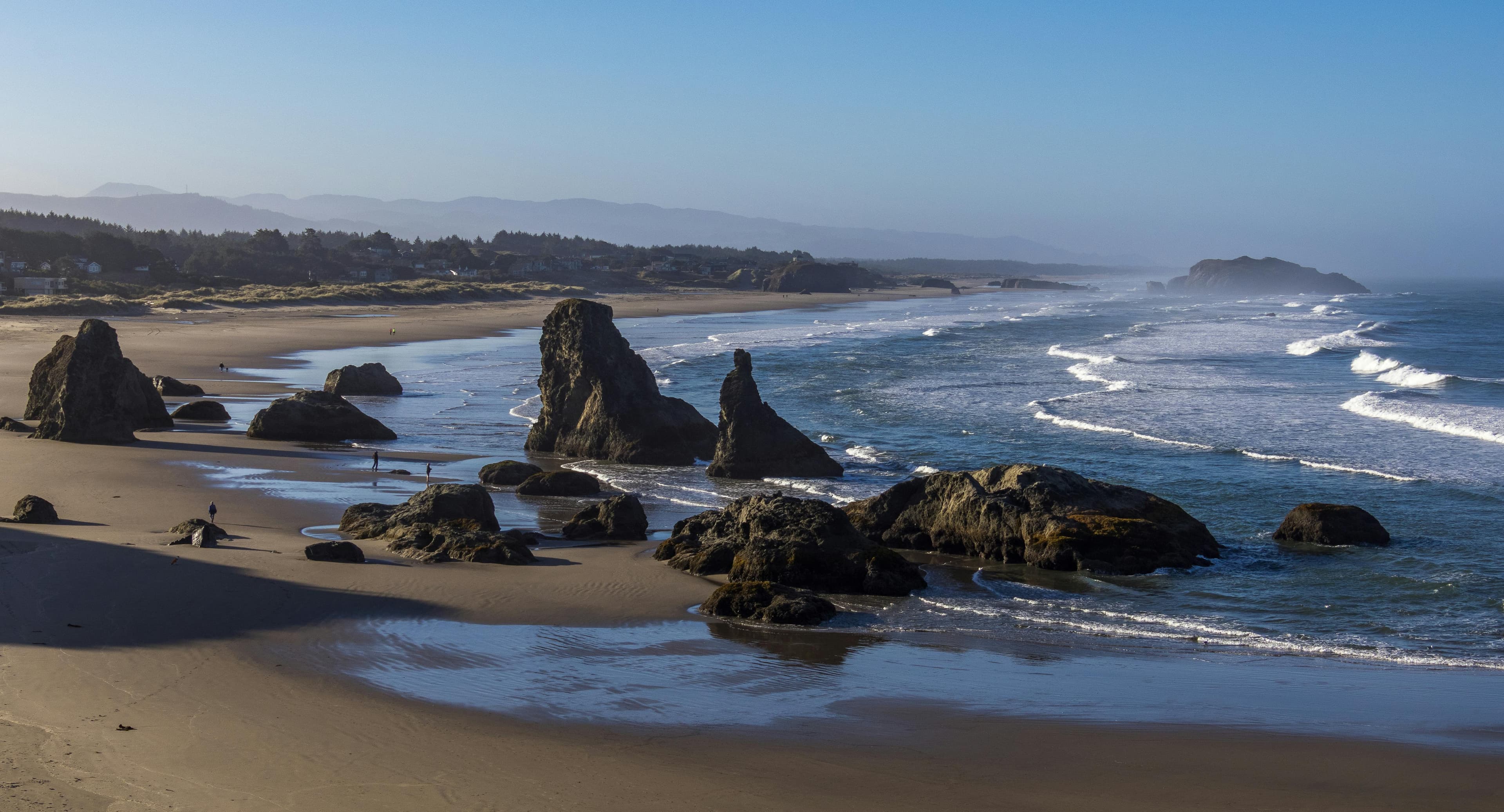
Pacific Dunes
Bandon, Oregon
Eleven holes with ocean views, all of them earned on foot.
$120–$420ResortTom Doak (2001)
PartnerBook tee time
Bucket List
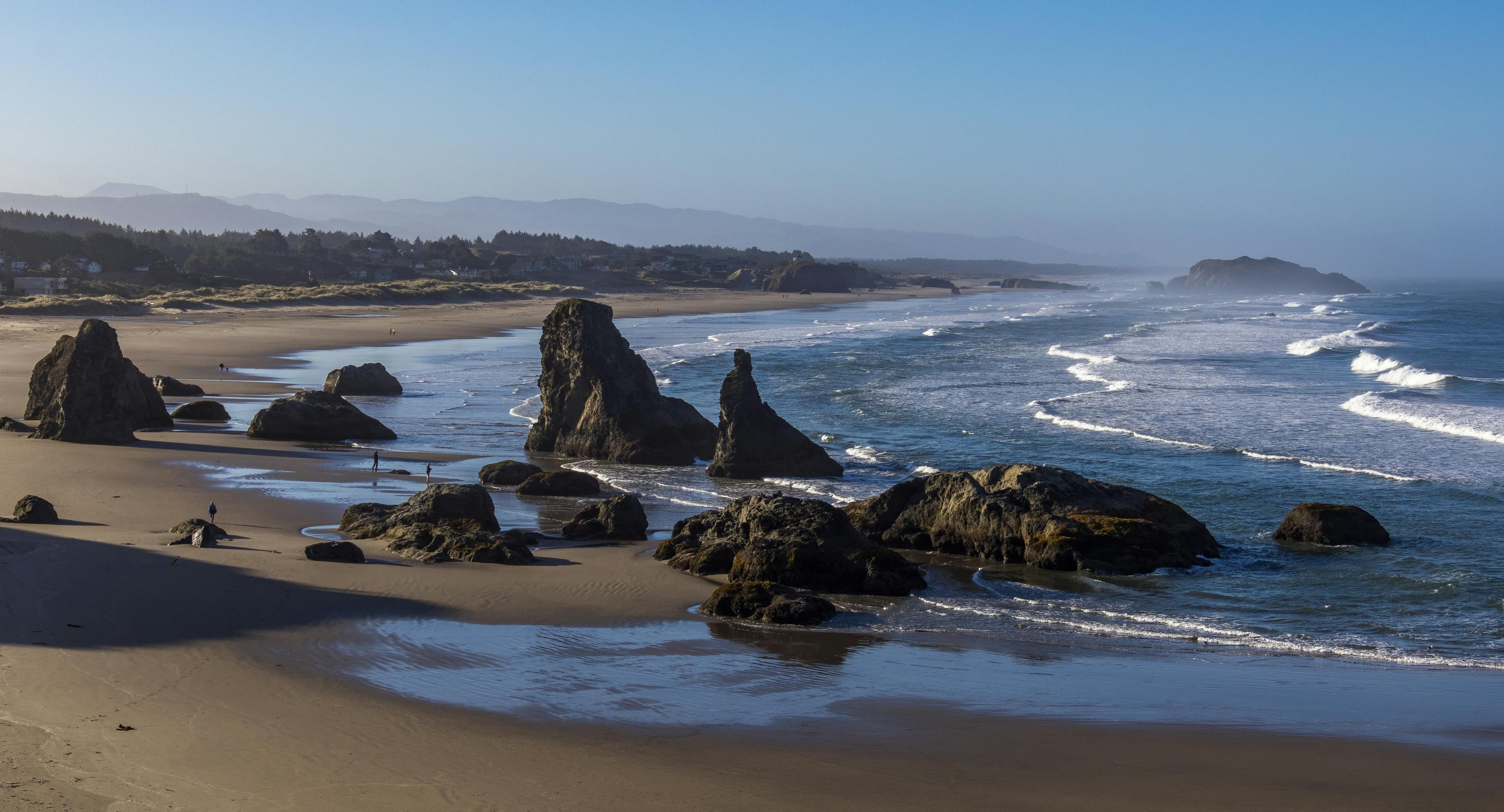
Sheep Ranch
Bandon, Oregon
No bunkers. Every hole with an ocean view. The wind does the rest.
$120–$420ResortBill Coore & Ben Crenshaw (2020)
PartnerBook tee time
Hidden Value
Shorty's
Bandon, Oregon
Nineteen par 3s from 60 to 160 yards. The resort's seventh course and newest reason to stay an extra day.
$60–$125ResortRod Whitman, Dave Axland & Keith Cutten (2024)
PartnerBook tee time
Hidden Value
The Punchbowl
Bandon, Oregon
Two acres of putting contours inspired by the Himalayas at St. Andrews. Free for resort guests.
ResortTom Doak & Jim Urbina (2014)
PartnerBook tee time
Avondale Golf Club
Hidden Value
Avondale Golf Club
Coeur d'Alene, Northern Idaho, Idaho
Established 1968 layout in Hayden Lake with mountain views and weekday rates that make it the budget anchor of the region.
$55–$140Semi-PrivateMelvin Hueston (1968); Mark Rathert redesign (1996)
Direct websiteVisit website
Circling Raven Golf Club
Premium
Circling Raven Golf Club
Coeur d'Alene, Northern Idaho, Idaho
620 acres of rolling meadows and ponderosa pines on tribal land, consistently ranked among the top public courses in Idaho.
$75–$219PublicGene Bates (2003)
Direct websiteVisit website
Gozzer Ranch Golf & Lake Club
Premium
Gozzer Ranch Golf & Lake Club
Coeur d'Alene, Northern Idaho, Idaho
Tom Fazio design on a private peninsula overlooking Lake Coeur d'Alene. Ranked among the top 100 courses in the US. Members and guests only.
PrivateTom Fazio (2007)
Direct websiteVisit website
The Coeur d'Alene Resort Golf Course
Bucket List
The Coeur d'Alene Resort Golf Course
Coeur d'Alene, Northern Idaho, Idaho
Home of the famous floating green on the par-3 14th, reached by mahogany boat. Mandatory forecaddie service and lake views throughout.
$140–$290ResortScott Miller (1991)
Direct websiteVisit website
The Idaho Club
Premium
The Idaho Club
Coeur d'Alene, Northern Idaho, Idaho
Jack Nicklaus Signature design on the shores of Lake Pend Oreille, with limited public tee times and a setting few Nicklaus courses can match.
$200–$217Semi-PrivateJack Nicklaus (2008)
Direct websiteVisit website