 Pin it
Wailea — Gold Course
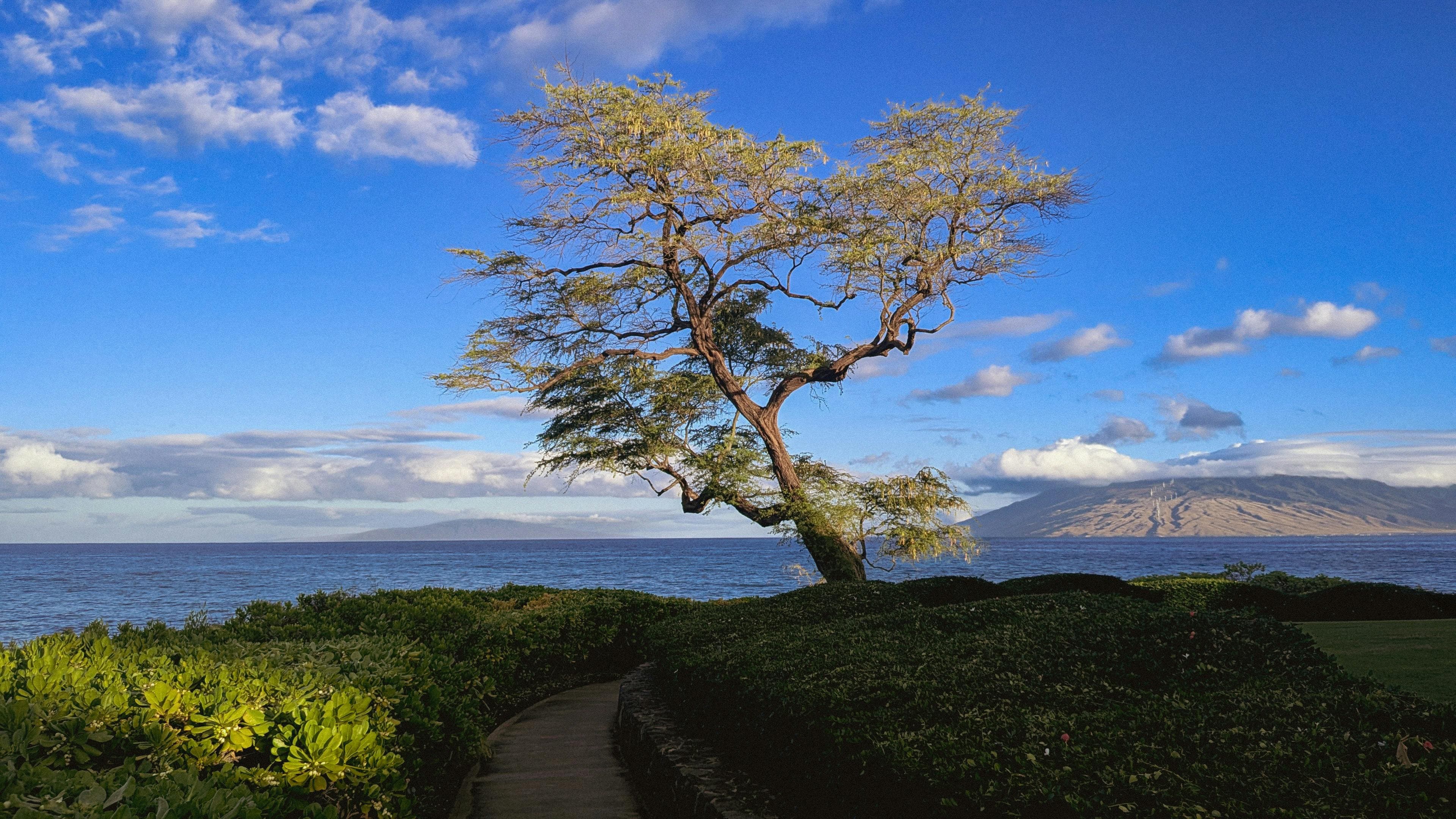
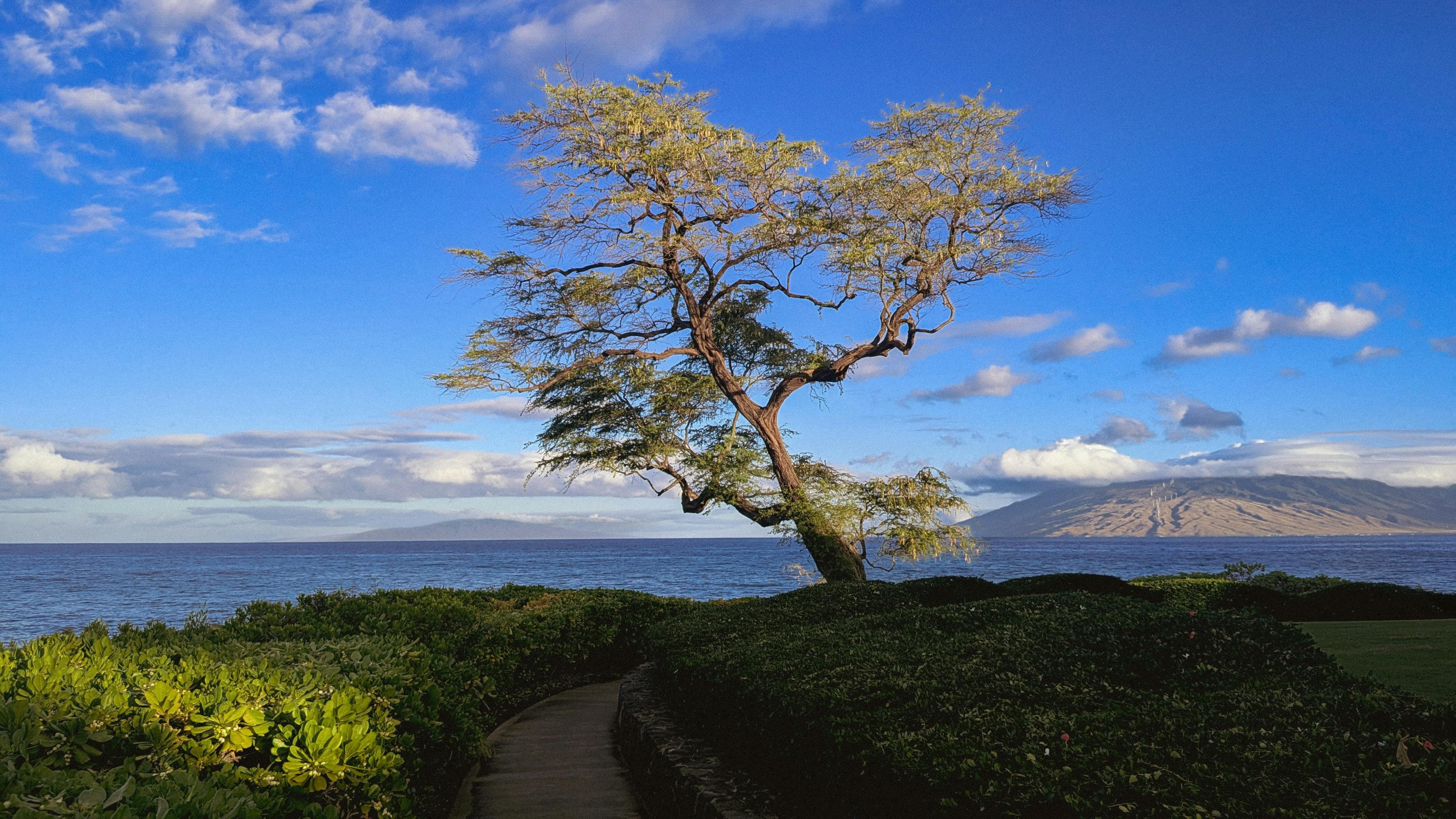
The more demanding of the two Wailea RTJ Jr. courses, the Gold plays through natural lava outcroppings with ocean views from every hole on the slopes of Haleakala.
Designed by Robert Trent Jones Jr. (1994)
$199–$285
Book direct via the course website
The Gold is the harder half of Robert Trent Jones Jr.'s 1994 pair at Wailea, the South Maui round that keeps the volcanic character of the site in play rather than landscaping it away. Both courses have shared DNA from the same architect, but distinct personalities. The Gold routes through natural lava outcroppings and asks for proper golf. Its companion Emerald opts for a more manicured, resort-friendly presentation. If you only have time for one and you want a test, this is the one.
From the back tees you get 7,078 yards with a slope of 139, longer and tighter than most Hawaiian resort courses. The lava formations punctuating the layout are both visual feature and legitimate hazard, creating forced carries and directional challenges that reward intentional ball-shaping. Fairways sit narrower than the Emerald, the rough is more consequential, and the green complexes feature more pronounced internal contours.
What to expect
Ocean views are the unifying element across all 18. The course's position on the western slope of Haleakala means every hole offers some perspective on the Pacific, with the islands of Molokini, Kahoolawe, and Lanai visible on clear days. The setting is genuinely spectacular, and the consistent ocean backdrop is one of the few features the Gold and Emerald share equally.
Conditioning is the Wailea standard: Bermuda fairways, consistent bunker sand, greens that roll true at speeds appropriate for resort play. The trade winds crossing the Haleakala slope are a real factor on exposed holes, and afternoon rounds tend to see stronger gusts than morning play. Book early if you want calmer conditions.
By the numbers
- Par
- 72
- Yardage
- 7,078
Is it worth the green fee?
At $199 to $285, the Gold is one of the better values in the Hawaii market, particularly if you are after a challenging layout at a price point below the Kapalua courses. For golfers based in Wailea or Kihei, the proximity makes it the logical choice over driving to Kapalua Plantation.
Booking and trip fit
Play the Gold and Emerald on consecutive days for a complete read on Jones Jr.'s work at Wailea. The contrasting personalities make the pairing more interesting than playing either course twice. If you are island-hopping, sequence the Gold with Mauna Kea or Mauna Lani South for a varied island read. Tee times are available through the booking link on this page.
The bottom line
The Gold is the round you take when you want Hawaii to push back. Lava, wind, ocean, and a routing that does not let up.
Where to Stay
Accommodations near Wailea — Gold Course

Hotel
Courtyard Maui Kahului Airport
Hawaii (Maui / Big Island), Hawaii
Airport-adjacent Marriott property in central Maui with pool and restaurant, providing a practical base for golfers prioritizing green fees over resort amenities.
From $180/nightWailea courses (~25 min)
ExpediaCheck availability

Resort
Fairmont Orchid, Hawaii
Hawaii (Maui / Big Island), Hawaii
A 32-acre oceanfront resort adjacent to Mauna Lani with a private lagoon, open-air spa, and five restaurants that provide a luxury Big Island base at a lower rate than the Auberge.
From $350/nightMauna Lani South (adjacent, ~5 min)
ExpediaCheck availability

Resort
Mauna Lani, Auberge Resorts Collection
Hawaii (Maui / Big Island), Hawaii
Auberge-managed resort on the Kohala Coast with on-site access to the Mauna Lani South Course and cultural programs rooted in the property's Hawaiian heritage.
From $600/nightMauna Lani South (on-site)
ExpediaCheck availability

Resort
Napili Kai Beach Resort
Hawaii (Maui / Big Island), Hawaii
Beachfront boutique resort on Napili Bay with kitchenettes and proximity to the Kapalua courses at rates below the Ritz-Carlton tier.
From $250/nightKapalua Bay (~10 min)
ExpediaCheck availability
Compare all stays near Wailea — Gold Course
Live prices from Booking.com, Expedia and more — every nearby hotel and rental in one search.
Prices and availability from Booking.com, Expedia and others via Stay22. GolfTrailsHQ may earn a commission at no additional cost to you.
Other Courses Nearby
Bucket List
Kapalua — Plantation Course
Hawaii (Maui / Big Island), Hawaii
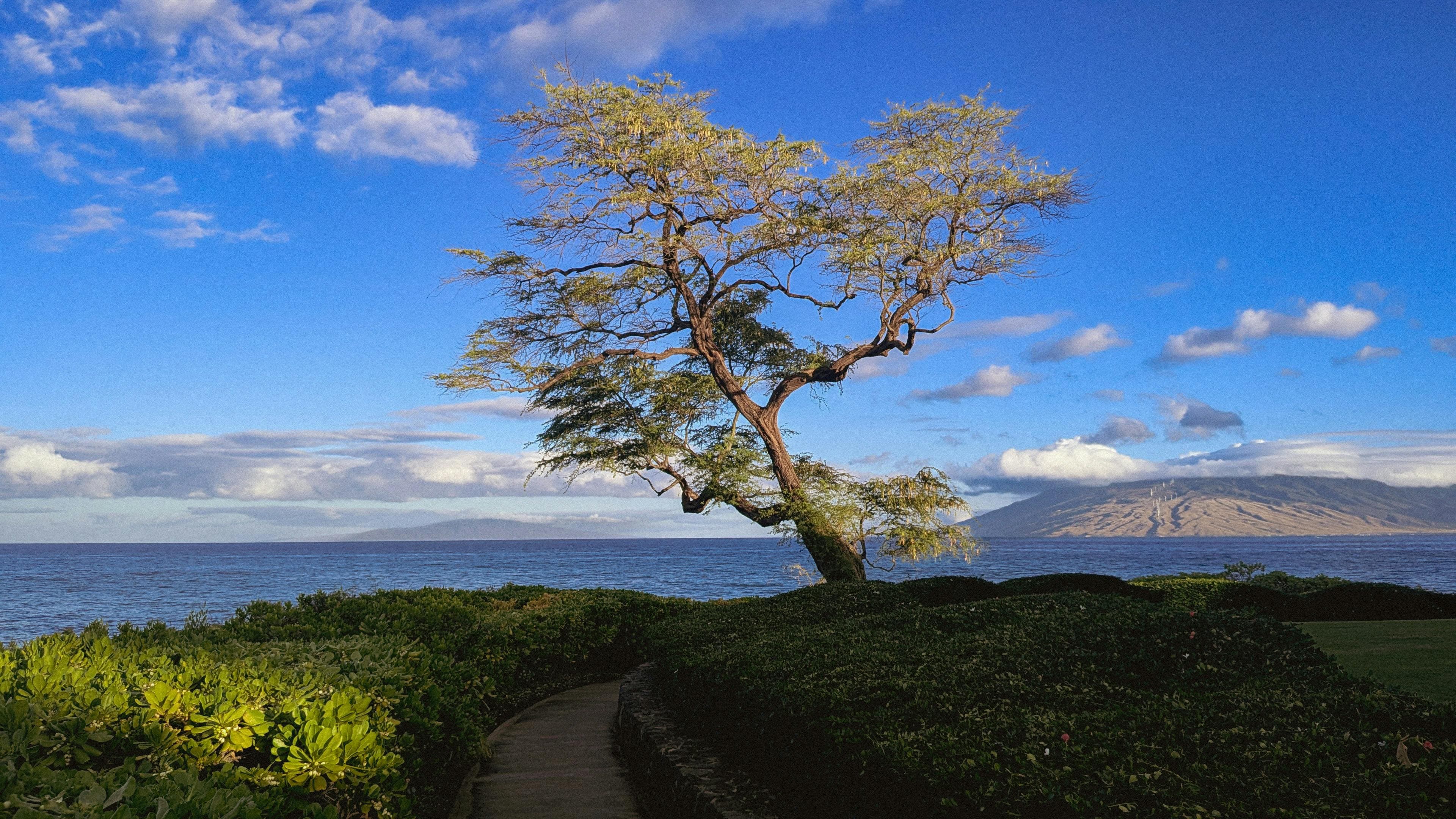
Home of the PGA Tour's The Sentry, this Coore & Crenshaw renovation plays across volcanic ridgelines above the Pacific with elevation changes that reward strategic positioning over brute force.
$445–$546ResortBill Coore & Ben Crenshaw (1991, renovated 2019)
Direct websiteVisit website
Premium
Mauna Kea Golf Course
Hawaii (Maui / Big Island), Hawaii
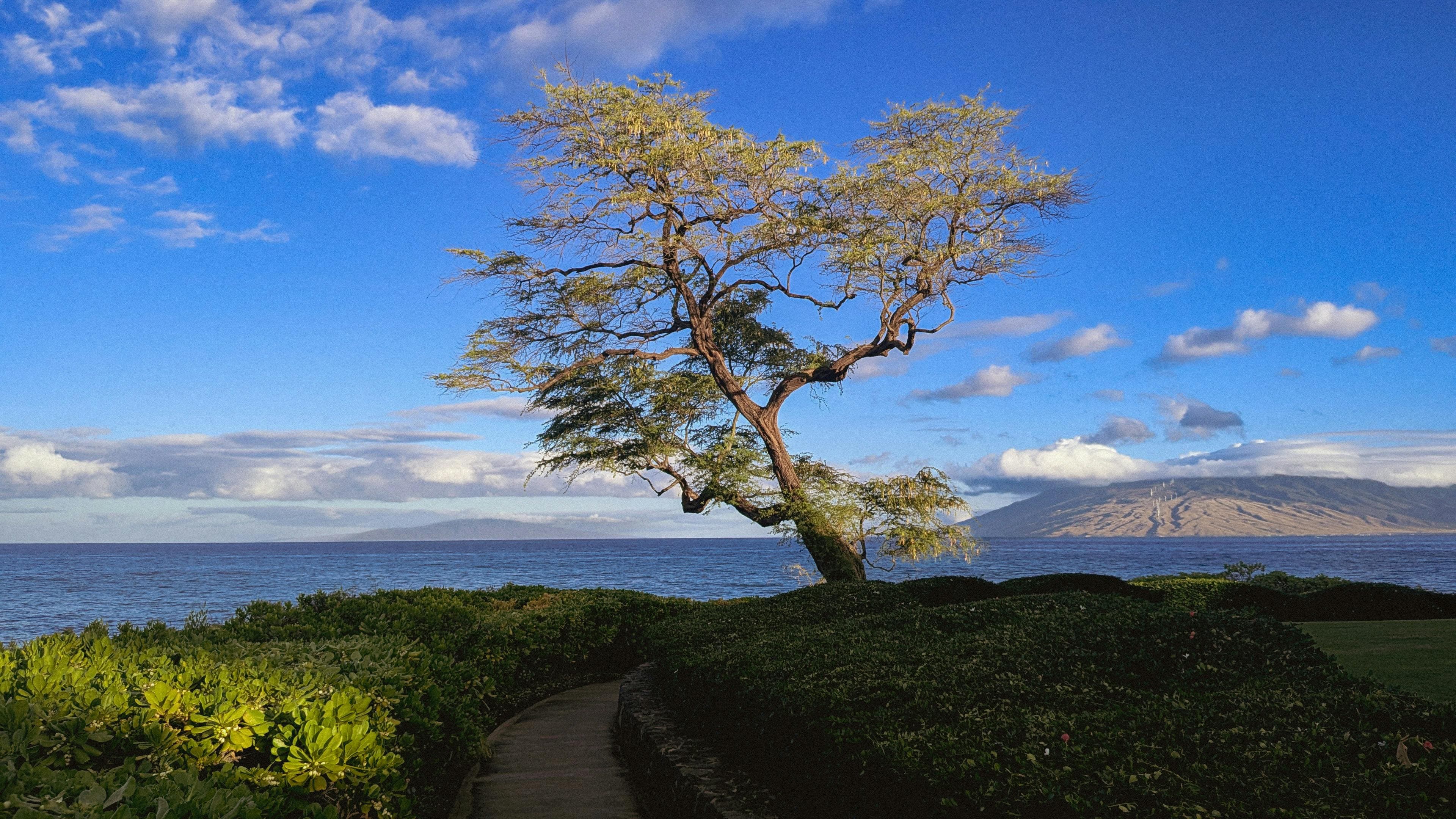
Robert Trent Jones Sr.'s 1964 design pioneered destination golf in Hawaii and remains a formidable test across rugged lava terrain with panoramic ocean and mountain views.
$215–$325ResortRobert Trent Jones Sr. (1964); RTJ Jr. renovation
Direct websiteVisit website
Premium
Mauna Lani — South Course
Hawaii (Maui / Big Island), Hawaii
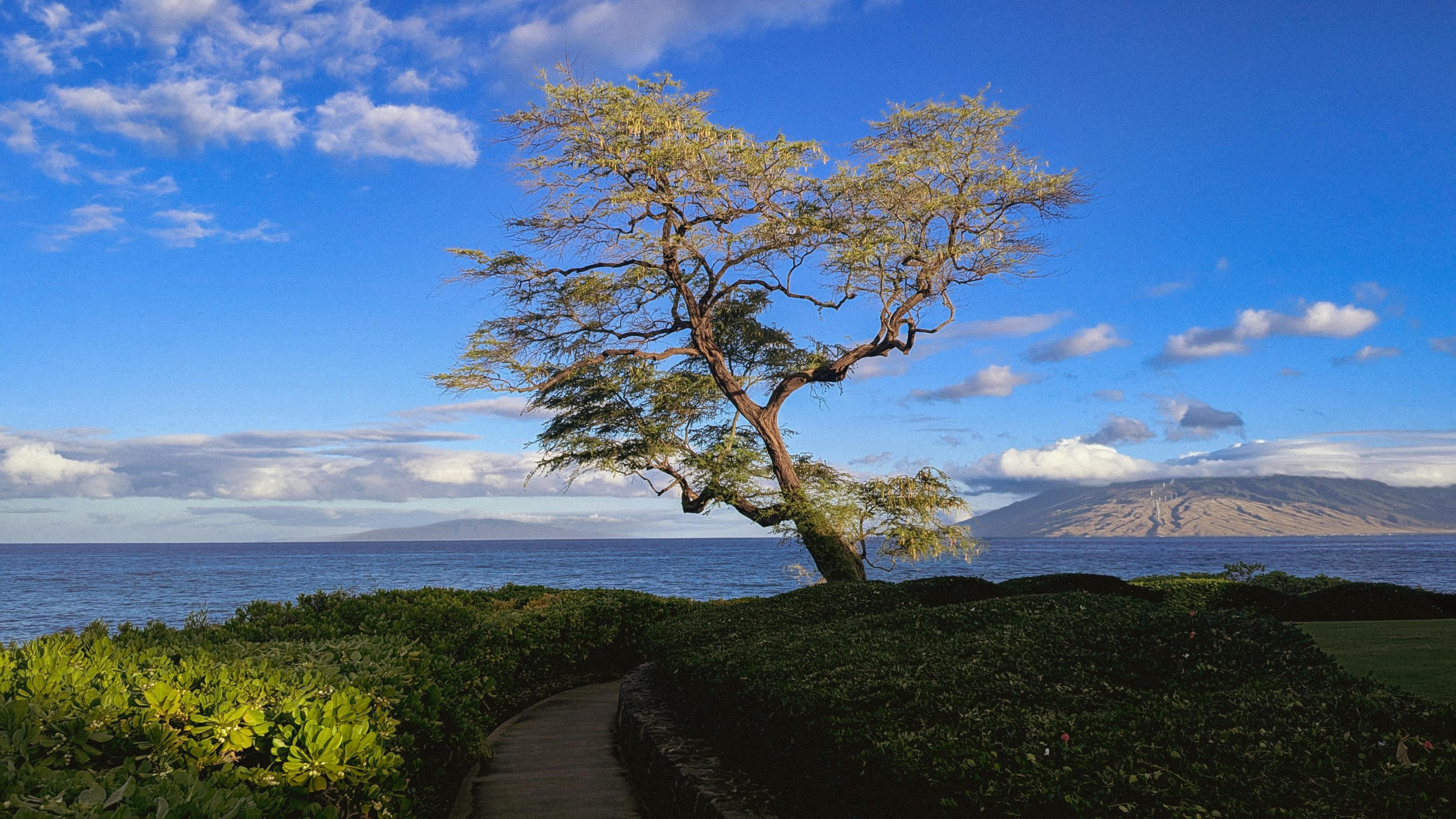
Six oceanfront holes through ancient lava fields along the Kohala Coast make this one of the most visually dramatic resort courses in the United States.
$195–$295ResortHomer Flint & Raymond Cain (1981); Nelson & Haworth redesign (1991)
Direct websiteVisit website
Mid-Range
Wailea — Emerald Course
Hawaii (Maui / Big Island), Hawaii
The more forgiving companion to the Gold, the Emerald features wider fairways and dramatic tropical landscaping with ocean views from every hole in South Maui.
$199–$285ResortRobert Trent Jones Jr. (1994)
Direct websiteVisit website
Plan Your Trip
Explore Hawaii (Maui / Big Island)
Full guide: courses, stays, getting there.
Continue →3 Itineraries
Pre-planned trips to Hawaii (Maui / Big Island).
Continue →Off the Fairway
8 non-golf activities at Hawaii (Maui / Big Island).
Continue →