 Pin it
The Links at Spanish Bay
A links course on the Pacific, a bagpiper at sunset, and a Hanse renovation that will redefine it.
Pebble Beach Company · Pebble Beach Company press kit
Designed by Robert Trent Jones Jr., Tom Watson & Sandy Tatum (1987)
From $350
Booking via Direct
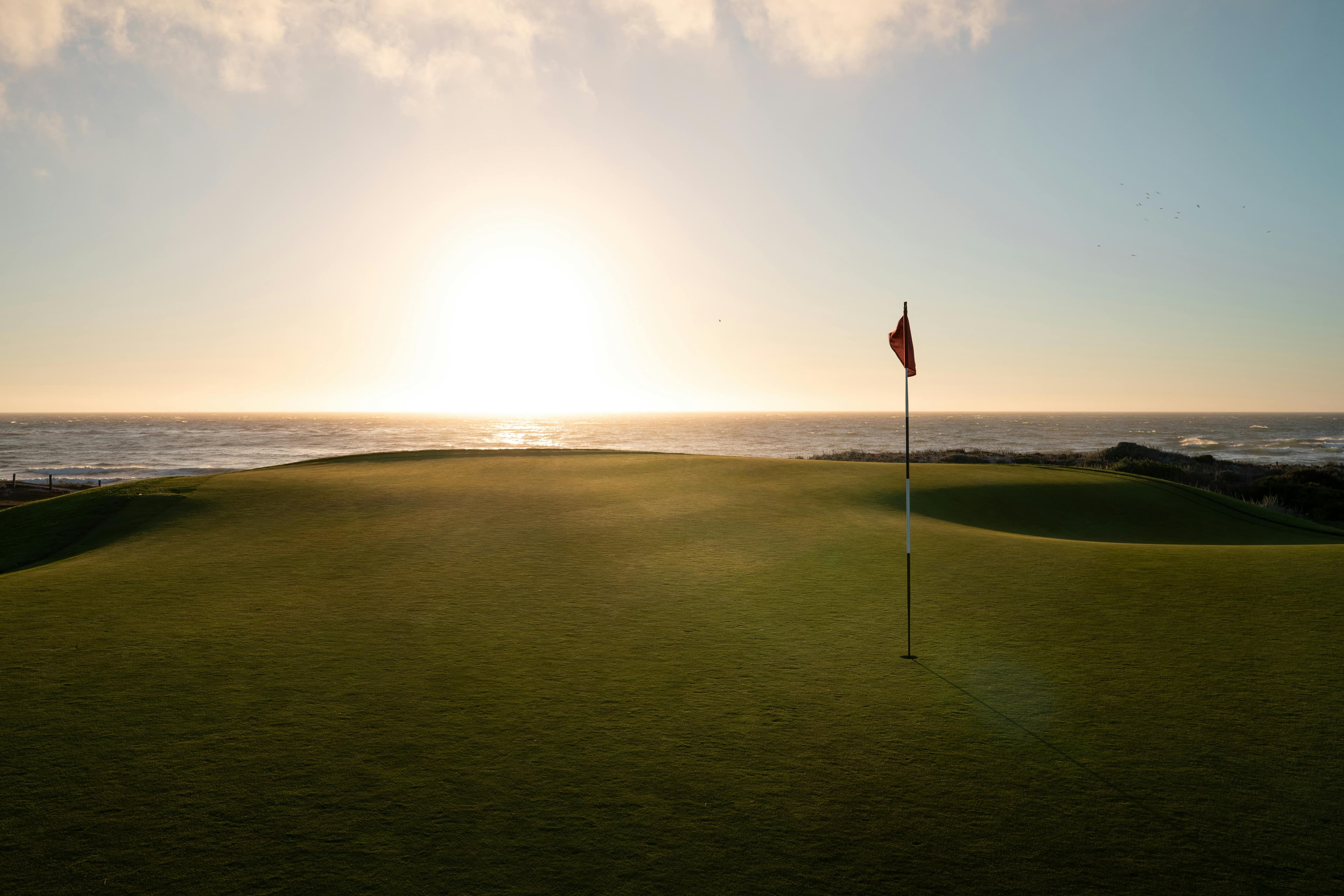
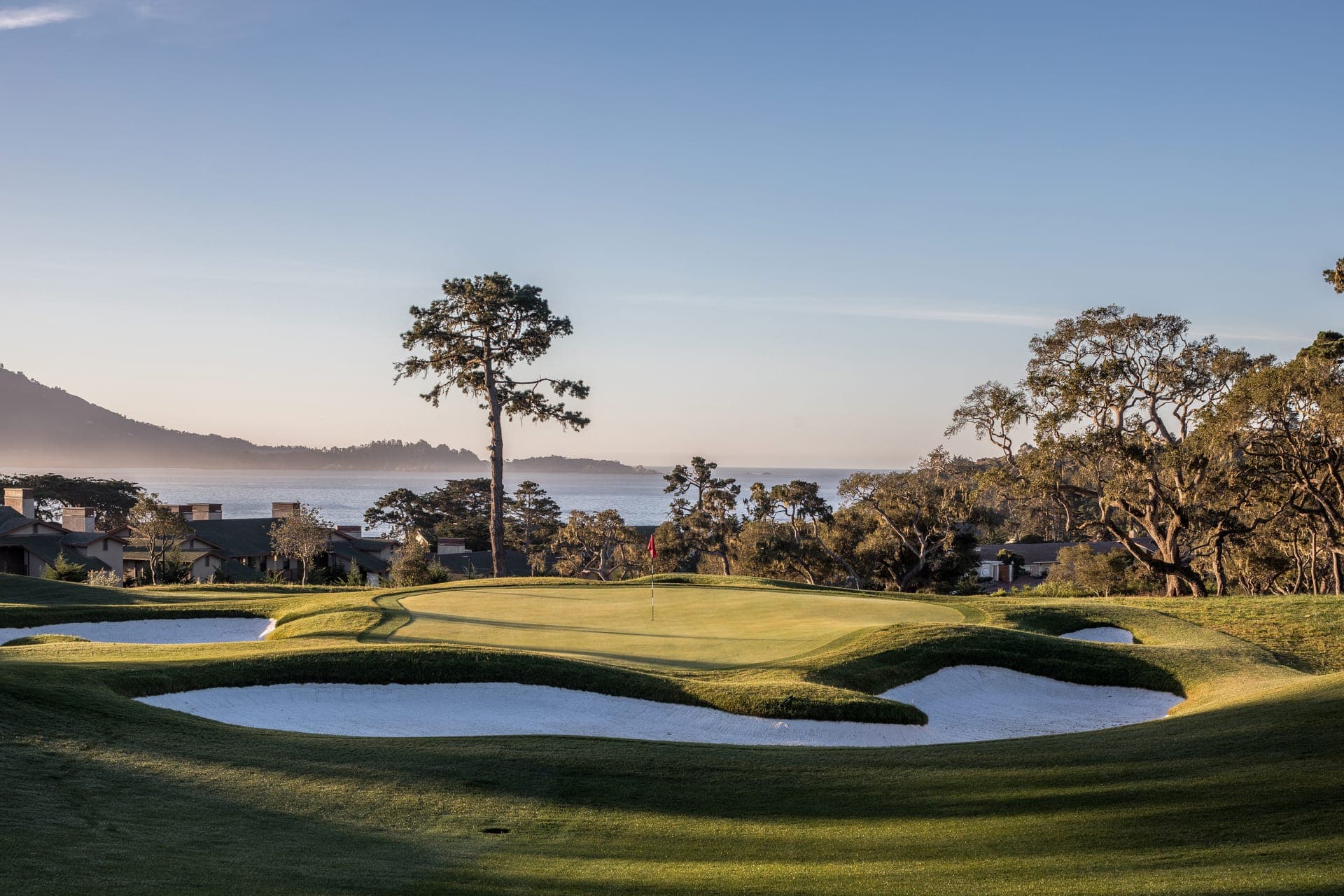
The Links at Spanish Bay closes on March 18, 2026, for a comprehensive Gil Hanse and Jim Wagner renovation estimated at 13 months. What follows is a profile of the course as it existed before the work began, because Spanish Bay will reopen, and because understanding what came before is part of understanding what comes next. Robert Trent Jones Jr., Tom Watson, and Sandy Tatum designed it in 1987 as an intentional departure from the tree-lined parkland courses that dominated American architecture at the time.
What to expect
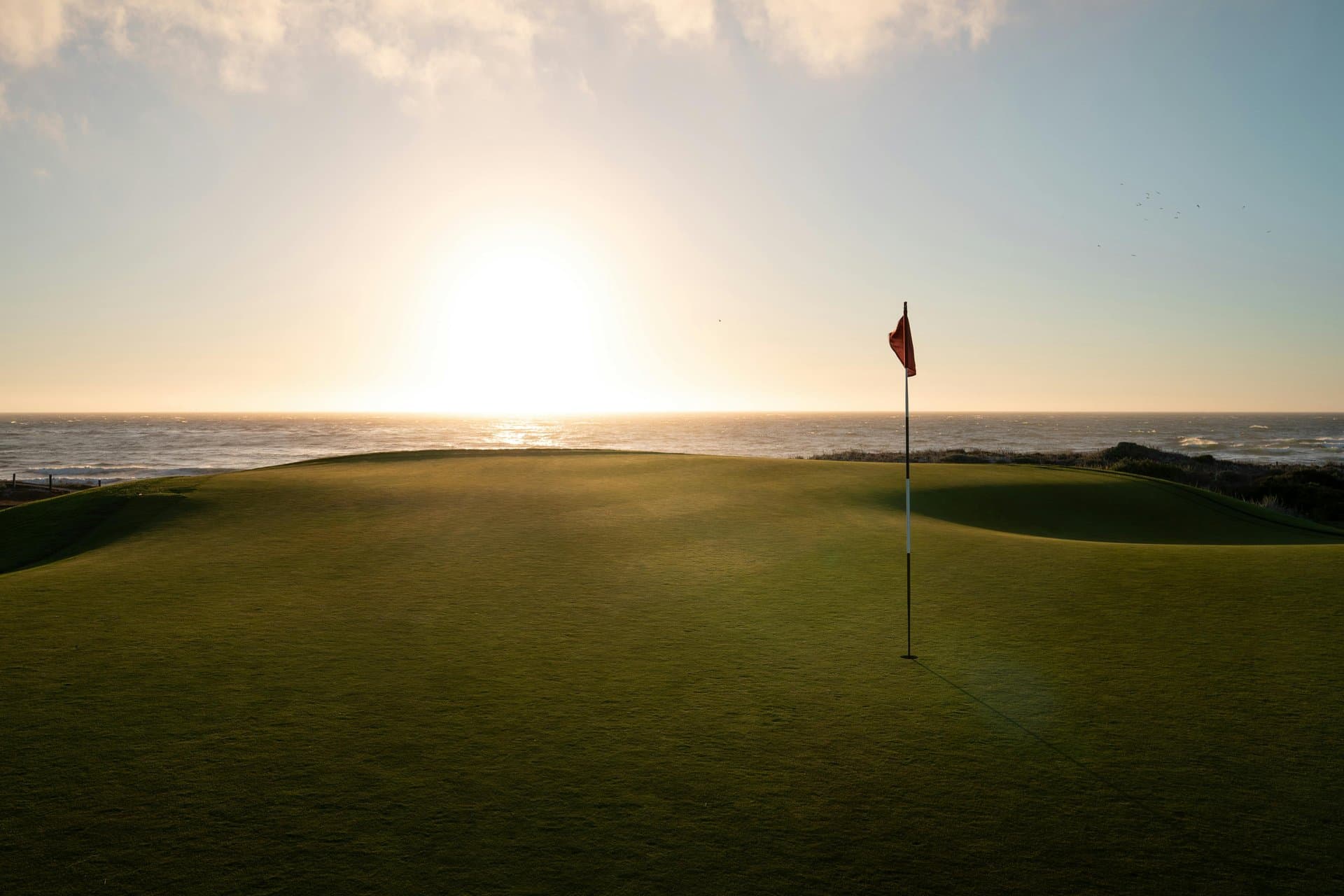
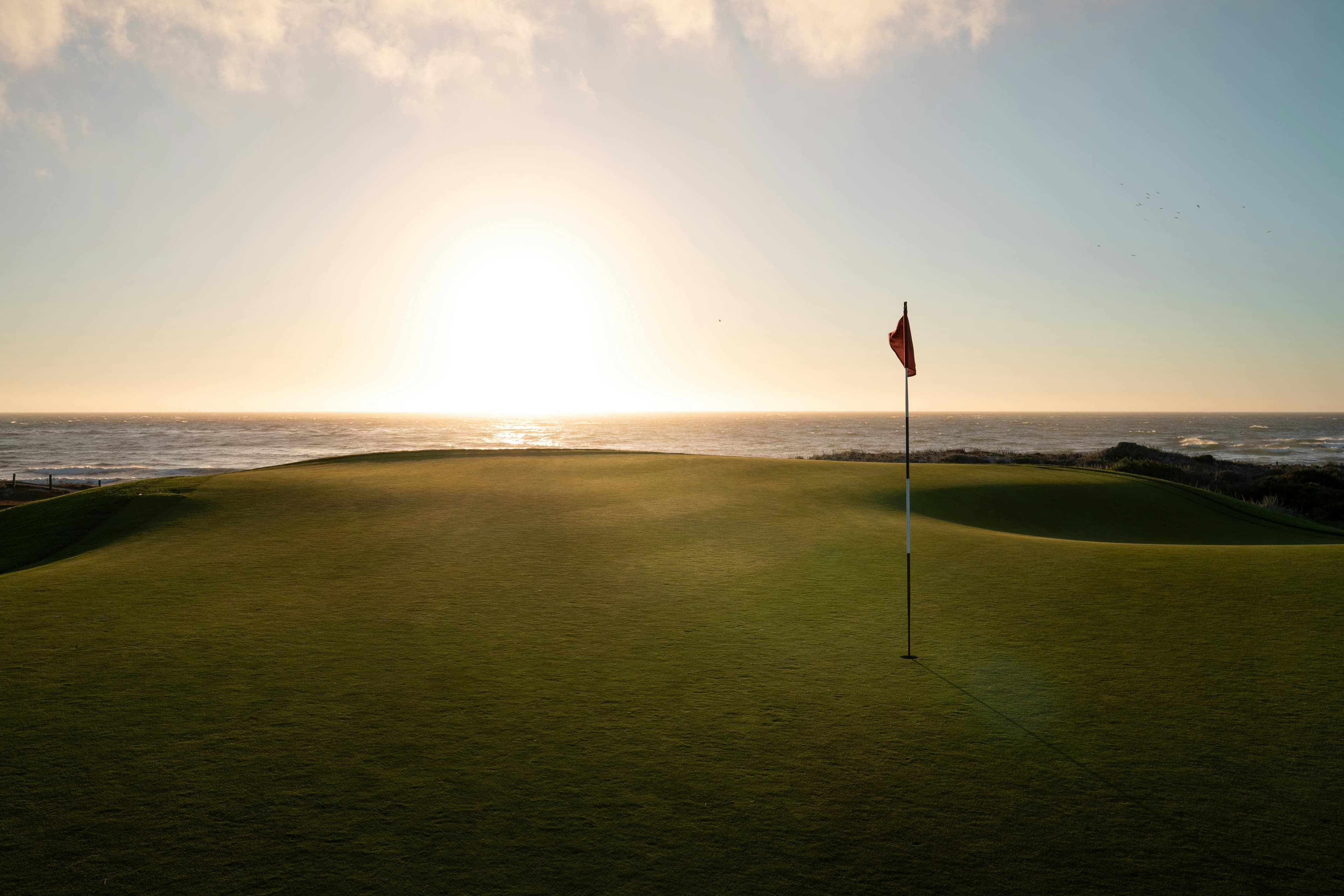
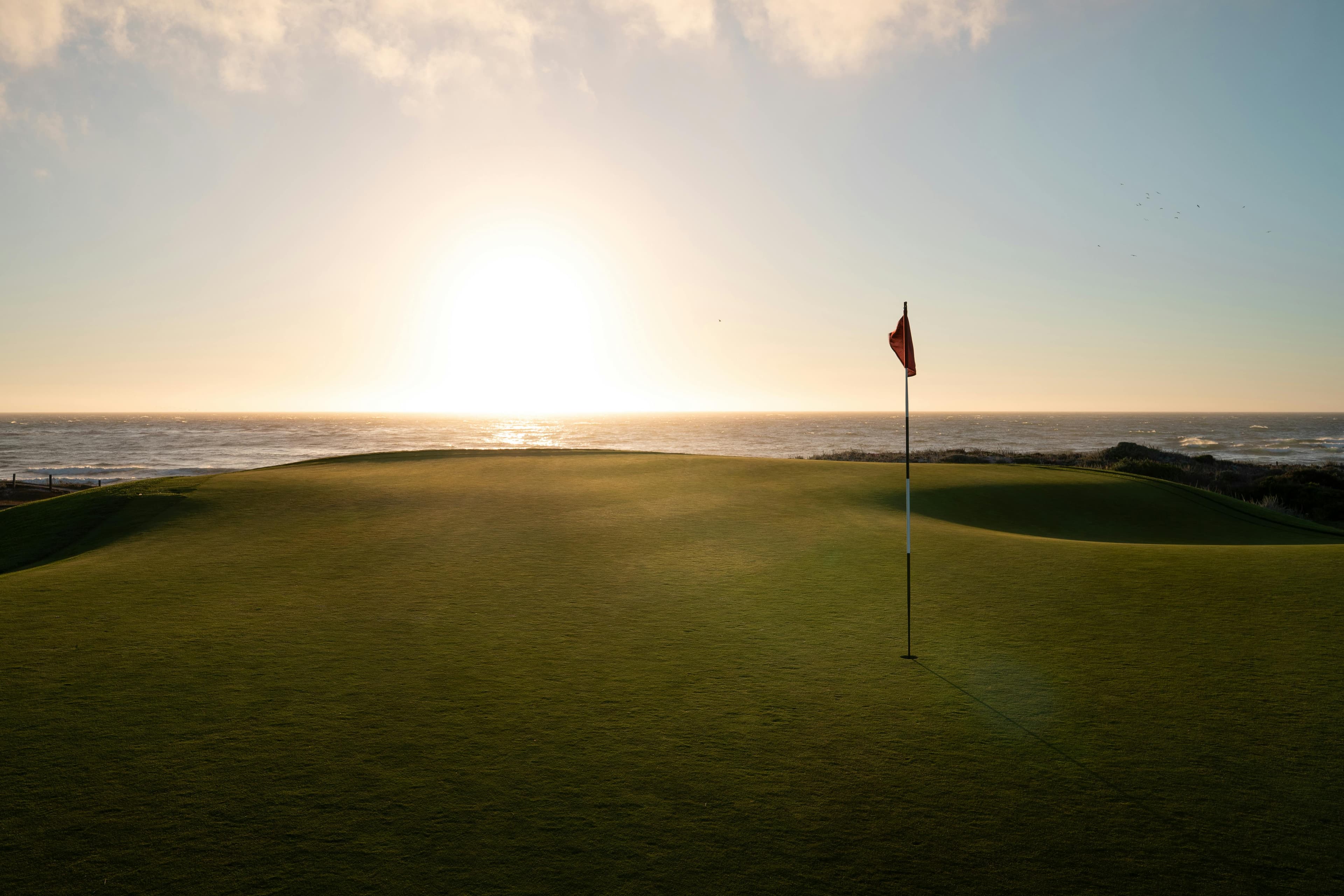
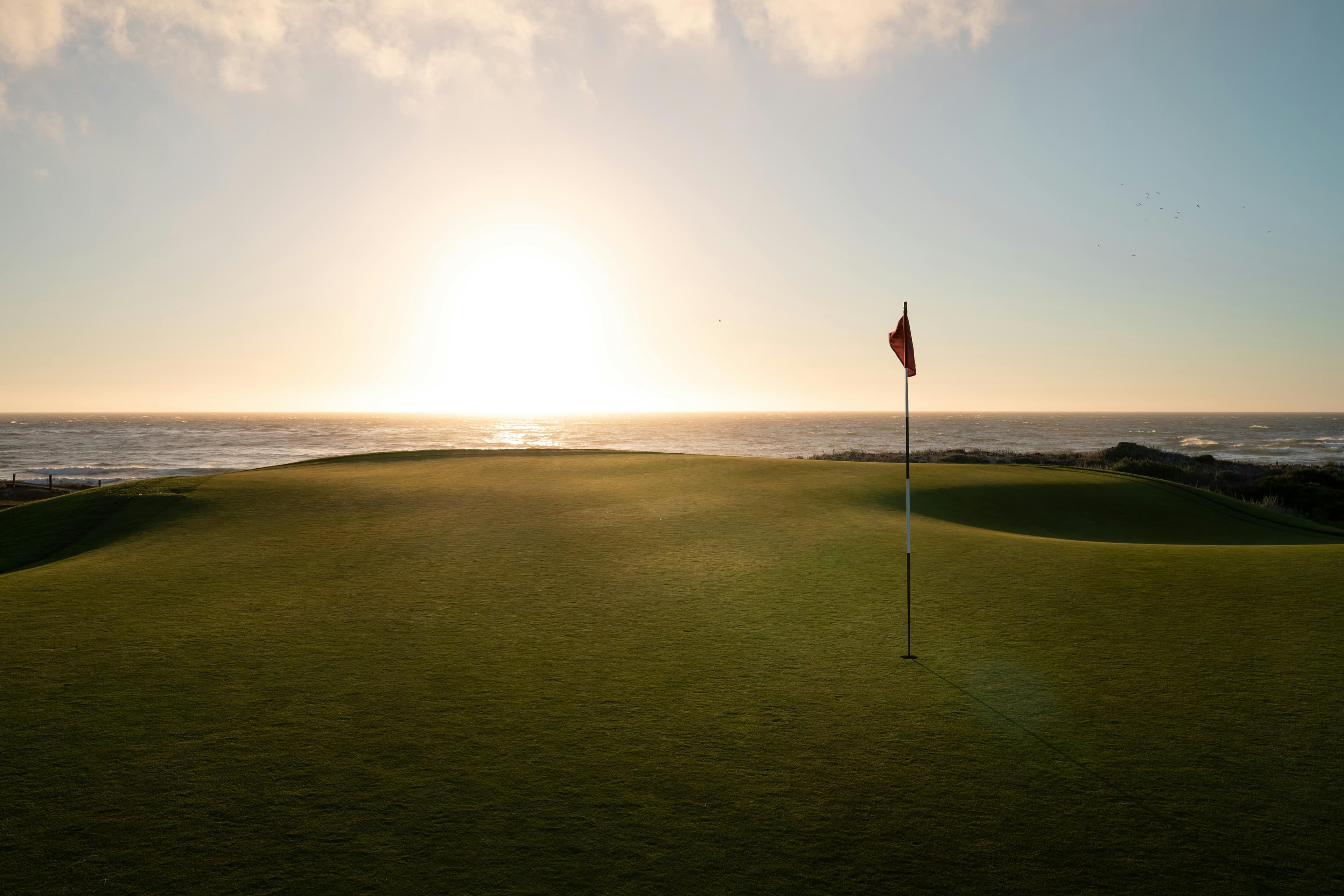
The brief was to build a links course on the Pacific Coast and the result moved through restored sand dunes and coastal grasses with the open, wind-exposed character that Americans associate with Scotland and Ireland. At 6,821 yards with a slope of 142, it played as the most accessible of the three Pebble Beach Company courses, demanding creativity and ground-game imagination over raw power. Opening holes ran along the coastline with the Pacific in view from most tees. Turf was firmer and faster than parkland conditioning, encouraging the bump-and-run approaches links golf rewards. Watson's involvement showed in the strategic options around the greens. The back nine turned inland through dunes and ice plant before returning to the coast for a finishing stretch that caught the late afternoon light. The daily bagpiper at sunset, walking the grounds near the Inn at Spanish Bay as the sun dropped, became the course's signature tradition.
By the numbers
- Par
- 72
- Yardage
- 6,821
Is it worth the green fee?
At $350 pre-renovation, Spanish Bay offered a meaningfully lower entry point than Pebble Beach ($695) or Spyglass ($525). Some criticism was fair; the layout repeated itself in the middle and the ice-plant inland holes lacked the drama of the oceanside sections. Hanse's body of work, from Streamsong Black to Ohoopee Match Club to his Merion East restoration, suggests a designer who understands how to build strategic interest into every hole, which makes the renovation a genuinely interesting prospect.

Sherman Chu
Booking and trip fit
The course is closed from March 18, 2026, for an estimated 13 months. When it reopens, expect resort-stay priority for advance bookings through the Pebble Beach system. For peninsula trips during the renovation, Poppy Hills is the natural substitute in the third-course rotation. Pair with Pebble Beach Golf Links, Spyglass Hill, and Pacific Grove on a Monterey Peninsula trip. Tee times are available through the booking link on this page.
The bottom line
When Hanse's work is done, Spanish Bay may emerge as the most architecturally sophisticated of the three Pebble Beach Company courses. The bagpiper, presumably, will return.
Where to Stay
Accommodations near The Links at Spanish Bay

Hotel
Carmel Valley Ranch
Monterey Peninsula, California
Five hundred valley acres with a 10,500 sq ft spa, equine program, and enough non-golf activities to fill a week.
From $70/nightOn-site golf
ExpediaCheck availability
Hotel
Casa Palmero at Pebble Beach
Monterey Peninsula, California
Twenty-four rooms, a personal concierge, and the most private address on the Monterey Peninsula.
From $1200/nightPebble Beach Golf Links (adjacent)
Direct websiteVisit website
Hotel
Hofsas House Hotel
Monterey Peninsula, California
Family-run Carmel boutique with included breakfast and parking, ten minutes from the first tee.
From $160/nightPacific Grove Golf Links (~5 miles)
ExpediaCheck availability

Hotel
Hyatt Regency Monterey Hotel & Spa
Monterey Peninsula, California
The peninsula's practical mid-range base, with Hyatt points, a free airport shuttle, and a starting rate of $170.
From $35/nightOn-site golf
ExpediaCheck availability
Compare all stays near The Links at Spanish Bay
Live prices from Booking.com, Expedia and more — every nearby hotel and rental in one search.
Prices and availability from Booking.com, Expedia and others via Stay22. GolfTrailsHQ may earn a commission at no additional cost to you.
Other Courses Nearby
Mid-Range
Bayonet Golf Course
Monterey Peninsula, California
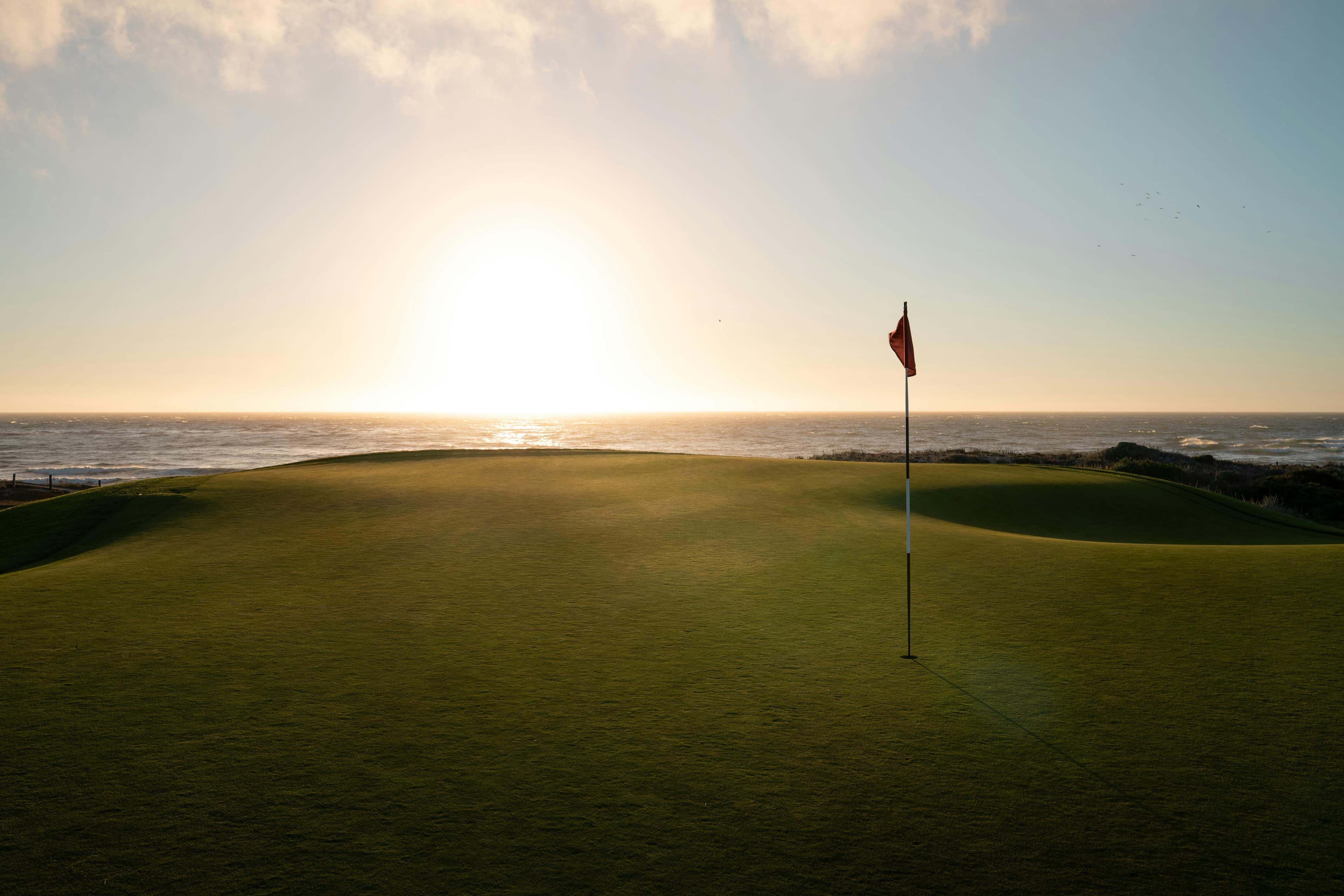
A former military course that still fights back, especially over the final four holes.
$79–$119PublicGeneral Robert McClure (1954)
GolfNowBook tee time
Mid-Range
Black Horse Golf Course
Monterey Peninsula, California
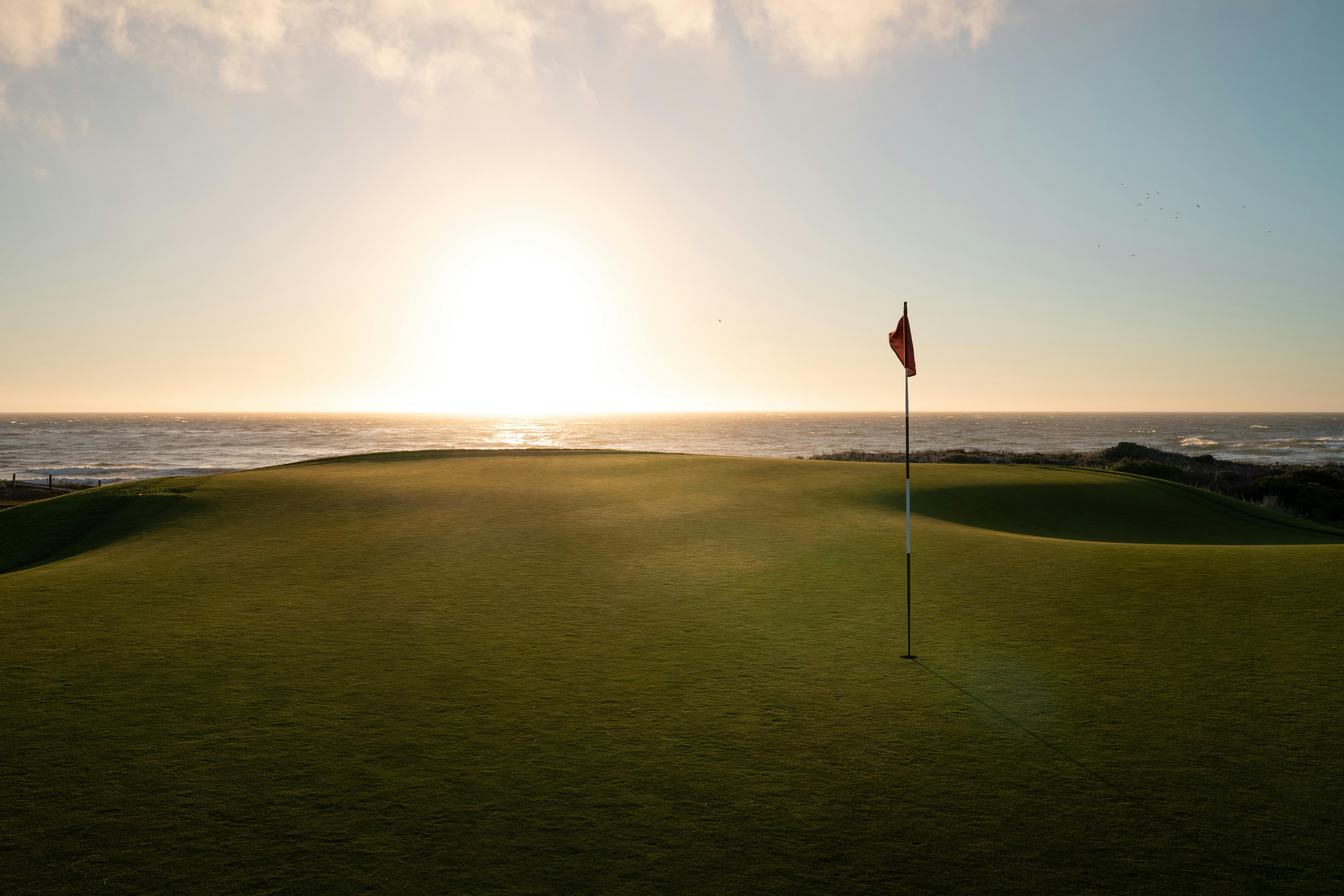
The younger sibling at Fort Ord, with Pacific views from the elevated tees and a modern renovation underneath.
$79–$119PublicGeneral Edwin Carnes (1964; renovated by Gene Bates, 2008)
GolfNowBook tee time
Mid-Range
Pacific Grove Golf Links
Monterey Peninsula, California
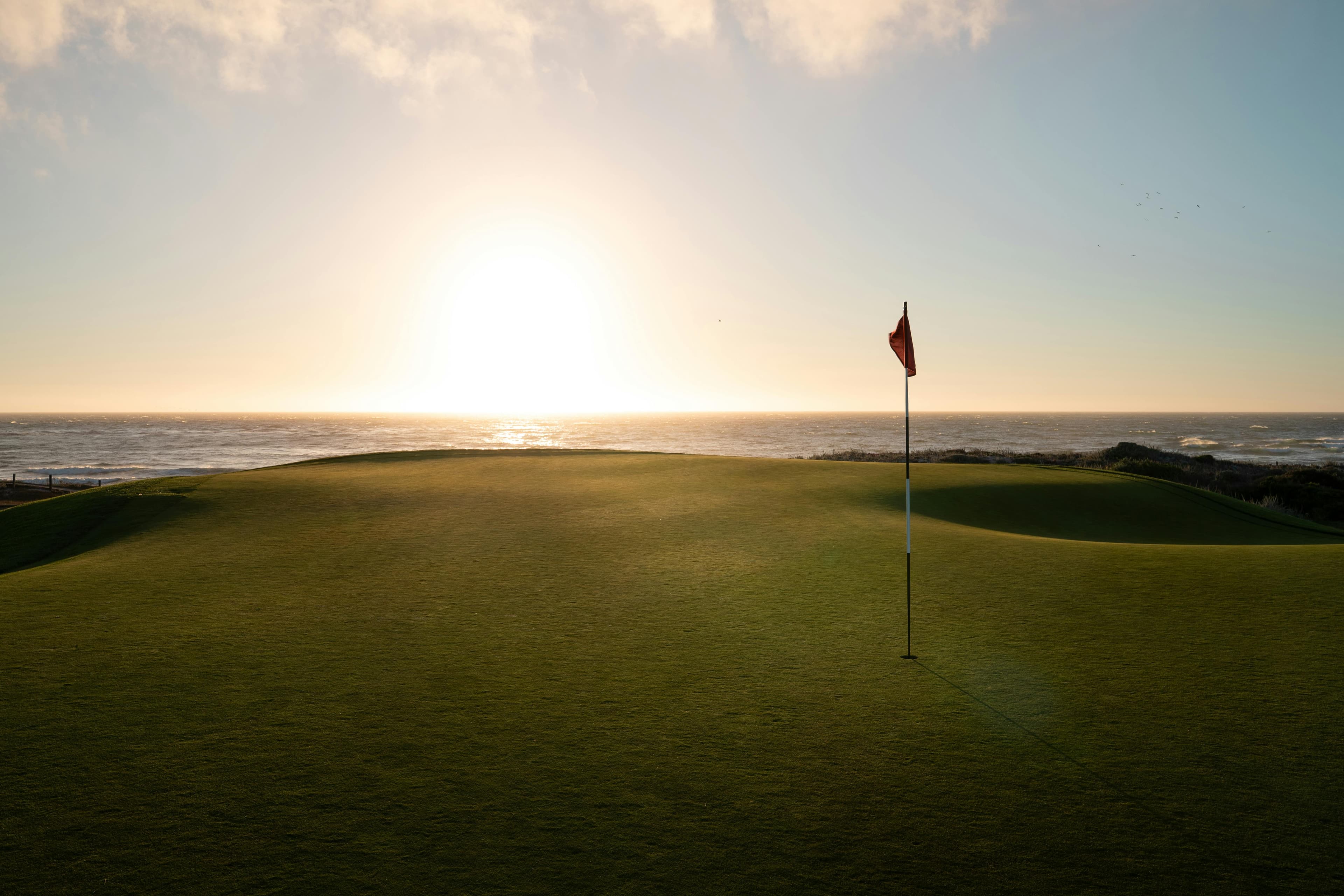
Jack Neville's other course on the Monterey Peninsula, where the ocean views cost $53.
$53–$58PublicH. Chandler Egan (front 9, 1932) / Jack Neville (back 9, 1960)
GolfNowBook tee time
Bucket List
Pebble Beach Golf Links
Monterey Peninsula, California
Nine holes along the Pacific, six U.S. Opens, and the green fee that everyone has an opinion about.
From $695ResortJack Neville & Douglas Grant (1919)
PartnerBook tee time
Premium
Poppy Hills Golf Course
Monterey Peninsula, California
The NCGA's own course in Del Monte Forest, and the peninsula's best value for members who know to ask.
$75–$225PublicRobert Trent Jones Jr. (1986; renovated 2014 by Jones Jr. & Bruce Charlton)
PartnerBook tee time
Premium
Quail Lodge & Golf Club
Monterey Peninsula, California
Carmel Valley's quiet alternative, where the fog lifts earlier and the pace slows down.
From $300ResortRobert Muir Graves (1963; refined by Todd Eckenrode)
GolfNowBook tee time
Bucket List
Spyglass Hill Golf Course
Monterey Peninsula, California
The hardest course most golfers will ever play on the Monterey Peninsula, and possibly the most honest.
From $525ResortRobert Trent Jones Sr. (1966)
PartnerBook tee time
Premium
The Hay Short Course
Monterey Peninsula, California
A genuine Tiger Woods design at family-friendly scale, with the same coastal backdrop as the resort’s flagship courses.
ResortTiger Woods (TGR Design)
No booking neededRead more
Plan Your Trip
Explore Monterey Peninsula
Full guide: courses, stays, getting there.
Continue →3 Itineraries
Pre-planned trips to Monterey Peninsula.
Continue →Off the Fairway
10 non-golf activities at Monterey Peninsula.
Continue →Some links on this page are affiliate links. If you book through these links, we may earn a small commission at no extra cost to you. This does not influence our editorial recommendations.