 Pin it
Spyglass Hill Golf Course
The hardest course most golfers will ever play on the Monterey Peninsula, and possibly the most honest.
Pebble Beach Company · Pebble Beach Company press kit
Designed by Robert Trent Jones Sr. (1966)
From $525
Booking via Direct
Spyglass Hill is the harder course on the Monterey Peninsula, with a 75.4 rating and 145 slope that exceed Pebble Beach Golf Links on both counts. Robert Trent Jones Sr. designed it in 1966 with the stated intention of building one of the most difficult courses in the world, and he succeeded to a degree that has been causing problems for resort golfers ever since. It lives in Pebble's shadow, which is unfair and, in a way, liberating: the golfers who seek Spyglass out tend to care about architecture as much as reputation.
What to expect
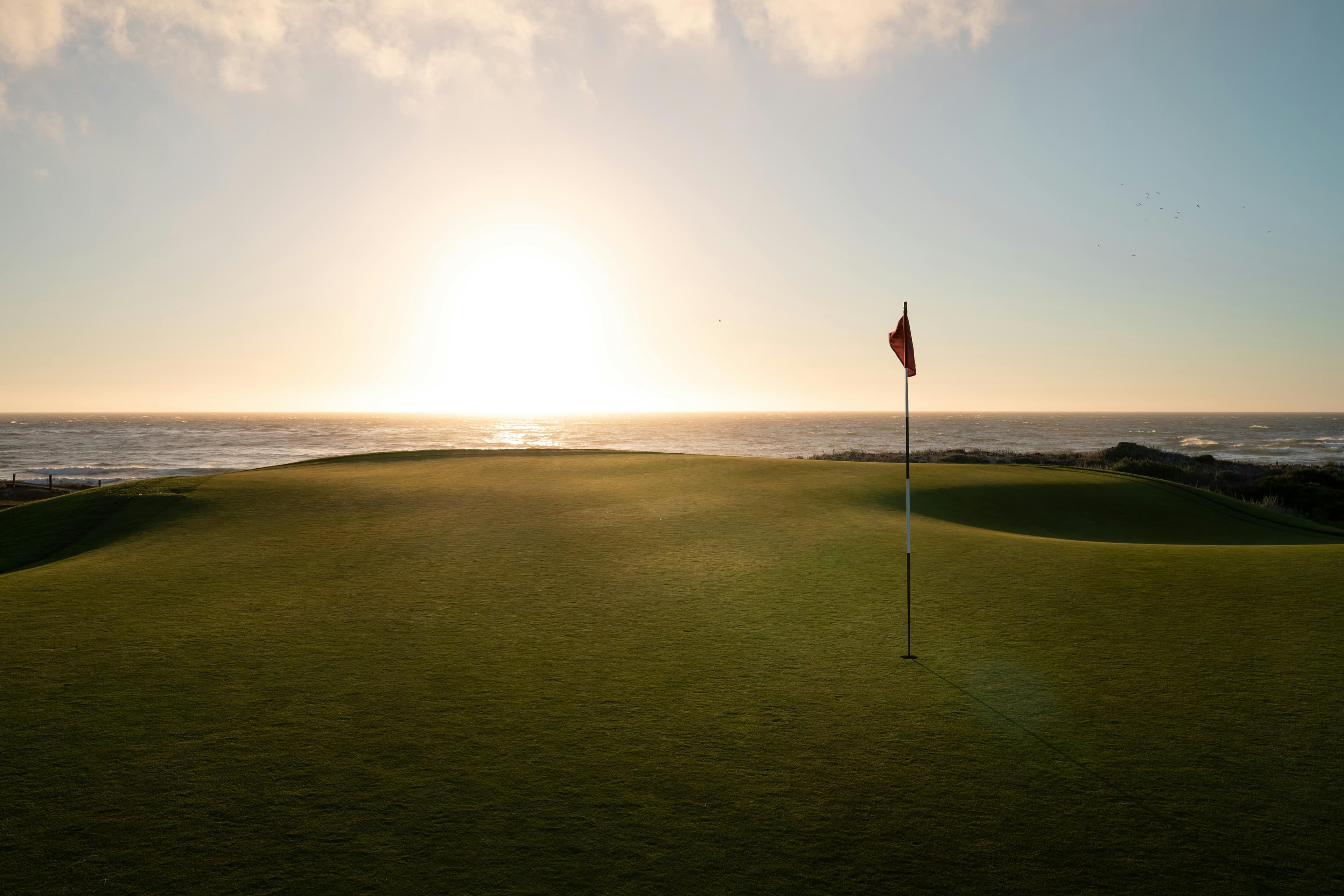
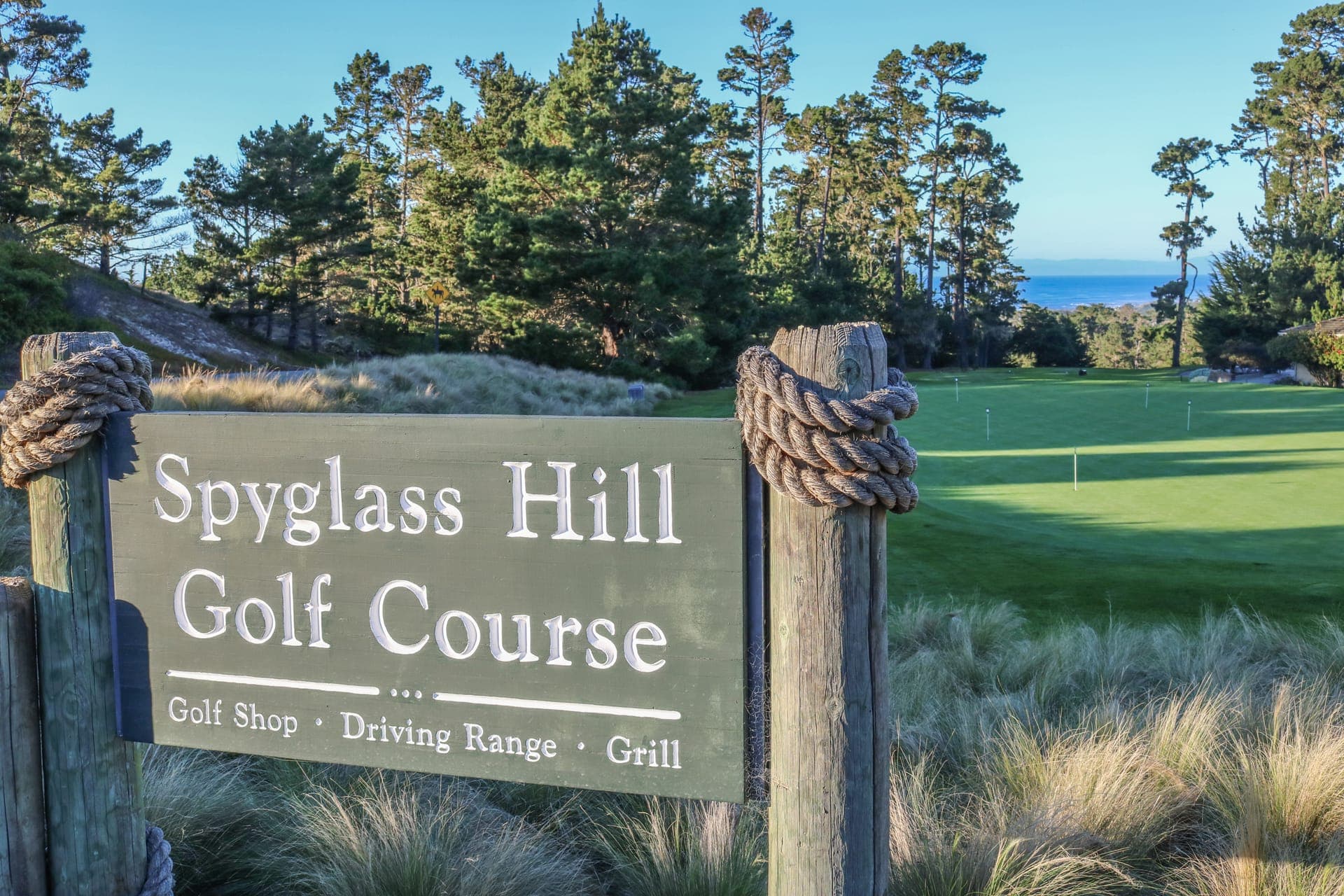
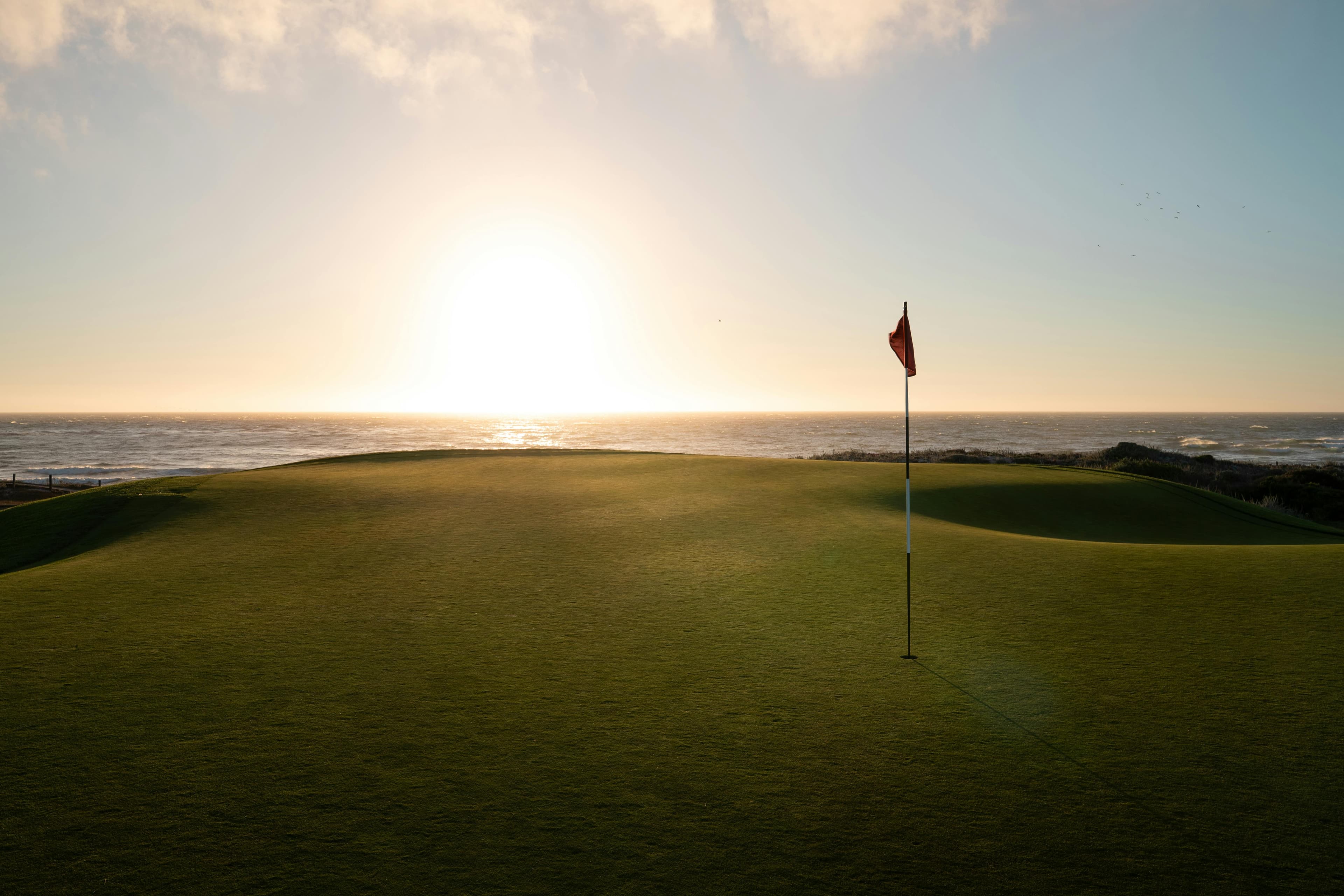
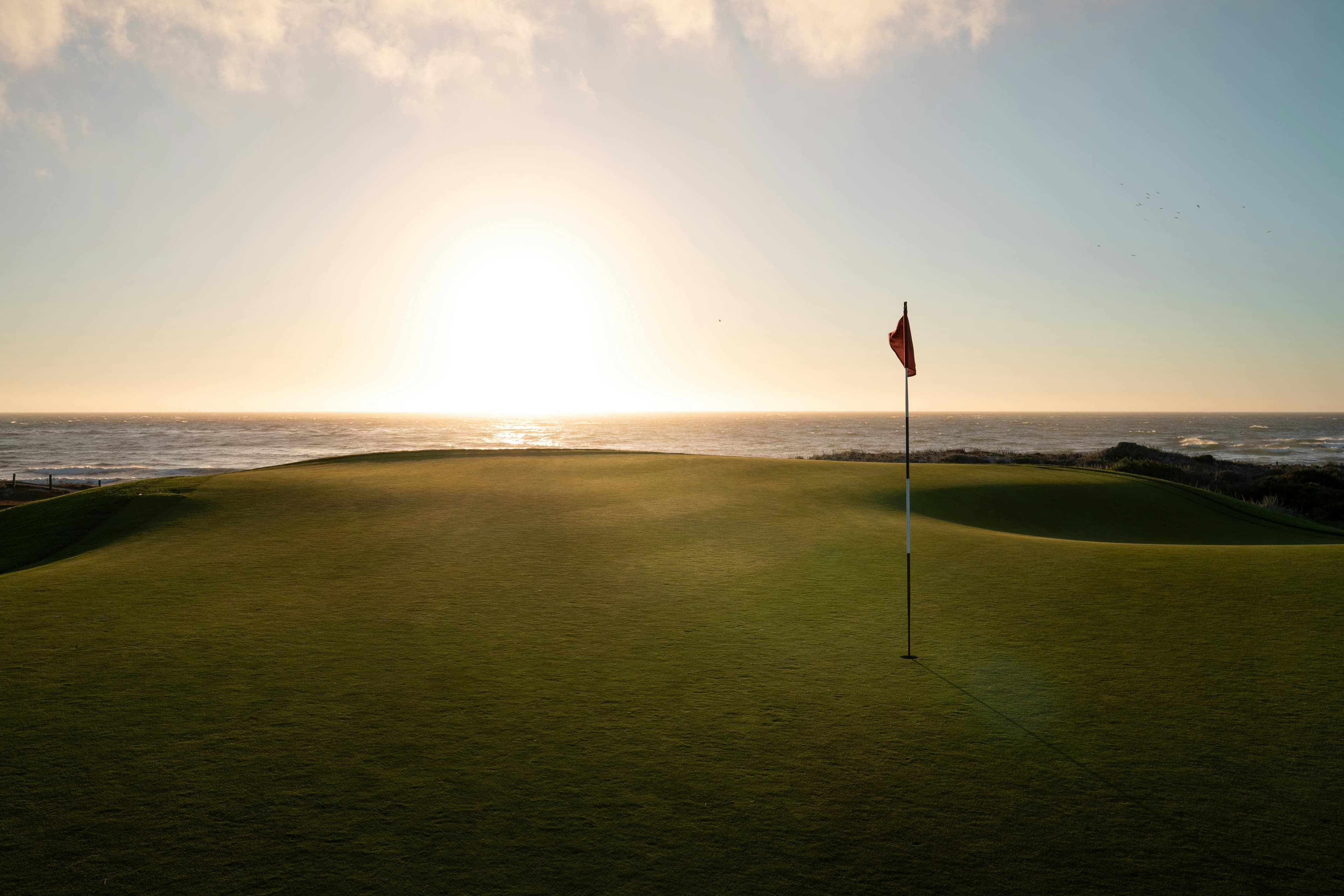
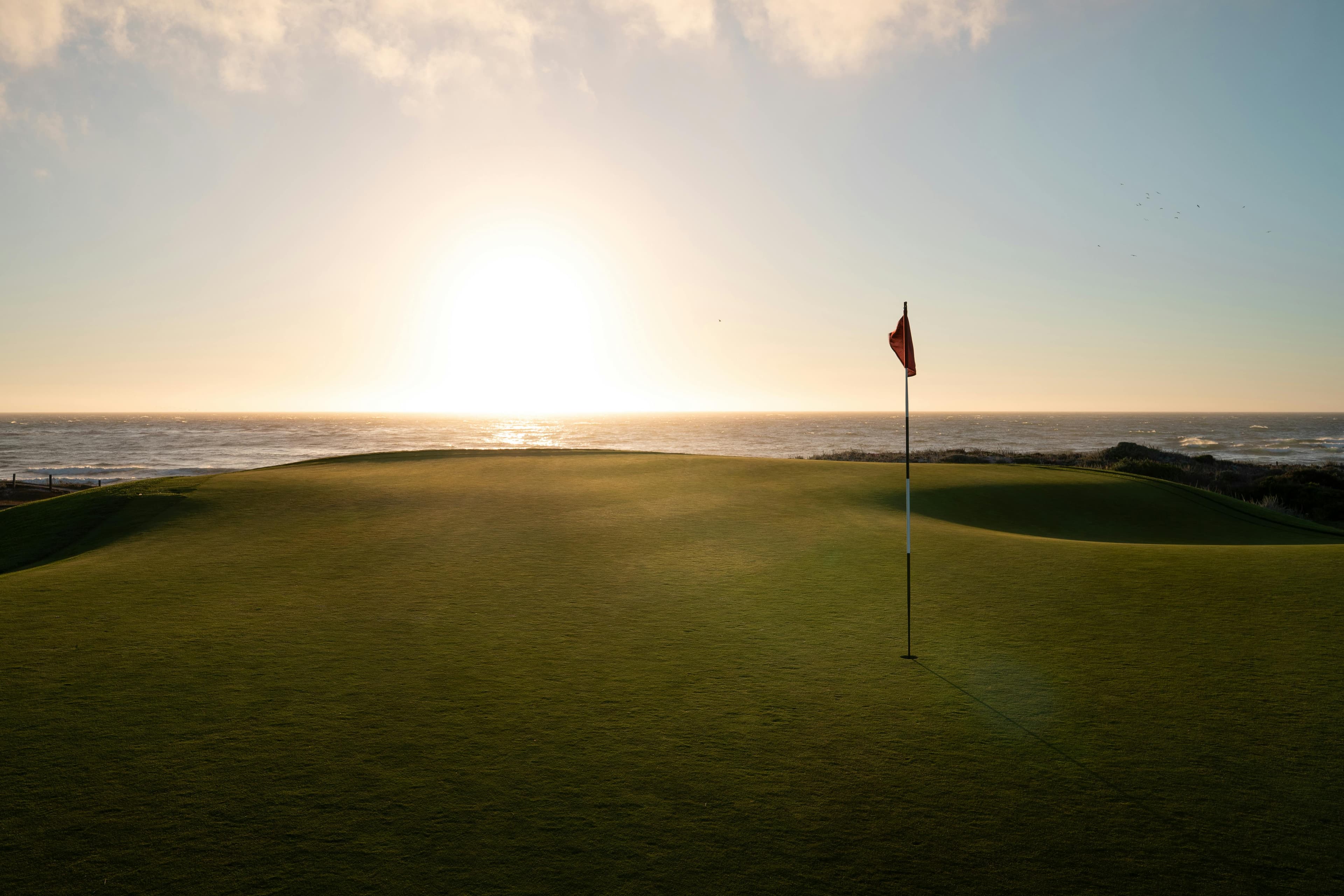
The opening five holes are the ones that show up in the photographs, routed through coastal sand dunes with ocean views and exposed to the Pacific wind. The 1st, a 595-yard par 5, plays downhill through dunes toward a green set in a natural amphitheater. It is spectacular, and a deeply unfair opening: the first swing of the day is into wind, on a hole that punishes indecision with sandy waste on both sides. The 4th, a 370-yard par 4, has a green sitting above the fairway, the wind typically against, and an approach over a bunker complex Jones designed with evident satisfaction. Par on the front five is a strong result for any golfer.
At the 6th, the course enters Del Monte Forest and transforms entirely. The dunes disappear. The wind drops. Holes tighten through tall Monterey pines on terrain that feels more like an inland championship course than a coastal resort. The change is abrupt enough to feel like playing two different courses in a single round, and Jones was deliberate about the contrast: the coastal holes test nerve and imagination, while the forest holes test precision and management.
The back nine is relentless. The par-3 15th is long, the par-4 16th is longer, and the margin for error on both is narrow. Greens are larger than Pebble's but contoured more aggressively. Three-putts here are the mark of an approach that found the wrong tier.
By the numbers
- Par
- 72
- Yardage
- 6,960
Is it worth the green fee?
At $525, Spyglass is $170 cheaper than Pebble Beach, and there is a credible argument that the architecture is more interesting. It is certainly more varied: coastal dunes, forest corridors, elevation changes, and green complexes that demand different shots. It lacks Pebble's emotional crescendo along the cliffs, but it offers a more sustained intellectual challenge across all 18 holes. Golfers who play both on the same trip often report Spyglass is the round they think about longer afterward.
Pebble Beach Company
Booking and trip fit
Booked through the resort with the same advance structure as Pebble Beach. Pull carts are $15, caddies $150 to $155 per bag. Bring layers; the dunes can be foggy and cold even in summer. Pair with Pebble Beach Golf Links, The Links at Spanish Bay, or Poppy Hills.
Where to Stay
Accommodations near Spyglass Hill Golf Course

Hotel
Carmel Valley Ranch
Monterey Peninsula, California
Five hundred valley acres with a 10,500 sq ft spa, equine program, and enough non-golf activities to fill a week.
From $70/nightOn-site golf
ExpediaCheck availability
Hotel
Casa Palmero at Pebble Beach
Monterey Peninsula, California
Twenty-four rooms, a personal concierge, and the most private address on the Monterey Peninsula.
From $1200/nightPebble Beach Golf Links (adjacent)
Direct websiteVisit website
Hotel
Hofsas House Hotel
Monterey Peninsula, California
Family-run Carmel boutique with included breakfast and parking, ten minutes from the first tee.
From $160/nightPacific Grove Golf Links (~5 miles)
ExpediaCheck availability

Hotel
Hyatt Regency Monterey Hotel & Spa
Monterey Peninsula, California
The peninsula's practical mid-range base, with Hyatt points, a free airport shuttle, and a starting rate of $170.
From $35/nightOn-site golf
ExpediaCheck availability
Compare all stays near Spyglass Hill Golf Course
Live prices from Booking.com, Expedia and more — every nearby hotel and rental in one search.
Prices and availability from Booking.com, Expedia and others via Stay22. GolfTrailsHQ may earn a commission at no additional cost to you.
Other Courses Nearby
Mid-Range
Bayonet Golf Course
Monterey Peninsula, California
A former military course that still fights back, especially over the final four holes.
$79–$119PublicGeneral Robert McClure (1954)
GolfNowBook tee time
Mid-Range
Black Horse Golf Course
Monterey Peninsula, California
The younger sibling at Fort Ord, with Pacific views from the elevated tees and a modern renovation underneath.
$79–$119PublicGeneral Edwin Carnes (1964; renovated by Gene Bates, 2008)
GolfNowBook tee time
Mid-Range
Pacific Grove Golf Links
Monterey Peninsula, California
Jack Neville's other course on the Monterey Peninsula, where the ocean views cost $53.
$53–$58PublicH. Chandler Egan (front 9, 1932) / Jack Neville (back 9, 1960)
GolfNowBook tee time
Bucket List
Pebble Beach Golf Links
Monterey Peninsula, California
Nine holes along the Pacific, six U.S. Opens, and the green fee that everyone has an opinion about.
From $695ResortJack Neville & Douglas Grant (1919)
PartnerBook tee time
Premium
Poppy Hills Golf Course
Monterey Peninsula, California
The NCGA's own course in Del Monte Forest, and the peninsula's best value for members who know to ask.
$75–$225PublicRobert Trent Jones Jr. (1986; renovated 2014 by Jones Jr. & Bruce Charlton)
PartnerBook tee time
Premium
Quail Lodge & Golf Club
Monterey Peninsula, California
Carmel Valley's quiet alternative, where the fog lifts earlier and the pace slows down.
From $300ResortRobert Muir Graves (1963; refined by Todd Eckenrode)
GolfNowBook tee time
Premium
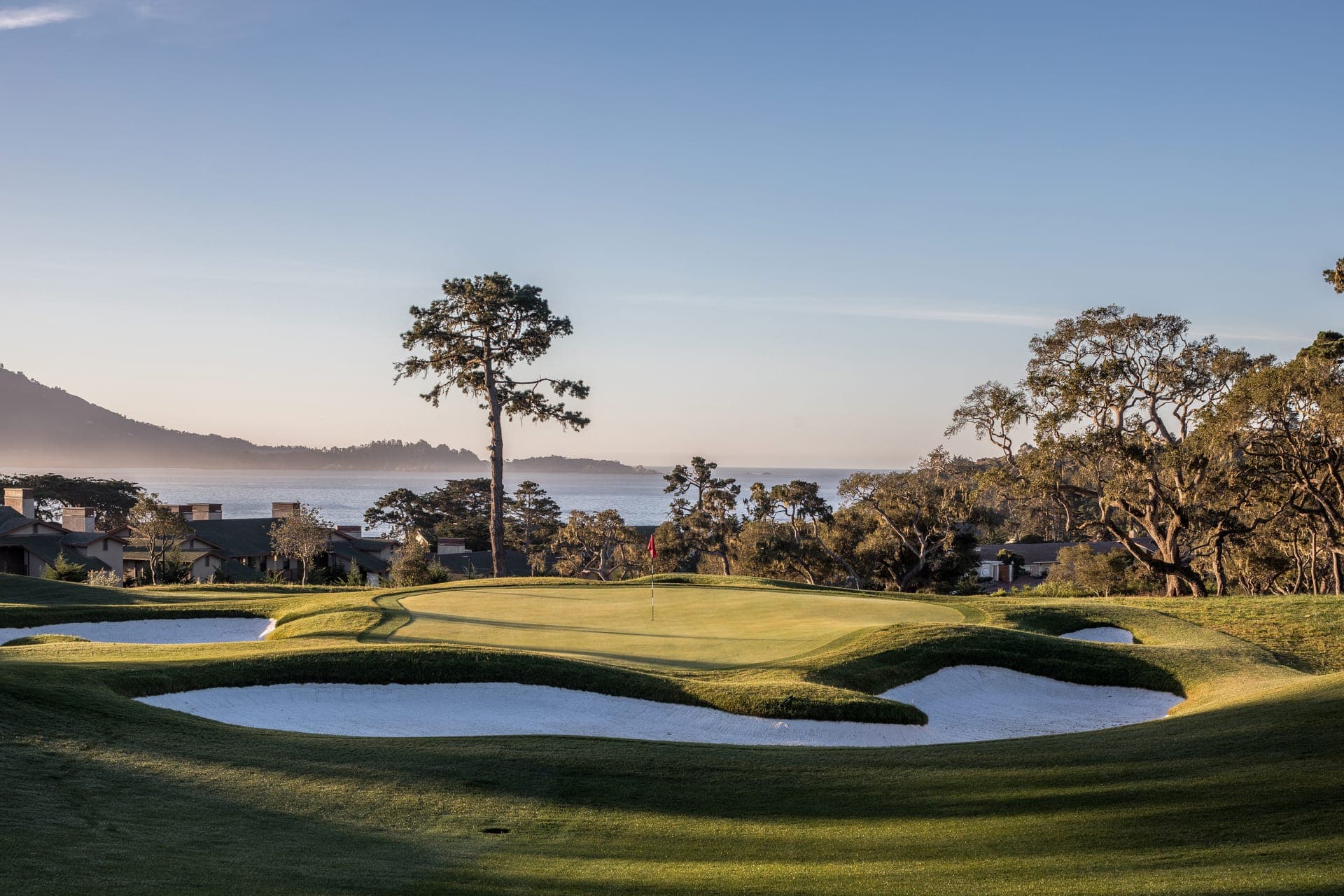
The Hay Short Course
Monterey Peninsula, California
A genuine Tiger Woods design at family-friendly scale, with the same coastal backdrop as the resort’s flagship courses.
ResortTiger Woods (TGR Design)
No booking neededRead more
Premium
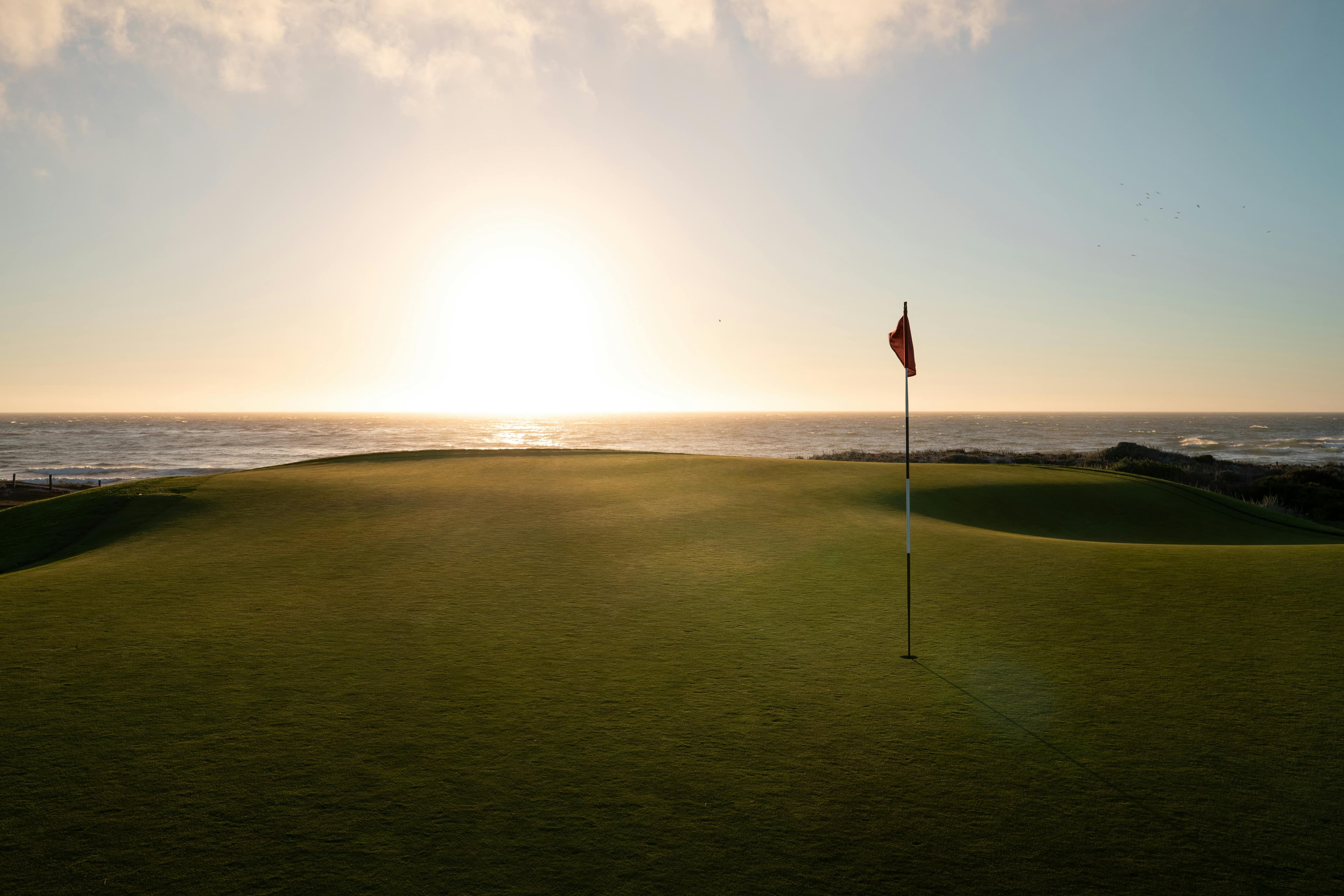
The Links at Spanish Bay
Monterey Peninsula, California
A links course on the Pacific, a bagpiper at sunset, and a Hanse renovation that will redefine it.
From $350ResortRobert Trent Jones Jr., Tom Watson & Sandy Tatum (1987)
PartnerBook tee time
Plan Your Trip
Explore Monterey Peninsula
Full guide: courses, stays, getting there.
Continue →3 Itineraries
Pre-planned trips to Monterey Peninsula.
Continue →Off the Fairway
10 non-golf activities at Monterey Peninsula.
Continue →Some links on this page are affiliate links. If you book through these links, we may earn a small commission at no extra cost to you. This does not influence our editorial recommendations.