Designed by Bill Coore & Ben Crenshaw (2020)
$120–$420
Booking via Direct
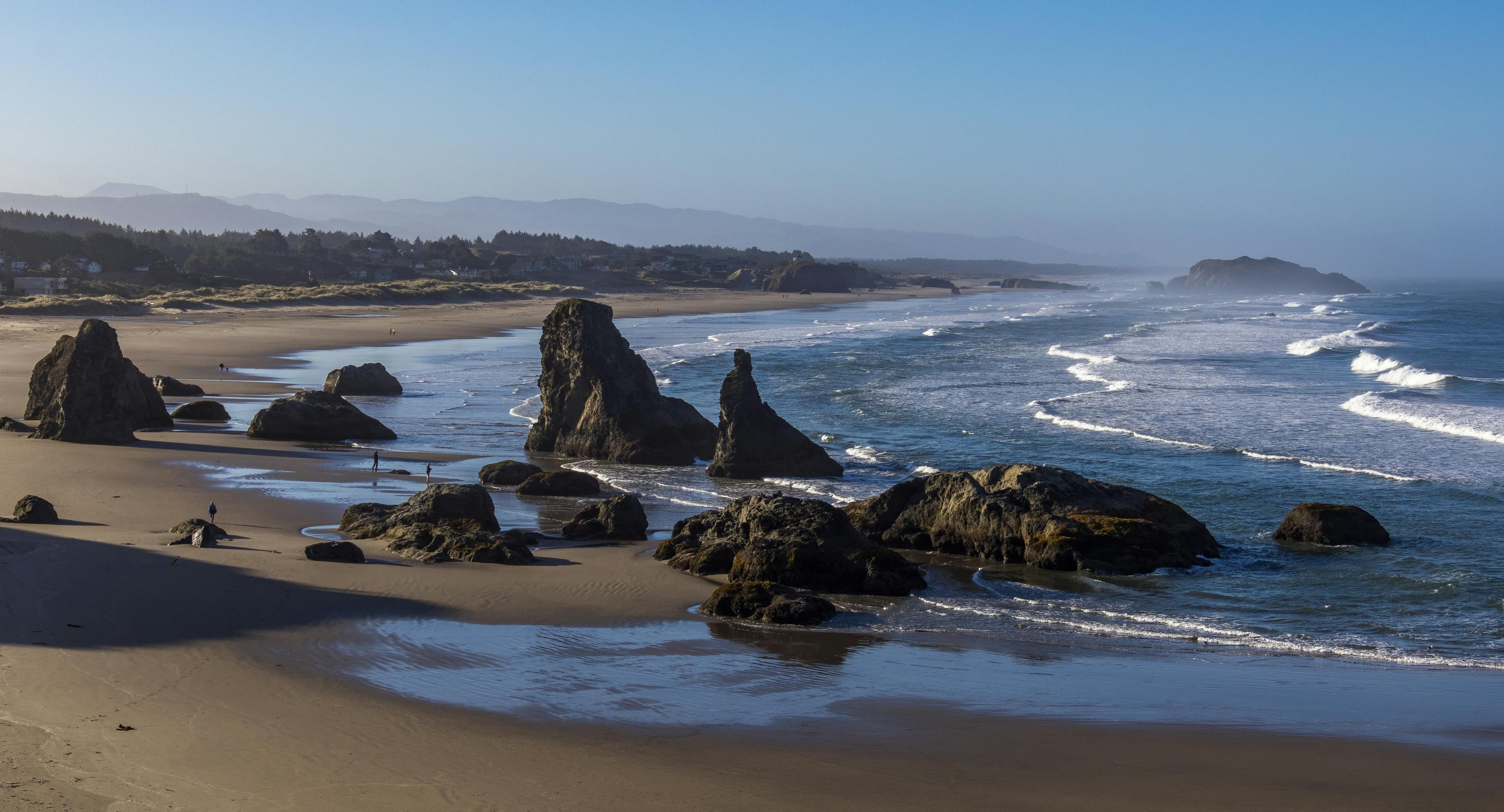
Sheep Ranch is the newest 18-hole course at Bandon Dunes Golf Resort, opened in 2020 by Bill Coore and Ben Crenshaw on an exposed coastal headland north of the main campus. The site had been used informally for years as a rustic 13-hole layout before the full course was commissioned. What Coore and Crenshaw produced is the most elemental golf experience at the resort, and possibly in the country.
What to expect
The defining feature is immediately apparent: there are no sand bunkers. Not one. Across 18 holes and 6,636 yards, the course relies entirely on the natural contours of the land, the firmness of the turf, and the wind to defend par. On a calm day, Sheep Ranch is the most accessible of the five 18-hole courses at Bandon, and the slope of 121 is the lowest on the property by a substantial margin. On a day when the wind comes hard off the Pacific, the slope becomes irrelevant. The headland offers no shelter, no tree line, no break from the gusts. Every shot negotiates the wind.
Coore and Crenshaw moved remarkably little earth. The site's natural dune formations provide the elevation the routing needs. Fairways roll and pitch in a way that makes each stance slightly different from the last. Greens are shaped into natural shelves and bowls, some perched above the approach, others set below, and nearly all offering a ground-game option for the golfer willing to use it. Without bunkers to frame the targets, the greens are defined by their internal contours and the surrounding mounding. The course looks simple and plays with considerable complexity.
The ocean views are continuous. Every hole offers a sightline to the Pacific, and several play directly along the cliff edge. The 3rd and 4th, running along the coastline, would define an entire course elsewhere. At Sheep Ranch they are simply part of the rotation. The routing loops and circles across the headland, changing direction frequently enough that the wind comes from a different angle on nearly every hole.
The par 3s make particularly effective use of the bunkerless philosophy. Greens are defended by slopes that reject inaccurate approaches into hollows and swales from which recovery requires a deft short game. On a conventional course these misses would find sand. Here they find grass on a sidehill lie with the green sloping away. A bunker shot would often be easier.
By the numbers
- Par
- 72
- Yardage
- 6,636
Is it worth the green fee?
At $120 to $420 across the season, Sheep Ranch offers the most distinctive round at Bandon for first-time visitors. It strips links golf to its essential elements: player, ground, weather. If you are choosing a single Bandon course to understand the place, this is the one.
Booking and trip fit
Tee times are available through the booking link on this page. Walking only. Pair with Pacific Dunes and Bandon Dunes itself for the classic three-course visit, with The Punchbowl or Shorty's added in for an evening.
Where to Stay
Accommodations near Sheep Ranch
Inn
Bandon Inn
Bandon, Oregon
A bluff-top perch over Old Town Bandon at the lowest nightly rate that still delivers a sense of place.
From $106/nightBandon Dunes Golf Resort (~10 min drive)
Direct websiteVisit website

Inn
Best Western Inn at Face Rock
Bandon, Oregon
The strongest mid-range option near the resort, with beach access and savings that compound over a multi-night stay.
From $135/nightBandon Dunes Golf Resort (~10 min drive, ~6 miles)
ExpediaCheck availability
Vacation Rental
Chrome Lake Cottages
Bandon, Oregon
Lakeside seclusion and extra space for groups who prefer quiet over the Lodge's central bustle.
From $170/nightOn-site golf
Direct websiteVisit website
Vacation Rental
Grove Cottages
Bandon, Oregon
Four-bedroom cottages built for the group trip, where the living room becomes the nineteenth hole.
From $300/nightOn-site golf
Direct websiteVisit website
Compare all stays near Sheep Ranch
Live prices from Booking.com, Expedia and more — every nearby hotel and rental in one search.
Prices and availability from Booking.com, Expedia and others via Stay22. GolfTrailsHQ may earn a commission at no additional cost to you.
Other Courses Nearby
Bucket List
Bandon Dunes
Bandon, Oregon
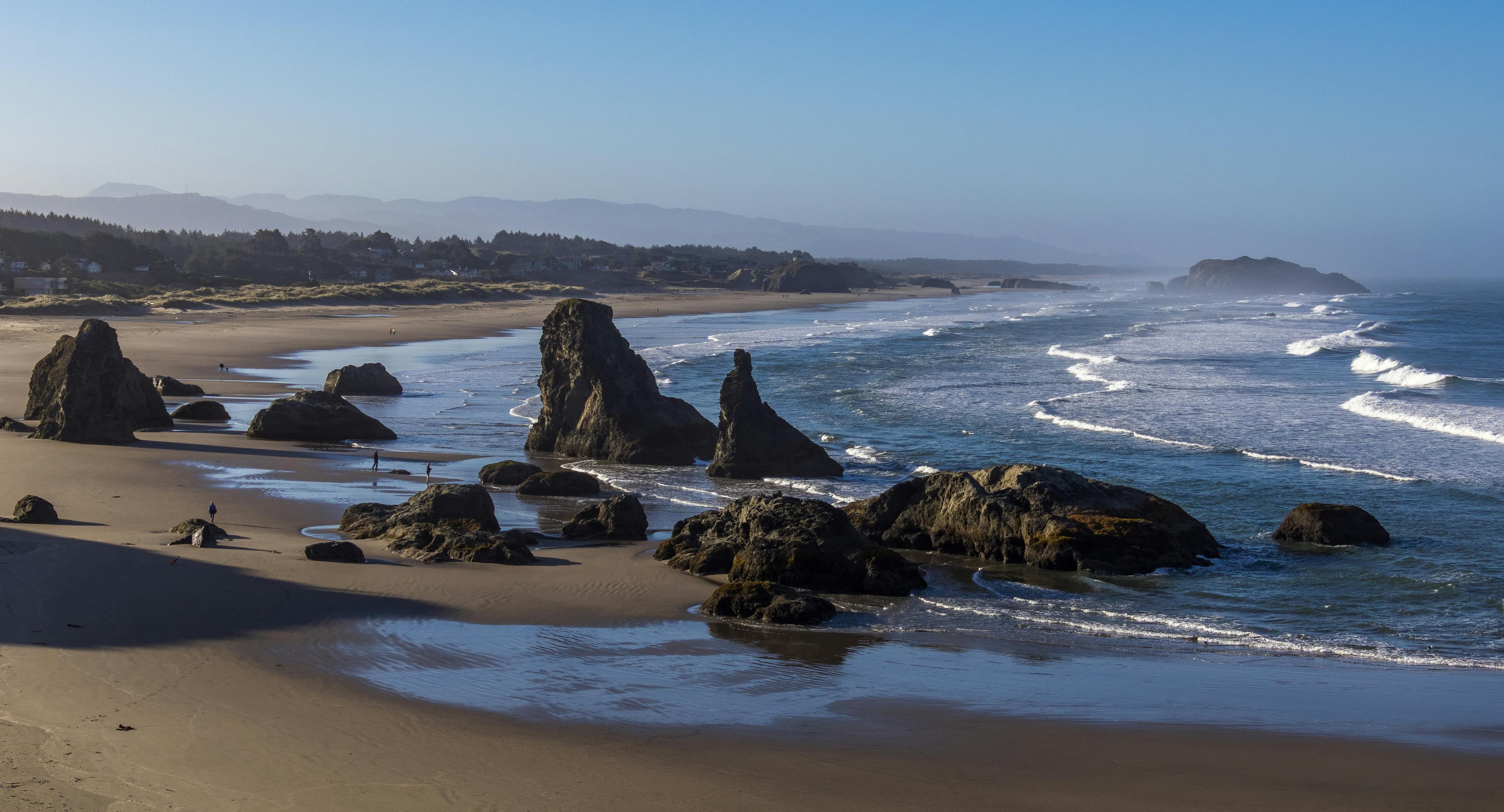
The original. The course that proved links golf could work in America.
$120–$420ResortDavid McLay Kidd (1999)
PartnerBook tee time
Hidden Value
Bandon Preserve
Bandon, Oregon
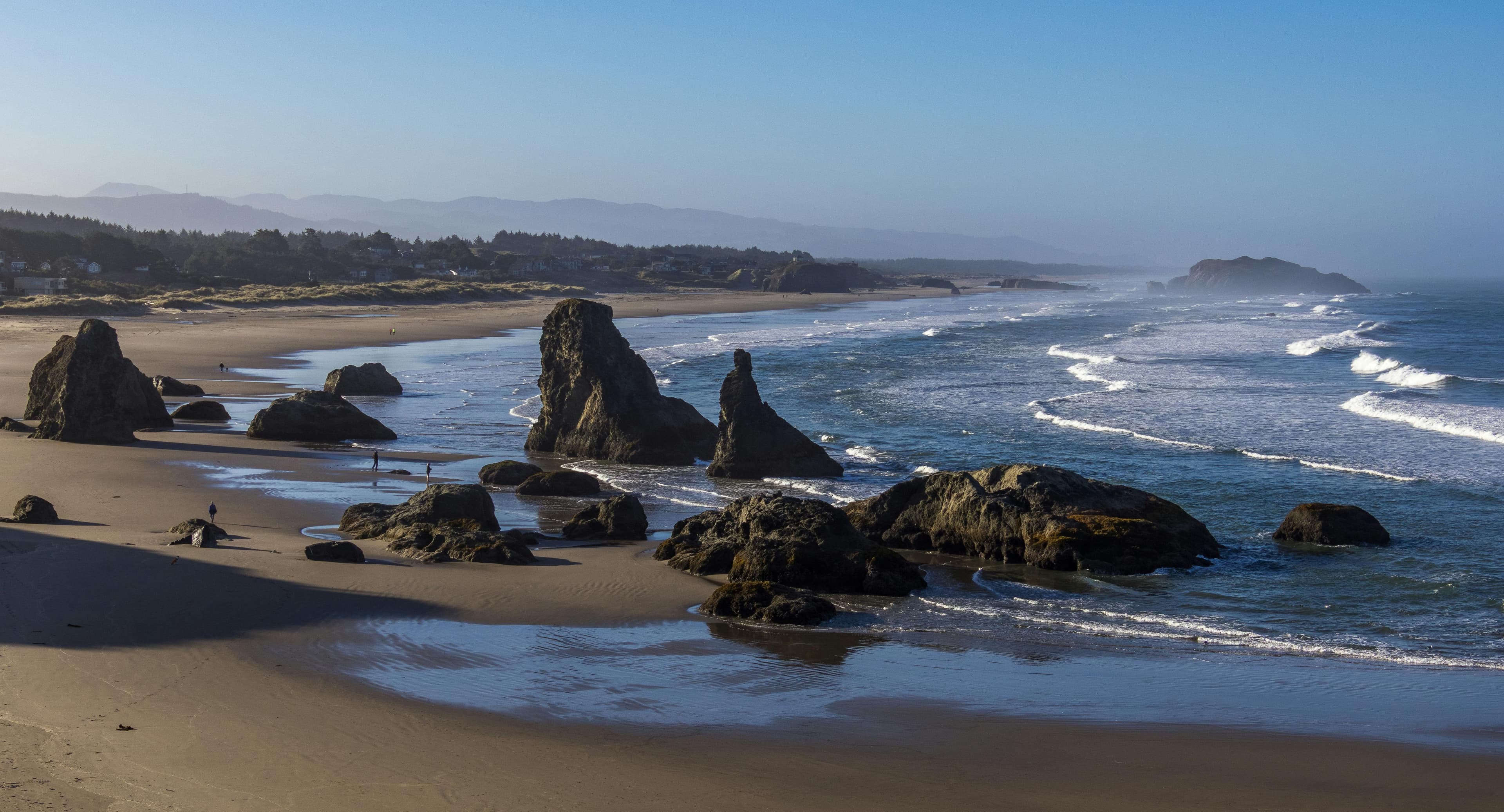
Thirteen par 3s on high ground between the ocean and the forest. Net proceeds go to charity.
$60–$125ResortBill Coore & Ben Crenshaw (2012)
PartnerBook tee time
Premium
Bandon Trails
Bandon, Oregon
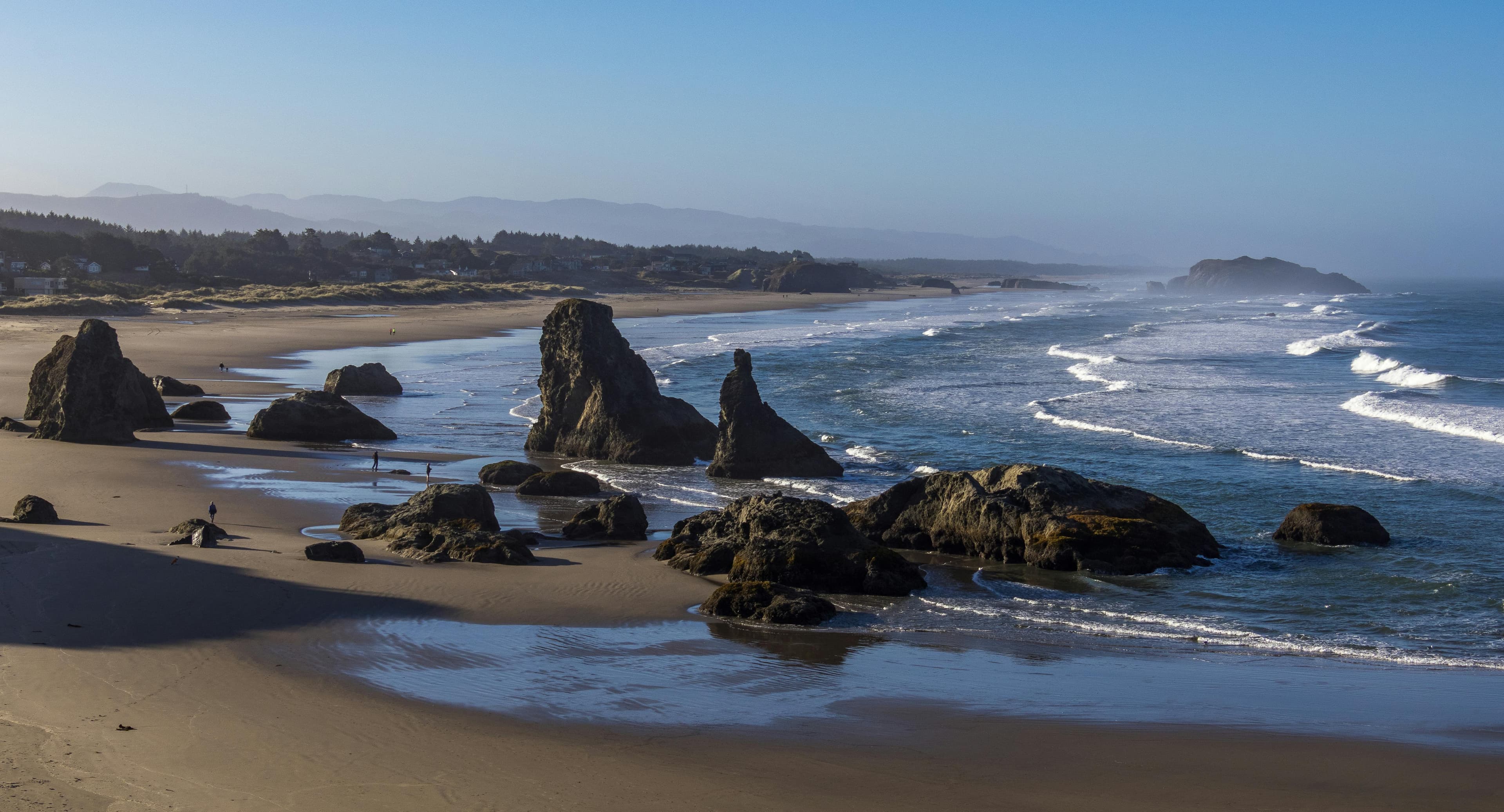
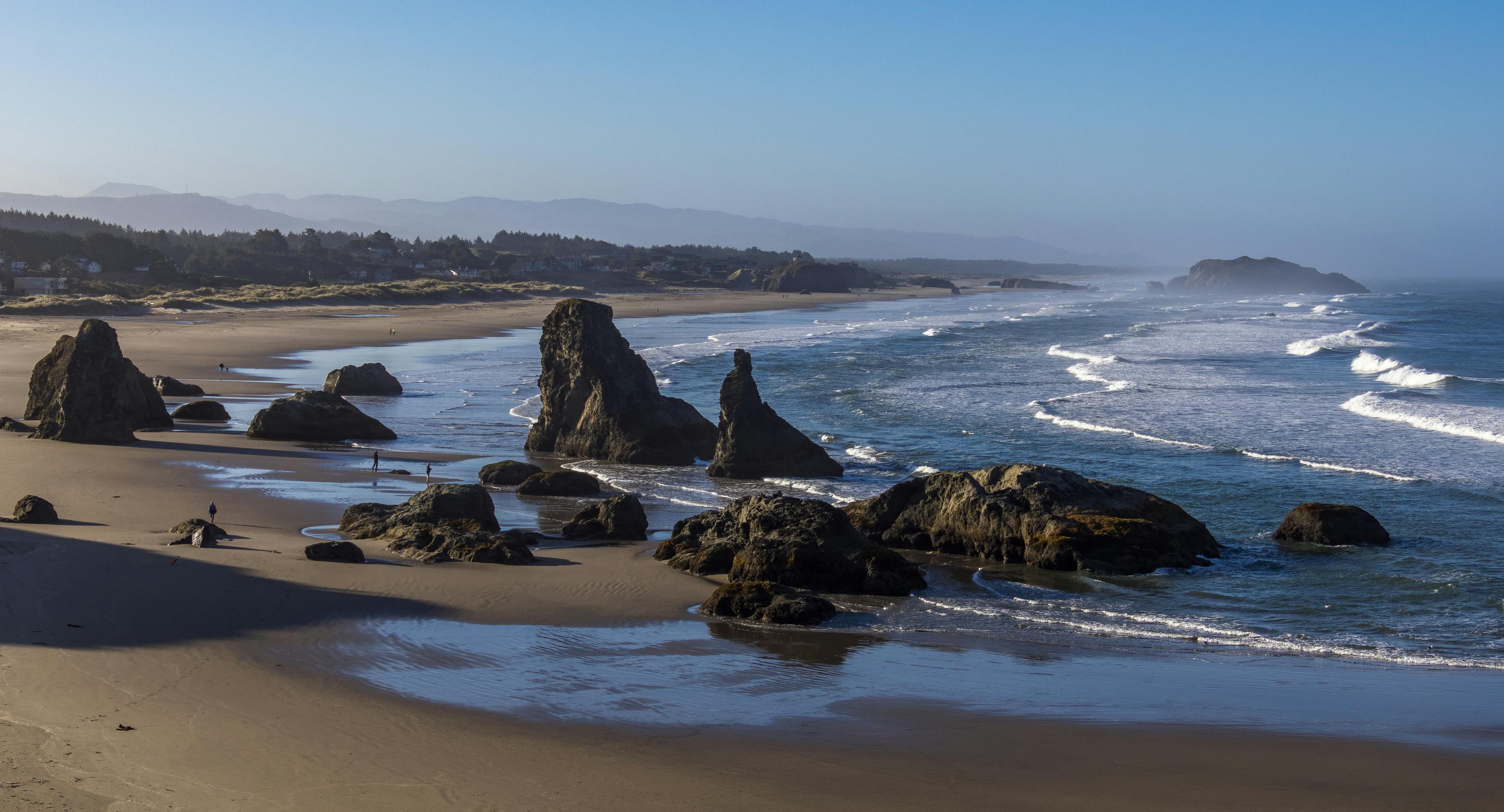
The inland outlier that may be the most interesting walk on the property.
$120–$420ResortBill Coore & Ben Crenshaw (2005)
PartnerBook tee time
Premium
Old Macdonald
Bandon, Oregon
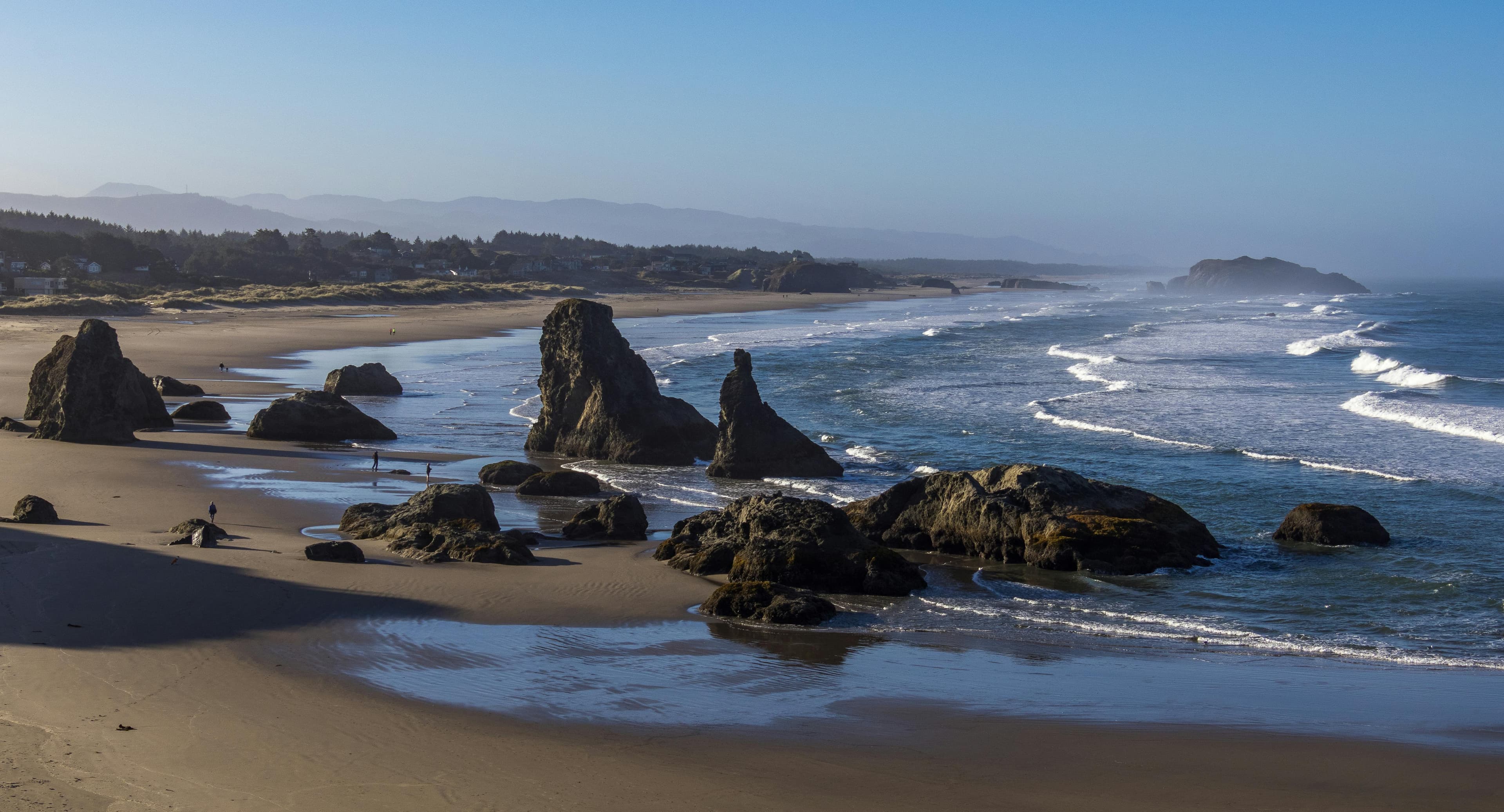
A tribute to the father of American golf architecture, built with greens large enough to land a small aircraft.
$120–$420ResortTom Doak & Jim Urbina (2010)
PartnerBook tee time
Bucket List
Pacific Dunes
Bandon, Oregon
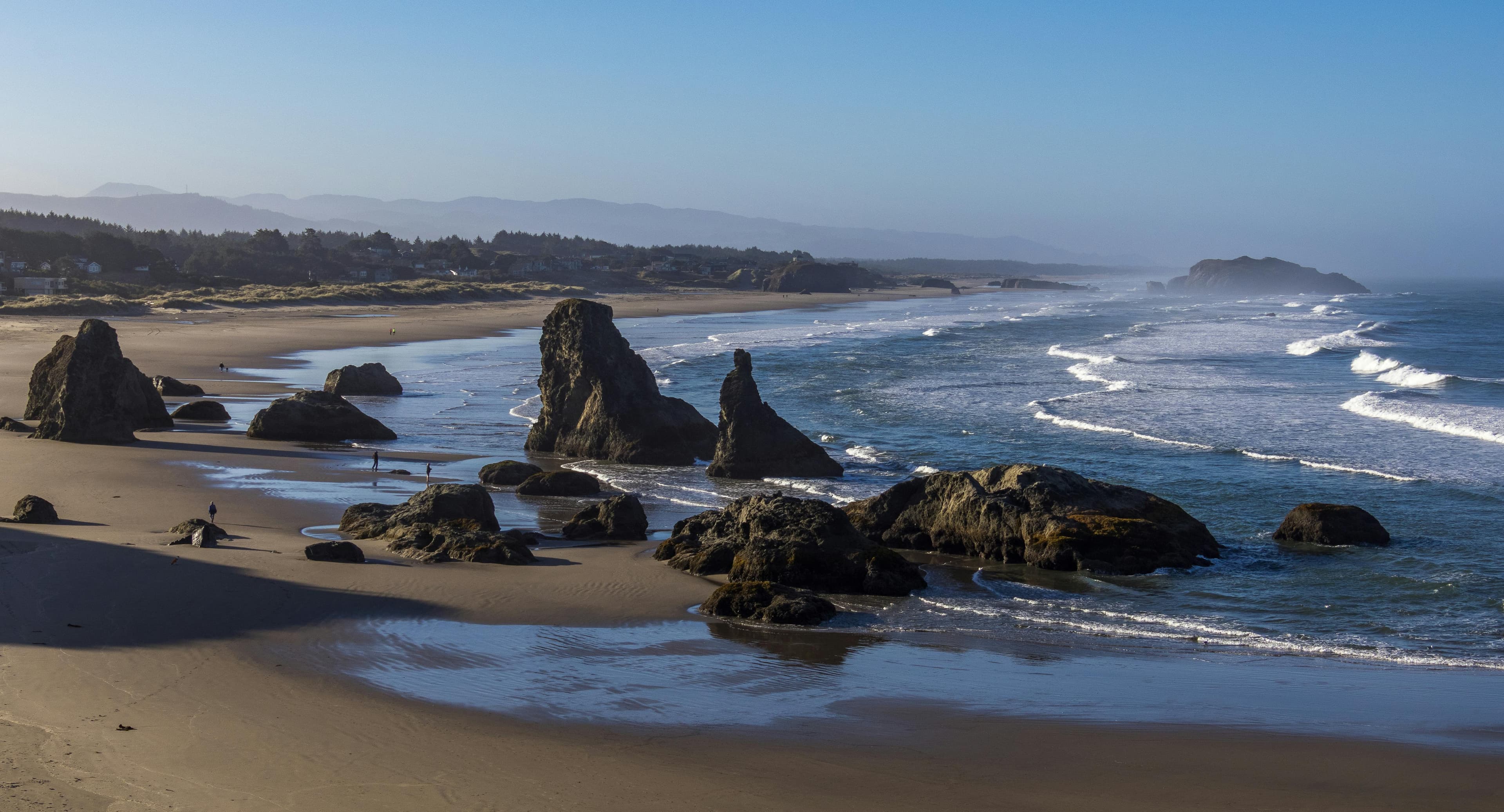
Eleven holes with ocean views, all of them earned on foot.
$120–$420ResortTom Doak (2001)
PartnerBook tee time
Hidden Value
Shorty's
Bandon, Oregon
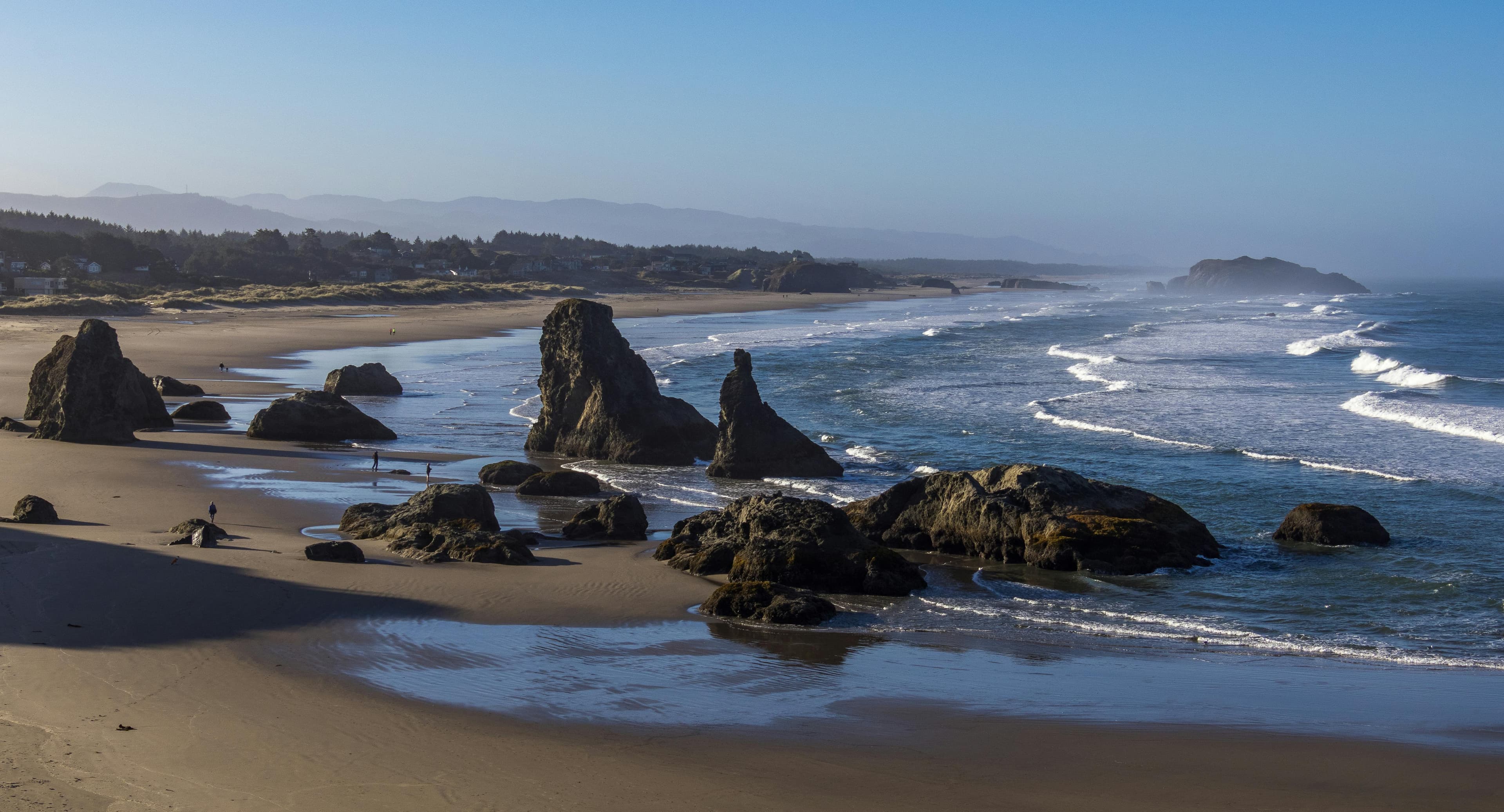
Nineteen par 3s from 60 to 160 yards. The resort's seventh course and newest reason to stay an extra day.
$60–$125ResortRod Whitman, Dave Axland & Keith Cutten (2024)
PartnerBook tee time
Hidden Value
The Punchbowl
Bandon, Oregon
Two acres of putting contours inspired by the Himalayas at St. Andrews. Free for resort guests.
ResortTom Doak & Jim Urbina (2014)
PartnerBook tee time
Plan Your Trip
Explore Bandon
Full guide: courses, stays, getting there.
Continue →3 Itineraries
Pre-planned trips to Bandon.
Continue →Off the Fairway
10 non-golf activities at Bandon.
Continue →Some links on this page are affiliate links. If you book through these links, we may earn a small commission at no extra cost to you. This does not influence our editorial recommendations.