 Pin it
Old Macdonald
A tribute to the father of American golf architecture, built with greens large enough to land a small aircraft.
Designed by Tom Doak & Jim Urbina (2010)
$120–$420
Booking via Direct
Old Macdonald is the Tom Doak and Jim Urbina course at Bandon Dunes Golf Resort, designed as a tribute to Charles Blair Macdonald, the pioneering architect who imported strategic hole concepts from Scotland and England and adapted them for American soil in the early twentieth century. The course opened in 2010 as the fourth 18-hole layout at the resort, and it is the most intellectually demanding round on the property.
What to expect
Macdonald's legacy rests on his template holes: the Redan, the Biarritz, the Alps, the Cape, the Eden, the Short. Each template embodies a specific strategic concept. The Redan presents a green angled away from the line of play with a false front that rejects anything short or right. The Biarritz features a long, narrow green bisected by a deep swale. These are puzzles that require you to recognise the template, understand its intent, and execute the shot it rewards.
At 6,944 yards from the tips and par 71, Old Macdonald is the longest course at Bandon Dunes. The slope of 131 is lower than Pacific Dunes or Bandon Dunes, a paradox explained by the wide fairways and sheer size of the greens; several putting surfaces exceed 10,000 square feet. Finding the green is not the challenge. Finding the correct sector, the one with a realistic birdie putt rather than a 60-foot lag, is where Old Macdonald separates the thoughtful player from the merely accurate one.
The bunkering is the most aggressive at the resort. Deep pot bunkers guard strategic positions around the greens and along the fairways. Unlike Sheep Ranch, Old Macdonald uses its bunkers as signposts that tell you where the architect does not want you.
The par 3s are the showcase. The 5th is a Redan, angled right-to-left with a collection area left of the green; the shot to play is a low draw that lands short and right and feeds across the natural tilt. The 15th is a Biarritz with a green well over 100 feet deep, divided by a pronounced swale.
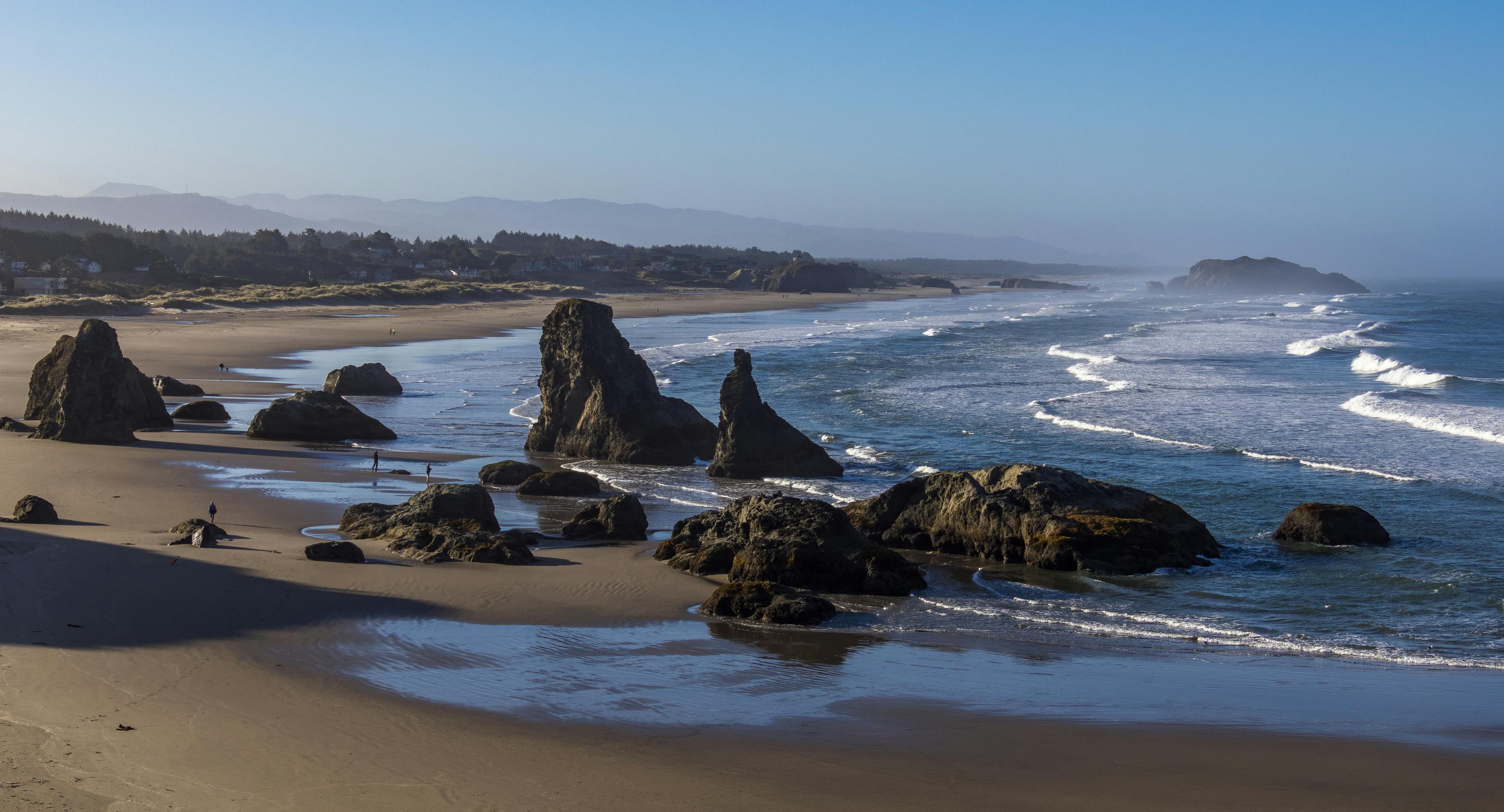
Old Macdonald sits slightly inland, which reduces the ocean presence but allows for the expansive scale the template concept requires. On a calm day, this plays as the most accessible of the resort's championship courses. On a windy day, the enormous greens and fierce bunkering expose flaws in strategic thinking.
By the numbers
- Par
- 71
- Yardage
- 6,944
Is it worth the green fee?
Resort guest peak pricing runs to $420, with a low of $120 outside peak. Within the Bandon Dunes resort context, the question is which courses to play and how many, not whether any individual round justifies the fee.
Booking and trip fit
Book direct through the resort. For the golfer who views course architecture as a subject worth studying, Old Macdonald is the most rewarding round at Bandon Dunes. What it offers is a conversation with the history of golf design, conducted on Oregon linksland by two architects who understood the source material deeply enough to reinterpret it without diminishing it. Pair it with Pacific Dunes, Bandon Dunes, Bandon Trails, and Sheep Ranch for the full multi-course experience, and use Bandon Preserve, The Punchbowl, or Shorty's between rounds.
Where to Stay
Accommodations near Old Macdonald
Inn
Bandon Inn
Bandon, Oregon
A bluff-top perch over Old Town Bandon at the lowest nightly rate that still delivers a sense of place.
From $106/nightBandon Dunes Golf Resort (~10 min drive)
Direct websiteVisit website

Inn
Best Western Inn at Face Rock
Bandon, Oregon
The strongest mid-range option near the resort, with beach access and savings that compound over a multi-night stay.
From $135/nightBandon Dunes Golf Resort (~10 min drive, ~6 miles)
ExpediaCheck availability
Vacation Rental
Chrome Lake Cottages
Bandon, Oregon
Lakeside seclusion and extra space for groups who prefer quiet over the Lodge's central bustle.
From $170/nightOn-site golf
Direct websiteVisit website
Vacation Rental
Grove Cottages
Bandon, Oregon
Four-bedroom cottages built for the group trip, where the living room becomes the nineteenth hole.
From $300/nightOn-site golf
Direct websiteVisit website
Compare all stays near Old Macdonald
Live prices from Booking.com, Expedia and more — every nearby hotel and rental in one search.
Prices and availability from Booking.com, Expedia and others via Stay22. GolfTrailsHQ may earn a commission at no additional cost to you.
Other Courses Nearby
Bucket List
Bandon Dunes
Bandon, Oregon
The original. The course that proved links golf could work in America.
$120–$420ResortDavid McLay Kidd (1999)
PartnerBook tee time
Hidden Value
Bandon Preserve
Bandon, Oregon
Thirteen par 3s on high ground between the ocean and the forest. Net proceeds go to charity.
$60–$125ResortBill Coore & Ben Crenshaw (2012)
PartnerBook tee time
Premium
Bandon Trails
Bandon, Oregon
The inland outlier that may be the most interesting walk on the property.
$120–$420ResortBill Coore & Ben Crenshaw (2005)
PartnerBook tee time
Bucket List
Pacific Dunes
Bandon, Oregon
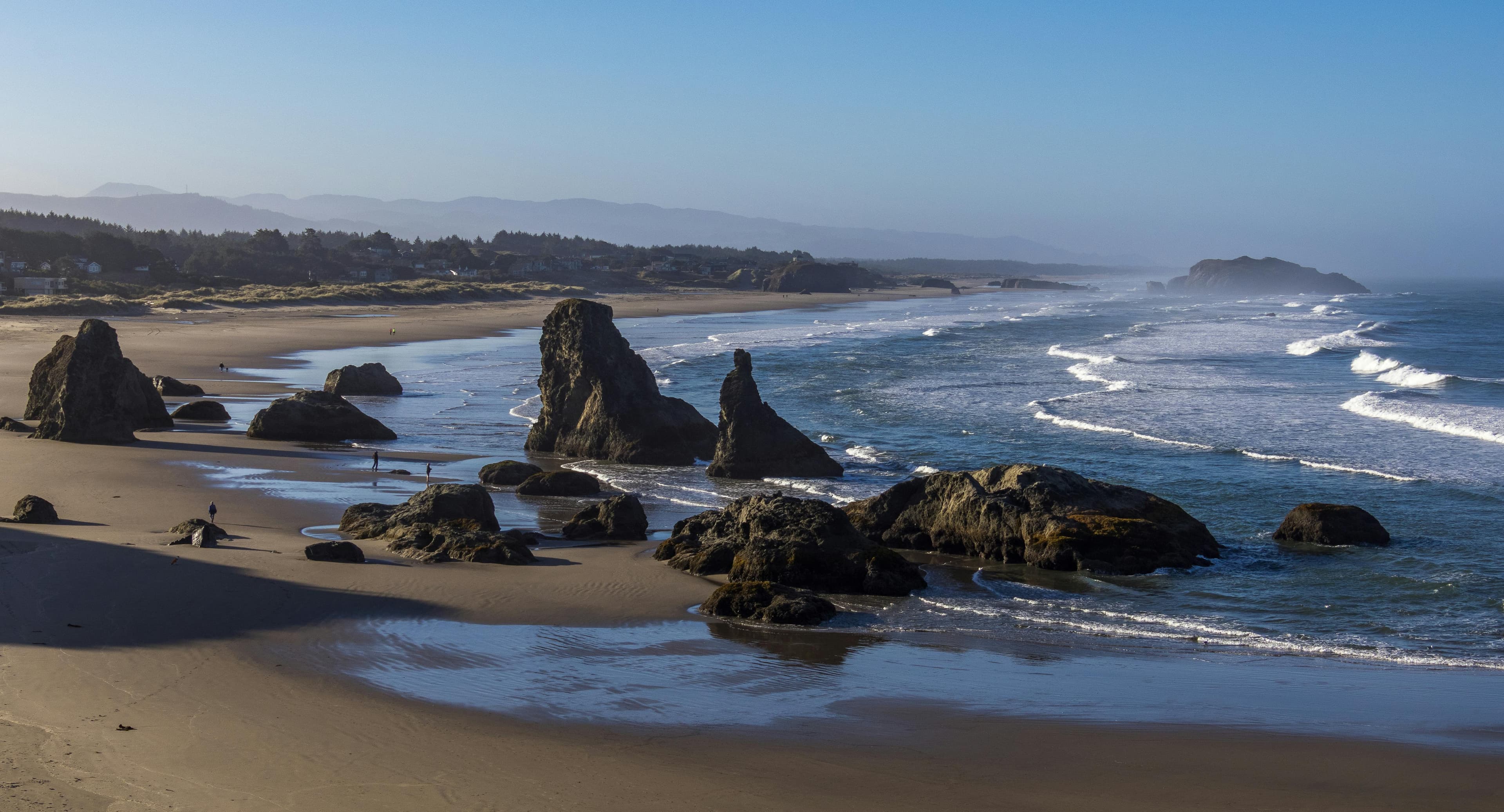
Eleven holes with ocean views, all of them earned on foot.
$120–$420ResortTom Doak (2001)
PartnerBook tee time
Bucket List
Sheep Ranch
Bandon, Oregon
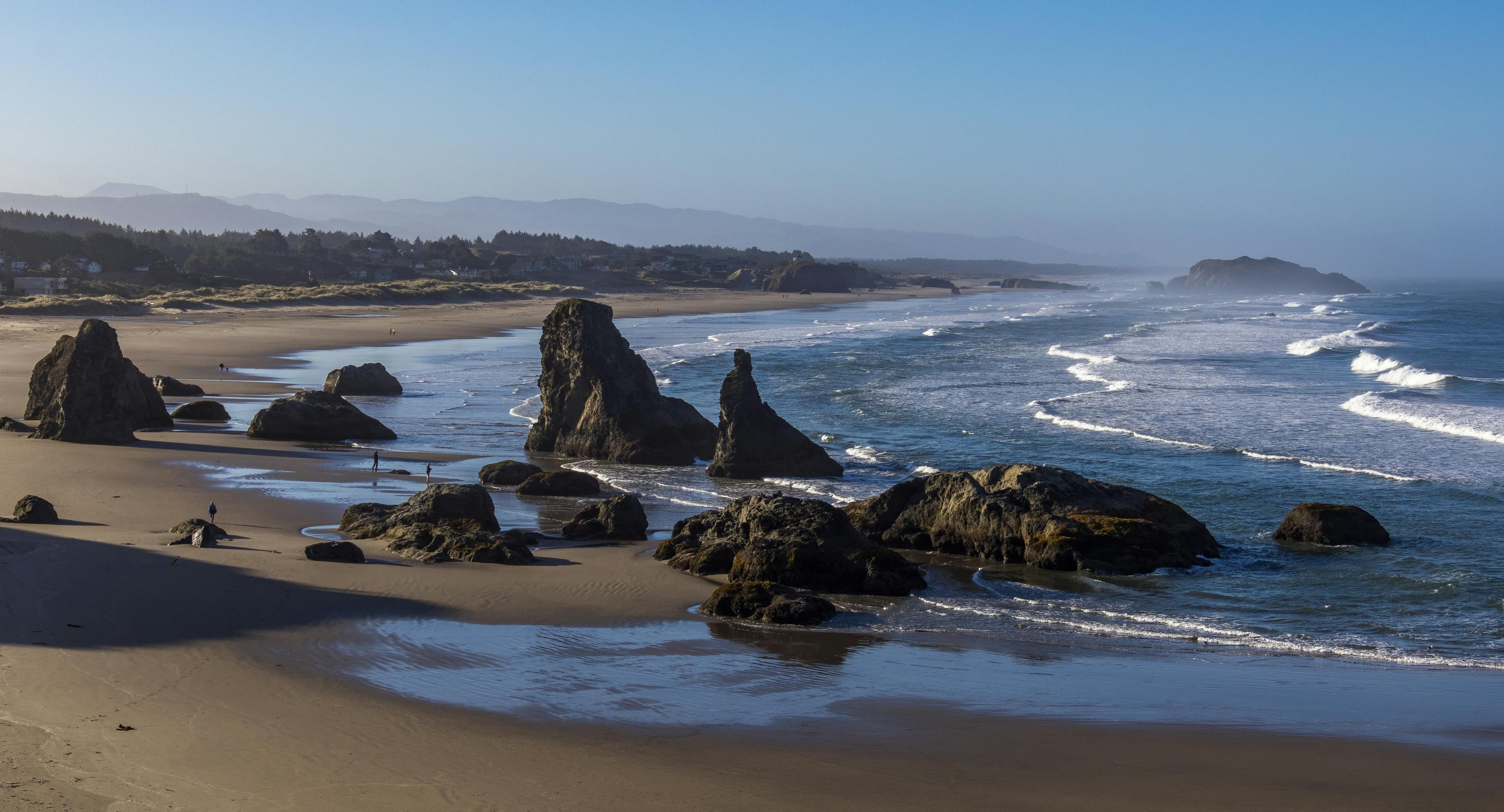
No bunkers. Every hole with an ocean view. The wind does the rest.
$120–$420ResortBill Coore & Ben Crenshaw (2020)
PartnerBook tee time
Hidden Value
Shorty's
Bandon, Oregon
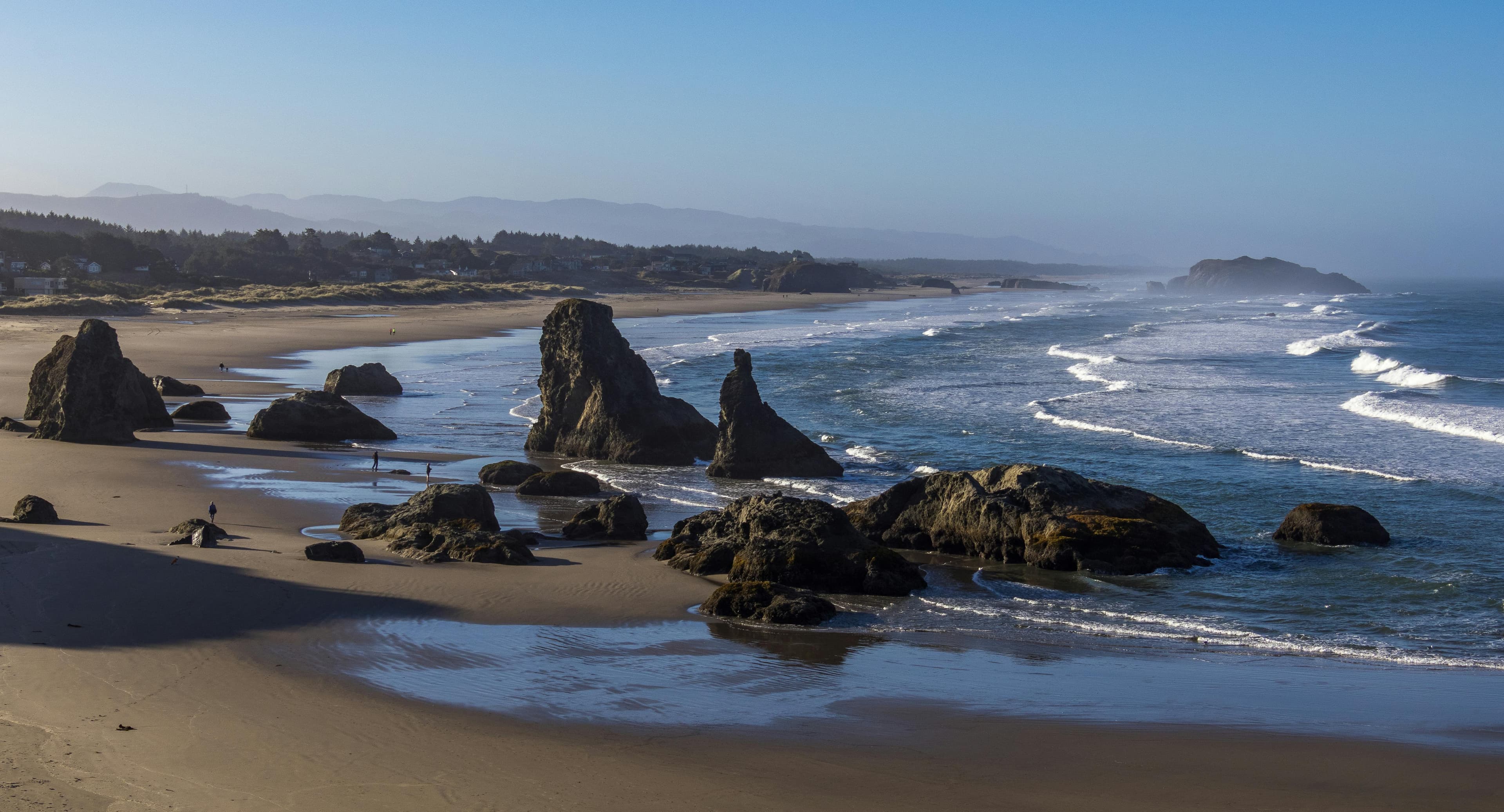
Nineteen par 3s from 60 to 160 yards. The resort's seventh course and newest reason to stay an extra day.
$60–$125ResortRod Whitman, Dave Axland & Keith Cutten (2024)
PartnerBook tee time
Hidden Value
The Punchbowl
Bandon, Oregon
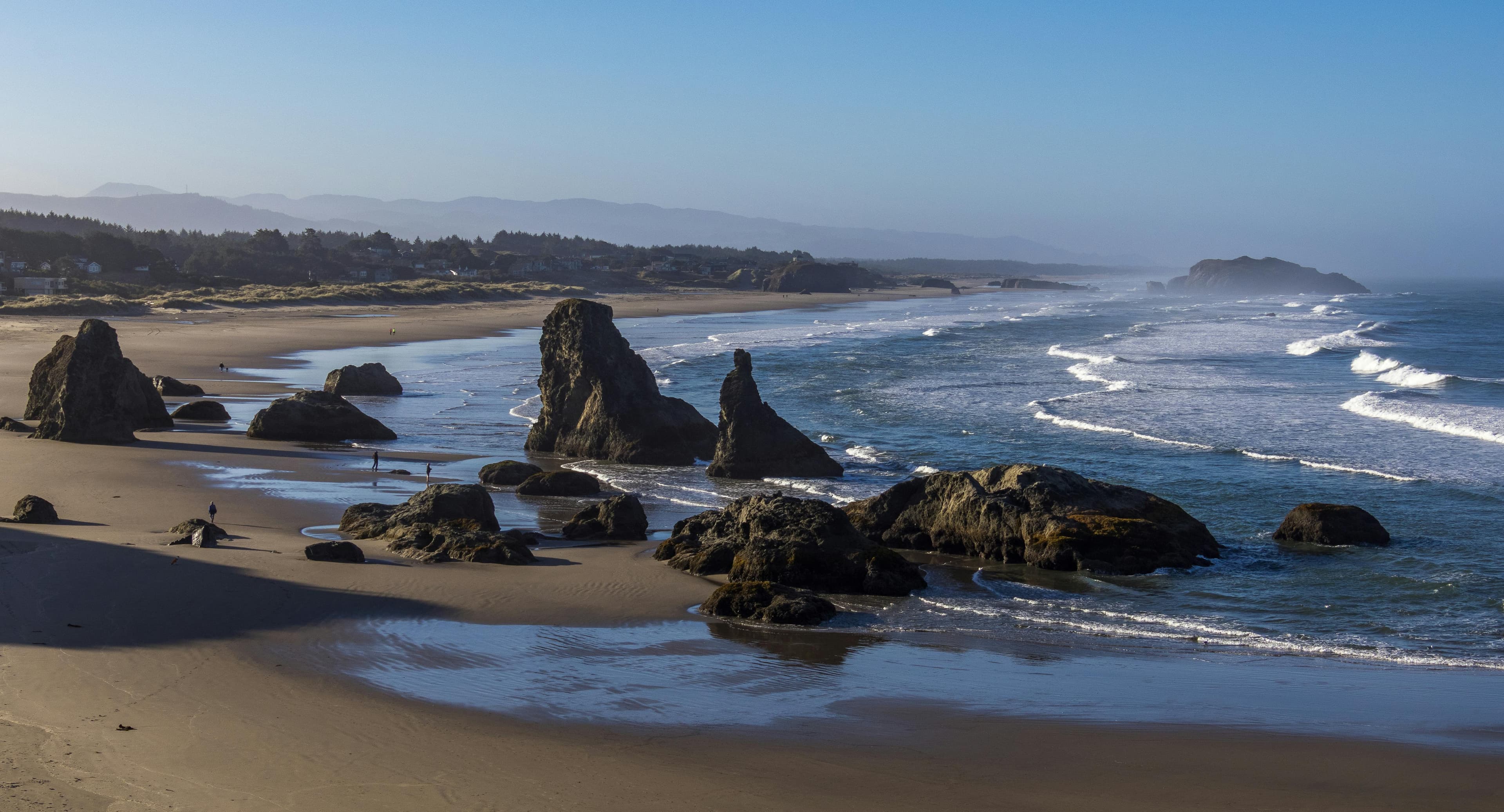
Two acres of putting contours inspired by the Himalayas at St. Andrews. Free for resort guests.
ResortTom Doak & Jim Urbina (2014)
PartnerBook tee time
Plan Your Trip
Explore Bandon
Full guide: courses, stays, getting there.
Continue →3 Itineraries
Pre-planned trips to Bandon.
Continue →Off the Fairway
10 non-golf activities at Bandon.
Continue →Some links on this page are affiliate links. If you book through these links, we may earn a small commission at no extra cost to you. This does not influence our editorial recommendations.