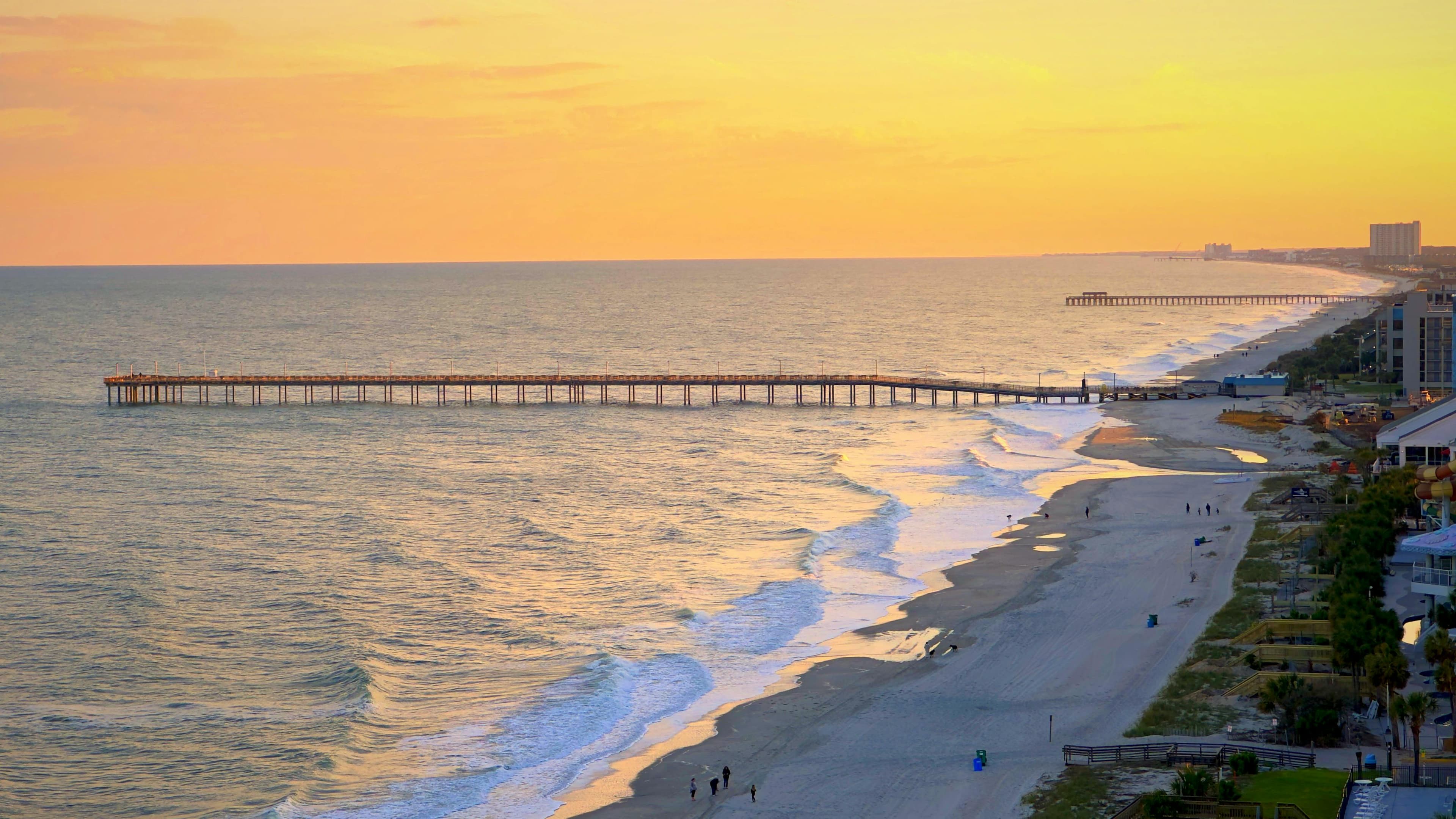
Designed by Tim Cate (1999)
$80–$206
Booking via GolfNow
Thistle is a 27-hole Tim Cate design in Sunset Beach, North Carolina, with three Scottish-inflected nines that combine in any order for genuine replay variety. The complex sits about 40 minutes north of central Myrtle Beach, just over the state line, and Cate built it in 1999 with open sightlines, light tree coverage, and pot bunkers that look more like the British Isles than the Grand Strand mainstream.
The three nines are named Cameron, MacKay, and Stewart. You can pair any two for an 18-hole round, which gives you six possible routings across a return visit and meaningful difficulty differences between combinations. Cameron-Stewart is the most challenging pairing. MacKay-Stewart is the most forgiving.
What to expect
From the back, the course stretches to 7,000 yards, but you'll have a better afternoon from the middle tees at roughly 6,400. Slope ratings vary from 127 to 137 depending on the combination, which is unusual honesty about how different the three nines actually play.
Cameron is generally considered the strongest of the three, with par fours that demand precise tee shots into fairways shaped by waste bunkers and native grass. MacKay carries the most dramatic water hazards, including a peninsula green on the seventh that creates a real risk-reward decision. Stewart shifts between open and wooded holes from one to the next.
Cate's pot bunkers are smaller and deeper than the broad, shallow bunkering typical of Southeastern resort golf. They punish specific miss positions and demand a recovery technique that many American golfers only encounter at courses like this one. Conditioning is consistent with the price point: greens roll well, fairways are full, and the waste areas stay rough enough to feel like hazards without becoming unkempt.
By the numbers
- Par
- 72
- Yardage
- 6,616
Is it worth the green fee?
Green fees range from $80 to $206, with the upper end reflecting peak-season weekend rates and the lower end available on weekday afternoons and shoulder periods. The pricing rewards flexibility, and the 27-hole format means tee time availability tends to be better than at single-18 facilities during busy weeks.
For the price, you're getting a design sensibility that genuinely stands apart from what you'll find on a typical Myrtle Beach package. If you book strategically, this is one of the smarter mid-range plays north of the strip.
Booking and trip fit
Tee times are available through the booking link on this page. The Sunset Beach location places Thistle in the same orbit as Crow Creek and the Calabash seafood corridor, so it pairs naturally with the northern end of the Grand Strand. Groups based in central Myrtle Beach should expect about 40 minutes each way.
For a multi-day rotation, slot Thistle alongside Tidewater, the Barefoot Resort courses, or TPC Myrtle Beach for a sampling of the upper-mid tier without repeating an architectural voice.
Where to Stay
Accommodations near Thistle Golf Club

Resort
ExpediaCheck availability
Vacation Rental
Barefoot Resort & Golf (Villas)
Myrtle Beach, South Carolina
Barefoot Resort & Golf (Villas)
From $150/nightOn-site golf
Direct websiteVisit website

Hotel
ExpediaCheck availability
Hotel
ExpediaCheck availability
Compare all stays near Thistle Golf Club
Live prices from Booking.com, Expedia and more — every nearby hotel and rental in one search.
Prices and availability from Booking.com, Expedia and others via Stay22. GolfTrailsHQ may earn a commission at no additional cost to you.
Other Courses Nearby
Mid-Range
Arcadian Shores Golf Club
Myrtle Beach, South Carolina
Rees Jones's mature tree-lined layout, quietly aging into its best version.
$60–$100PublicRees Jones (1974)
GolfNowBook tee time
Premium
Barefoot Resort — Dye Course
Myrtle Beach, South Carolina
Pete Dye's contribution to Barefoot Resort: the longest, hardest, and most polarizing of the four courses.
$90–$168ResortPete Dye (2000)
GolfNowBook tee time
Premium
Barefoot Resort — Fazio Course
Myrtle Beach, South Carolina
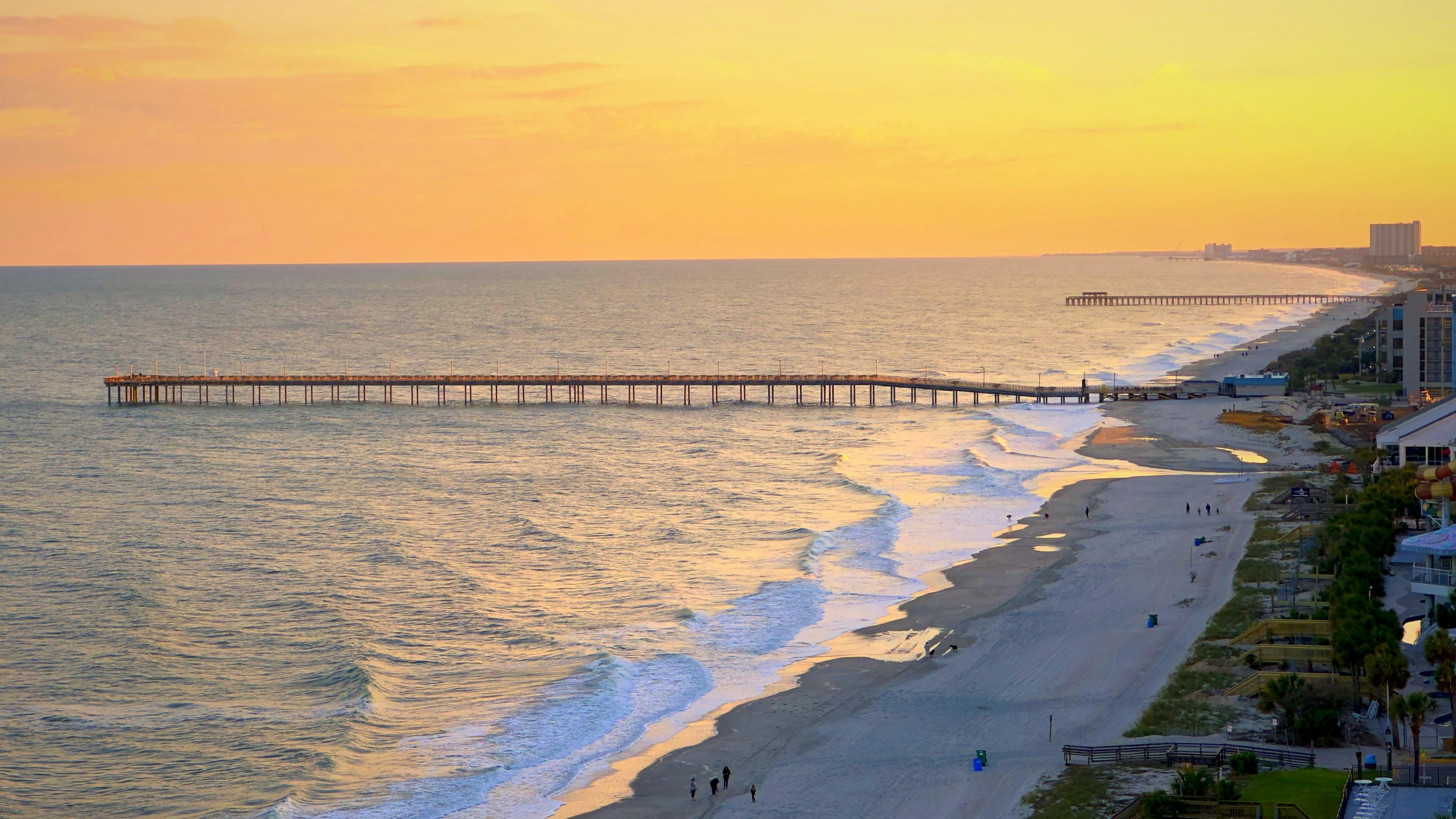
The most visually refined of Barefoot's four courses, built by Fazio through pines, lakes, and waste bunkers.
$90–$168ResortTom Fazio (1999)
GolfNowBook tee time
Premium
Barefoot Resort — Love Course
Myrtle Beach, South Carolina
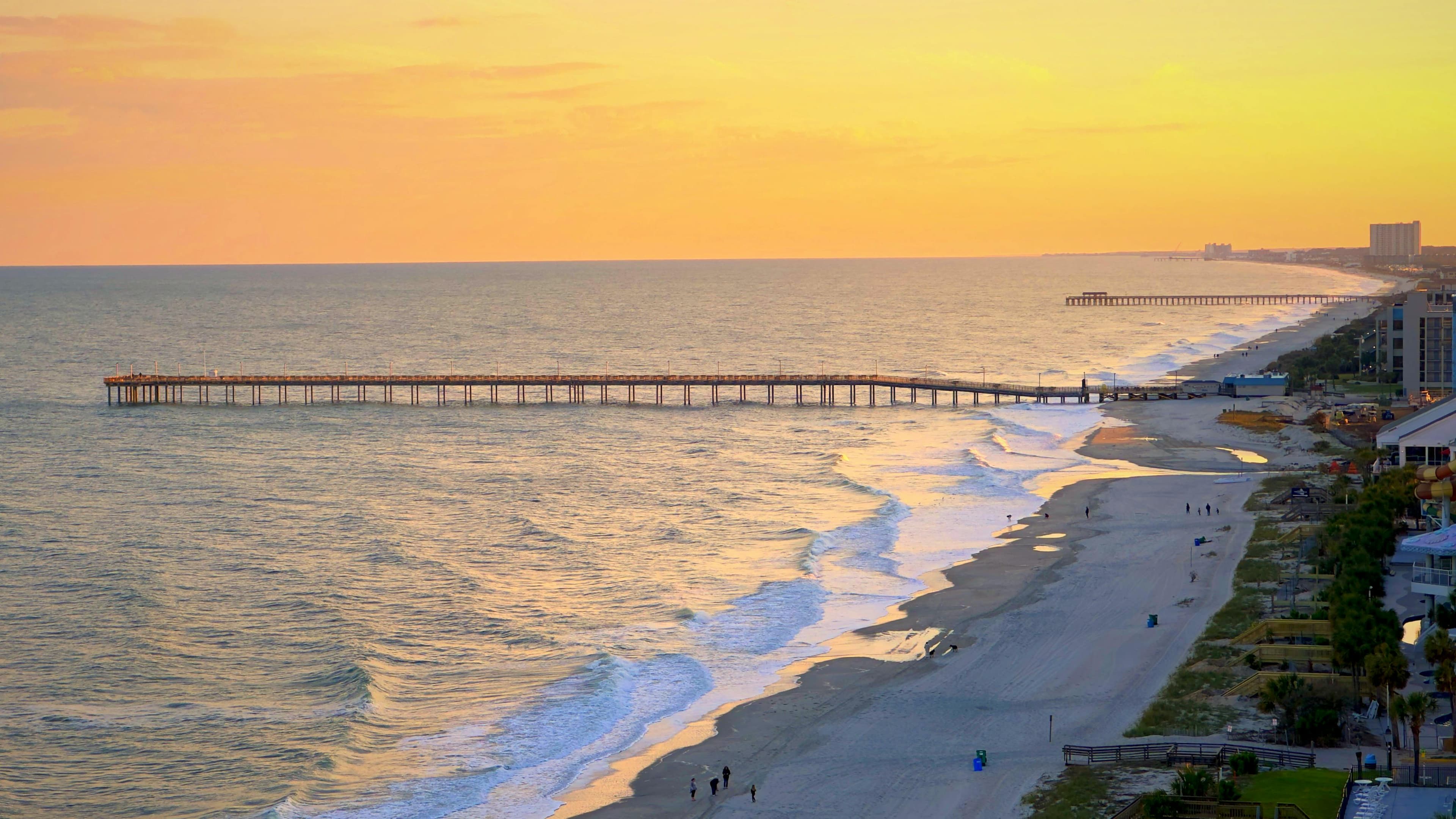
Davis Love III's most playable design at Barefoot, routed through Lowcountry wetlands and live oaks.
$90–$168ResortDavis Love III (2000)
GolfNowBook tee time
Premium
Barefoot Resort — Norman Course
Myrtle Beach, South Carolina
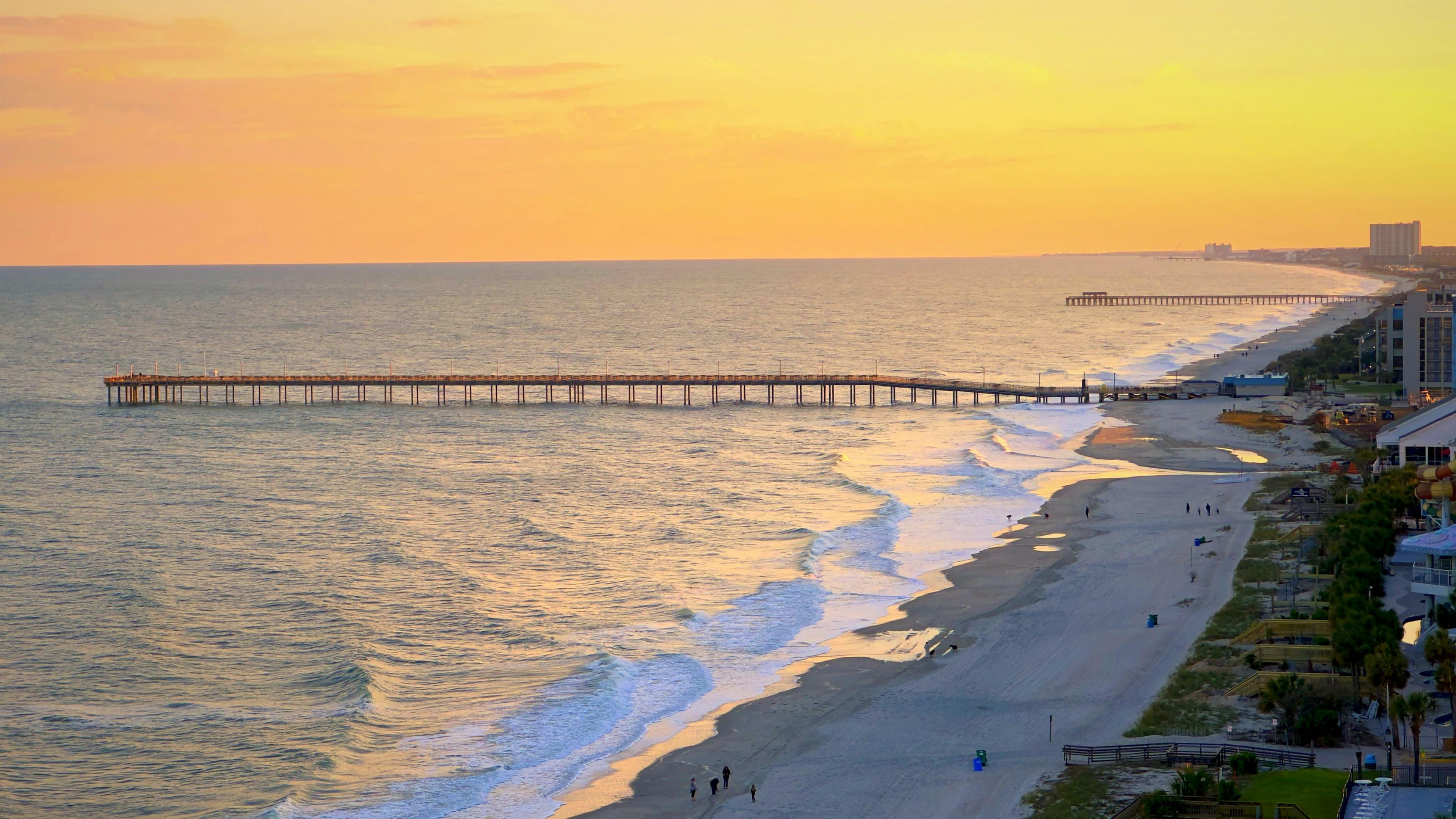
Australian links influences transplanted to the Carolina Lowcountry, with greens built for ground-game creativity.
$90–$168ResortGreg Norman (2000)
GolfNowBook tee time
Hidden Value
Beachwood Golf Course
Myrtle Beach, South Carolina
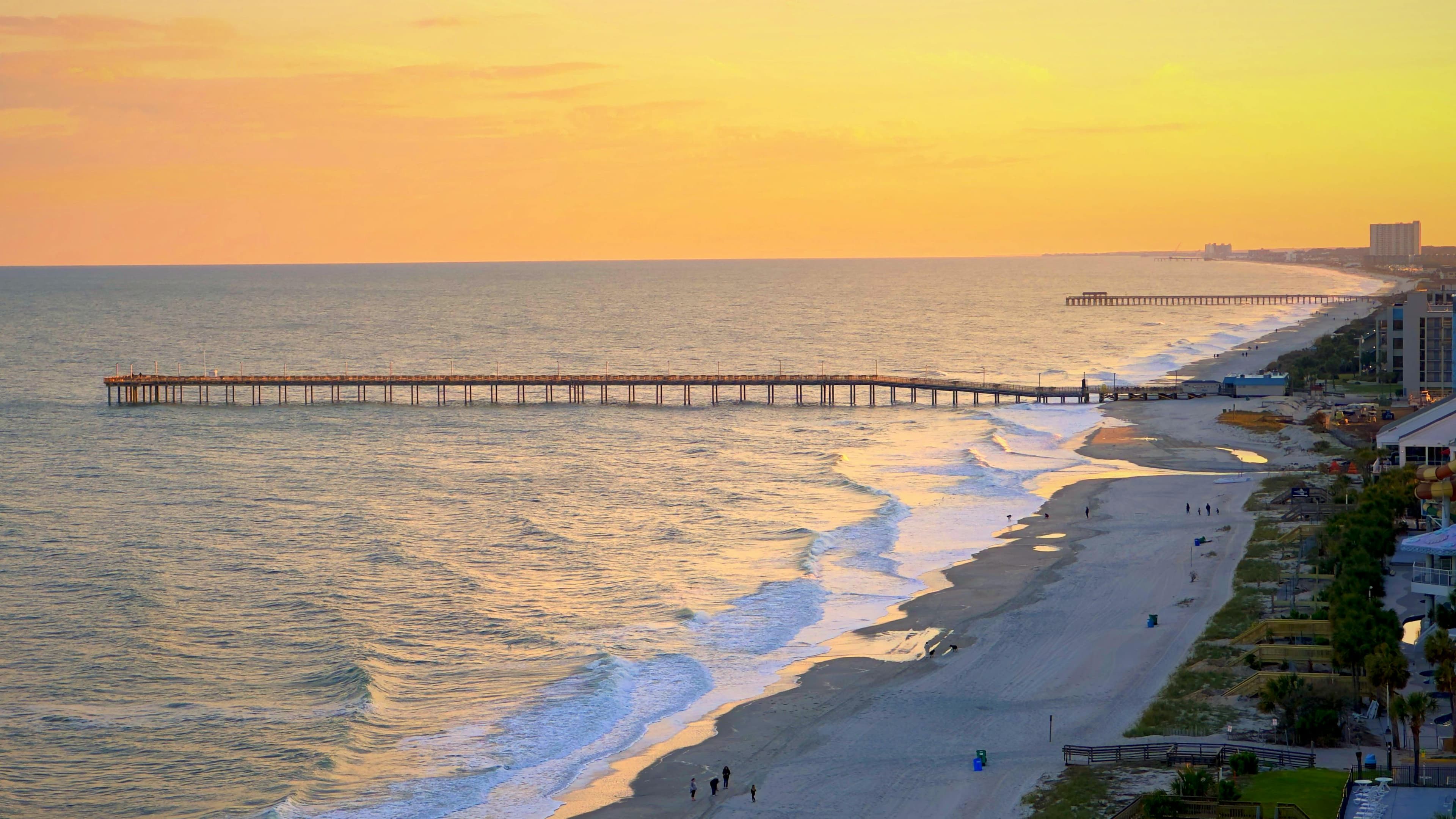
The most welcoming course on the Grand Strand, with the slope rating to match.
$40–$79PublicGene Hamm (1968)
GolfNowBook tee time
Bucket List
Caledonia Golf & Fish Club
Myrtle Beach, South Carolina
The Grand Strand's quietest argument for greatness, served with a bowl of fish chowder.
$200–$249PublicMike Strantz (1994)
GolfNowBook tee time
Hidden Value
Crow Creek Golf Club
Myrtle Beach, South Carolina
A former Nicklaus associate's best value play in the Calabash corridor.
$45–$79PublicRick Robbins (2000)
GolfNowBook tee time
Bucket List
Dunes Golf & Beach Club
Myrtle Beach, South Carolina
The original. Robert Trent Jones Sr's 1949 design that put Myrtle Beach golf on the map.
$200–$300Semi-PrivateRobert Trent Jones Sr (1949)
GolfNowBook tee time
Premium
Grande Dunes Resort Course
Myrtle Beach, South Carolina
The longest course on the Grand Strand, with five holes along the Intracoastal Waterway.
$150–$200ResortRoger Rulewich (2001)
GolfNowBook tee time
Mid-Range
King's North at Myrtle Beach National
Myrtle Beach, South Carolina
Palmer's Grand Strand staple, rebuilt for a new generation.
$80–$140PublicArnold Palmer (1973, renovated 2025)
GolfNowBook tee time
Mid-Range
Legends Resort – Heathland
Myrtle Beach, South Carolina
Tom Doak's links experiment on the Carolina coast, wind included.
$65–$93ResortTom Doak (1990)
GolfNowBook tee time
Mid-Range
Legends Resort – Moorland
Myrtle Beach, South Carolina
The Dye family's trademark visual intimidation, priced for resort play.
$65–$93ResortP.B. Dye (1990)
GolfNowBook tee time
Mid-Range
Myrtlewood PineHills
Myrtle Beach, South Carolina
Arthur Hills redesign in the middle of everything, priced for daily play.
$50–$80PublicArthur Hills (1993 redesign)
GolfNowBook tee time
Mid-Range
Pawleys Plantation Golf & Country Club
Myrtle Beach, South Carolina
Nicklaus Signature design where Lowcountry marsh meets strategic golf.
$150–$225Semi-PrivateJack Nicklaus (1988)
GolfNowBook tee time
Mid-Range
Pine Lakes Country Club
Myrtle Beach, South Carolina
The Granddaddy of the Grand Strand, playing golf since 1927.
$60–$120PublicRobert White (1927)
GolfNowBook tee time
Hidden Value
Prestwick Country Club
Myrtle Beach, South Carolina
SC's 2025 Course of the Year, open to the public and flying under the radar.
$100–$175Semi-PrivatePete Dye/P.B. Dye (1989)
GolfNowBook tee time
Mid-Range
Rivers Edge Golf Club
Myrtle Beach, South Carolina
Palmer's riverside signature in Brunswick County, with the slope rating to prove it.
$70–$120PublicArnold Palmer/Ed Seay (2000)
GolfNowBook tee time
Premium
Tidewater Golf Club
Myrtle Beach, South Carolina
Oceanfront holes and marsh crossings on the Cherry Grove peninsula, at a fraction of the expected price.
$97–$192PublicKen Tomlinson (1990)
GolfNowBook tee time
Bucket List
TPC Myrtle Beach
Myrtle Beach, South Carolina
The only TPC-branded public course on the Grand Strand, built by Fazio through Lowcountry wetlands.
$250–$350PublicTom Fazio (1999)
GolfNowBook tee time
Premium
True Blue Golf Club
Myrtle Beach, South Carolina
Mike Strantz's bolder sibling to Caledonia, routed through the ruins of an indigo plantation.
$150–$196PublicMike Strantz (1998)
GolfNowBook tee time
Plan Your Trip
Explore Myrtle Beach
Full guide: courses, stays, getting there.
Continue →3 Itineraries
Pre-planned trips to Myrtle Beach.
Continue →Off the Fairway
10 non-golf activities at Myrtle Beach.
Continue →Some links on this page are affiliate links. If you book through these links, we may earn a small commission at no extra cost to you. This does not influence our editorial recommendations.