 Pin it
Omni Barton Creek — Fazio Foothills
Limestone cliffs, natural caves, and Tom Fazio's most geological routing in Texas.
Designed by Tom Fazio, Roy Bechtol (1986)
$250–$325
Booking via Direct
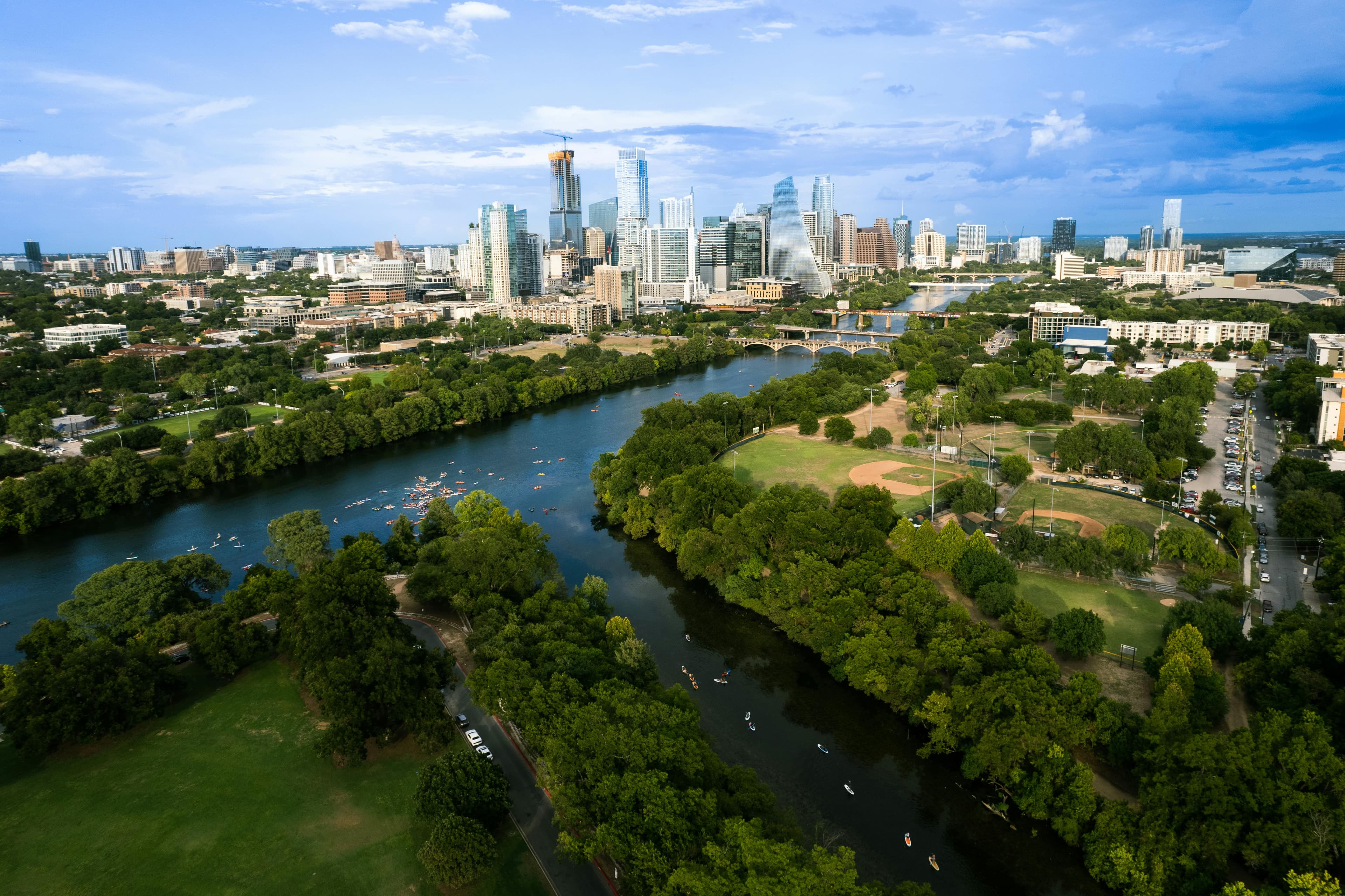
Omni Barton Creek's Fazio Foothills is a 1986 Tom Fazio and Roy Bechtol routing through the limestone cliffs, dry creek beds, and natural caves of the Edwards Plateau southwest of Austin. The geology is the design. Cliff faces frame fairways, ravines do the work of hazards, and the caves you see along several holes have been there longer than the live oaks rooted into the shallow Hill Country soil above them.
What to expect
You're playing 7,125 yards, par 72. The opening holes ease you in across relatively conventional terrain before the elevation changes start. By the middle of the front nine you're hitting tee shots from elevated platforms down into corridors framed by cedar and oak. The 7th, a par 3 across a ravine to a green backed by exposed limestone, is the hole every photograph captures, and it plays as dramatically as it looks.
The back nine is where the course earns its reputation. The routing threads the most rugged section of the property, where pulled tee shots disappear into canyons rather than rough. The greens themselves are restrained: moderately sized and gently contoured, which is the right call given how much visual information the surroundings already provide. The par 5s give you the most interesting decisions, with shorter lines along cliff edges trading distance for the genuine risk of losing a ball below.
By the numbers
- Par
- 72
- Yardage
- 7,125
Is it worth the green fee?
At $250 to $325 with resort-guest access only, yes, on the condition that you value terrain over conditioning niceties. Golfweek has ranked it among the top 40 resort courses nationally and Golf Digest among the top 35 in Texas, and the rankings reflect what the round actually delivers. There is no other course in the Hill Country built on geology like this, and the limited public access keeps pace unhurried and the turf in strong shape.
Booking and trip fit
Book through the link on this page; access requires a stay at the Omni resort, and stay-and-play packages are the cleanest path. A cart is required. The terrain that makes the course remarkable also makes walking impractical. Pair Foothills with the Coore Crenshaw course on a multi-day Barton Creek itinerary, or add a round at Horseshoe Bay's Ram Rock or Summit Rock if you have the time to drive west into the Hill Country proper.
Where to Stay
Accommodations near Omni Barton Creek — Fazio Foothills

Hotel
Courtyard by Marriott Austin The Domain Area
Austin, Texas
Reliable Marriott base near The Domain with northwest positioning that shortens the drive to Crystal Falls and the Hill Country corridor.
From $120/night~20 miles to Crystal Falls GC; ~25 miles to Falconhead GC
ExpediaCheck availability

Hotel
Hampton Inn Austin NW near The Domain
Austin, Texas
Free breakfast, free parking, and a northwest address that puts Crystal Falls and The Domain within easy reach.
From $110/night~20 miles to Crystal Falls GC
ExpediaCheck availability

Hotel
Holiday Inn Express & Suites Lakeway
Austin, Texas
The most affordable option in the Lakeway corridor, with free breakfast and proximity to Falconhead and Lake Travis.
From $100/night~12 miles to Falconhead GC
ExpediaCheck availability
Resort
Horseshoe Bay Resort
Austin, Texas
Three Robert Trent Jones Sr. courses, a marina on Lake LBJ, and enough distance from Austin to feel like a destination in its own right.
From $250/nightOn-site golf
Direct websiteVisit website
Compare all stays near Omni Barton Creek — Fazio Foothills
Live prices from Booking.com, Expedia and more — every nearby hotel and rental in one search.
Prices and availability from Booking.com, Expedia and others via Stay22. GolfTrailsHQ may earn a commission at no additional cost to you.
Other Courses Nearby
Mid-Range
Crystal Falls Golf Club
Austin, Texas
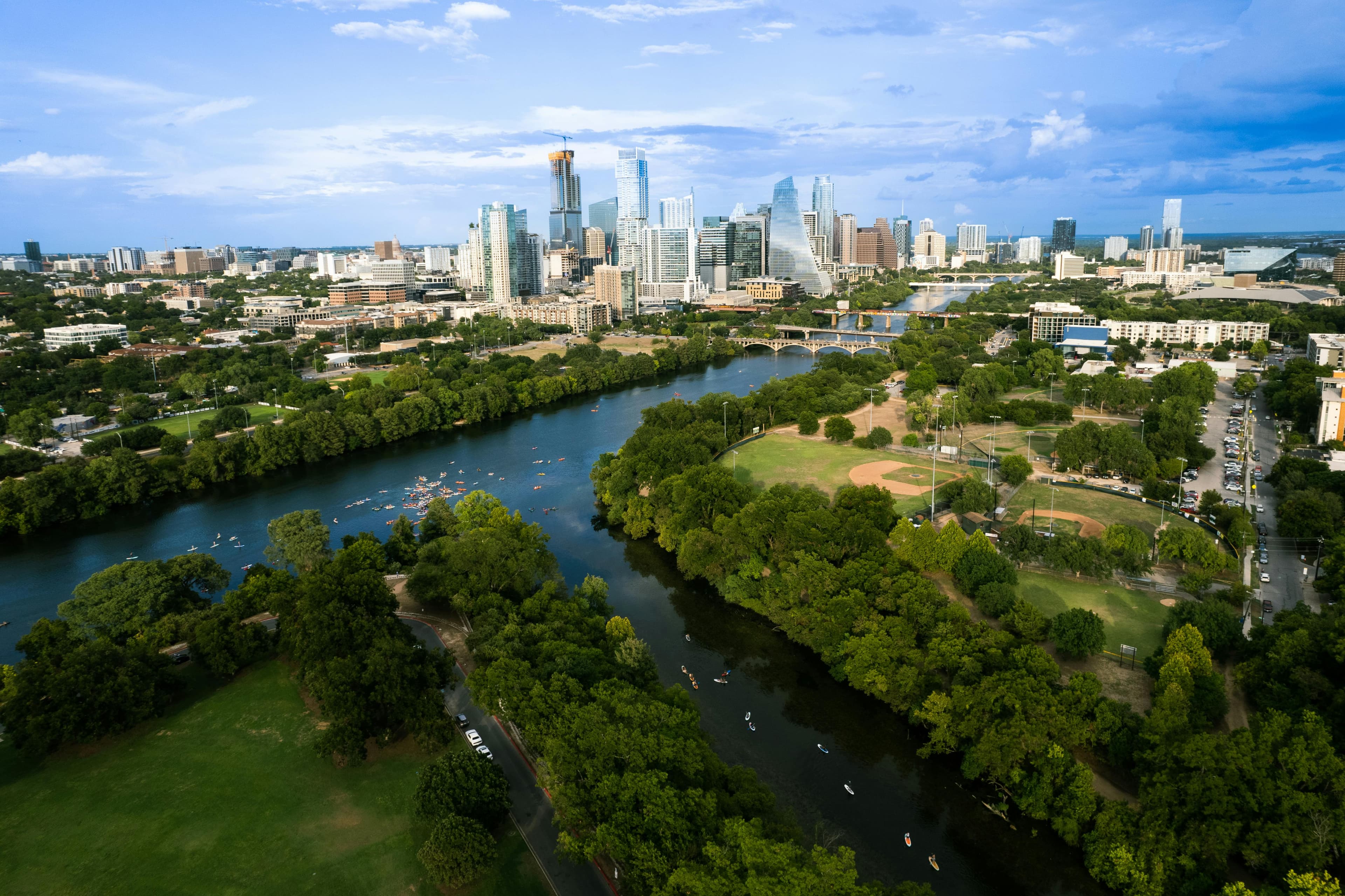
Municipal golf in the Hill Country, priced like a public course should be.
$18–$55PublicJack Miller (1990)
GolfNowBook tee time
Mid-Range
Falconhead Golf Club
Austin, Texas
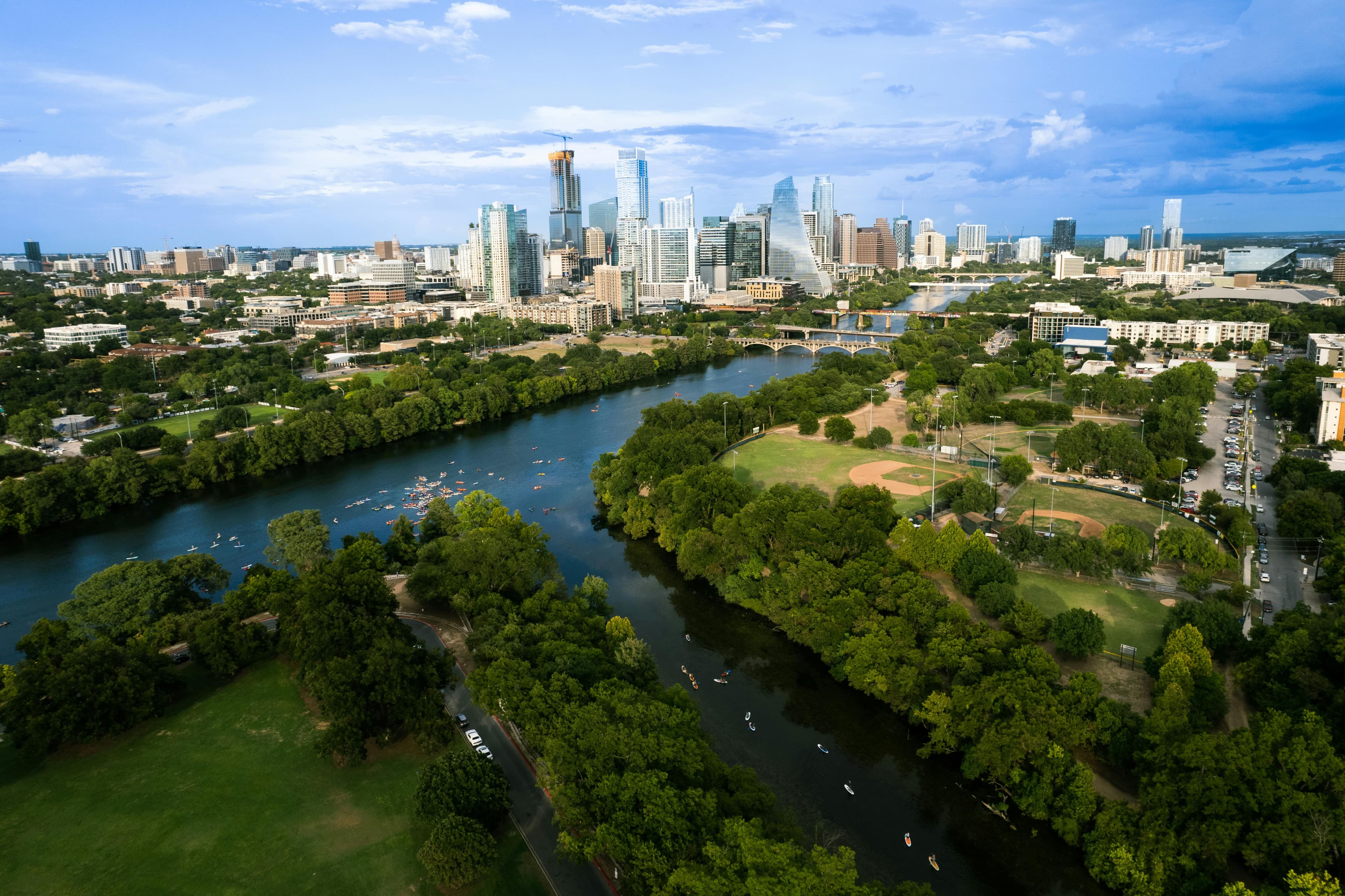
A public Hill Country layout where the 8th hole, and its waterfall, justify the entire green fee.
$75–$89PublicPGA Tour Design Center, Chris Gray (2003)
GolfNowBook tee time
Premium
Horseshoe Bay Resort — Ram Rock
Austin, Texas
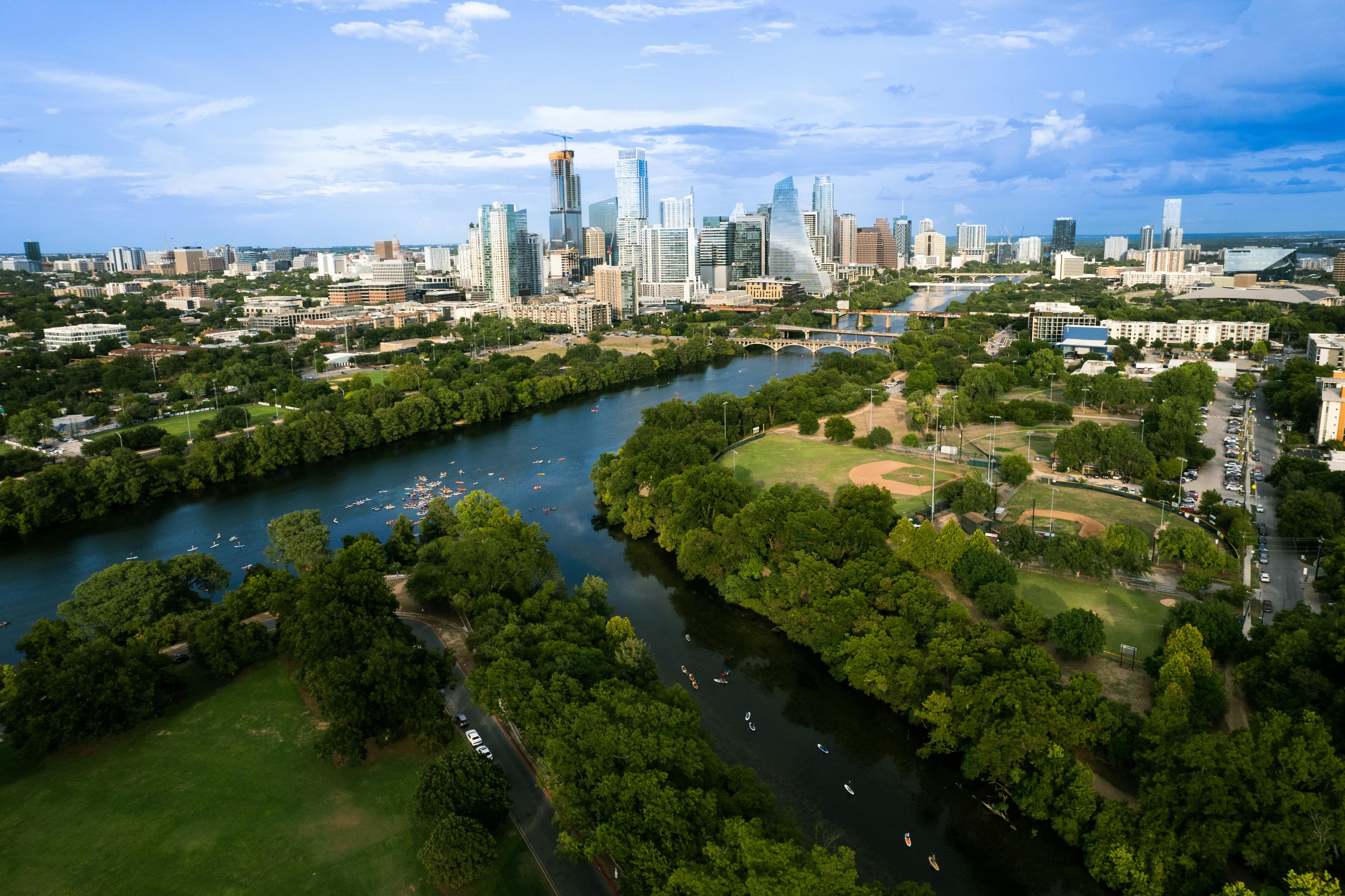
Robert Trent Jones Sr. carved 62 bunkers and 10 water hazards into the Hill Country rock, then called it The Challenger.
$80–$150ResortRobert Trent Jones Sr. (1981)
PartnerBook tee time
Premium
Horseshoe Bay Resort — Summit Rock
Austin, Texas
Nicklaus Signature design in the Hill Country, reserved for members who own the view.
$175–$295PrivateJack Nicklaus (2012)
Direct websiteVisit website
Mid-Range
Lost Pines Golf Club
Austin, Texas
Prairie hills give way to river pines on the east side of Austin, at a price that ranges from reasonable to resort.
$68–$215ResortArthur Hills, Steve Forrest (2006)
GolfNowBook tee time
Premium
Omni Barton Creek — Coore Crenshaw
Austin, Texas
Coore and Crenshaw's second course ever built, and the one you can walk.
From $225ResortBill Coore, Ben Crenshaw (1991)
Hotels.comBook tee time
Premium
Omni Barton Creek — Fazio Canyons
Austin, Texas
Fazio's canyon sequel at Barton Creek, and the course Golfweek once called the best in Texas.
From $275ResortTom Fazio, Beau Welling, Roy Bechtol, Dennis Wise (1999)
Hotels.comBook tee time
Hidden Value
Vaaler Creek Golf Club
Austin, Texas
Forty-five minutes from Austin, in Blanco, where the green fees drop and the Hill Country opens up.
$75–$110Semi-PrivateMichael Lowry / J.R. Newman (2009)
GolfNowBook tee time
Plan Your Trip
Explore Austin
Full guide: courses, stays, getting there.
Continue →3 Itineraries
Pre-planned trips to Austin.
Continue →Off the Fairway
10 non-golf activities at Austin.
Continue →Some links on this page are affiliate links. If you book through these links, we may earn a small commission at no extra cost to you. This does not influence our editorial recommendations.