 Pin it
Sedge Valley
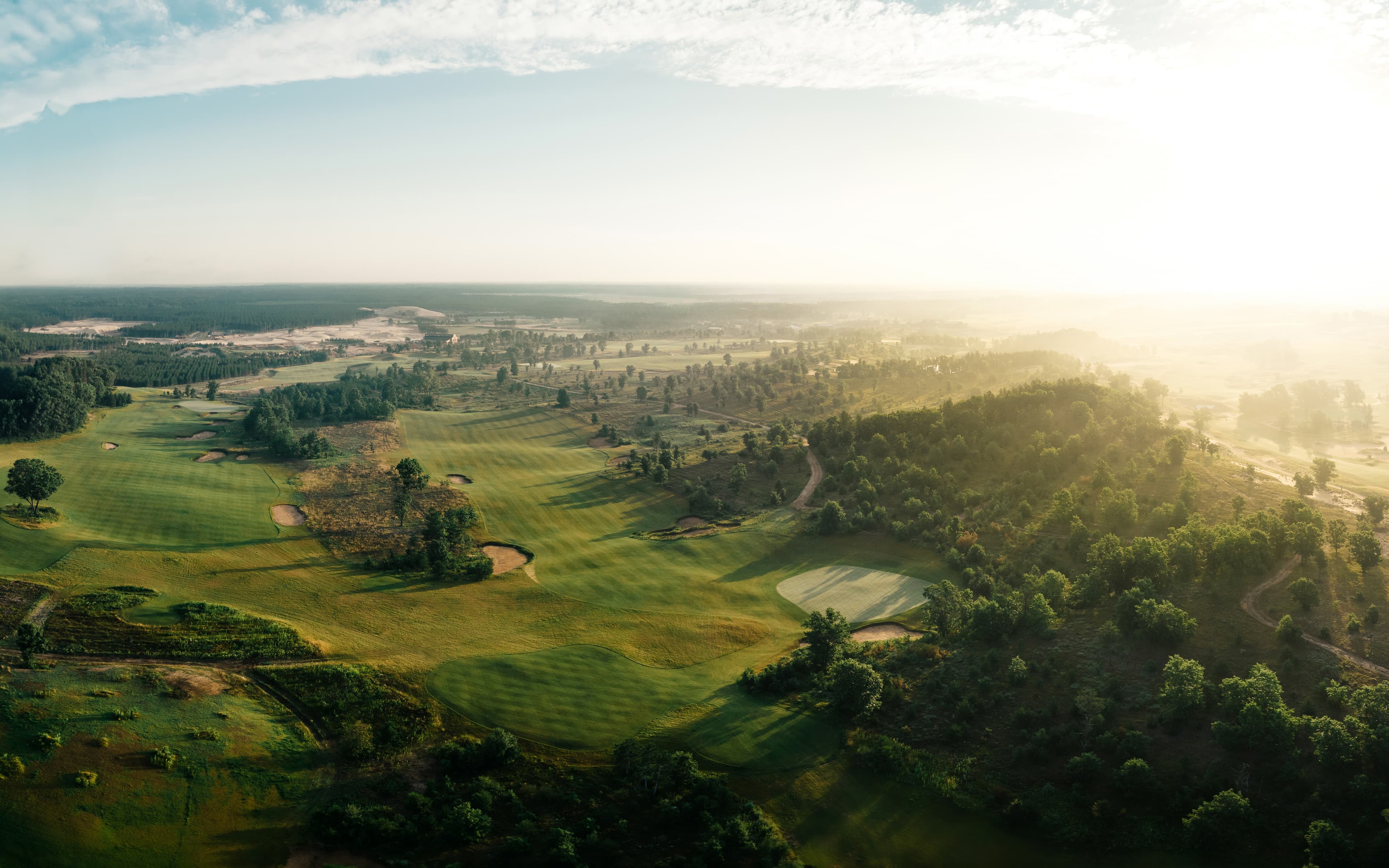
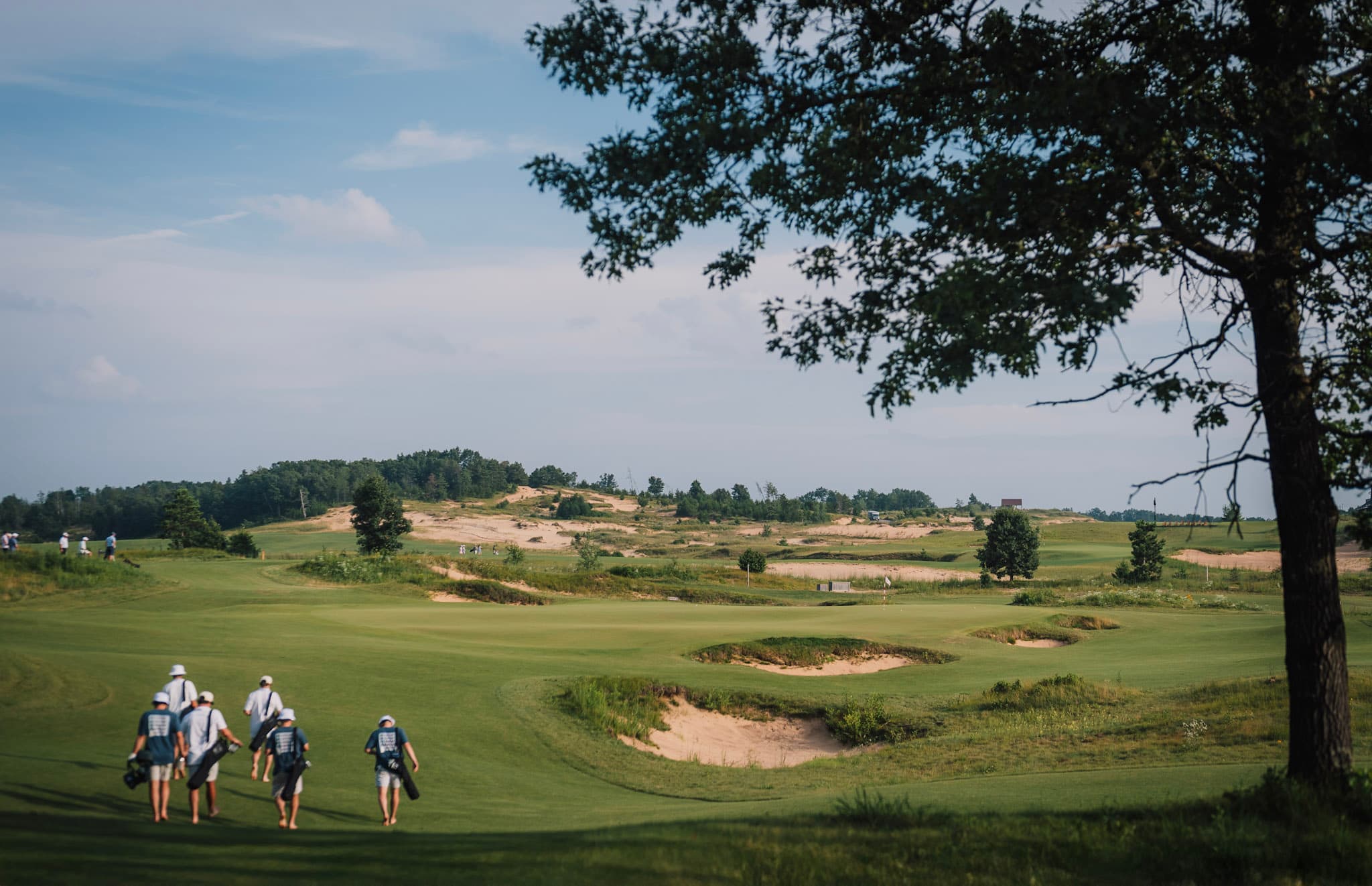
Tom Doak's heathland-inspired par 68 packs a 74.2 course rating into fewer than 5,900 yards through small, complex green sites.
Photo courtesy of Sand Valley · Sand Valley Resort press kit
Designed by Tom Doak (2024)
From $295
Book direct via the course website
Sedge Valley is Tom Doak's 2024 heathland-inspired addition to Sand Valley, and the numbers deserve a second look. At 5,829 yards and par 68 it reads modest, until you register the course rating of 74.2 and slope of 141. Those figures mean Sedge Valley plays harder than courses 1,200 yards longer. Doak built it as a deliberate counterpoint to Mammoth Dunes' scale and The Lido's historical ambition: where they make bold statements, this one makes precise ones.
What to expect
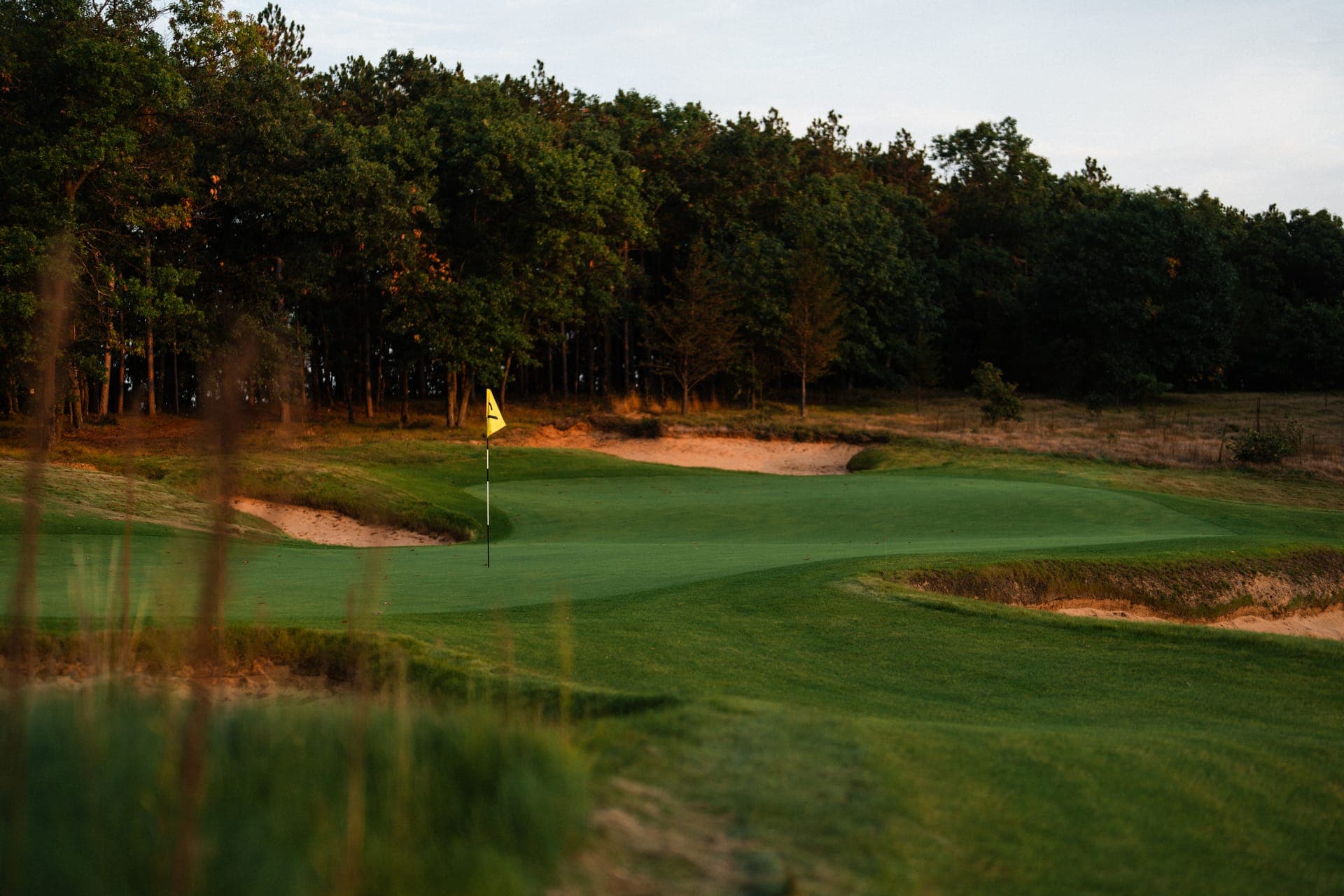
The green complexes are small and heavily contoured, and they do the work that length does elsewhere. A 130-yard approach to a 3,500-square-foot green with two distinct tiers and a false front is a different challenge than the same yardage to a receptive 8,000-square-foot target. Sedge Valley is built almost entirely on the former proposition. The greens are the defence, and they are rigorous.
The heathland inspiration shows in the vegetation and the scale. The course moves through low scrub and sandy terrain with less of the dramatic dune movement that characterises the resort's other courses. Holes are routed close together, and the texture recalls Sunningdale or Woodhall Spa more than the coastal links that inspired the original Sand Valley course.
The par of 68 comes from more par 3s and fewer par 5s than a standard routing. The average hole is shorter, but the challenge per hole is higher. A 340-yard par 4 with a narrow opening between two bunkers and a sharp back-to-front slope demands a different precision than a 440-yard hole with a generous target. Arrive expecting easy scoring based on the yardage and the scorecard will not cooperate.
The walk is comfortable and quick. The compact routing means rounds run shorter than the full-length courses, which makes Sedge Valley a natural afternoon pairing or a half of a 36-hole day. The sandy soil keeps the same firm, bouncy character as the rest of the property.
By the numbers
- Par
- 68
- Yardage
- 5,829
Is it worth the green fee?
At $295 in peak season, Sedge Valley shares pricing with the resort's other 18-hole courses despite its shorter length and lower par. What you are buying is Doak's most concentrated recent design work and a round that challenges your assumptions about the relationship between yardage and difficulty. If you appreciate architecture that achieves its ends through subtlety rather than scale, it pays back the fee in full.
Booking and trip fit
Tee times are available through the booking link on this page. Pair Sedge Valley with Sand Valley and Mammoth Dunes for the full architectural arc, and use The Sandbox or The Commons as your shorter add-on. It is the course at Sand Valley most likely to be underestimated before the round and respected after it.
Where to Stay
Accommodations near Sedge Valley

Hotel
Hotel Mead & Conference Center
Sand Valley, Wisconsin, Wisconsin
The top-rated hotel in Wisconsin Rapids, with 150 rooms, free breakfast, and a 20-mile drive to Sand Valley.
From $90/nightSand Valley Resort ~20 miles
ExpediaCheck availability
Lake Arrowhead Resort
Resort
Lake Arrowhead Resort
Sand Valley, Wisconsin, Wisconsin
Lakeside villas with full kitchens ten miles from Sand Valley, at roughly half the on-resort rate.
From $100/nightSand Valley Resort ~10 miles
Direct websiteVisit website
Vacation Rental
Sand Valley Cottages & Estate Homes
Sand Valley, Wisconsin, Wisconsin
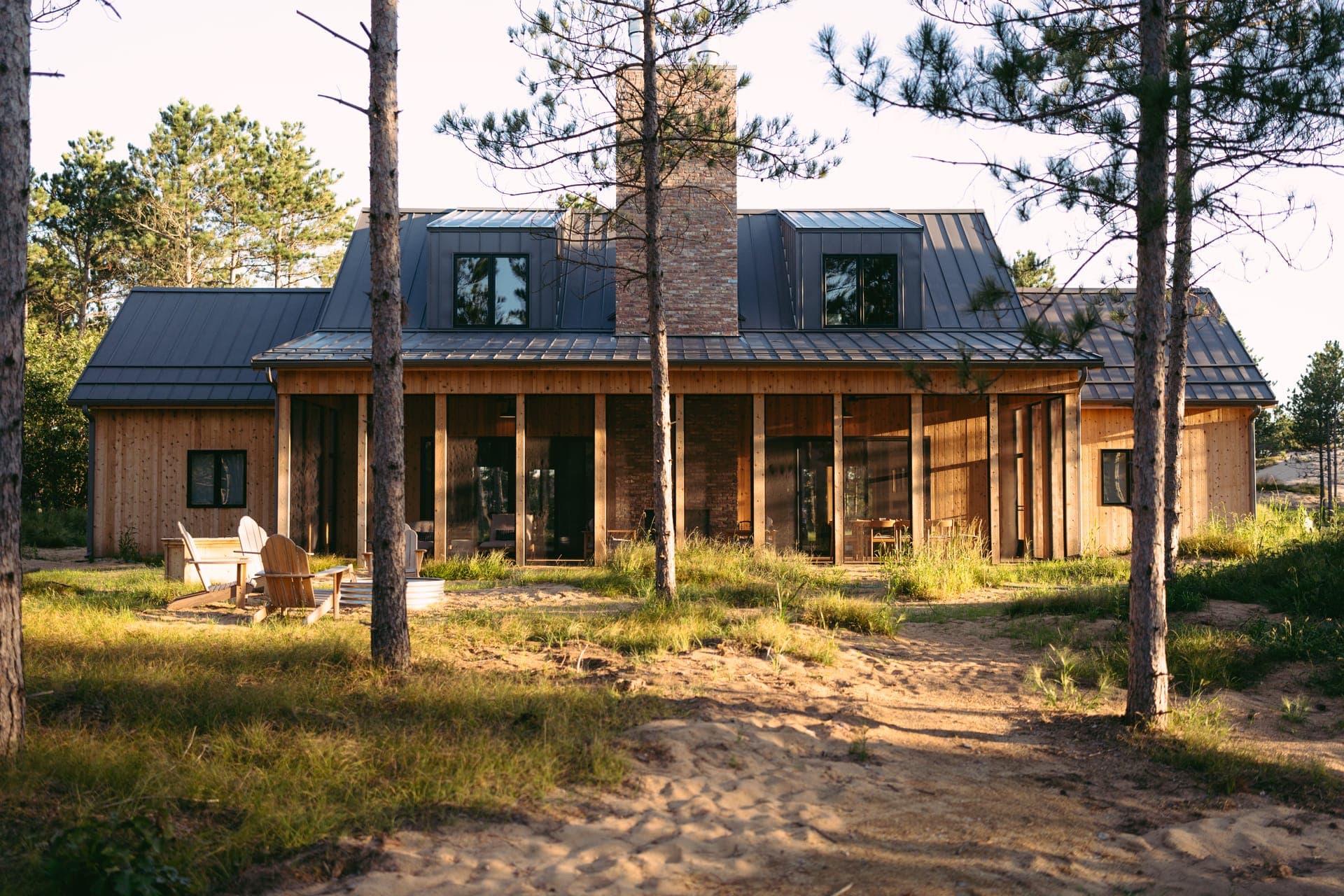
On-resort cottages and estate homes for groups that want to cook their own steaks after 36 holes on Mammoth Dunes.
From $200/nightSand Valley (on-site); Mammoth Dunes (on-site); The Lido (on-site)
Direct websiteVisit website
Lodge
Sand Valley Lodge
Sand Valley, Wisconsin, Wisconsin
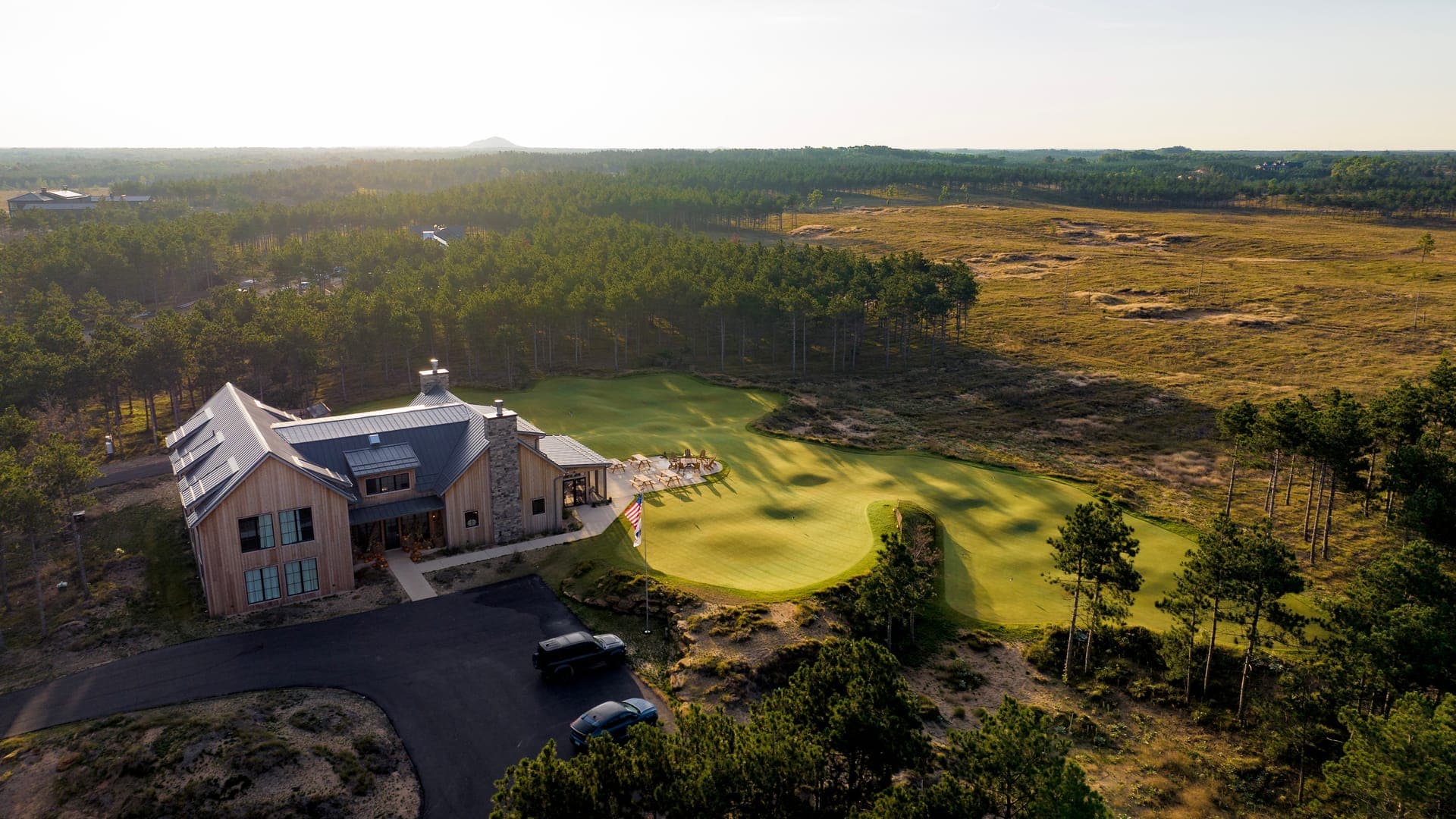
The only lodging that puts you on the resort grounds, with golf views from the room and first access to four championship courses.
From $250/nightSand Valley (on-site); Mammoth Dunes (on-site); The Lido (on-site)
Direct websiteVisit website
Compare all stays near Sedge Valley
Live prices from Booking.com, Expedia and more — every nearby hotel and rental in one search.
Prices and availability from Booking.com, Expedia and others via Stay22. GolfTrailsHQ may earn a commission at no additional cost to you.
Other Courses Nearby
Lawsonia Links
Mid-Range
Lawsonia Links
Sand Valley, Wisconsin, Wisconsin
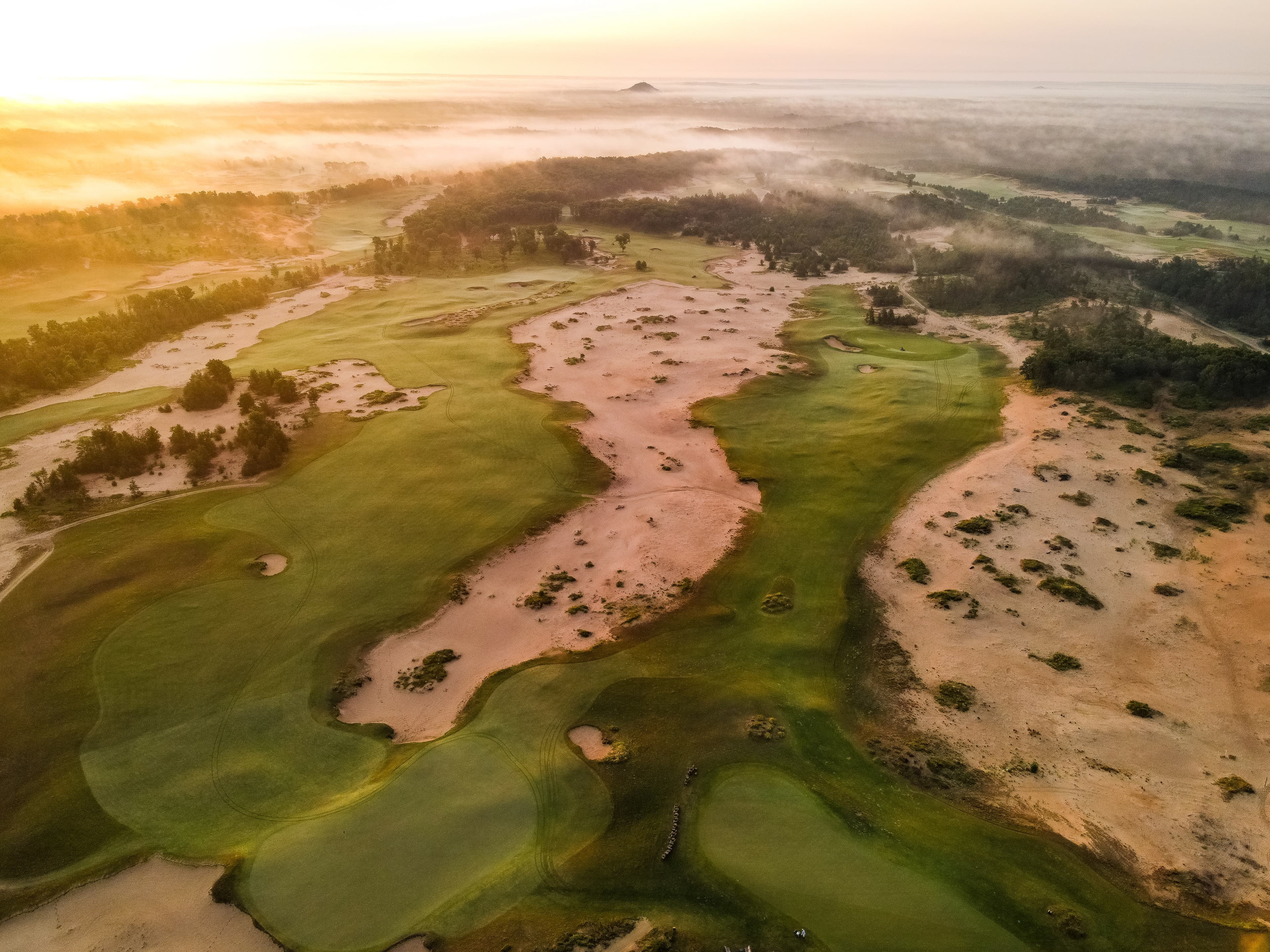
A 1930 Langford and Moreau design in Green Lake with massive elevated greens and deep bunkers, ranked among America's best affordable public courses.
$70–$140PublicWilliam Langford & Theodore Moreau (1930)
Direct websiteVisit website
Bucket List
Mammoth Dunes
Sand Valley, Wisconsin, Wisconsin
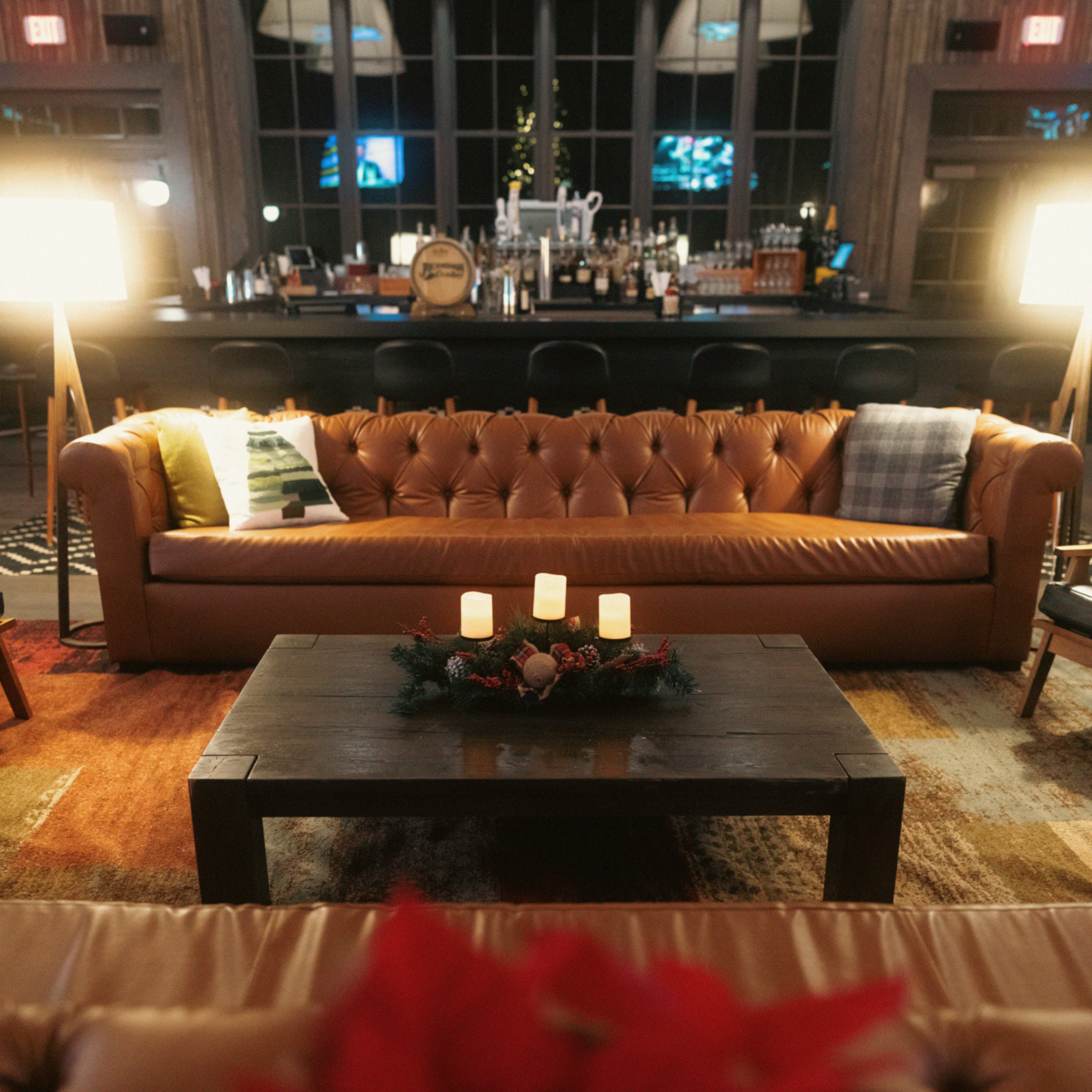
David McLay Kidd's 2018 design features some of the widest fairways in American golf, sculpted around a massive sand ridge with enormous greens.
From $295ResortDavid McLay Kidd (2018)
Direct websiteVisit website
Premium
Sand Valley
Sand Valley, Wisconsin, Wisconsin
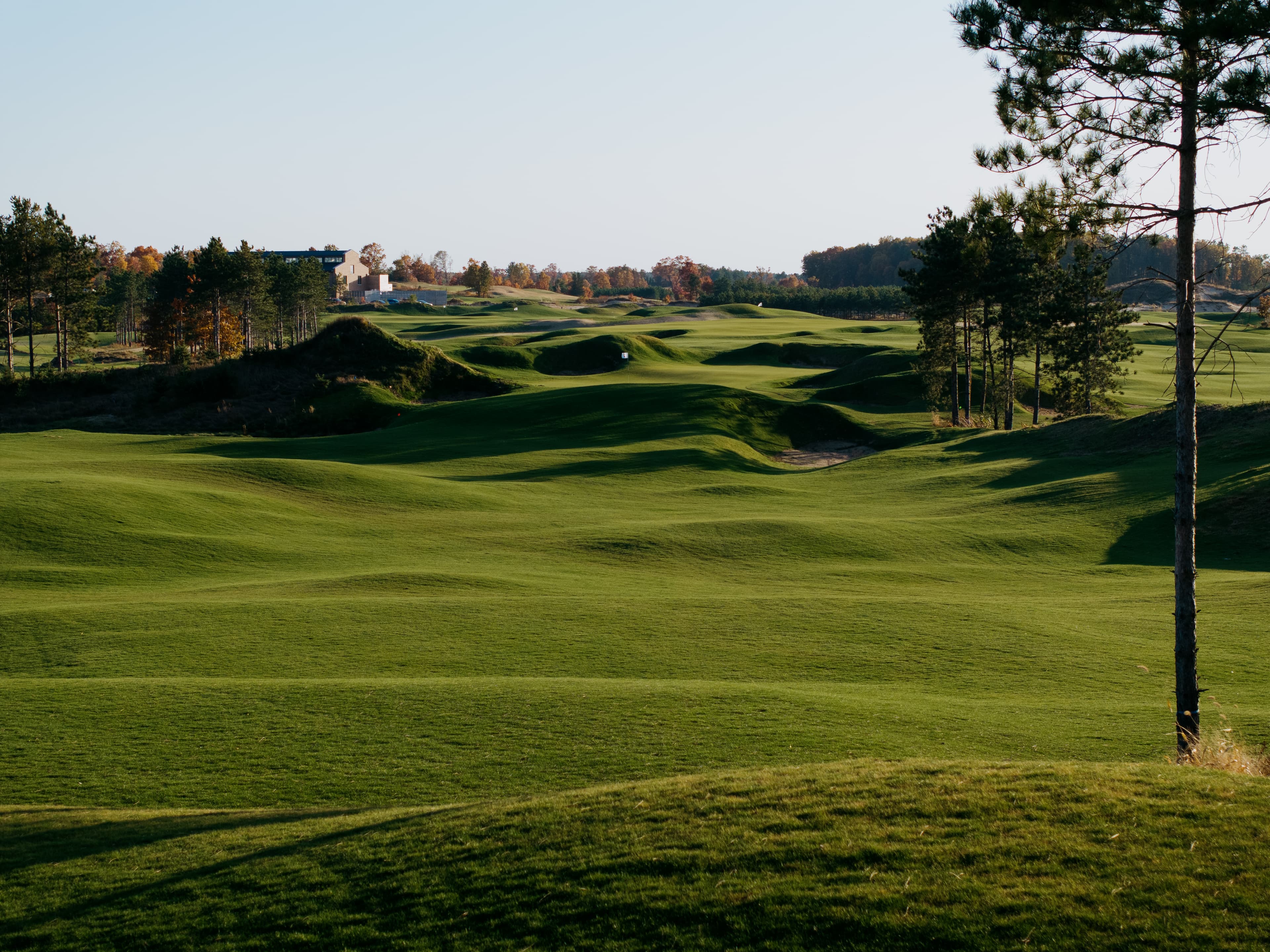
The resort's original Coore and Crenshaw course plays through exposed sand dunes with firm-and-fast conditions and multiple strategic playing options.
$105–$295ResortBill Coore & Ben Crenshaw (2017)
Direct websiteVisit website
Mid-Range
The Commons
Sand Valley, Wisconsin, Wisconsin
A 12-hole, par-45 afternoon course inspired by ancient Scottish links like Prestwick and North Berwick, opening in 2026.
ResortJim Craig (2026)
Direct websiteVisit website
Bucket List
The Lido
Sand Valley, Wisconsin, Wisconsin
A down-to-the-inch recreation of C.B. Macdonald's lost 1917 Long Island masterpiece, rebuilt on Wisconsin sand dunes and opened in 2023.
From $295ResortTom Doak / Brian Schneider, Renaissance Golf (C.B. Macdonald recreation) (2023)
Direct websiteVisit website
Mid-Range
The Sandbox
Sand Valley, Wisconsin, Wisconsin
A 17-hole par-3 short course with holes ranging from 40 to 140 yards, featuring template greens including a Biarritz, Lion's Mouth, and Redan.
From $65ResortBill Coore & Ben Crenshaw / Jim Craig (2017)
Direct websiteVisit website
Plan Your Trip
Explore Sand Valley, Wisconsin
Full guide: courses, stays, getting there.
Continue →3 Itineraries
Pre-planned trips to Sand Valley, Wisconsin.
Continue →Off the Fairway
9 non-golf activities at Sand Valley, Wisconsin.
Continue →