Lawsonia Links
Lawsonia Links
A 1930 Langford and Moreau design in Green Lake with massive elevated greens and deep bunkers, ranked among America's best affordable public courses.
Designed by William Langford & Theodore Moreau (1930)
$70–$140
Book direct via the course website
Lawsonia Links in Green Lake, Wisconsin, is a William Langford and Theodore Moreau design from 1930, and it predates Sand Valley by nearly nine decades. What made it remarkable then continues to define it now: massive elevated greens, deep bunkers with high, squared-off faces, and a routing that uses gently rolling central Wisconsin terrain to create natural elevation on nearly every approach.
What to expect
The greens are the story. Langford and Moreau were known for building putting surfaces that sit above the surrounding terrain, requiring approaches to carry to an elevated target and hold a green that falls away on multiple sides. A shot that comes up short runs back down the slope. A shot that drifts left or right finds a bunker with a steep face that makes the recovery a real challenge. The greens are large enough to be findable from the fairway but contoured enough to create significant putting difficulty once you're on the surface. This is architecture from an era when green design was the primary defence against scoring, and Lawsonia's greens remain among the most distinctive in the Midwest.
By the numbers
- Par
- 72
- Yardage
- 6,764
Is it worth the green fee?
Golfweek ranks Lawsonia 24th on its Best Courses You Can Play list and 4th in Wisconsin. Golf Digest places it 58th among Greatest Public courses. Those rankings put Lawsonia in the company of courses that charge three to five times more for a round. At $70 to $140 depending on season, it's among the lowest green fees for any course with national ranking recognition.
Booking and trip fit
Green Lake sits roughly 90 minutes southeast of Sand Valley, which makes Lawsonia either a standalone destination or a stop on the way to or from the resort. Flying into Madison and driving north to Sand Valley puts you within easy reach of Green Lake, and adding a Lawsonia round to a Sand Valley itinerary costs little time and less money. The combination of a 1930 golden-age design at public pricing and a modern links-style resort at full rates is exactly the contrast that makes a multi-day trip through central Wisconsin more than a single-destination visit. Pair Lawsonia with Sand Valley itself, Mammoth Dunes, Sedge Valley, The Lido, The Sandbox, or The Commons for a complete swing.
The course is public in the fullest sense. Tee times are available through the booking link on this page, the dress code is relaxed by resort standards, and the atmosphere is local rather than curated.
The bottom line
Lawsonia doesn't have the manicured presentation of Sand Valley or the infrastructure of a destination resort. What it has is a set of greens no amount of money could improve, designed by architects who understood the most interesting part of golf happens in the last 150 yards. At $70 to $140, the green fee is almost beside the point. The architecture is the value.
Where to Stay
Accommodations near Lawsonia Links

Hotel
Hotel Mead & Conference Center
Sand Valley, Wisconsin, Wisconsin
The top-rated hotel in Wisconsin Rapids, with 150 rooms, free breakfast, and a 20-mile drive to Sand Valley.
From $90/nightSand Valley Resort ~20 miles
ExpediaCheck availability
Lake Arrowhead Resort
Resort
Lake Arrowhead Resort
Sand Valley, Wisconsin, Wisconsin
Lakeside villas with full kitchens ten miles from Sand Valley, at roughly half the on-resort rate.
From $100/nightSand Valley Resort ~10 miles
Direct websiteVisit website
Vacation Rental
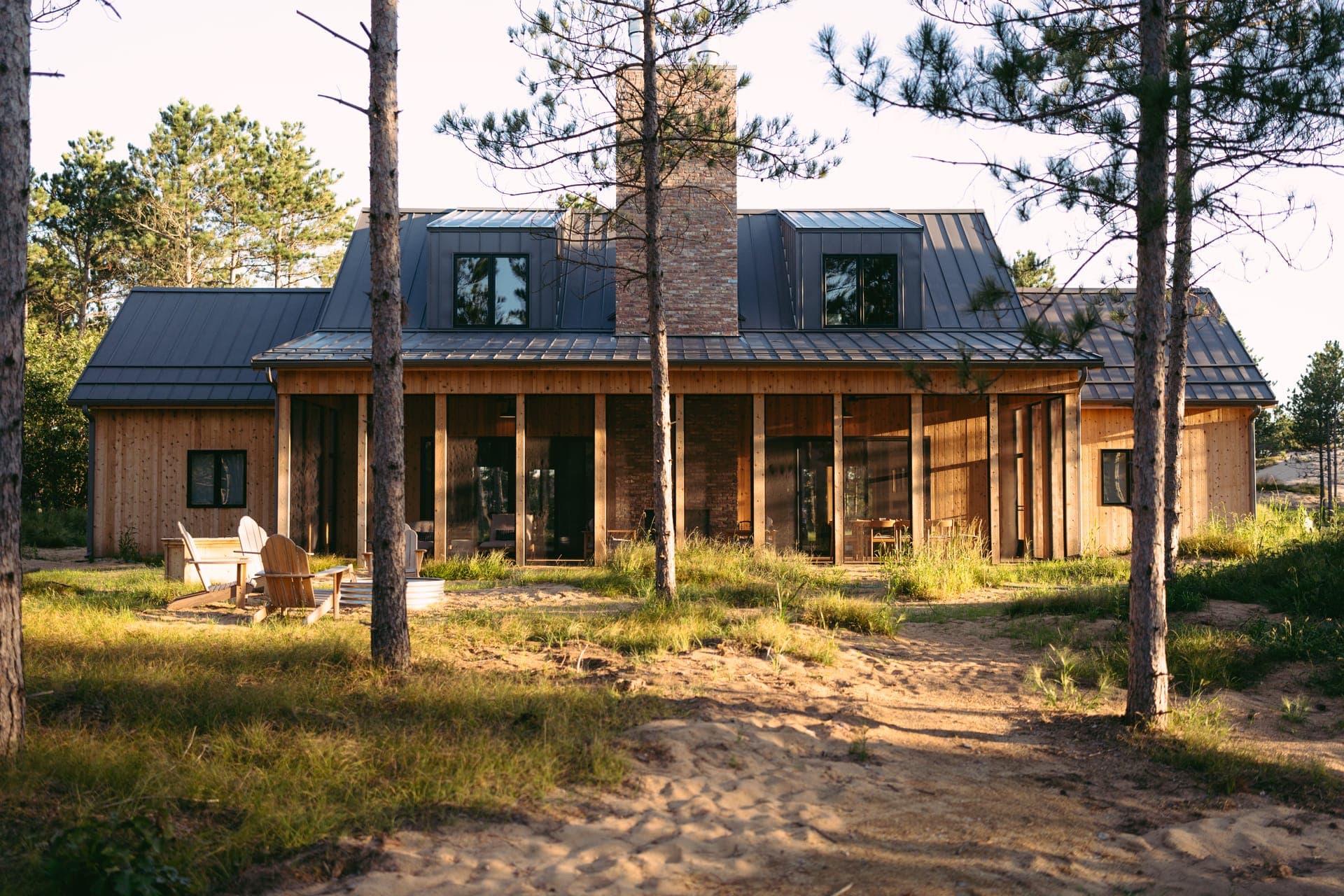
Sand Valley Cottages & Estate Homes
Sand Valley, Wisconsin, Wisconsin
On-resort cottages and estate homes for groups that want to cook their own steaks after 36 holes on Mammoth Dunes.
From $200/nightSand Valley (on-site); Mammoth Dunes (on-site); The Lido (on-site)
Direct websiteVisit website
Lodge
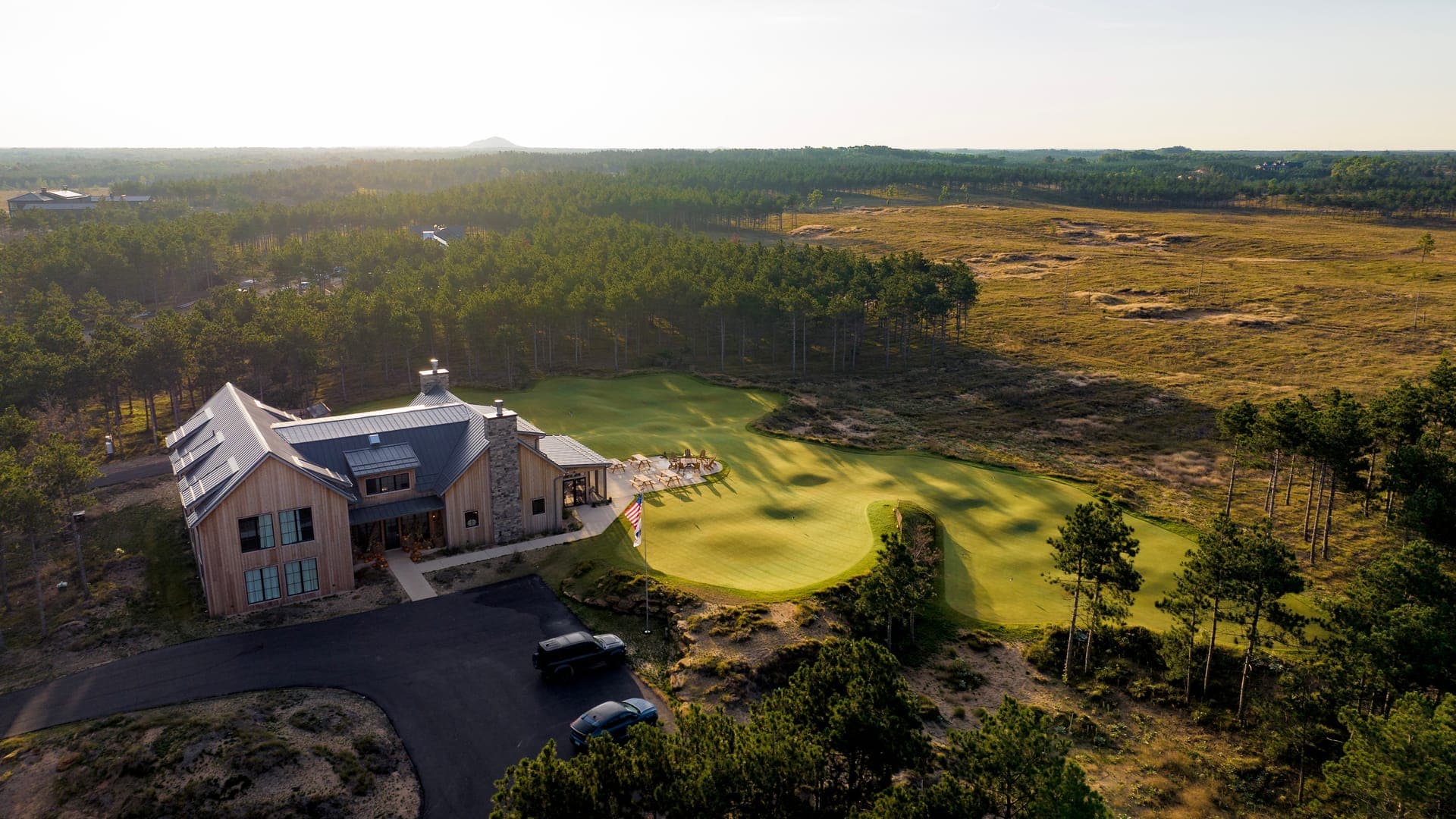
Sand Valley Lodge
Sand Valley, Wisconsin, Wisconsin
The only lodging that puts you on the resort grounds, with golf views from the room and first access to four championship courses.
From $250/nightSand Valley (on-site); Mammoth Dunes (on-site); The Lido (on-site)
Direct websiteVisit website
Compare all stays near Lawsonia Links
Live prices from Booking.com, Expedia and more — every nearby hotel and rental in one search.
Prices and availability from Booking.com, Expedia and others via Stay22. GolfTrailsHQ may earn a commission at no additional cost to you.
Other Courses Nearby
Bucket List
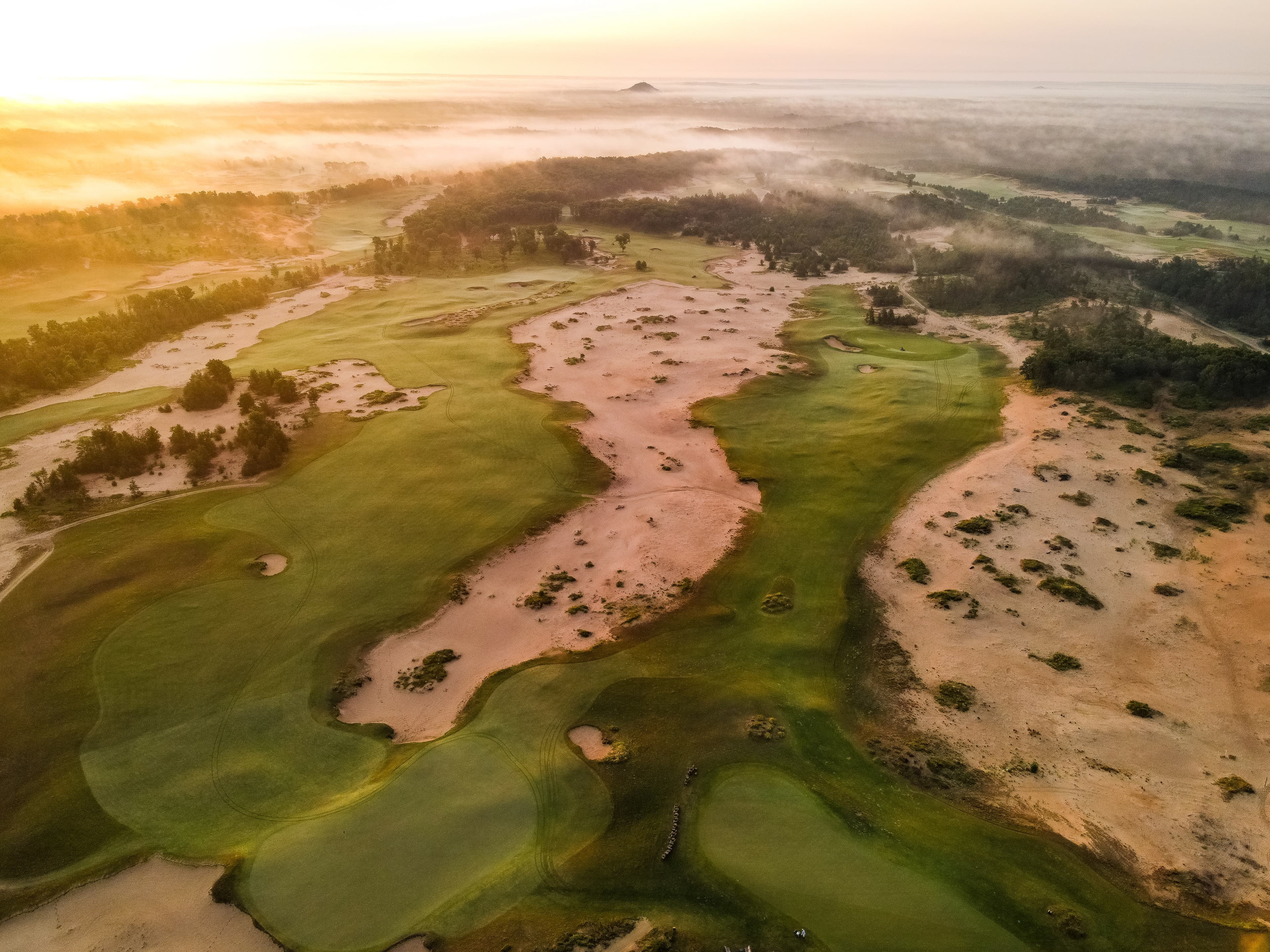
Mammoth Dunes
Sand Valley, Wisconsin, Wisconsin
David McLay Kidd's 2018 design features some of the widest fairways in American golf, sculpted around a massive sand ridge with enormous greens.
From $295ResortDavid McLay Kidd (2018)
Direct websiteVisit website
Premium
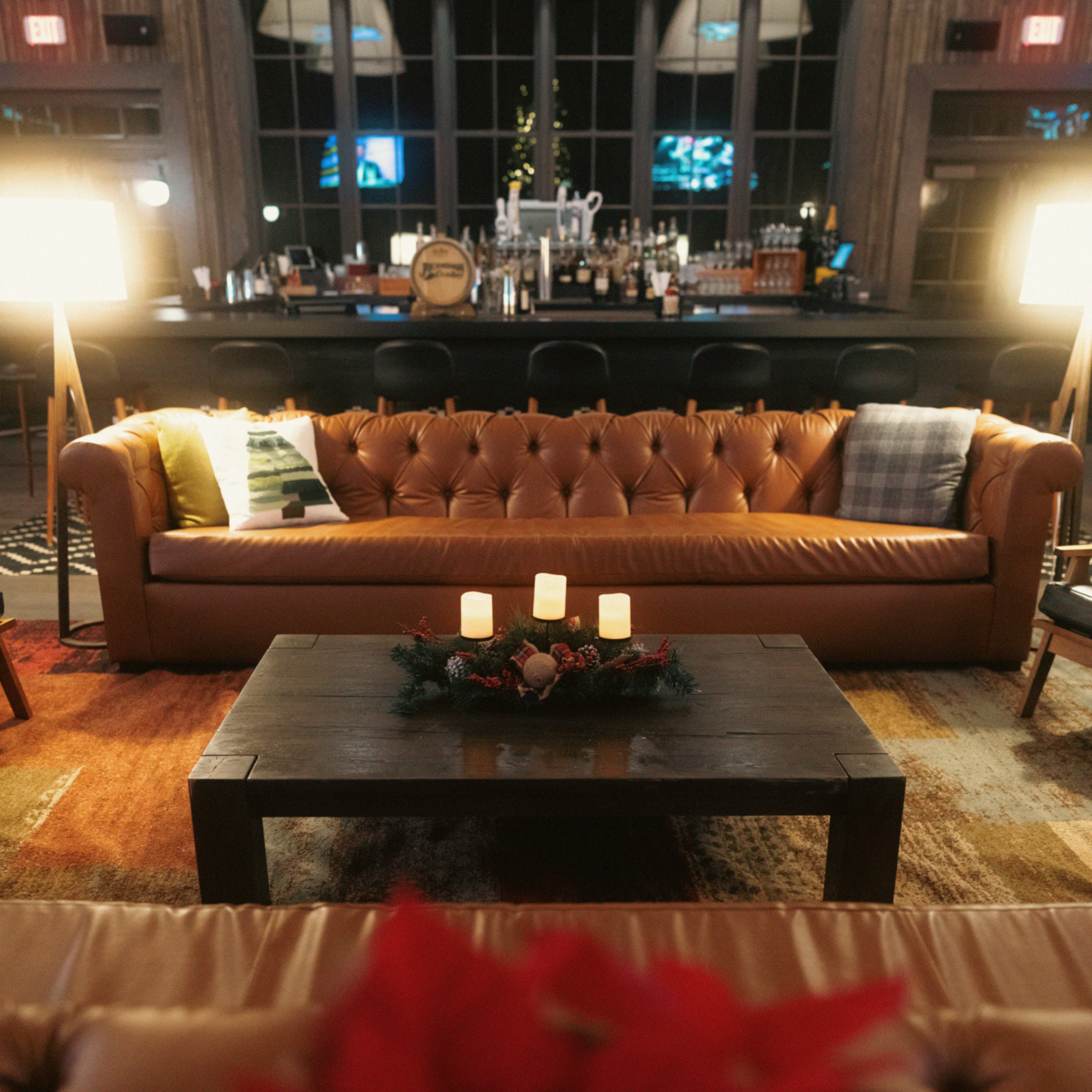
Sand Valley
Sand Valley, Wisconsin, Wisconsin
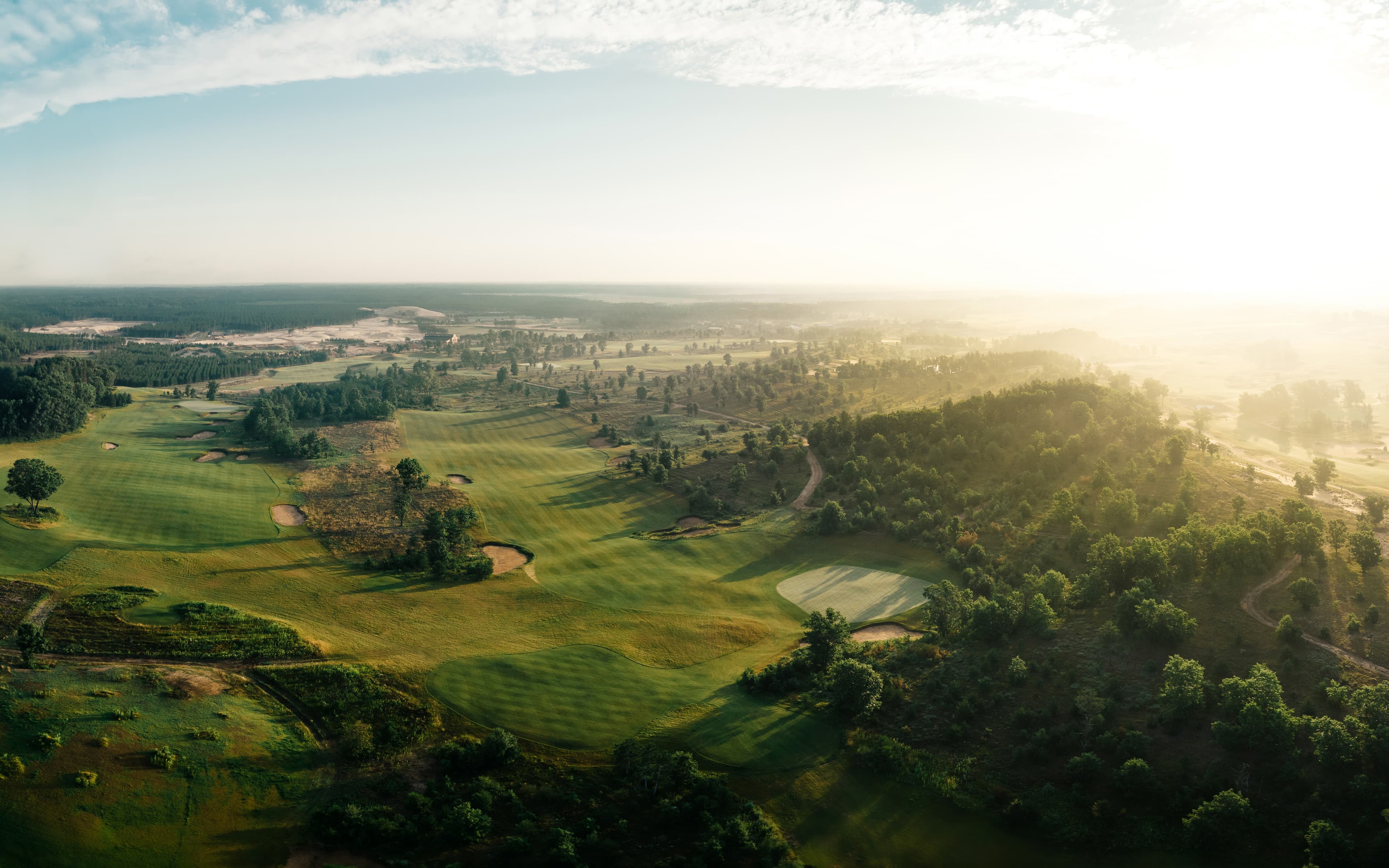
The resort's original Coore and Crenshaw course plays through exposed sand dunes with firm-and-fast conditions and multiple strategic playing options.
$105–$295ResortBill Coore & Ben Crenshaw (2017)
Direct websiteVisit website
Mid-Range
Sedge Valley
Sand Valley, Wisconsin, Wisconsin
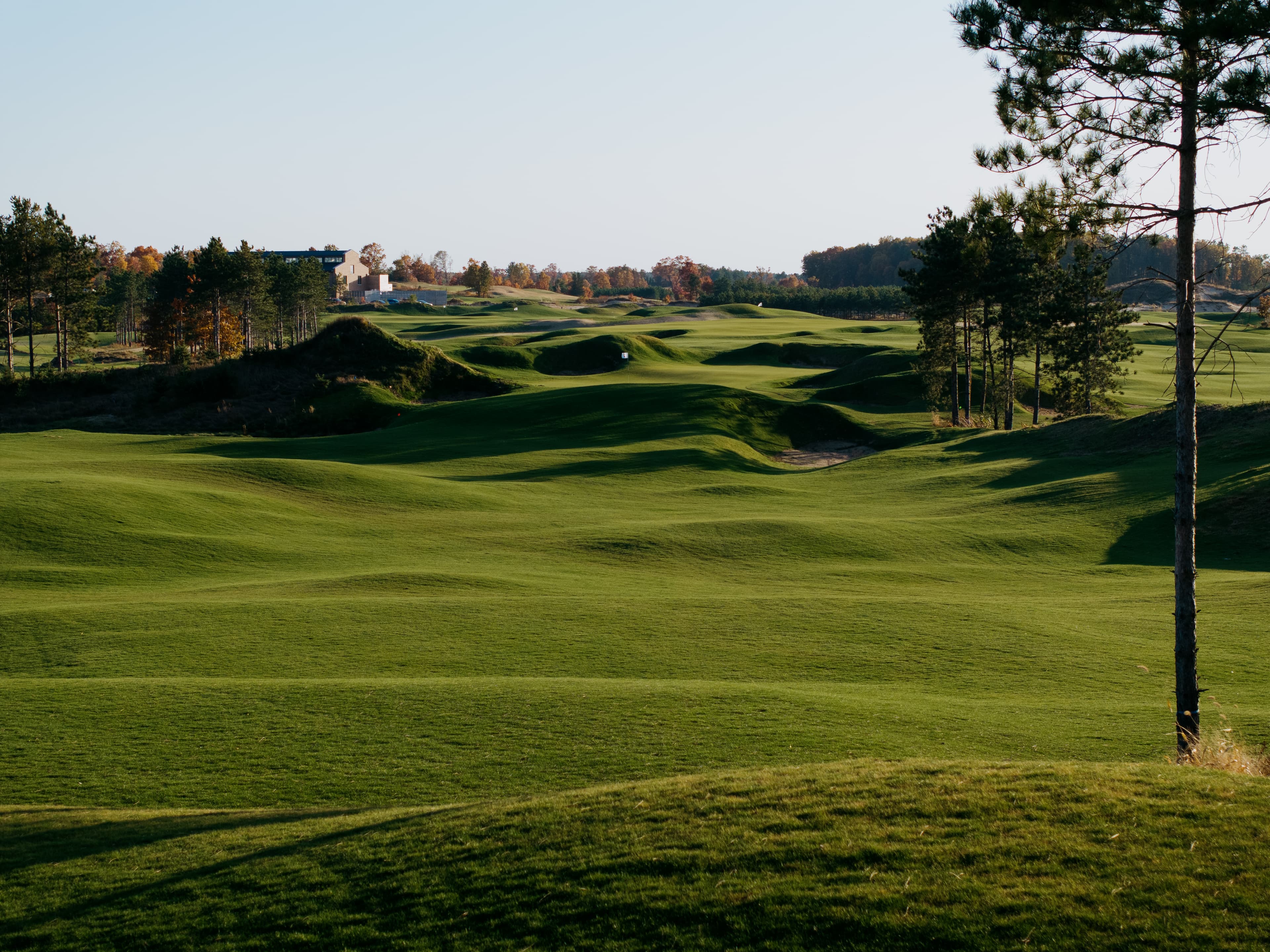
Tom Doak's heathland-inspired par 68 packs a 74.2 course rating into fewer than 5,900 yards through small, complex green sites.
From $295ResortTom Doak (2024)
Direct websiteVisit website
Mid-Range
The Commons
Sand Valley, Wisconsin, Wisconsin
A 12-hole, par-45 afternoon course inspired by ancient Scottish links like Prestwick and North Berwick, opening in 2026.
ResortJim Craig (2026)
Direct websiteVisit website
Bucket List
The Lido
Sand Valley, Wisconsin, Wisconsin
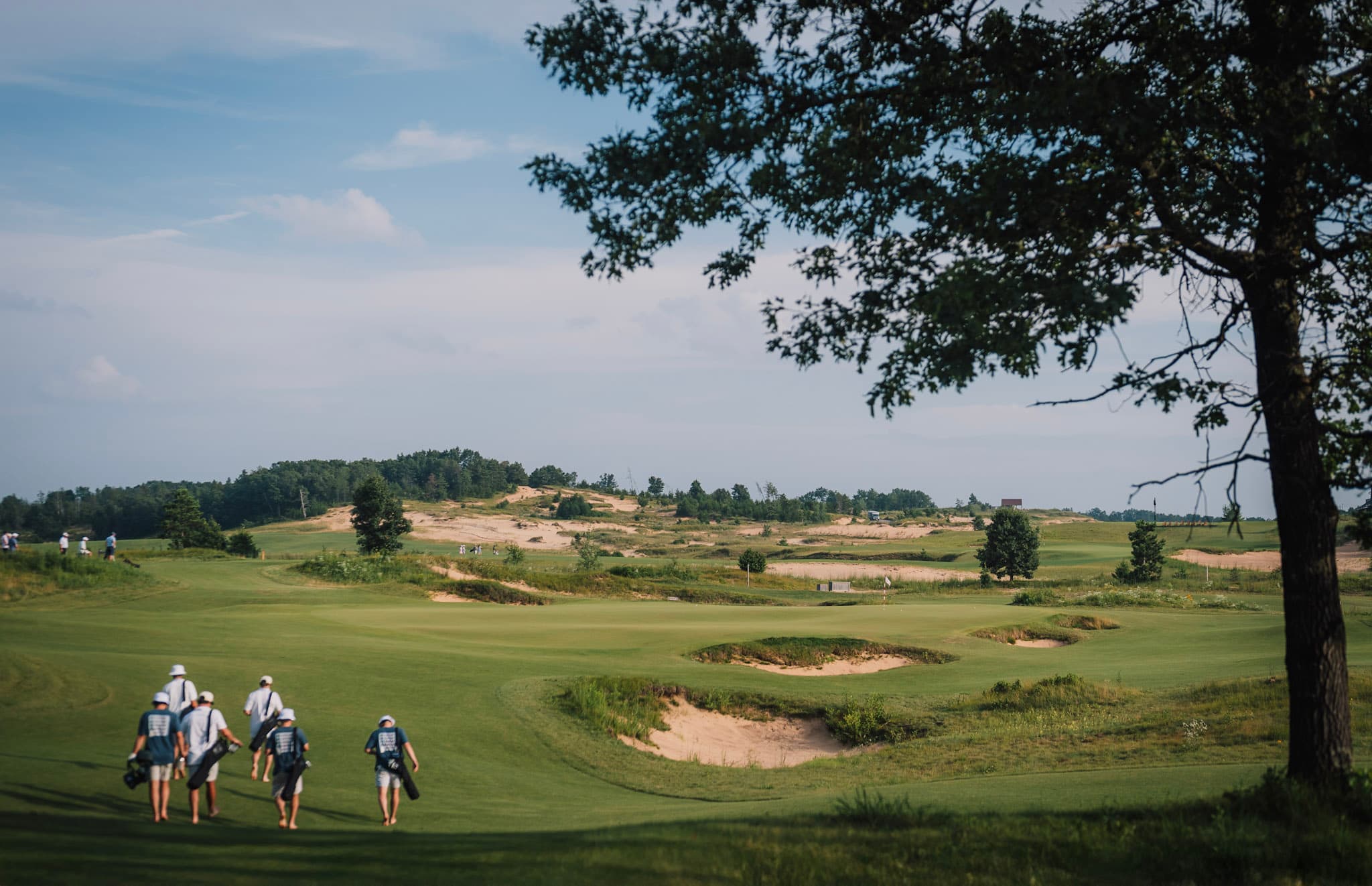
A down-to-the-inch recreation of C.B. Macdonald's lost 1917 Long Island masterpiece, rebuilt on Wisconsin sand dunes and opened in 2023.
From $295ResortTom Doak / Brian Schneider, Renaissance Golf (C.B. Macdonald recreation) (2023)
Direct websiteVisit website
Mid-Range
The Sandbox
Sand Valley, Wisconsin, Wisconsin
A 17-hole par-3 short course with holes ranging from 40 to 140 yards, featuring template greens including a Biarritz, Lion's Mouth, and Redan.
From $65ResortBill Coore & Ben Crenshaw / Jim Craig (2017)
Direct websiteVisit website
Plan Your Trip
Explore Sand Valley, Wisconsin
Full guide: courses, stays, getting there.
Continue →3 Itineraries
Pre-planned trips to Sand Valley, Wisconsin.
Continue →Off the Fairway
9 non-golf activities at Sand Valley, Wisconsin.
Continue →