 Pin it
The Lido
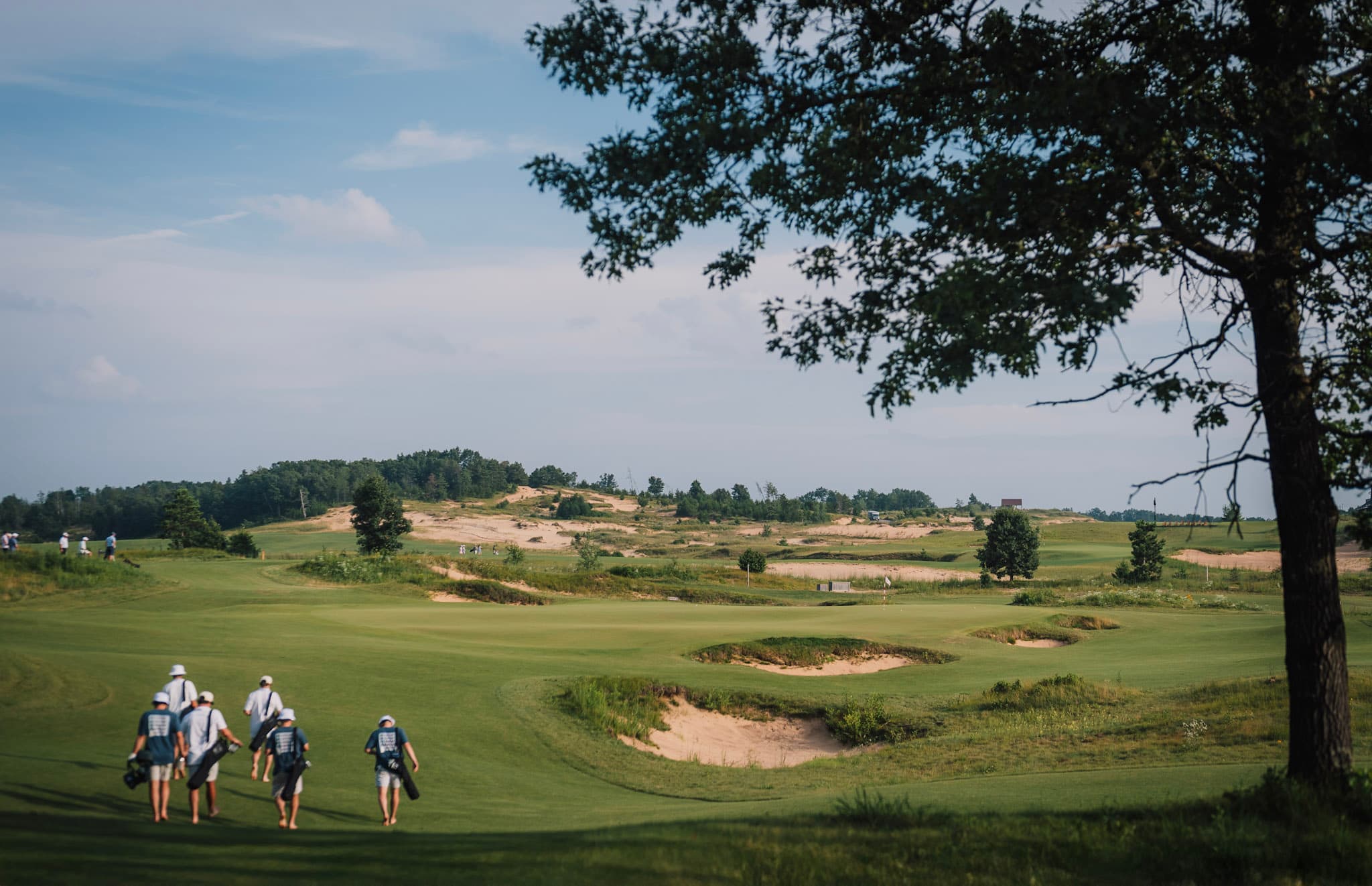
A down-to-the-inch recreation of C.B. Macdonald's lost 1917 Long Island masterpiece, rebuilt on Wisconsin sand dunes and opened in 2023.
Photo courtesy of Sand Valley · Sand Valley Resort press kit
Designed by Tom Doak / Brian Schneider, Renaissance Golf (C.B. Macdonald recreation) (2023)
From $295
Book direct via the course website
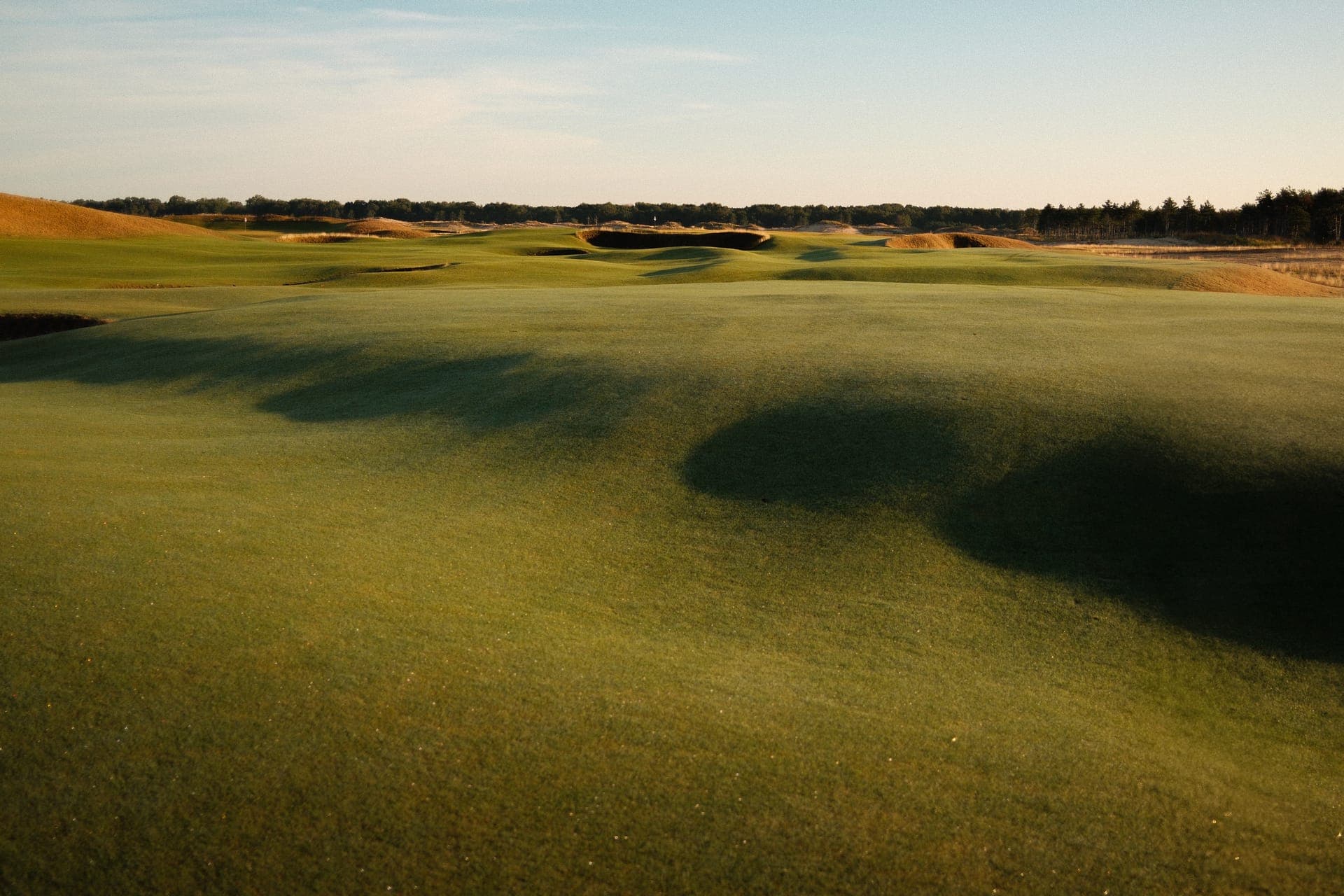
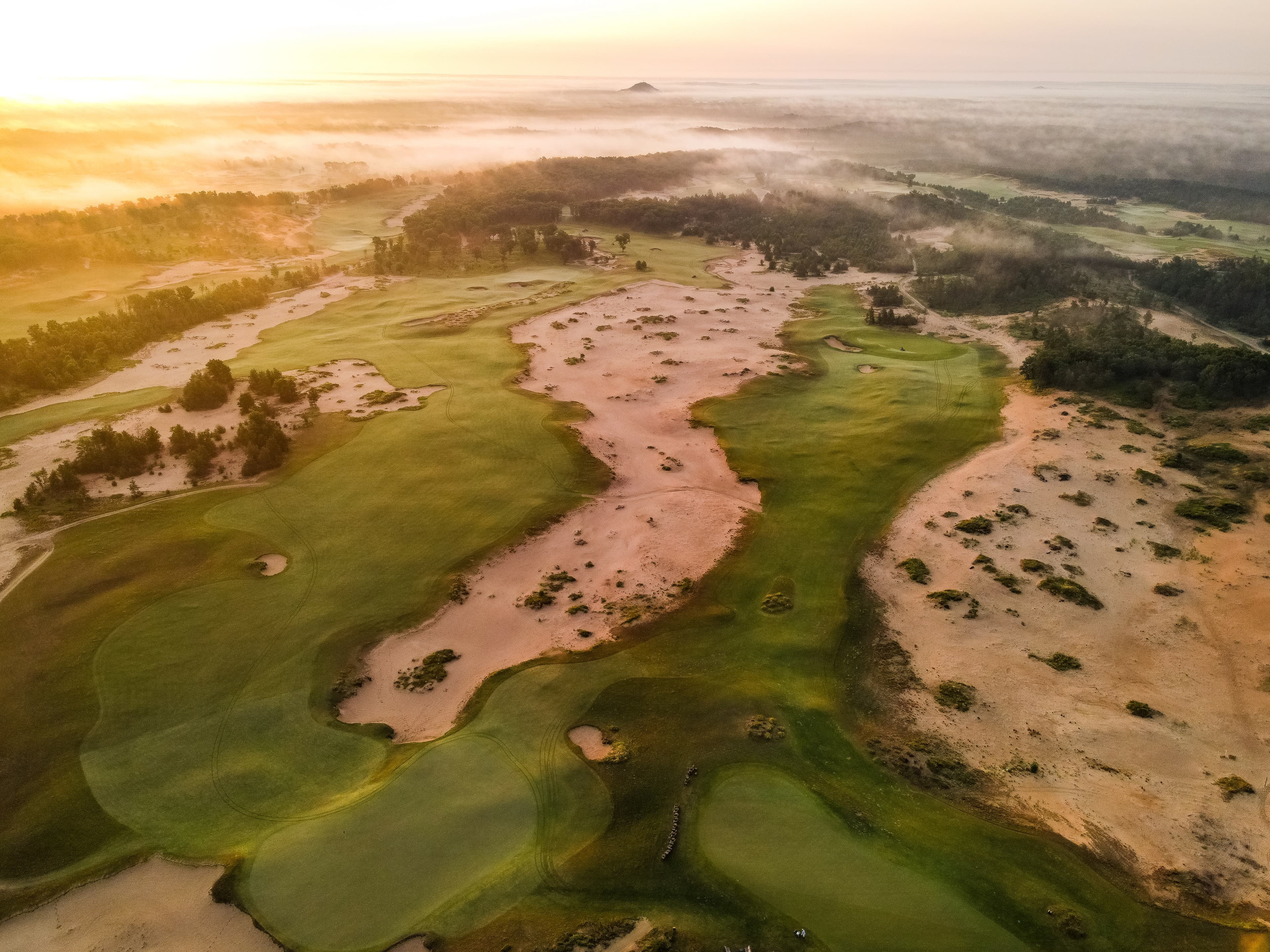
The Lido is the down-to-the-inch recreation of C.B. Macdonald's lost 1917 Long Island masterpiece, rebuilt by Tom Doak and Brian Schneider on Wisconsin sand dunes and opened in 2023. The original opened on reclaimed marshland on Long Island's south shore and was considered one of the finest courses in the world before the U.S. Navy reclaimed it in 1942. For eight decades the Lido existed only in photographs and increasingly mythical reputation. The Renaissance team spent years studying those photographs, original survey maps, and written accounts to put every green complex and bunker position back where they belonged, this time on the glacial sand of Adams County.
What to expect
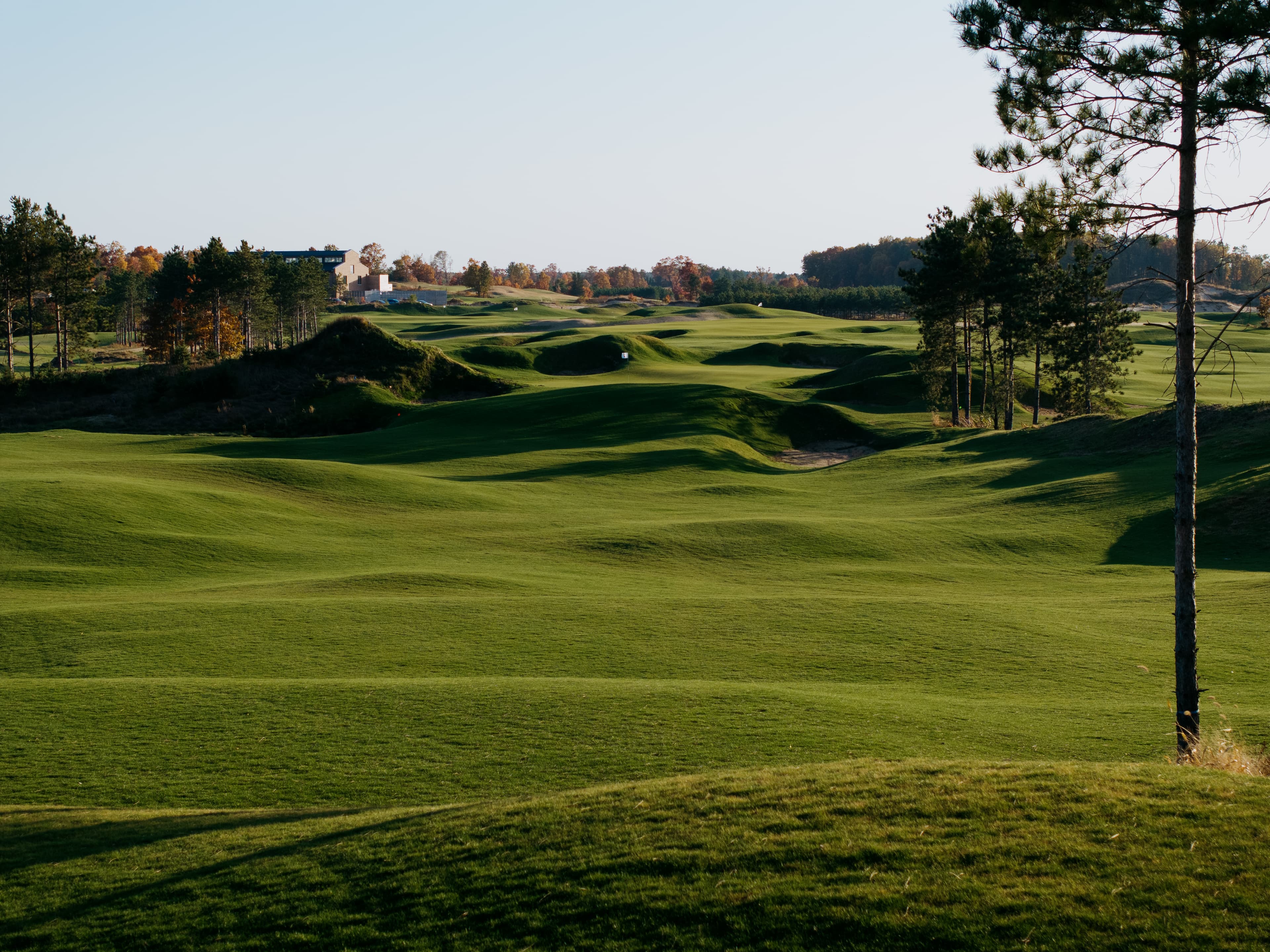
Macdonald was the great collector of golf hole templates, and The Lido contains his greatest concentration of them. The Redan, the Alps, the Cape, the Short, the Channel: each appears in a form faithful to Macdonald's original interpretation. The Channel hole is particularly worth noting; it was the subject of the first-ever course architecture competition, and Dr. Alister MacKenzie's winning entry, submitted before he designed Augusta National, is preserved in Doak's reconstruction. Greens are large and contoured, with internal slopes creating multiple pin positions of varying difficulty. The course rating of 74.5 and slope of 148 are the highest at the resort. Difficulty is architectural rather than physical; you do not need extraordinary length, but you need thoughtful positioning and an understanding of how the ground feeds the ball.
By the numbers
- Par
- 72
- Yardage
- 7,387
Is it worth the green fee?
At $295 in peak season, the fee is in line with the resort's other 18-hole courses. What distinguishes The Lido is the specificity of its ambition. This is not a course inspired by golden-age principles; it is a faithful reconstruction of a specific lost course, rebuilt with obsessive attention to documentation. The USGA has confirmed it as host of the 2026 U.S. Mid-Amateur, validation of both the recreation's fidelity and competitive merit.
Booking and trip fit
Walking only, like every Sand Valley course. Caddies are available and recommended for first-time visitors, since strategic options on each hole are numerous enough that local knowledge materially affects scoring. Pair with Sand Valley, Mammoth Dunes, Sedge Valley, and The Sandbox across a multi-day stay. Book direct through the resort.
The bottom line
For architecture nerds, a conversation with a ghost. For everyone else, an excellent and demanding 18 through beautiful sand-dune terrain.
Where to Stay
Accommodations near The Lido

Hotel
Hotel Mead & Conference Center
Sand Valley, Wisconsin, Wisconsin
The top-rated hotel in Wisconsin Rapids, with 150 rooms, free breakfast, and a 20-mile drive to Sand Valley.
From $90/nightSand Valley Resort ~20 miles
ExpediaCheck availability
Lake Arrowhead Resort
Resort
Lake Arrowhead Resort
Sand Valley, Wisconsin, Wisconsin
Lakeside villas with full kitchens ten miles from Sand Valley, at roughly half the on-resort rate.
From $100/nightSand Valley Resort ~10 miles
Direct websiteVisit website
Vacation Rental
Sand Valley Cottages & Estate Homes
Sand Valley, Wisconsin, Wisconsin
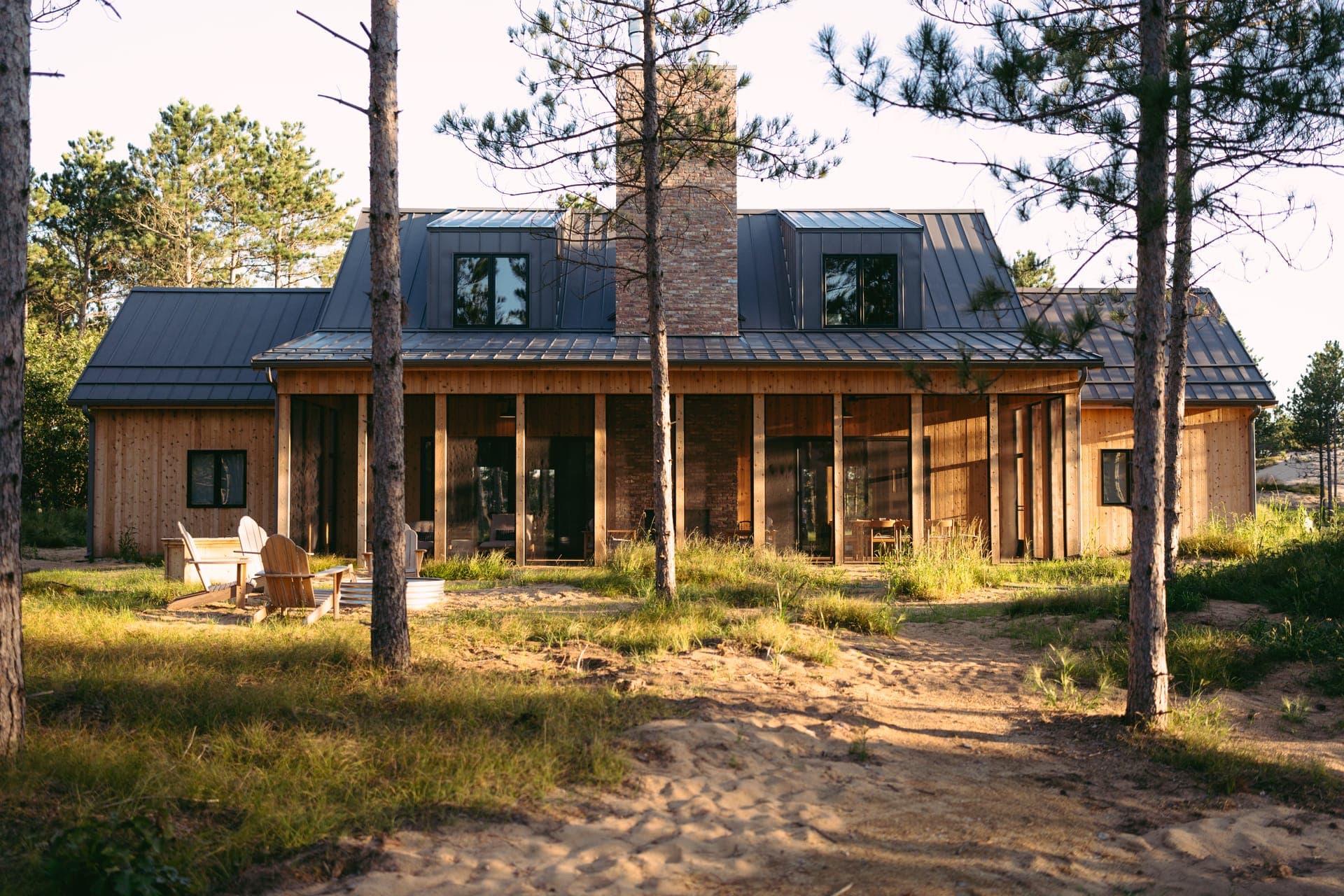
On-resort cottages and estate homes for groups that want to cook their own steaks after 36 holes on Mammoth Dunes.
From $200/nightSand Valley (on-site); Mammoth Dunes (on-site); The Lido (on-site)
Direct websiteVisit website
Lodge
Sand Valley Lodge
Sand Valley, Wisconsin, Wisconsin
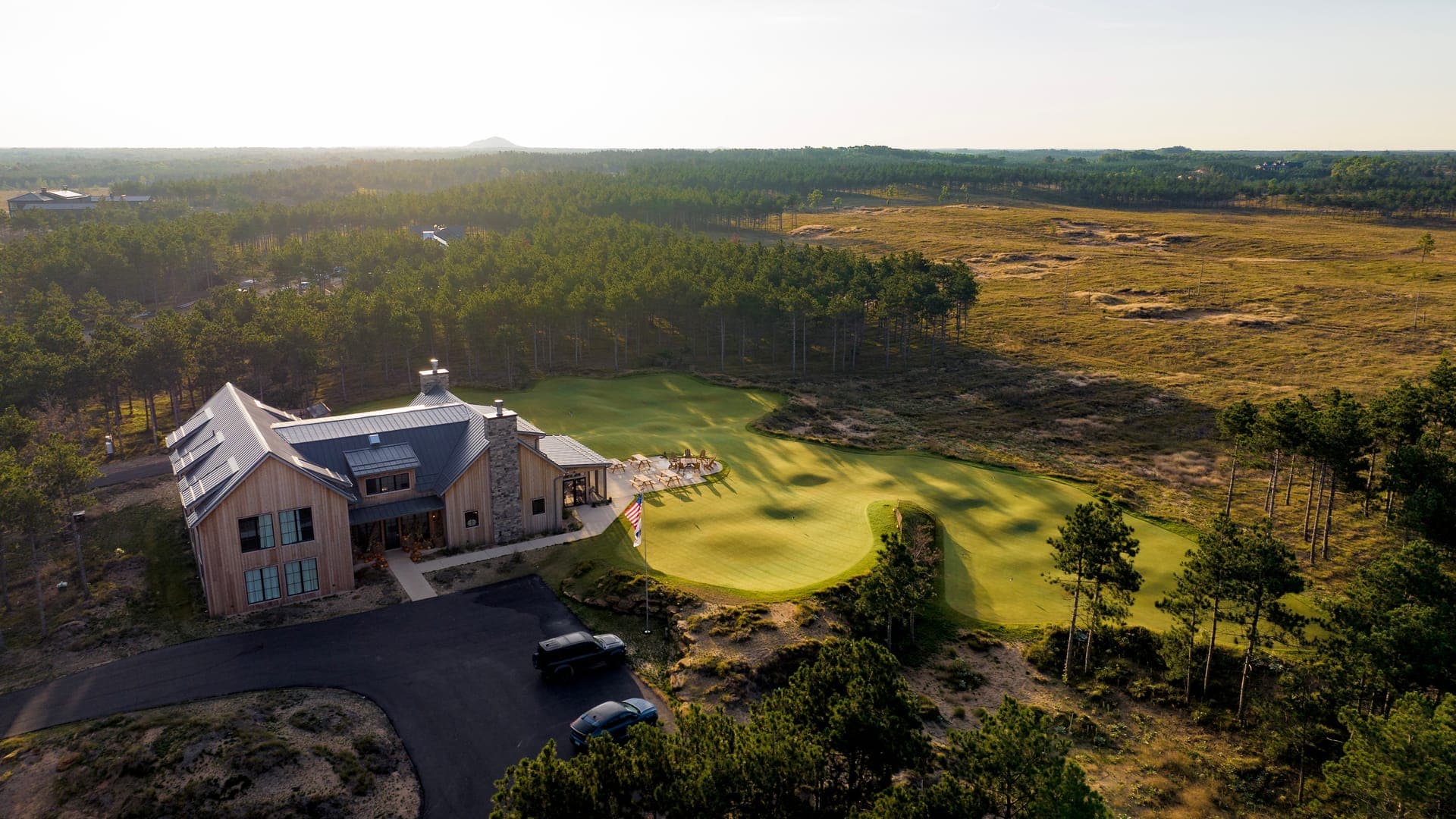
The only lodging that puts you on the resort grounds, with golf views from the room and first access to four championship courses.
From $250/nightSand Valley (on-site); Mammoth Dunes (on-site); The Lido (on-site)
Direct websiteVisit website
Compare all stays near The Lido
Live prices from Booking.com, Expedia and more — every nearby hotel and rental in one search.
Prices and availability from Booking.com, Expedia and others via Stay22. GolfTrailsHQ may earn a commission at no additional cost to you.
Other Courses Nearby
Lawsonia Links
Mid-Range
Lawsonia Links
Sand Valley, Wisconsin, Wisconsin
A 1930 Langford and Moreau design in Green Lake with massive elevated greens and deep bunkers, ranked among America's best affordable public courses.
$70–$140PublicWilliam Langford & Theodore Moreau (1930)
Direct websiteVisit website
Bucket List
Mammoth Dunes
Sand Valley, Wisconsin, Wisconsin
David McLay Kidd's 2018 design features some of the widest fairways in American golf, sculpted around a massive sand ridge with enormous greens.
From $295ResortDavid McLay Kidd (2018)
Direct websiteVisit website
Premium
Sand Valley
Sand Valley, Wisconsin, Wisconsin
The resort's original Coore and Crenshaw course plays through exposed sand dunes with firm-and-fast conditions and multiple strategic playing options.
$105–$295ResortBill Coore & Ben Crenshaw (2017)
Direct websiteVisit website
Mid-Range
Sedge Valley
Sand Valley, Wisconsin, Wisconsin
Tom Doak's heathland-inspired par 68 packs a 74.2 course rating into fewer than 5,900 yards through small, complex green sites.
From $295ResortTom Doak (2024)
Direct websiteVisit website
Mid-Range
The Commons
Sand Valley, Wisconsin, Wisconsin
A 12-hole, par-45 afternoon course inspired by ancient Scottish links like Prestwick and North Berwick, opening in 2026.
ResortJim Craig (2026)
Direct websiteVisit website
Mid-Range
The Sandbox
Sand Valley, Wisconsin, Wisconsin
A 17-hole par-3 short course with holes ranging from 40 to 140 yards, featuring template greens including a Biarritz, Lion's Mouth, and Redan.
From $65ResortBill Coore & Ben Crenshaw / Jim Craig (2017)
Direct websiteVisit website
Plan Your Trip
Explore Sand Valley, Wisconsin
Full guide: courses, stays, getting there.
Continue →3 Itineraries
Pre-planned trips to Sand Valley, Wisconsin.
Continue →Off the Fairway
9 non-golf activities at Sand Valley, Wisconsin.
Continue →