 Pin it
Osprey Point Golf Course at Kiawah Island
The Kiawah course that resort guests return to, routed through freshwater lakes and Lowcountry marsh.
Designed by Tom Fazio (1988)
$262–$315
Booking via GolfNow
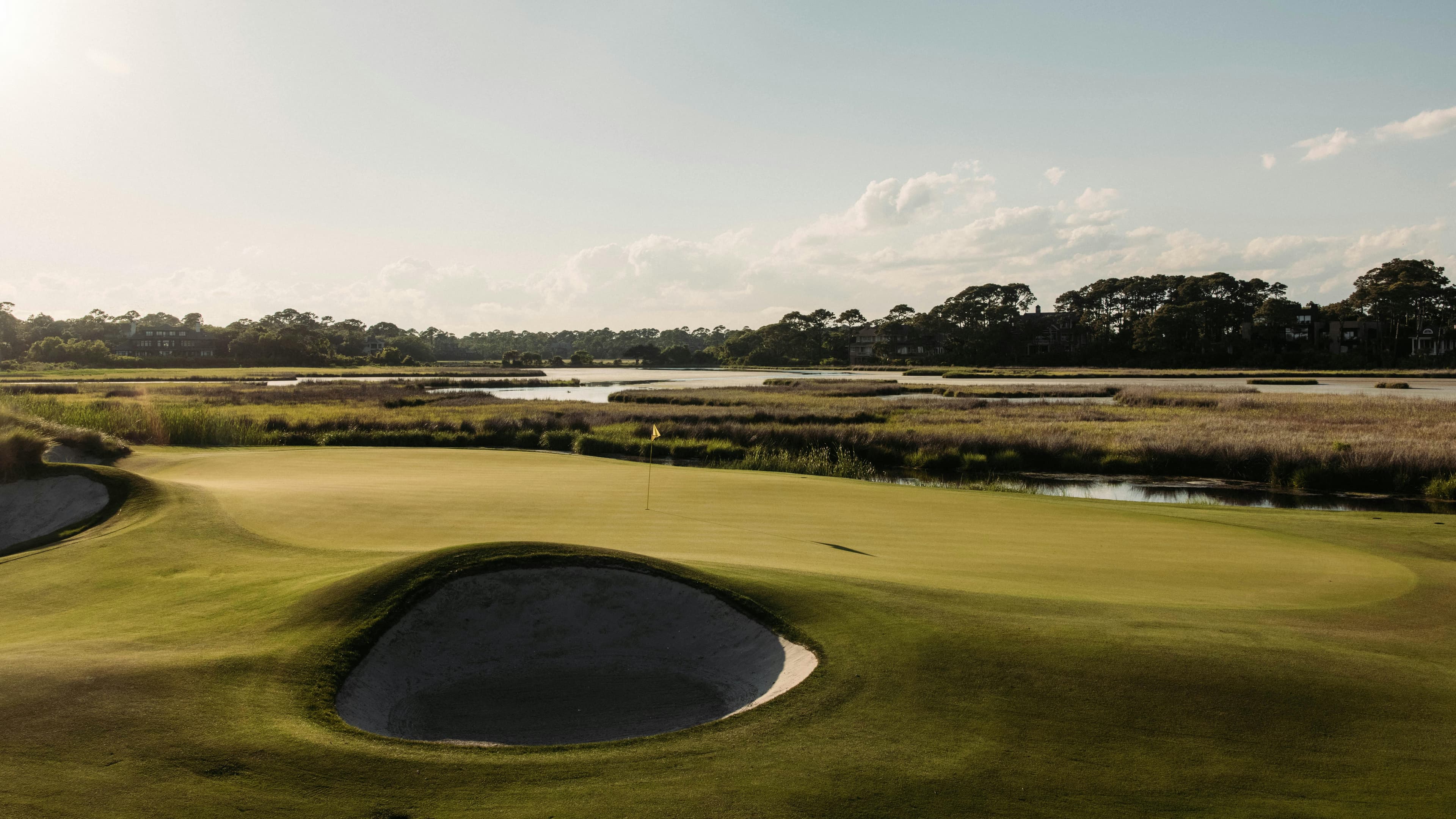
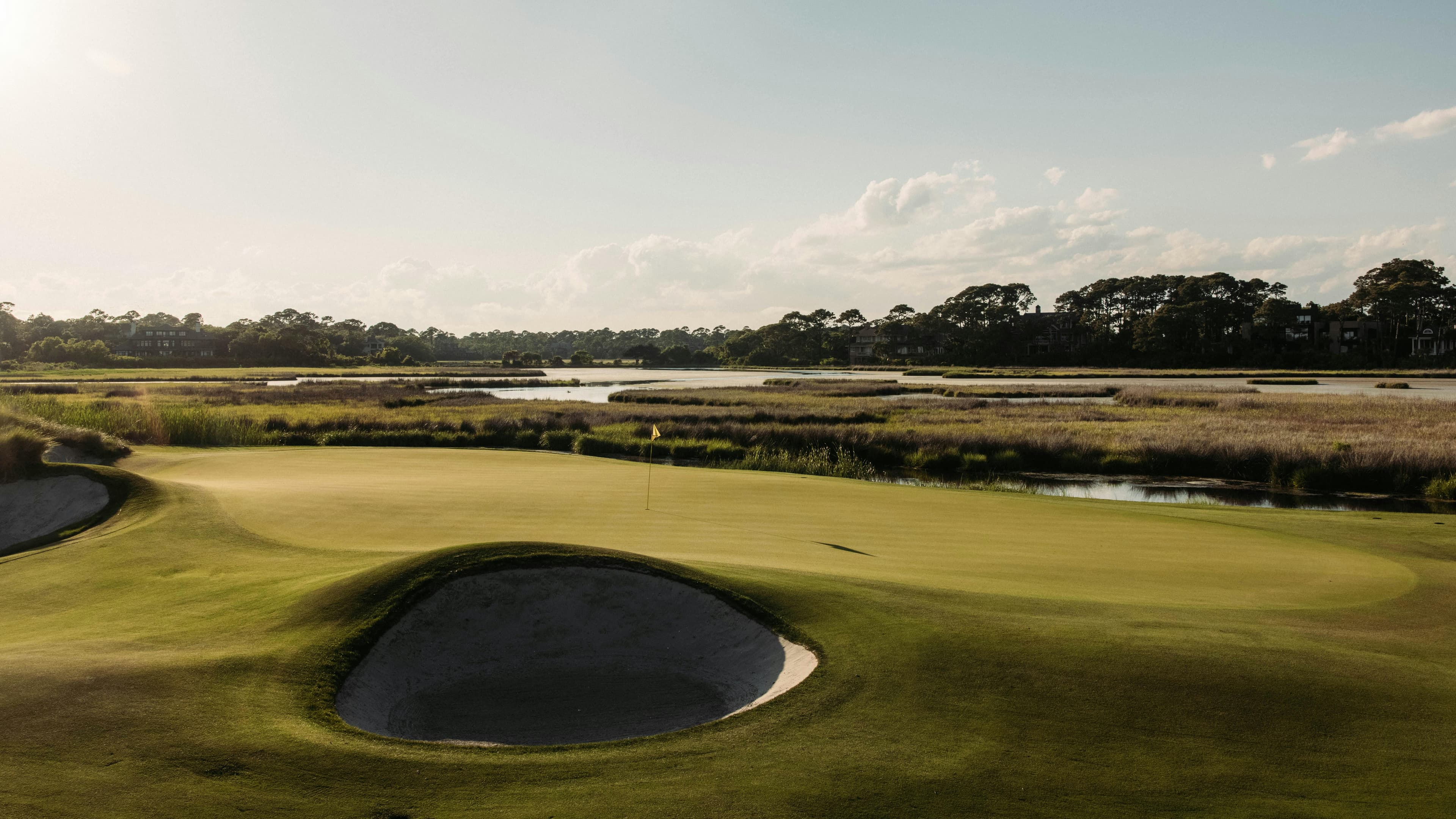
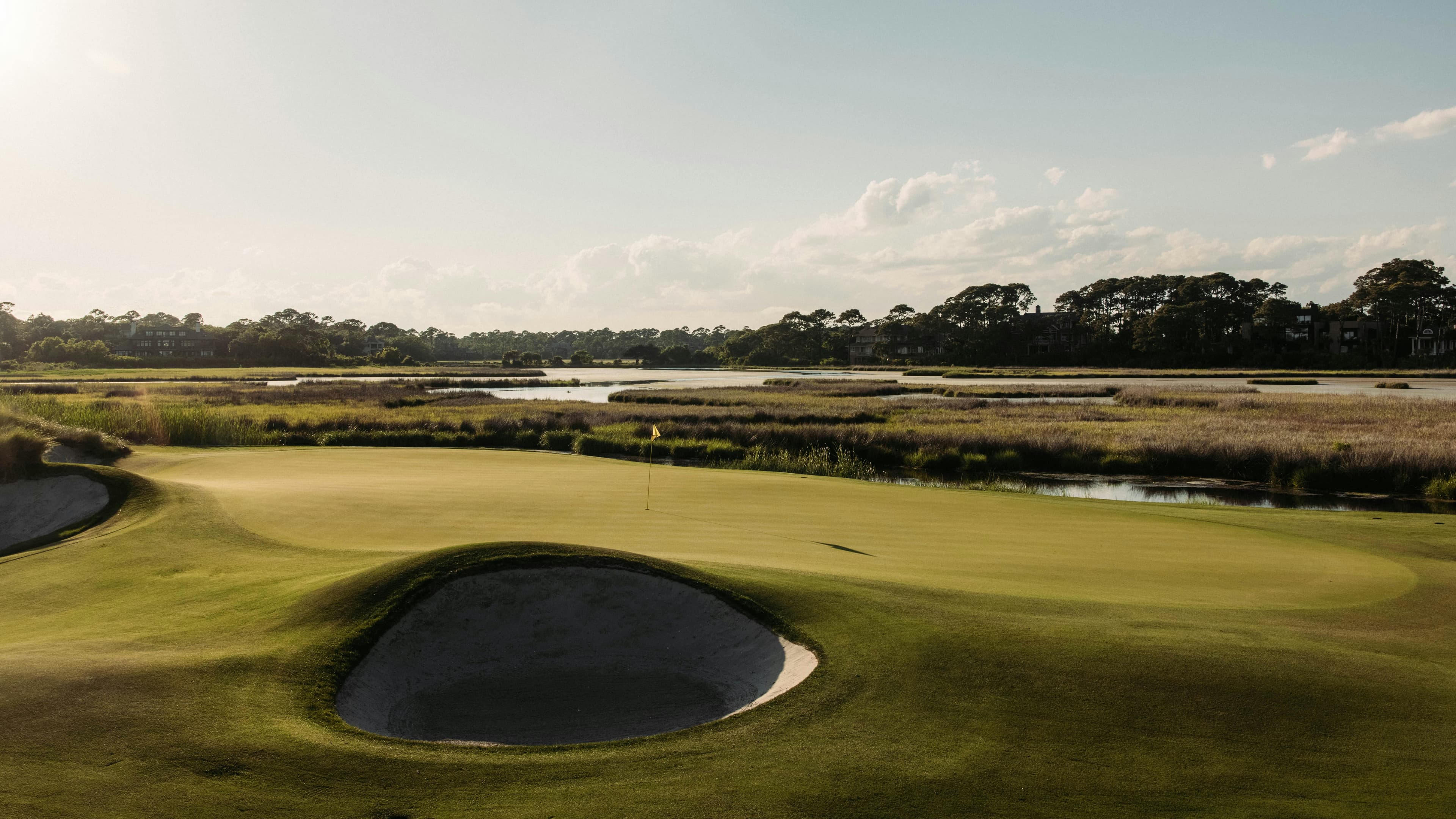
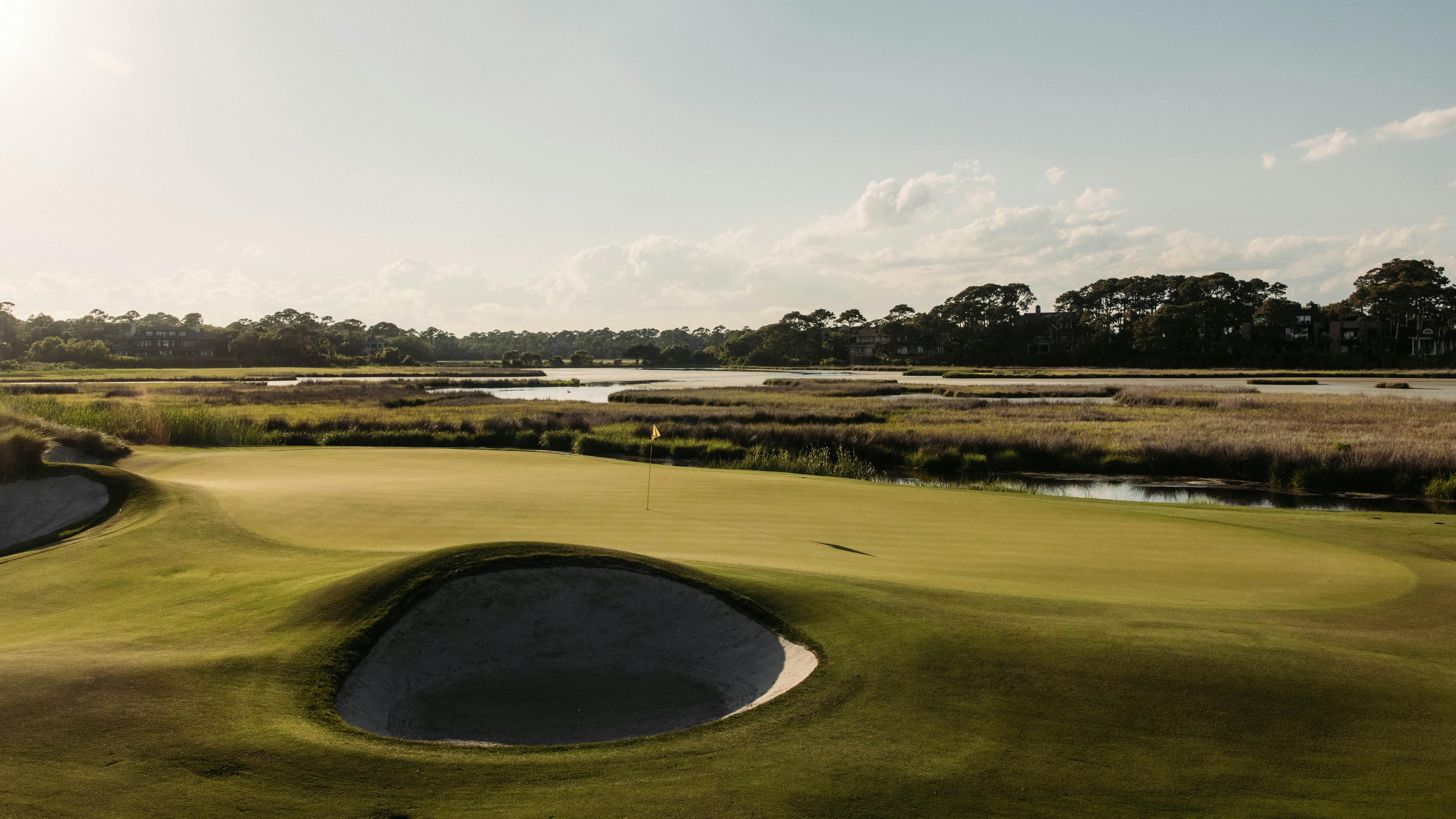
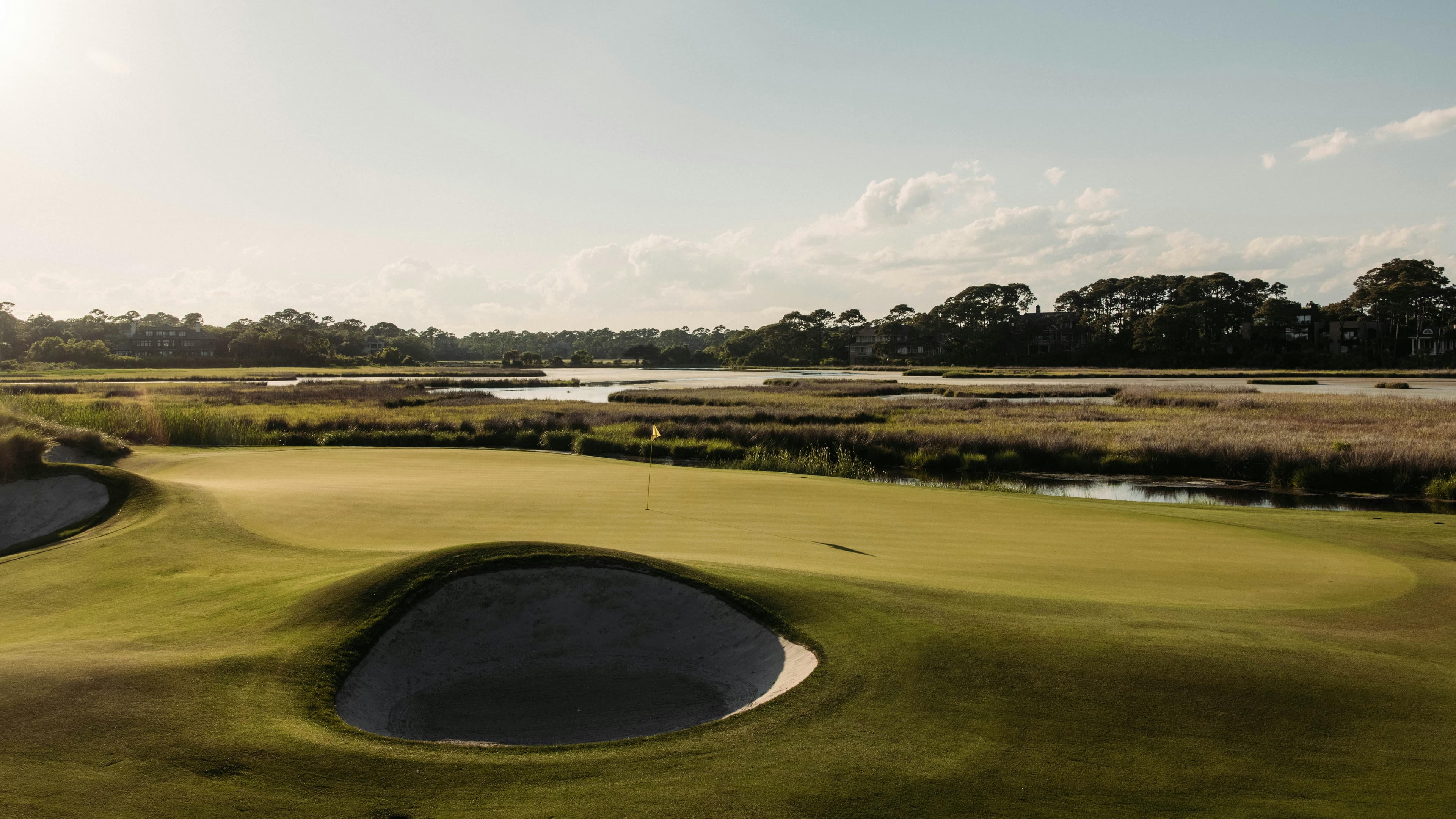
Osprey Point is Tom Fazio's 1988 design at Kiawah Island Golf Resort, routed through freshwater lakes and Lowcountry marsh, and it is the Kiawah course that resort guests return to more than any of its siblings. The Ocean Course gets the headlines and Turtle Point carries the Nicklaus name, but among the five Kiawah resort courses, Osprey Point is the one most often described as a guest favourite. The reputation has held for more than three decades because the layout is thoroughly enjoyable across a wide range of abilities without sacrificing strategic interest.
What to expect
At 6,902 yards from the Tournament tees with a 72.8 rating and a 135 slope, Osprey Point is testing enough for accomplished players and welcoming enough for golfers who do not break 90. Tee positions stretch from 4,746 to 6,902 yards, and the design reads clearly from every set. Hazards are visible, angles are logical, and recovery options are reasonable. The range of tees makes Osprey Point the most practical option at the resort for groups with mixed abilities.
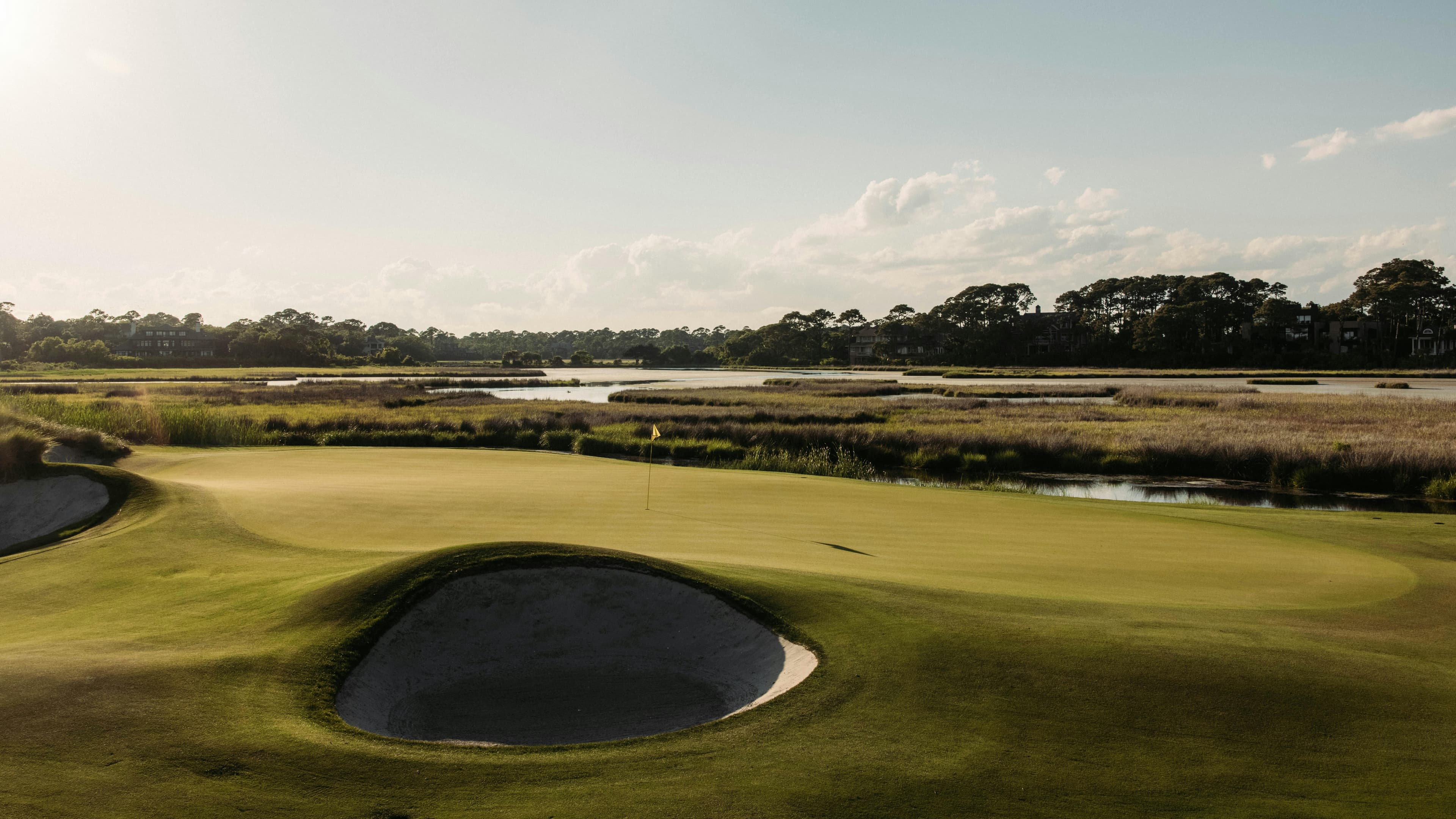
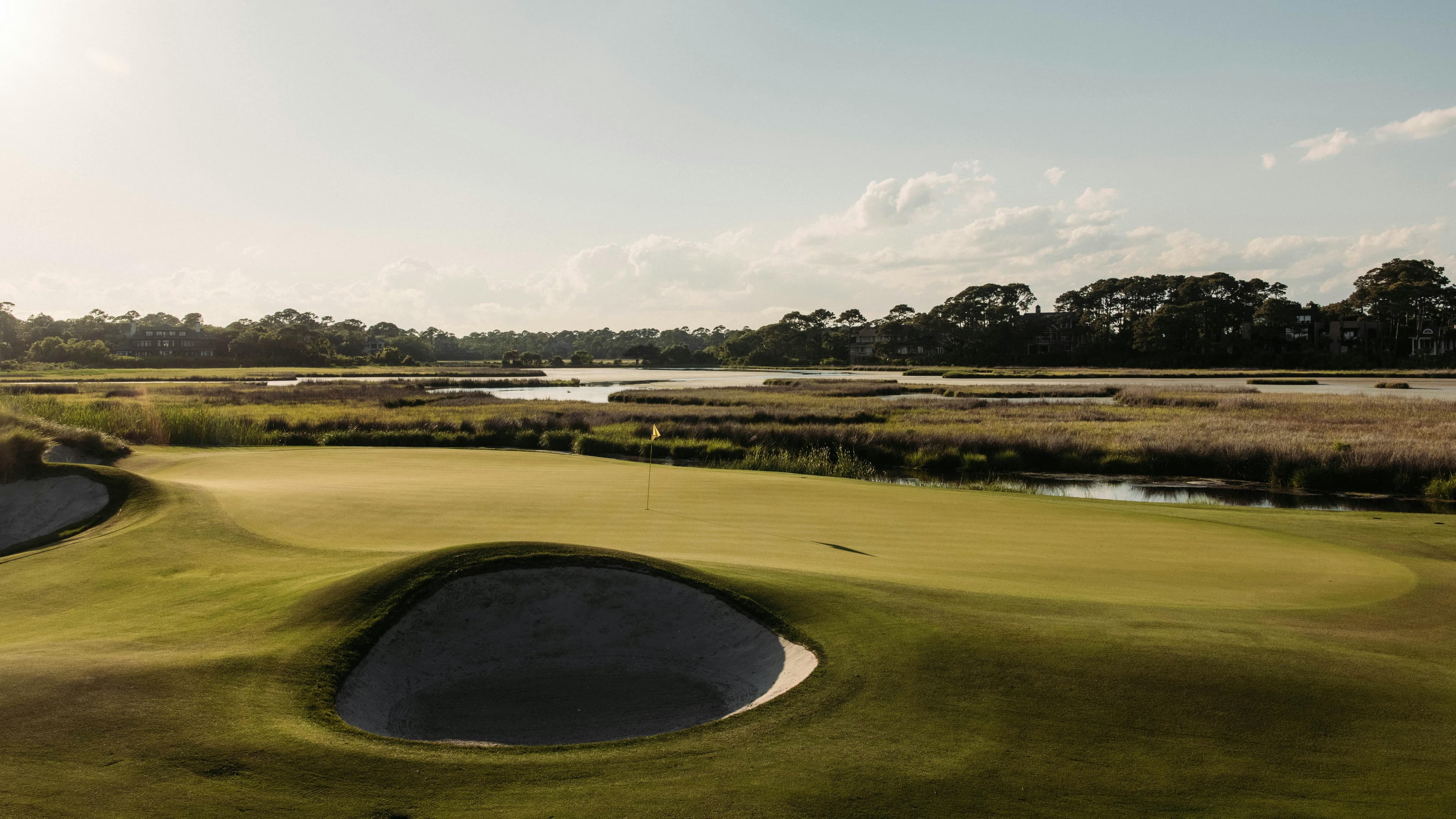
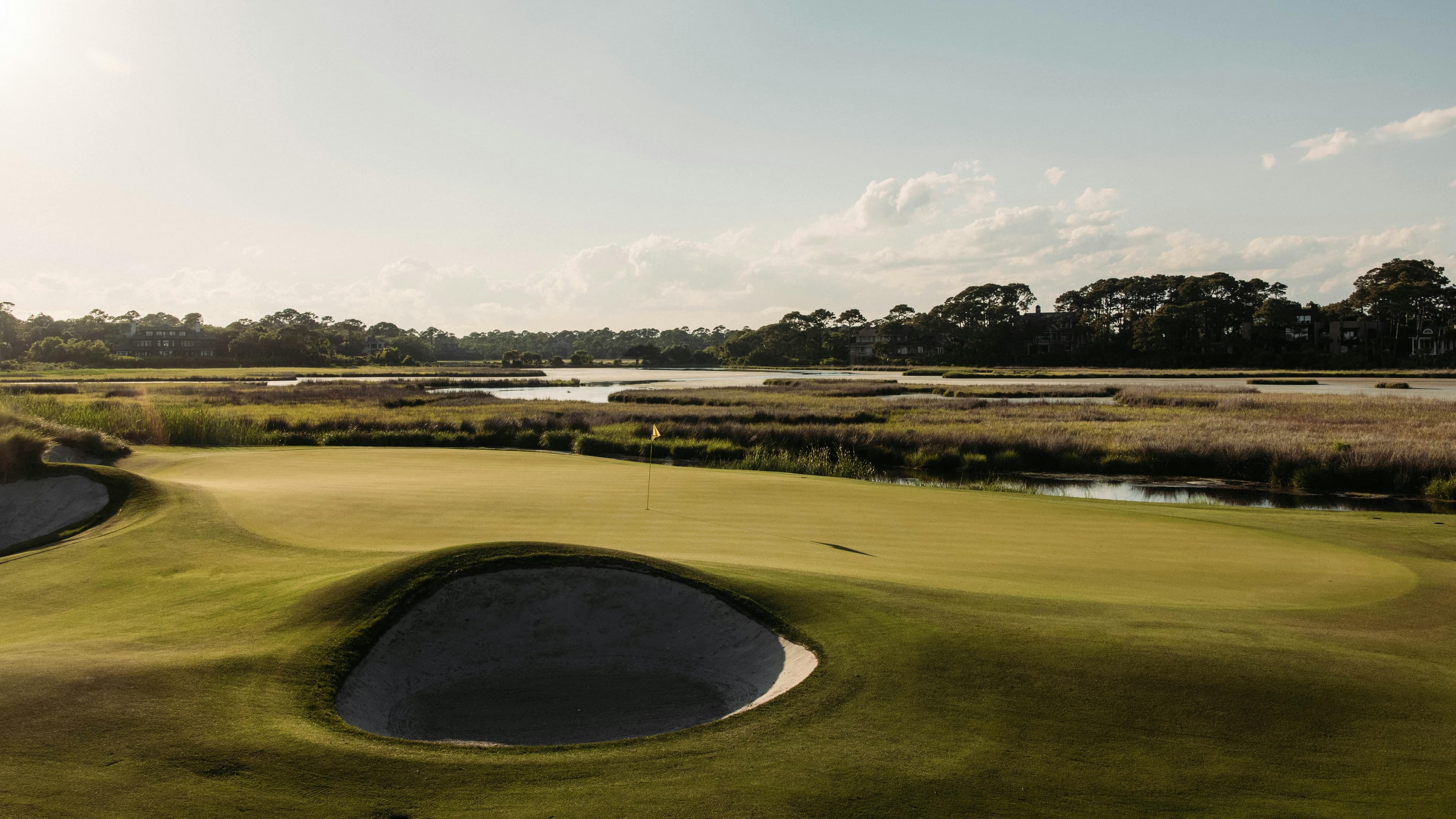
Fazio routed the holes through a landscape defined by four natural freshwater lakes, marsh, and lagoon systems that provide both visual interest and strategic consequence. Water is a constant presence, but it is deployed with restraint. Ponds and lagoons border fairways and greens without dominating them, and the design generally offers bail-outs if you prefer to avoid the carry. The marsh views deliver the Lowcountry atmosphere visitors travel to Kiawah for, in a setting more intimate than the exposed oceanside landscape of the Ocean Course.
The routing moves between open stretches along the lakes and tighter corridors through stands of live oak and pine. Fazio's bunkering is characteristic: clean shapes, well-defined edges, placement that creates visual tension without excessive penalty. The greens accept a variety of approach shots and putt honestly.
The inland location means Osprey Point is substantially more sheltered from wind than the Ocean Course. On days when ocean breezes turn the Ocean Course into a two-club-wind endurance test, Osprey Point plays in comparatively calm conditions, and the round becomes more about execution than meteorological negotiation.
By the numbers
- Par
- 72
- Yardage
- 6,902
Is it worth the green fee?
Green fees of $262 to $315 per round including cart, with dynamic pricing across seasons, place Osprey Point in the middle of the Kiawah resort pricing structure: well below the Ocean Course, comparable to Turtle Point, above the River Course and Oak Point. For the quality of round and the freedom from the Ocean Course's intensity, the math holds up.
Booking and trip fit
Tee times are available through the booking link on this page. For a multi-day Kiawah itinerary, Osprey Point fills a specific role: the round to play when you want quality golf without the intensity of the Ocean Course or the pressure of justifying a top-tier green fee. Pair it with Turtle Point for a sensible mid-tier two-round day, and slot Oak Point or the River Course in for budget balance.
Where to Stay
Accommodations near Osprey Point Golf Course at Kiawah Island

Hotel
Belmond Charleston Place
Charleston & Kiawah Island, South Carolina
A 400-room Forbes Five Star property at the intersection of Meeting and Market Streets, for golfers who want Charleston first and the courses second.
From $325/nightCharleston National Golf Club (~20 min)
ExpediaCheck availability
Resort
Isle of Palms Resort by Wyndham
Charleston & Kiawah Island, South Carolina
Villa-style units on Isle of Palms with full kitchens, beach access, and the Wild Dunes courses five minutes away.
From $150/nightWild Dunes Links and Harbor Courses (~5 min)
Direct websiteVisit website
Vacation Rental
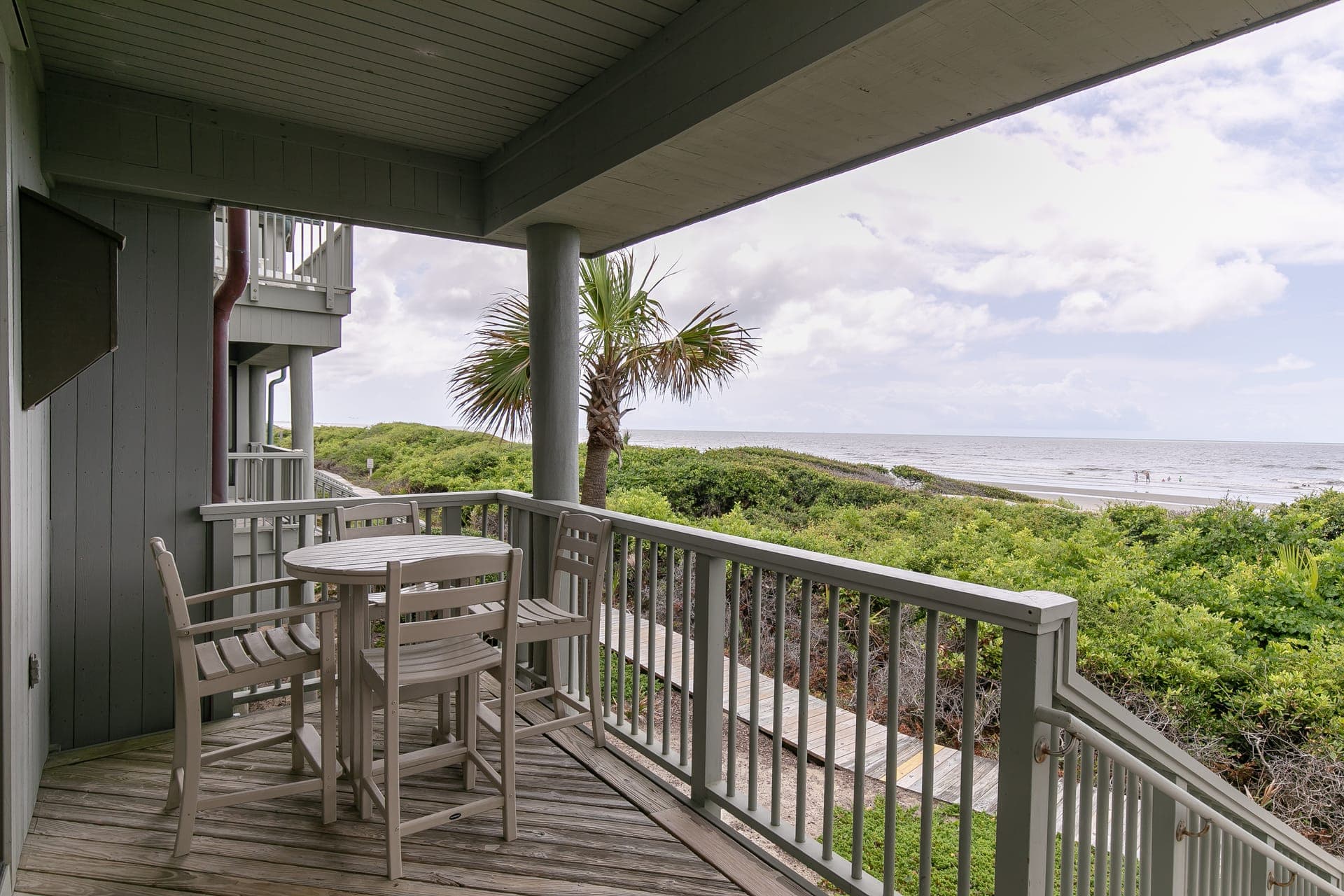
Kiawah Island Golf Resort Villas
Charleston & Kiawah Island, South Carolina
Five hundred rental options across the island, from one-bedroom condos to five-bedroom homes, with full resort course access.
From $250/nightOn-site golf
Direct websiteVisit website
Resort
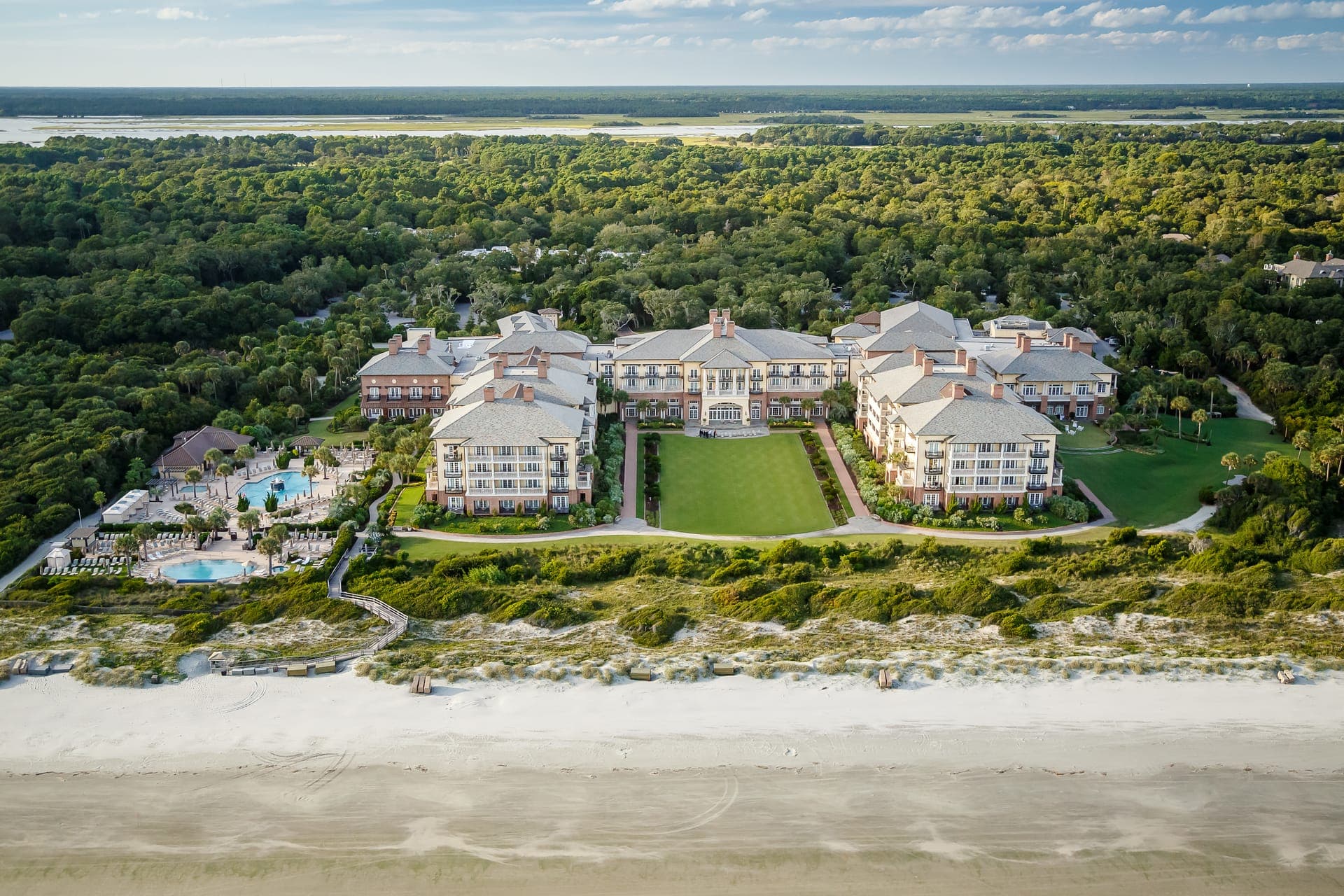
The Sanctuary at Kiawah Island Golf Resort
Charleston & Kiawah Island, South Carolina
Five courses, Forbes Five Star recognition, and 255 oceanfront rooms on one of the Atlantic coast's most protected barrier islands.
From $328/nightOn-site golf
Direct websiteVisit website
Compare all stays near Osprey Point Golf Course at Kiawah Island
Live prices from Booking.com, Expedia and more — every nearby hotel and rental in one search.
Prices and availability from Booking.com, Expedia and others via Stay22. GolfTrailsHQ may earn a commission at no additional cost to you.
Other Courses Nearby
Mid-Range
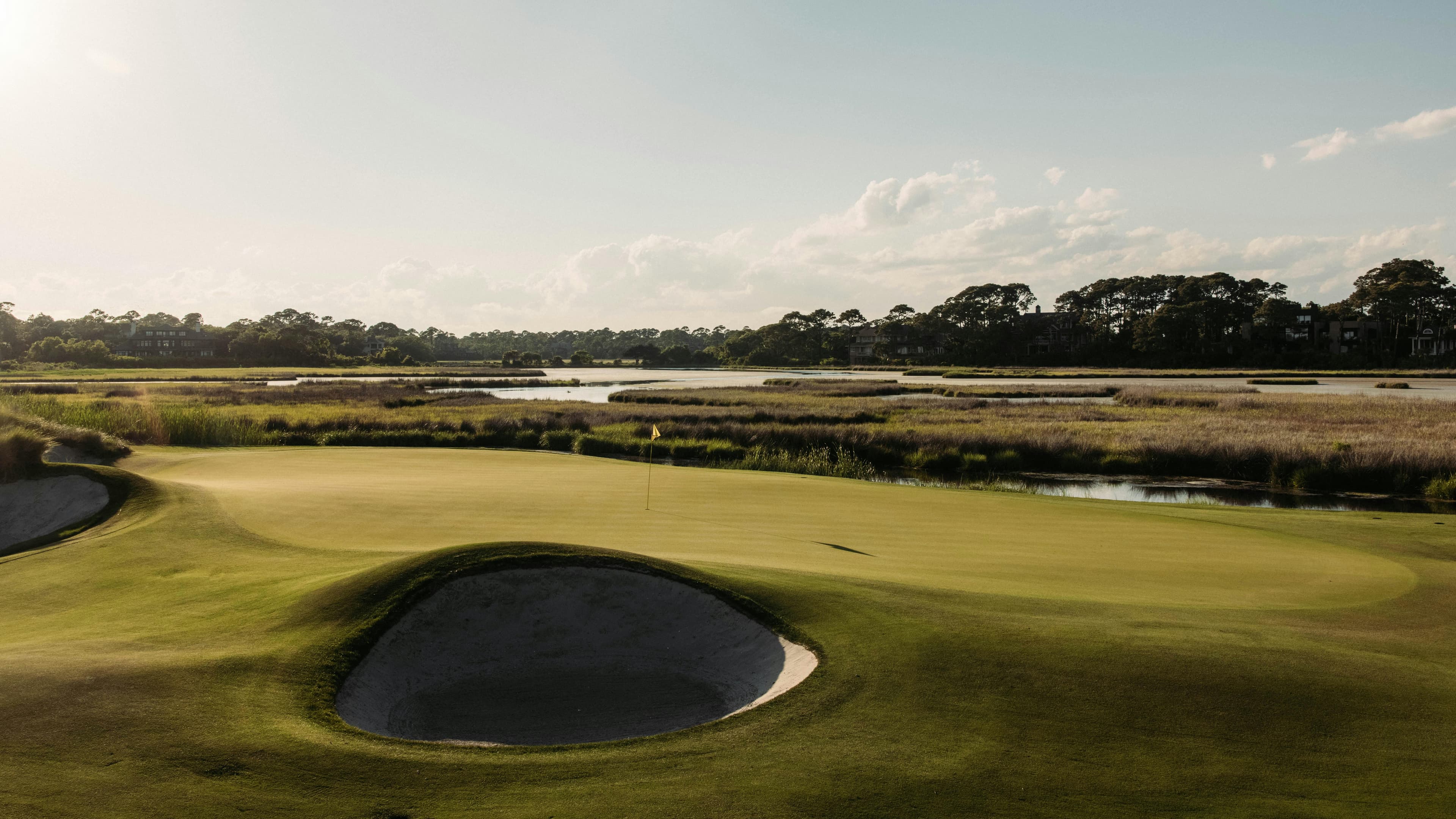
Charleston National Golf Club
Charleston & Kiawah Island, South Carolina
Rees Jones along the Intracoastal Waterway in Mount Pleasant, public access, cart included, and no resort gate to clear.
$75–$115PublicRees Jones (1989)
GolfNowBook tee time
Mid-Range
Harbor Course at Wild Dunes Resort
Charleston & Kiawah Island, South Carolina
Fazio's second act at Wild Dunes, where the Intracoastal Waterway replaces the ocean and the green fees drop accordingly.
$63–$209ResortTom Fazio (1986)
GolfNowBook tee time
Premium
Links Course at Wild Dunes Resort
Charleston & Kiawah Island, South Carolina
Tom Fazio's first solo commission, revised and reopened on the Isle of Palms oceanfront.
$63–$279ResortTom Fazio (1980)
GolfNowBook tee time
Mid-Range
Oak Point Golf Course at Kiawah Island
Charleston & Kiawah Island, South Carolina
The most affordable entry point to Kiawah resort golf, set among marshland and oak canopy just outside the main gate.
$150–$315ResortClyde Johnston (1989; acquired by Kiawah Resort 1997)
GolfNowBook tee time
Hidden Value
RiverTowne Country Club
Charleston & Kiawah Island, South Carolina
Arnold Palmer's marshland routing along the Wando River, with 13 waterside holes and green fees that start at $50.
$50–$109Semi-PrivateArnold Palmer (2002)
GolfNowBook tee time
Bucket List
The Ocean Course at Kiawah Island
Charleston & Kiawah Island, South Carolina
Built for a Ryder Cup, defined by the Atlantic, and still the most demanding seaside test in American golf.
$350–$685ResortPete Dye (1991)
GolfNowBook tee time
Mid-Range
The River Course at Kiawah Island
Charleston & Kiawah Island, South Carolina
Fazio's inland Kiawah layout along the river and tidal creeks, sheltered from the wind that defines the Ocean Course.
$150–$185PrivateTom Fazio (1995)
PartnerBook tee time
Mid-Range
Turtle Point Golf Course at Kiawah Island
Charleston & Kiawah Island, South Carolina
Jack Nicklaus on a barrier island, with three oceanfront holes and a 2016 renovation that sharpened every edge.
$250–$315ResortJack Nicklaus (1981)
GolfNowBook tee time
Plan Your Trip
Explore Charleston & Kiawah Island
Full guide: courses, stays, getting there.
Continue →3 Itineraries
Pre-planned trips to Charleston & Kiawah Island.
Continue →Off the Fairway
10 non-golf activities at Charleston & Kiawah Island.
Continue →Some links on this page are affiliate links. If you book through these links, we may earn a small commission at no extra cost to you. This does not influence our editorial recommendations.