 Pin it
Links Course at Wild Dunes Resort
Tom Fazio's first solo commission, revised and reopened on the Isle of Palms oceanfront.
Designed by Tom Fazio (1980)
$63–$279
Booking via GolfNow
The Links Course at Wild Dunes is the place Tom Fazio's career began, the first solo design from an architect who has since shaped or renovated more than 200 courses. It opened in 1980 on Isle of Palms, a barrier island northeast of Charleston, and that origin story gives it historical weight beyond its playing merits.
The design has been renovated several times, most recently in a comprehensive 2015 redesign that updated bunkering, green complexes, and conditioning to current standards while preserving Fazio's original routing. The Bermuda surfaces are maintained to a high level, and the course carries the polish of a facility that takes its heritage seriously.
From the longest tees you get 6,722 yards with a rating of 72.7 and a slope of 131. The challenge is real without being punishing. Slope is moderate by Lowcountry resort standards, fairways are generous enough for a range of abilities, and multiple tee positions let you match the layout to your game.
What to expect
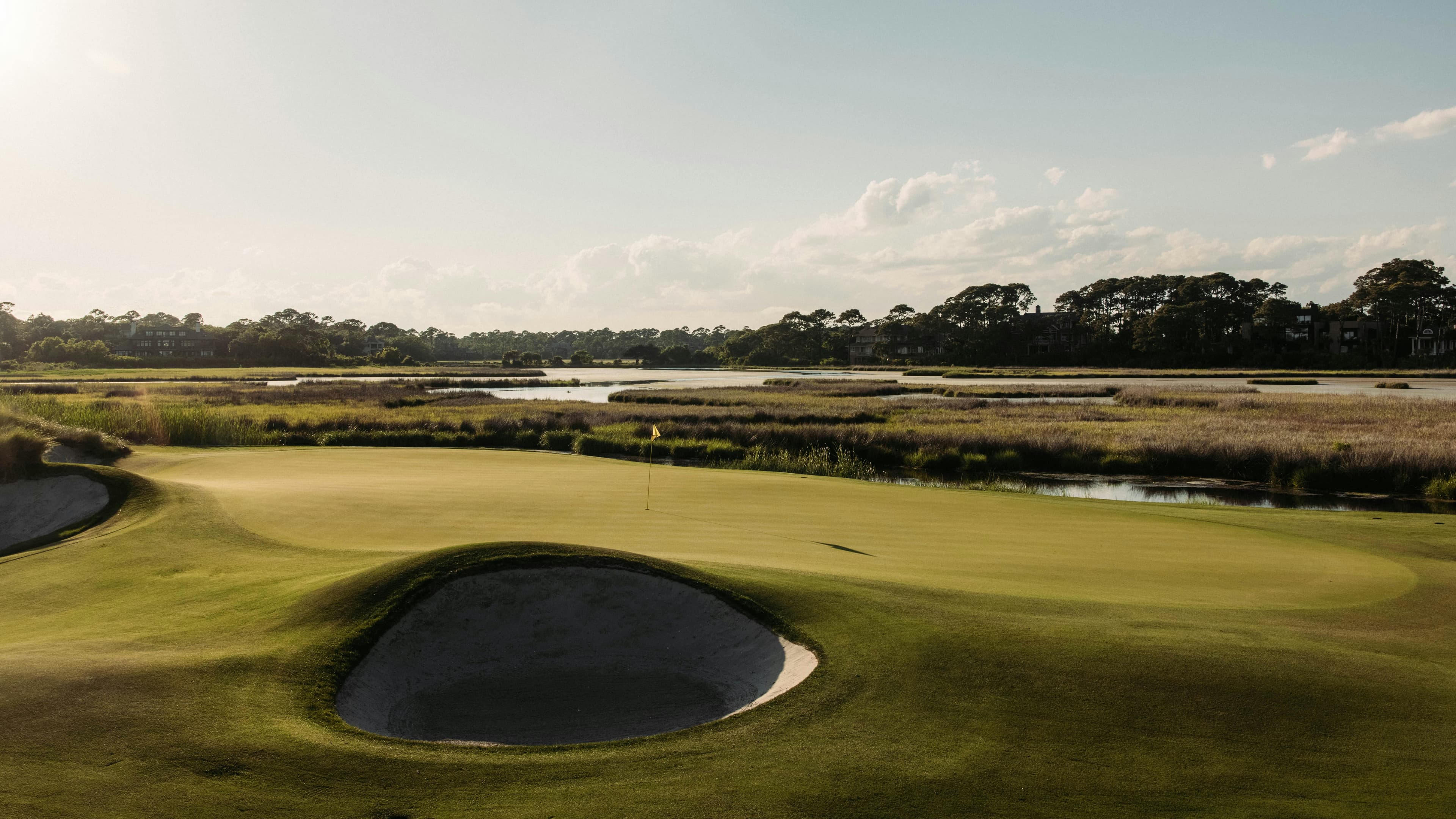
The routing moves through Isle of Palms terrain that shifts between maritime forest and open coastal stretches. Interior holes are framed by palmettos and live oaks, with enough tree cover to provide definition without claustrophobia. The transitions give the round a rhythm that keeps it from feeling repetitive. Ponds and tidal marsh add variety to the hazard profile, and the 2015 bunkering reflects the refinement of Fazio's later career: clean shapes, strategic placement, decisions without excessive penalty.
The course opens up as the routing approaches the coast, and the final two holes deliver the moment the round has been building toward. Both play along the Atlantic, beach and dunes on one side, the course receding behind you on the other. Wind picks up. Stakes feel higher. Played in late afternoon light, this is among the best finishing stretches at any resort course in the Charleston area.
By the numbers
- Par
- 70
- Yardage
- 6,503
Is it worth the green fee?
Green fees run $63 to $279 with dynamic pricing across season and day. The range is broad, and the low end is genuine value for a well-maintained resort course with oceanfront finishers. Shoulder season and midweek rates regularly drop below $100, which is hard to match anywhere in the Charleston market.
Booking and trip fit
The course plays best in spring and fall when the Bermuda is at its peak. Summer rates are reduced, though Lowcountry July heat tests endurance as much as skill.
The Links pairs naturally with the Harbor Course, Fazio's second Wild Dunes design. Playing both in a single visit shows how Fazio's thinking evolved across his early career, and combined cost often comes in below a single peak-season round at the Ocean Course across the island. Book direct through the resort, or use the booking link on this page.
The bottom line
This does not compete with the Ocean Course on intensity or the Kiawah resort courses on exclusivity. It competes on enjoyment, and it wins often enough to have earned its place in the Charleston conversation.
Where to Stay
Accommodations near Links Course at Wild Dunes Resort

Hotel
Belmond Charleston Place
Charleston & Kiawah Island, South Carolina
A 400-room Forbes Five Star property at the intersection of Meeting and Market Streets, for golfers who want Charleston first and the courses second.
From $325/nightCharleston National Golf Club (~20 min)
ExpediaCheck availability
Resort
Isle of Palms Resort by Wyndham
Charleston & Kiawah Island, South Carolina
Villa-style units on Isle of Palms with full kitchens, beach access, and the Wild Dunes courses five minutes away.
From $150/nightWild Dunes Links and Harbor Courses (~5 min)
Direct websiteVisit website
Vacation Rental
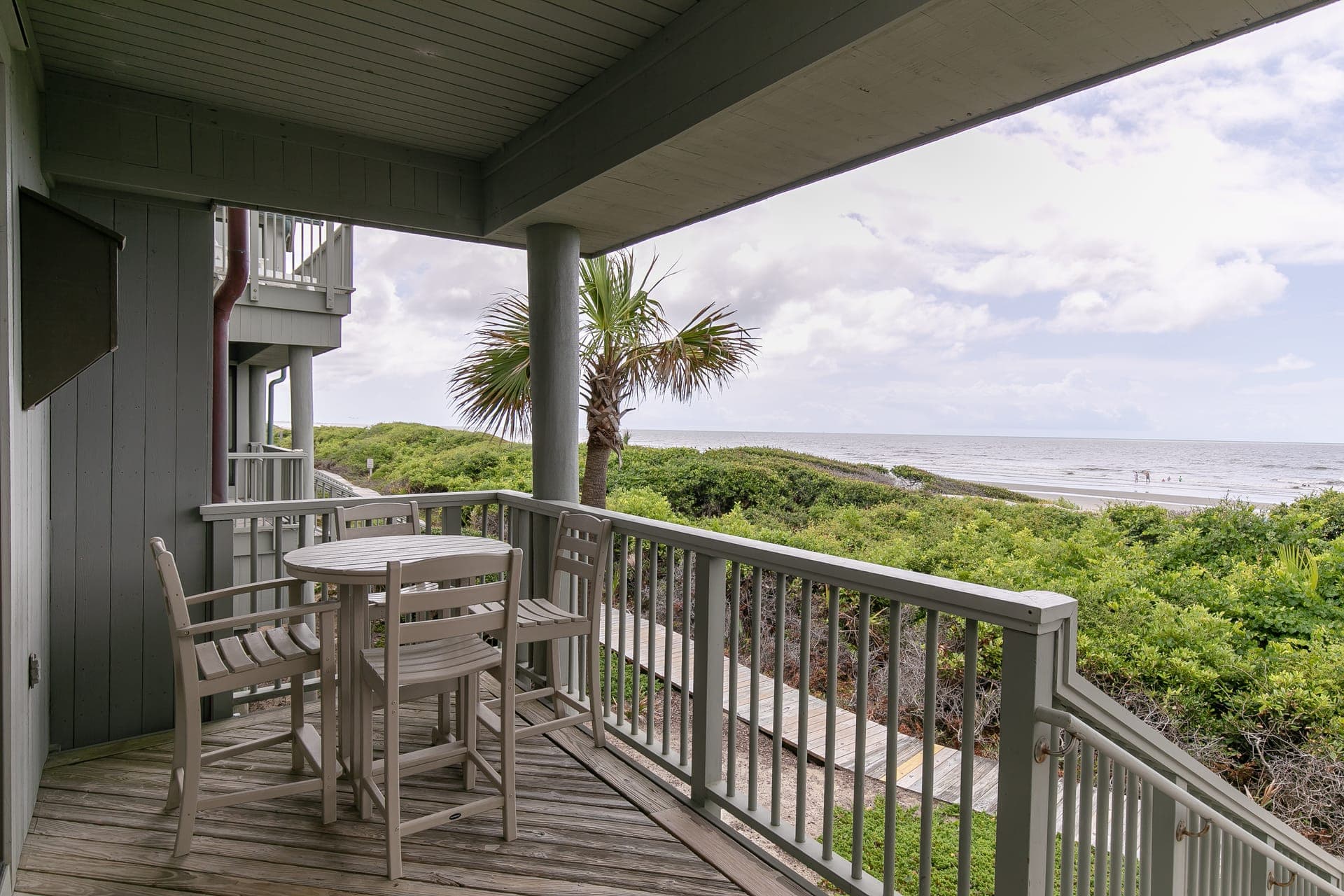
Kiawah Island Golf Resort Villas
Charleston & Kiawah Island, South Carolina
Five hundred rental options across the island, from one-bedroom condos to five-bedroom homes, with full resort course access.
From $250/nightOn-site golf
Direct websiteVisit website
Resort
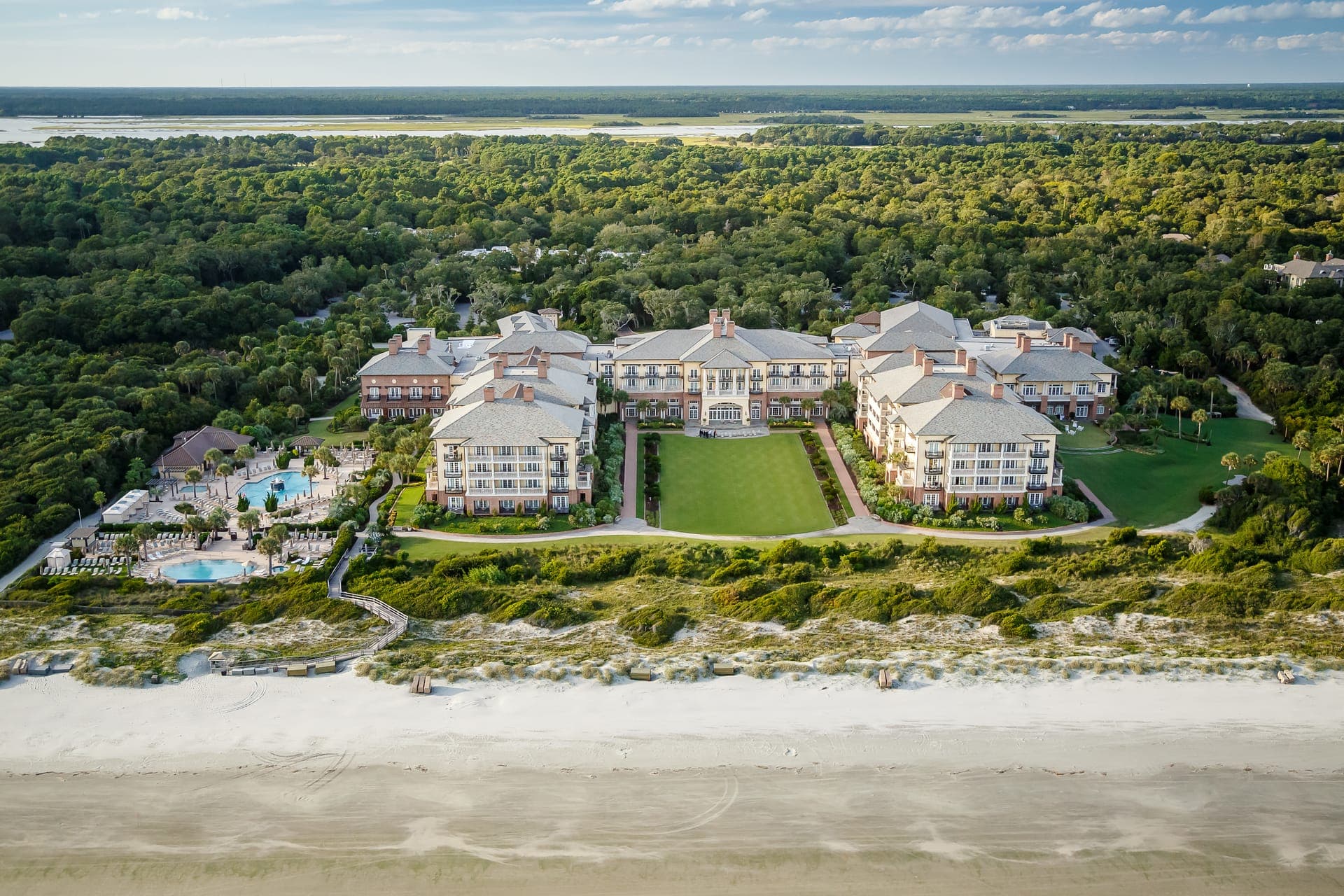
The Sanctuary at Kiawah Island Golf Resort
Charleston & Kiawah Island, South Carolina
Five courses, Forbes Five Star recognition, and 255 oceanfront rooms on one of the Atlantic coast's most protected barrier islands.
From $328/nightOn-site golf
Direct websiteVisit website
Compare all stays near Links Course at Wild Dunes Resort
Live prices from Booking.com, Expedia and more — every nearby hotel and rental in one search.
Prices and availability from Booking.com, Expedia and others via Stay22. GolfTrailsHQ may earn a commission at no additional cost to you.
Other Courses Nearby
Mid-Range
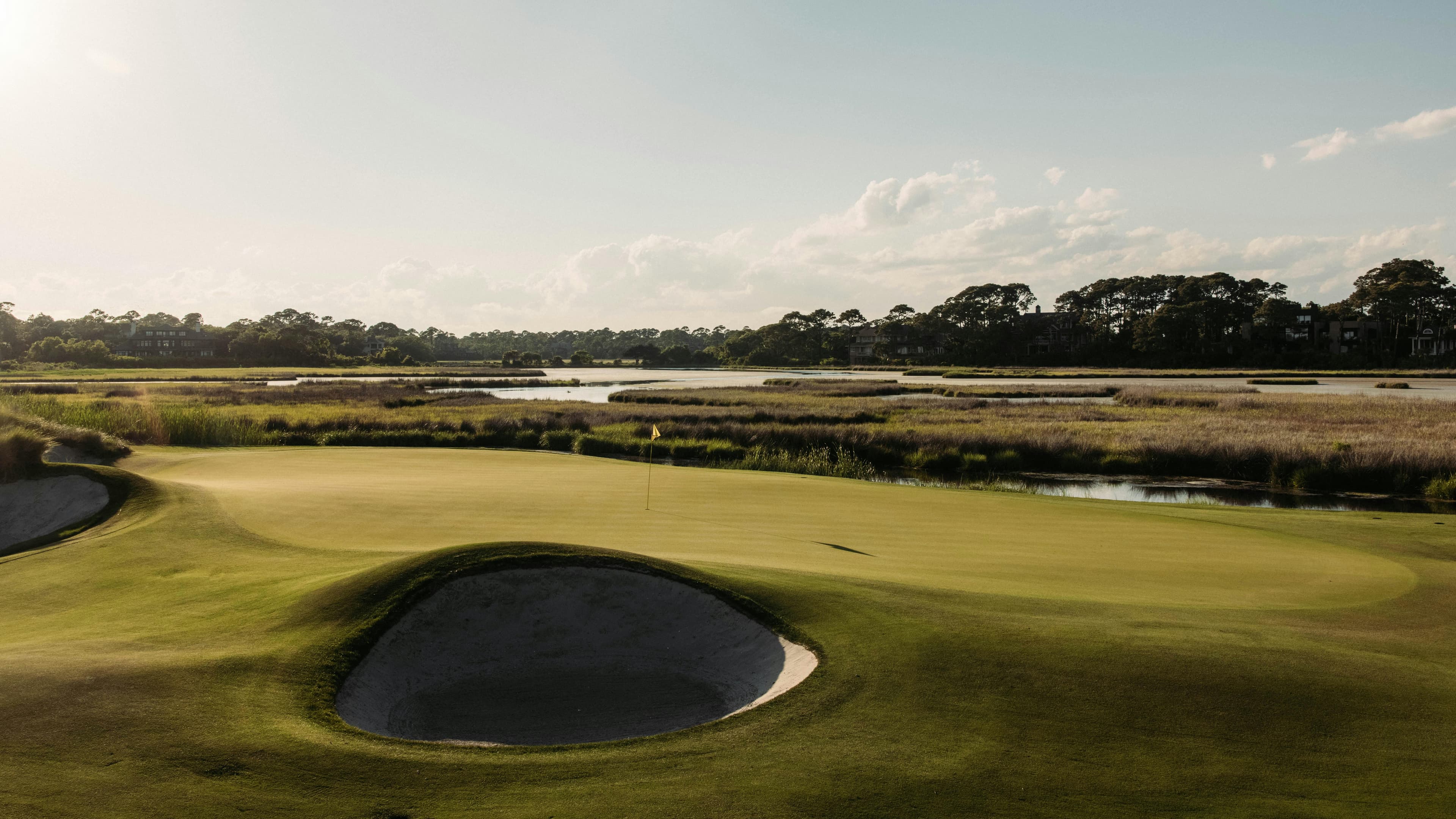
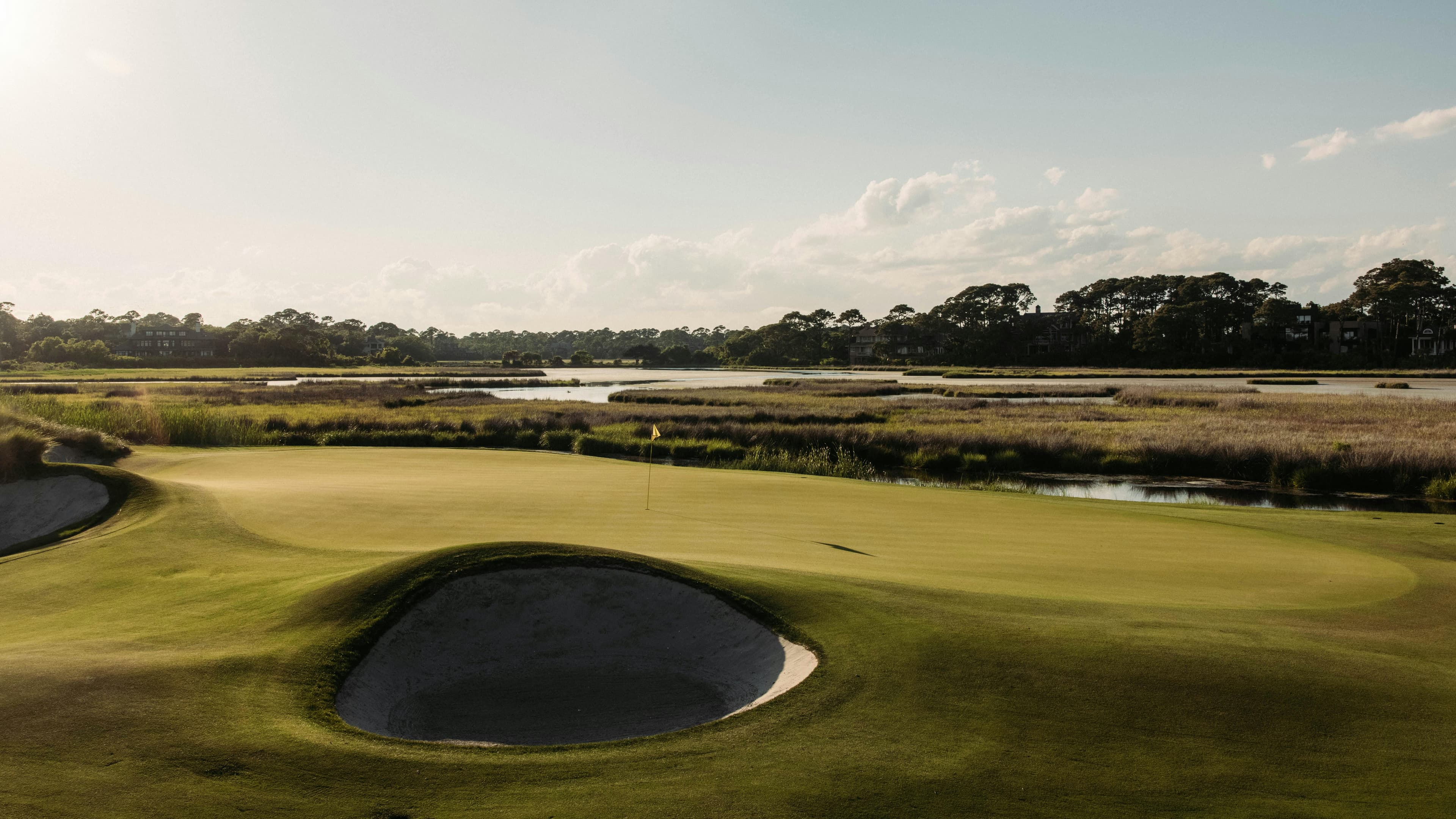
Charleston National Golf Club
Charleston & Kiawah Island, South Carolina
Rees Jones along the Intracoastal Waterway in Mount Pleasant, public access, cart included, and no resort gate to clear.
$75–$115PublicRees Jones (1989)
GolfNowBook tee time
Mid-Range
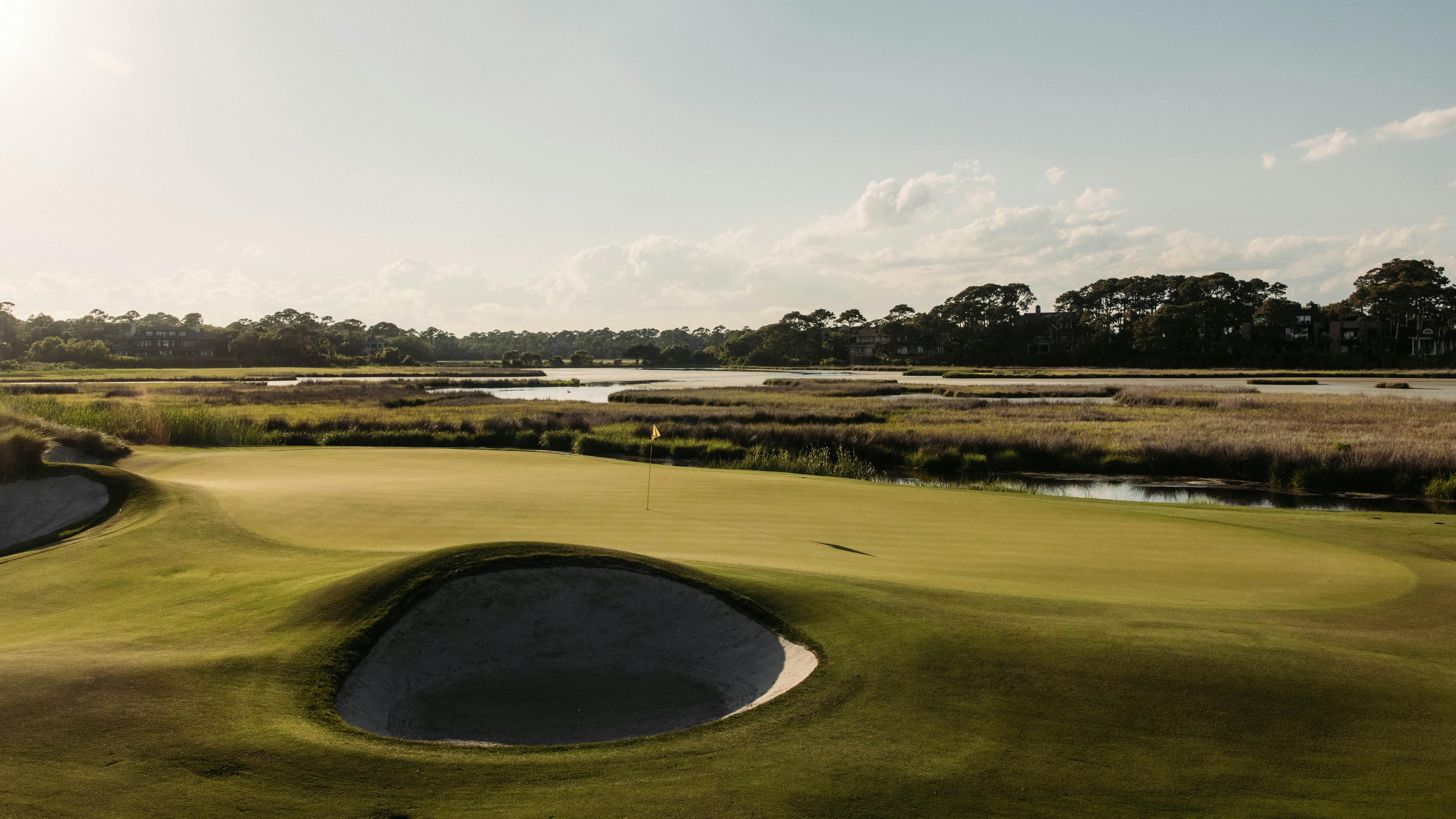
Harbor Course at Wild Dunes Resort
Charleston & Kiawah Island, South Carolina
Fazio's second act at Wild Dunes, where the Intracoastal Waterway replaces the ocean and the green fees drop accordingly.
$63–$209ResortTom Fazio (1986)
GolfNowBook tee time
Mid-Range
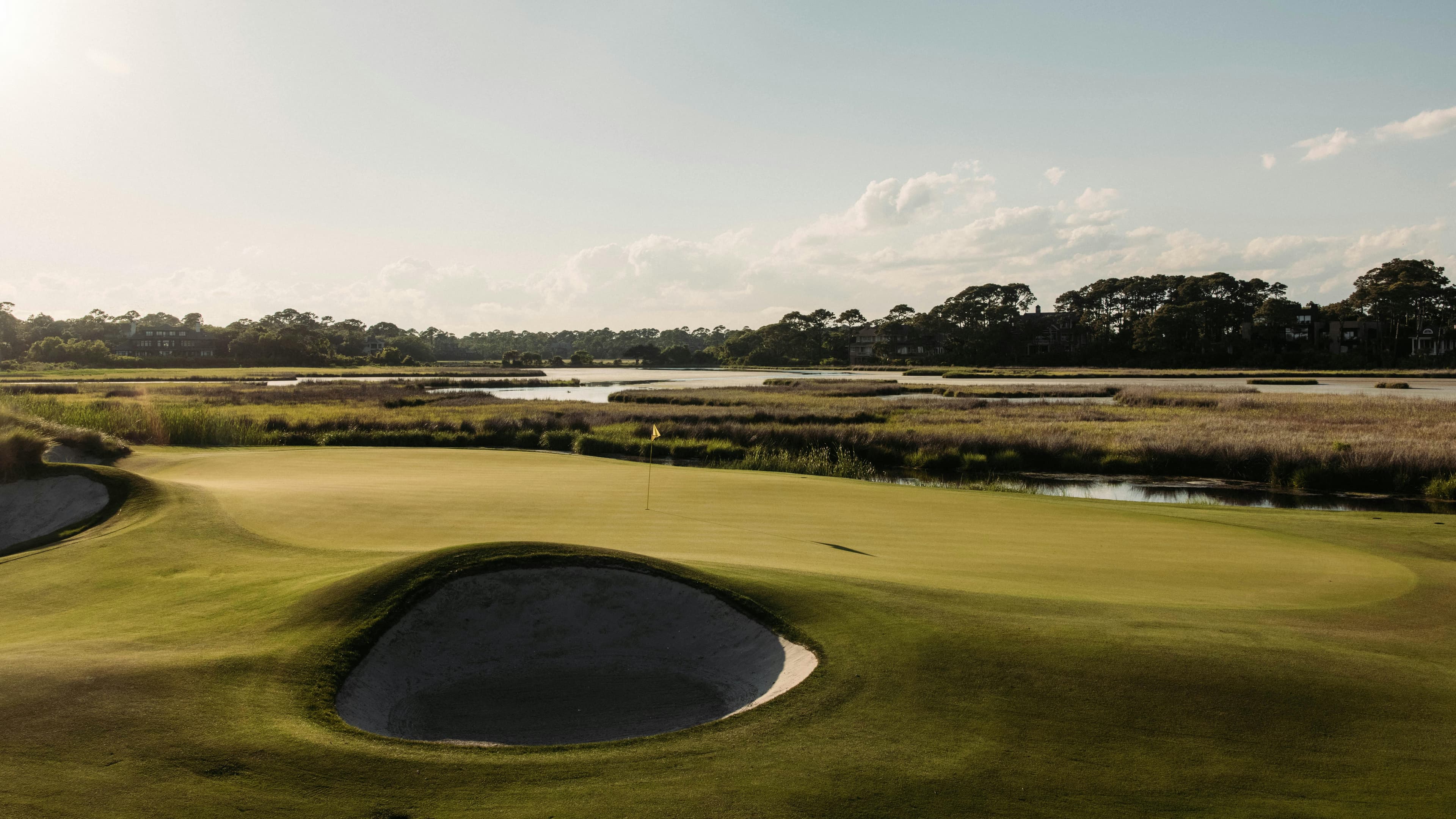
Oak Point Golf Course at Kiawah Island
Charleston & Kiawah Island, South Carolina
The most affordable entry point to Kiawah resort golf, set among marshland and oak canopy just outside the main gate.
$150–$315ResortClyde Johnston (1989; acquired by Kiawah Resort 1997)
GolfNowBook tee time
Premium
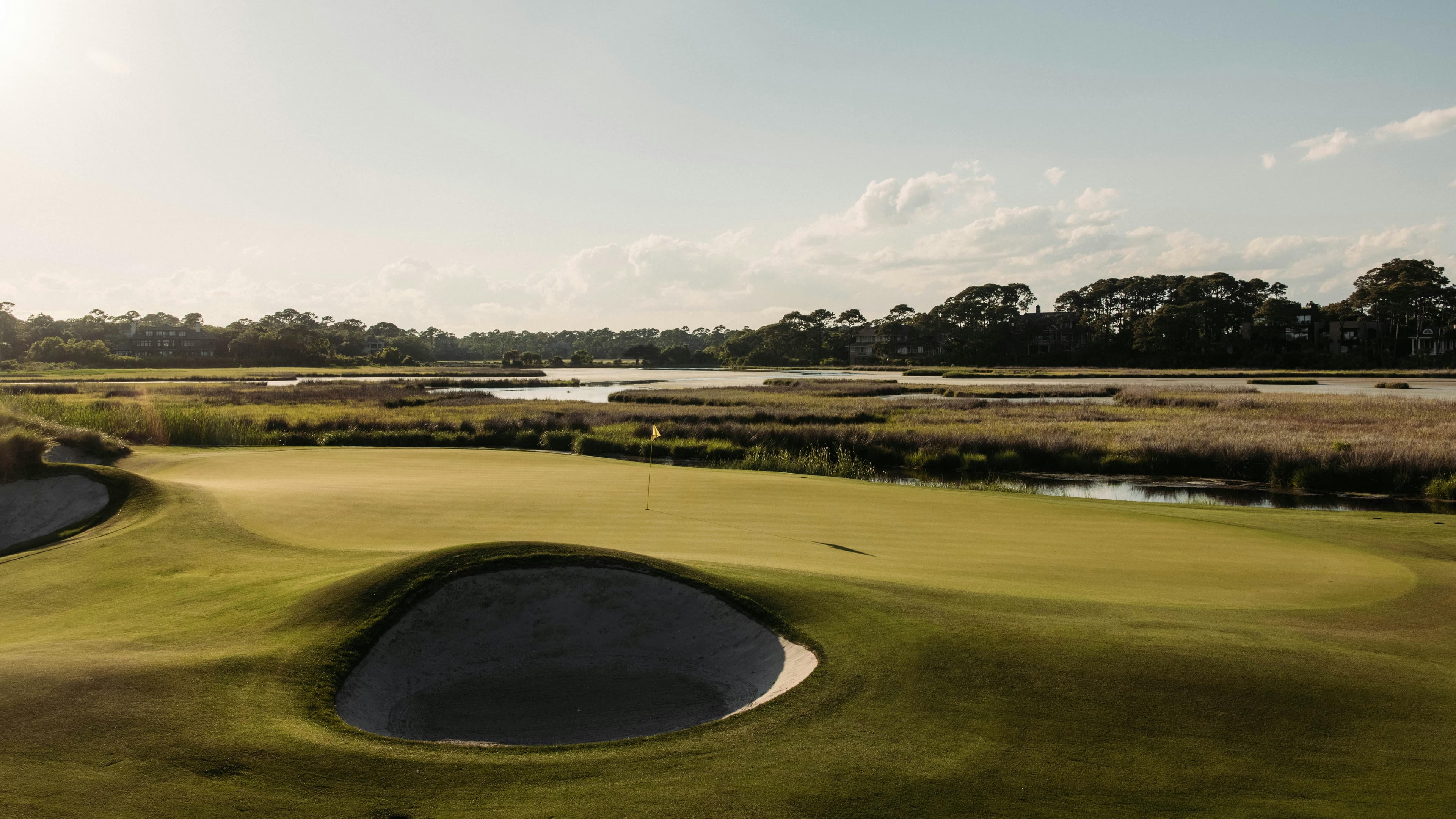
Osprey Point Golf Course at Kiawah Island
Charleston & Kiawah Island, South Carolina
The Kiawah course that resort guests return to, routed through freshwater lakes and Lowcountry marsh.
$262–$315ResortTom Fazio (1988)
GolfNowBook tee time
Hidden Value
RiverTowne Country Club
Charleston & Kiawah Island, South Carolina
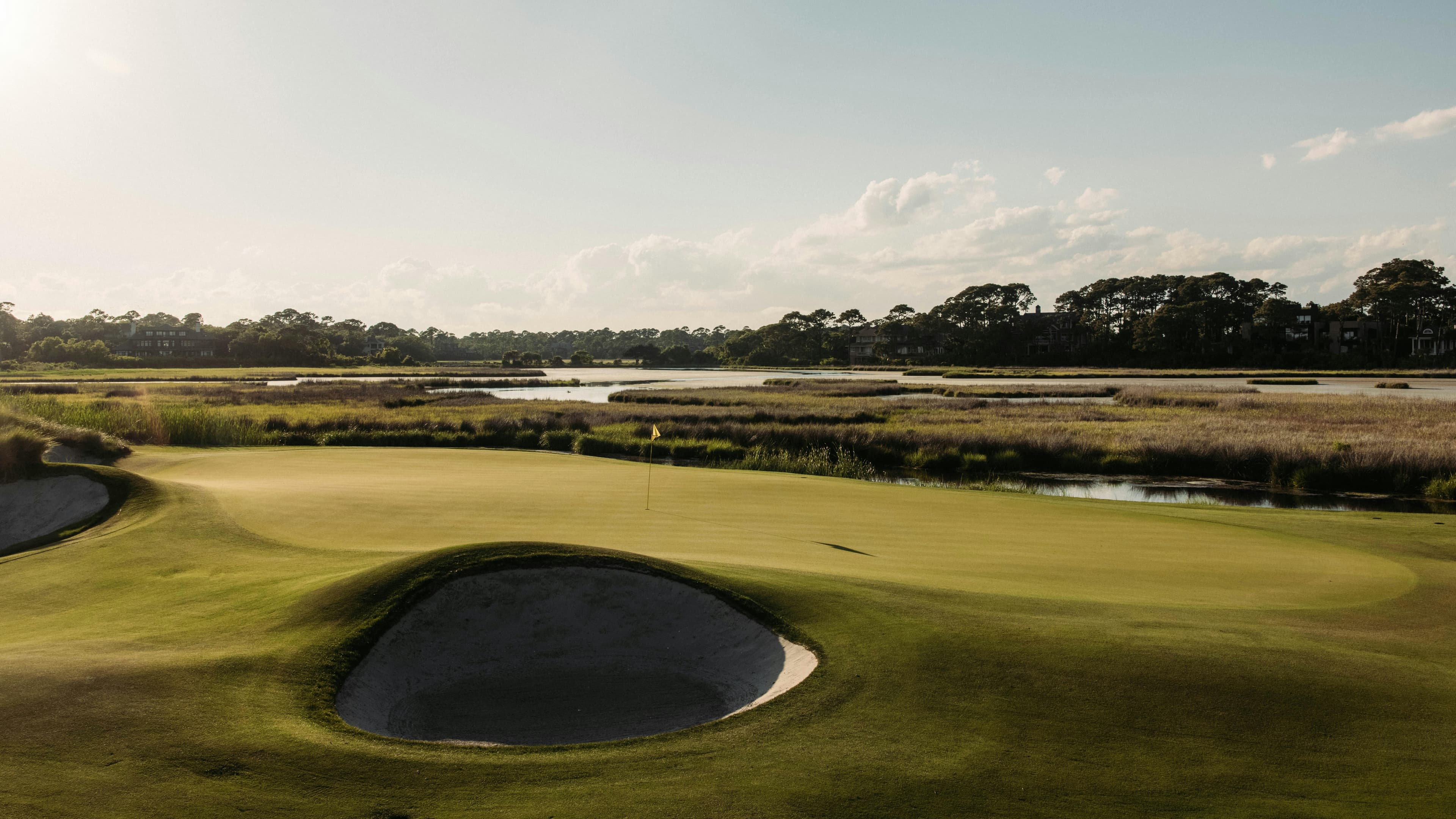
Arnold Palmer's marshland routing along the Wando River, with 13 waterside holes and green fees that start at $50.
$50–$109Semi-PrivateArnold Palmer (2002)
GolfNowBook tee time
Bucket List
The Ocean Course at Kiawah Island
Charleston & Kiawah Island, South Carolina
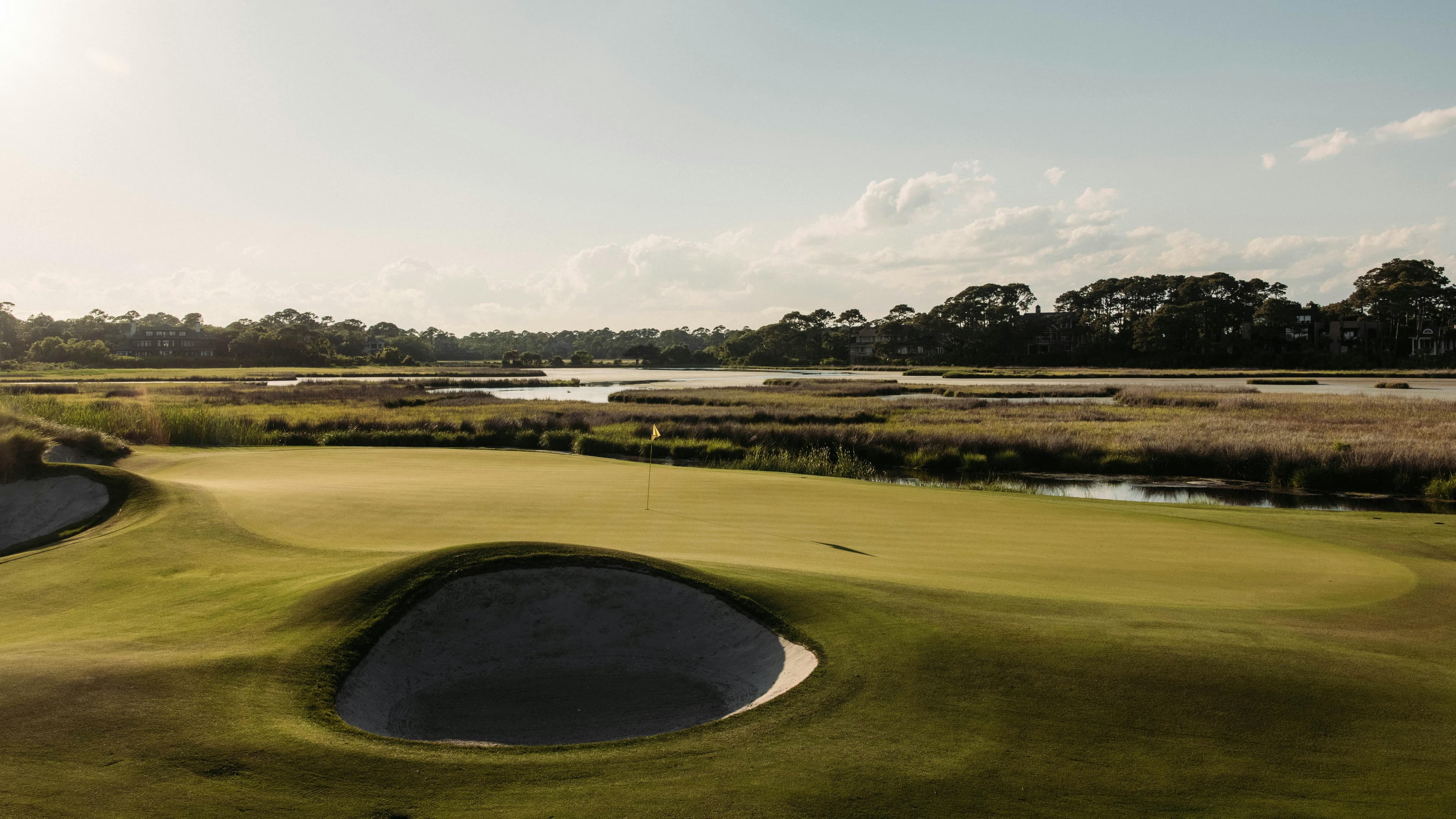
Built for a Ryder Cup, defined by the Atlantic, and still the most demanding seaside test in American golf.
$350–$685ResortPete Dye (1991)
GolfNowBook tee time
Mid-Range
The River Course at Kiawah Island
Charleston & Kiawah Island, South Carolina
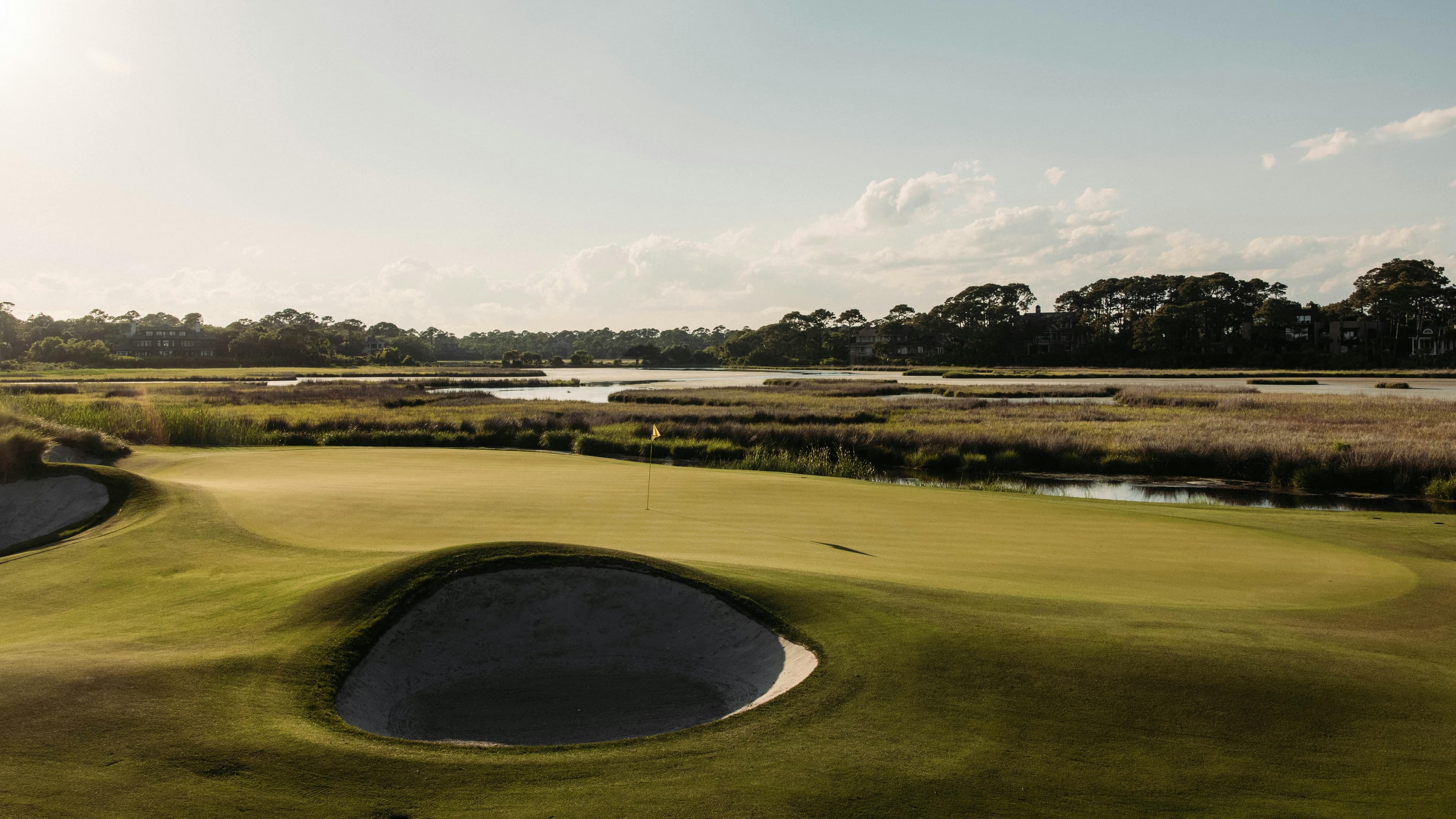
Fazio's inland Kiawah layout along the river and tidal creeks, sheltered from the wind that defines the Ocean Course.
$150–$185PrivateTom Fazio (1995)
PartnerBook tee time
Mid-Range
Turtle Point Golf Course at Kiawah Island
Charleston & Kiawah Island, South Carolina
Jack Nicklaus on a barrier island, with three oceanfront holes and a 2016 renovation that sharpened every edge.
$250–$315ResortJack Nicklaus (1981)
GolfNowBook tee time
Plan Your Trip
Explore Charleston & Kiawah Island
Full guide: courses, stays, getting there.
Continue →3 Itineraries
Pre-planned trips to Charleston & Kiawah Island.
Continue →Off the Fairway
10 non-golf activities at Charleston & Kiawah Island.
Continue →Some links on this page are affiliate links. If you book through these links, we may earn a small commission at no extra cost to you. This does not influence our editorial recommendations.