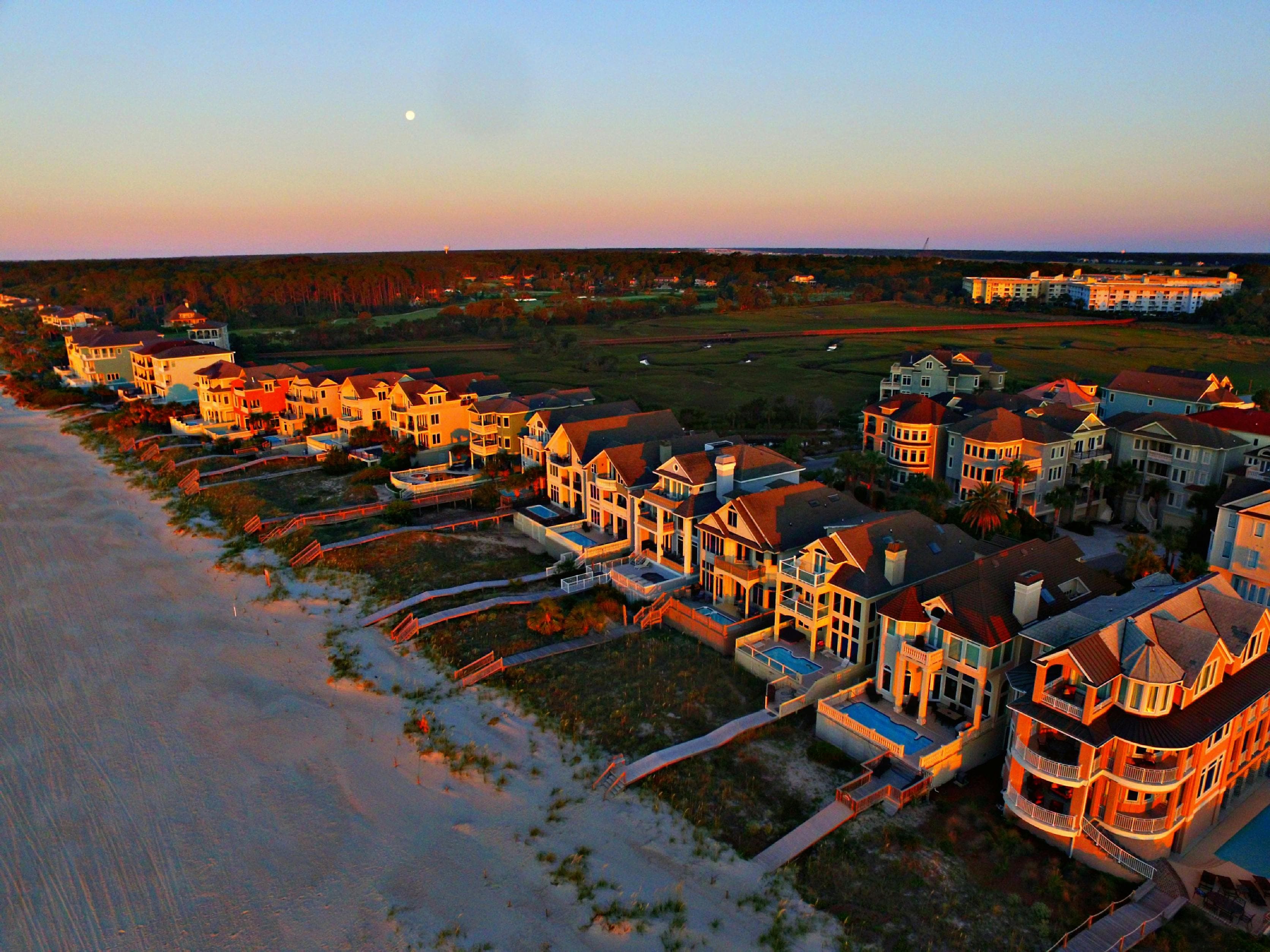
 Pin it
Hilton Head National Golf Club
Two distinct design voices on a single routing, with time-of-day pricing that rewards flexible scheduling.
Designed by Gary Player / Bobby Weed
$110–$160
Booking via GolfNow
Hilton Head National sits just off US-278 in Bluffton on the mainland side of the bridge, which means no gate fee, no resort markup, and no need to navigate the island's internal road network. For golfers staying off-island or passing through on a multi-destination trip, the logistical simplicity is an advantage.
The course carries an unusual pedigree: Gary Player designed the back nine and Bobby Weed designed the front nine, with Weed's holes featuring larger, more contoured greens than Player's. The stylistic difference between the two nines is noticeable without being jarring. The front plays with a more expansive feel; the back tightens through native terrain and demands more precise positioning.
What to expect
At par 71 and 6,730 yards from the tips, the course is not long, and the emphasis falls on course management rather than raw distance. The layout moves through natural Lowcountry terrain without the manicured resort aesthetic of the island courses, which gives the round a different character. Together the two nines produce a round with genuine variety.
By the numbers
- Par
- 71
- Yardage
- 6,730
Is it worth the green fee?
Green fees follow a time-of-day model: before 11 a.m. commands the highest rate at $160, 11 a.m. to 2 p.m. drops to $135, and after 2 p.m. falls to $110. If you have flexibility in your schedule, an afternoon round here delivers quality public-course golf at a rate that sits well below the island resort courses. The pricing rewards the same flexibility that experienced golf travelers tend to have built into their itineraries.
Booking and trip fit
Tee times are available through the booking link on this page. The course accommodates walk-ups more readily than the resort layouts, though advance booking remains advisable during peak season. If you have crossed the bridge for Old South Golf Links or Crescent Pointe Golf Club, adding Hilton Head National to the mainland day makes practical sense. For an island contrast, pair it with Heron Point by Pete Dye or Palmetto Dunes Robert Trent Jones Course.
The bottom line
A well-maintained public course with two respected designer names, honest pricing, and a playing experience that competes comfortably with layouts charging significantly more. The mainland round that earns its place on a Hilton Head itinerary.
Where to Stay
Accommodations near Hilton Head National Golf Club
Resort
Disney's Hilton Head Island Resort
Hilton Head, South Carolina
Disney service and family infrastructure for golf trips where not everyone came for the golf.
From $296/nightPalmetto Hall (~3 mi)
Direct websiteVisit website

Inn
Hampton Inn Hilton Head
Hilton Head, South Carolina
Adjacent to Palmetto Hall, near the Bluffton bridge, and priced to redirect the budget toward green fees.
From $88/nightPalmetto Hall (adjacent)
ExpediaCheck availability

Resort
Hilton Beachfront Resort & Spa
Hilton Head, South Carolina
The island's largest hotel, inside the Palmetto Dunes gates with three courses at the door.
From $107/nightOn-site golf
ExpediaCheck availability

Hotel
Holiday Inn Express Hilton Head Island
Hilton Head, South Carolina
South Forest Beach positioning with walkable sand and Port Royal within a short drive.
From $76/nightPort Royal (~3 mi)
ExpediaCheck availability
Compare all stays near Hilton Head National Golf Club
Live prices from Booking.com, Expedia and more — every nearby hotel and rental in one search.
Prices and availability from Booking.com, Expedia and others via Stay22. GolfTrailsHQ may earn a commission at no additional cost to you.
Other Courses Nearby
Premium
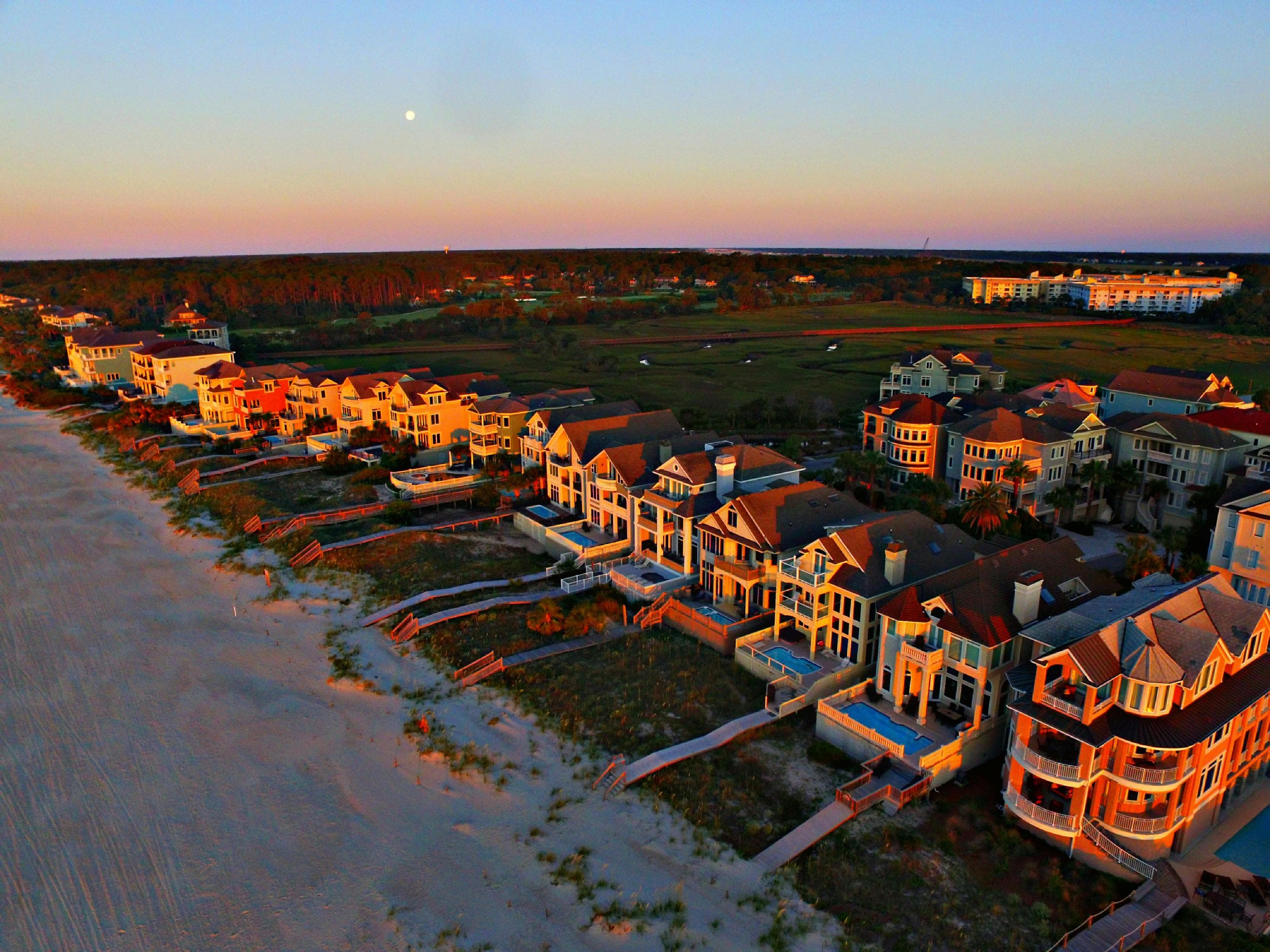
Atlantic Dunes by Davis Love III
Hilton Head, South Carolina
A complete reconstruction of Hilton Head's first golf course, with water on nearly every hole and Spanish moss overhead.
$120–$180ResortDavis Love III (2016 redesign)
GolfNowBook tee time
Hidden Value
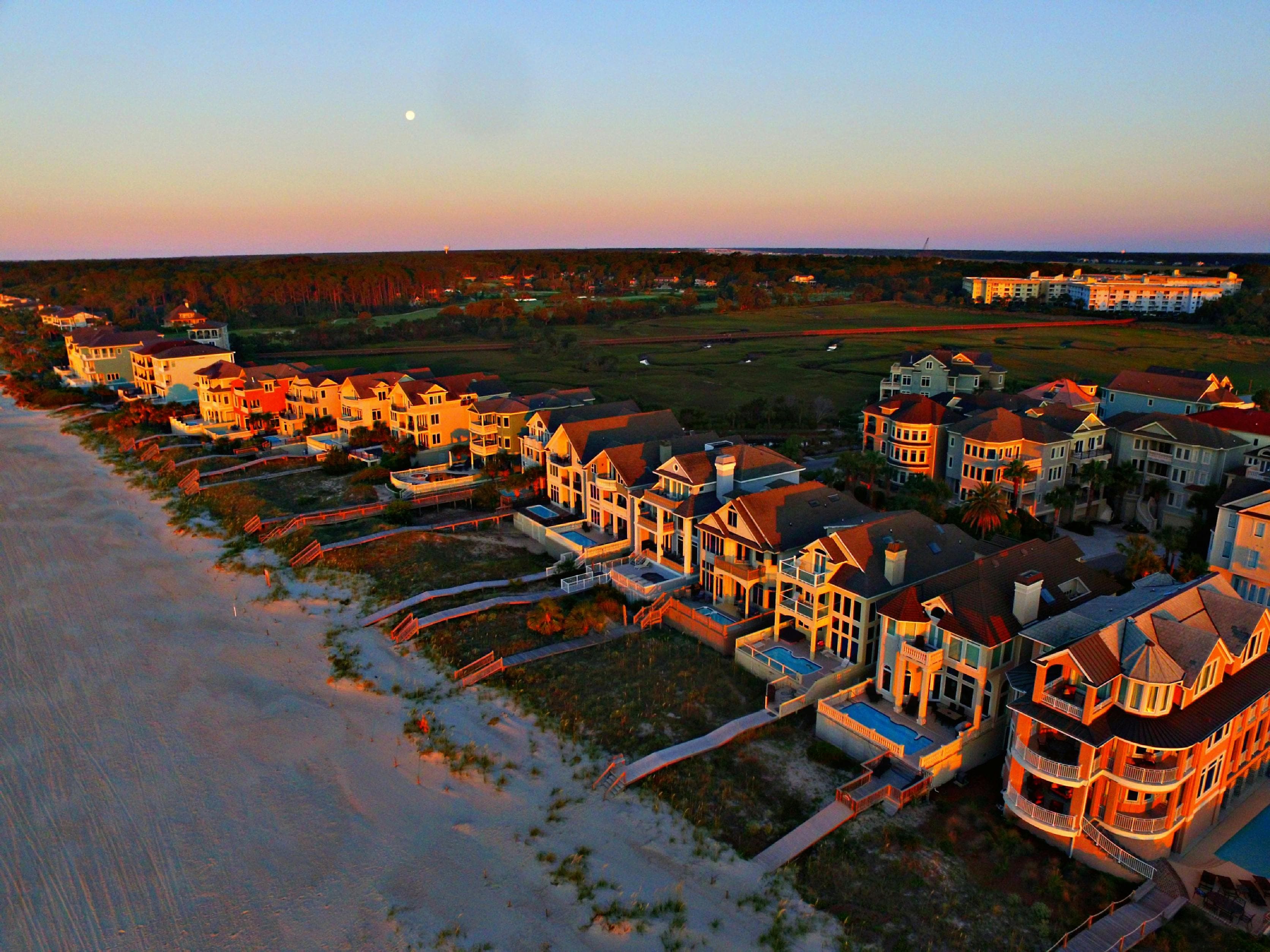
Crescent Pointe Golf Club
Hilton Head, South Carolina
The only Arnold Palmer design in the area, with six sets of tees and green fees that start at $34.
$34–$74PublicArnold Palmer / Ed Seay (2000)
GolfNowBook tee time
Bucket List
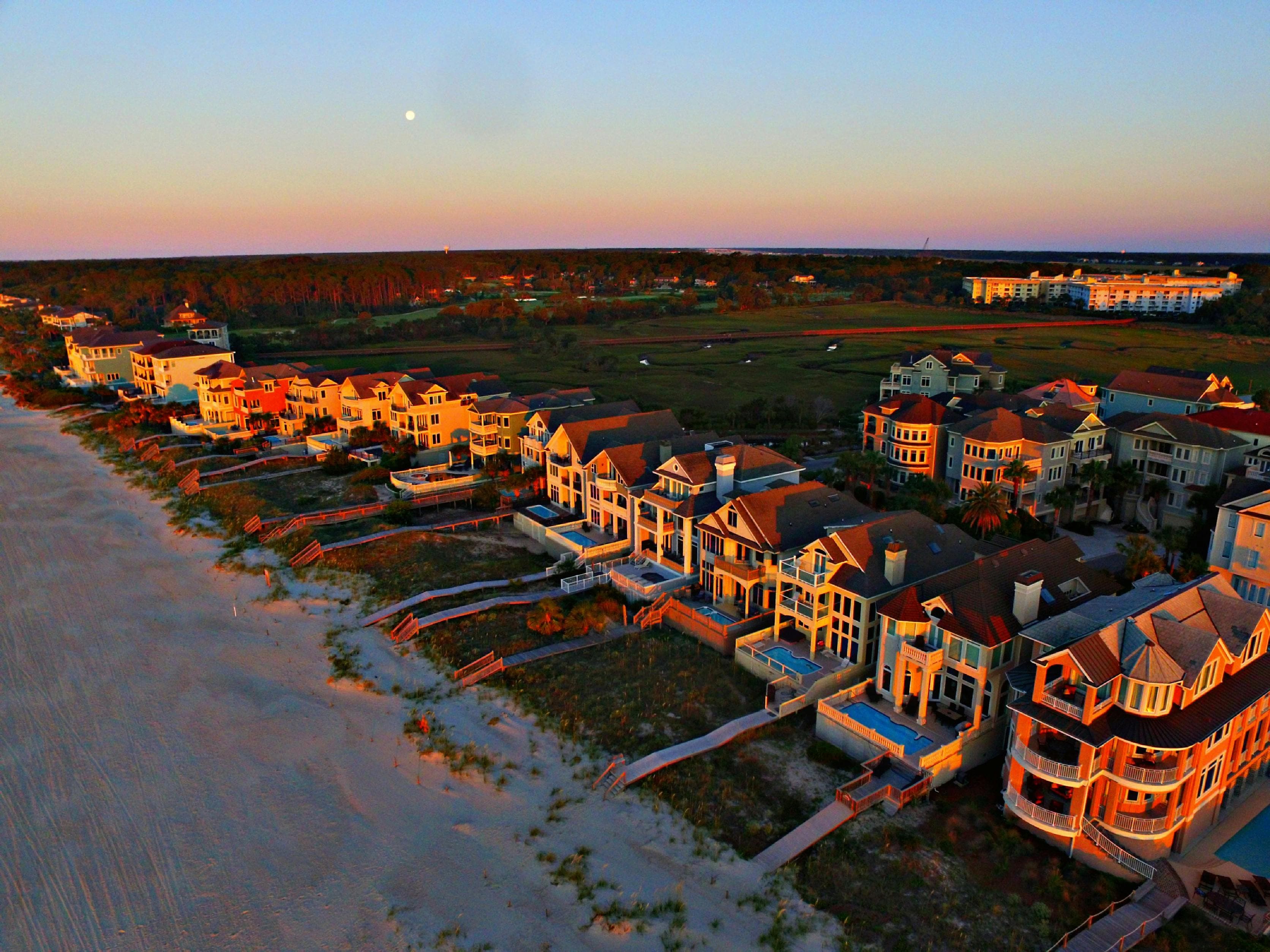
Harbour Town Golf Links
Hilton Head, South Carolina
The lighthouse, the tournament, and a Pete Dye design that has not stopped being relevant for more than fifty years.
$399–$518ResortPete Dye / Jack Nicklaus (consultant) (1969)
GolfNowBook tee time
Premium
Heron Point by Pete Dye
Hilton Head, South Carolina
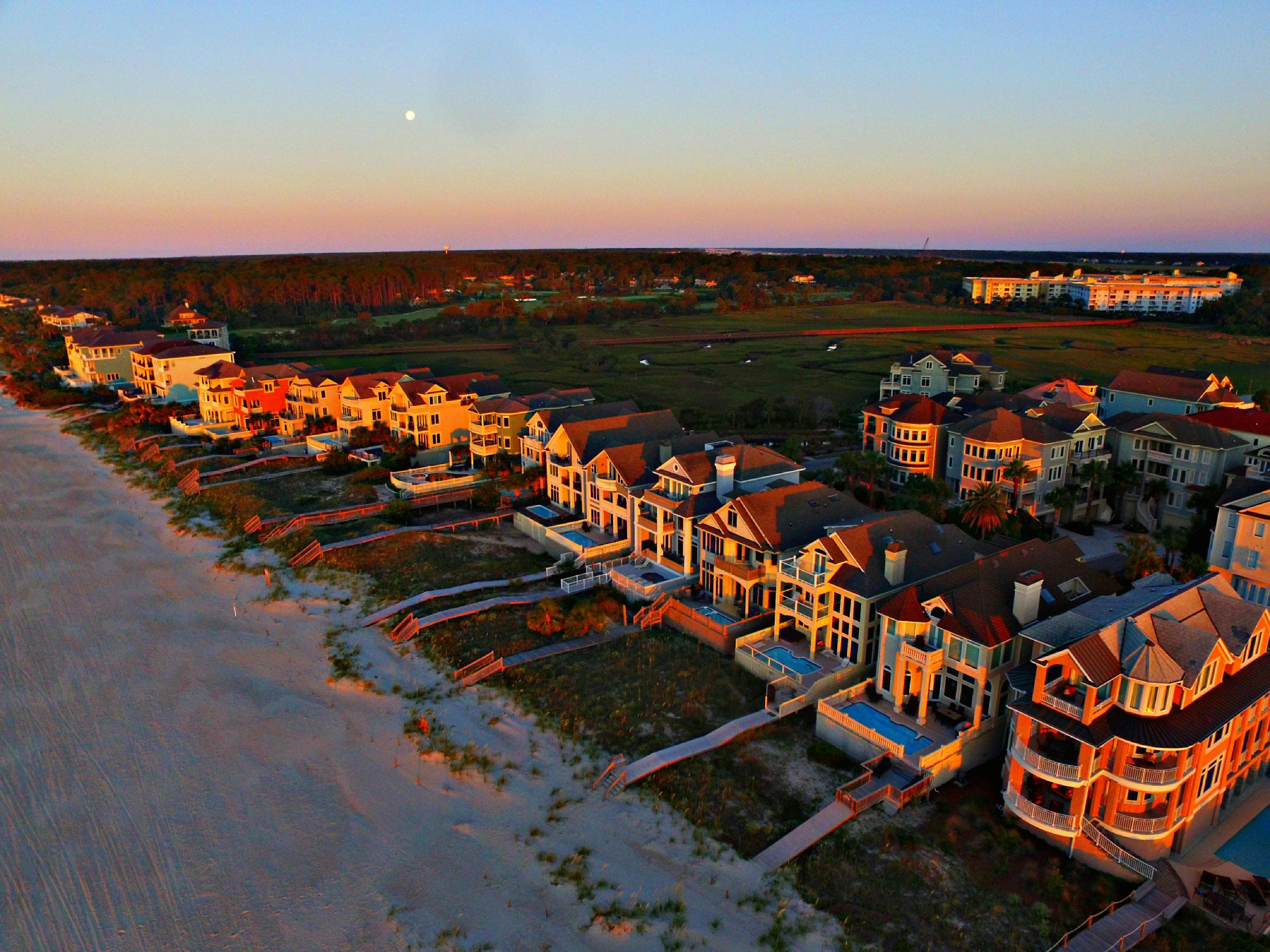
Pete Dye returned to Sea Pines nearly four decades after Harbour Town and built a course that plays like a conversation between two eras.
$169–$265ResortPete Dye (2007 redesign)
GolfNowBook tee time
Hidden Value
Old South Golf Links
Hilton Head, South Carolina
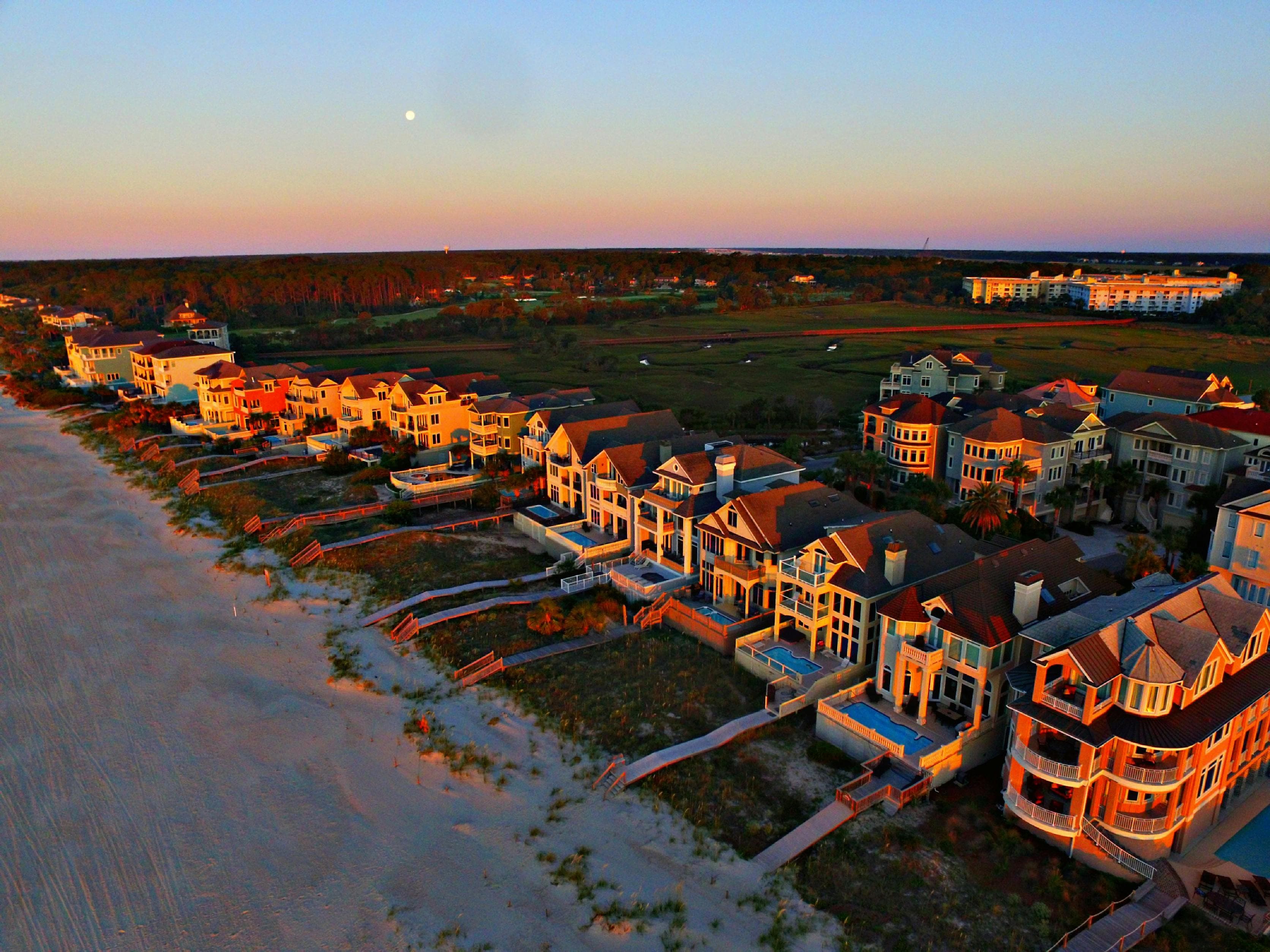
Lowcountry marsh golf at mainland prices, with a slope of 141 that keeps the design honest.
$55–$100PublicClyde Johnston (1991)
GolfNowBook tee time
Mid-Range
Palmetto Dunes - Arthur Hills Course
Hilton Head, South Carolina
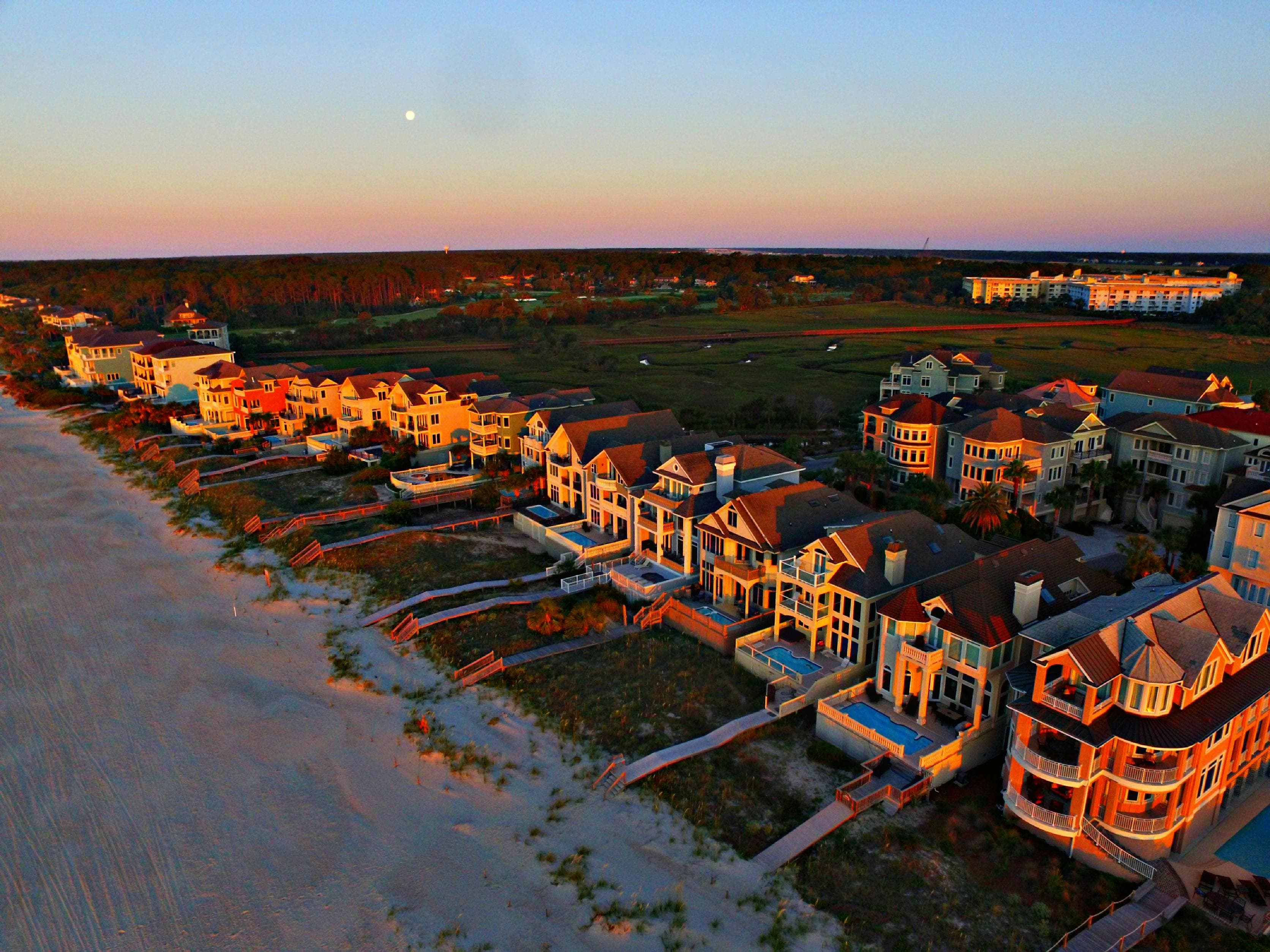
The thinking player's course at Palmetto Dunes, where lagoons wind through ten holes and accuracy matters more than distance.
$150–$241ResortArthur Hills (1986)
PartnerBook tee time
Mid-Range
Palmetto Dunes - George Fazio Course
Hilton Head, South Carolina
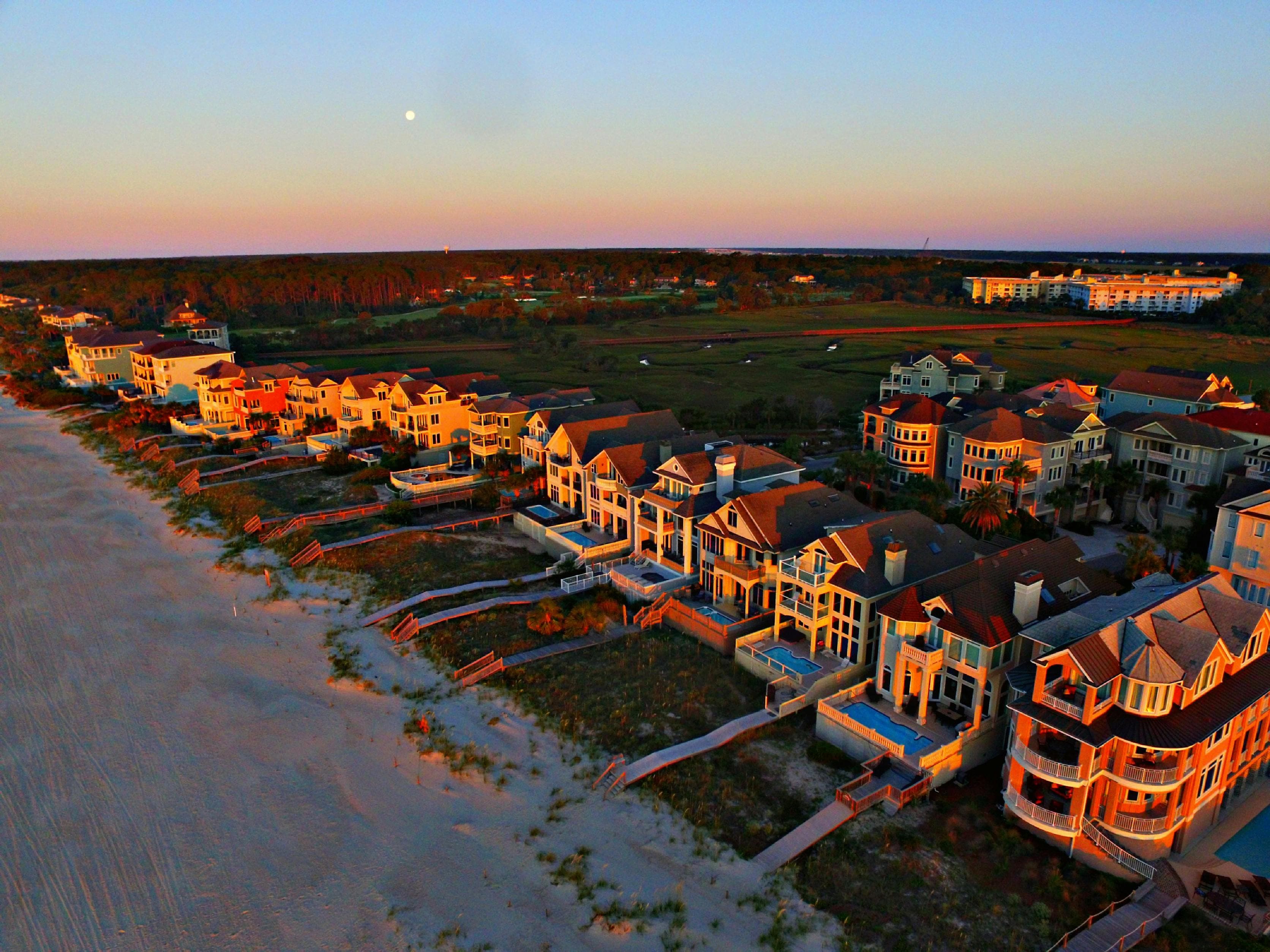
The only par 70 on the island, built around long par 4s and Diamond Zoysia greens that separate the Palmetto Dunes trio by temperament.
$150–$241ResortGeorge Fazio (1974)
GolfNowBook tee time
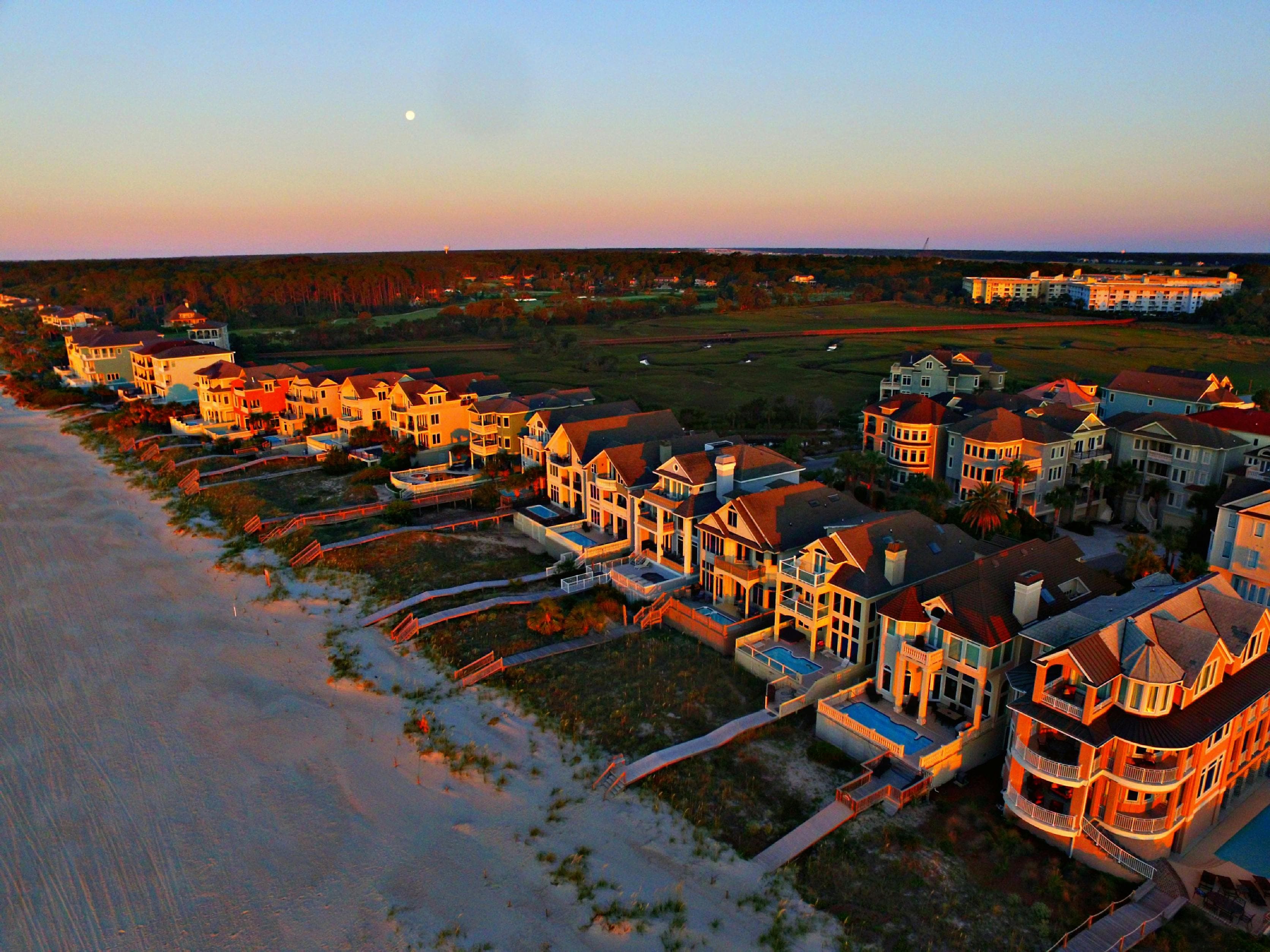
Premium
Palmetto Dunes - Robert Trent Jones Course
Hilton Head, South Carolina
The first course at Palmetto Dunes, and the one that best represents the Jones Sr. philosophy of bold bunkering and strategic risk-reward.
$200–$300ResortRobert Trent Jones Sr. (1969)
PartnerBook tee time
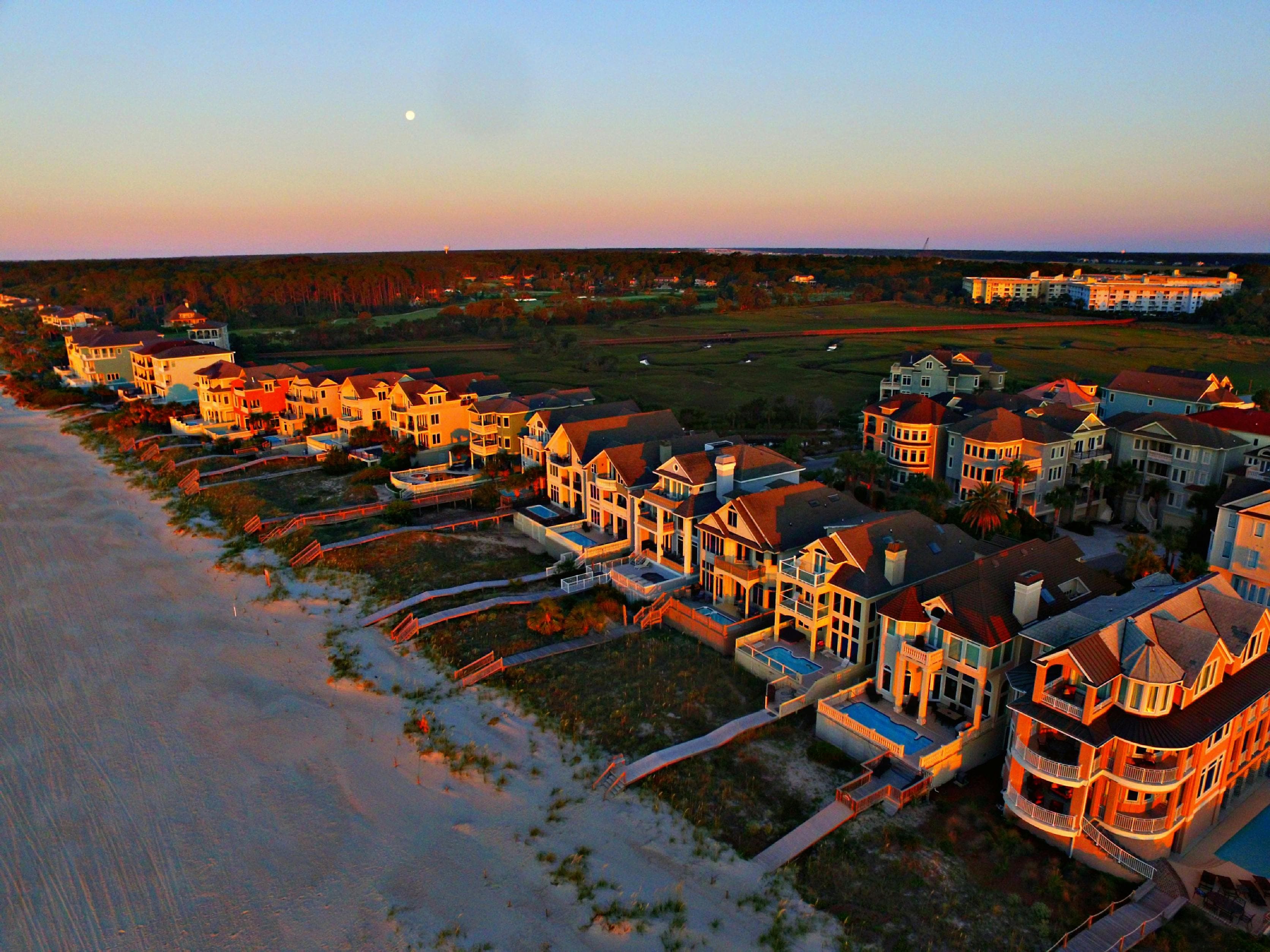
Mid-Range
Palmetto Hall - Arthur Hills Course
Hilton Head, South Carolina
A wooded corridor through towering pines and moss-draped oaks, away from the plantation resort atmosphere.
$100–$185Semi-PrivateArthur Hills / Spencer Holt (1991)
GolfNowBook tee time
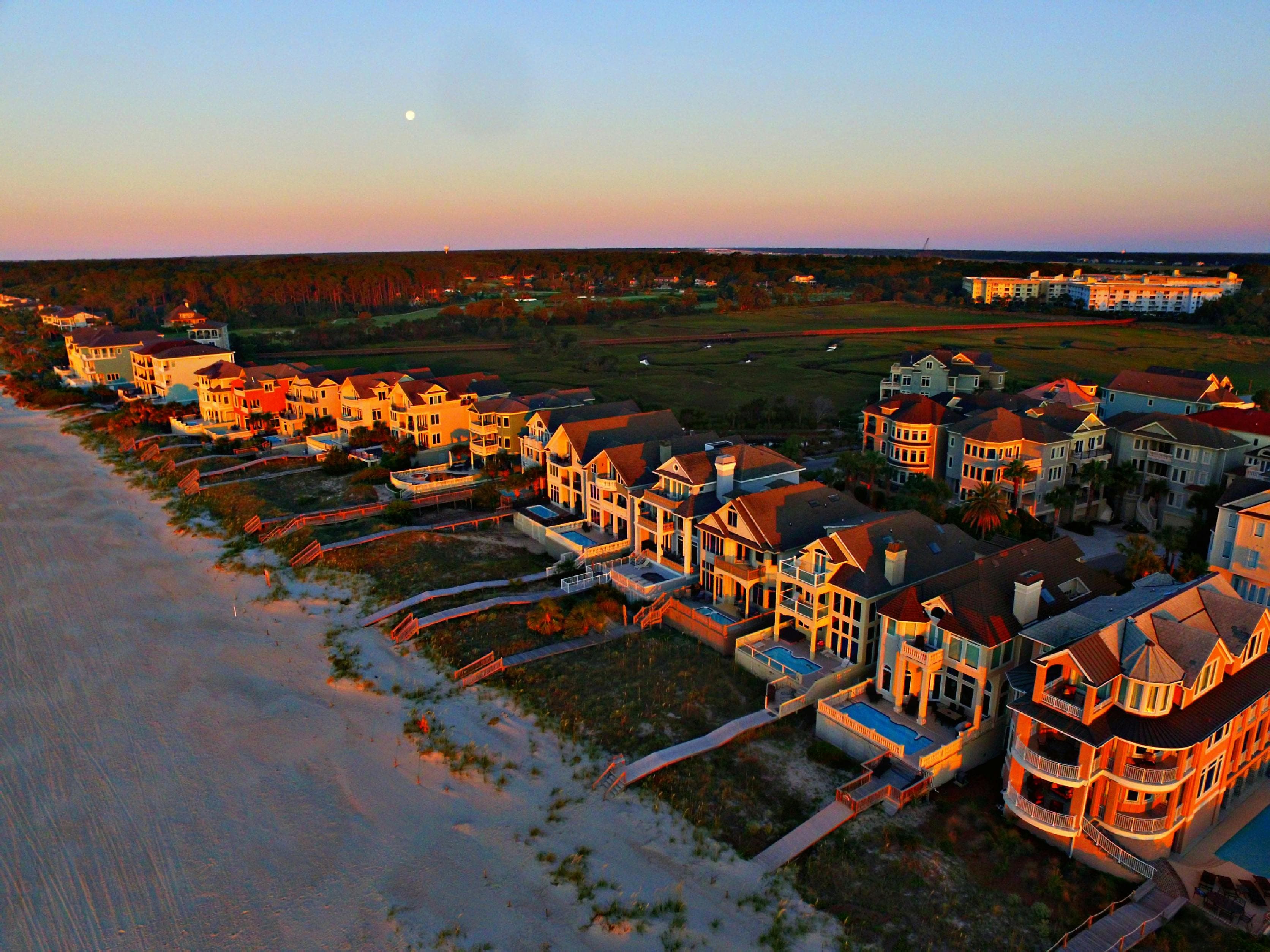
Mid-Range
Port Royal Golf Club - Barony Course
Hilton Head, South Carolina
One of the first courses on the island, where small greens and thick rough reward accuracy over ambition.
$60–$190ResortGeorge Cobb (1963)
GolfNowBook tee time
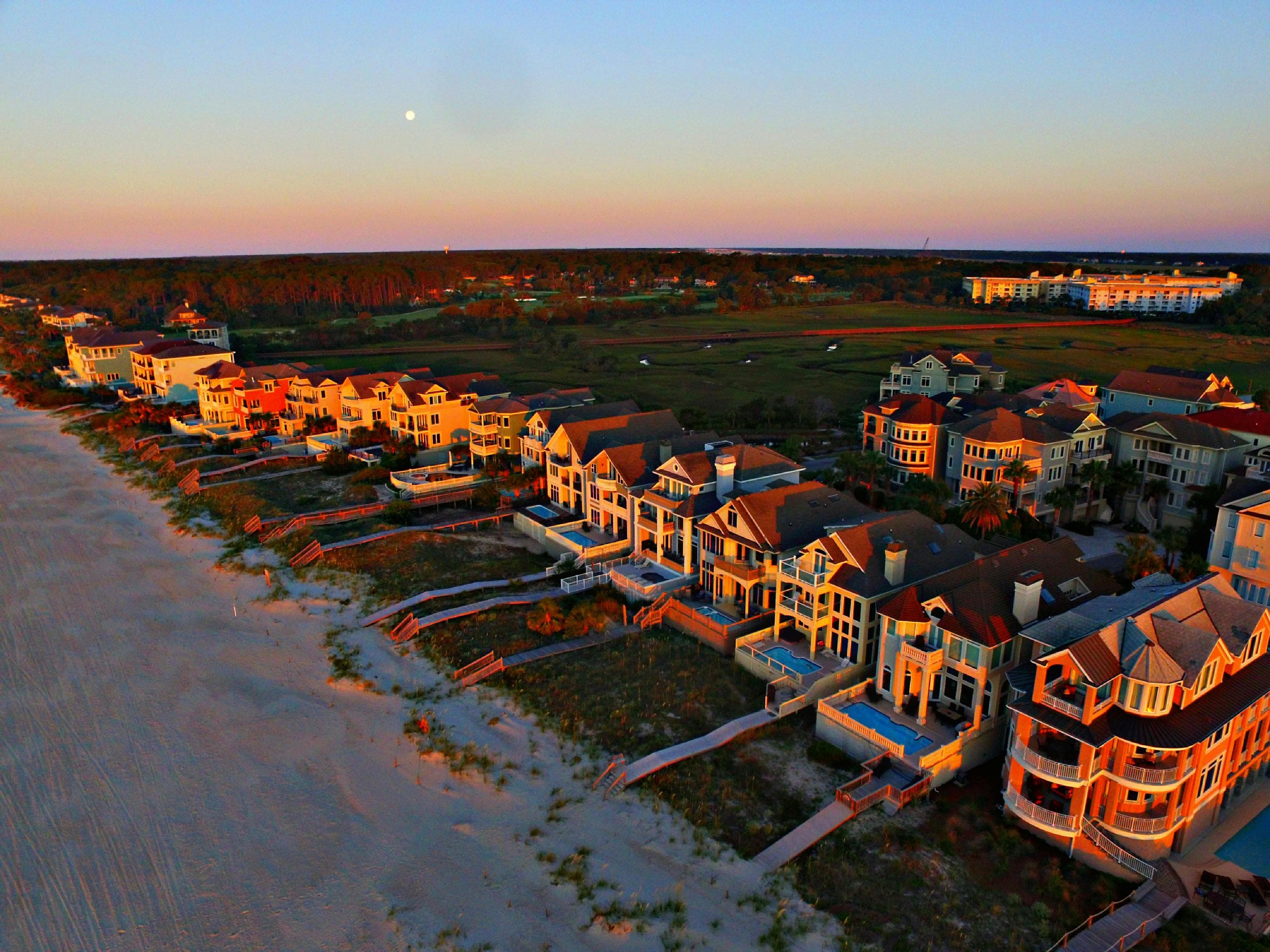
Mid-Range
Shipyard Golf Club
Hilton Head, South Carolina
Twenty-seven holes across three nines, with a green fee range wide enough to accommodate nearly any budget.
$39–$160ResortGeorge Cobb (Clipper/Galleon, 1970) / Willard Byrd (Brigantine, 1982)
GolfNowBook tee time
Plan Your Trip
Explore Hilton Head
Full guide: courses, stays, getting there.
Continue →3 Itineraries
Pre-planned trips to Hilton Head.
Continue →Off the Fairway
10 non-golf activities at Hilton Head.
Continue →Some links on this page are affiliate links. If you book through these links, we may earn a small commission at no extra cost to you. This does not influence our editorial recommendations.