 Pin it
Capitol Hill Judge
GOLF Magazine declared it worthy of hosting a U.S. Open, and at $65-$105 the green fee remains difficult to reconcile with the architecture
Jonathan Hoomes, RTJ Golf Trail · RTJ Golf Trail · Partner
Designed by Robert Trent Jones Sr, Roger Rulewich (2000)
$65–$105
Book direct via the course website
GOLF Magazine once called the Judge "worthy of hosting a U.S. Open," and the course does nothing to discourage the comparison. Located at the Capitol Hill complex in Prattville, roughly fifteen minutes north of Montgomery, the Judge is the most celebrated course on the RTJ Trail and arguably the single strongest argument for visiting Alabama as a golf destination. Robert Trent Jones Sr. and Roger Rulewich designed it. The course opened in 2000, and the intervening decades have only strengthened its reputation.
What to expect
You're playing 7,813 yards, par 72, slope 147, the second-highest on the Trail behind Fighting Joe. That length is supported by dramatic elevation changes that send tee shots downhill through wide corridors before demanding uphill approaches into greens set on elevated plateaus. The vertical movement creates a sense of scale that flat courses cannot replicate. Rulewich's bunkering amplifies the effect: hazards on lines of play that look generous from the tee but narrow significantly as the ball approaches the landing zone. The course looks more forgiving than it plays.
Greenside bunkers are large, deep, and architecturally distinctive. Several feature steep faces that limit recovery options to a single viable shot. The greens themselves are large with significant contour, and three-putt potential exists on nearly every hole when the pin is on the far side of a ridge. Read the broader terrain to predict the green: slopes generally follow the natural drainage patterns of the property.
By the numbers
- Par
- 72
- Yardage
- 7,813
Is it worth the green fee?
At $65 to $105 with cart included, this is the Trail's defining value proposition. Architecture that competes with courses charging three times the fee. Maintenance strong enough that the bunker sand plays consistently, which isn't always the case at public courses in this price range. If you're accustomed to paying $225 for a round at a well-maintained resort course, you'll find the Judge indistinguishable in quality and superior in architectural interest.

Booking and trip fit
Book through the link on this page or call Central Reservations at (800) 949-4444. Capitol Hill is a 54-hole complex; the Legislator provides a strong companion round at the same price, and you could spend two or three days here without driving elsewhere on the Trail. Accommodation options include the Hampton Inn and Suites Prattville ten minutes away and Embassy Suites Montgomery fifteen minutes south. Pair the Judge with Cambrian Ridge an hour south for a two-day southern Trail program, or with Ross Bridge and Oxmoor Valley up north for a full Trail tour.
Where to Stay
Accommodations near Capitol Hill Judge

Resort
Auburn Marriott Opelika Resort & Spa at Grand National
Robert Trent Jones Golf Trail, Alabama, Alabama
An AAA Four Diamond resort with on-site access to 54 holes of Grand National golf at $120-$200 per night
From $120/nightGrand National (on-site)
ExpediaCheck availability

Hotel
Embassy Suites Montgomery
Robert Trent Jones Golf Trail, Alabama, Alabama
All-suite Hilton with free breakfast and evening reception, 15 minutes from Capitol Hill
From $110/nightCapitol Hill Judge (15 min)
ExpediaCheck availability

Hotel
Hampton Inn & Suites Prattville
Robert Trent Jones Golf Trail, Alabama, Alabama
Clean rooms and free breakfast ten minutes from Capitol Hill, at the Trail's lowest accommodation price point
From $90/nightCapitol Hill Judge (10 min)
ExpediaCheck availability

Resort
Renaissance Birmingham Ross Bridge Golf Resort & Spa
Robert Trent Jones Golf Trail, Alabama, Alabama
The Trail's only full-service resort, with 259 rooms and Ross Bridge on the doorstep
From $180/nightRoss Bridge (on-site)
ExpediaCheck availability
Compare all stays near Capitol Hill Judge
Live prices from Booking.com, Expedia and more — every nearby hotel and rental in one search.
Prices and availability from Booking.com, Expedia and others via Stay22. GolfTrailsHQ may earn a commission at no additional cost to you.
Other Courses Nearby

Mid-Range
Cambrian Ridge Canyon/Sherling
Robert Trent Jones Golf Trail, Alabama, Alabama
A 27-hole complex where the Canyon nine, carved from hunting grounds with extreme elevation, produces the Trail's most dramatic terrain
$55–$95PublicRobert Trent Jones Sr. / Roger Rulewich (1993, Canyon nine reconstructed 2016)
Direct websiteVisit website

Premium
Fighting Joe
Robert Trent Jones Golf Trail, Alabama, Alabama
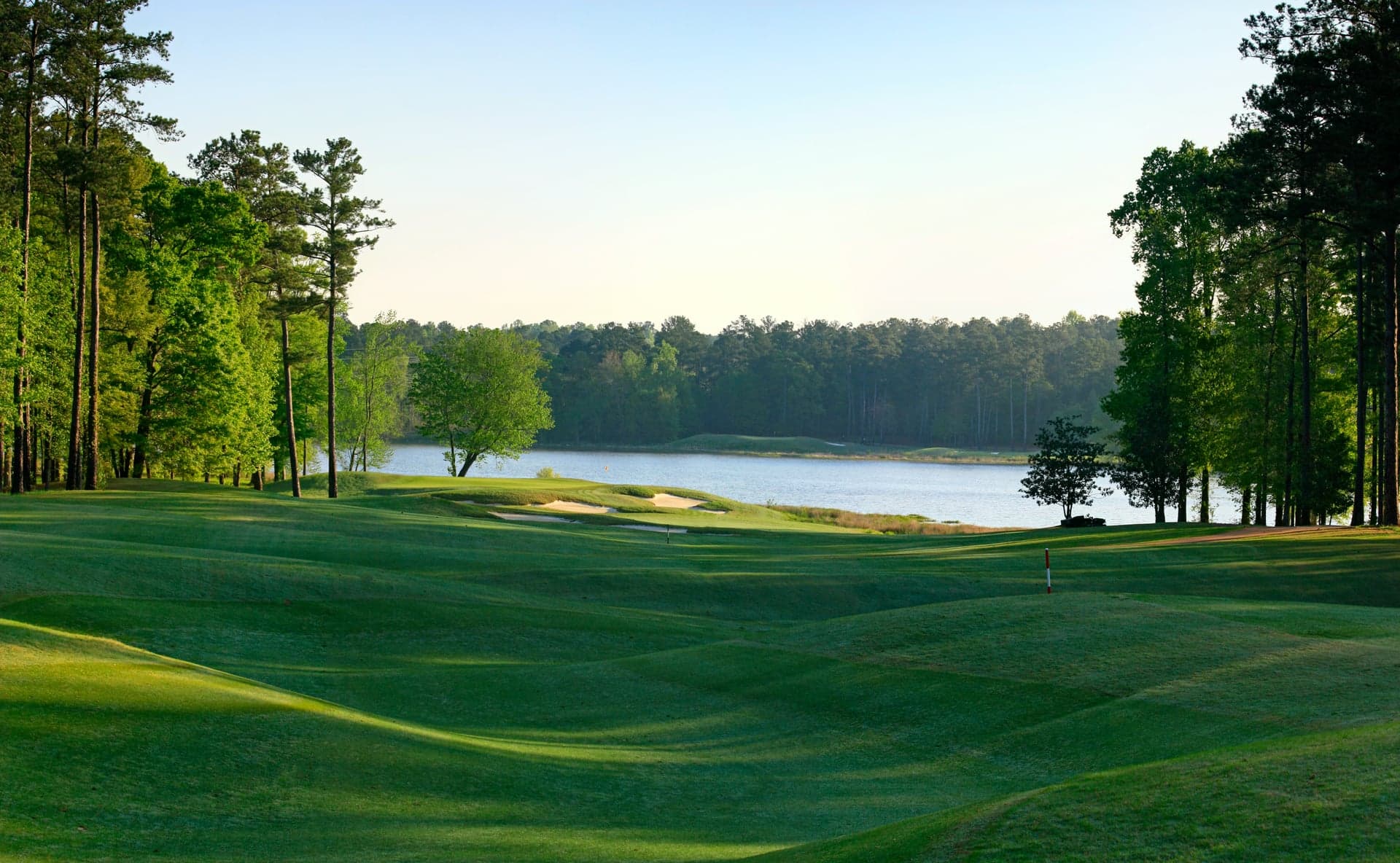
The first Trail course to exceed 8,000 yards, perched above the Tennessee River with the highest slope rating in the system
$55–$95PublicRoger Rulewich (2004)
Direct websiteVisit website
Mid-Range
Grand National Links
Robert Trent Jones Golf Trail, Alabama, Alabama
One of the original Trail courses, routed around a 600-acre lake as part of a 54-hole complex in Opelika
$55–$95PublicRobert Trent Jones Sr. / Roger Rulewich (1993)
Direct websiteVisit website

Hidden Value
Oxmoor Valley Ridge
Robert Trent Jones Golf Trail, Alabama, Alabama
The original Trail site, built on former U.S. Steel mining land with exposed shale and 200 feet of elevation through hardwood forest
$45–$75PublicRobert Trent Jones Sr. / Roger Rulewich (1992)
Direct websiteVisit website
Premium
Ross Bridge
Robert Trent Jones Golf Trail, Alabama, Alabama
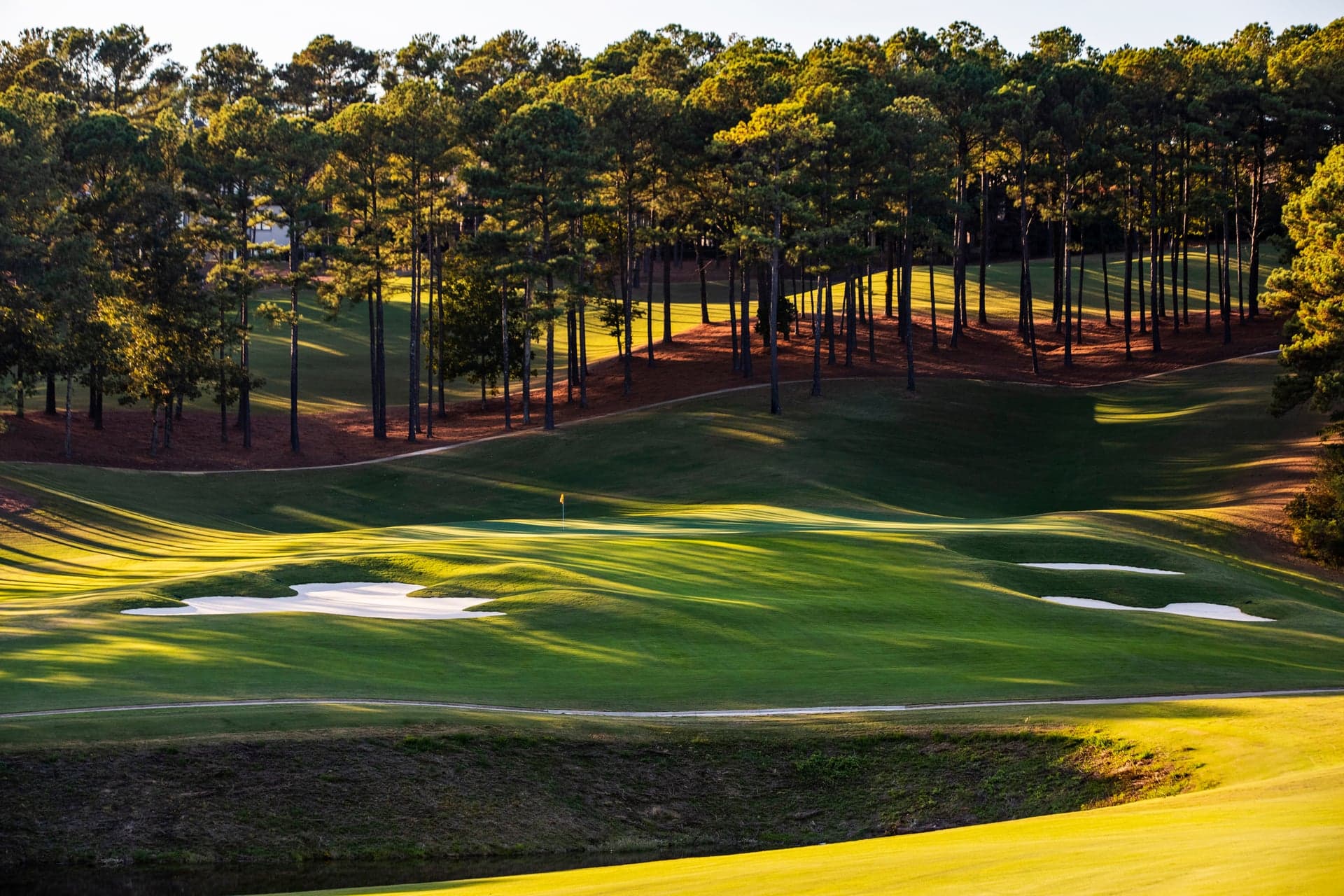
The Trail's flagship at 8,191 yards, routed through pine forests and across two lakes with 200 feet of elevation change
$85–$190ResortRoger Rulewich, Bobby Vaughan (2005)
Direct websiteVisit website
Plan Your Trip
Explore Robert Trent Jones Golf Trail, Alabama
Full guide: courses, stays, getting there.
Continue →3 Itineraries
Pre-planned trips to Robert Trent Jones Golf Trail, Alabama.
Continue →Off the Fairway
5 non-golf activities at Robert Trent Jones Golf Trail, Alabama.
Continue →