 Pin it
Waldorf Astoria Golf Club
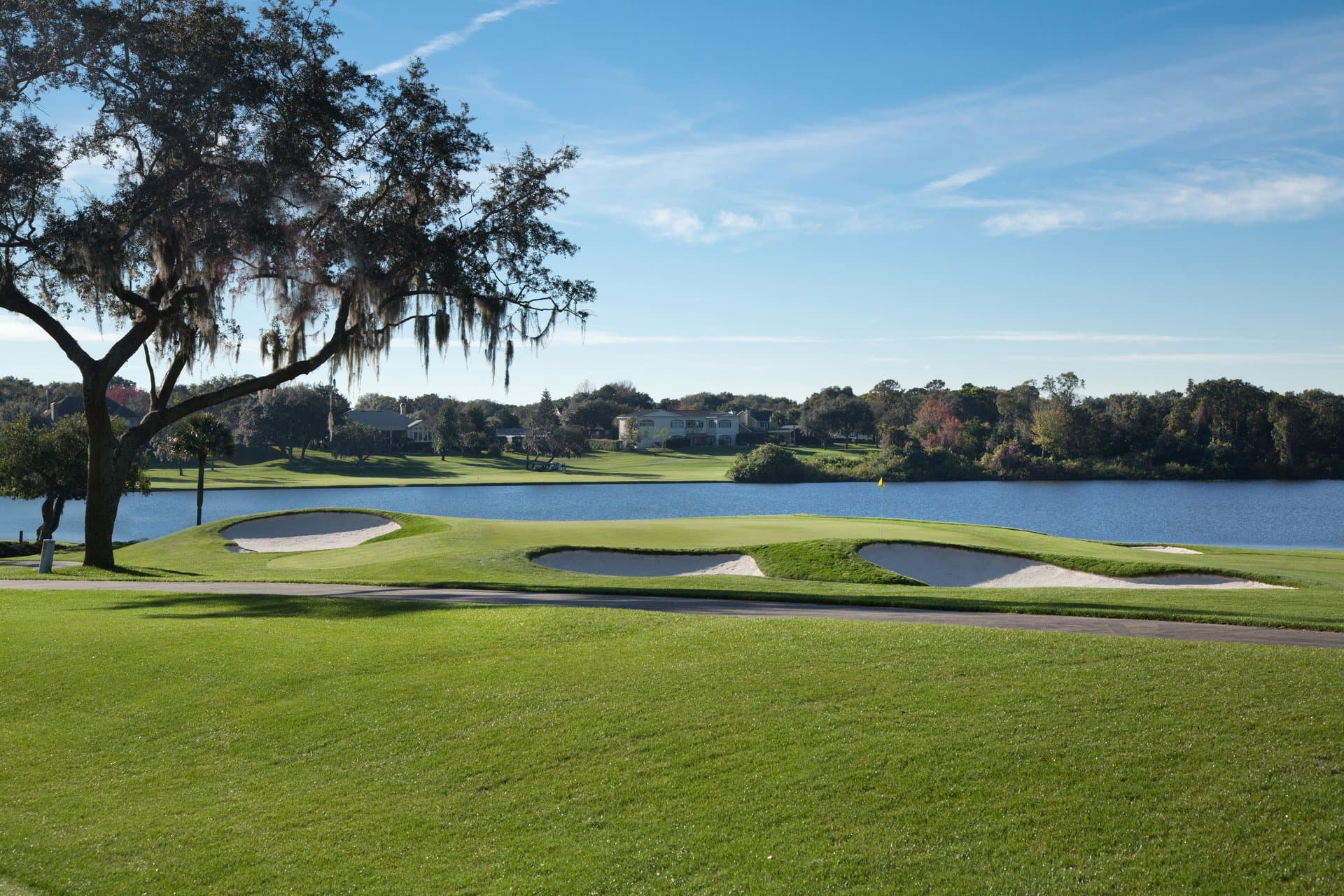
Rees Jones routed through a wetland preserve to produce Orlando's most visually immersive resort course.
Designed by Rees Jones (2009)
From $325
Booking via GolfNow
The Waldorf Astoria Golf Club is the Orlando resort round that surprises you, a Rees Jones design routed through a wetland preserve about ten minutes from the Walt Disney World gates. It opened in 2009 inside the Bonnet Creek complex, and despite the theme-park-adjacent address, the experience plays like a quiet nature reserve with a championship golf course running through it.
From 7,108 yards with a rating of 74.6 and a slope of 139, the course holds up as a legitimate test from the back tees. The five-tee system is what makes it work for the resort market. Forward positions create manageable distances and reduce forced carries over wetlands, opening the course up for less experienced golfers without diluting the challenge for skilled players. Jones earned the nickname "The Open Doctor" for his work preparing major championship venues, and his experience with course setup translates here into a tee progression that feels more deliberate than most resort courses manage.
What to expect
The wetland preserve dominates the visual experience. Most holes are framed by natural marsh, with native grasses and water features creating a sense of immersion in the Florida landscape that contrasts sharply with the manicured resort environment a few hundred yards away. Wildlife sightings are routine: herons, egrets, and the occasional alligator share the property with golfers. The effect is of playing through a nature reserve rather than a resort, and it is the course's strongest differentiator in a market where most resort layouts blur together.
Jones's bunkering is purposeful without being excessive. Sand sits at strategic decision points rather than scattered decoratively, and placement consistently offers a clear risk-reward proposition. Avoid every bunker and you will find the course playable, but you will also leave scoring opportunities behind. Challenge the bunkering from the right angle and you will find shorter, more straightforward approaches.
By the numbers
- Par
- 72
- Yardage
- 7,108
Is it worth the green fee?
At around $325, the Waldorf Astoria sits at the upper end of Orlando's resort offerings. The rate includes access to the resort's well-maintained practice facilities, and resort guests get priority booking and occasional discounts through golf packages. For the architectural quality and the unique setting, the number is reasonable. Premium Orlando golf at this caliber does not come cheap.
Booking and trip fit
The location inside the Disney resort corridor makes this an easy pairing with a family trip when you need a half-day to yourself. It also slots naturally alongside Bay Hill, Reunion Resort, or ChampionsGate on a multi-course Orlando itinerary. Book direct through the resort, or use the booking link on this page.
The bottom line
If you only know Orlando golf as theme-park backdrop, the Waldorf Astoria will reset your expectations. A serious Rees Jones routing through wetlands you would not believe were ten minutes from Magic Kingdom.
Where to Stay
Accommodations near Waldorf Astoria Golf Club
Lodge
Arnold Palmer's Bay Hill Club & Lodge
Orlando, Florida
Seventy rooms on Arnold Palmer's private estate, with PGA Tour conditioning outside the door.
From $265/nightOn-site golf
Direct websiteVisit website

Vacation Rental
ChampionsGate Resort Villas (Vacation Rental)
Orlando, Florida
Full kitchens and multiple bedrooms adjacent to two Greg Norman courses, booked through VRBO.
From $150/nightOn-site golf
ExpediaCheck availability

Hotel
Comfort Suites Maingate East
Orlando, Florida
The savings here fund an extra round of golf, and the breakfast is included.
From $90/nightFalcon's Fire (~4 mi)
ExpediaCheck availability

Resort
Embassy Suites by Hilton Orlando Lake Buena Vista Resort
Orlando, Florida
All-suite rooms with complimentary breakfast and evening reception, three miles from Grand Cypress.
From $130/nightGrand Cypress (~3 mi)
ExpediaCheck availability
Compare all stays near Waldorf Astoria Golf Club
Live prices from Booking.com, Expedia and more — every nearby hotel and rental in one search.
Prices and availability from Booking.com, Expedia and others via Stay22. GolfTrailsHQ may earn a commission at no additional cost to you.
Other Courses Nearby
Bucket List
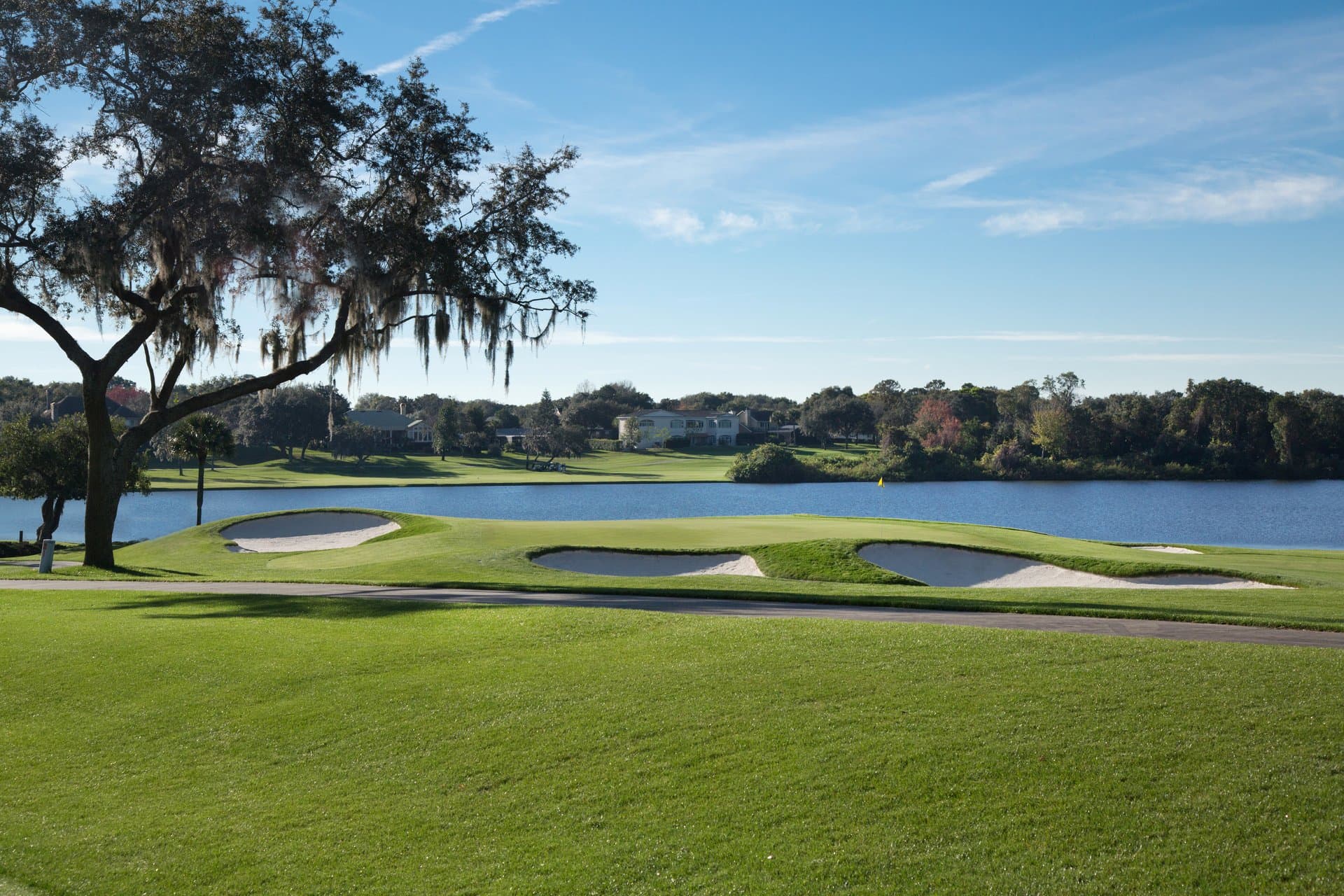
Arnold Palmer's Bay Hill Club & Lodge
Orlando, Florida
Arnold Palmer's living room, and the only Orlando course with genuine PGA Tour history.
$105–$475PrivateDick Wilson (1961), refined by Arnold Palmer
PartnerBook tee time
Mid-Range
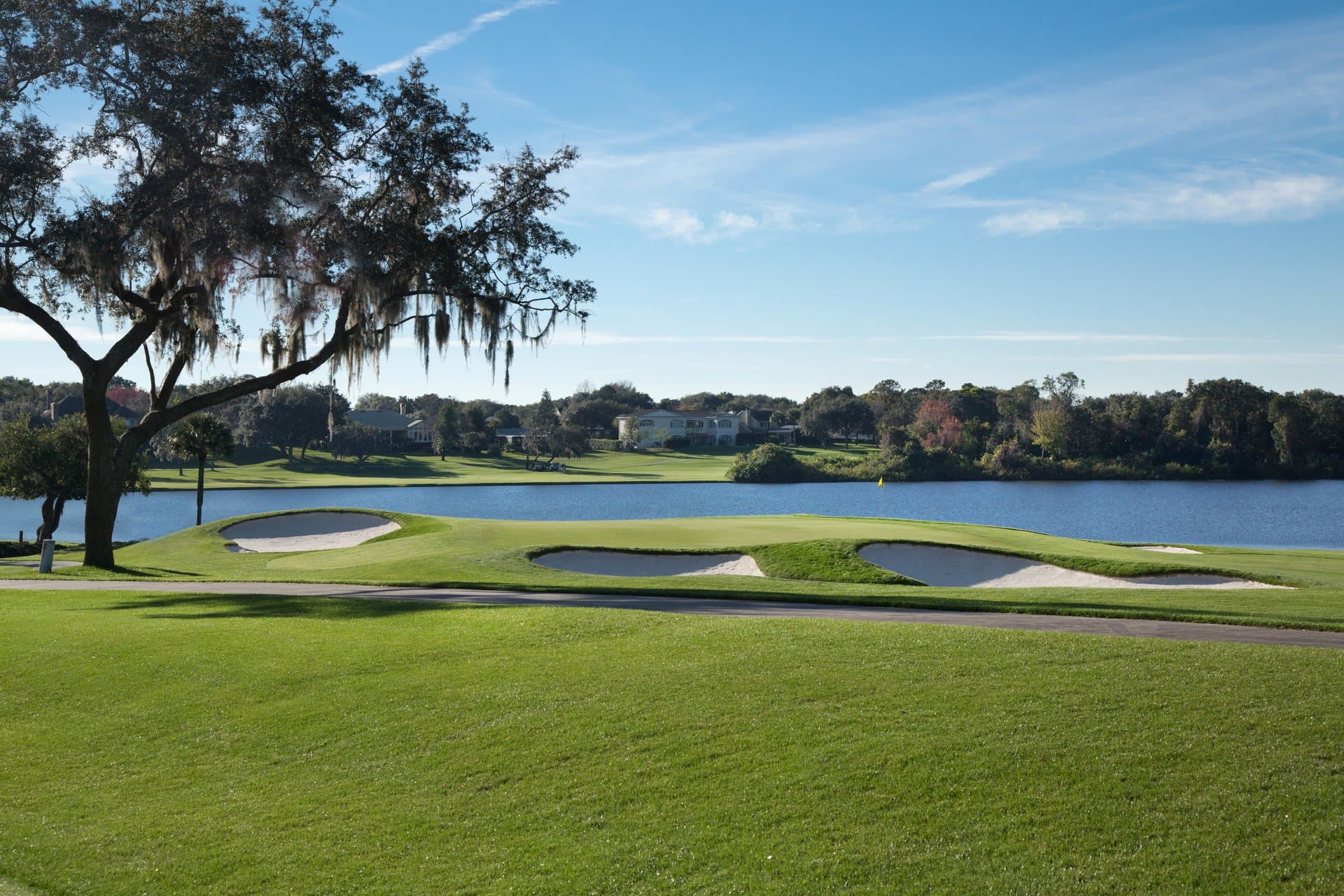
Bella Collina Golf Club
Orlando, Florida
Nick Faldo's only North American design, built into lakeside terrain with elevation changes rare for Florida.
$99–$175PrivateNick Faldo & Steve Smyers (2008)
GolfNowBook tee time
Premium
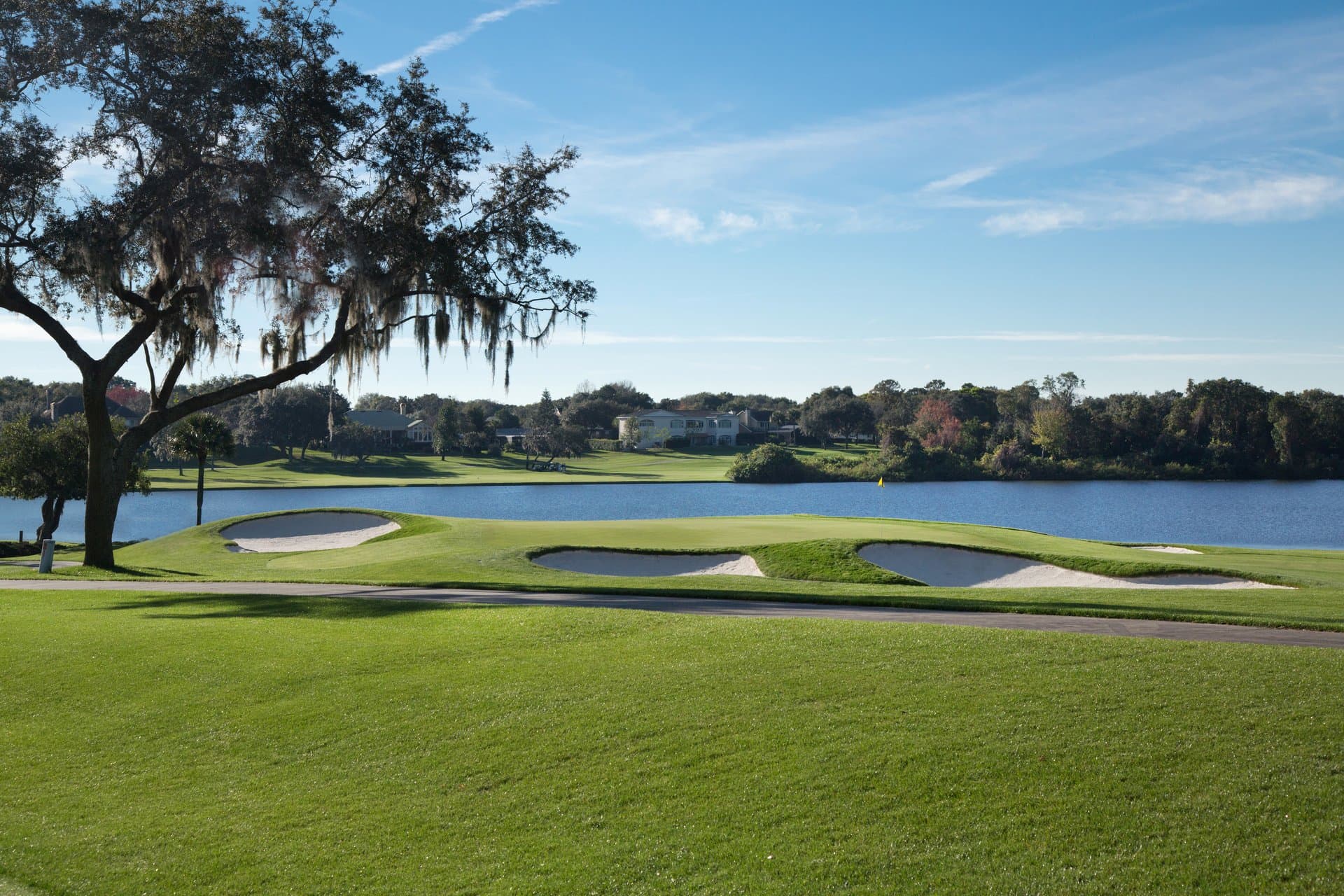
ChampionsGate Golf Club — International Course
Orlando, Florida
The highest course rating in Florida, and the closest thing to links golf that Orlando produces.
From $275ResortGreg Norman, Matthew Dusenberry & Tad Burnett (2000; remastered 2016)
GolfNowBook tee time
Premium
ChampionsGate Golf Club — National Course
Orlando, Florida
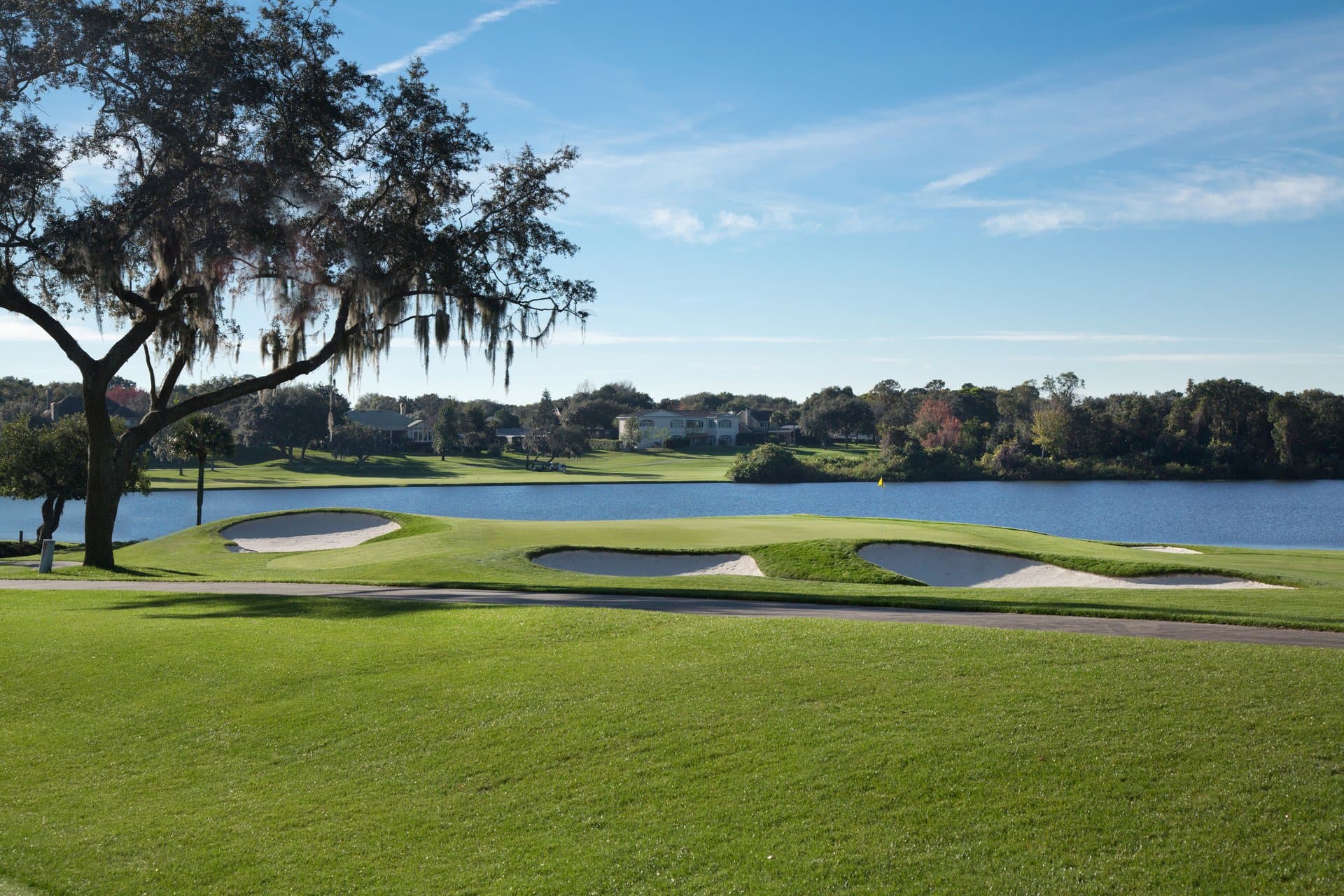
Greg Norman's parkland counterpart to the International, with 80 bunkers winding through former orange groves.
From $275ResortGreg Norman (2000)
GolfNowBook tee time
Hidden Value
Falcon's Fire Golf Club
Orlando, Florida
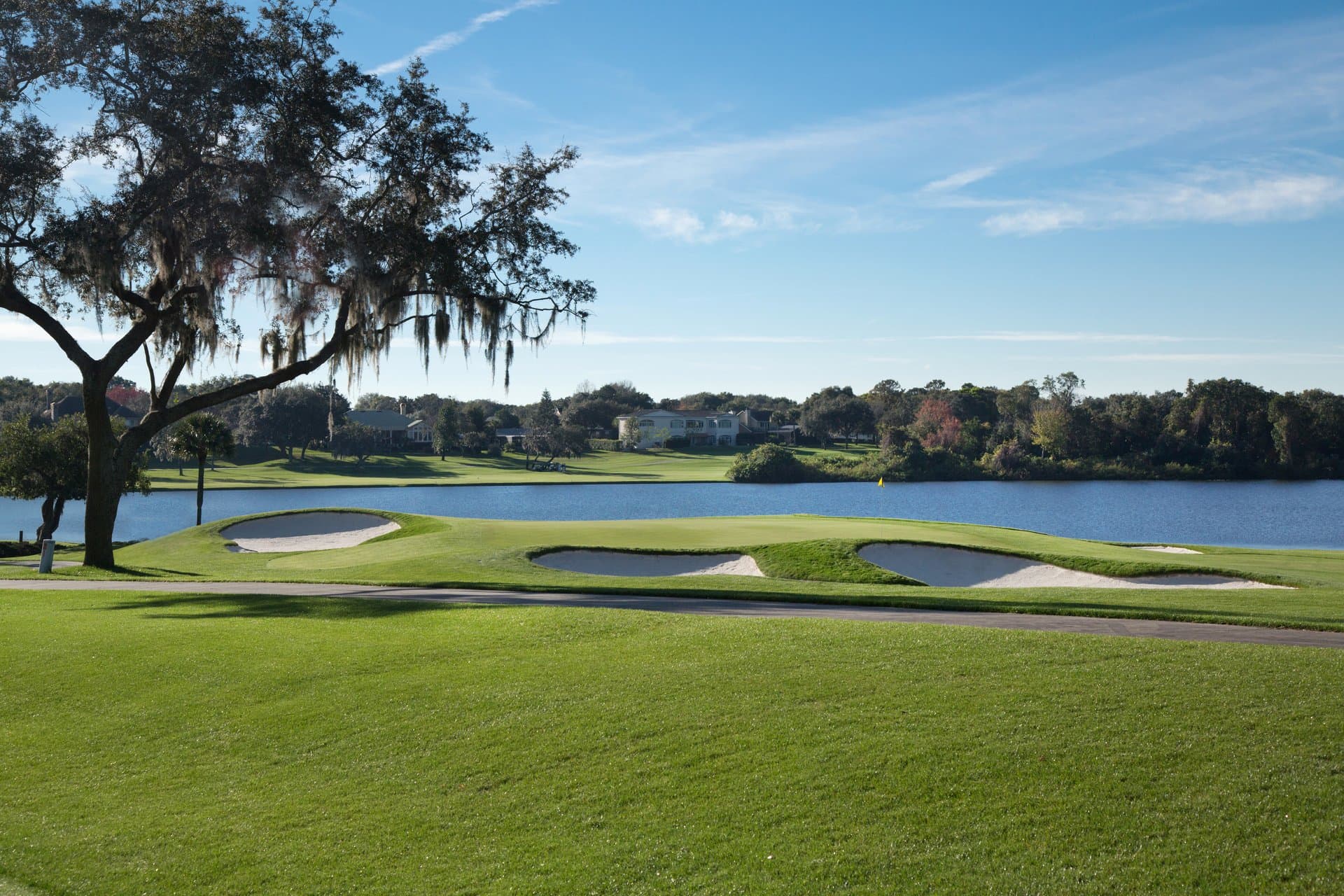
Rees Jones conditioning at a public-course price, quietly reliable since 1993.
From $145PublicRees Jones / Greg Muirhead (1993)
GolfNowBook tee time
Premium
Grand Cypress Golf Club — New Course (Links)
Orlando, Florida
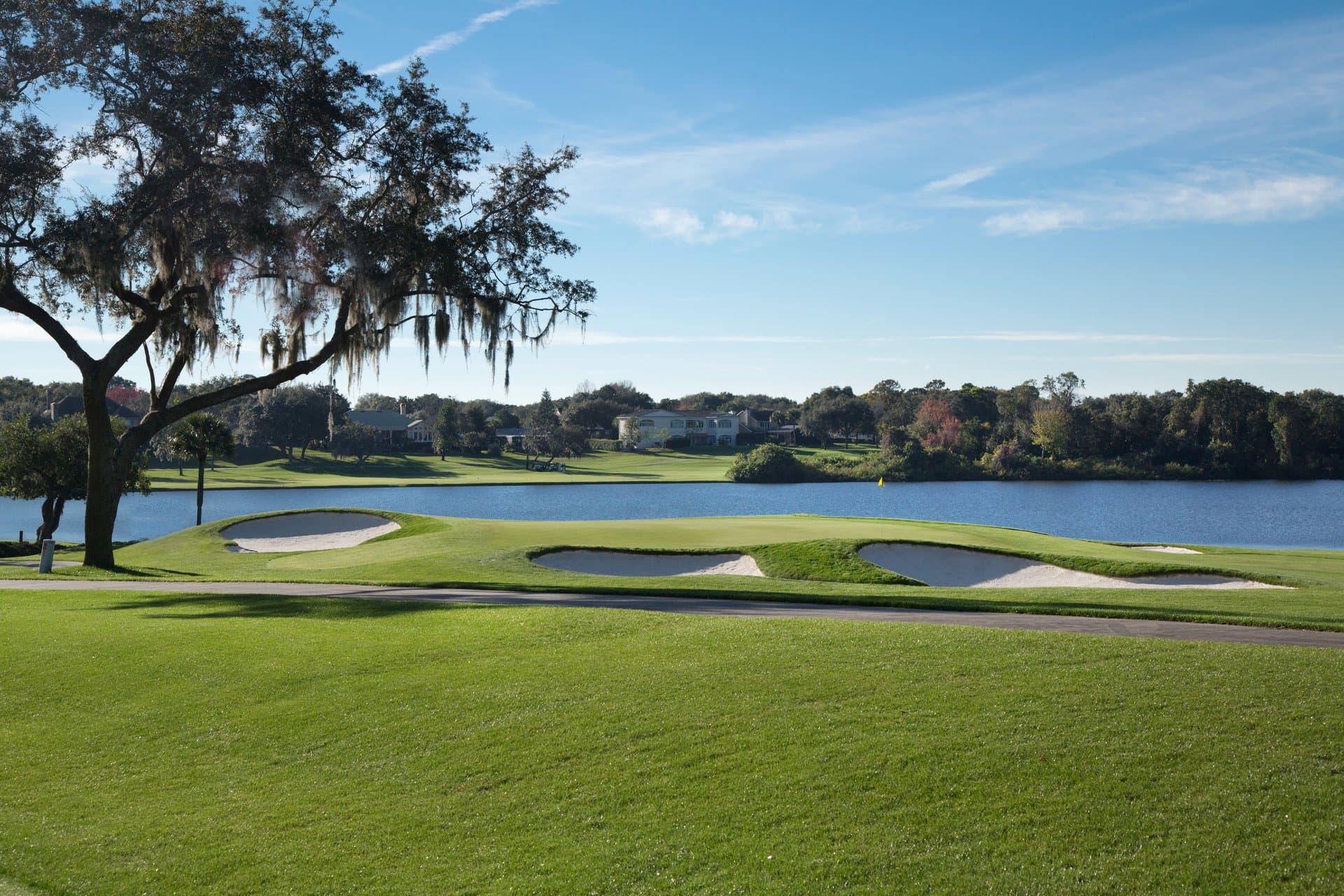
Jack Nicklaus built a tribute to the Old Course at St Andrews in the shadow of Walt Disney World.
$75–$150ResortJack Nicklaus (1988)
GolfNowBook tee time
Mid-Range
Orange County National — Crooked Cat
Orlando, Florida
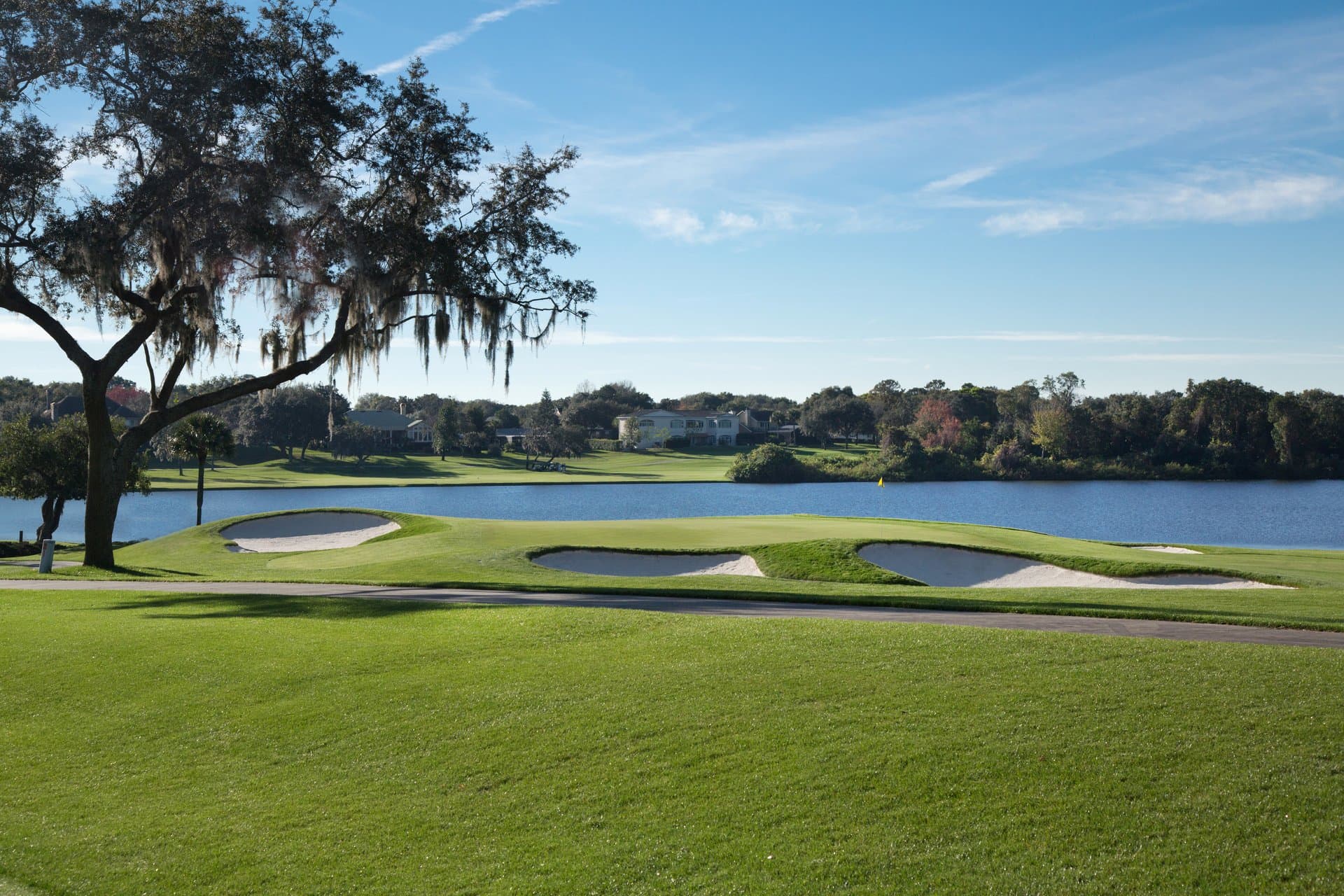
The tougher sibling at Orange County National, with a 76.0 rating that tests accomplished players.
From $209PublicPhil Ritson / Dave Harman / Isao Aoki (1997)
GolfNowBook tee time
Mid-Range
Orange County National — Panther Lake
Orlando, Florida
A 900-acre golf-only facility that consistently ranks among the best public courses in Florida.
From $149PublicPhil Ritson / Dave Harman / Isao Aoki (1997)
GolfNowBook tee time
Mid-Range
Providence Golf Club
Orlando, Florida
A public course ten minutes from Disney with greens that punch above its price point.
$100–$119PublicMike Dasher (2007, renovated 2018)
GolfNowBook tee time
Premium
Reunion Resort — Nicklaus Course (Tradition)
Orlando, Florida
Jack Nicklaus's precise demand for iron play, with pot bunkers and small greens that accept nothing casual.
$101–$223ResortJack Nicklaus (2004)
GolfNowBook tee time
Premium
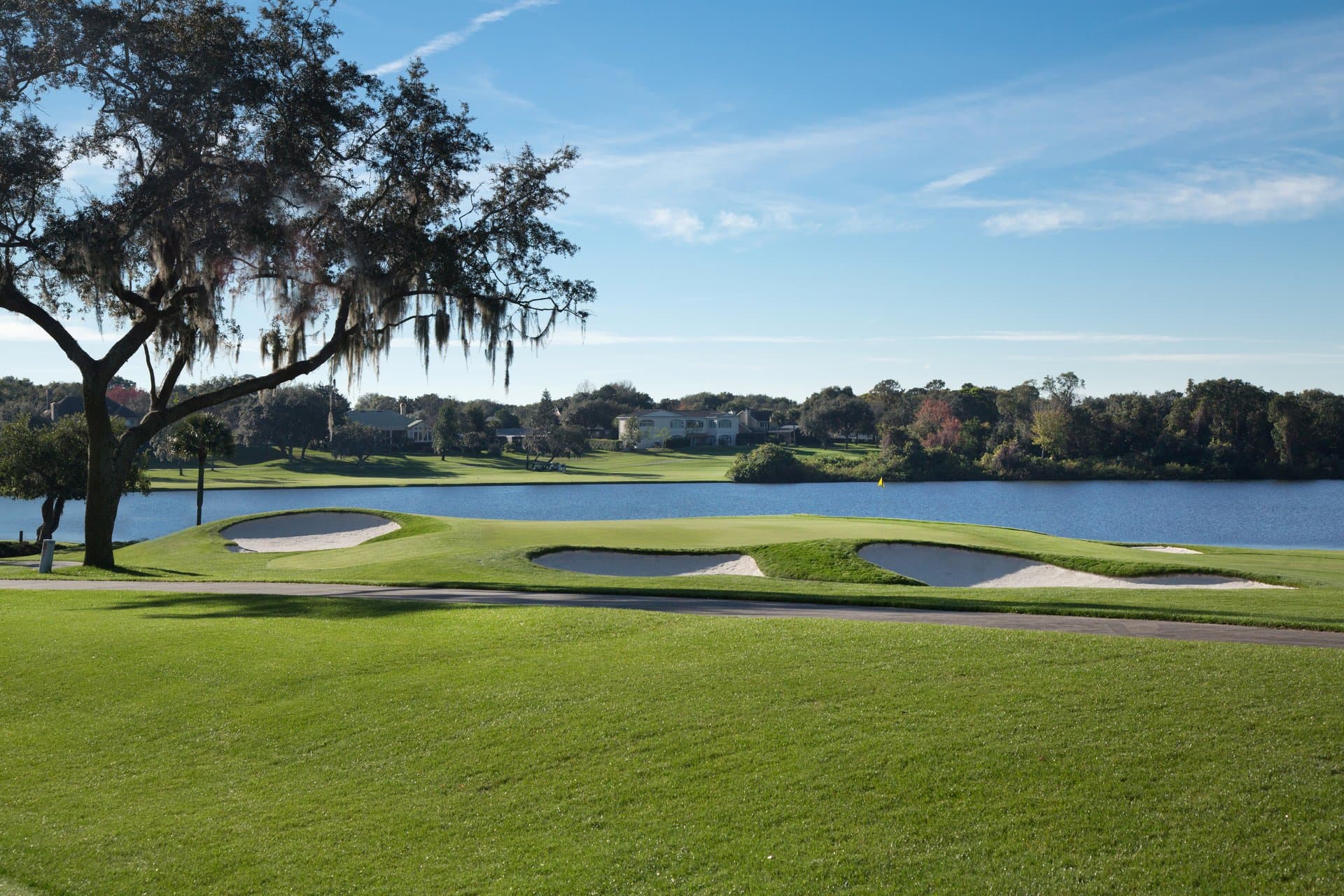
Reunion Resort — Palmer Course
Orlando, Florida
Arnold Palmer's signature elevation changes bring hill-country drama to flat Florida.
$101–$223ResortArnold Palmer (2004)
GolfNowBook tee time
Premium
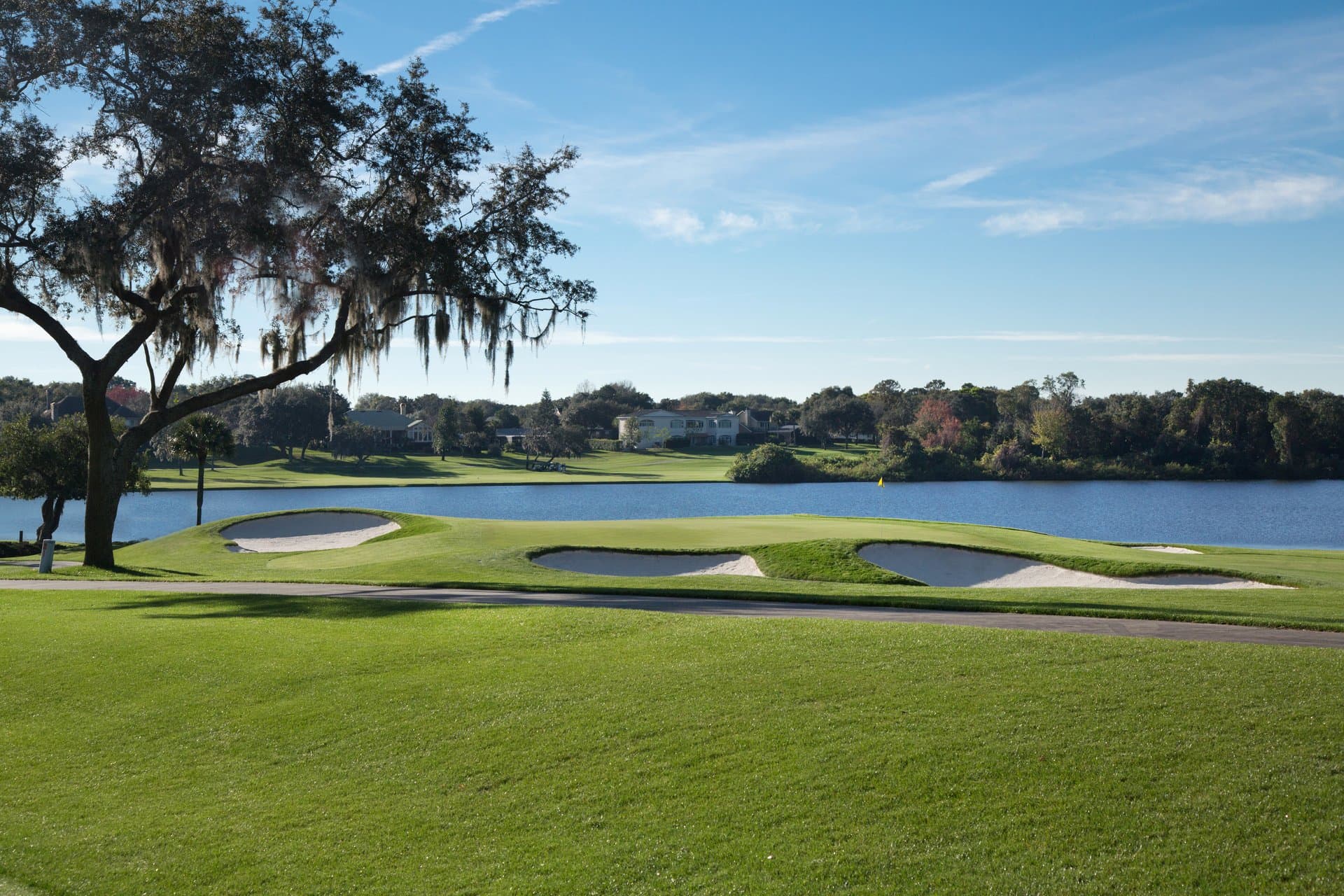
Reunion Resort — Watson Course
Orlando, Florida
Tom Watson's strategic test on rolling terrain, and the most cerebral of Reunion's three designs.
$101–$223ResortTom Watson (2004)
GolfNowBook tee time
Hidden Value
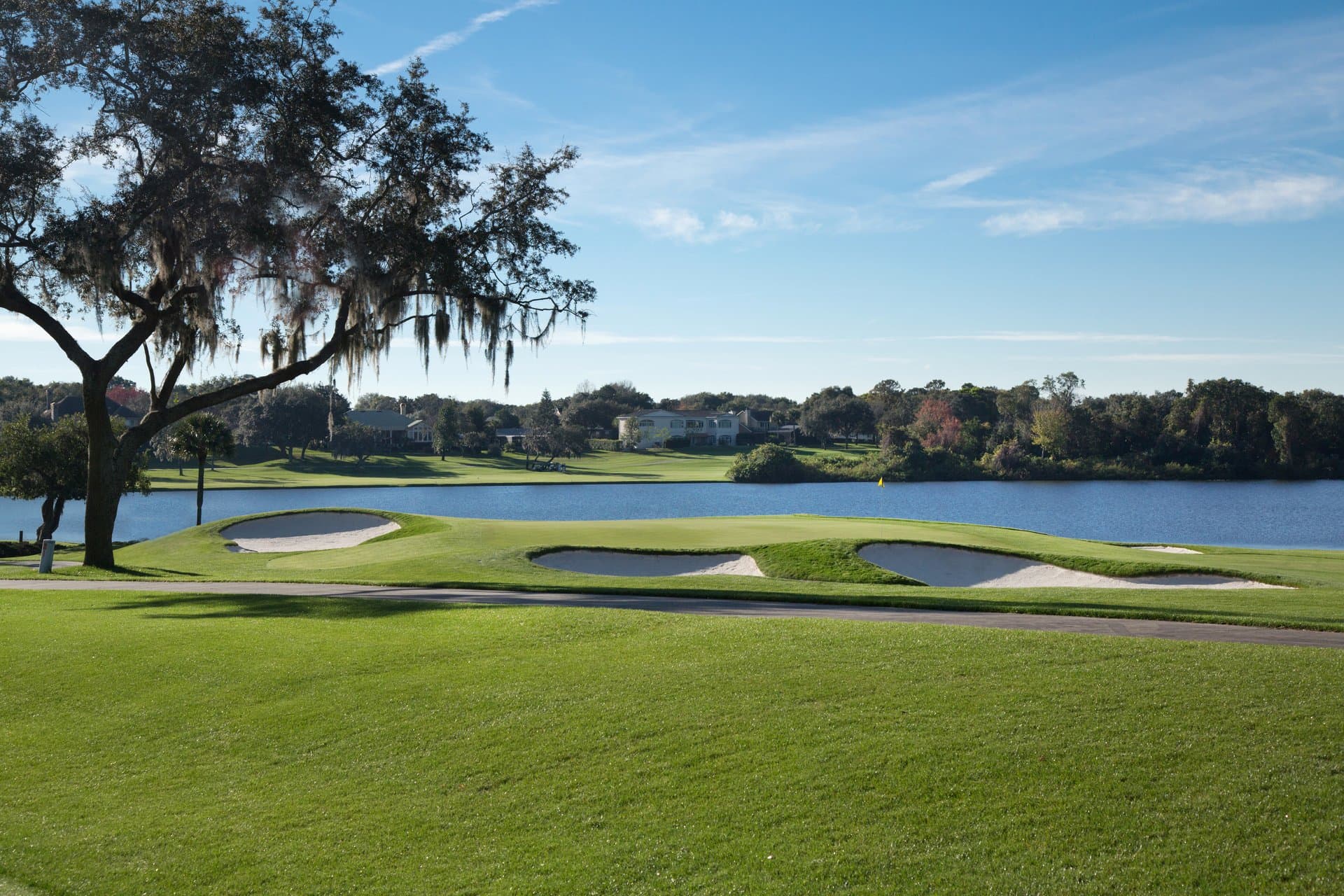
Royal St. Cloud Golf Links
Orlando, Florida
Three British Isles-themed nines at a price that makes five-round Orlando trips possible.
$59–$64PublicChip Powell (~2001, third nine 2009)
GolfNowBook tee time
Mid-Range
Shingle Creek Golf Club
Orlando, Florida
Water on 15 of 18 holes along the headwaters of the Everglades, redesigned by the Palmer firm in 2016.
From $199ResortDavid Harman (2003), redesigned Thad Layton/Arnold Palmer Design (2016)
GolfNowBook tee time
Plan Your Trip
Explore Orlando
Full guide: courses, stays, getting there.
Continue →3 Itineraries
Pre-planned trips to Orlando.
Continue →Off the Fairway
10 non-golf activities at Orlando.
Continue →Some links on this page are affiliate links. If you book through these links, we may earn a small commission at no extra cost to you. This does not influence our editorial recommendations.