 Pin it
Hilton Head
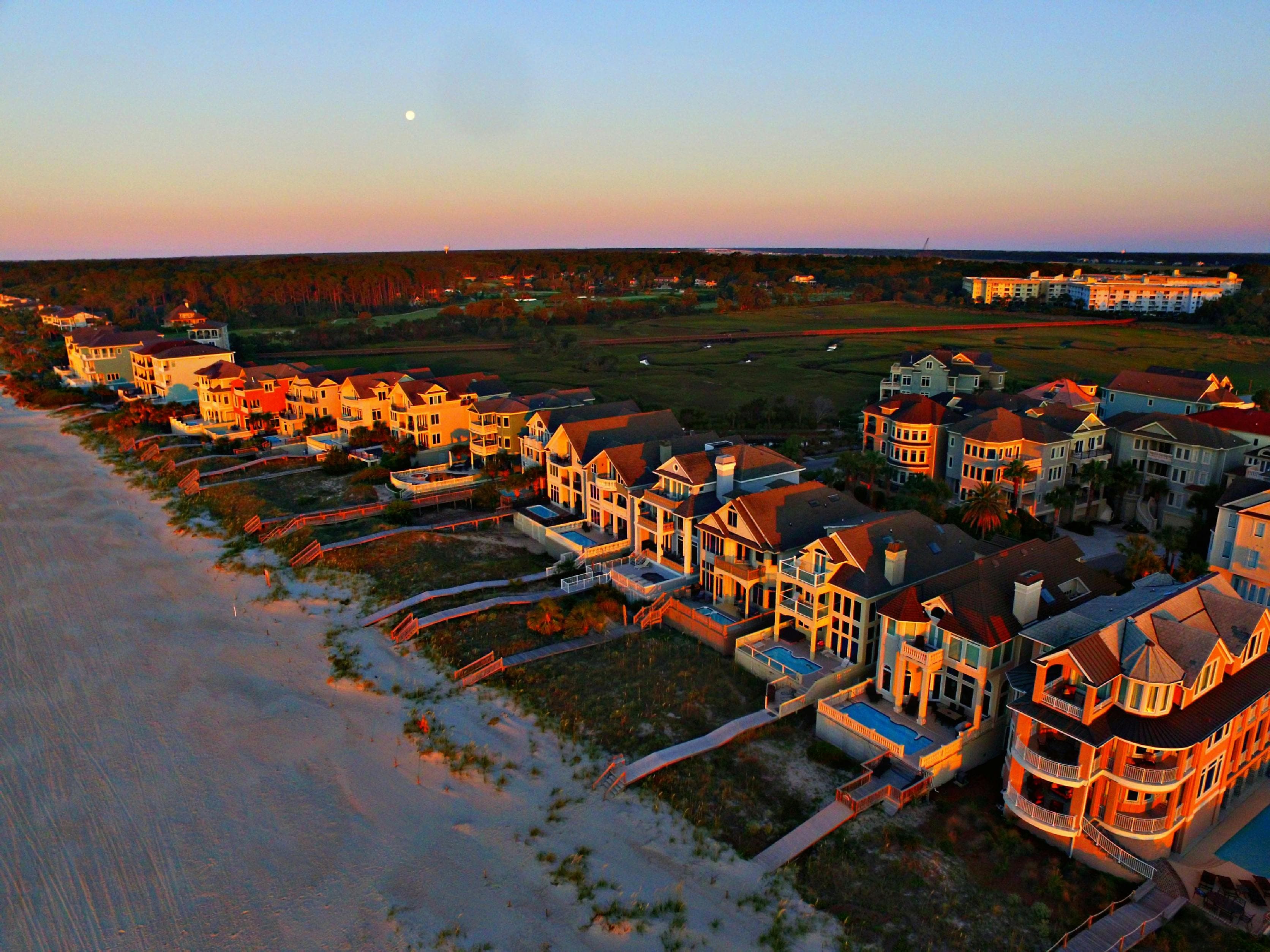
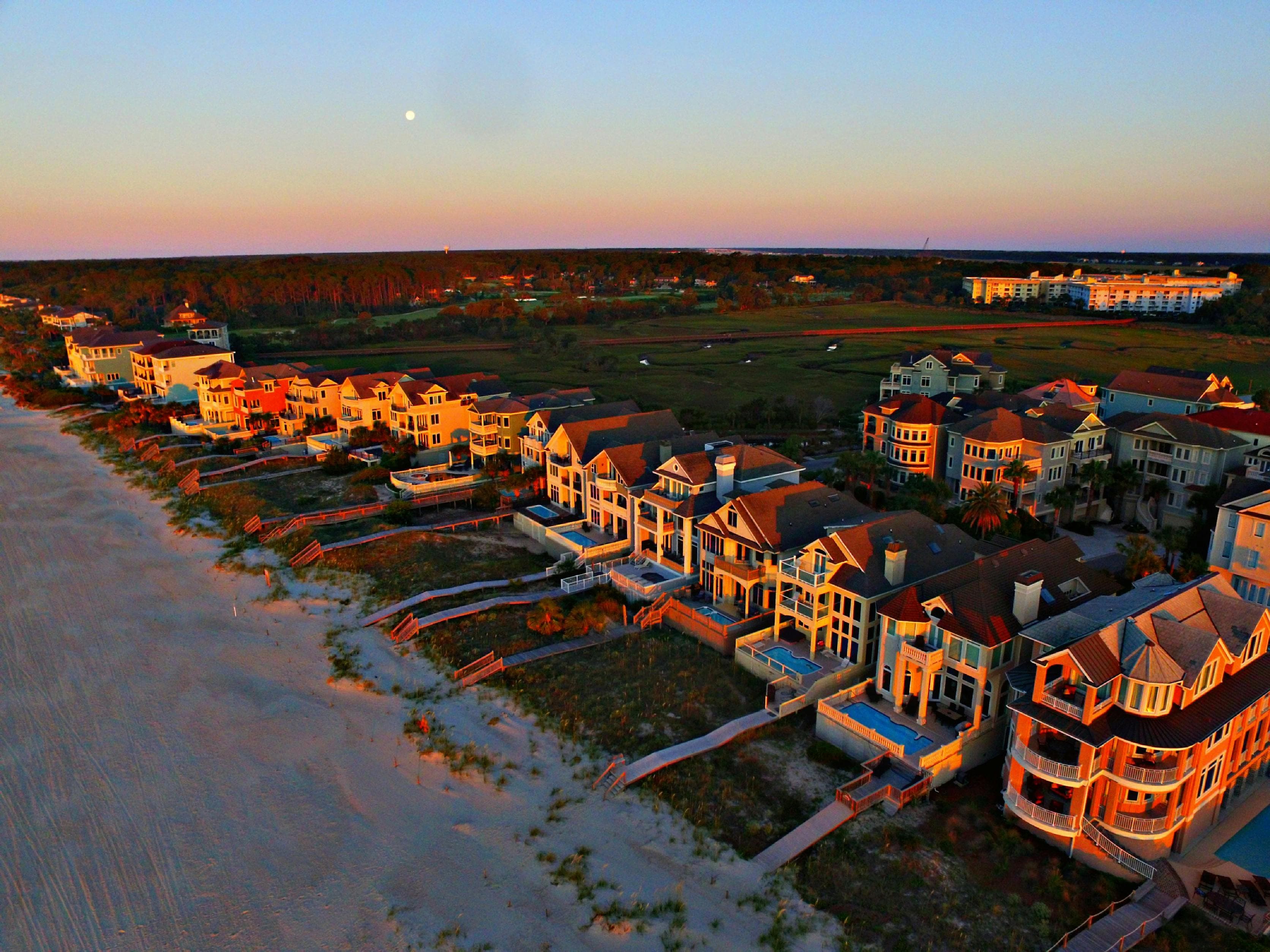
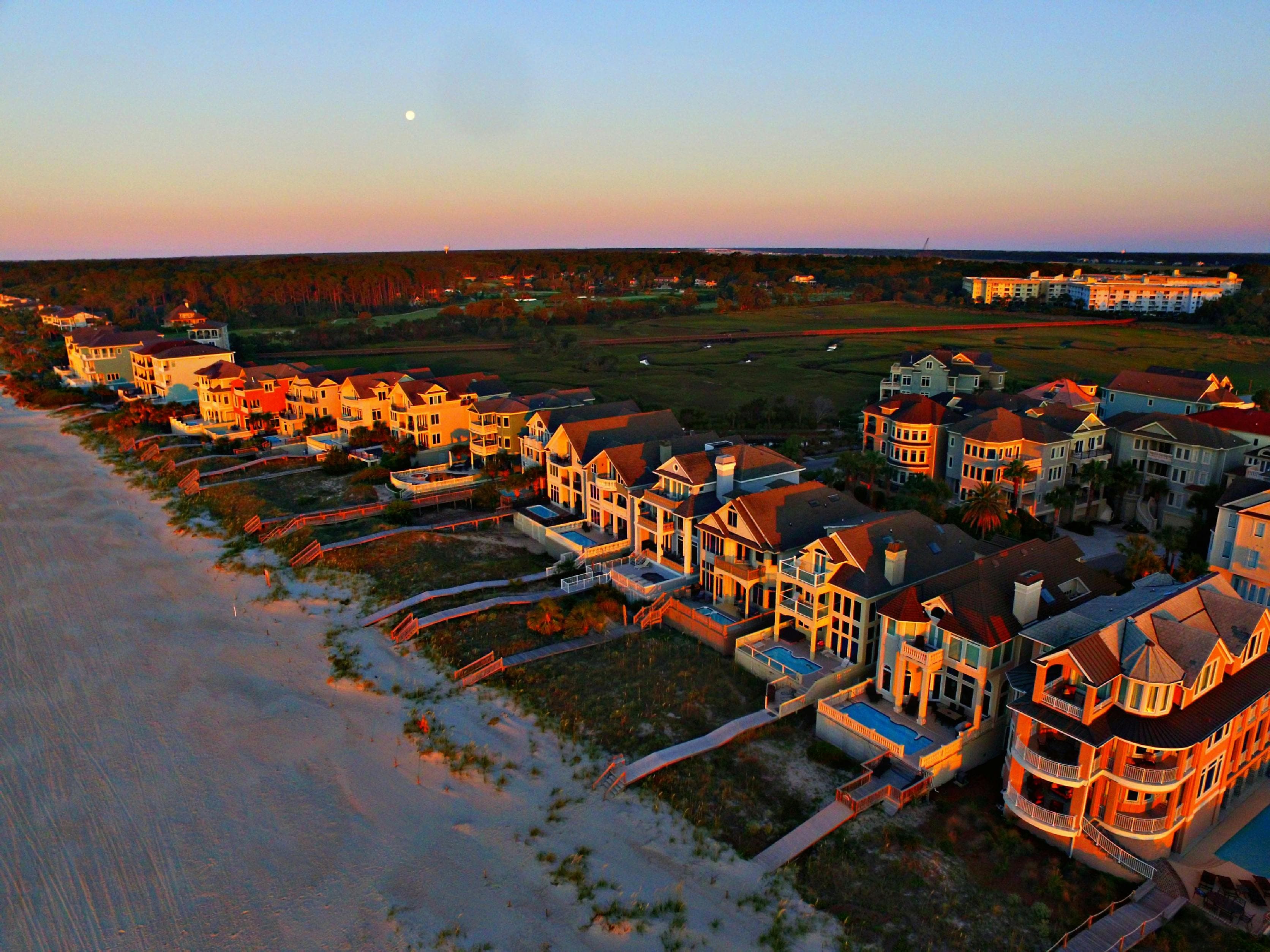
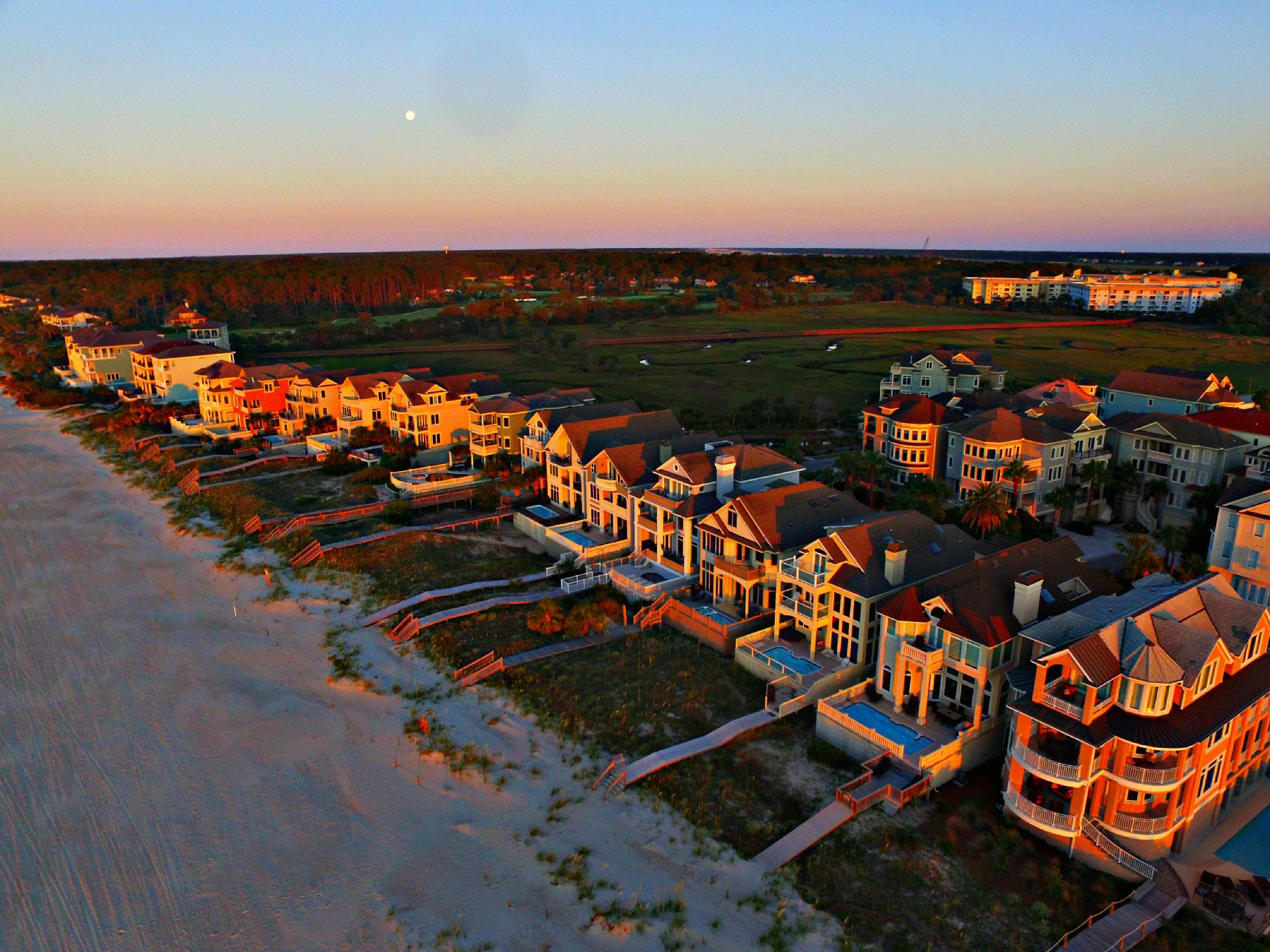
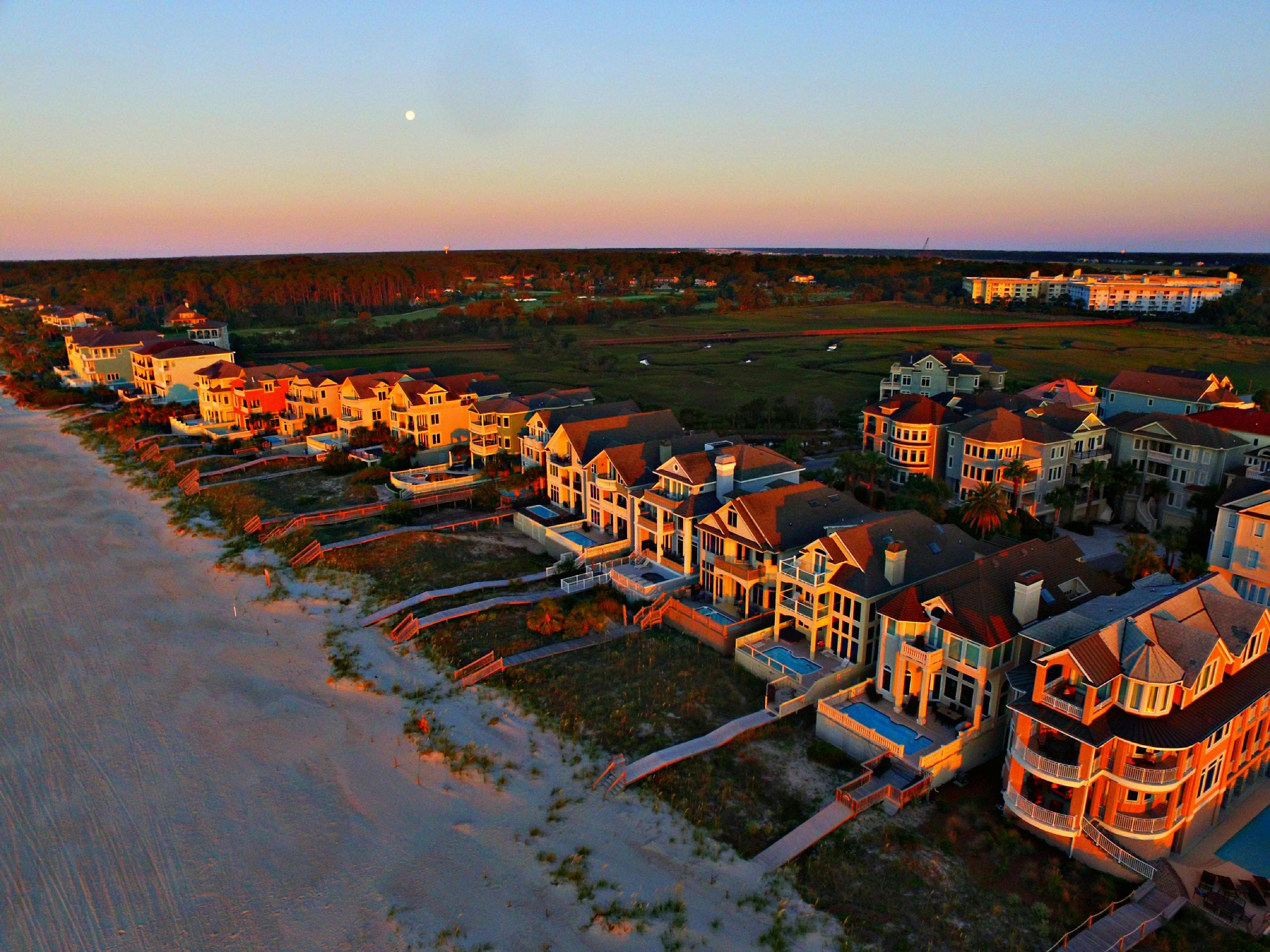
Pete Dye's Harbour Town, RBC Heritage host since 1969, leads a roster of roughly twenty-four courses across a 12-mile barrier island you can cross by bike.
Free to use — Pexels · Pexels
- State
- South Carolina
- Courses
- 12
- Green fees
- $34–$518
- Best months
- Mar, Apr, May, Sep, Oct
- Airport
- SAV - Savannah/Hilton Head International (50-60 minutes)
- Rental car
- Recommended
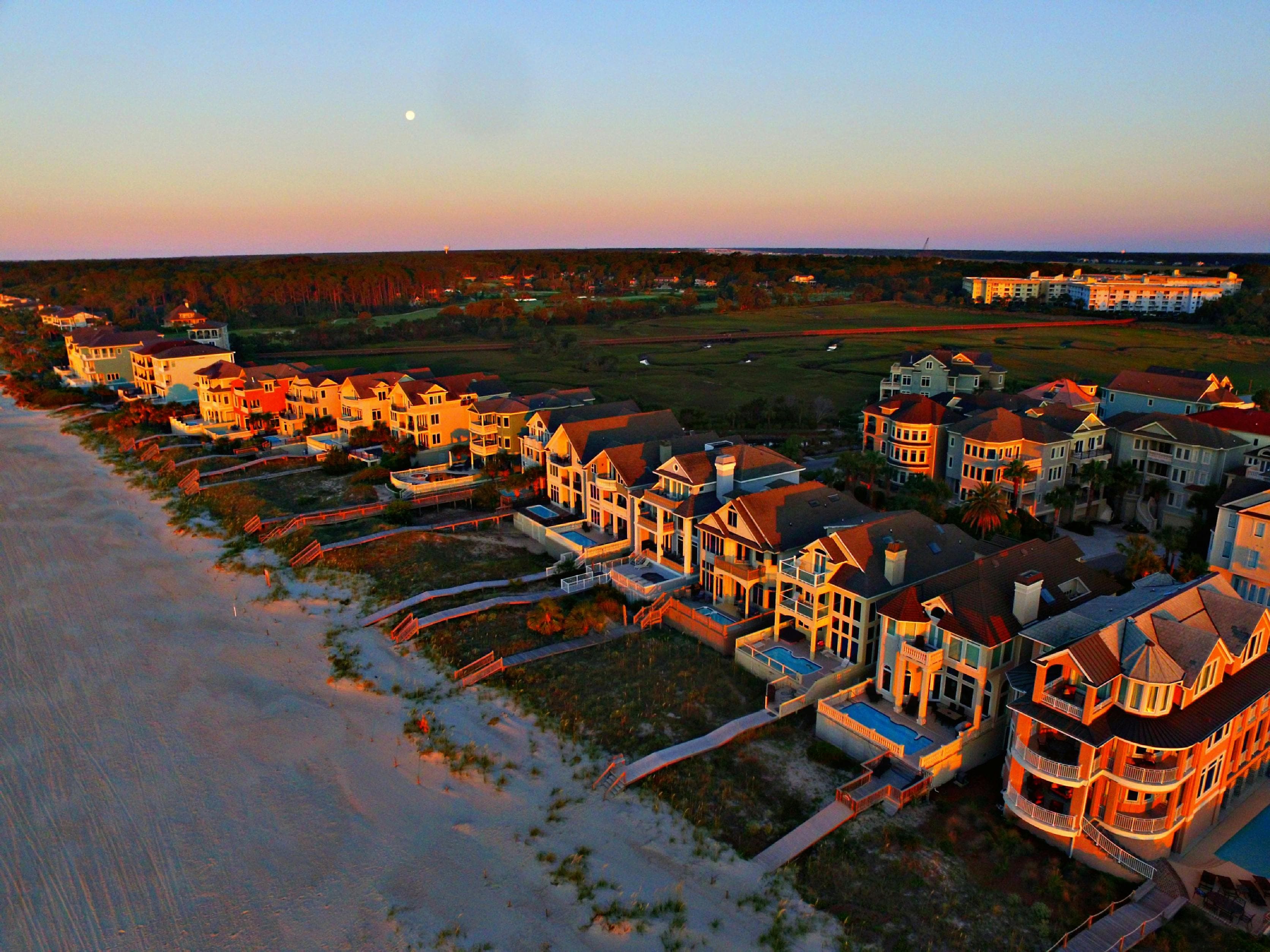
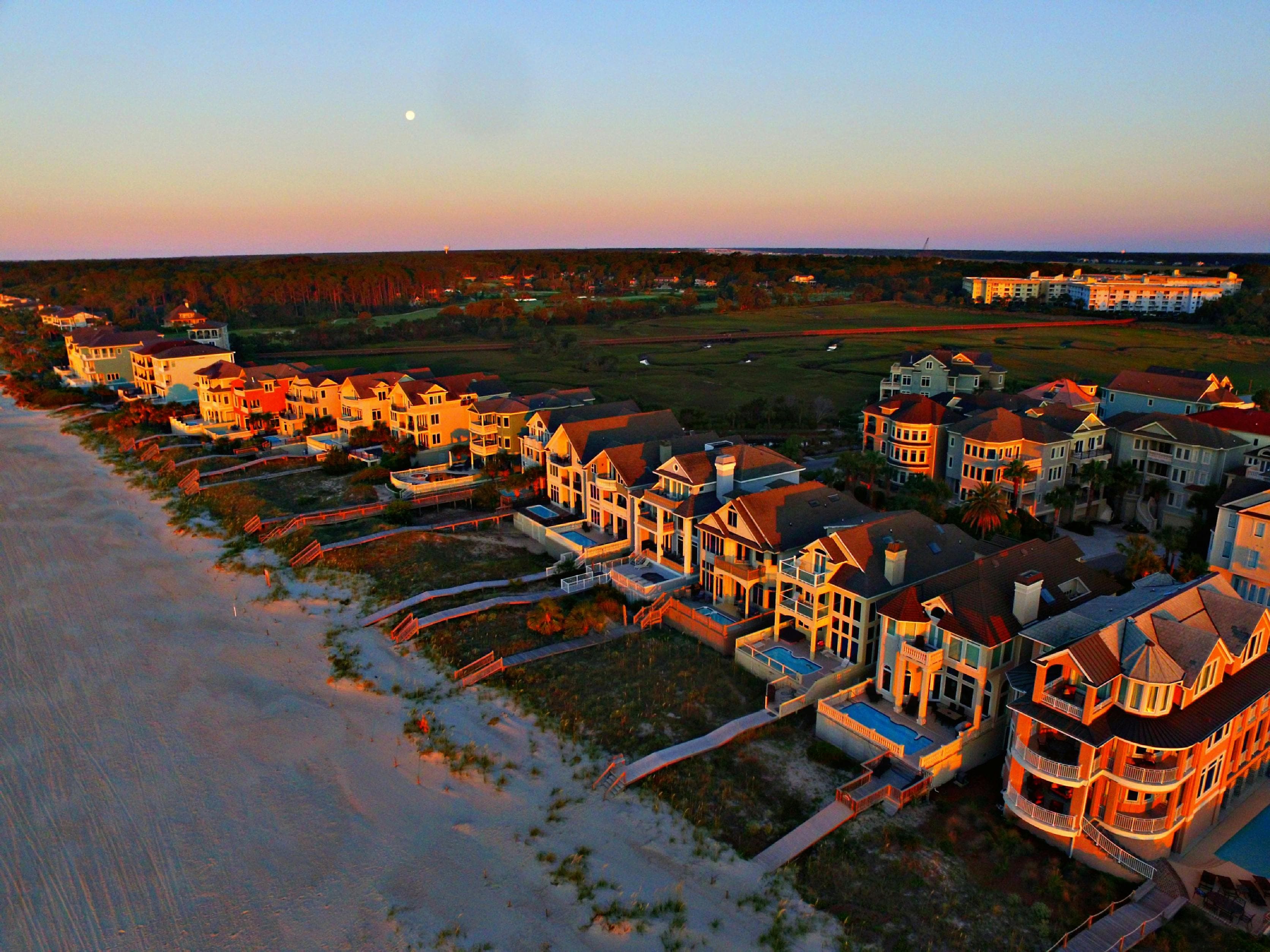
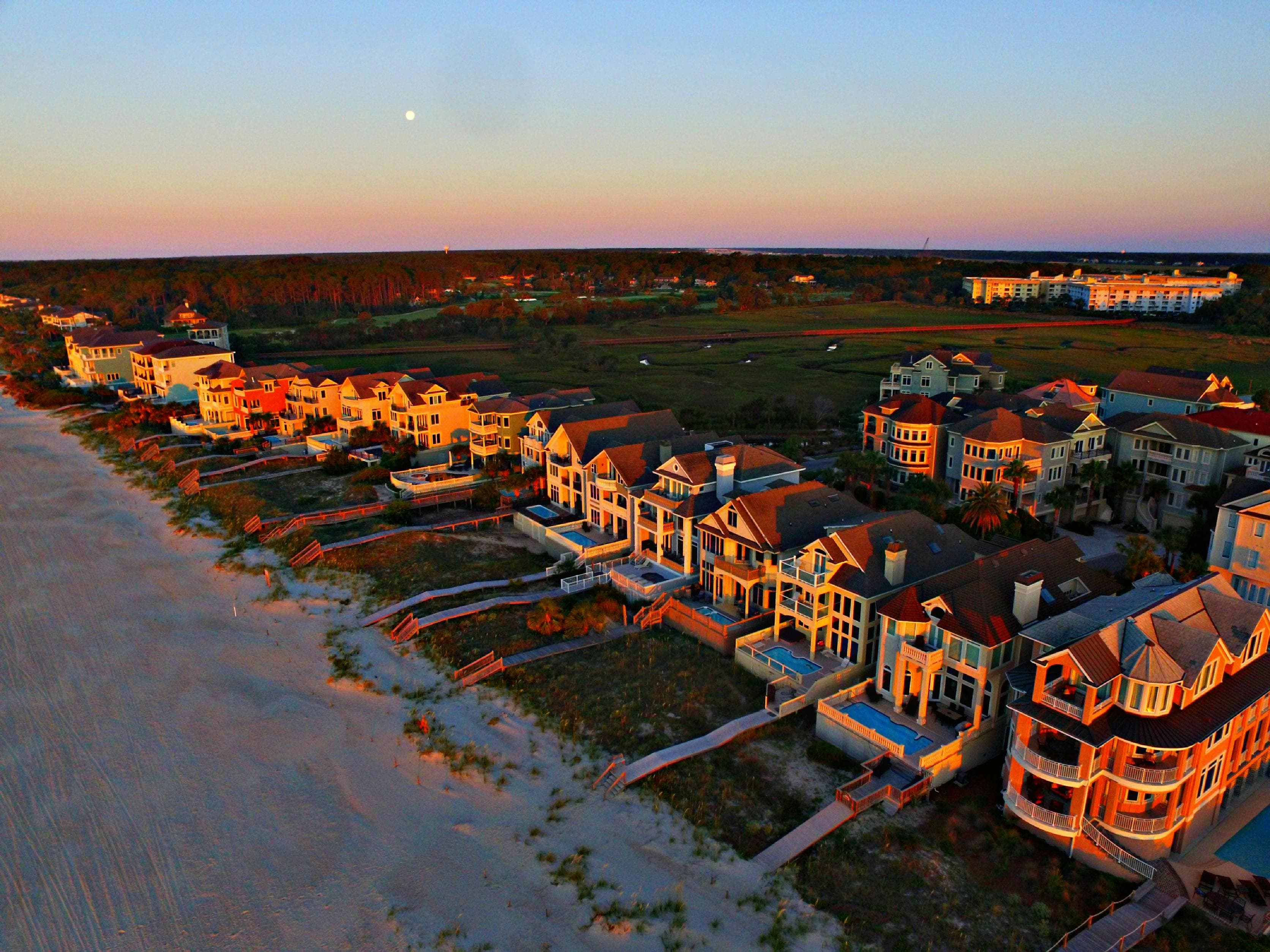
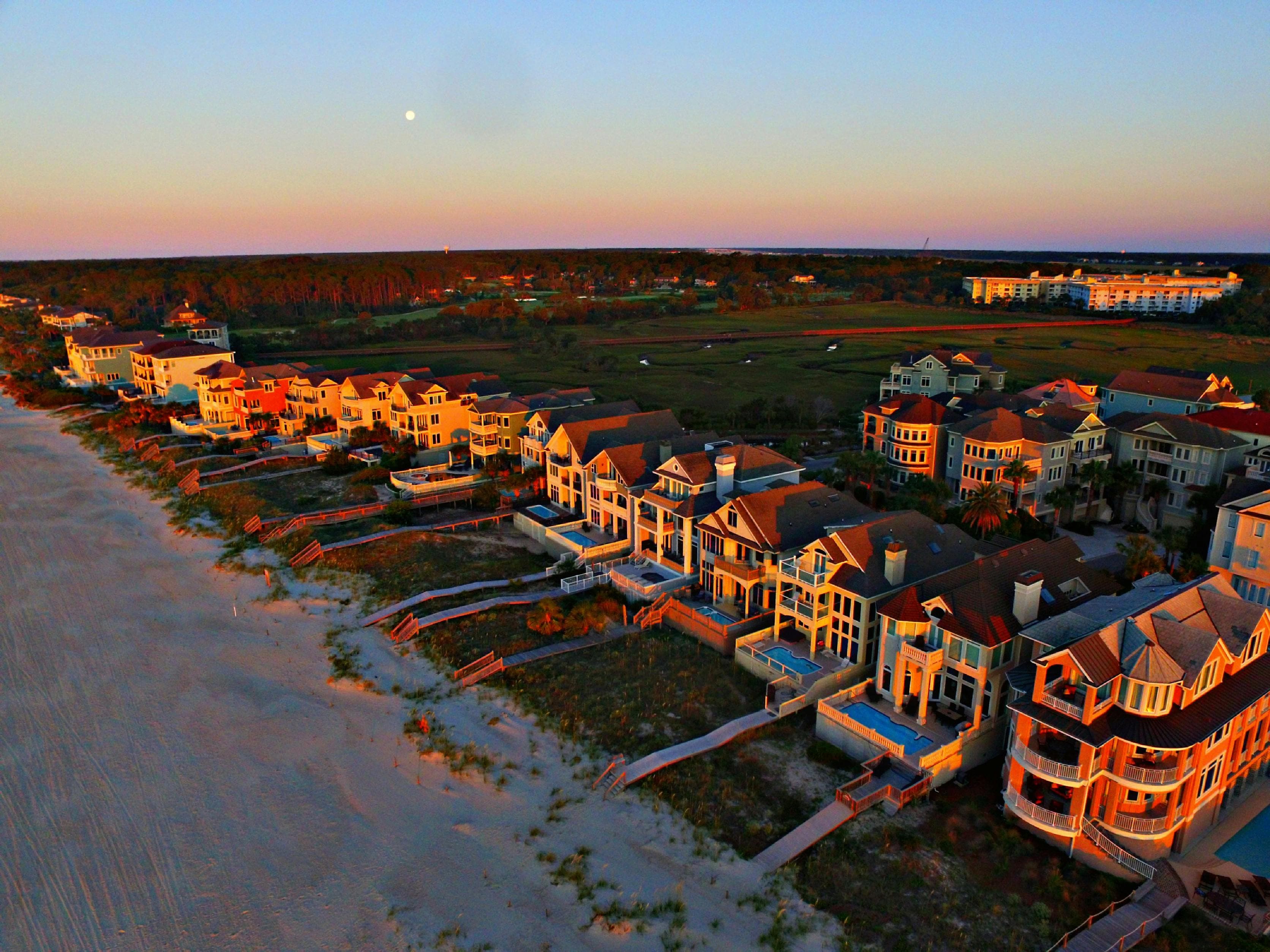
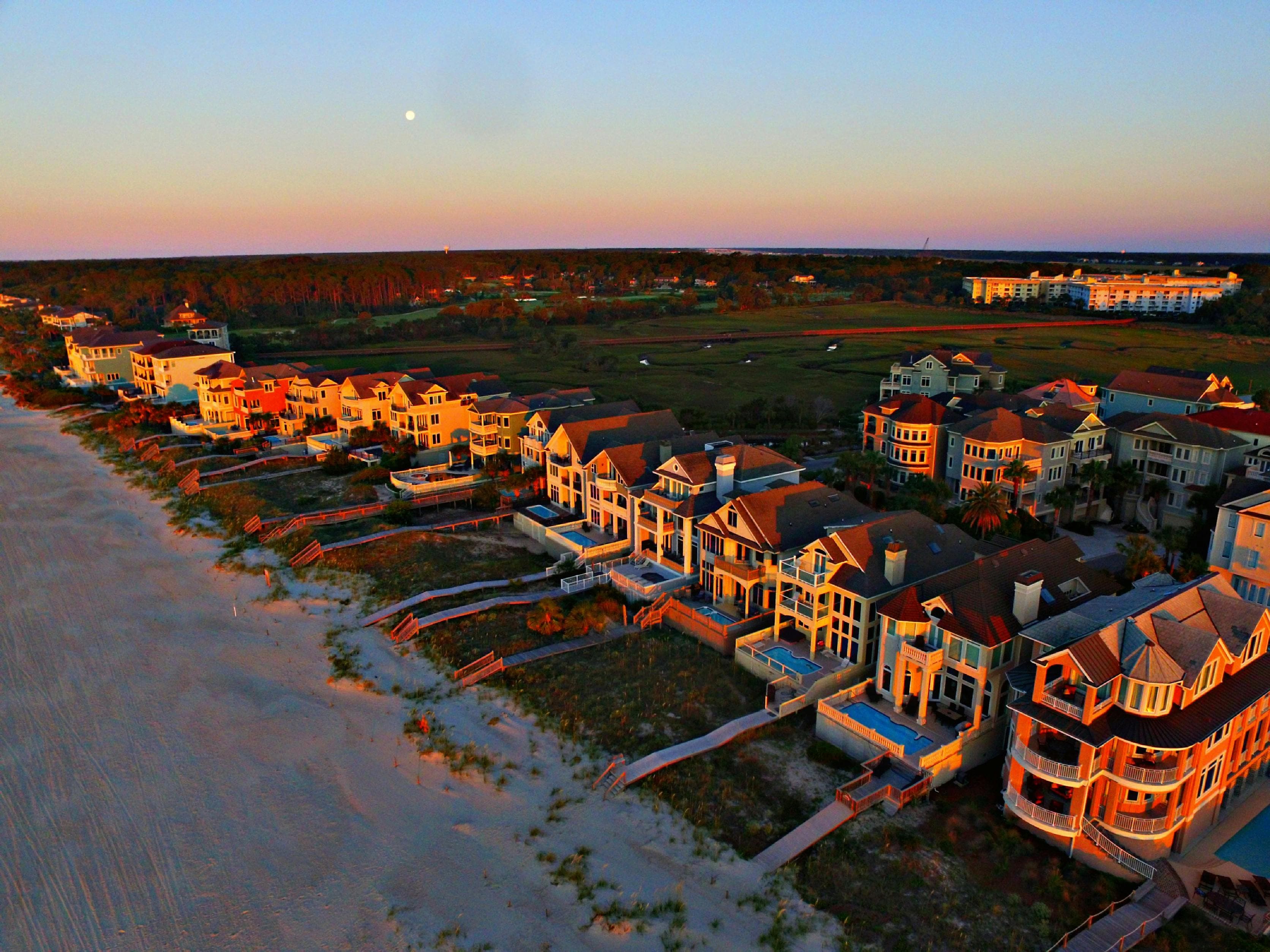
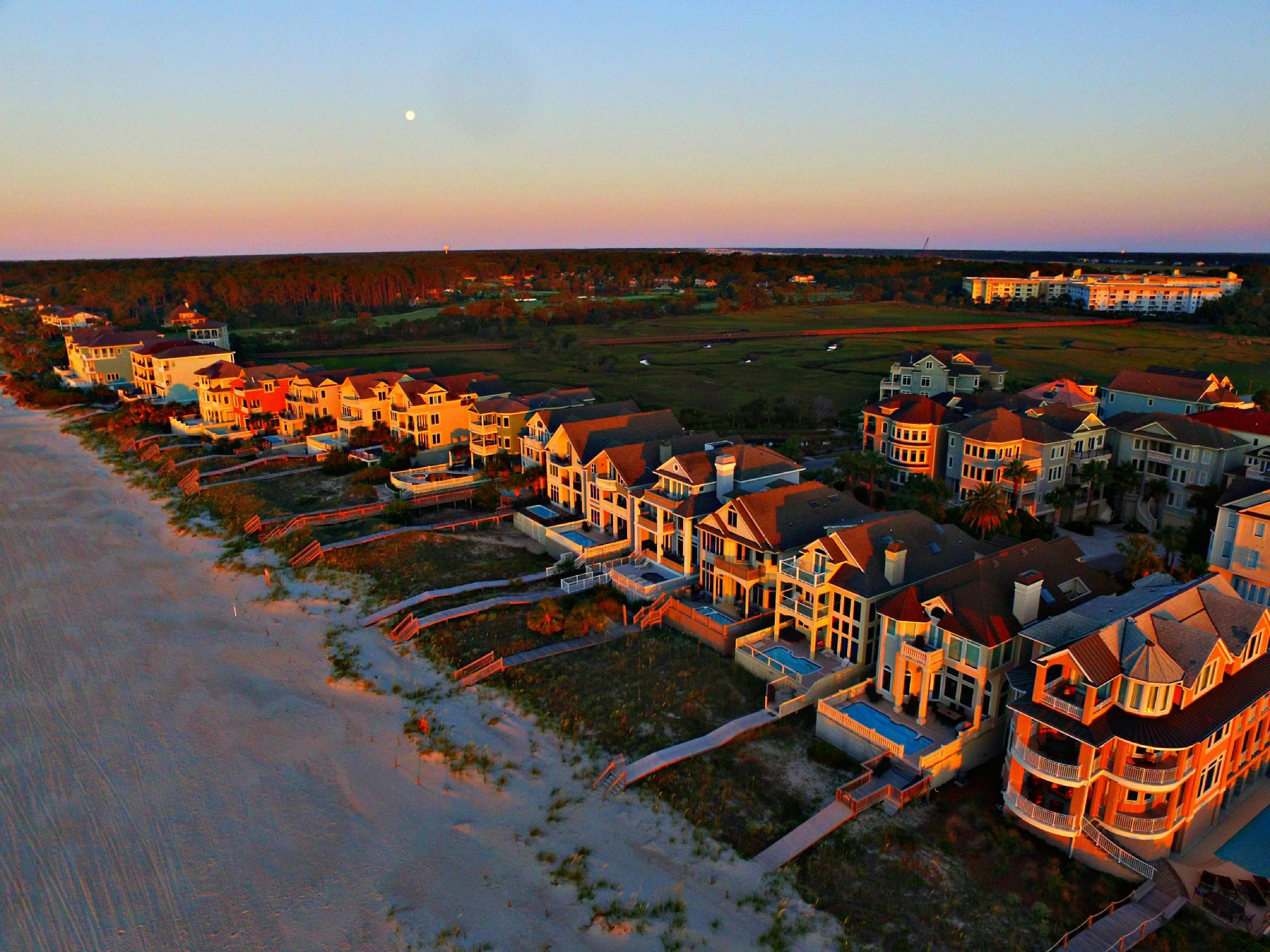
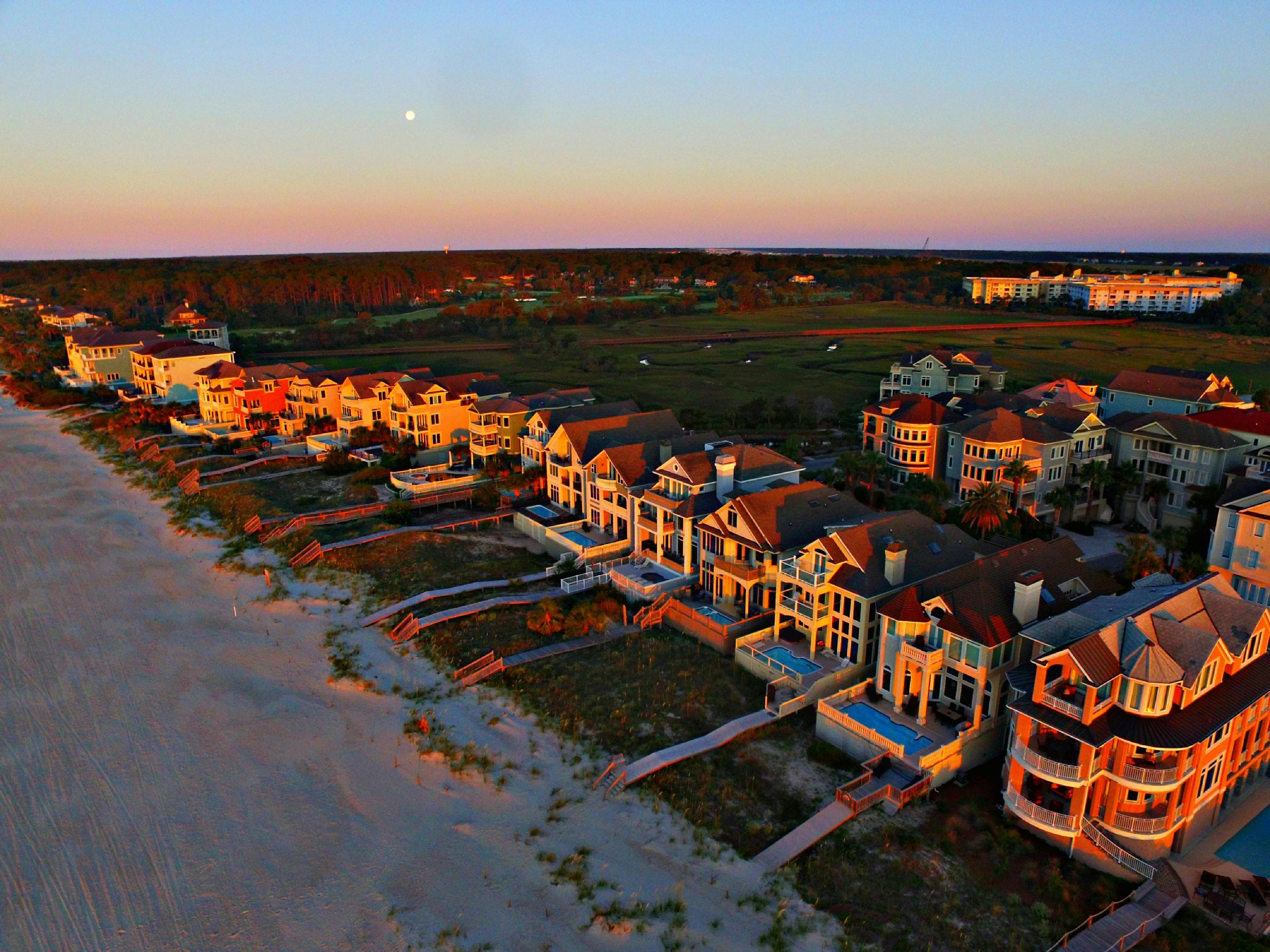
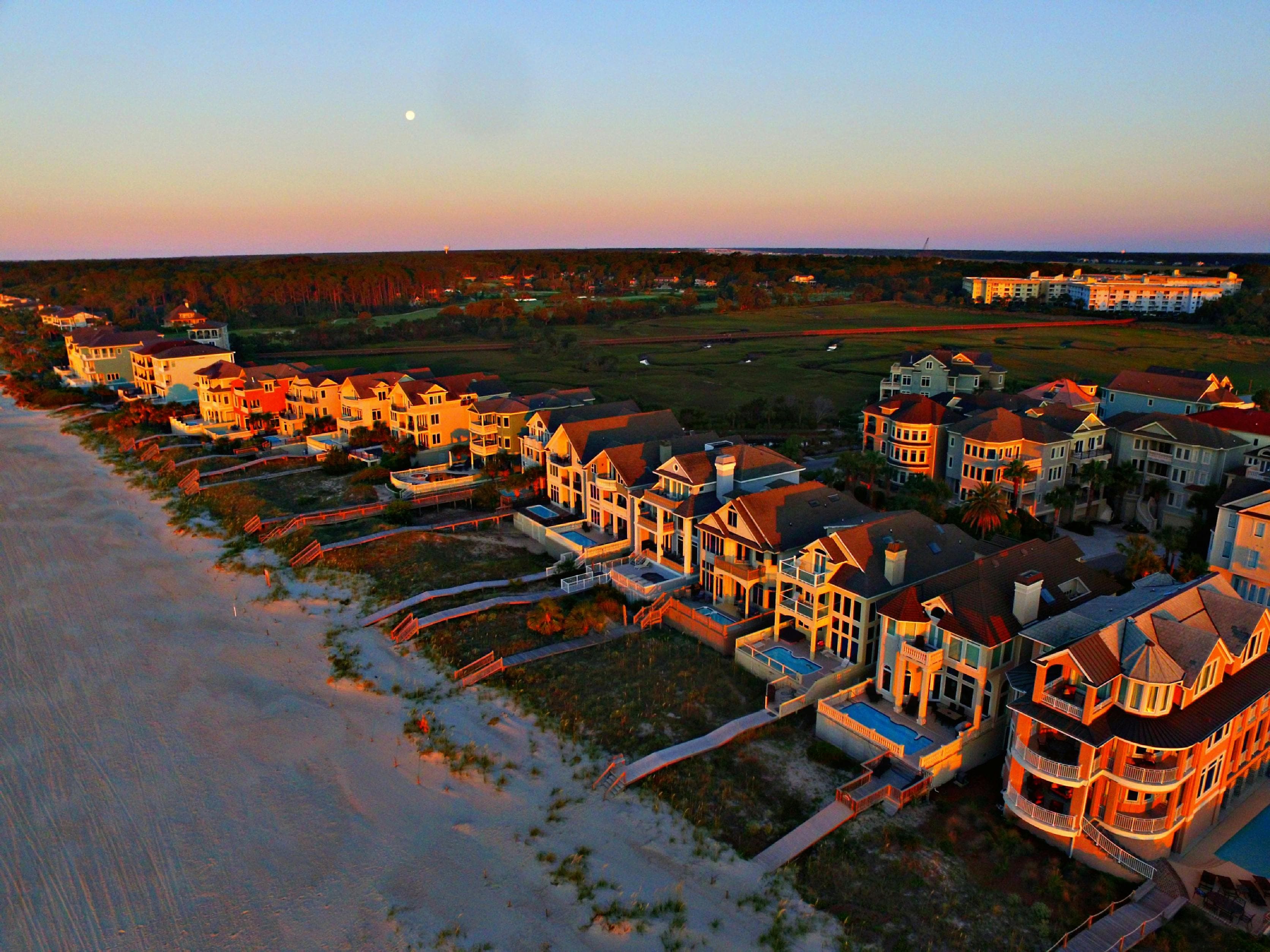
Hilton Head Island is twelve miles long, five miles wide, and organized around golf. The first course opened in 1963. Within six years, Pete Dye and Jack Nicklaus had built Harbour Town Golf Links, the PGA TOUR arrived, and the island's identity was set. Sixty years later, golf remains the organizing principle around which the rest of the island operates. You are looking at twelve significant courses across a single barrier island, anchored by the RBC Heritage host and supported by a Lowcountry beach-and-marsh setting that makes the off-course hours their own draw.
What distinguishes Hilton Head is the plantation system. The island is divided into gated residential communities, each called a plantation, and most significant courses sit within them. Sea Pines alone contains three courses, including Harbour Town. Palmetto Dunes holds three more. Port Royal, Shipyard, and Palmetto Hall add to the count. Tee times are booked through resort properties.
Courses Worth the Trip
12 courses across Hilton Head
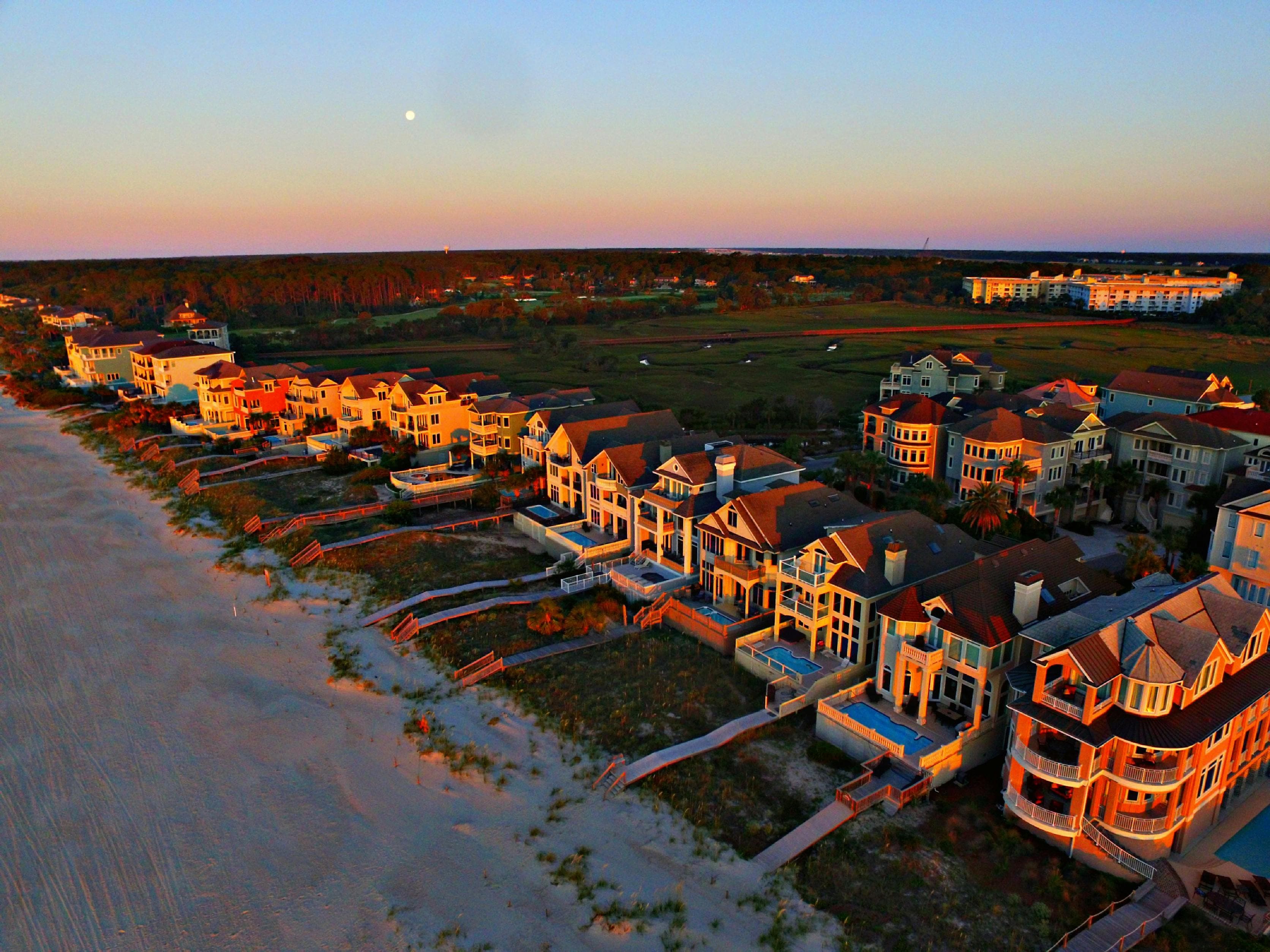
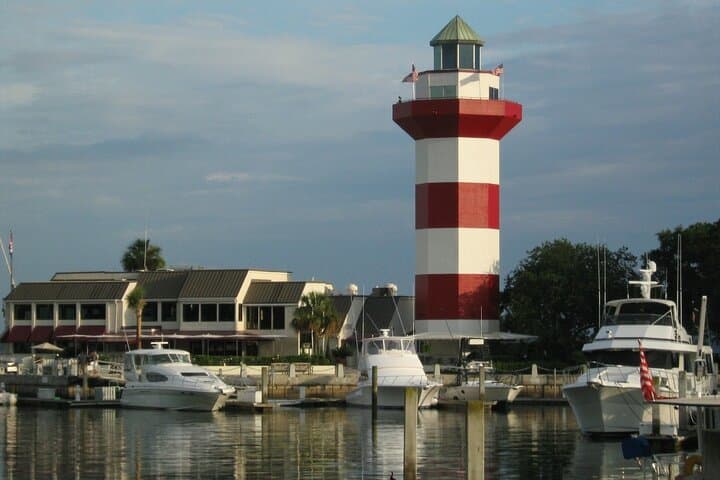
Harbour Town Golf Links is the course that put the island on the map and the one that keeps it there. Pete Dye designed it in 1969 with Jack Nicklaus consulting, and it has hosted what is now the RBC Heritage every year since. A major restoration completed in November 2025, led by Love Golf Design, rebuilt greens, bunkers, bulkheads, and agronomic systems. The course plays 7,099 yards from the Heritage tees with a slope of 147. The iconic red and white striped lighthouse behind the 18th green is the single most recognizable image in Lowcountry golf.
Bucket List
Harbour Town Golf Links
Hilton Head, South Carolina
The lighthouse, the tournament, and a Pete Dye design that has not stopped being relevant for more than fifty years.
USD 399–518ResortPete Dye / Jack Nicklaus (consultant) (1969)
GolfNowBook tee time
Premium
Atlantic Dunes by Davis Love III
Hilton Head, South Carolina
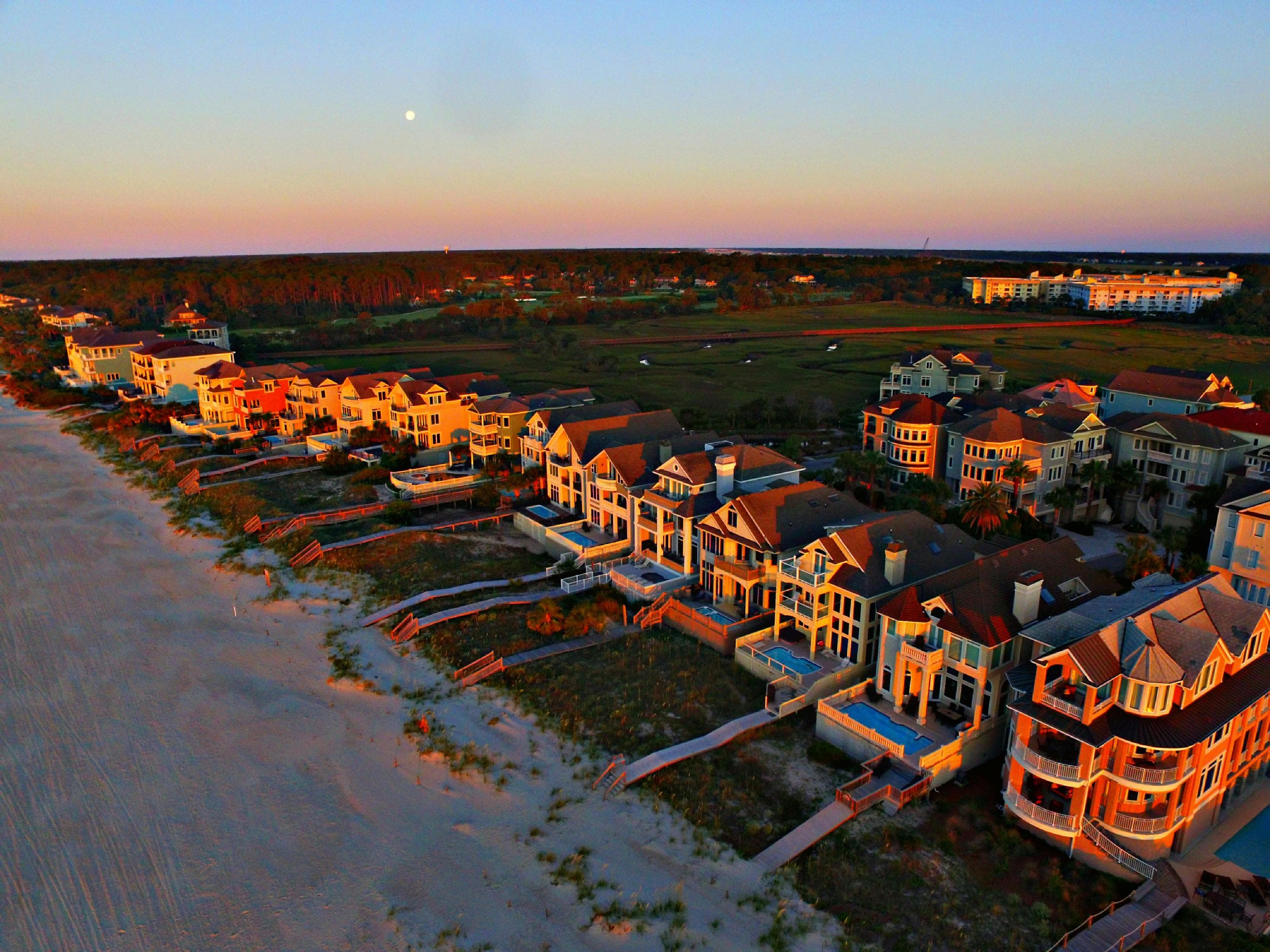
A complete reconstruction of Hilton Head's first golf course, with water on nearly every hole and Spanish moss overhead.
USD 120–180ResortDavis Love III (2016 redesign)
GolfNowBook tee time
Premium
Heron Point by Pete Dye
Hilton Head, South Carolina
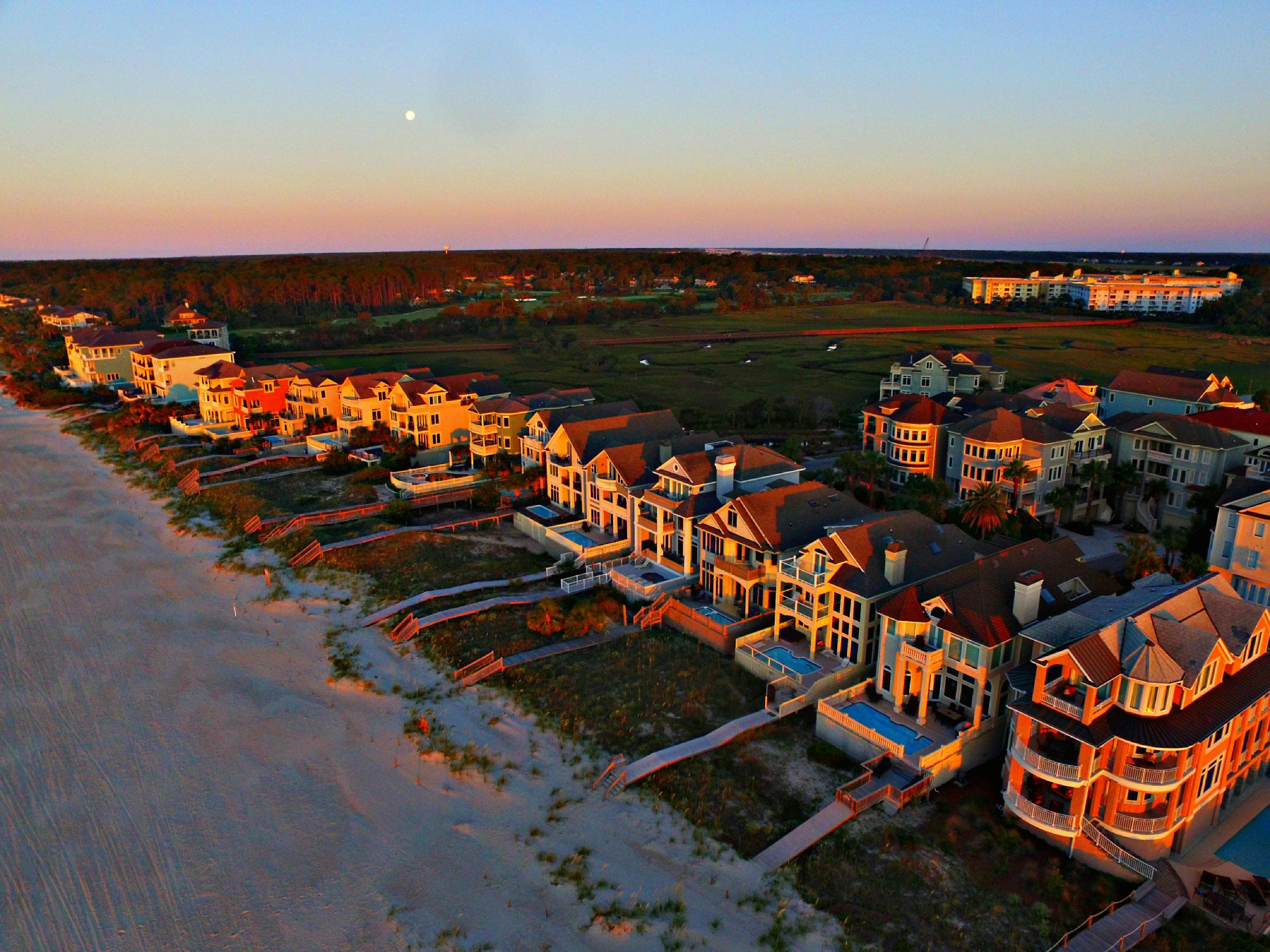
Pete Dye returned to Sea Pines nearly four decades after Harbour Town and built a course that plays like a conversation between two eras.
USD 169–265ResortPete Dye (2007 redesign)
GolfNowBook tee time
Premium
Palmetto Dunes - Robert Trent Jones Course
Hilton Head, South Carolina
The first course at Palmetto Dunes, and the one that best represents the Jones Sr. philosophy of bold bunkering and strategic risk-reward.
USD 200–300ResortRobert Trent Jones Sr. (1969)
PartnerBook tee time
Mid-Range
Hilton Head National Golf Club
Hilton Head, South Carolina
Two distinct design voices on a single routing, with time-of-day pricing that rewards flexible scheduling.
USD 110–160PublicGary Player / Bobby Weed
GolfNowBook tee time
Mid-Range
Palmetto Dunes - Arthur Hills Course
Hilton Head, South Carolina
The thinking player's course at Palmetto Dunes, where lagoons wind through ten holes and accuracy matters more than distance.
USD 150–241ResortArthur Hills (1986)
PartnerBook tee time
Mid-Range
Palmetto Dunes - George Fazio Course
Hilton Head, South Carolina
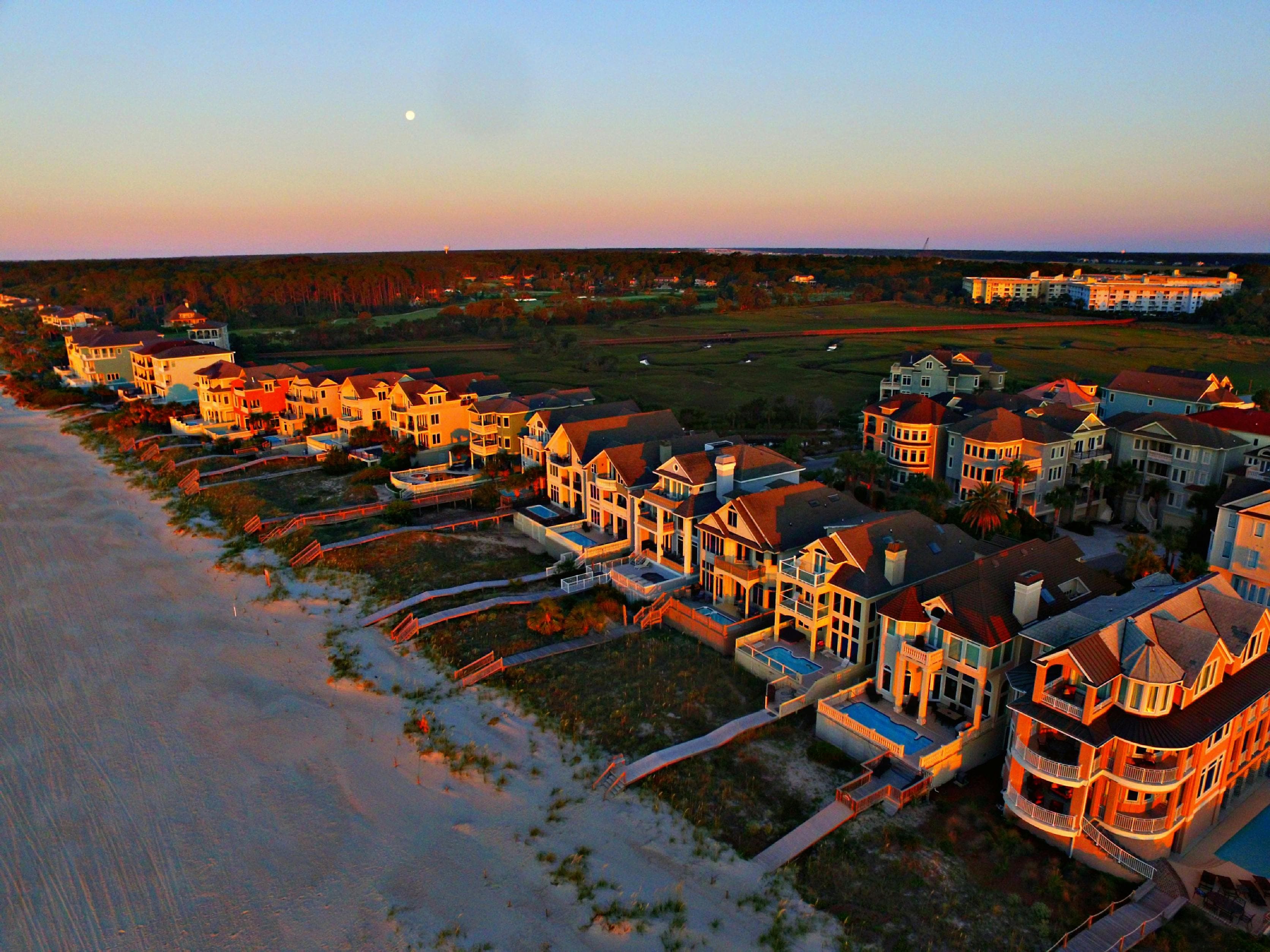
The only par 70 on the island, built around long par 4s and Diamond Zoysia greens that separate the Palmetto Dunes trio by temperament.
USD 150–241ResortGeorge Fazio (1974)
GolfNowBook tee time
Mid-Range
Palmetto Hall - Arthur Hills Course
Hilton Head, South Carolina
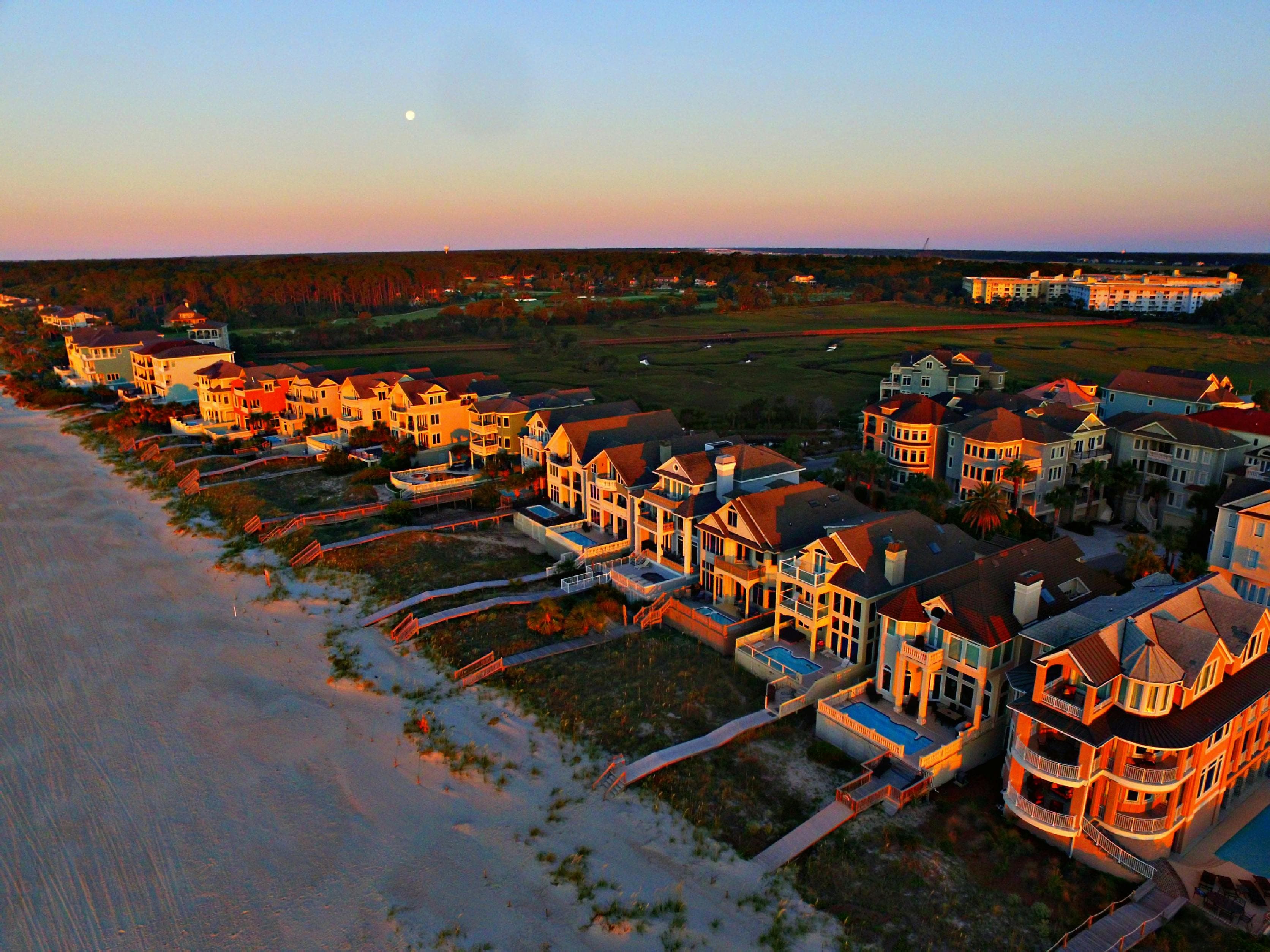
A wooded corridor through towering pines and moss-draped oaks, away from the plantation resort atmosphere.
USD 100–185Semi-PrivateArthur Hills / Spencer Holt (1991)
GolfNowBook tee time
Mid-Range
Port Royal Golf Club - Barony Course
Hilton Head, South Carolina
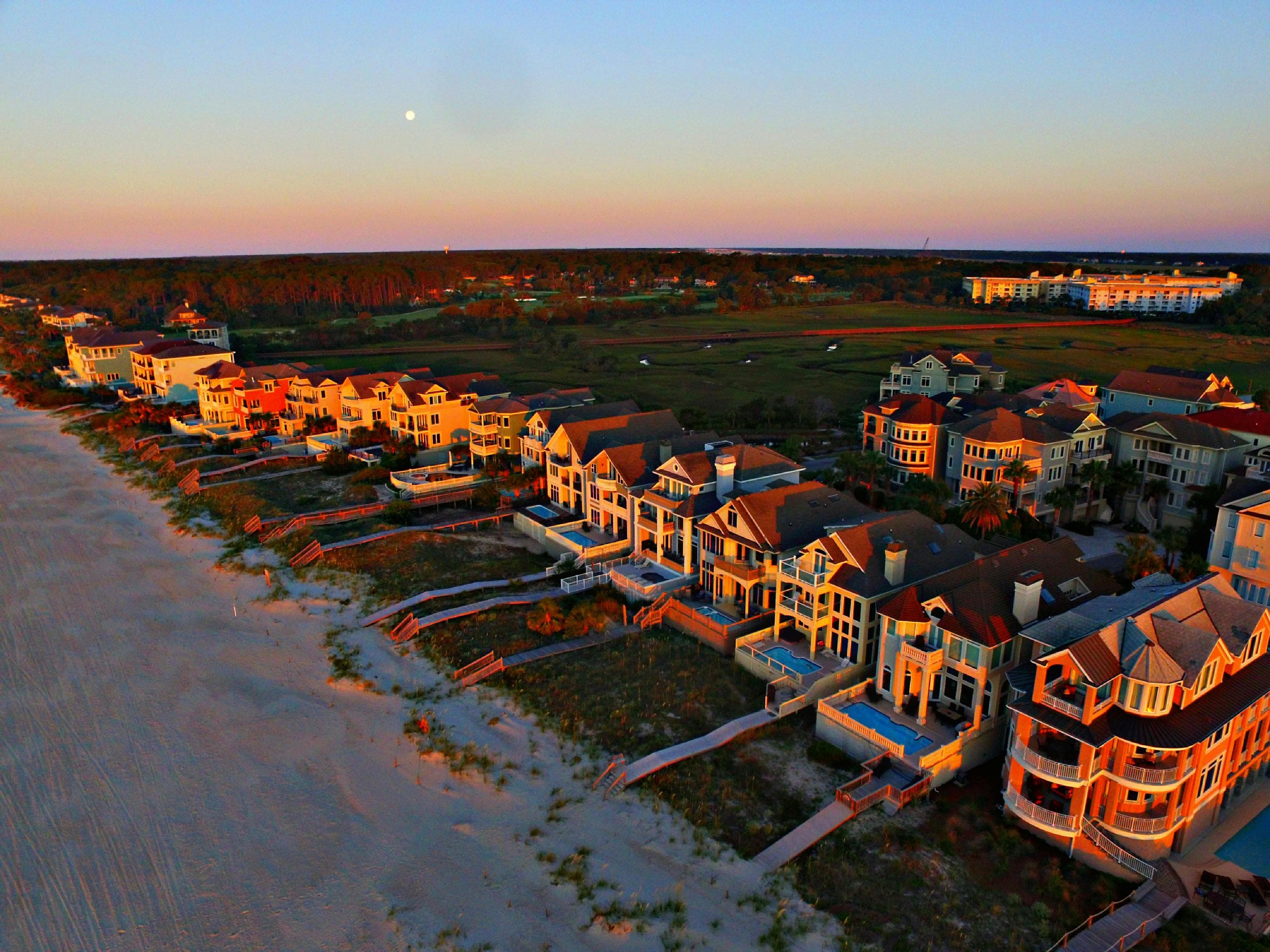
One of the first courses on the island, where small greens and thick rough reward accuracy over ambition.
USD 60–190ResortGeorge Cobb (1963)
GolfNowBook tee time
Mid-Range
Shipyard Golf Club
Hilton Head, South Carolina
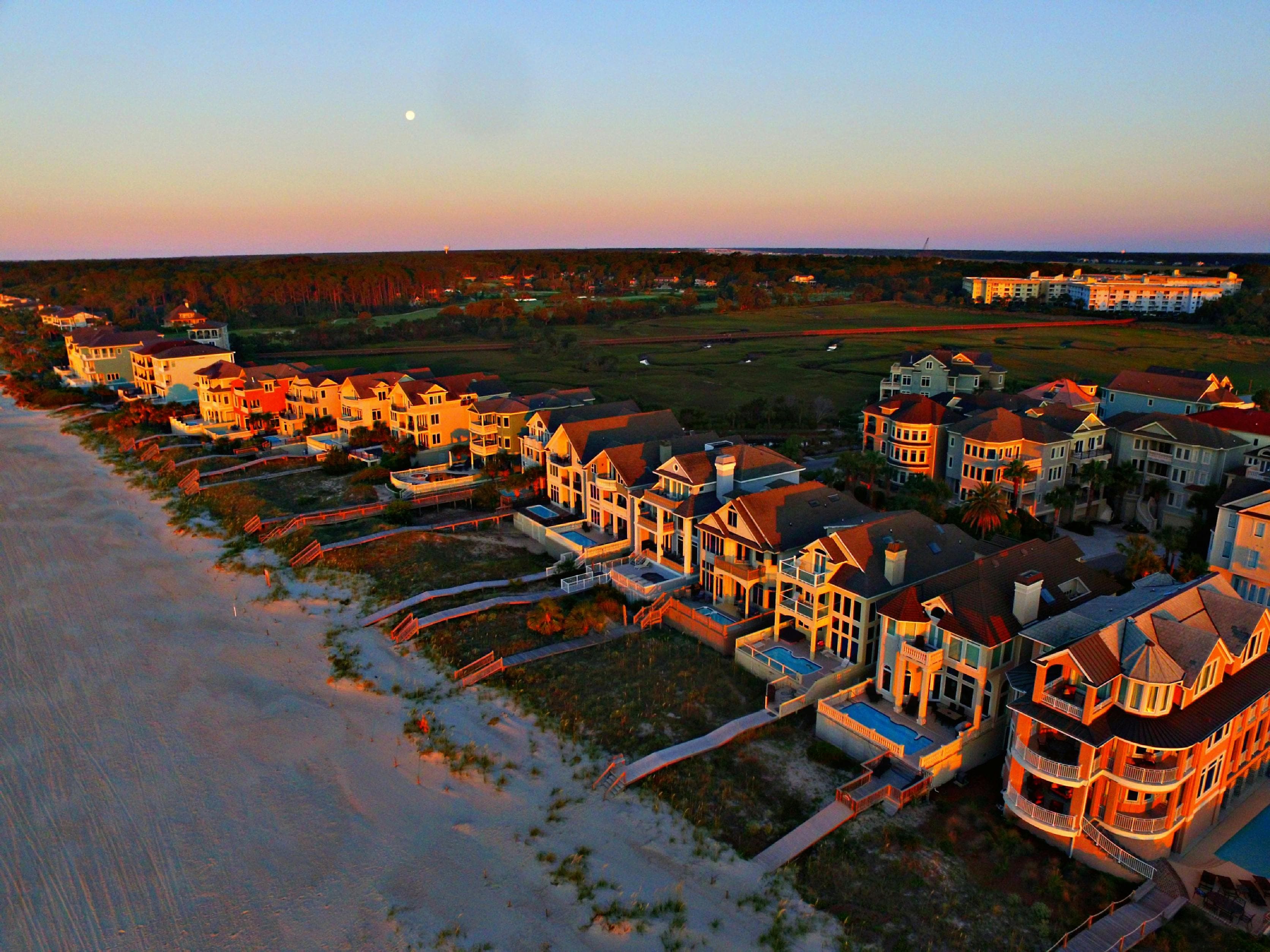
Twenty-seven holes across three nines, with a green fee range wide enough to accommodate nearly any budget.
USD 39–160ResortGeorge Cobb (Clipper/Galleon, 1970) / Willard Byrd (Brigantine, 1982)
GolfNowBook tee time
Hidden Value
Crescent Pointe Golf Club
Hilton Head, South Carolina
The only Arnold Palmer design in the area, with six sets of tees and green fees that start at $34.
USD 34–74PublicArnold Palmer / Ed Seay (2000)
GolfNowBook tee time
Hidden Value
Old South Golf Links
Hilton Head, South Carolina
Lowcountry marsh golf at mainland prices, with a slope of 141 that keeps the design honest.
USD 55–100PublicClyde Johnston (1991)
GolfNowBook tee time
Where we’d stay
13 options near the courses
Vacation Rental
Palmetto Hall Villas
Hilton Head, South Carolina
Quiet residential villas on the fairways of the Arthur Hills course, for groups who prefer pines to crowds.
From $130/nightOn-site golf
Direct websiteVisit website
Resort
Montage Palmetto Bluff
Hilton Head, South Carolina
A 20,000-acre Lowcountry preserve with its own Jack Nicklaus course and no reason to leave the gates.
From $514/nightOn-site golf
Direct websiteVisit website
Inn
The Inn & Club at Harbour Town
Hilton Head, South Carolina
Sixty rooms, butler service, and the shortest walk to the first tee at Harbour Town.
From $300/nightHarbour Town Golf Links (adjacent)
Direct websiteVisit website

Resort
Hilton Beachfront Resort & Spa
Hilton Head, South Carolina
The island's largest hotel, inside the Palmetto Dunes gates with three courses at the door.
From $107/nightOn-site golf
ExpediaCheck availability

Resort
Omni Hilton Head Oceanfront Resort
Hilton Head, South Carolina
Oceanfront scale and spa recovery one mile from the Palmetto Dunes courses.
From $210/nightPalmetto Dunes courses (~1 mi)
ExpediaCheck availability
Vacation Rental
Palmetto Dunes Oceanfront Resort (Villas)
Hilton Head, South Carolina
Split a villa among a foursome, cook breakfast, and walk to three courses without starting the car.
From $180/nightOn-site golf
Direct websiteVisit website
Vacation Rental
Sea Pines Resort (Villas & Homes)
Hilton Head, South Carolina
Preferred tee times at Harbour Town, no gate fees, and the Sea Pines lifestyle at villa prices.
From $200/nightOn-site golf
Direct websiteVisit website

Resort
Sonesta Resort Hilton Head Island
Hilton Head, South Carolina
AAA Four-Diamond beachfront with an on-site driving range and Shipyard Golf Club at the doorstep.
From $134/nightOn-site golf
ExpediaCheck availability
Resort
Disney's Hilton Head Island Resort
Hilton Head, South Carolina
Disney service and family infrastructure for golf trips where not everyone came for the golf.
From $296/nightPalmetto Hall (~3 mi)
Direct websiteVisit website

Inn
Hampton Inn Hilton Head
Hilton Head, South Carolina
Adjacent to Palmetto Hall, near the Bluffton bridge, and priced to redirect the budget toward green fees.
From $88/nightPalmetto Hall (adjacent)
ExpediaCheck availability

Hotel
Holiday Inn Express Hilton Head Island
Hilton Head, South Carolina
South Forest Beach positioning with walkable sand and Port Royal within a short drive.
From $76/nightPort Royal (~3 mi)
ExpediaCheck availability

Inn
Park Lane Hotel & Suites (Palmera Inn)
Hilton Head, South Carolina
Full kitchens and free breakfast at rates that keep the real budget available for green fees.
From $63/nightShipyard (~2 mi)
ExpediaCheck availability

Hotel
Spark by Hilton Hilton Head Island
Hilton Head, South Carolina
Hilton Honors at the budget tier, with walkable Coligny Beach access and Port Royal nearby.
From $85/nightPort Royal (~2 mi)
ExpediaCheck availability
Compare all nearby stays
Live prices from Booking.com, Expedia and more — every nearby hotel and rental in one search.
Prices and availability from Booking.com, Expedia and others via Stay22. GolfTrailsHQ may earn a commission at no additional cost to you.
Off the Fairway
Non-golf activities and companion experiences
Cultural
55-75 minutes
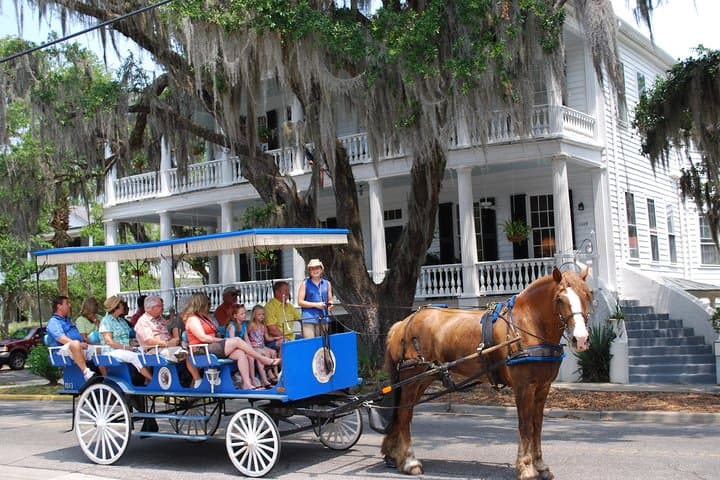
Beaufort Horse-Drawn Carriage Tour
Hilton Head, South Carolina
Antebellum architecture and Civil War history at carriage pace, in one of the South's most genuine small towns.
$20-$37 per person
ViatorBook activity
Adventure
2 hours
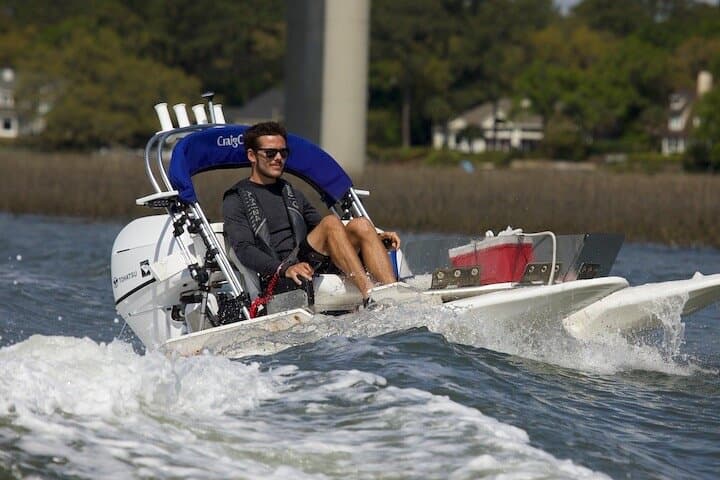
Creek Cat Boat Tour
Hilton Head, South Carolina
Drive your own catamaran through 25 miles of tidal creeks, and expect to arrive back wet.
$145 per person
ViatorBook activity
Cultural
4.5 hours
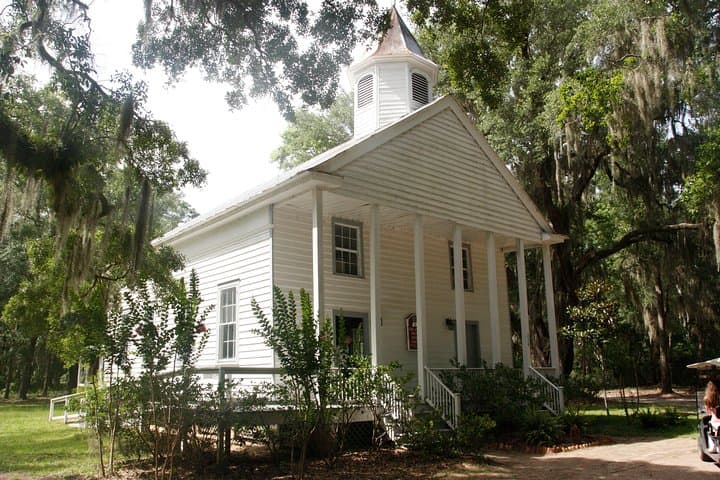
Daufuskie Island Guided History Tour
Hilton Head, South Carolina
Gullah heritage and island history on a boat-access-only island that resisted the resort playbook.
$115 per person
ViatorBook activity
Cultural
1.5-2 hours
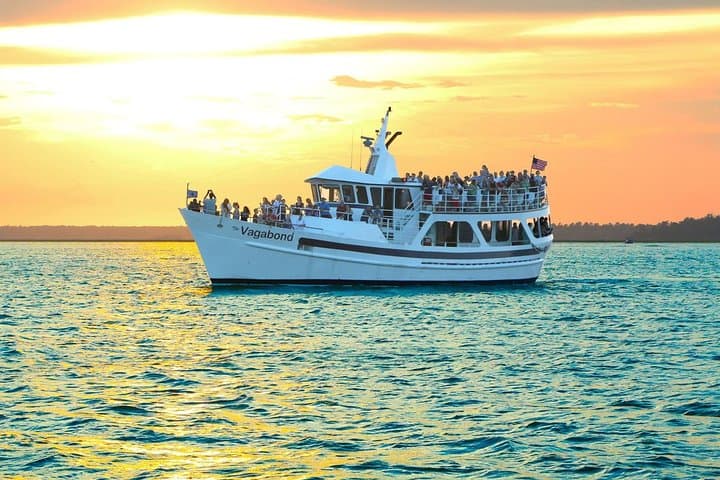
Dolphin Watching Cruise (Sunset)
Hilton Head, South Carolina
Resident dolphins in Calibogue Sound at sunset, with sighting rates that make the trip a near-certainty.
$48-$55 per person
ViatorBook activity
Cultural
2 hours
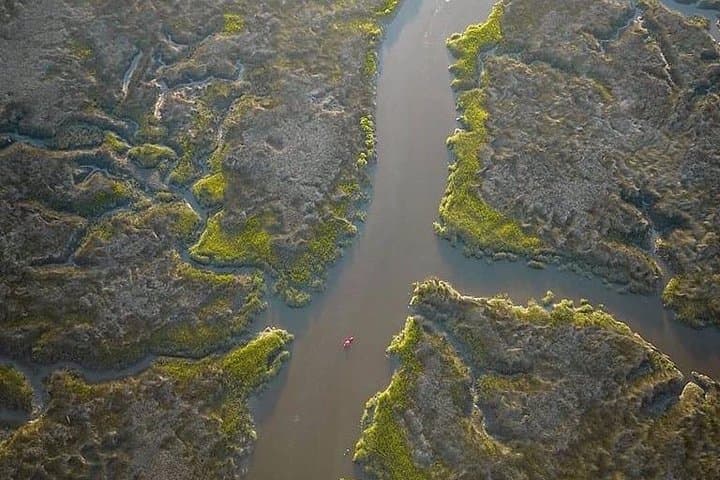
Guided Kayak Tour (Broad Creek)
Hilton Head, South Carolina
Two hours through the salt marsh with a naturalist, no experience required, and 1,742 reviews to prove it works.
$41-$51 per person
ViatorBook activity
Cultural
1-2 hours
Harbour Town Lighthouse & Museum
Hilton Head, South Carolina
The island's most recognizable landmark, 114 steps up, with five decades of golf history in the museum below.
$7.50 per person (children 5 & under free)
Direct websiteVisit website
Cultural
Half day
Hilton Head Beach & Bike Trails
Hilton Head, South Carolina
Sixty miles of paved trails and twelve miles of hard-packed beach, on an island built for cycling.
Free (bike rental $15-$25/day)
ViatorBook activity
Adventure
1 hour (15 min flight)
Parasailing over Calibogue Sound
Hilton Head, South Carolina
Fifteen minutes above Calibogue Sound, with the lighthouse, Daufuskie, and the Atlantic spread below.
$79-$101 per person
Direct websiteVisit website
Cultural
Full day (2hr each way + 4hr in Savannah)
Savannah Day Trip by Boat
Hilton Head, South Carolina
A ferry through the Intracoastal to River Street, turning the commute into the experience.
$85 per person
Direct websiteVisit website
Dining
2 hours
Sunset Dinner Cruise (Spirit of Harbour Town)
Hilton Head, South Carolina
Three courses by Sea Pines chefs on the water at sunset, solving the group dinner question in one booking.
From $70 per person (food only; drinks extra)
Direct websiteVisit website
When to Go
Mar · Apr · May · Sep · Oct
The golf calendar runs twelve months. March through May is peak: April highs average 73, humidity is manageable, and the RBC Heritage draws the PGA TOUR. September through November is what many experienced visitors consider the best overall window: mid-70s through October, thinning crowds after Labor Day, and courses at peak condition. Summer (June through August) shifts the island's identity from golf to beach, with highs of 87 to 88. December through February delivers the lowest rates with January highs around 57.
Getting There
SAV - Savannah/Hilton Head International · 50-60 minutes
Hilton Head Island Airport (HHH) sits on the island itself but flight options are limited; American flies year-round from Charlotte and Delta and United add seasonal routes. The more practical option for most visitors is Savannah/Hilton Head International (SAV), 39 miles away with a 50-to-60-minute drive, served by every major carrier. The island sits within easy driving distance of Savannah (one hour), Charleston (two hours), Charlotte (3.75 to 4 hours), and Atlanta (4 to 5 hours), which makes it a natural long-weekend drive across the Southeast. A rental car is essential. One detail to know: Sea Pines Resort charges a $9 gate fee (cash only) for non-residents entering the community, even if you are just playing Harbour Town or catching the Savannah ferry from Harbour Town Marina.
Plan Your Trip
Pre-planned itineraries for Hilton Head
Best Value Trip
Best Value: Three Nights Across the Bridge and Back
Four rounds by Player, Weed, Cobb, Hills, and Johnston for less than a single round at Harbour Town.
4 daysUSD 850–1400/person
Bucket List Trip
The Bucket List: Four Nights in the Lowcountry
Four rounds across the island's finest courses, anchored by Harbour Town and three days inside Sea Pines.
5 daysUSD 3000–5000/person
Long Weekend
The Long Weekend: Two Nights, Two Flagships
Two nights and the island's two flagship courses, compressed into the minimum viable Hilton Head trip.
3 daysUSD 1500–2800/person
Planning Your Trip
Airports, rental cars, seasonal pricing, and local knowledge for Hilton Head.
From the Editorial
Articles covering Hilton Head
Opinion
Sea Island vs Hilton Head: Southern Luxury Golf
Comparing Sea Island's exclusive Forbes Five-Star resort golf with Hilton Head's broader Lowcountry course selection for upscale southern golf trips.
Course Guide
Opinion
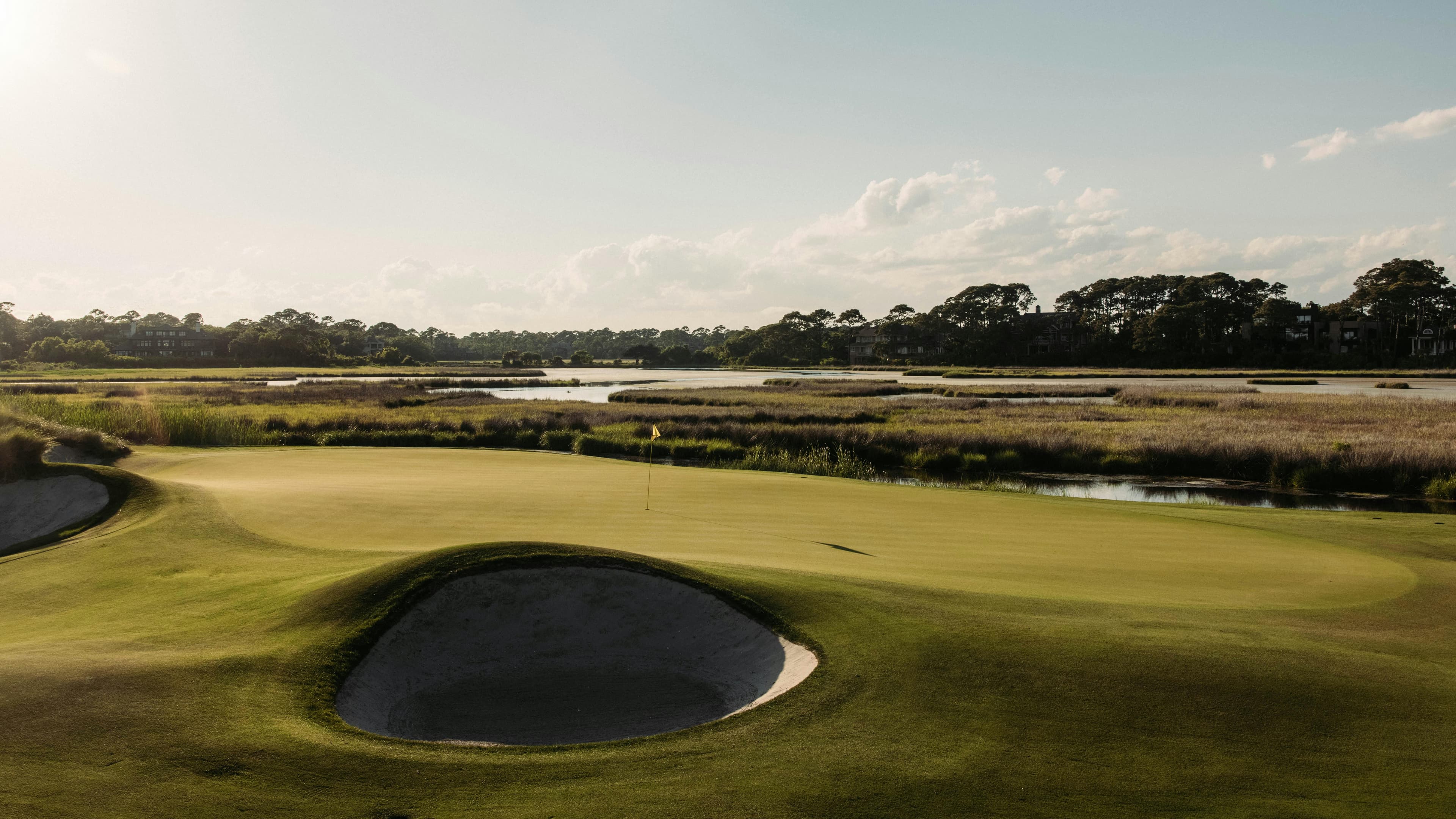
Kiawah Island vs Hilton Head: Lowcountry Golf Head to Head
Comparing the Lowcountry's two premier golf islands across championship courses, resort experiences, pricing, and the best fit for your trip.
Course Guide
Course Guide
Destination Guide
Destination Guide
Destination Guide
Destination Guide