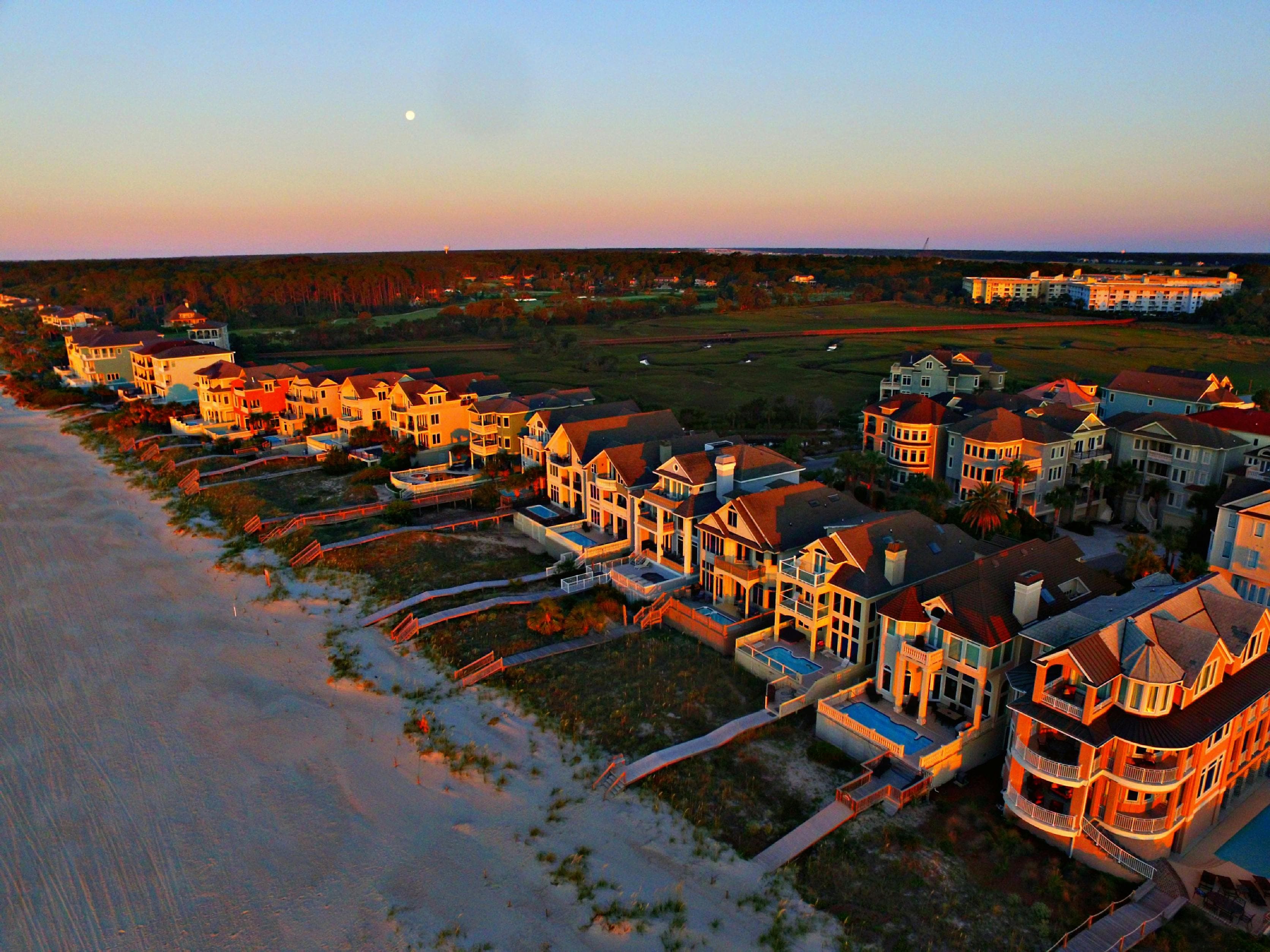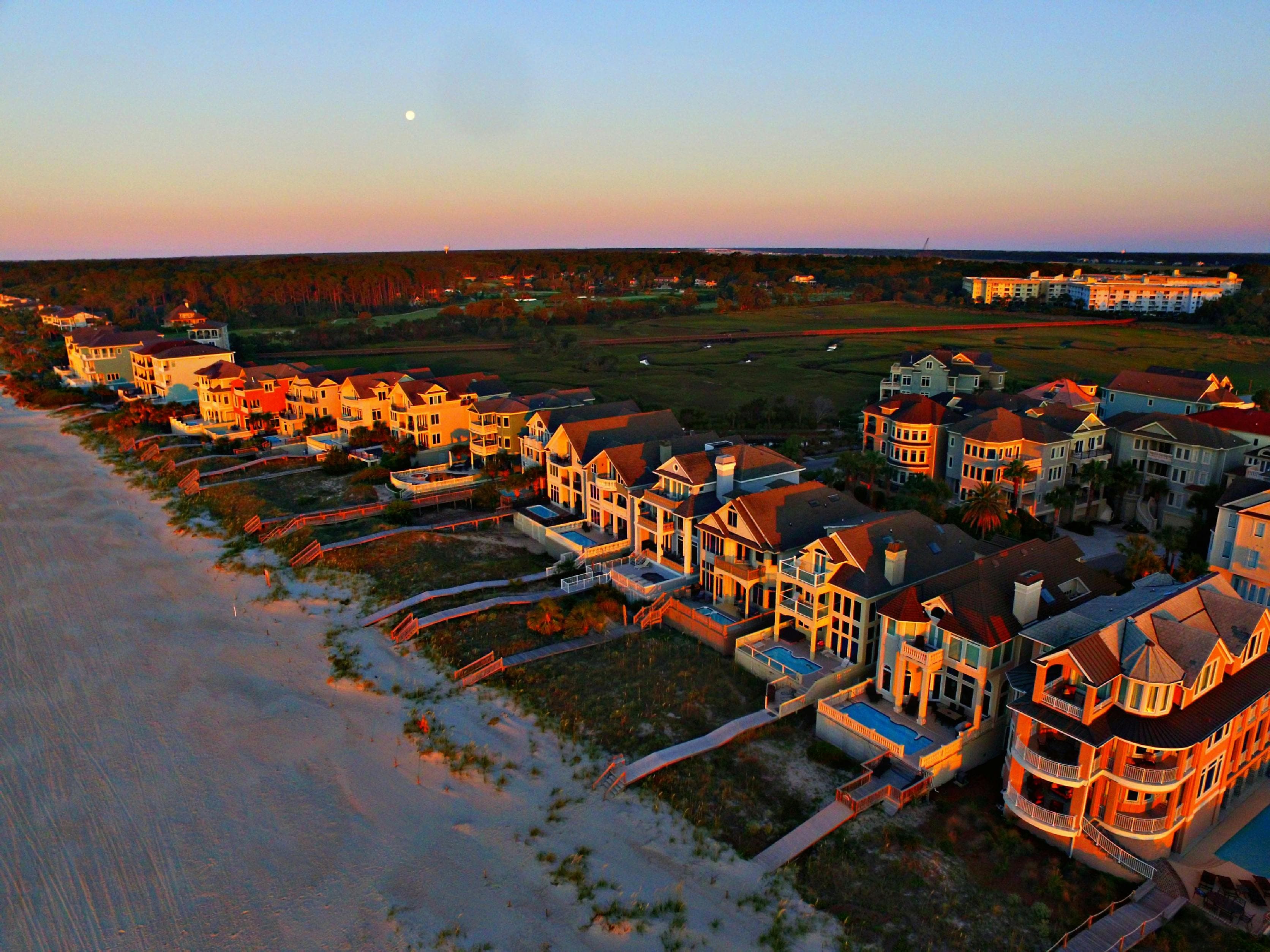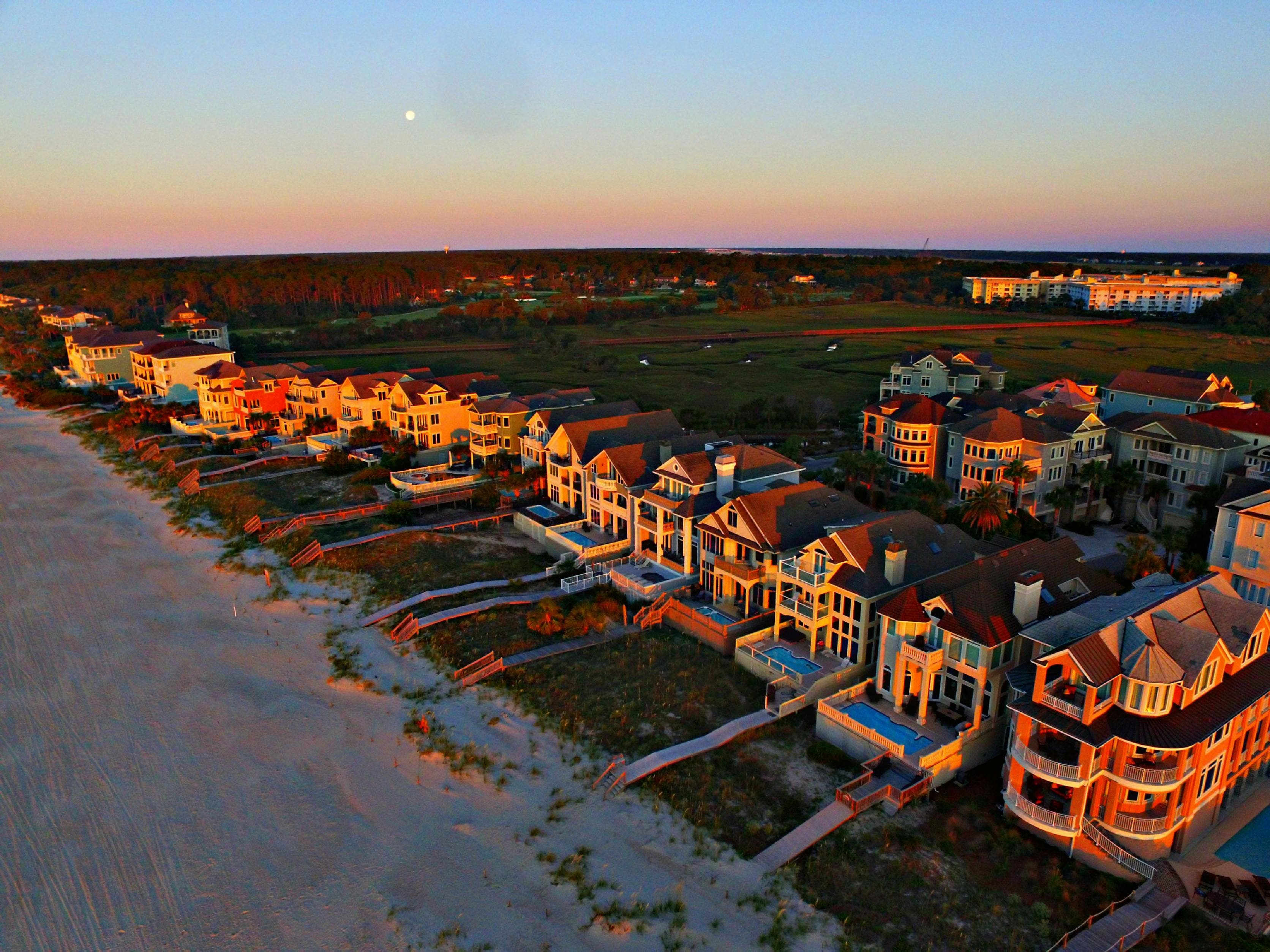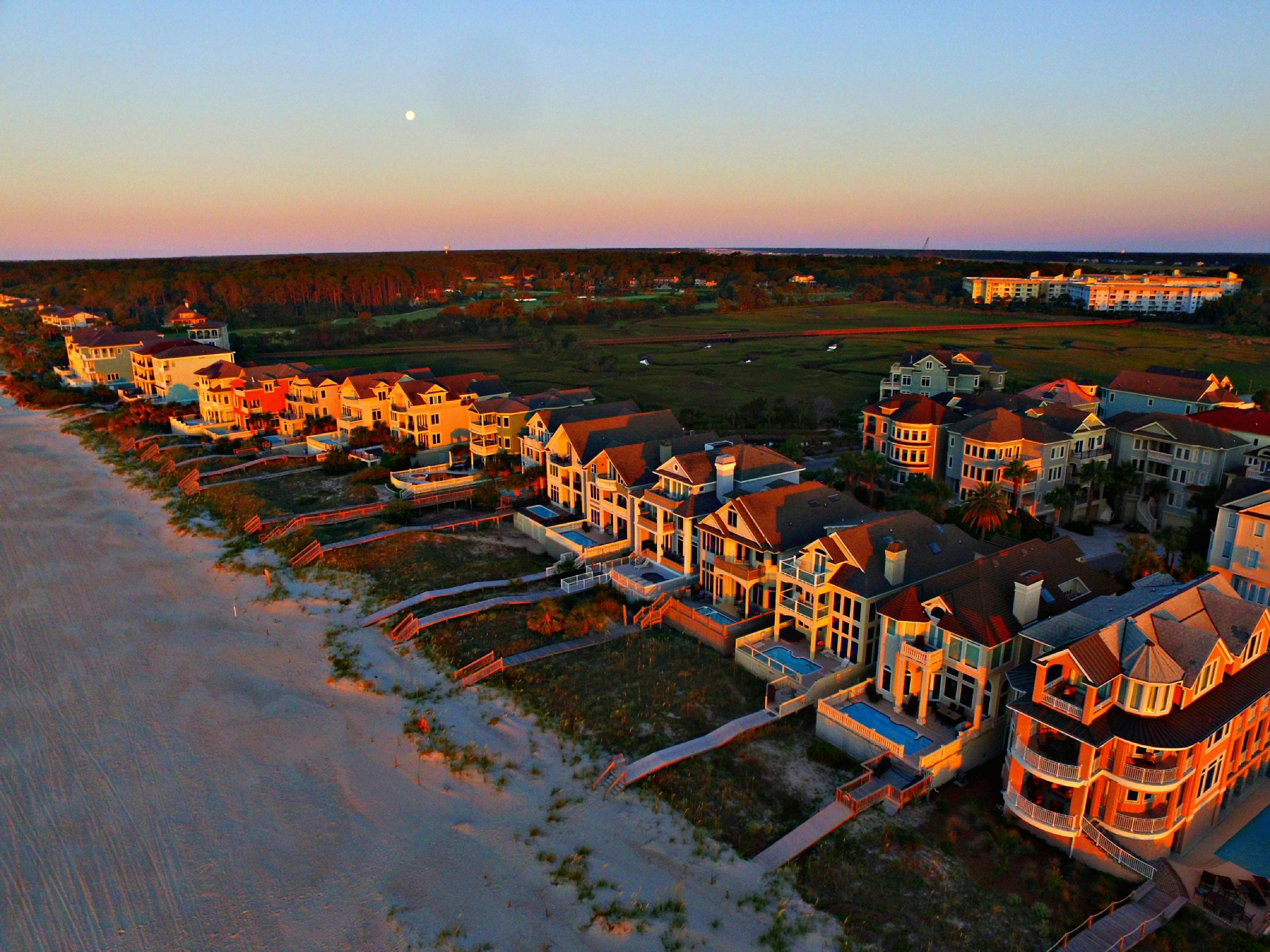
Hilton Head, SC: Insider Tips for First-Time Visitors
Hilton Head Island markets itself on volume. More than twenty courses occupy a barrier island twelve miles long and five miles wide, and every resort brochure treats the number as a selling point. The reality is more nuanced. Quality varies sharply across those twenty-plus layouts, access rules create friction for visitors who haven't done their homework, and timing your trip correctly makes a meaningful difference in both playing conditions and cost. What follows is the practical knowledge that separates a good Hilton Head trip from a frustrating one.
Where to stay in Hilton Head
Planning the trip? Compare live prices across every nearby hotel and rental in one search.
Prices and availability from Booking.com, Expedia and others via Stay22. GolfTrailsHQ may earn a commission at no additional cost to you.
Understand the Plantation System Before You Book
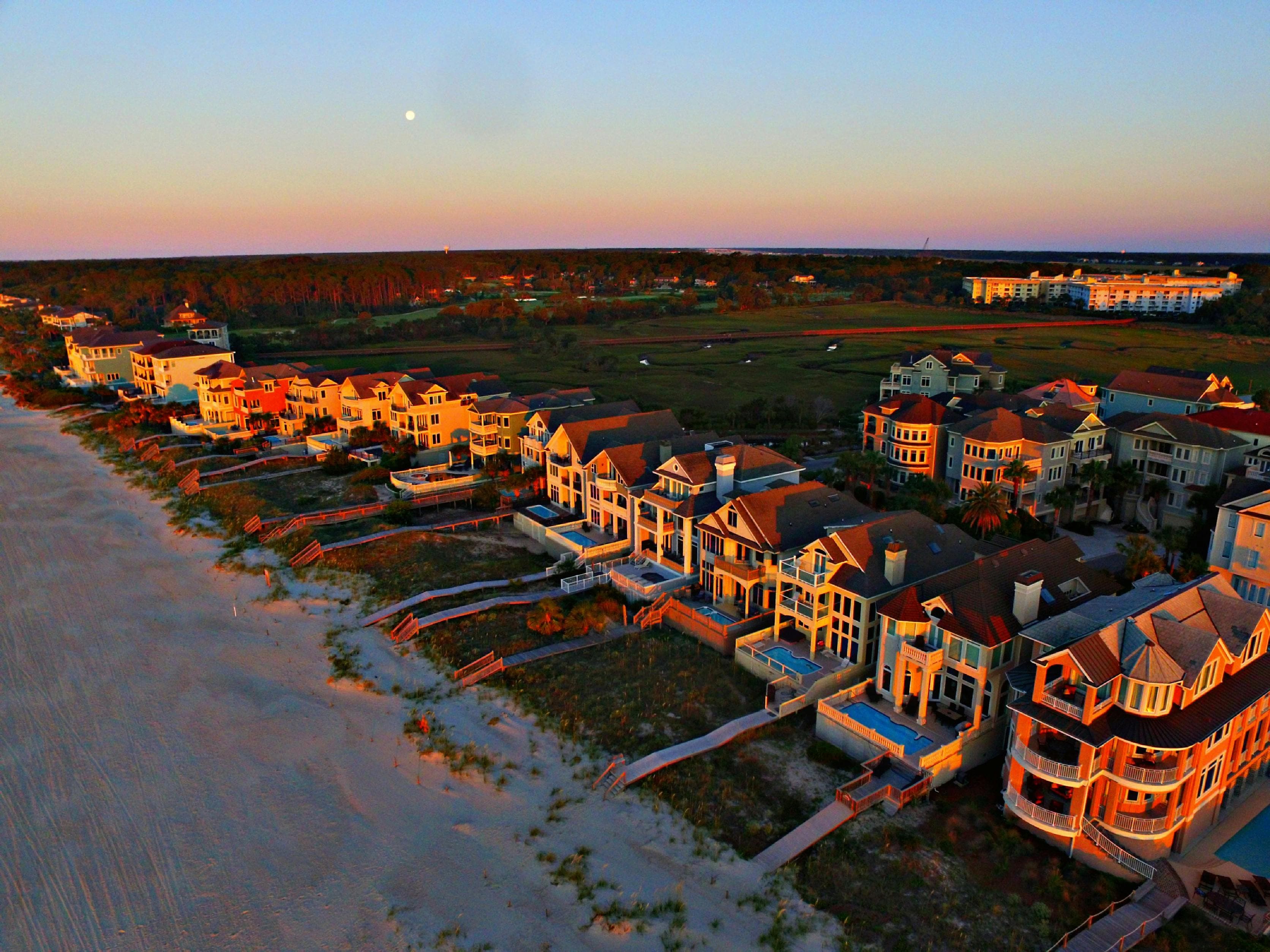
Most of Hilton Head's marquee courses sit inside gated plantation communities: Sea Pines, Palmetto Dunes, Shipyard, and several others. This matters because access to those courses often requires a resort stay or vacation rental within the plantation gates. A visitor staying at an off-island hotel cannot simply call up and book a tee time at Harbour Town Golf Links without a Sea Pines affiliation. Before committing to lodging anywhere on the island, confirm which courses your accommodation unlocks. The simplest approach is to choose a resort package within one of the major plantations and treat its courses as your home base, then supplement with the island's public-access layouts.
Harbour Town Golf Links
Prioritize Wisely Across the Island
Harbour Town is the headliner, and justifiably so. But Sea Pines alone has two other courses worth attention. Heron Point, redesigned by Dye in 2007, plays through salt marsh and maritime forest with a quieter, more contemplative character. Atlantic Dunes, reworked by Davis Love III, offers wider corridors and a links-influenced feel that makes it the most forgiving of the three.
Pete Dye's routing along Calibogue Sound is among the most photographed finishes in American golf, and the course rewards precise iron play over raw power.
Palmetto Dunes contributes three more layouts: the Robert Trent Jones Oceanfront, the Arthur Hills course, and the George Fazio course.
The RTJ layout has the most dramatic setting, with holes along the Atlantic, but all three are solid resort golf at a lower price point than Sea Pines.
Not every course on the island merits a round during a limited trip. Focus on the courses named above and you will leave with a clear picture of what Hilton Head does well.
Get the Timing Right
Spring and fall are the island's best seasons for golf. April through mid-May and late September through November deliver mild temperatures, lower humidity, and firm turf. Summer on a Lowcountry barrier island means heat indices above 100 degrees and afternoon thunderstorms that can shut down a back nine without warning. Winter is playable and often overlooked, though some courses overseed their bermudagrass greens during this period, which can create inconsistent putting surfaces in the transition weeks.
Tip
Budget for the Full Range
Harbour Town commands premium green fees, typically $250 to $399 depending on season and demand. That price is an outlier on the island. The Palmetto Dunes courses, Shipyard, and several off-plantation layouts price between $100 and $200, which represents strong value for well-maintained resort golf in a coastal setting. A four-round trip mixing one Harbour Town round with three mid-tier courses keeps the total spend reasonable without sacrificing quality.
Twilight rates, available at most courses from early afternoon onward, can reduce fees by 30 to 40 percent. Given the island's relaxed pace of play, a twilight round still leaves time for a full eighteen in the longer days of spring and summer.
Plan Beyond the Course
Hilton Head's appeal to traveling golfers extends past the first tee. The island is threaded with paved bike paths, making it one of the most cycling-friendly destinations on the East Coast. Non-golf companions can fill full days without a car. The dining scene has matured well beyond the chain-restaurant corridor that once defined the island's culinary identity. Local seafood, particularly the Lowcountry shrimp and oyster preparations, is consistently good at a half-dozen restaurants outside the resort gates.
For the full picture of what to see, where to stay, and how to structure your days, the Hilton Head destination guide covers the island comprehensively.
Getting There
Hilton Head Island Airport (HHH) receives direct flights from a handful of East Coast hubs and eliminates ground transport hassle entirely. The more common route is Savannah/Hilton Head International (SAV), roughly forty-five minutes from the island by car. SAV offers broader airline coverage and is a straightforward drive north on US-278. Rental cars are available at both airports, and a car is effectively required for the duration of the trip unless your entire itinerary falls within a single plantation.
The Short Version
The verdict