Hilton Head: Course History & Design Story
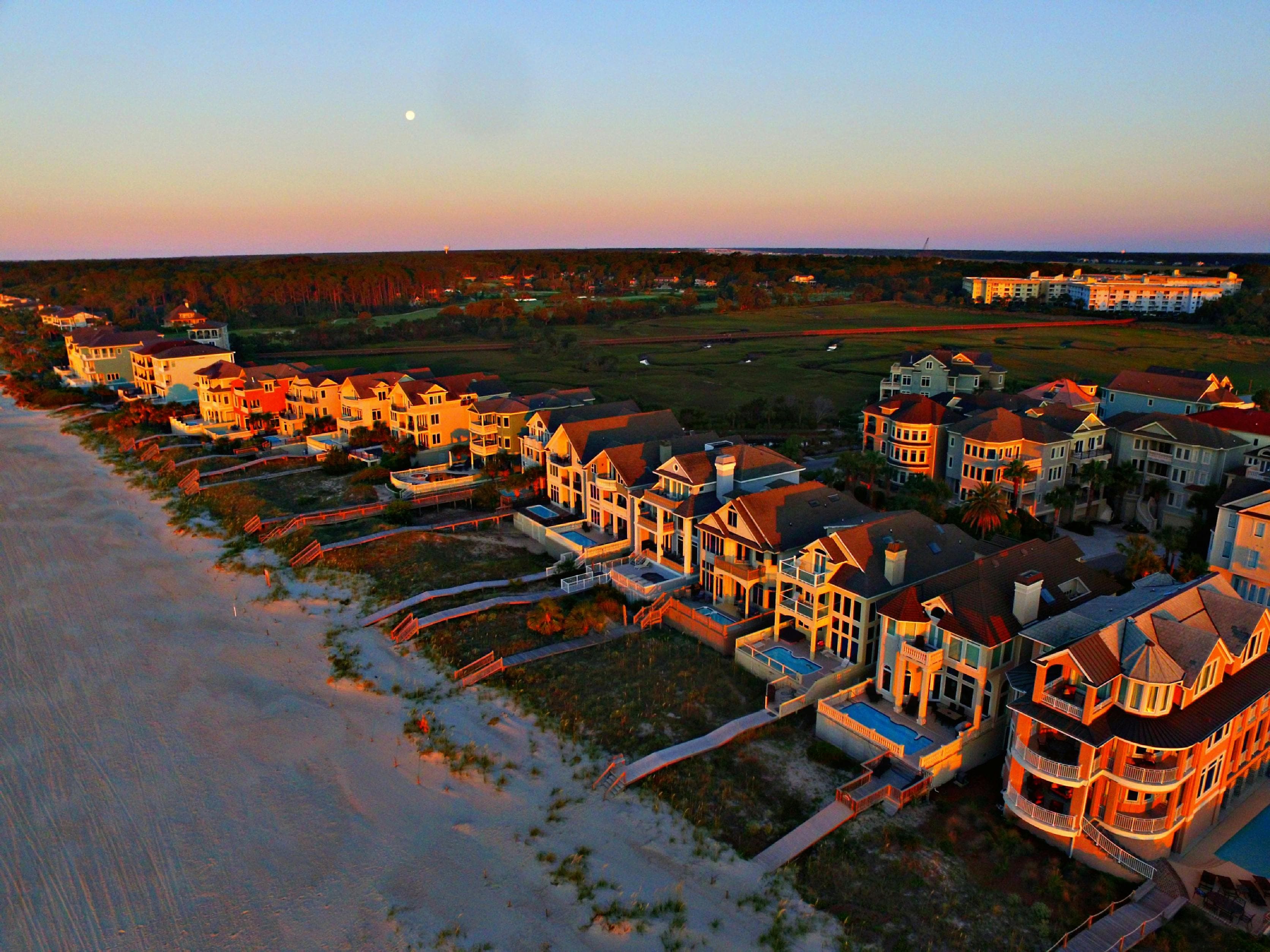
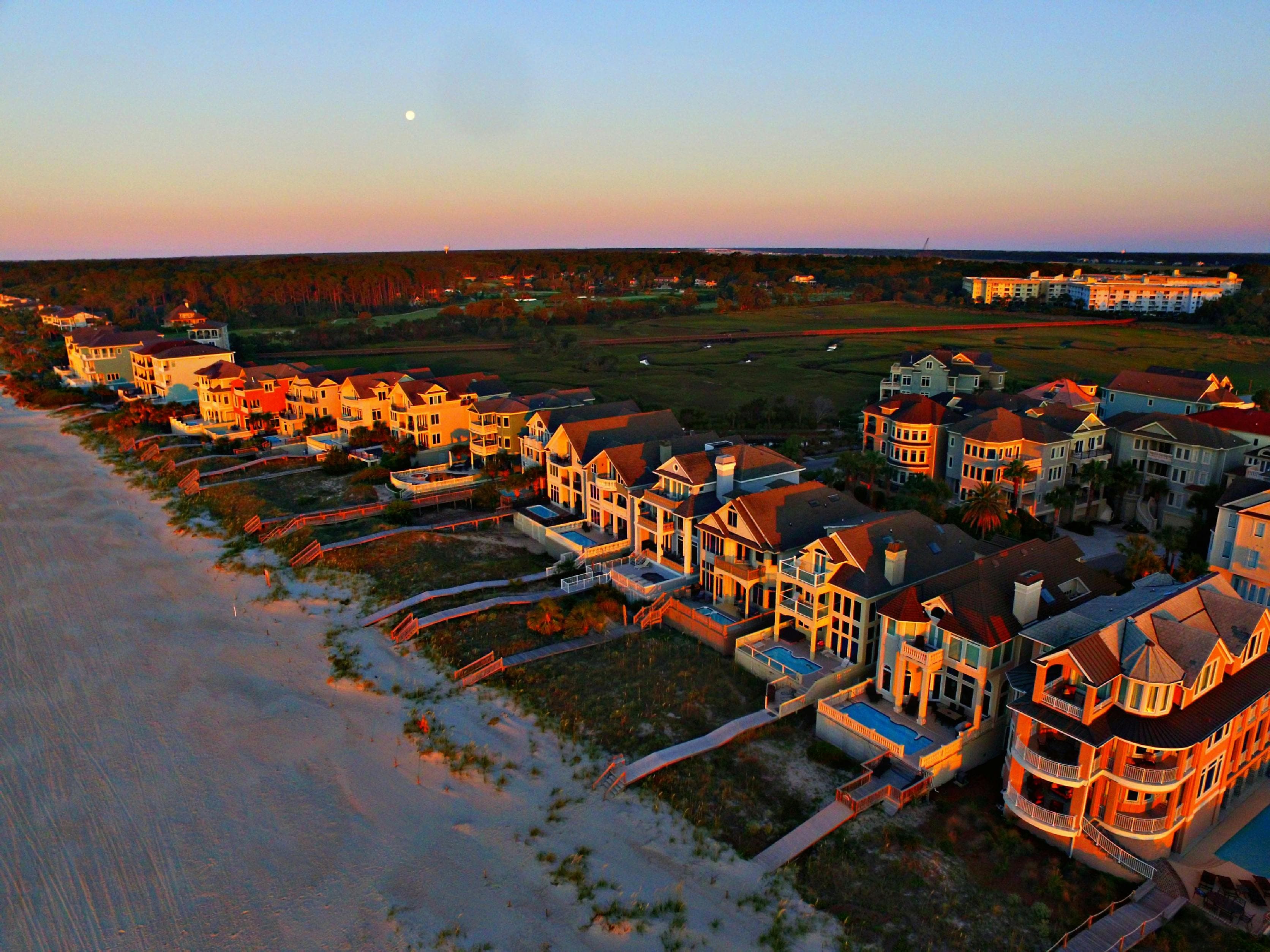
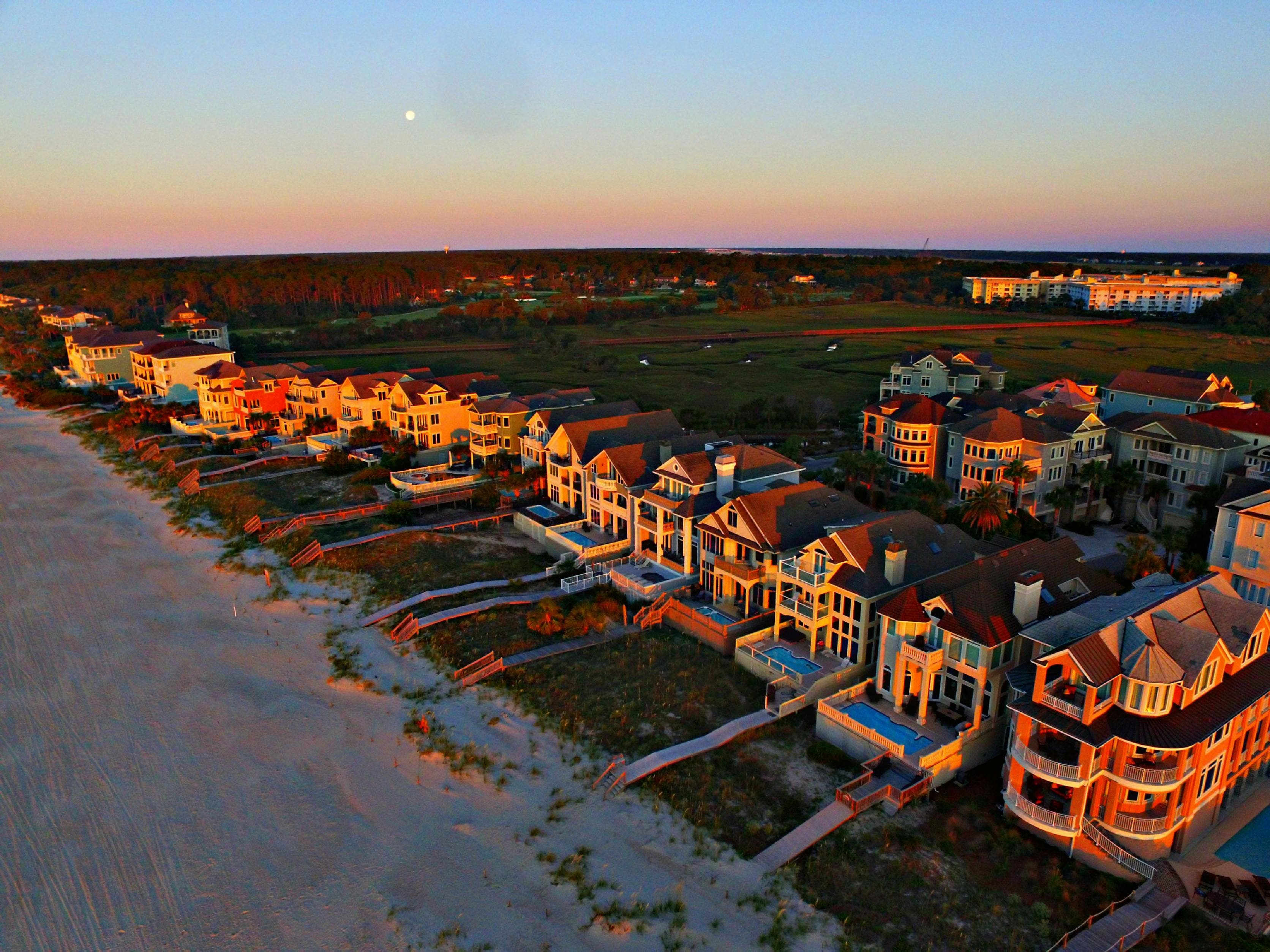
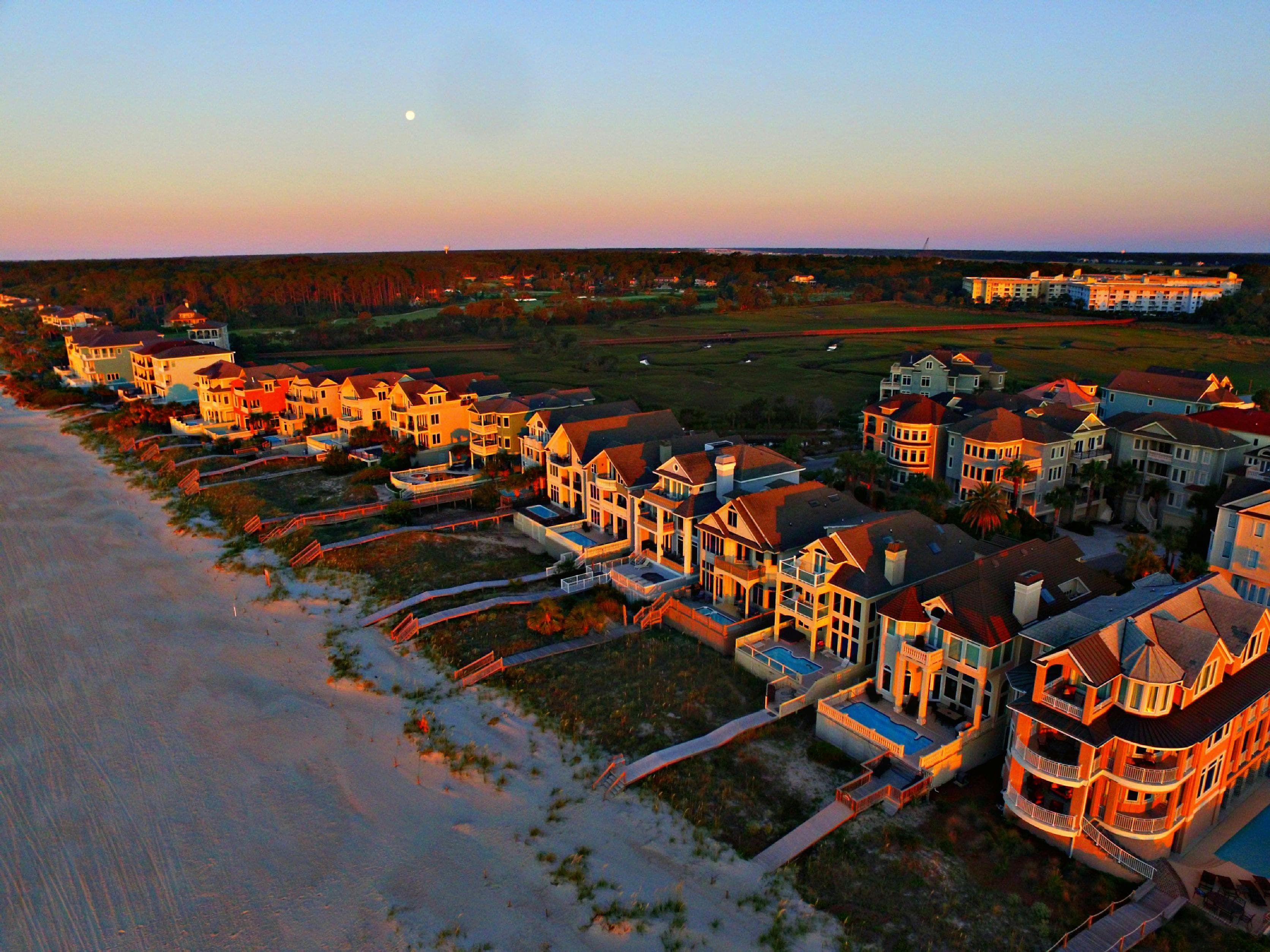
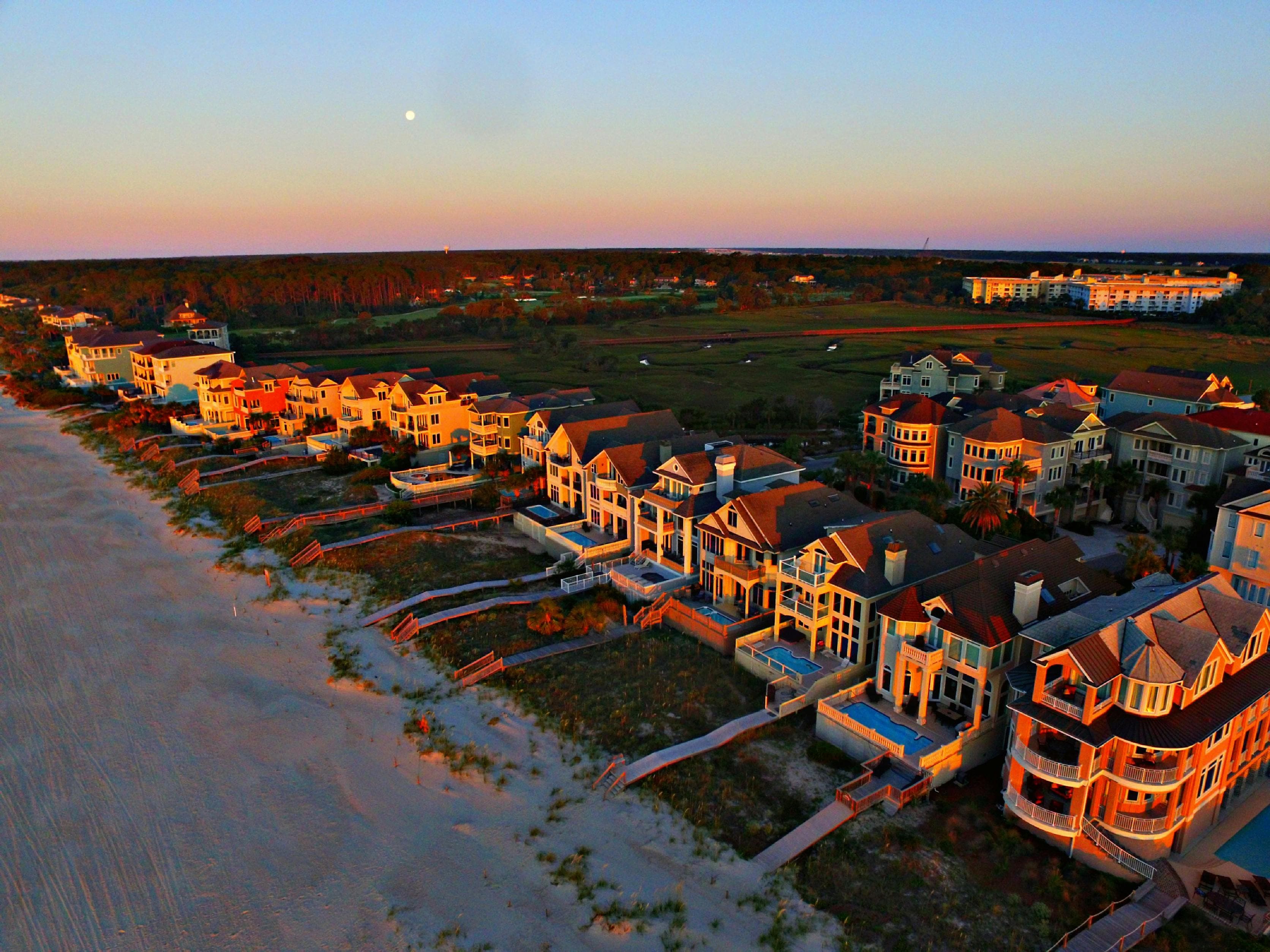
Before Charles Fraser arrived, Hilton Head Island was accessible only by boat. The barrier island off the southern coast of South Carolina supported a small year-round population, a few farms, and thousands of acres of maritime forest that had grown undisturbed for generations. The live oaks, draped with Spanish moss and shaped by salt air, created a canopy so dense that the ground beneath remained cool even in the lowcountry summer. Fraser, a Yale-educated developer who understood that restraint could be more profitable than excess, saw in this landscape the raw material for something that did not yet exist in the American South: a planned resort community where the natural environment was the product, not an obstacle to it.
Where to stay in Hilton Head
Planning the trip? Compare live prices across every nearby hotel and rental in one search.
Prices and availability from Booking.com, Expedia and others via Stay22. GolfTrailsHQ may earn a commission at no additional cost to you.
Sea Pines and the Fraser Model
Fraser began developing Sea Pines Plantation in the early 1960s with a philosophy that would influence resort development for decades. He retained the existing tree canopy, routed roads to minimize land disturbance, and imposed architectural guidelines that required buildings to defer to the landscape. Golf was central to the plan, but it operated within the same constraints. The courses at Sea Pines would be carved through maritime forest, not imposed upon cleared land, and the design would respect the topography, drainage patterns, and vegetation that predated the development.
Harbour Town Golf Links
The first course, the Ocean Course at Sea Pines (1962, designed by George Cobb), established the template. Cobb routed holes through corridors of live oak and palmetto, with the Atlantic Ocean visible on several holes along the southern shore. The course was pleasant, manageable, and appropriate for the resort market Fraser intended to serve. It was not, architecturally, a course that demanded attention beyond its immediate context.
The course that did demand attention came seven years later.
Pete Dye's Harbour Town
Pete Dye designed Harbour Town Golf Links in 1969 with consultation from Jack Nicklaus, who was then in the early stages of his own design career. The course was radical by the standards of its era. Where most architects of the late 1960s were building long, wide courses with large greens to accommodate the increasing distances that modern equipment produced, Dye went in the opposite direction. Harbour Town's fairways are narrow, bordered by trees and waste areas. The greens are small, often requiring precise iron play from specific angles. The total yardage, even from the championship tees, remains modest by tour standards.
The design philosophy reflected Dye's conviction that strategy and precision should matter more than power. The Heritage tournament, now the RBC Heritage, has been contested at Harbour Town annually since 1969, and its late-April date on the PGA Tour schedule, traditionally the week after the Masters, draws strong fields.
The par-4 18th hole, playing along Calibogue Sound to a green framed by the iconic red-and-white lighthouse, has become one of the most recognizable finishing holes in professional golf.
Harbour Town's influence extended beyond Hilton Head. The course demonstrated that a resort layout could be both commercially successful and architecturally serious, and that small greens and tight corridors were not incompatible with professional tournament play. Dye's work here informed his subsequent designs at Sawgrass, Kiawah Island, and elsewhere, each of which explored variations on the theme of strategic complexity within compact dimensions.
The Development Wave
The success of Sea Pines accelerated development across the island through the 1970s and 1980s. Palmetto Dunes, Shipyard, Port Royal, and other planned communities each built courses as core amenities, recruiting nationally recognized architects to differentiate their offerings.
Robert Trent Jones Sr. designed the course at Palmetto Dunes (1969), routing it through lagoons and maritime forest in his characteristic style: large greens, strategic bunkering, and enough water to create visual drama without overwhelming the average player. Arthur Hills followed with a second course at Palmetto Dunes (1986) that played through similar terrain with a different strategic emphasis, relying more on green contour than hazard placement to create challenge.
Jack Nicklaus contributed designs at multiple properties, including courses at Palmetto Hall and Colleton River. His Nicklaus Course at Colleton River (1999), situated on the mainland across Port Royal Sound, offered a counterpoint to the island's flatter terrain with rolling ground and wider corridors. Tom Fazio's work at Palmetto Hall and Long Cove Club brought his characteristic attention to visual presentation and strategic variety.
George Fazio, Tom's uncle, designed the course at Palmetto Dunes that bears his name, completing a family connection to the island that spans two generations of course design. The elder Fazio's work is less dramatic than his nephew's later contributions but reflects a careful understanding of how golf corridors function within dense vegetation.
The Island Today
Hilton Head currently supports approximately two dozen courses, split between resort-accessible layouts and private clubs. The private clubs, particularly Long Cove (Dye, 1981) and Haig Point on neighboring Daufuskie Island, contain some of the strongest architecture on the island but remain inaccessible to visiting golfers. The resort courses, led by Harbour Town and the Palmetto Dunes complex, form the core of the visitor experience.
The island's courses share certain characteristics imposed by the landscape. The terrain is flat, rarely more than twenty feet above sea level. Maritime forest, tidal marshes, and lagoons provide the visual and strategic definition that elevation changes supply elsewhere. The turf is bermudagrass, overseeded with ryegrass in winter months to maintain green playing surfaces during the cooler season when most golf tourists visit. Drainage is a constant consideration; the water table is high, and courses that were designed before modern drainage technology was available can play soft after sustained rain.
The architectural legacy of Hilton Head is defined less by any single designer than by the Fraser model of development that preceded and shaped every course on the island. The principle that golf should integrate with the natural environment rather than replace it, an idea that seems obvious now but was genuinely novel in the 1960s, originated here as much as anywhere in the American South. Harbour Town remains the destination's architectural centerpiece, and the Hilton Head best courses guide provides the framework for building a trip around it. The Hilton Head complete guide covers the seasonal timing, access logistics, and multi-course strategies that a visit to the island requires.