 Pin it
Hawaii (Maui / Big Island)
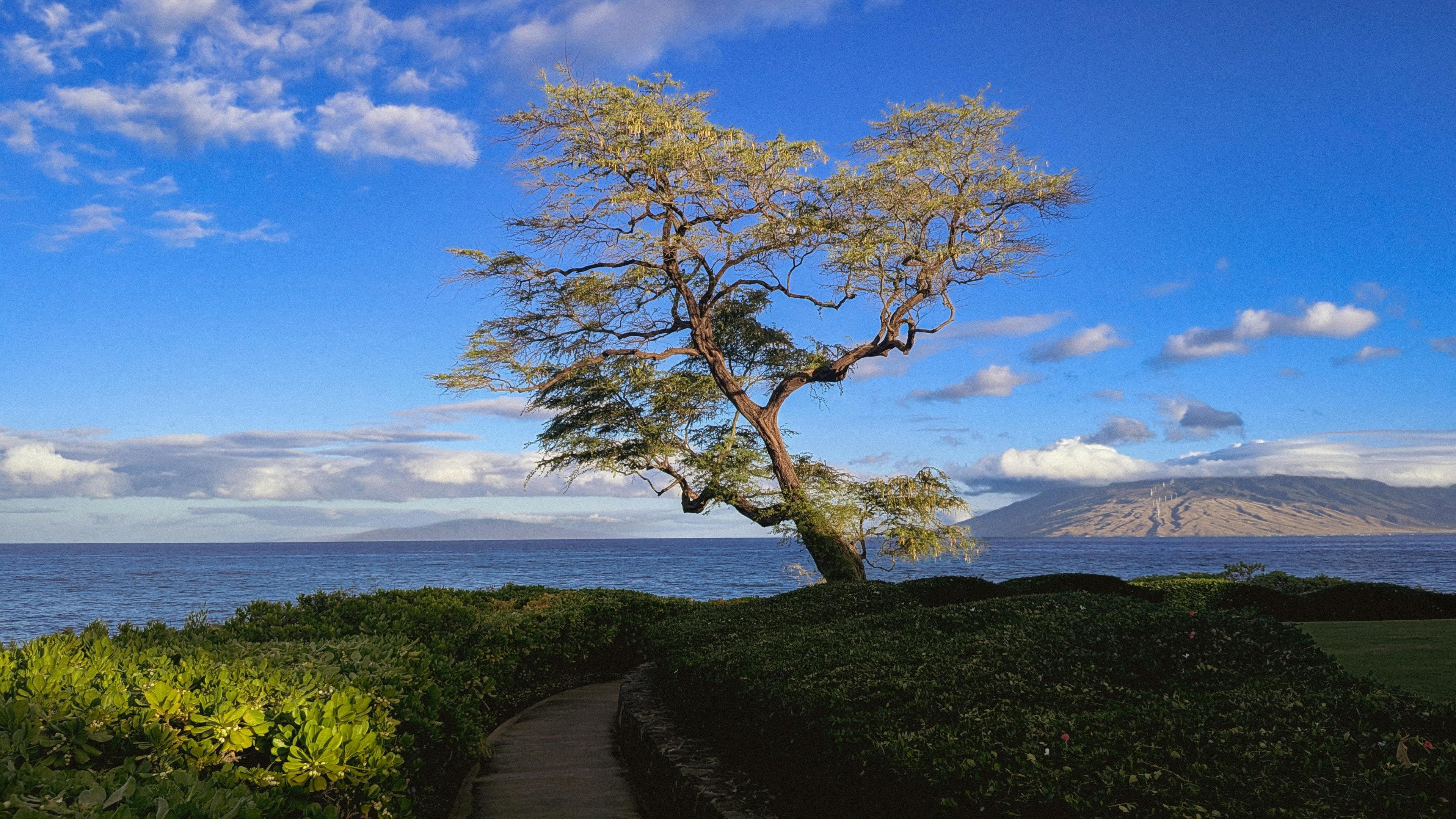
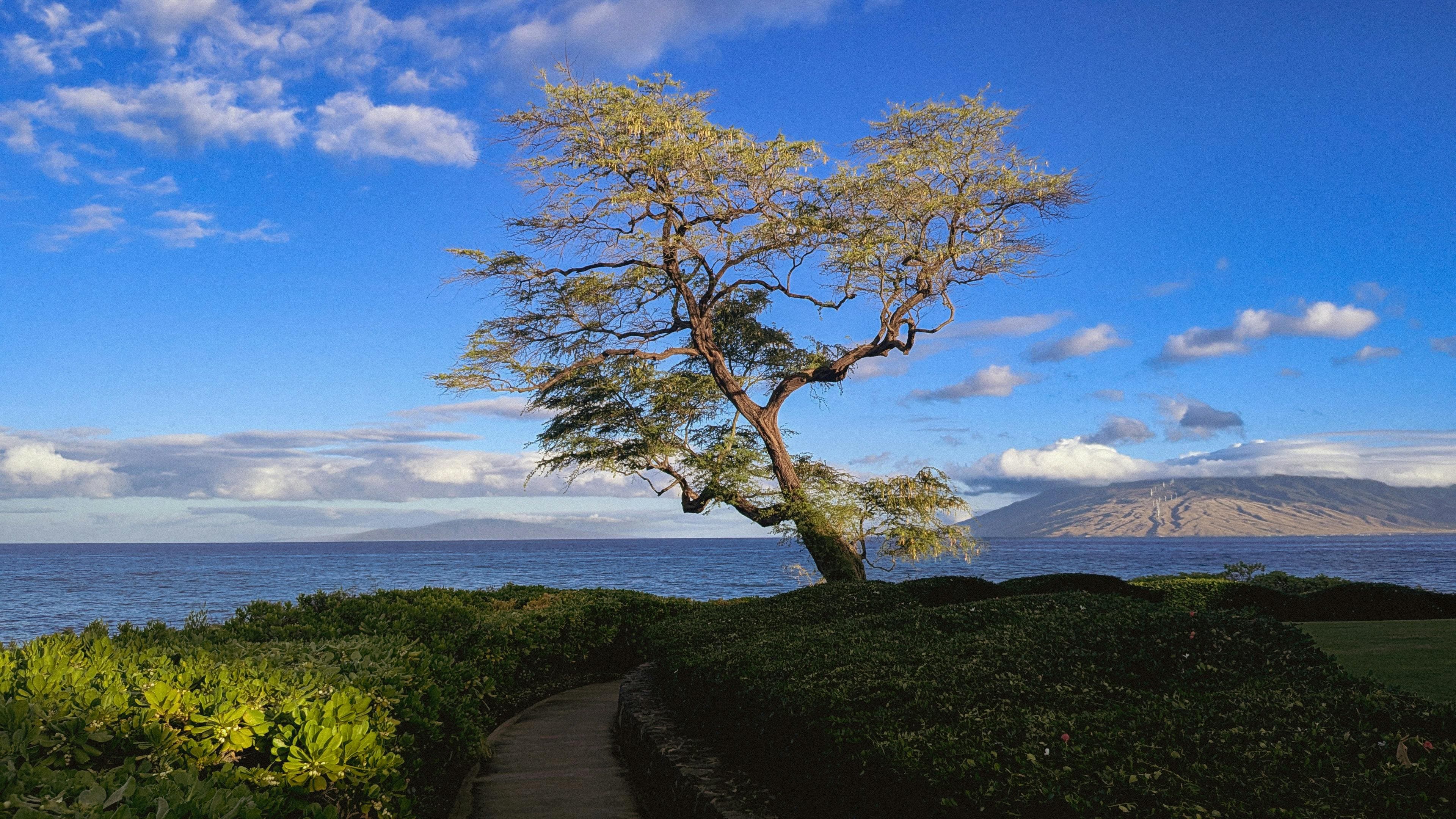
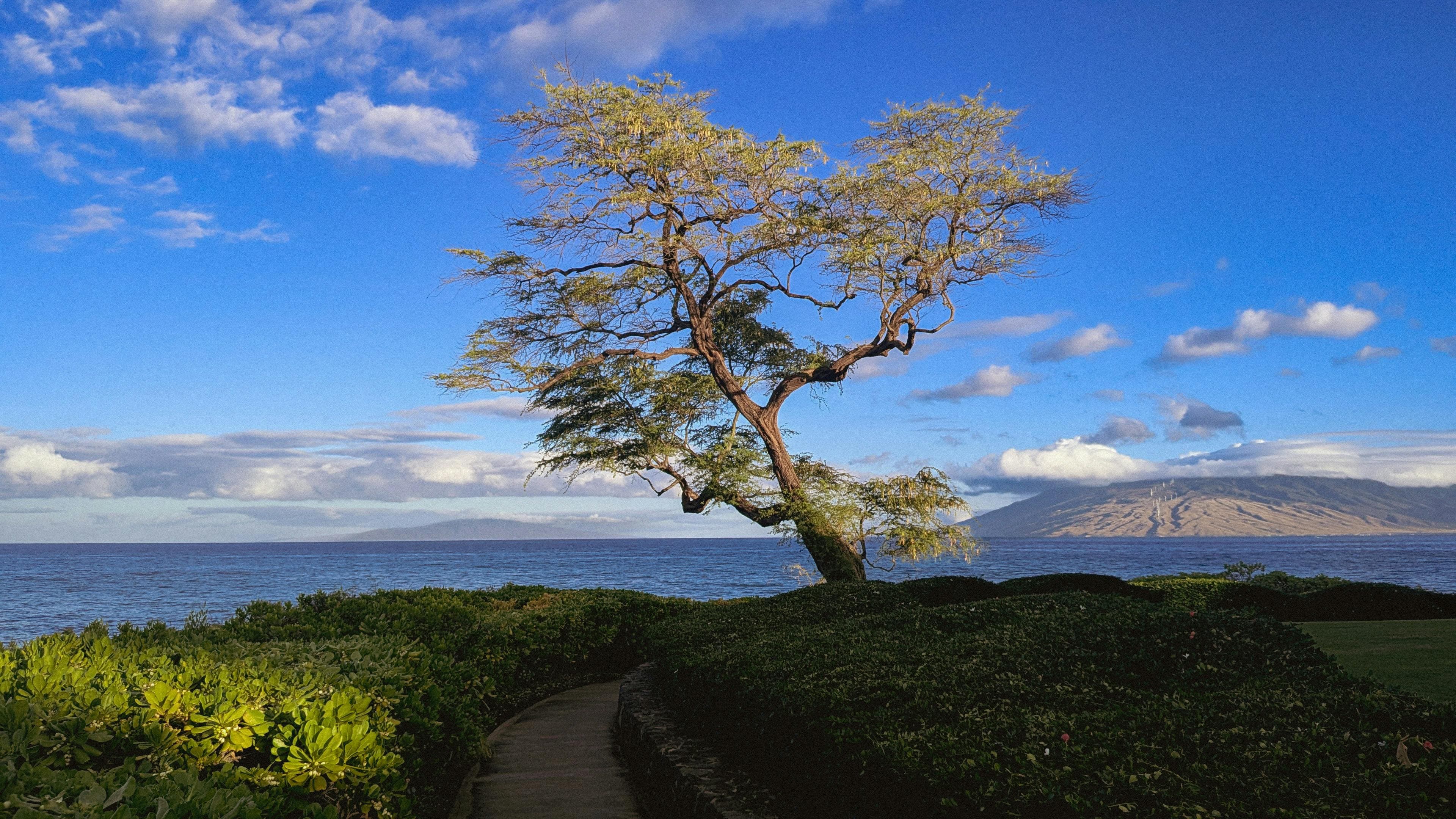
Volcanic ridgelines, ancient lava fields, and Pacific panoramas across two islands that justify every mile of the flight and every dollar of the green fee.
Free to use — Pexels · Pexels
- State
- Hawaii
- Courses
- 5
- Green fees
- $195–$546
- Rental car
- Recommended
Hawaii is not a value golf destination. The flight is long. The green fees, once you arrive, are higher than the mainland average by a comfortable margin. The rental car, essential on both islands, will cost more than you expect during peak season. None of this has slowed the steady procession of golfers who make the trip and come back convinced it was worth every logistical inconvenience. You are visiting a place where courses are built on volcanic ridgelines that drop toward the Pacific, where lava fields run alongside fairways, and where the trade winds keep coastal temperatures between 80 and 88 degrees year-round.
The golf is distributed across two islands, each with a distinct character. Maui concentrates its best courses in two clusters: Kapalua on the northwest tip, where the PGA Tour plays The Sentry each January, and Wailea in the south, where two Robert Trent Jones Jr. courses occupy a slope of Haleakala with unobstructed ocean views. The Big Island anchors its golf along the Kohala Coast on the dry, sun-drenched western shore, where courses route through ancient lava fields and the ocean is never more than a few holes away. The two islands are connected by a 35-to-45-minute inter-island flight, which makes a two-island trip logistically straightforward if not exactly simple.
Courses Worth the Trip
5 courses across Hawaii (Maui / Big Island)
Kapalua's Plantation Course stands at the top. Bill Coore and Ben Crenshaw redesigned it in 2019, and the course plays 7,596 yards across volcanic ridgelines above the Pacific on Maui's northwest coast. It hosts the PGA Tour's The Sentry each January, and the combination of dramatic elevation changes, wide fairways that reward strategic positioning, and ocean views from nearly every hole makes it the strongest argument for playing golf in Hawaii. The green fee of $445 to $546 reflects the pedigree.
Bucket List
Kapalua — Plantation Course
Hawaii (Maui / Big Island), Hawaii
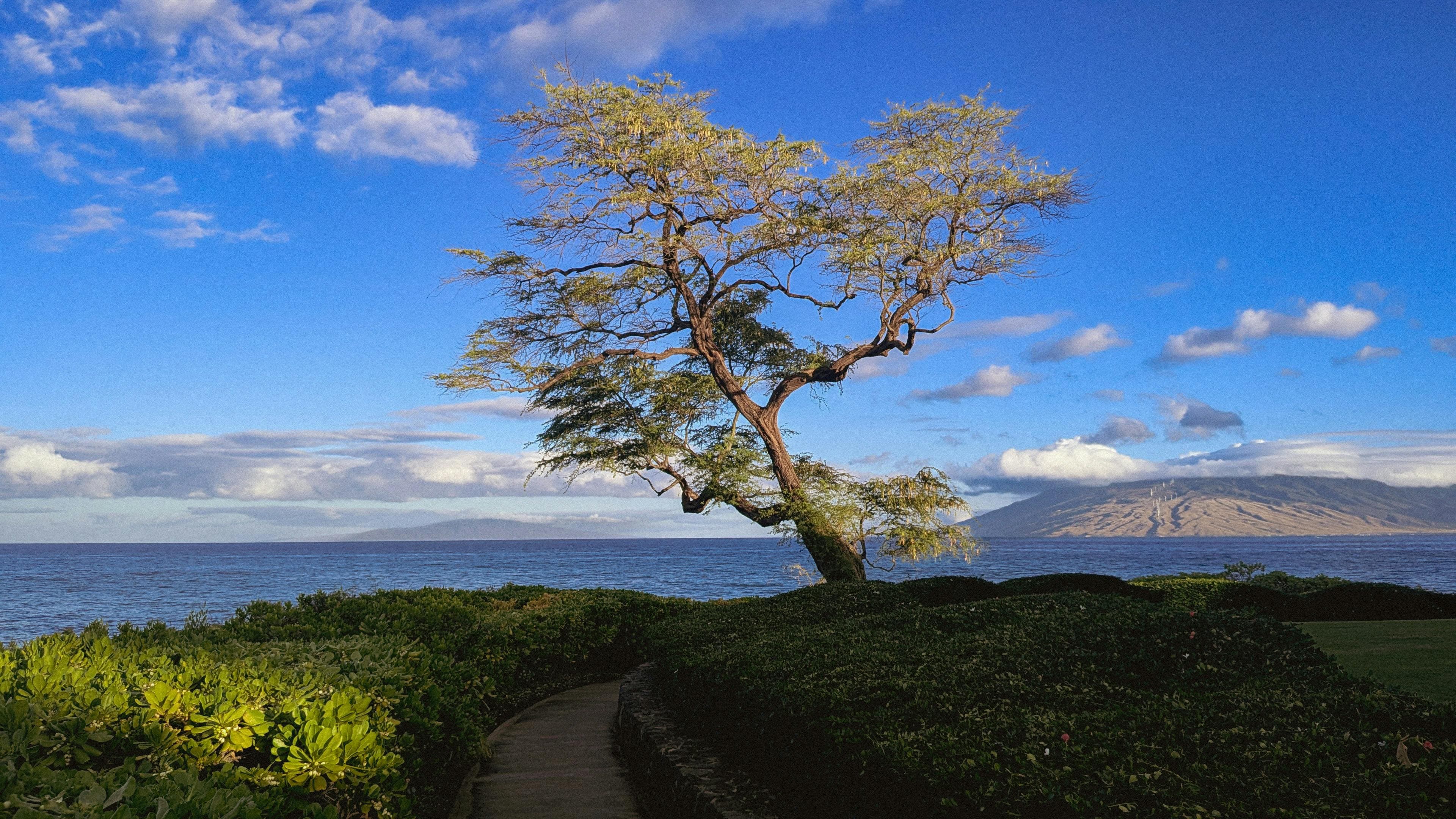
Home of the PGA Tour's The Sentry, this Coore & Crenshaw renovation plays across volcanic ridgelines above the Pacific with elevation changes that reward strategic positioning over brute force.
USD 445–546ResortBill Coore & Ben Crenshaw (1991, renovated 2019)
Direct websiteVisit website
Premium
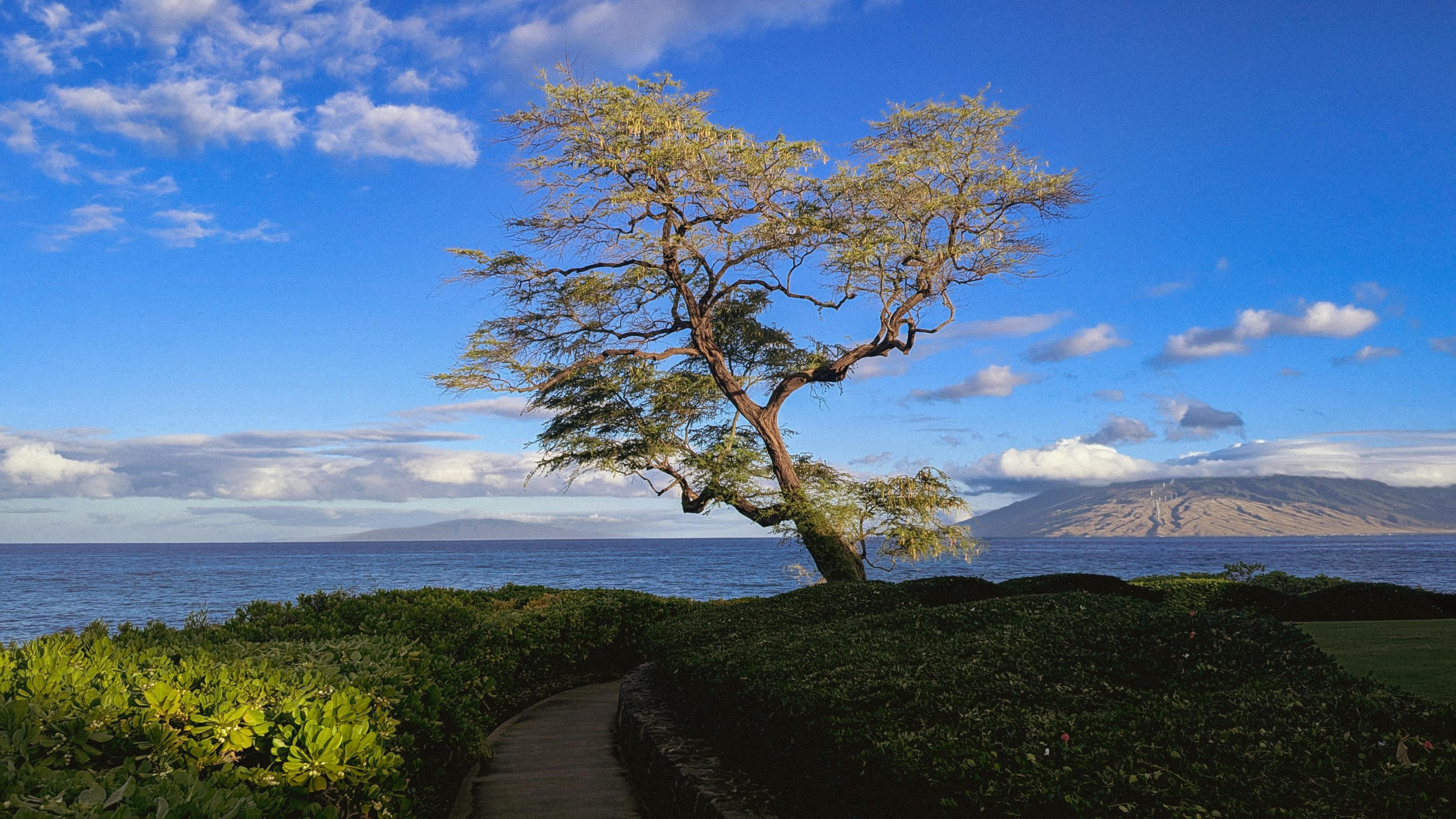
Mauna Kea Golf Course
Hawaii (Maui / Big Island), Hawaii
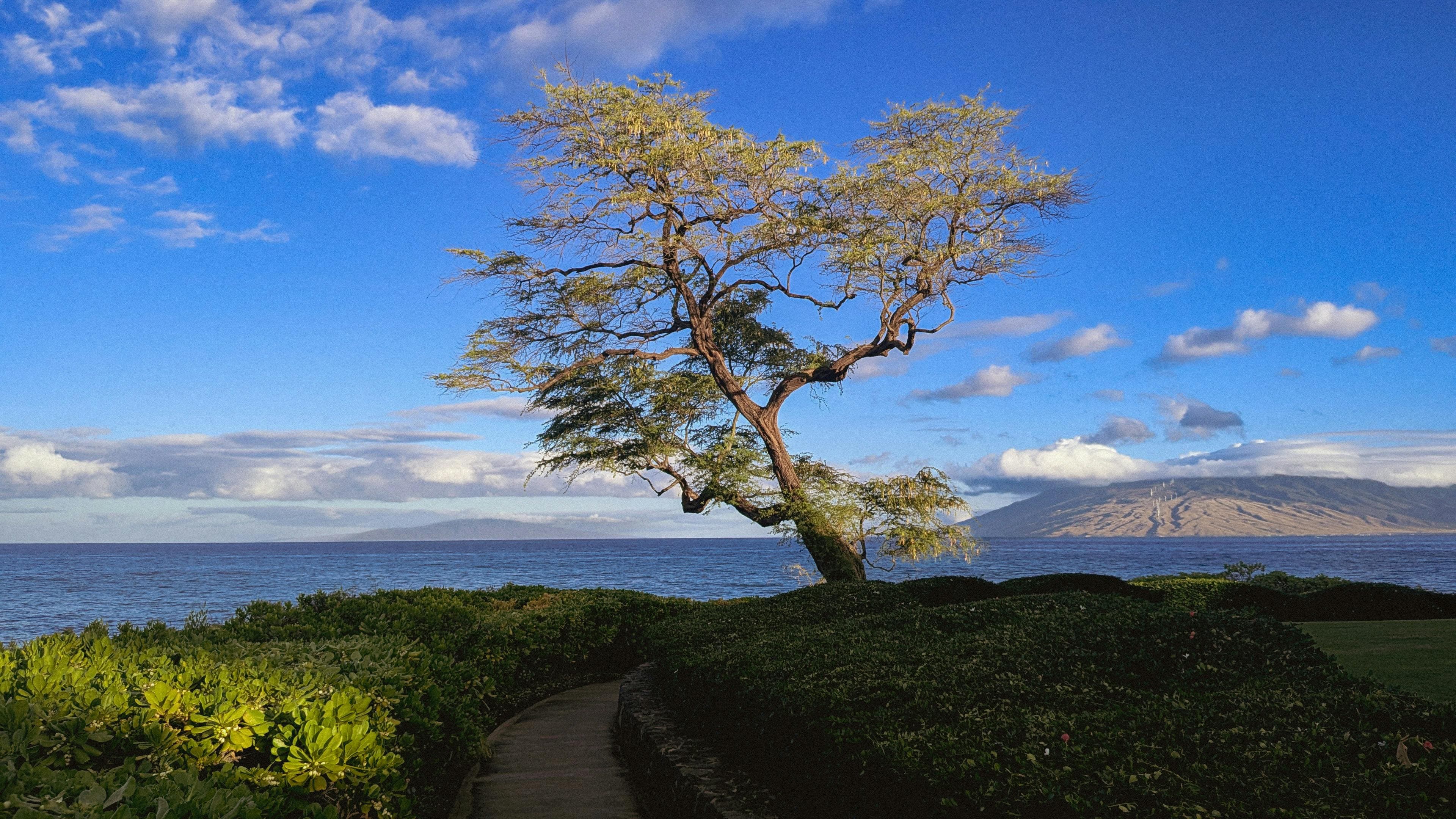
Robert Trent Jones Sr.'s 1964 design pioneered destination golf in Hawaii and remains a formidable test across rugged lava terrain with panoramic ocean and mountain views.
USD 215–325ResortRobert Trent Jones Sr. (1964); RTJ Jr. renovation
Direct websiteVisit website
Premium
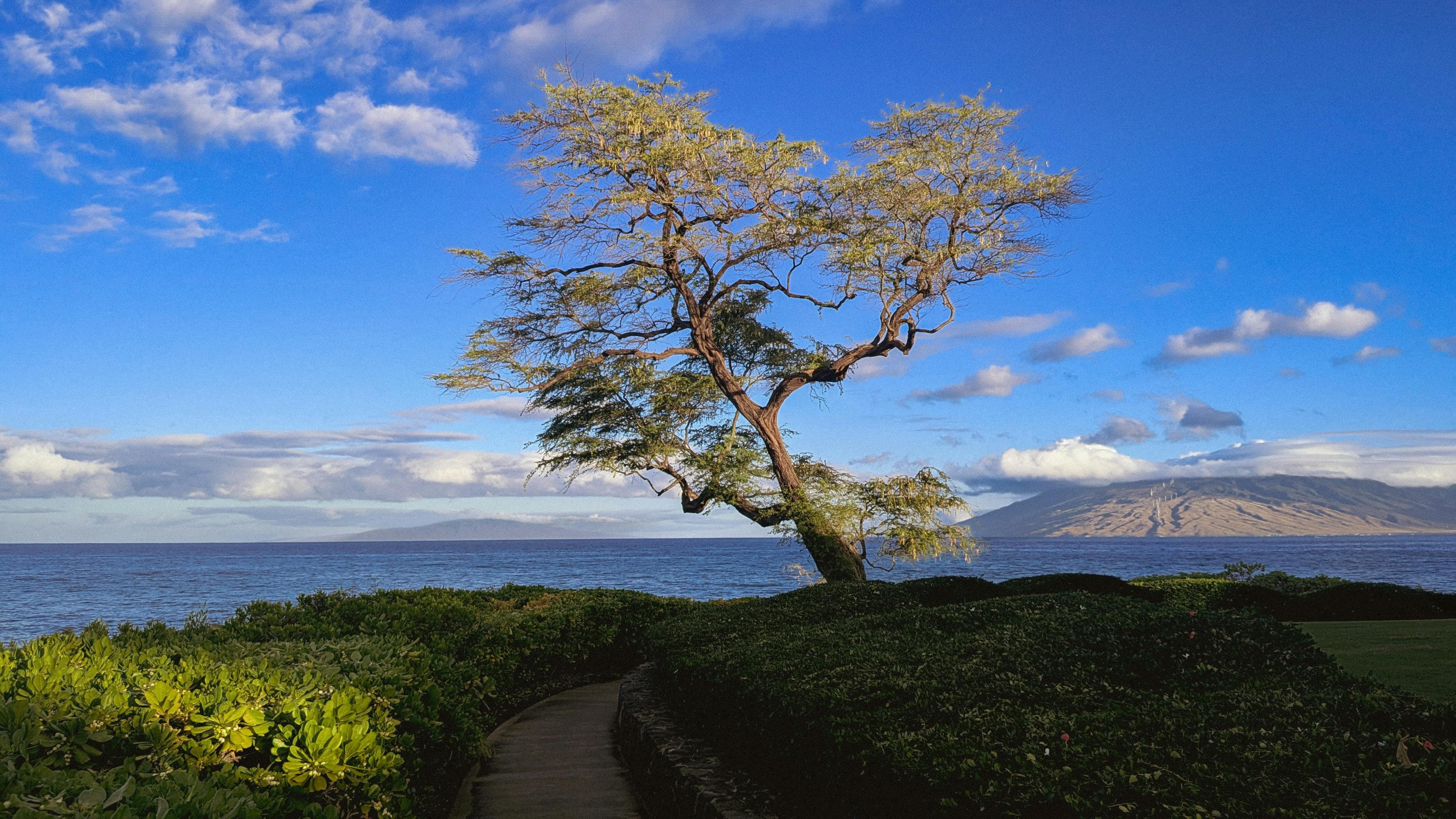
Mauna Lani — South Course
Hawaii (Maui / Big Island), Hawaii
Six oceanfront holes through ancient lava fields along the Kohala Coast make this one of the most visually dramatic resort courses in the United States.
USD 195–295ResortHomer Flint & Raymond Cain (1981); Nelson & Haworth redesign (1991)
Direct websiteVisit website
Mid-Range
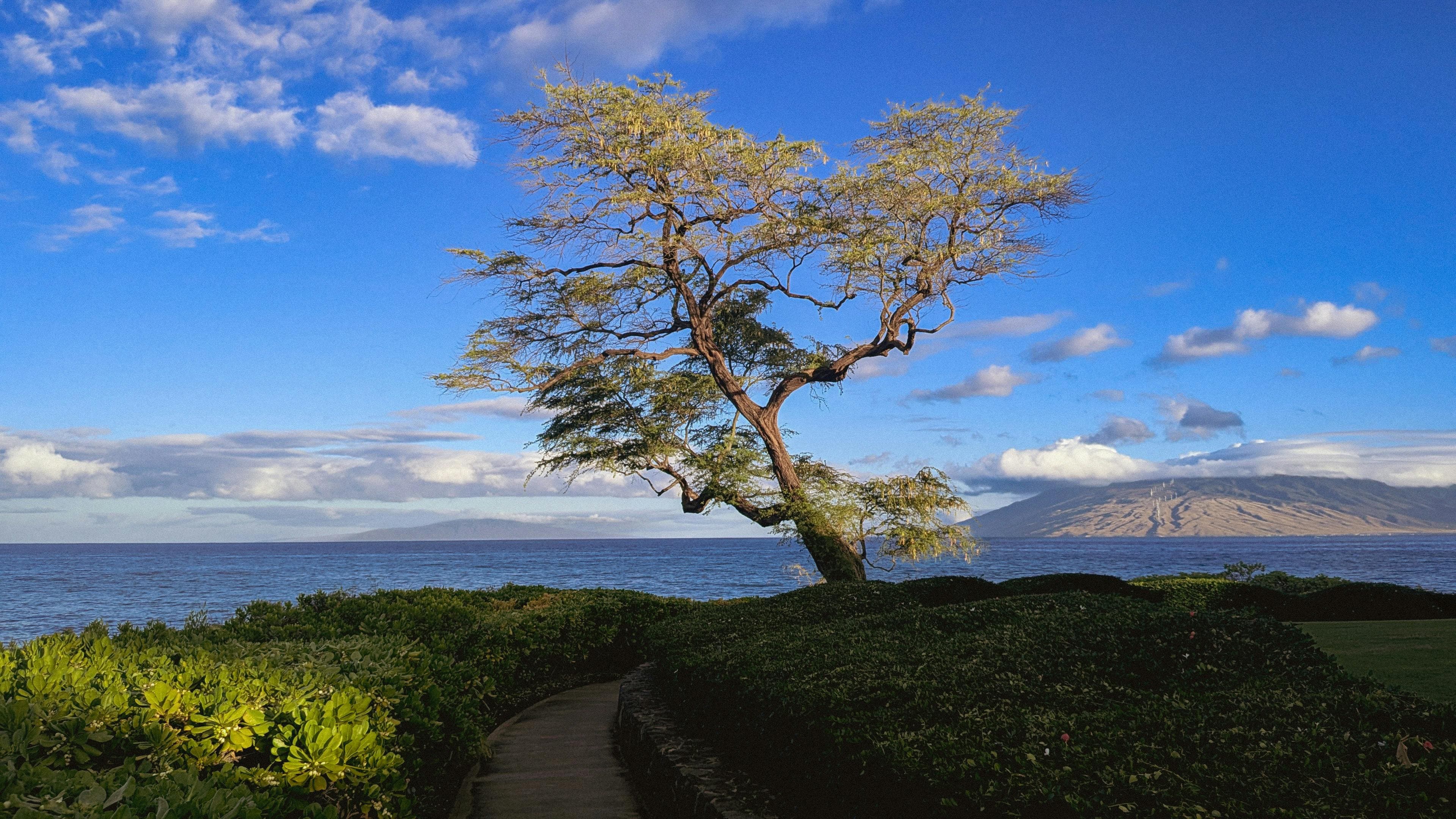
Wailea — Emerald Course
Hawaii (Maui / Big Island), Hawaii
The more forgiving companion to the Gold, the Emerald features wider fairways and dramatic tropical landscaping with ocean views from every hole in South Maui.
USD 199–285ResortRobert Trent Jones Jr. (1994)
Direct websiteVisit website
Mid-Range
Wailea — Gold Course
Hawaii (Maui / Big Island), Hawaii
The more demanding of the two Wailea RTJ Jr. courses, the Gold plays through natural lava outcroppings with ocean views from every hole on the slopes of Haleakala.
USD 199–285ResortRobert Trent Jones Jr. (1994)
Direct websiteVisit website
Where we’d stay
7 options near the courses

Resort
Fairmont Orchid, Hawaii
Hawaii (Maui / Big Island), Hawaii
A 32-acre oceanfront resort adjacent to Mauna Lani with a private lagoon, open-air spa, and five restaurants that provide a luxury Big Island base at a lower rate than the Auberge.
From $350/nightMauna Lani South (adjacent, ~5 min)
ExpediaCheck availability

Resort
Mauna Lani, Auberge Resorts Collection
Hawaii (Maui / Big Island), Hawaii
Auberge-managed resort on the Kohala Coast with on-site access to the Mauna Lani South Course and cultural programs rooted in the property's Hawaiian heritage.
From $600/nightMauna Lani South (on-site)
ExpediaCheck availability

Resort
The Ritz-Carlton Maui, Kapalua
Hawaii (Maui / Big Island), Hawaii
Five Diamond resort on Maui's northwest coast with direct access to both Kapalua courses and the spa, dining, and beach infrastructure to match.
From $500/nightKapalua Plantation (on-site); Kapalua Bay (~5 min)
ExpediaCheck availability

Resort
Napili Kai Beach Resort
Hawaii (Maui / Big Island), Hawaii
Beachfront boutique resort on Napili Bay with kitchenettes and proximity to the Kapalua courses at rates below the Ritz-Carlton tier.
From $250/nightKapalua Bay (~10 min)
ExpediaCheck availability

Resort
Waikoloa Beach Marriott Resort & Spa
Hawaii (Maui / Big Island), Hawaii
Renovated beachfront Marriott at Waikoloa with pool, spa, and a 15-minute drive to the Kohala Coast courses at rates below the luxury tier.
From $250/nightMauna Lani South (~15 min)
ExpediaCheck availability

Resort
Wailea Beach Resort — Marriott, Maui
Hawaii (Maui / Big Island), Hawaii
Four-star Marriott in South Maui with direct proximity to both Wailea courses, four pools, and family-friendly infrastructure.
From $400/nightWailea Gold/Emerald (~5 min)
ExpediaCheck availability

Hotel
Courtyard Maui Kahului Airport
Hawaii (Maui / Big Island), Hawaii
Airport-adjacent Marriott property in central Maui with pool and restaurant, providing a practical base for golfers prioritizing green fees over resort amenities.
From $180/nightWailea courses (~25 min)
ExpediaCheck availability
Compare all nearby stays
Live prices from Booking.com, Expedia and more — every nearby hotel and rental in one search.
Prices and availability from Booking.com, Expedia and others via Stay22. GolfTrailsHQ may earn a commission at no additional cost to you.
Off the Fairway
Non-golf activities and companion experiences
Nature
Full day
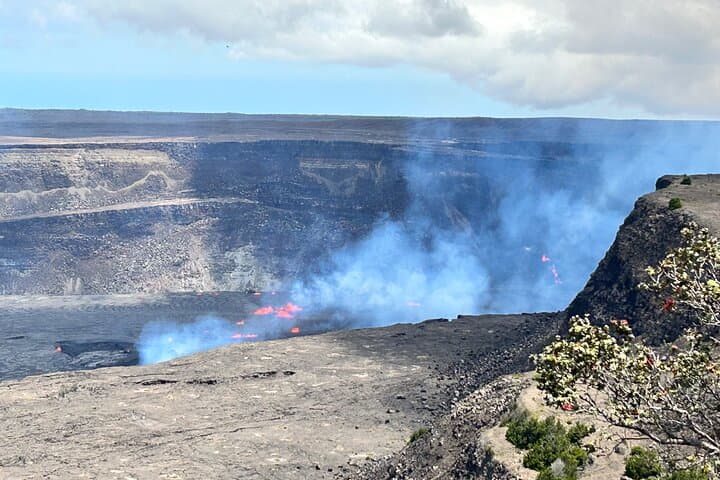
Hawai'i Volcanoes National Park
Hawaii (Maui / Big Island), Hawaii
Active volcanoes, lava tubes, steam vents, and crater rim trails at a UNESCO World Heritage Site on the Big Island's southeastern coast.
$80-$150 (guided); $30 park entry (self-drive)
ViatorBook activity
Cultural
3-4 hours
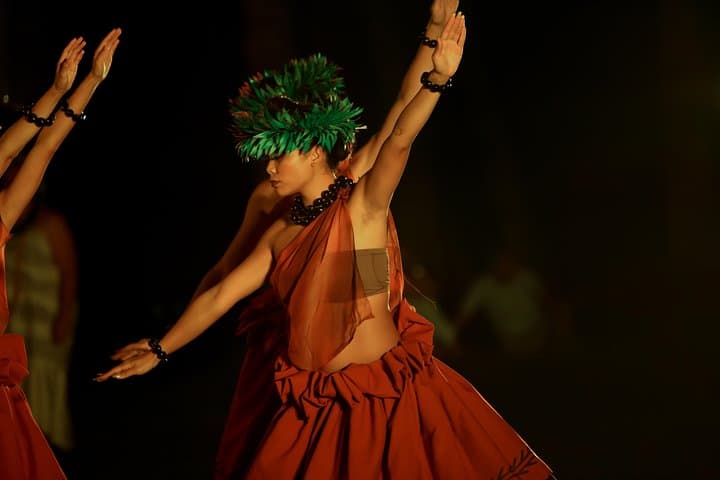
Luau (Traditional Hawaiian Feast)
Hawaii (Maui / Big Island), Hawaii
Hawaiian cultural evening with traditional food, music, hula dancing, and fire performance at venues across Maui and the Big Island.
$80-$150
ViatorBook activity
Scenic
Full day
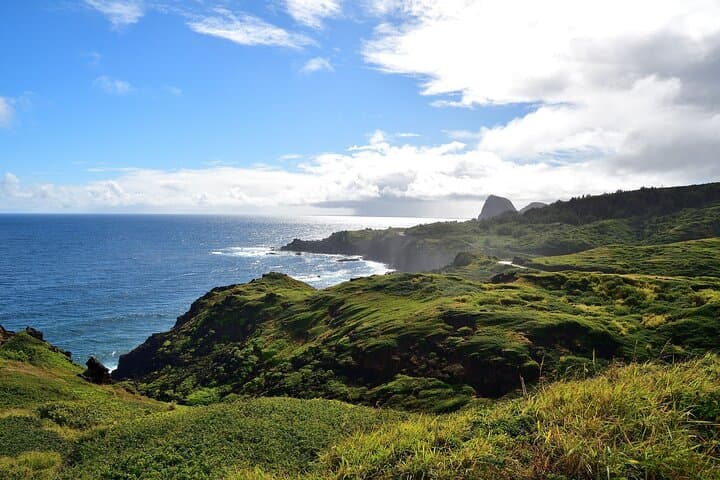
Road to Hana Tour
Hawaii (Maui / Big Island), Hawaii
Maui's most iconic day trip follows a winding coastal highway through 617 curves, 59 bridges, waterfalls, and rainforest to the remote eastern shore.
$100-$180
ViatorBook activity
Water
5 hours
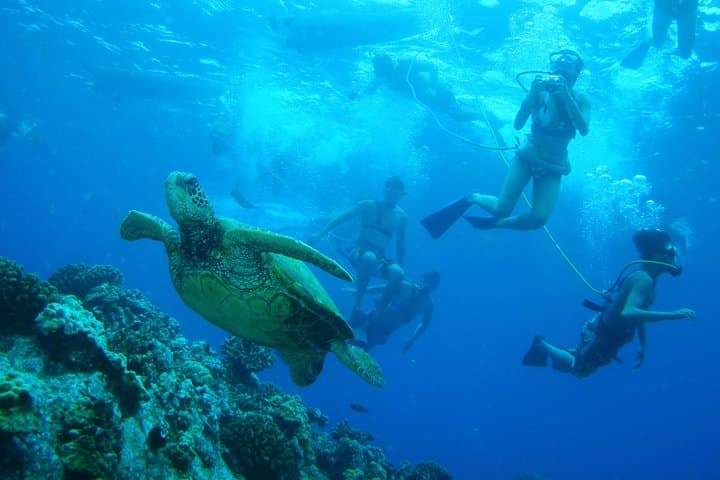
Snorkelling at Molokini Crater
Hawaii (Maui / Big Island), Hawaii
Boat trip to a partially submerged volcanic crater reef with 250 fish species and water clarity that reaches 150 feet on good days.
$75-$130
ViatorBook activity
Dining
2-3 hours
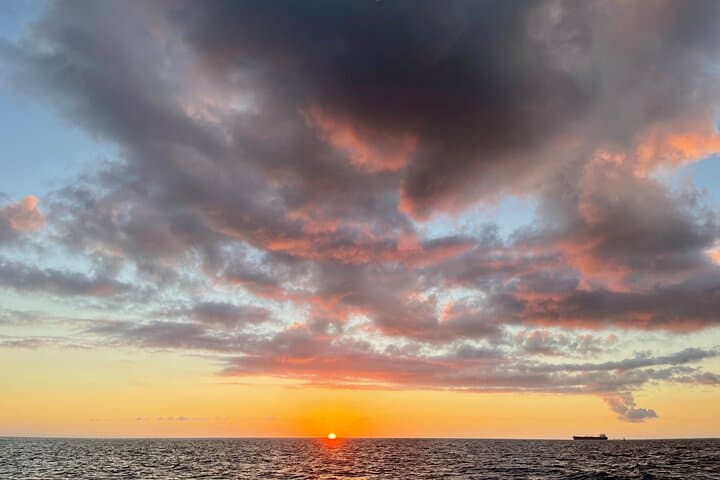
Sunset Dinner Cruise
Hawaii (Maui / Big Island), Hawaii
Catamaran cruise along the Maui coast at sunset with dinner, cocktails, and live music as the sun drops behind the island of Lanai.
$100-$180
ViatorBook activity
Nature
2 hours
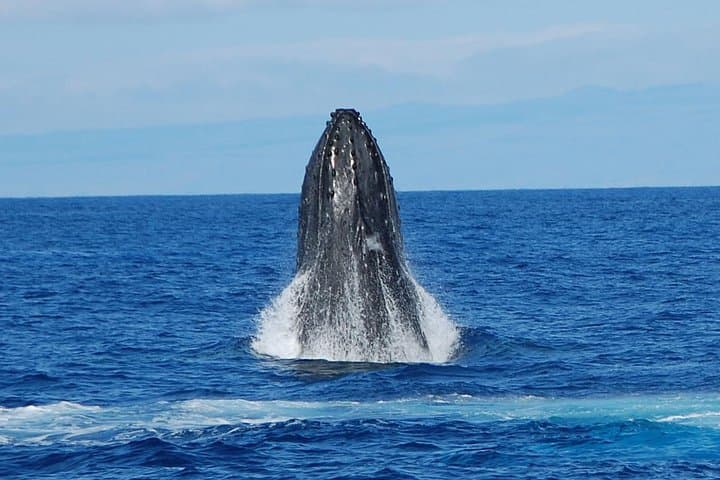
Whale Watching
Hawaii (Maui / Big Island), Hawaii
Humpback whale migration to Maui waters produces some of the world's best whale watching from December through April.
$40-$70
ViatorBook activity
Adventure
3 hours
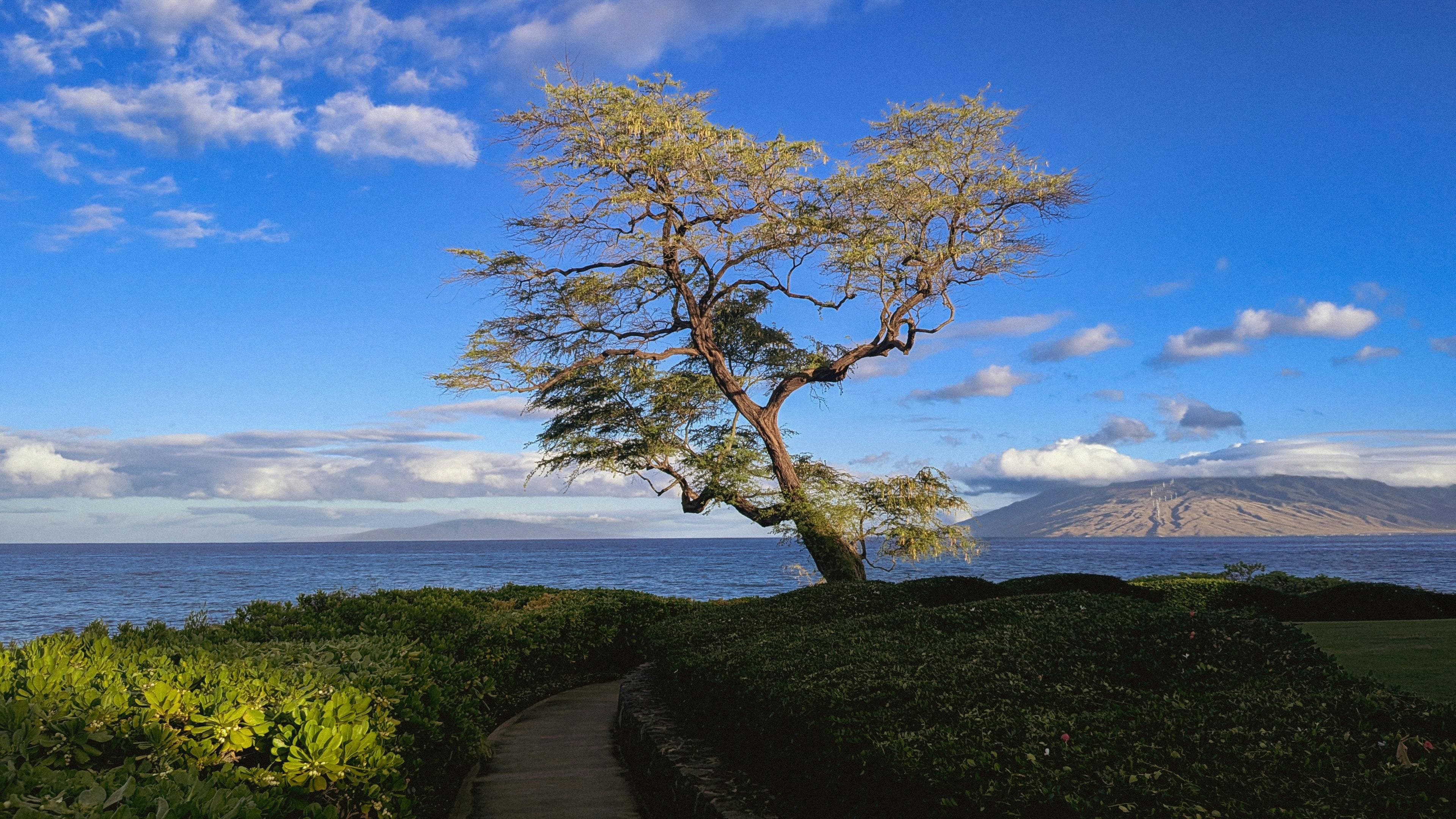
Zipline Tour
Hawaii (Maui / Big Island), Hawaii
Zipline through Maui's rainforest canopy or Big Island tropical valleys with multiple lines and difficulty levels across a three-hour guided session.
$75-$150
Direct websiteVisit website
Hawaiian Cultural Experience
Cultural
2-3 hours
Hawaiian Cultural Experience
Hawaii (Maui / Big Island), Hawaii
Lei making, ukulele lessons, outrigger canoeing, and cultural farm tours for authentic Hawaiian immersion beyond the resort setting.
$30-$60
Direct websiteVisit website
When to Go
The year-round playability is real, but the seasons shape the trip. Peak runs December through March, when mainland winter drives demand, whale watching is in full swing, and rates reach their annual maximum. Shoulder months of April, May, October, and November offer the best combination of weather, pricing, and availability, with rates dropping meaningfully while conditions remain excellent. Summer (June through September) brings the warmest temperatures and the lowest tourist volume, particularly from the mainland, though the heat remains comfortable by any reasonable standard.
Getting There
Kahului Airport (OGG) on Maui and Kona International (KOA) on the Big Island are the gateways. From the West Coast, expect a five-hour flight; from Chicago or Dallas, eight hours or more. A rental car is essential on both islands. The two-island option requires a 35-to-45-minute inter-island flight, which is straightforward but adds a half-day of travel logistics on either end of the move.
Plan Your Trip
Pre-planned itineraries for Hawaii (Maui / Big Island)
Bucket List Trip
Big Island Focus: Four Nights on the Kohala Coast
Four nights on the Kohala Coast playing Mauna Lani South and Mauna Kea with a full day at Hawai'i Volcanoes National Park between rounds.
4 daysUSD 2500–4500/person
Bucket List Trip
Island Hopper: Five Nights Across Maui and the Big Island
Five nights across two islands playing Kapalua Plantation on Maui and Mauna Lani South on the Big Island, connected by a 40-minute inter-island flight.
5 daysUSD 4000–7000/person
Bucket List Trip
Maui Focus: Five Nights on the Valley Isle
Five nights across West and South Maui playing Kapalua's Plantation and Bay courses and Wailea Gold, with Molokini snorkelling and whale watching between rounds.
5 daysUSD 3500–6000/person
Planning Your Trip
Airports, rental cars, seasonal pricing, and local knowledge for Hawaii (Maui / Big Island).
From the Editorial
Articles covering Hawaii (Maui / Big Island)
Opinion
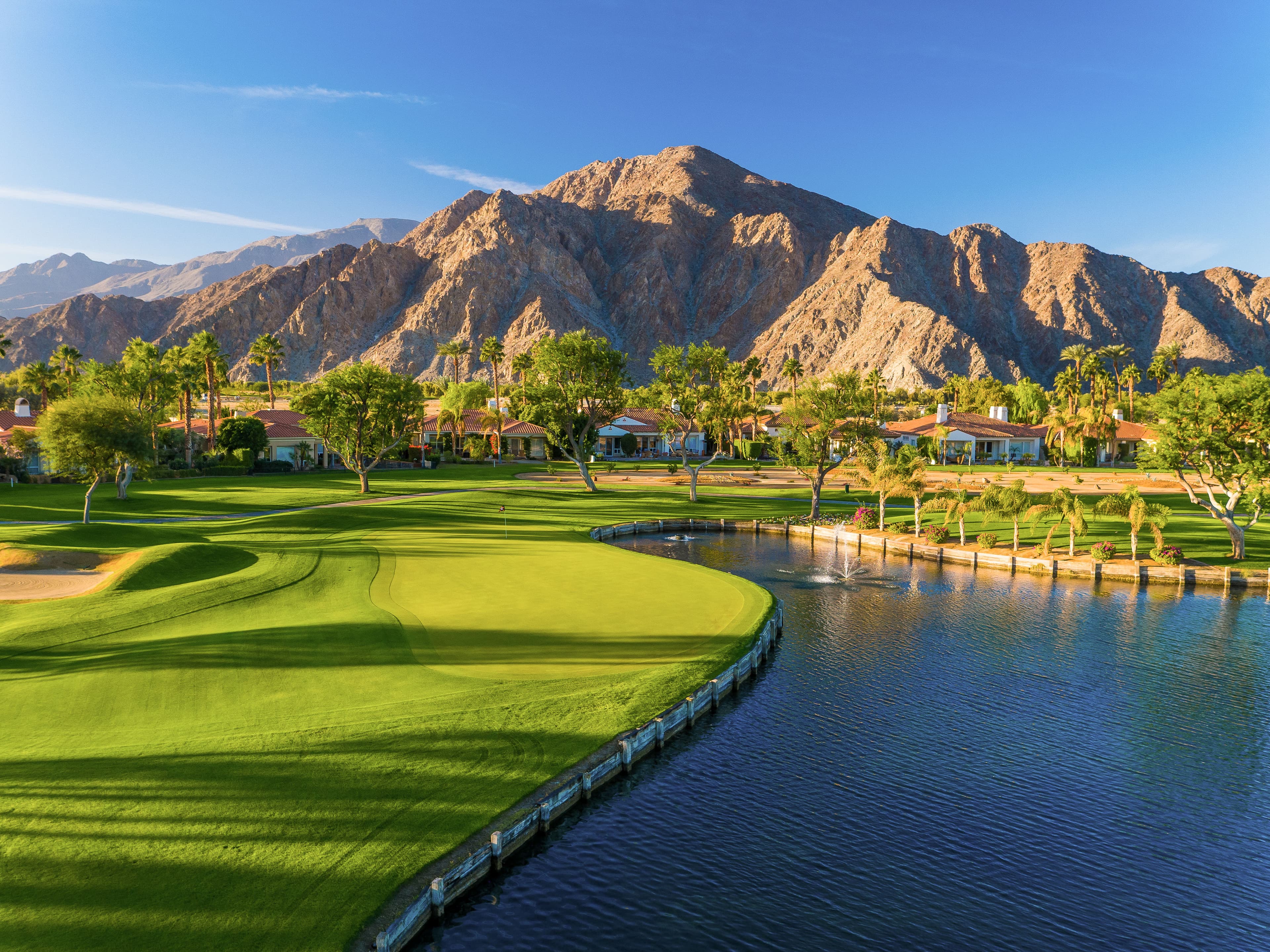
Palm Springs vs Hawaii: Winter Sun Golf
Comparing the Coachella Valley's accessible desert golf with Hawaii's volcanic resort courses for winter golf escapes.
Destination Guide
Destination Guide
Trip Planning
Destination Guide