Hawaii (Maui / Big Island): Weekend Golf Guide
A golf weekend in Hawaii requires a different calculus than the mainland. The flight is longer, the time zone shift is real, and the courses compete for attention with an ocean that makes concentration difficult. But the golf itself is more than a sideshow. Maui and the Big Island each host layouts that would be noteworthy anywhere, set against volcanic terrain and coastal corridors that no amount of earthmoving could replicate on the continent. The key is choosing one island and committing to it. Splitting a weekend between two islands wastes half a day on inter-island logistics and achieves less than a focused itinerary on either.
This guide covers both islands as separate options. Pick the one that fits the group, and build the weekend around it.
Where to stay in Hawaii (Maui / Big Island)
Planning the trip? Compare live prices across every nearby hotel and rental in one search.
Prices and availability from Booking.com, Expedia and others via Stay22. GolfTrailsHQ may earn a commission at no additional cost to you.
Maui Option
Day 1: Arrive and Play Kapalua Bay Course
Most mainland flights arrive in Kahului by early afternoon. The drive to the Kapalua resort on Maui's northwest coast takes roughly an hour, and the Bay Course is positioned for a late-afternoon round that doubles as acclimation. The course is forgiving enough to absorb jet lag without punishing it, and the pace allows time to settle into the rhythm of the island.
Arnold Palmer designed the layout to move along the coastline, and the fifth hole, a par-3 that plays directly over Oneloa Bay, is among the most photographed holes in Hawaiian golf.
Dinner in Kapalua or the neighboring Napili area keeps the evening simple. The Plantation House restaurant sits above the Bay Course and offers views that extend to Molokai on clear evenings.
Day 2: Kapalua Plantation Course
The Plantation Course is the centerpiece of Maui golf and the annual host of the PGA Tour's Sentry. Coore and Crenshaw redesigned portions of the layout in recent years, refining green complexes and restoring strategic options that had narrowed over time. The course plays across a mountainside above the ocean, with elevation changes that create approach shots of unusual visual drama. The par-5 eighteenth, which descends nearly 100 feet toward the clubhouse with the Pacific as backdrop, is one of the great finishing holes in resort golf.
Book a morning tee time. The trade winds pick up by midday, and while they add character, the morning calm provides the truest test of the design. The afternoon is open for the beach at Kapalua Bay, snorkeling at Honolua Bay, or simply doing nothing at the resort.
Day 3: Wailea Gold, Then Depart
The drive south to Wailea takes about 90 minutes and positions the final round closer to Kahului Airport for departure. The Gold Course, a Robert Trent Jones Jr. design, occupies the upper slopes of Haleakala's western flank with views across the channel to Kahoolawe and Lanai. The volcanic terrain produces routing through lava rock outcroppings and natural elevation changes that give the course a more rugged feel than Kapalua's manicured ridgelines. An early tee time allows a comfortable finish and an unhurried drive to the airport.
Big Island Option
Day 1: Arrive and Play Mauna Lani North Course
Flights into Kona's Ellison Onizuka International arrive throughout the day. The Kohala Coast resort corridor sits 25 minutes north, and Mauna Lani's North Course provides the ideal introduction. The layout threads through ancient lava fields, with stark black rock framing green fairways in a contrast that reads as almost artificial. The fifteenth hole, a par-3 over a natural lava inlet, defines the aesthetic. The course is walkable and plays at a comfortable pace for an arrival day.
Lodging along the Kohala Coast ranges from the Mauna Lani resort itself to the Fairmont Orchid and Mauna Kea Beach Hotel, all within a short drive of each other.
Day 2: Mauna Kea Golf Course
Robert Trent Jones Sr. opened this course in 1964, and it remains the standard against which Big Island golf is measured. The design occupies a lava-strewn hillside above Kauna'oa Bay, with the par-3 third hole playing over ocean from an elevated tee to a green framed by surf. The course has been carefully maintained and updated without losing the character of the original routing, and the firm conditions reward a ground game that many resort courses do not demand.
An afternoon at Hapuna Beach, consistently ranked among the finest beaches in the United States, provides a counterpoint to the morning round.
Day 3: Hualalai Golf Course, Then Depart
Tip
Budget Overview
Hawaii golf carries premium pricing that reflects both the setting and the isolation. Resort packages offer the best path to value.
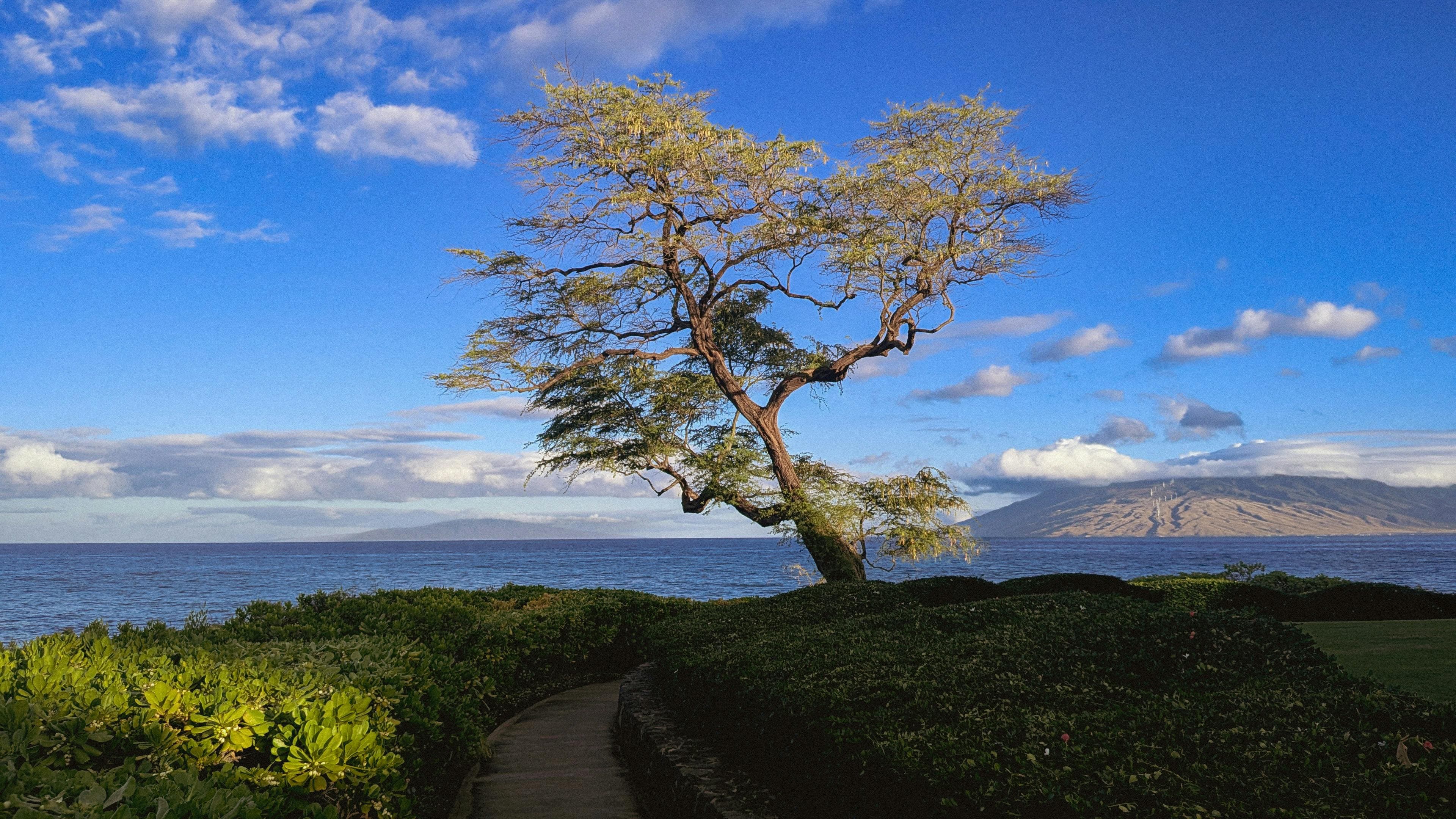
Mauna Kea Golf Course
| Category | Estimated Range |
|---|---|
| Green fees (3 rounds) | $500–$900 |
| Resort or rental (2 nights) | $400–$1,200 |
| Meals and incidentals | $200–$350 |
| Rental car (3 days) | $150–$250 |
| Total (excluding airfare) | $1,250–$2,700 |
When to Go
Hawaii is playable year-round, but the sweet spots for golf are April through June and September through November. These shoulder seasons offer the best combination of moderate temperatures, lower resort pricing, and reduced wind. Winter brings whale season and higher rates. Summer is warm and generally calm, though humidity on the leeward coasts can build through the afternoon.
The verdict