Palm Springs vs Hawaii: Winter Sun Golf
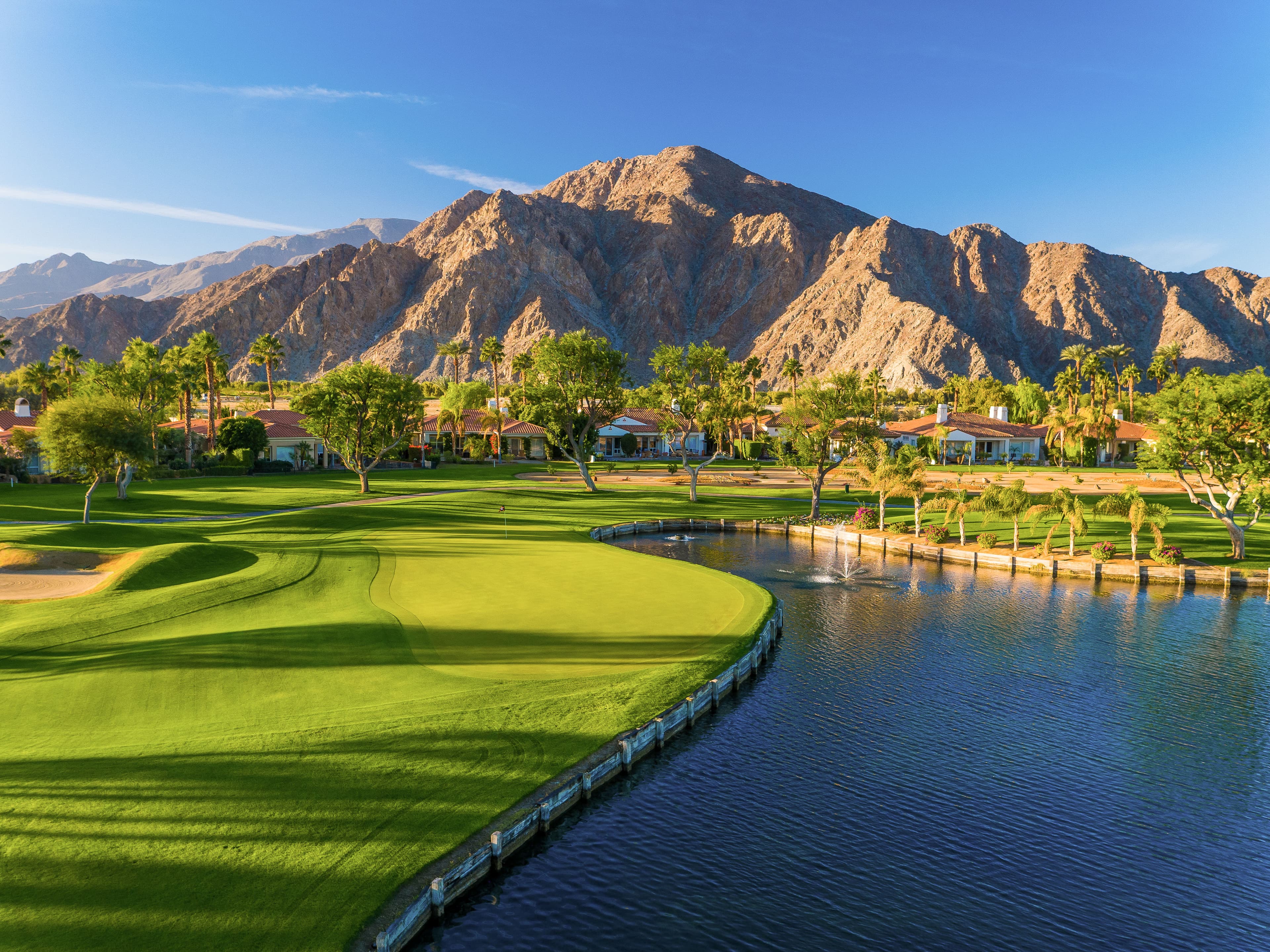
When the home course is frozen or waterlogged, two destinations promise warm-weather golf with scenery that justifies the airfare. Palm Springs delivers desert golf two hours from Los Angeles, with 100-plus courses spread across the Coachella Valley. Hawaii, primarily Maui and the Big Island, offers volcanic resort courses above the Pacific. One is a domestic drive or short flight. The other is a five-hour journey across open ocean. The golf, the price, and the experience that surrounds each round are different enough to matter.
Where to stay in Hawaii (Maui / Big Island)
Planning the trip? Compare live prices across every nearby hotel and rental in one search.
Prices and availability from Booking.com, Expedia and others via Stay22. GolfTrailsHQ may earn a commission at no additional cost to you.
The Golf
Over 100 courses sit within a 30-mile corridor, and the quality at the top is strong. PGA West's Stadium Course, Pete Dye's 1986 design, plays 7,300 yards with a slope of 150 and the infamous "Alcatraz" island-green 17th. Indian Wells' Players Course stretches to 7,376 yards. Desert Willow Firecliff, a city-owned Hurdzan/Fry design, is consistently rated among California's best public courses. At the value end, Tahquitz Creek Legend charges $45 to $65.
Palm Springs' course volume is its advantage.
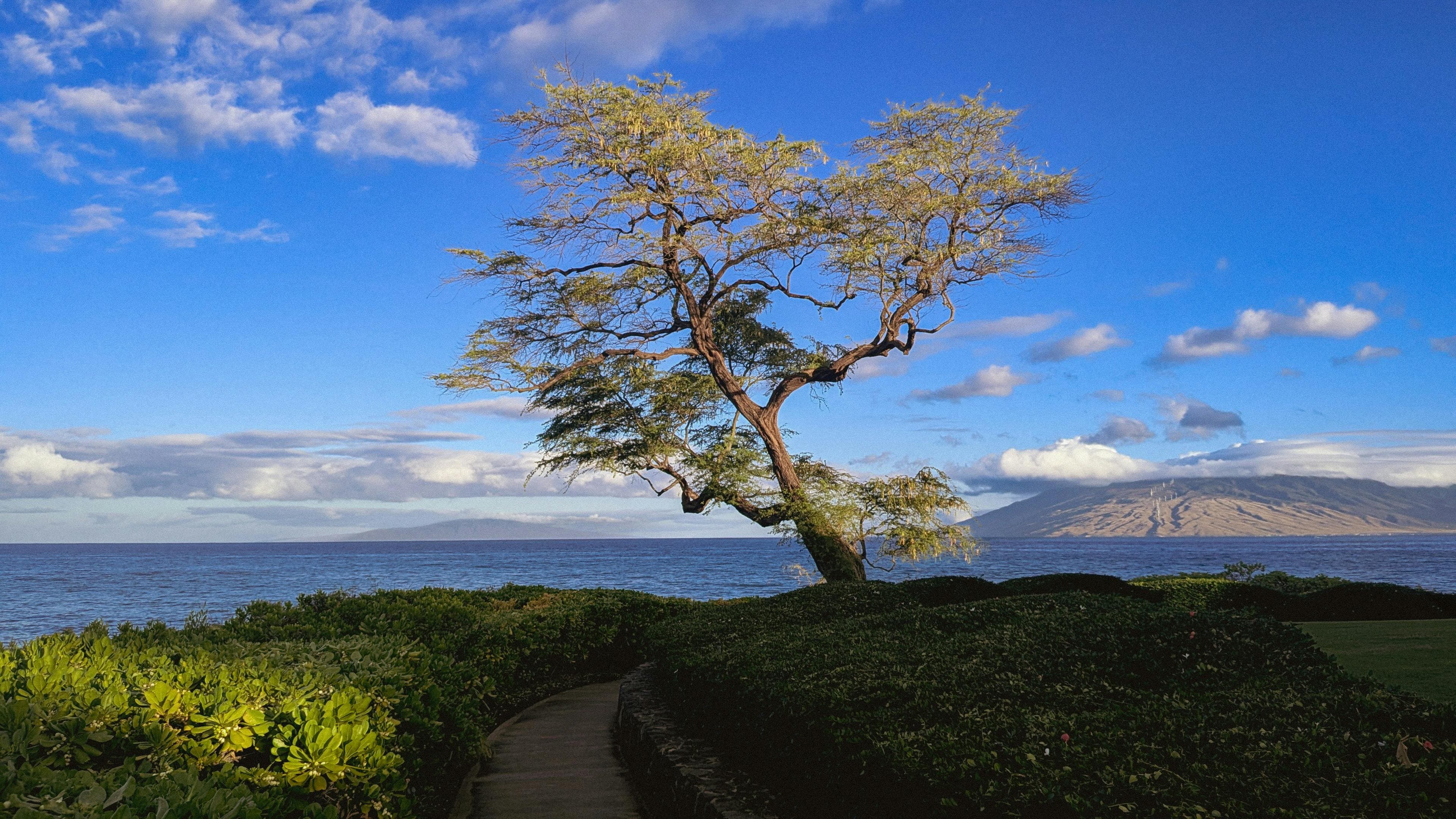
Hawaii's course list is shorter but the settings are extraordinary. Kapalua's Plantation Course on Maui, redesigned by Coore and Crenshaw, is the PGA Tour's season-opening venue (The Sentry, formerly the Tournament of Champions). It plays across ridgelines above the Pacific with 1,000-foot elevation drops visible from several tees. Mauna Lani's South Course on the Big Island routes through black lava fields along the Kohala Coast. Mauna Kea, Robert Trent Jones Sr.'s 1964 design, features the famous par-3 3rd across an ocean inlet.
The architectural variety in Hawaii is narrower than Palm Springs. The courses are good to excellent, but few reach the strategic depth of the Coachella Valley's best Pete Dye or Jack Nicklaus designs. What they offer instead is a visual experience that no mainland course can replicate: black lava, ocean cliffs, tropical vegetation, and volcanic peaks as a backdrop.
Price
Hawaii is the more expensive trip by a significant margin.
Palm Springs green fees in peak season (January through April) range from $45 at Tahquitz Creek to $264 at PGA West Stadium. The median quality round costs $130 to $200. Accommodation at resort properties like JW Marriott Desert Springs runs $450 to $700 in season, but mid-range options in Palm Desert start at $90 to $150. A four-round, four-night trip runs $1,500 to $3,500 per person.
Hawaii green fees are higher across the board. Kapalua Plantation charges $299 to $399. Mauna Lani South runs $250 to $350. Wailea Gold on Maui charges $250 to $325. Few courses on either island play for under $200 in peak season. Accommodation at coastal resorts starts at $400 to $600 per night. Flights from the mainland add $400 to $800 round trip depending on origin city and timing.
A four-round, five-night Hawaii golf trip runs $3,500 to $6,000 per person. The premium over Palm Springs is substantial, and it is driven primarily by airfare, accommodation, and green fees that lack a true budget tier.
The Non-Golf Experience
Hawaii wins this comparison decisively. For a couple or family combining golf with a broader vacation, Hawaii delivers a trip that transcends the game.
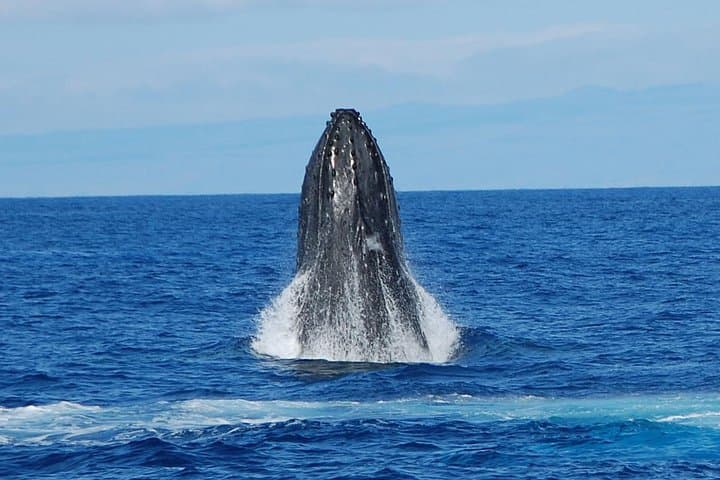
Snorkelling, whale watching (December through April), volcano tours on the Big Island, the Road to Hana on Maui, luaus, and some of the best beaches in the world create a companion experience that Palm Springs cannot approach.
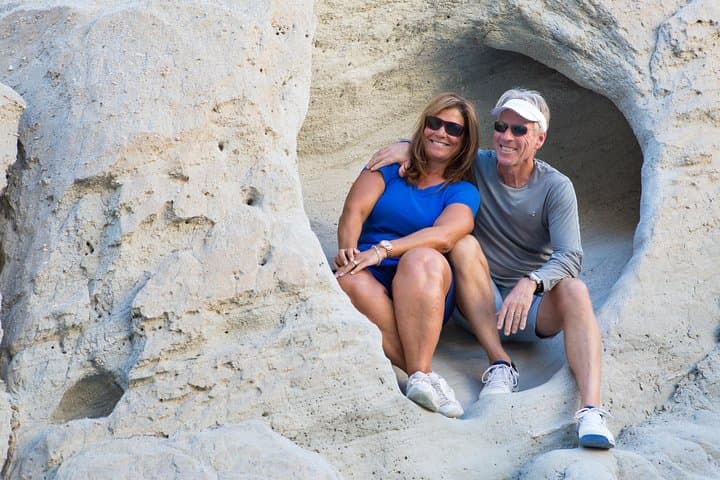
Palm Springs offers Joshua Tree National Park (45 minutes), the Aerial Tramway, the San Andreas Fault jeep tour, wine tasting, and the mid-century modern architecture scene. These are genuine attractions. But they are day activities, not the kind of immersive experiences that define a Hawaiian trip.
Climate
Palm Springs' golf season (November through April) delivers consistent 68 to 80F highs with virtually no rain. The wind through the San Gorgonio Pass is the only variable.
Hawaii's climate is pleasant year-round. The Big Island's Kohala Coast is dry and sunny (temperatures 75 to 85F), while Maui's Kapalua side gets slightly more wind and occasional rain. Trade winds keep conditions comfortable, and afternoon showers are typically brief.
Both deliver reliable winter golf weather. Hawaii is slightly warmer on average, with the added humidity that comes with an oceanic climate.
The Decision
Choose Palm Springs for accessible, affordable winter golf with strong course quality and an easy trip from the West Coast. The two-hour drive from Los Angeles makes weekend trips practical. The volume of courses means you can play for a week without repeating. The Joshua Tree excursion adds a genuine outdoor adventure.
The verdict
San Andreas Fault Jeep Tour