Hawaii: Best Golf Courses Guide
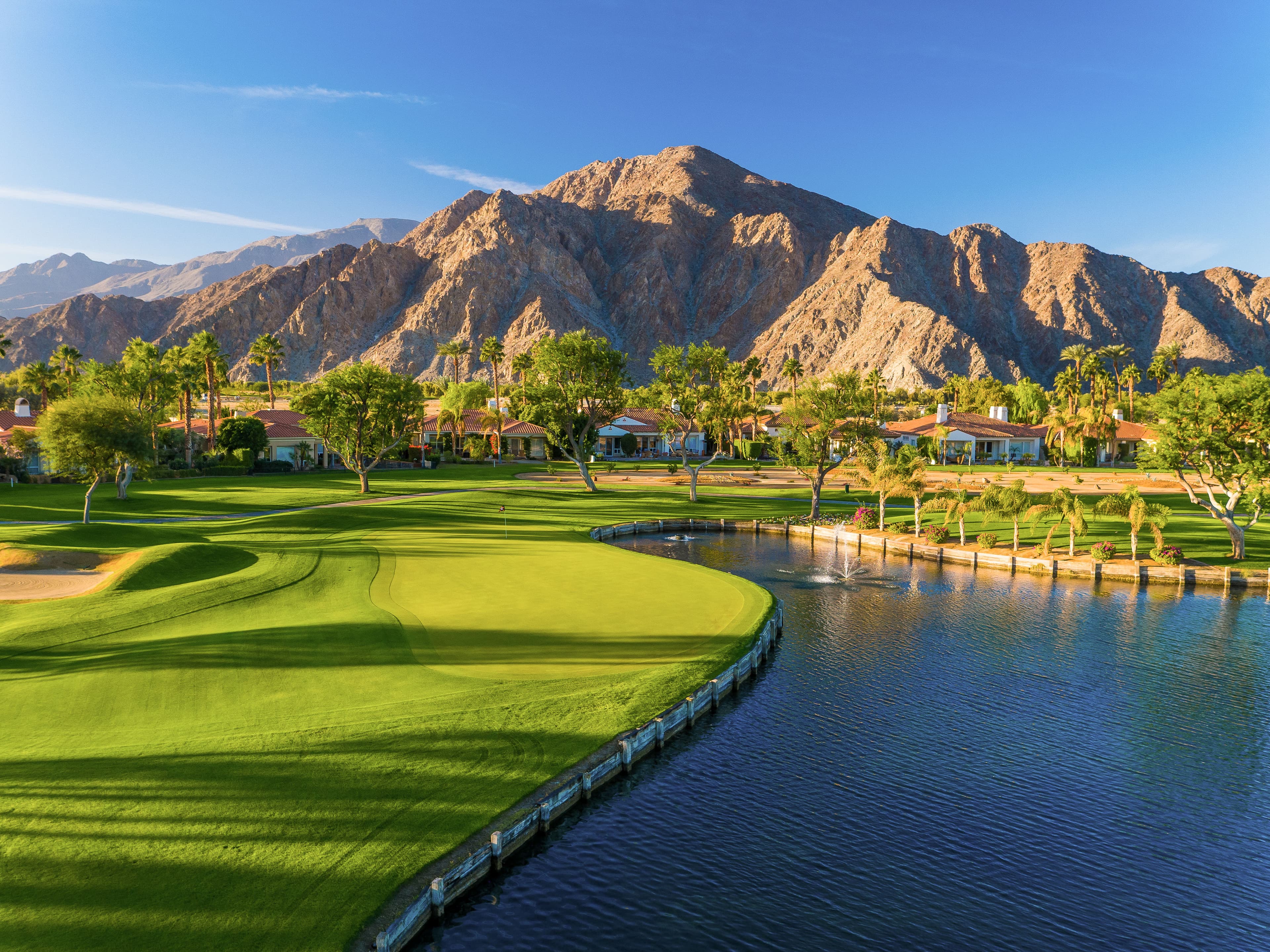
The Hawaii destination guide addresses the logistics of planning a golf trip across the islands, from inter-island flights to resort stay-and-play structures. This guide examines the courses themselves across Maui and the Big Island, the two islands that concentrate the strongest public-access golf in the state. Hawaii offers year-round play, volcanic terrain unlike anything on the mainland, and a collection of designs by architects who treated the landscape as a collaborator rather than an obstacle. Green fees are high by mainland standards, but the quality of the settings and the architectural pedigree justify the premium for golfers who value course character over volume of rounds.
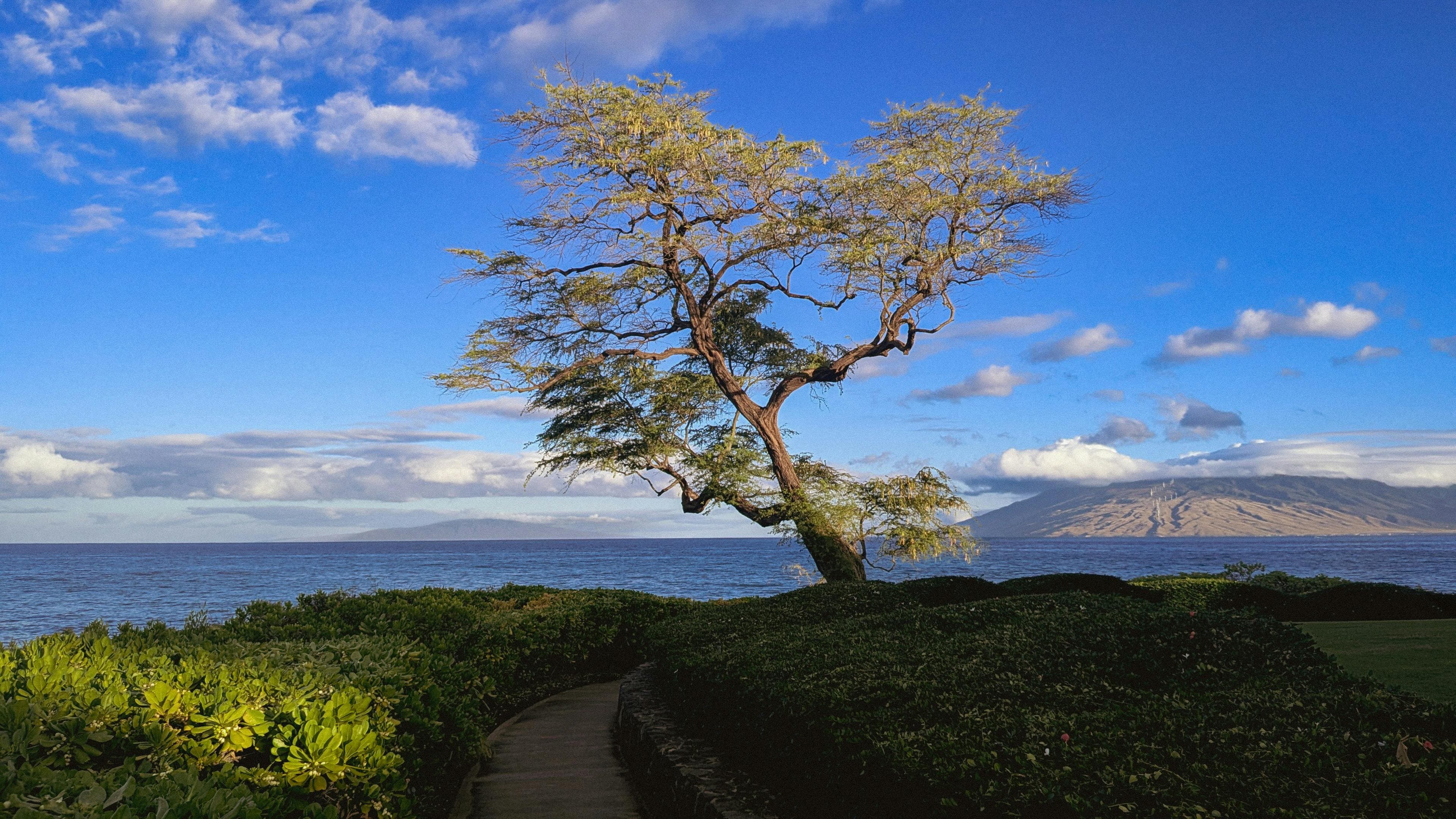
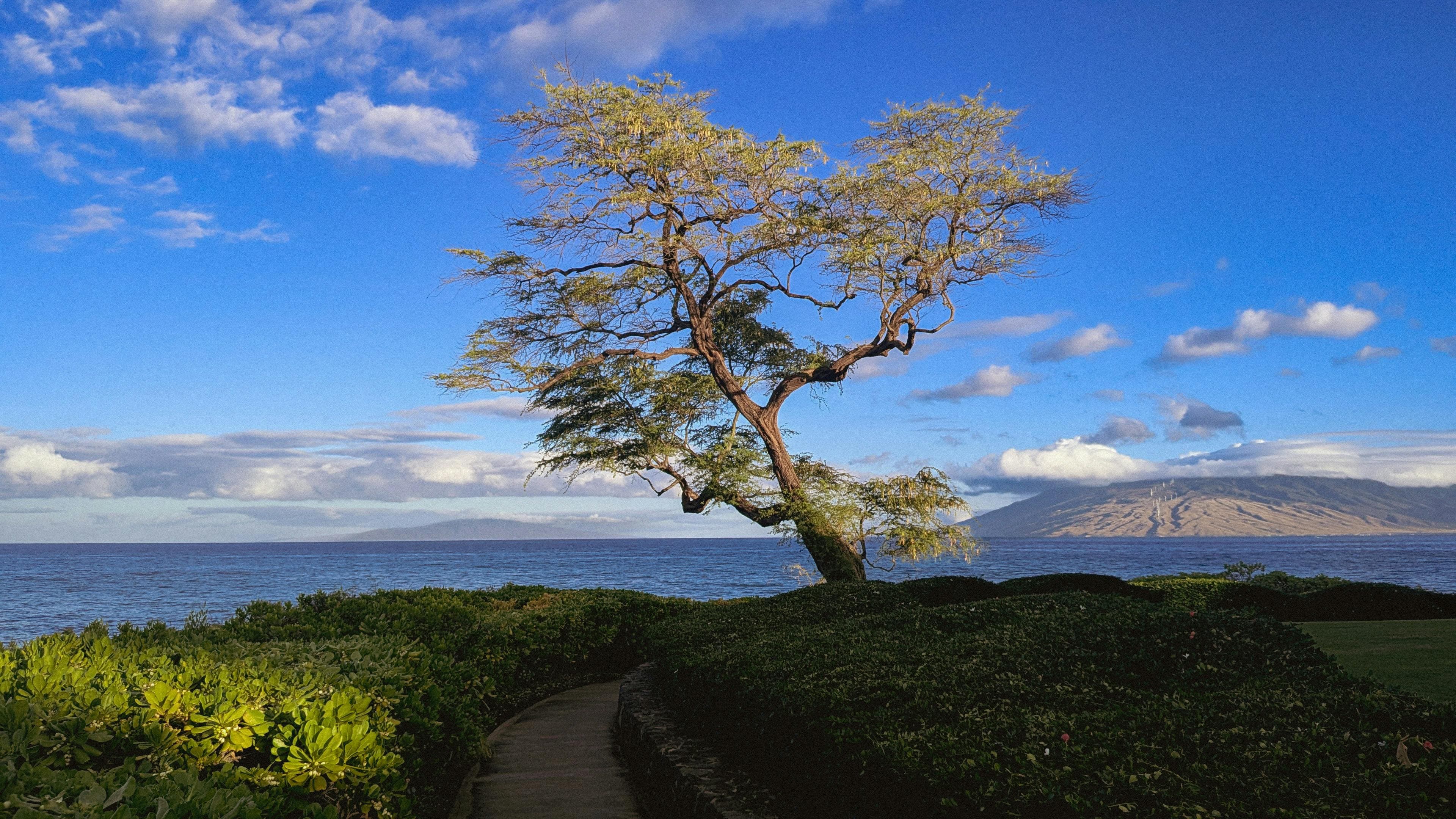
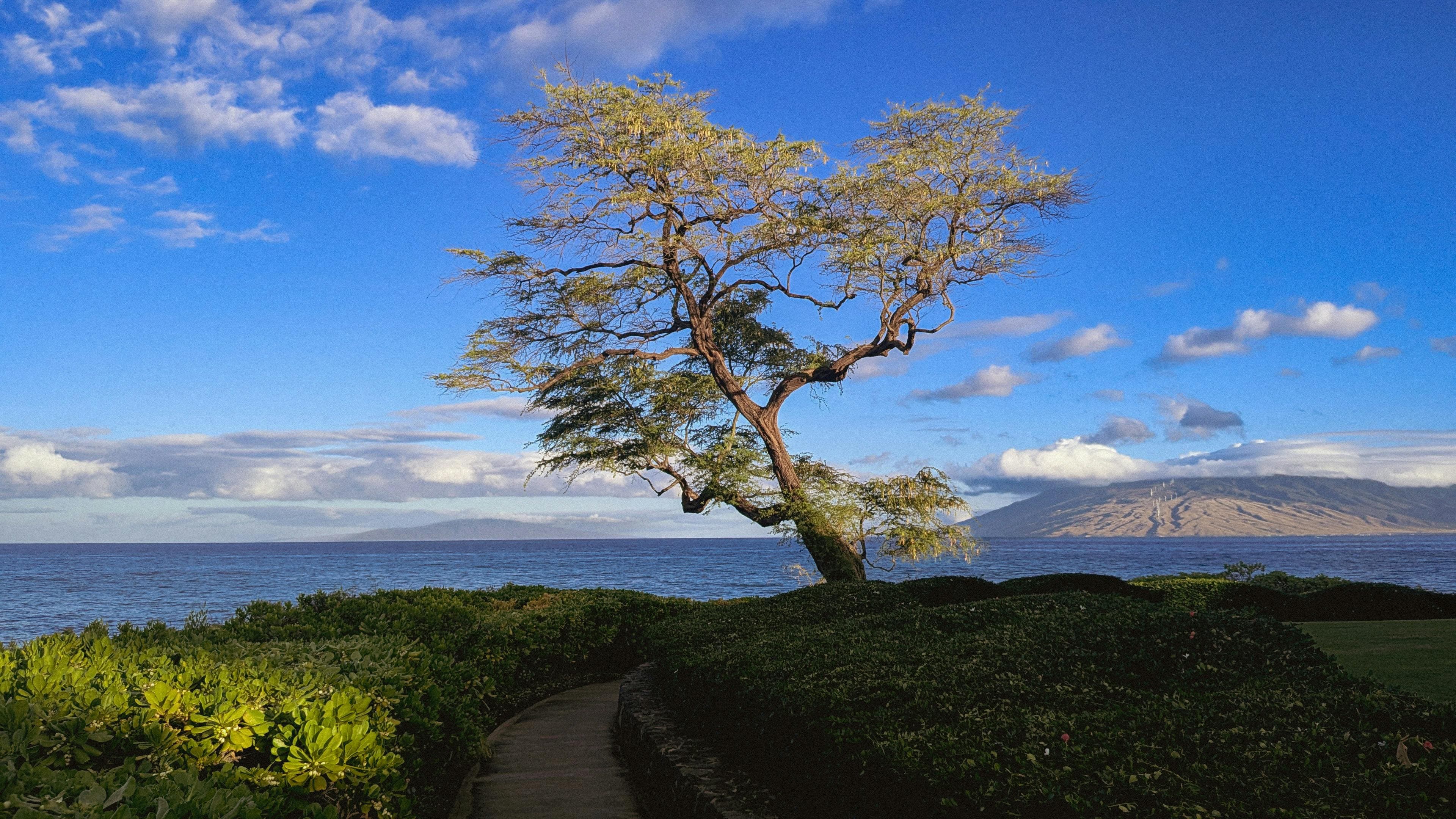
The two islands produce fundamentally different golf experiences. Maui's courses occupy the western slopes and coastal flats of West Maui, where lava rock has weathered into red soil and tropical vegetation. The Big Island's Kohala Coast courses sit on younger lava flows along a dry, arid shoreline that more closely resembles the surface of the moon than a tropical paradise. Understanding this distinction matters, because a golfer who books five rounds on one island will encounter more variety than one who plays the same course twice on each.
Where to stay in Hawaii (Maui / Big Island)
Planning the trip? Compare live prices across every nearby hotel and rental in one search.
Prices and availability from Booking.com, Expedia and others via Stay22. GolfTrailsHQ may earn a commission at no additional cost to you.
Maui
Kapalua Plantation Course
Bill Coore and Ben Crenshaw completed a comprehensive renovation in 2019, rebuilding every green, bunker, and tee box on the layout that Ben Crenshaw originally designed with the late Bill Coore in the early 1990s. The course hosts the PGA Tour's Sentry Tournament of Champions each January, and the renovation preserved the strategic bones of the original while improving turf conditions and green surfaces.
The Plantation Course is the most significant golf course in Hawaii by competitive pedigree and architectural ambition.
At par 73 and 7,596 yards from the tournament tees, the Plantation Course plays downhill, uphill, and across ravines on the northwest shoulder of the West Maui Mountains. The par-5 eighteenth, a 677-yard hole that tumbles downhill toward the Pacific, is among the most photographed finishing holes in professional golf. Wind is a persistent factor, particularly in the afternoon, and the wide fairways that appear generous from the tee become narrow when a 20-mph crosswind enters the calculation.
Green fees run $350 to $450 depending on season. Walking is permitted but uncommon given the elevation changes. The Plantation Course is the one layout on Maui that demands inclusion on any serious golf itinerary.
Kapalua Bay Course
The Bay Course is the Plantation's shorter, tighter complement. Arnold Palmer and Francis Duane designed the original layout, which opened in 1975 and has undergone periodic renovations since. At 6,600 yards, it lacks the scale of the Plantation, but the coastal holes along Oneloa Bay offer proximity to the ocean that the Plantation's ridgeline routing cannot match. Green fees are $100 to $150 lower than the Plantation, making the Bay Course a practical choice for golfers who want a Kapalua experience at a more moderate price point.
Wailea Golf Club: Gold, Emerald, and Blue
Wailea operates three courses on the sun-drenched south shore of Maui, and the distinction between them is sharper than most multi-course resort properties manage.
The Gold Course, designed by Robert Trent Jones Jr. and opened in 1994, is the most difficult of the three. At 7,078 yards with a slope of 139, it routes through native Hawaiian vegetation and lava rock outcroppings across terrain with significant elevation change. The course has hosted LPGA and Champions Tour events. Green fees run $250 to $350.
The Emerald Course, also a Jones Jr. design, opened the same year and plays as a more forgiving alternative. Wider fairways, fewer forced carries, and more accessible green complexes make it the better choice for mid-handicap golfers. Green fees are comparable to the Gold.
The Blue Course is the oldest of the three, opened in 1972, and charges the lowest green fees at $175 to $250. The Blue is the course that locals recommend most consistently for first-time visitors who want to enjoy the setting without an exhausting ball-striking test.
It occupies the most desirable ocean-view terrain of the three Wailea layouts, and its shorter yardage makes it the most walkable.
Big Island (Kohala Coast)
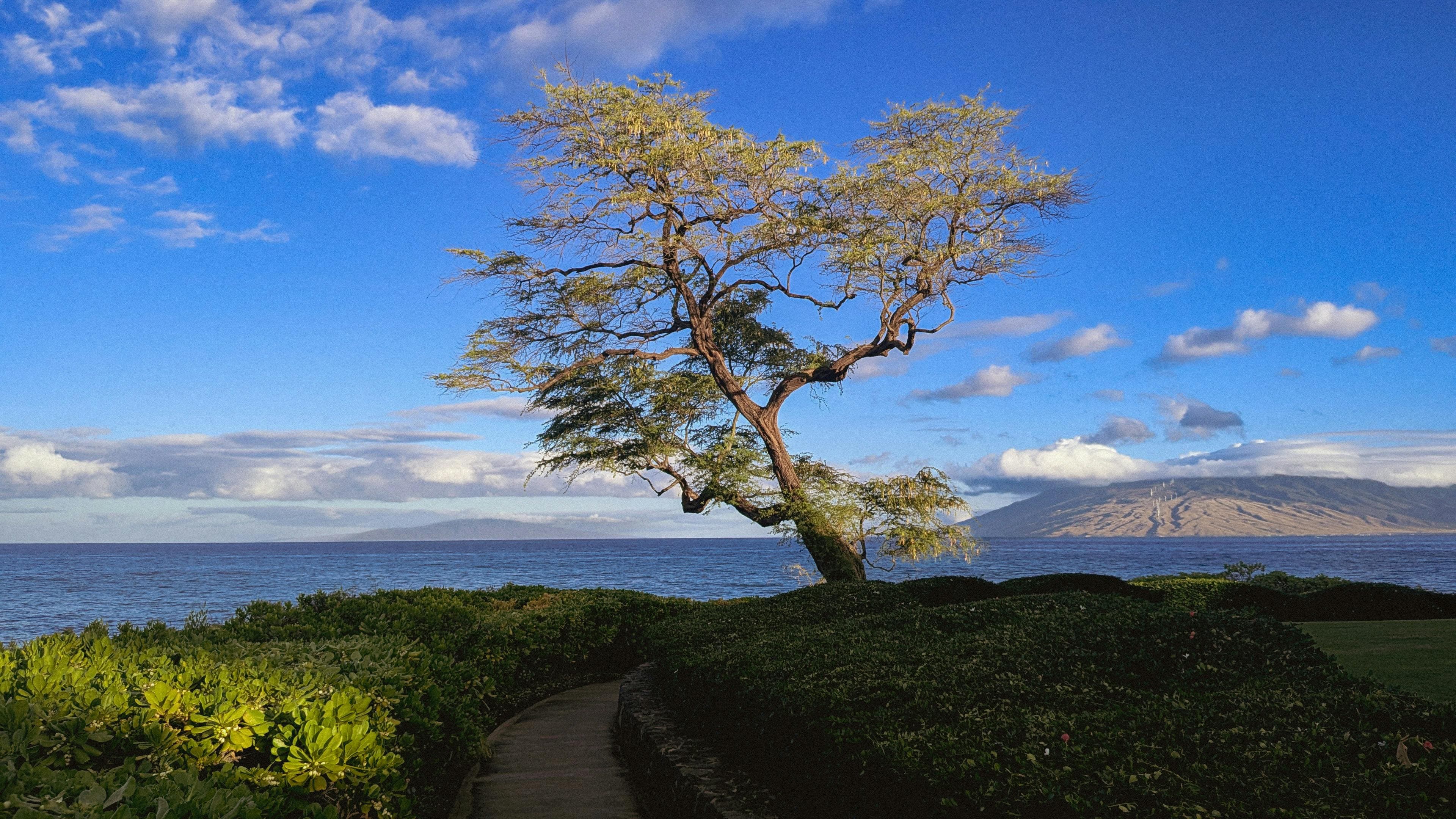
The Kohala Coast on the Big Island's western shore concentrates four resort courses along a fifteen-mile stretch of black lava coastline. The terrain is stark, dry, and dramatic. Courses are carved through a'a lava flows, with green fairways emerging from dark volcanic rock in a visual contrast that photographs cannot fully capture.
Mauna Kea Golf Course
Mauna Kea Golf Course
Robert Trent Jones Sr. designed Mauna Kea in 1964, and it remains one of his finest resort courses anywhere in the world. The third hole, a par 3 over a rocky ocean inlet, is the most famous individual hole in Hawaiian golf and a shot that has appeared in virtually every compilation of great par 3s ever assembled. Jones routed the course from the shoreline up the lower slopes of Mauna Kea volcano, producing views of Maui across the Alenuihaha Channel from several elevated tees.
Tip
Mauna Lani South Course
Homer Flint and Raymond Cain designed Mauna Lani's South Course, which routes through coastal lava fields and along ancient Hawaiian fishponds. The fifteenth hole, a par 3 played entirely over a lava-framed ocean cove, rivals Mauna Kea's third for visual impact. The course underwent a major renovation completed in 2020, with the firm of Nelson and Haworth rebuilding greens and bunkers while preserving the original routing's relationship to the archaeological sites and shoreline features.
At 6,938 yards and a slope of 133, the South Course is slightly more approachable than Mauna Kea, though the lava rock that borders every fairway creates an unforgiving penalty for errant shots. Green fees run $225 to $295. Public access is available, though Mauna Lani resort guests receive preferred tee times.
Hapuna Golf Course
Arnold Palmer and Ed Seay designed Hapuna, which opened in 1992 on the slopes above Hapuna Beach. The course sits at higher elevation than the coastal layouts, producing panoramic ocean views but also more wind exposure. At 6,875 yards, it is the most accessible of the Kohala Coast courses in terms of difficulty, with wider fairways and fewer forced carries over lava. Green fees of $100 to $175 represent the best value on the coast, and the course shares booking access with Mauna Kea through the resort system.
Hualalai Golf Course
Jack Nicklaus designed Hualalai in 1996, and it hosts the PGA Tour Champions' season opener each January. The course routes through a young lava flow on the grounds of the Four Seasons Resort, with meticulous conditioning and a routing that balances oceanside holes with inland stretches through kipuka vegetation. Access is restricted to Four Seasons guests and members of the Hualalai Club, making it the most exclusive tee time on the Big Island. Green fees for resort guests run $325 to $400. The course merits mention because its Nicklaus design and championship pedigree place it among Hawaii's finest layouts, but planning around the access restriction is essential.
Planning a Multi-Island Trip
A serious Hawaiian golf itinerary benefits from splitting time between the two islands. Three nights on Maui centered on Kapalua, followed by three nights on the Kohala Coast, produces access to six or seven distinct courses across two fundamentally different volcanic landscapes. Inter-island flights between Kahului (Maui) and Kona (Big Island) run 35 minutes and are frequent throughout the day. The Hawaii complete golf guide covers flight logistics, seasonal pricing, and suggested itinerary structures in detail.
The verdict