Kapalua Plantation Course: Course Review and Playing Guide
Par: 73 | Yardage: 7,596 (tips) | Designer: Ben Crenshaw & Bill Coore (rebuilt 2019; original Coore & Crenshaw 1991) | Type: Resort (public access) | Green Fee: $250–$400 | Walking: Cart included (walking available on request)
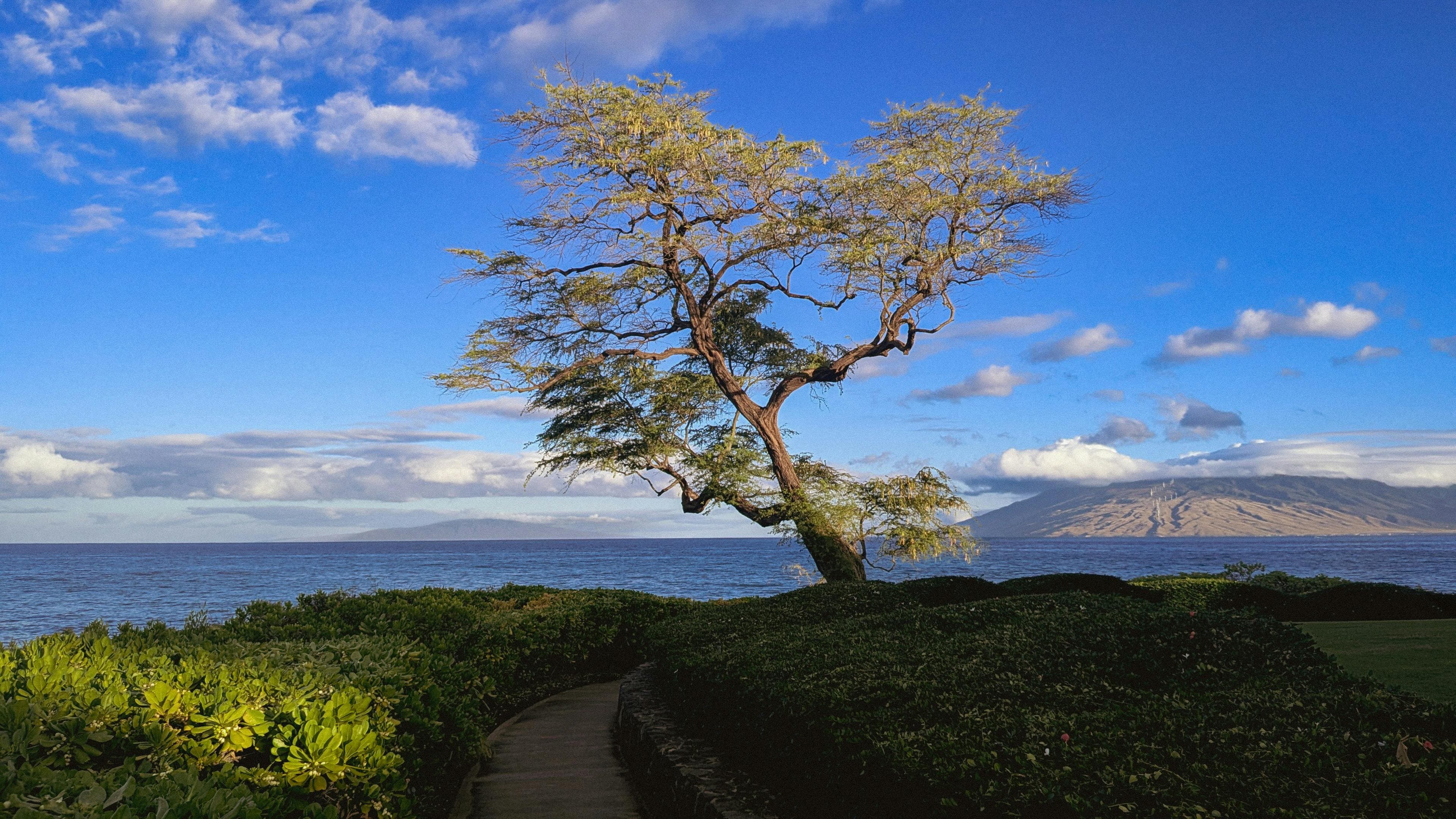
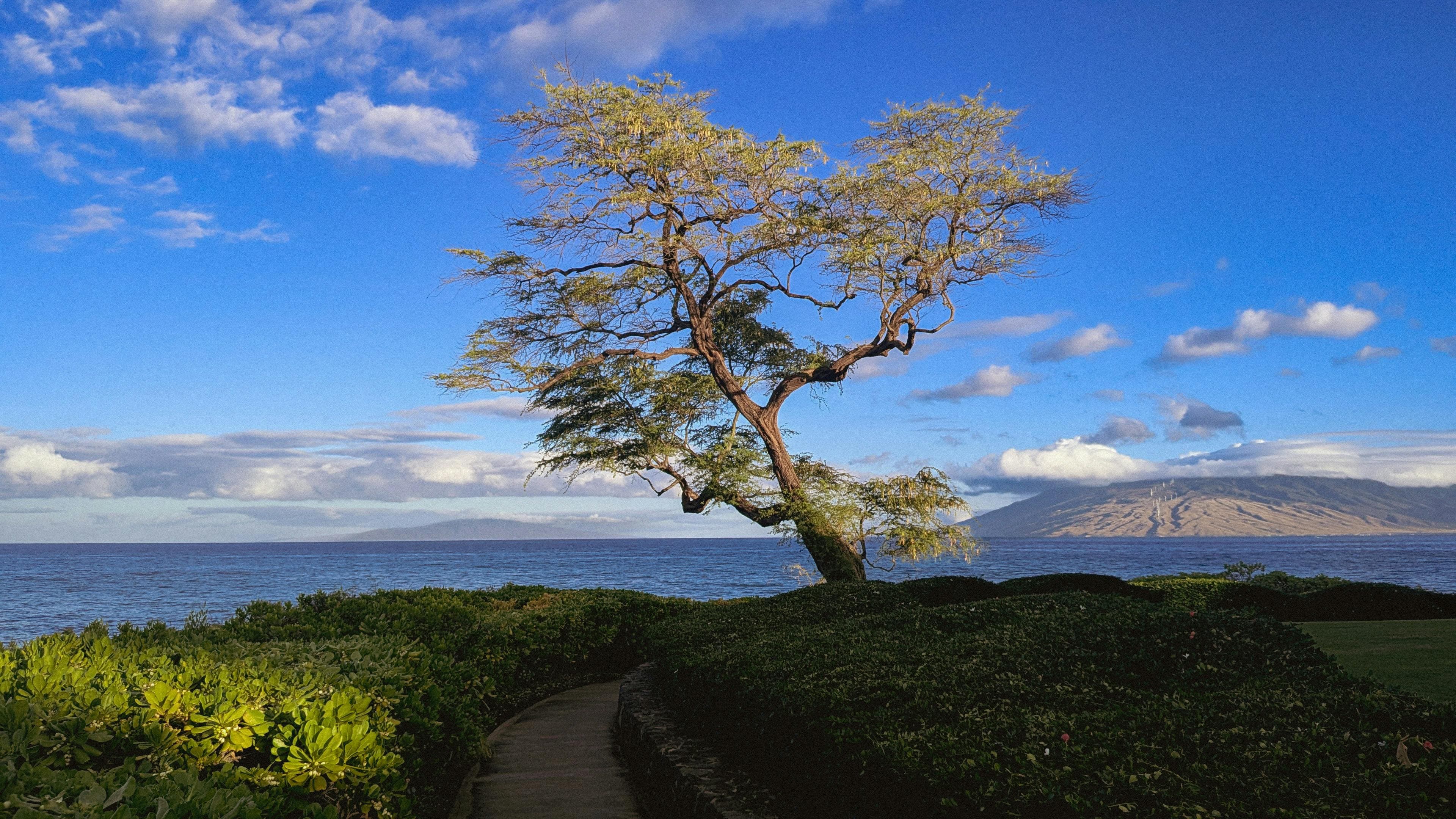
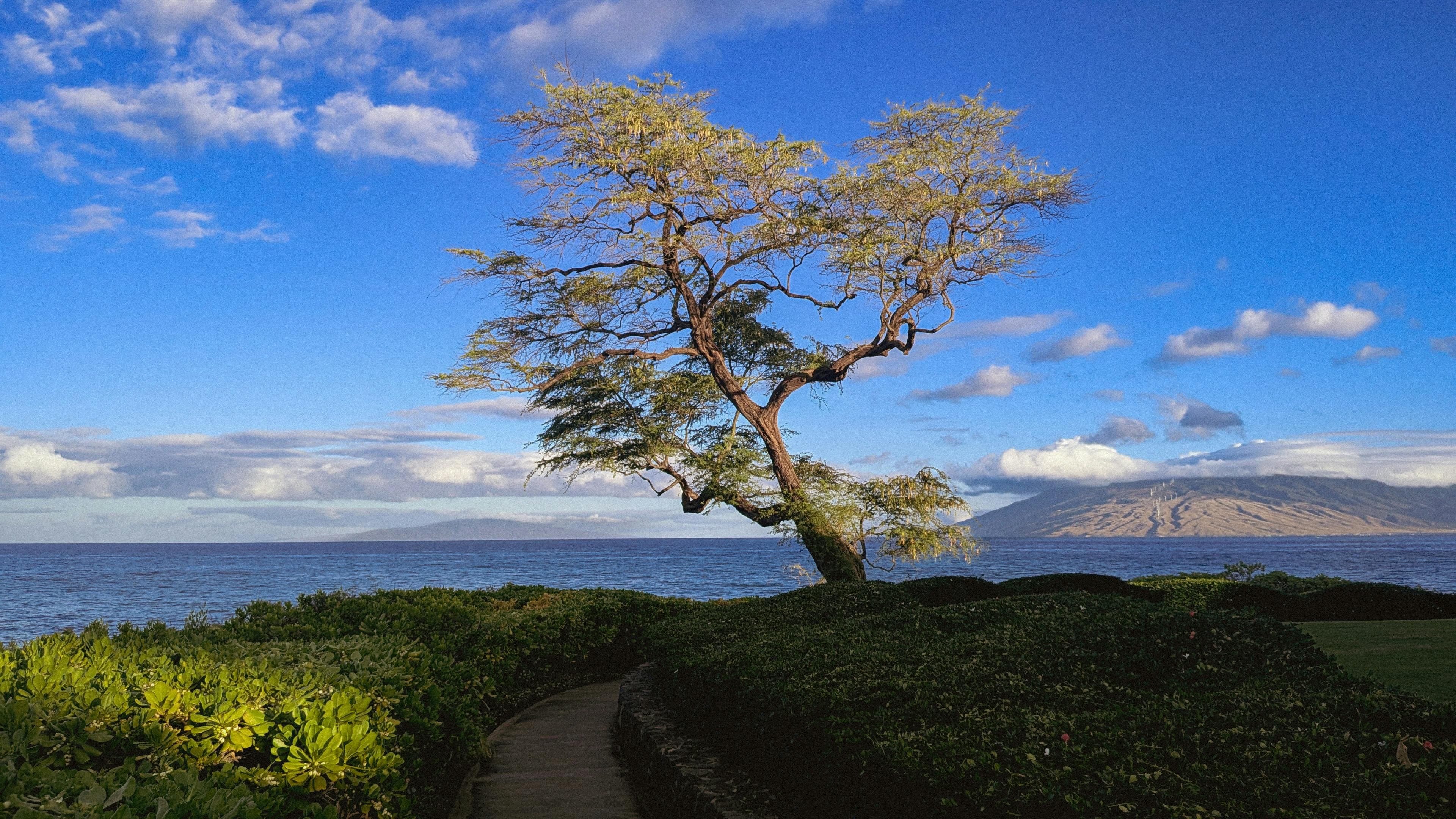
The Plantation Course at Kapalua sits on the northwest shoulder of Maui, occupying sloped terrain that descends from the base of the West Maui Mountains toward the Pacific Ocean. The original design, completed by Bill Coore and Ben Crenshaw in 1991, established the routing that takes advantage of the property's dramatic elevation changes and persistent trade winds. In 2019, Coore and Crenshaw returned to rebuild the course comprehensively, regrassing the playing surfaces, redesigning several greens, and refining the strategic content that had eroded over nearly three decades of tropical weather and turf management challenges. The rebuilt course reopened in time for the January 2020 Sentry Tournament of Champions, the PGA Tour's annual winners-only event, and the improvements were immediately apparent in both the quality of the playing surfaces and the strategic decisions the new green complexes demanded.
Where to stay in Hawaii (Maui / Big Island)
Planning the trip? Compare live prices across every nearby hotel and rental in one search.
Prices and availability from Booking.com, Expedia and others via Stay22. GolfTrailsHQ may earn a commission at no additional cost to you.
The Design Story
The original Plantation Course was among the early projects that established Coore and Crenshaw's reputation for working with natural terrain rather than reshaping it. The Kapalua site presented slopes of a magnitude rarely encountered in golf design. Several holes drop or climb more than 100 feet from tee to green, and the routing navigates these elevation changes without the use of excessive fill or retaining walls. The 2019 rebuild preserved this fundamental character while addressing the practical problems that had accumulated. The original greens, built with a Bermuda turf that proved difficult to maintain at tour-event speeds, were replaced with Platinum Paspalum. New bunker placements reflected the distances that modern equipment produces. Several green complexes were redesigned to restore strategic interest that had been simplified by years of agronomic compromise.
Coore and Crenshaw have described the rebuild as completing the design they originally intended. The site's volcanic soil and steep terrain had presented construction challenges in 1991 that the technology of that era could not fully resolve. The 2019 project benefited from improved grassing options and earthmoving precision, and the result is a course that plays as its architects envisioned rather than as a compromise between ambition and feasibility.
How the Course Plays
The 1st hole drops roughly 200 feet from tee to green, establishing immediately that the Plantation Course is not a conventional resort layout. The tee shot launches toward the ocean, and the ball hangs in the trade wind long enough for the downhill slope and the breeze to produce a combined carry that substantially exceeds the player's normal distance. This is exhilarating on the opening drive and becomes a persistent strategic factor through the round. Every shot must account for the combined effects of wind and elevation, and the adjustments are rarely simple addition or subtraction.
The par-73 routing includes five par 5s and three par 3s, a configuration that gives the course an unusual rhythm. The par 5s range from genuinely reachable in two (the downhill, downwind 5th) to three-shot holes where the length is compounded by wind and slope (the 9th). The par 3s test different dimensions of ball-striking. The 11th plays at over 200 yards into the prevailing trade wind with the ocean as backdrop, demanding a shot shape that most golfers do not carry in their standard repertoire.
The 18th is the hole that television viewers know. A par 5 that climbs from a tee set on a lower shelf to a green positioned on the highest point of the routing, it plays directly into the trade wind and demands three strong shots to reach the putting surface. The green is expansive and contoured, and the final putt often determines whether the round ends with satisfaction or frustration. For PGA Tour purposes, it is among the more dramatic finishing holes on the schedule.
The trade winds are not a secondary consideration at Kapalua. They are the course's primary defense. Calm days occur but are the exception, and the course plays meaningfully different when the wind is at 5 miles per hour versus 25. Club selection can vary by three or more clubs on exposed holes depending on wind speed and direction. Golfers accustomed to target golf in still conditions will find the Plantation Course requires a recalibration of their entire approach.
What the Green Fee Purchases
Tip
The tournament association is a legitimate part of the value proposition. The Sentry Tournament of Champions brings only the previous season's winners to Kapalua, creating a field of approximately 35 to 40 players competing over four rounds without a cut. The intimacy of the event and the quality of the field make it one of the more pleasant tournaments on the PGA Tour calendar. Walking the holes where Dustin Johnson, Jon Rahm, and Chris Kirk have competed in January lends context to the green fee.
The Hawaii complete golf guide covers the full range of golf options across the islands. Kapalua's second course, the Bay Course, provides a contrasting and less strenuous complement to the Plantation round. For visitors staying on Maui's west side, the combination of both Kapalua courses constitutes a complete golf itinerary.
Practical Considerations
Kapalua is located at the far northwest tip of Maui, approximately 40 minutes from Kahului Airport, which receives direct flights from several West Coast and inter-island hubs. The drive follows the coastal road through Lahaina, and the scenery en route serves as an effective transition from airport logistics to resort pace.
The golf season is year-round, with trade winds most consistent from April through September. January through March is peak season for both tourism and golf pricing.
Winter months bring occasional rain and higher green fees but also the most temperate weather for players arriving from cold mainland climates.
Sunscreen, hydration, and a willingness to adjust club selection by feel rather than formula are practical requirements. The trade winds, the elevation changes, and the volcanic soil that produces firm, fast conditions combine to create a round unlike anything available on the mainland.
The Plantation Course at Kapalua is the most distinctive resort golf experience in Hawaii, and the 2019 rebuild ensures that the design matches the setting.
The verdict