Kapalua Plantation: Why This Course Belongs on Your Bucket List
Par: 73 | Yardage: 7,596 (tips) | Designer: Coore & Crenshaw (2024 rebuild; original Ben Crenshaw & Bill Coore, 1991) | Type: Resort | Green Fees: $350–$450 (seasonal) | Walking: Permitted with restrictions
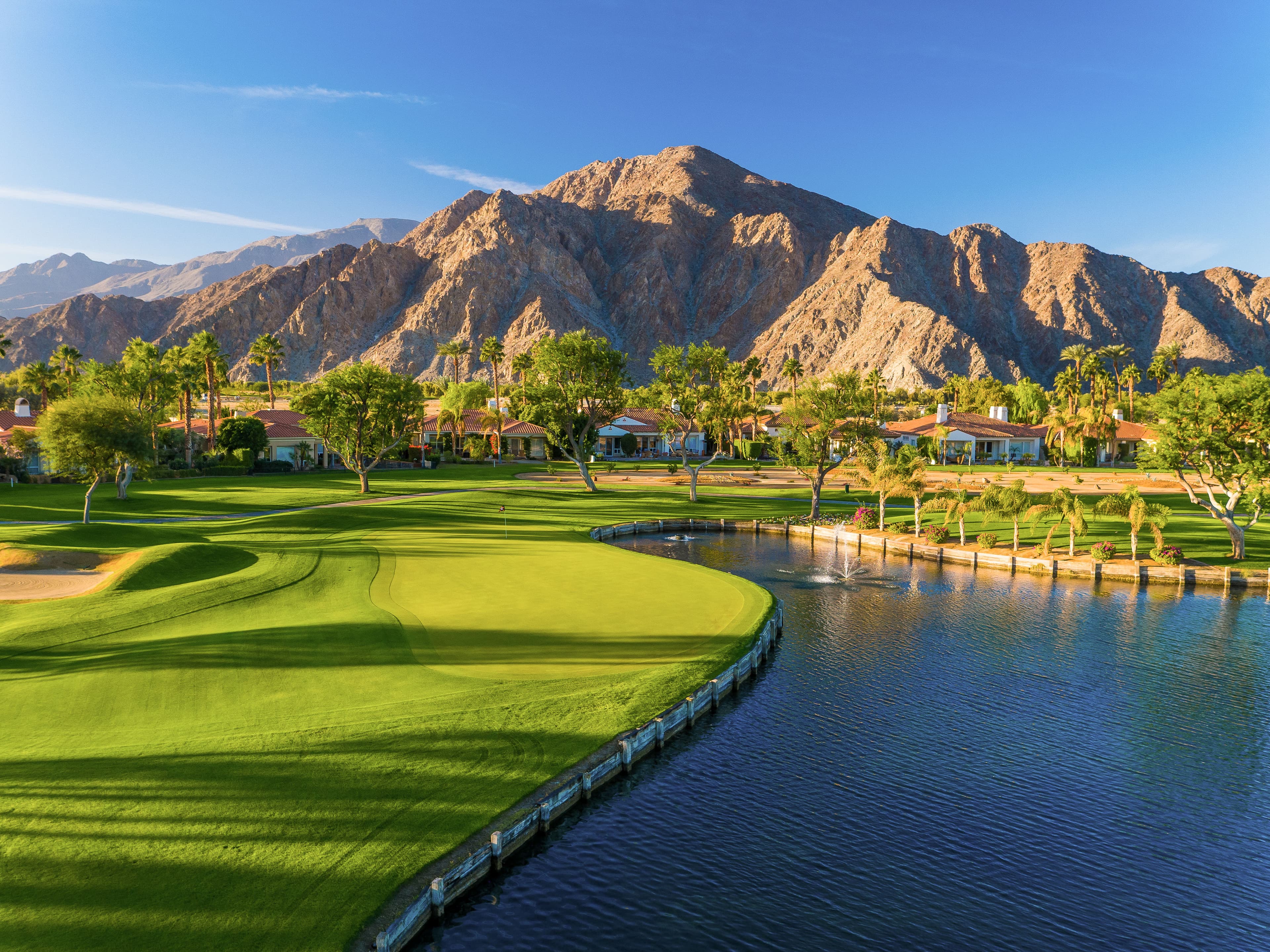
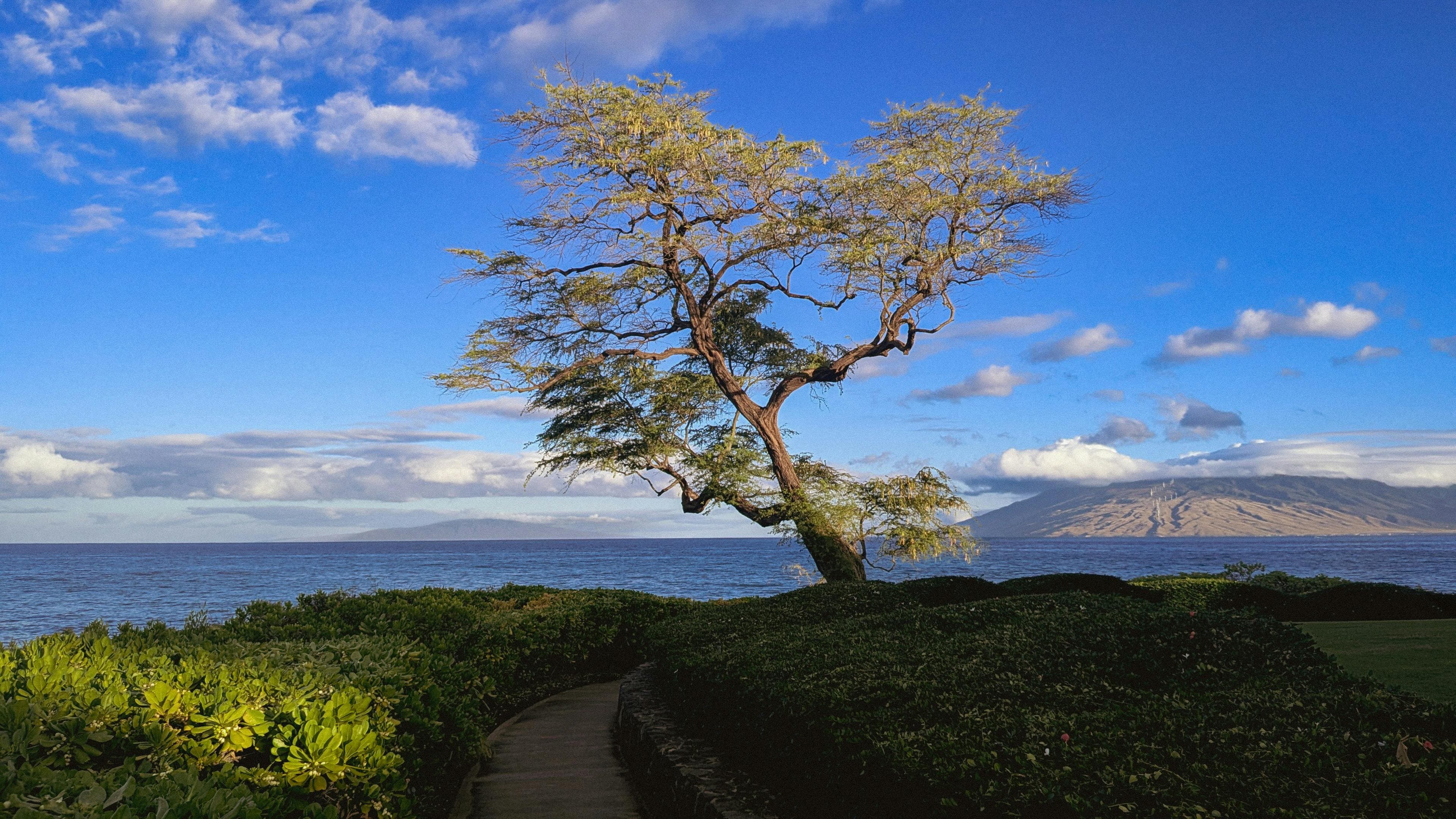
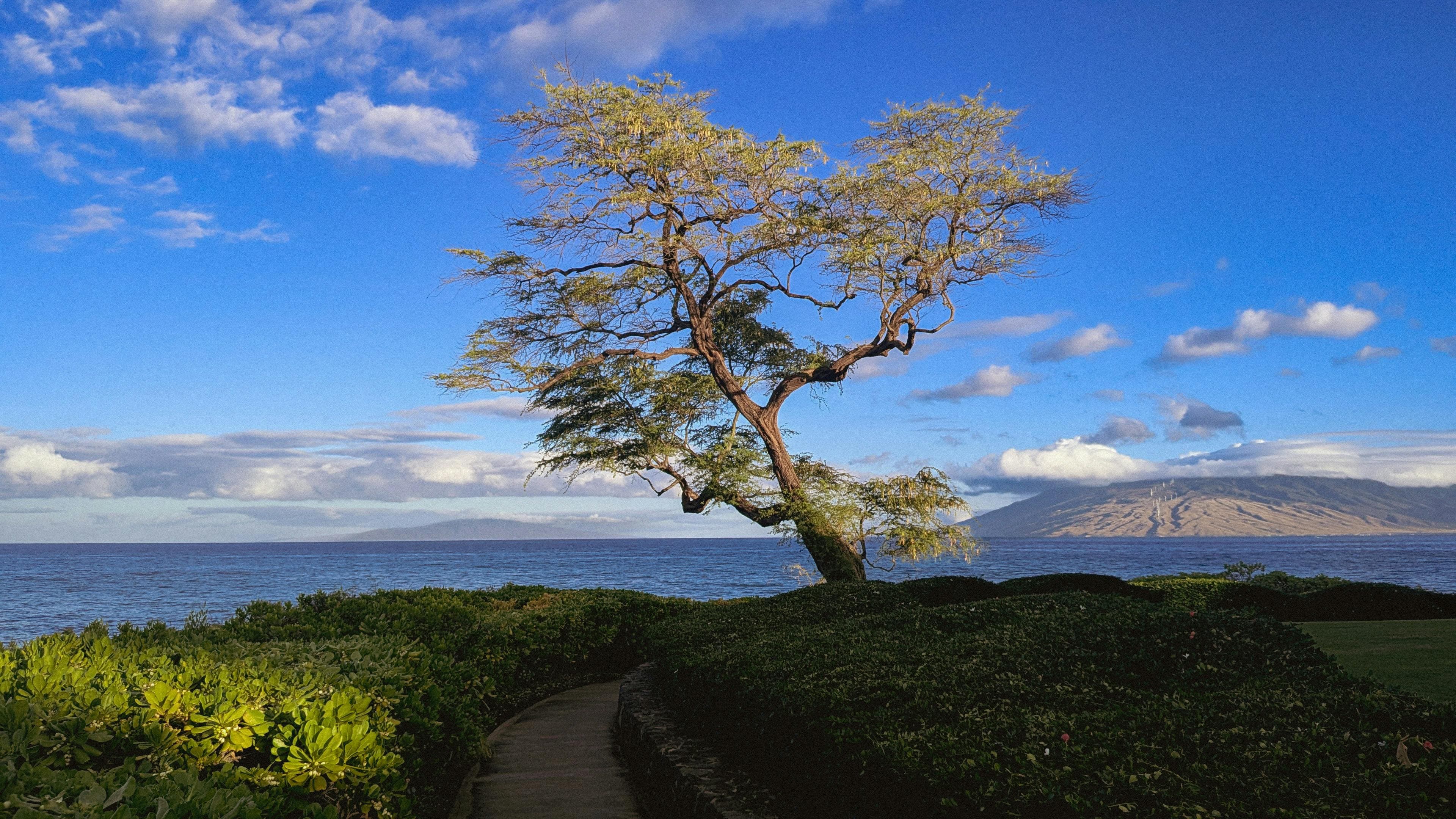
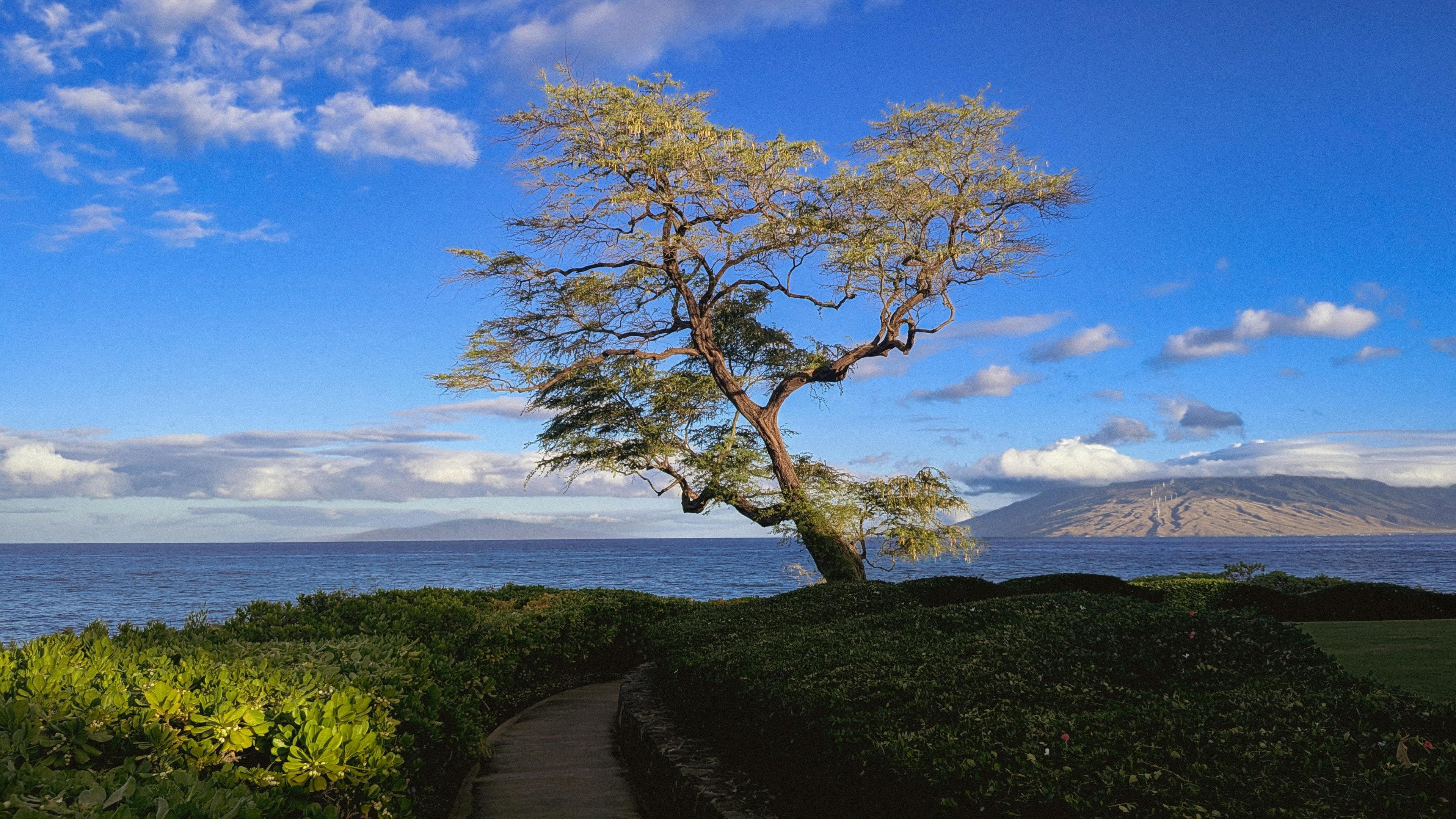
Each January, the PGA Tour season opens at the Sentry Tournament of Champions on Maui's northwest coast. The broadcast images are familiar: impossibly green fairways cascading down volcanic slopes, the Pacific Ocean filling the background, and the West Maui Mountains rising behind the tee boxes. What television cannot fully convey is the scale. The Plantation Course at Kapalua occupies terrain so large and so steeply contoured that it operates on a different spatial register than virtually any other course in tournament golf.
Where to stay in Hawaii (Maui / Big Island)
Planning the trip? Compare live prices across every nearby hotel and rental in one search.
Prices and availability from Booking.com, Expedia and others via Stay22. GolfTrailsHQ may earn a commission at no additional cost to you.
The Design Evolution
The original Plantation Course opened in 1991, designed by Bill Coore and Ben Crenshaw early in their partnership, before they had built the reputation that would later make them the most sought-after design team in golf. The site was extraordinary from the start: a former pineapple plantation on the slopes of the West Maui Mountains, with natural elevation changes exceeding 300 feet across the property and panoramic ocean views from nearly every hole.
In 2024, Coore and Crenshaw returned to rebuild the course comprehensively, applying three decades of accumulated design wisdom to terrain they had first encountered as relative unknowns. The renovation replaced every green, rebuilt bunkers, refined fairway contours, and adjusted several routings to better utilize the topography. The result is a course that retains the original's dramatic character while reflecting the matured architectural sensibilities of its designers.
What Makes It Exceptional
The Plantation Course plays downhill, uphill, and sidehill in sequences that would be disorienting on a lesser property. Coore and Crenshaw turned the extreme elevation into the course's primary strategic element. Tee shots on downhill par 4s must account for the additional roll that gravity provides, often turning a mid-iron approach into a wedge for players who find the right line.
Approach shots from downhill lies to elevated greens demand a precision of distance control that flat-ground golf never requires.
The wind is the second dominant factor. Trade winds sweep across the exposed volcanic slopes with a consistency and force that transforms club selection on nearly every shot. A 7-iron hole in calm conditions becomes a knockdown 5-iron when the trades are running, and reading the wind's effect on elevation-assisted shots adds a layer of calculation that rewards experience and feel over raw mechanics.
A par 5 that plays dramatically downhill toward the ocean, it has been the stage for some of the most memorable moments in Tournament of Champions history. The hole captures the course's essential character: immense scale, significant strategic options, and a setting that makes even routine shots feel consequential.
The 18th hole has become one of the most recognized finishers in golf.
The green complexes, rebuilt during the 2024 renovation, represent Coore and Crenshaw's evolved thinking about putting surfaces. They are larger and more internally contoured than the originals, with slopes that work in concert with the surrounding terrain rather than against it. Pin positions vary dramatically in difficulty, and the greens reward players who study the contours before committing to an approach line.
The Setting
Kapalua occupies a stretch of Maui's northwest coast that has resisted the high-density development visible elsewhere on the island. The resort community is low-profile, built around two bays and flanked by preserved conservation land. The Plantation Course sits above it all, its highest points offering views that extend across the Pailolo Channel to Molokai on clear days.
The climate is warmer and drier than Maui's eastern coast, with afternoon trade winds providing natural cooling. Mornings tend to be calm and warm, which makes early tee times a different experience than afternoon rounds. Serious players will want to experience both conditions at least once.
Why It Earns Its Place
Kapalua Plantation belongs on a bucket list because it offers something that cannot be replicated anywhere else in American golf: a legitimate PGA Tour venue on terrain that is geologically unique, in a setting that is visually staggering, designed by architects who returned to their early work and made it better. The course is not merely scenic. It demands a specific type of adaptable, wind-aware golf that most mainland courses never require.
The broader Maui trip adds dimension. The island's culinary scene, its coastline, and the sheer distance from the mainland create a golf experience that carries an almost foreign quality while remaining fully domestic in terms of logistics. But the Plantation Course is the anchor. It is the round that justifies the flight and the one that lingers longest in memory.
The verdict