Robert Trent Jones Sr: The Architect Who Built American Golf
Robert Trent Jones Sr. designed or redesigned more than 500 golf courses across 45 states and 35 countries over a career that spanned six decades. No single architect has had a greater influence on the physical landscape of American golf. When you play a course with large, elevated greens defended by deep bunkers and flanked by water hazards, you are playing a descendant of Jones's design language, regardless of who designed the specific course.
Jones came to prominence in the 1950s and dominated American course design through the 1970s, a period during which golf course construction boomed and Jones was the most sought-after name in the profession. His approach was defined by what he called "hard par, easy bogey": courses where par was a genuine achievement but where the average golfer could find a path to bogey without losing golf balls. This philosophy, which sounds obvious now, was revolutionary when Jones articulated it. It meant wider fairways than his predecessors had built, but more severe hazards around the greens. It meant risk-reward decisions on every hole. It meant courses that could host championships and remain enjoyable for daily-fee play.
Where to stay in Robert Trent Jones Golf Trail, Alabama
Planning the trip? Compare live prices across every nearby hotel and rental in one search.
Prices and availability from Booking.com, Expedia and others via Stay22. GolfTrailsHQ may earn a commission at no additional cost to you.
Spyglass Hill
Spyglass Hill on the Monterey Peninsula is among Jones's finest designs and one of the toughest public courses in California. The opening five holes play through sand dunes along the coast, with views of the Pacific and terrain that recalls Scottish links golf. The course then turns inland through dense Monterey pine forest, and the character shifts entirely: tight, tree-lined corridors replace the open coastal landscape, and the premium shifts from wind management to accuracy.
Mauna Kea Golf Course
SentryWorld
The contrast between the two halves is the course's defining feature. Few courses in America offer such a dramatic change in character within a single round. The greens throughout are large and heavily contoured, with slopes that create distinct quadrants for pin positions. A ball on the wrong side of a Spyglass Hill green can leave a putt that is essentially a new hole.
Spyglass is part of the Pebble Beach resort collection, and green fees are accordingly substantial. For golfers visiting the Monterey Peninsula, it provides a test of precision and strategic thinking that is quite different from the scenic drama of Pebble Beach itself.
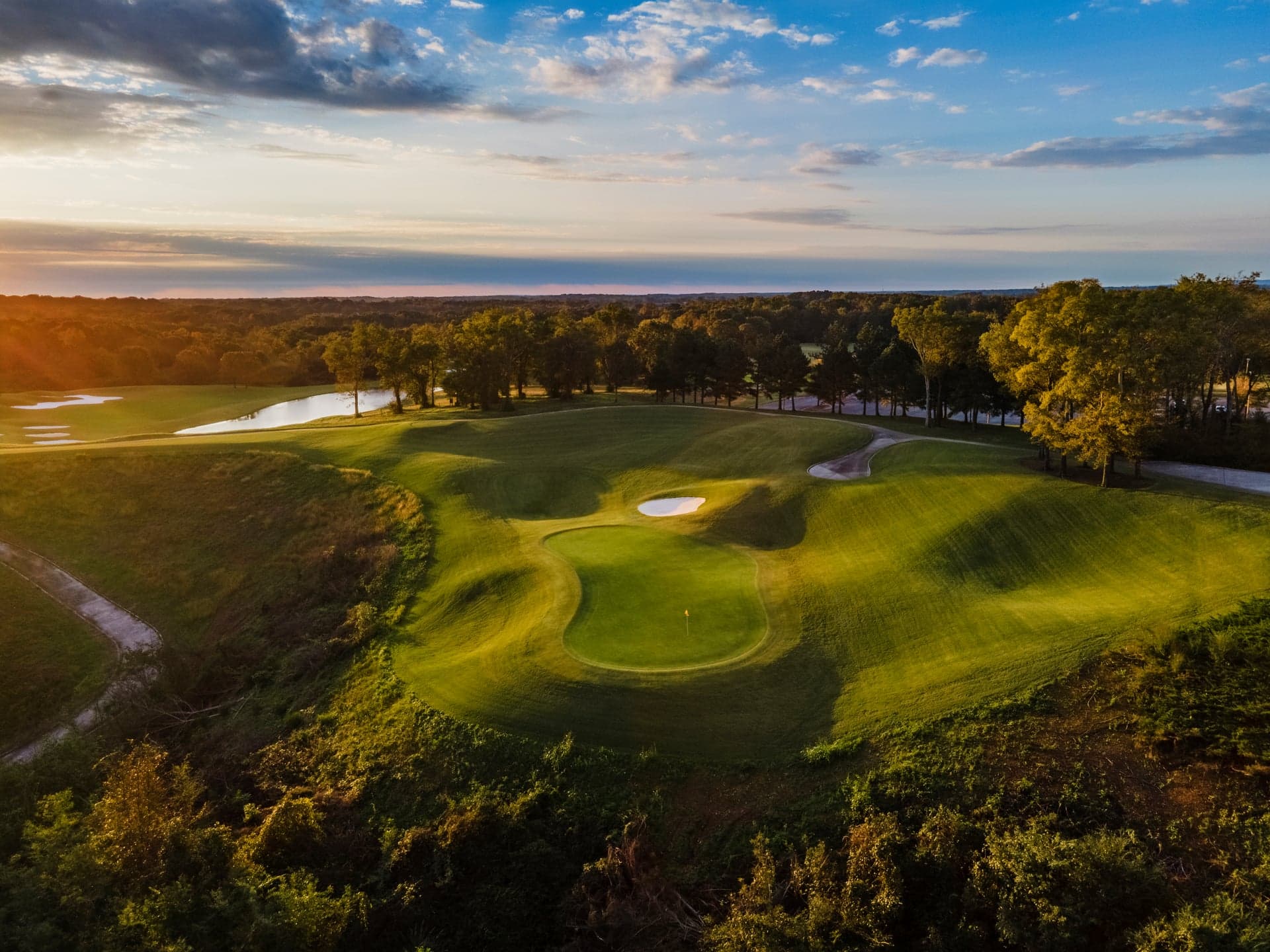
The Robert Trent Jones Golf Trail
Conceived in the early 1990s by David Bronner, the head of the Retirement Systems of Alabama, the Trail comprises 26 courses across 11 sites stretching from the Tennessee border to the Gulf Coast. Jones designed them all, and the Trail was intended from the start as an economic development project: affordable, high-quality golf that would attract visitors to a state not previously known as a golf destination.
The RTJ Golf Trail in Alabama is Jones's most ambitious project and one of the most unusual public golf offerings in America.
The courses vary in character because the Alabama landscape varies dramatically. Ross Bridge in Birmingham plays through rolling terrain with a 259-yard par 3 that is among the longest in public golf. Shoals' Fighting Joe in the Tennessee Valley plays along the Tennessee River with the elevation changes and wooded terrain of the northern part of the state. Capitol Hill's Judge Course in Prattville, outside Montgomery, features the kind of large-scale bunkering and water hazards that define Jones's most dramatic work.
The value proposition on the RTJ Trail is remarkable. Green fees across the Trail are a fraction of what comparable quality commands in better-known golf destinations, and the condition of the courses has remained consistently strong since the Trail's expansion in the 2000s.
Mauna Kea and the Resort Blueprint
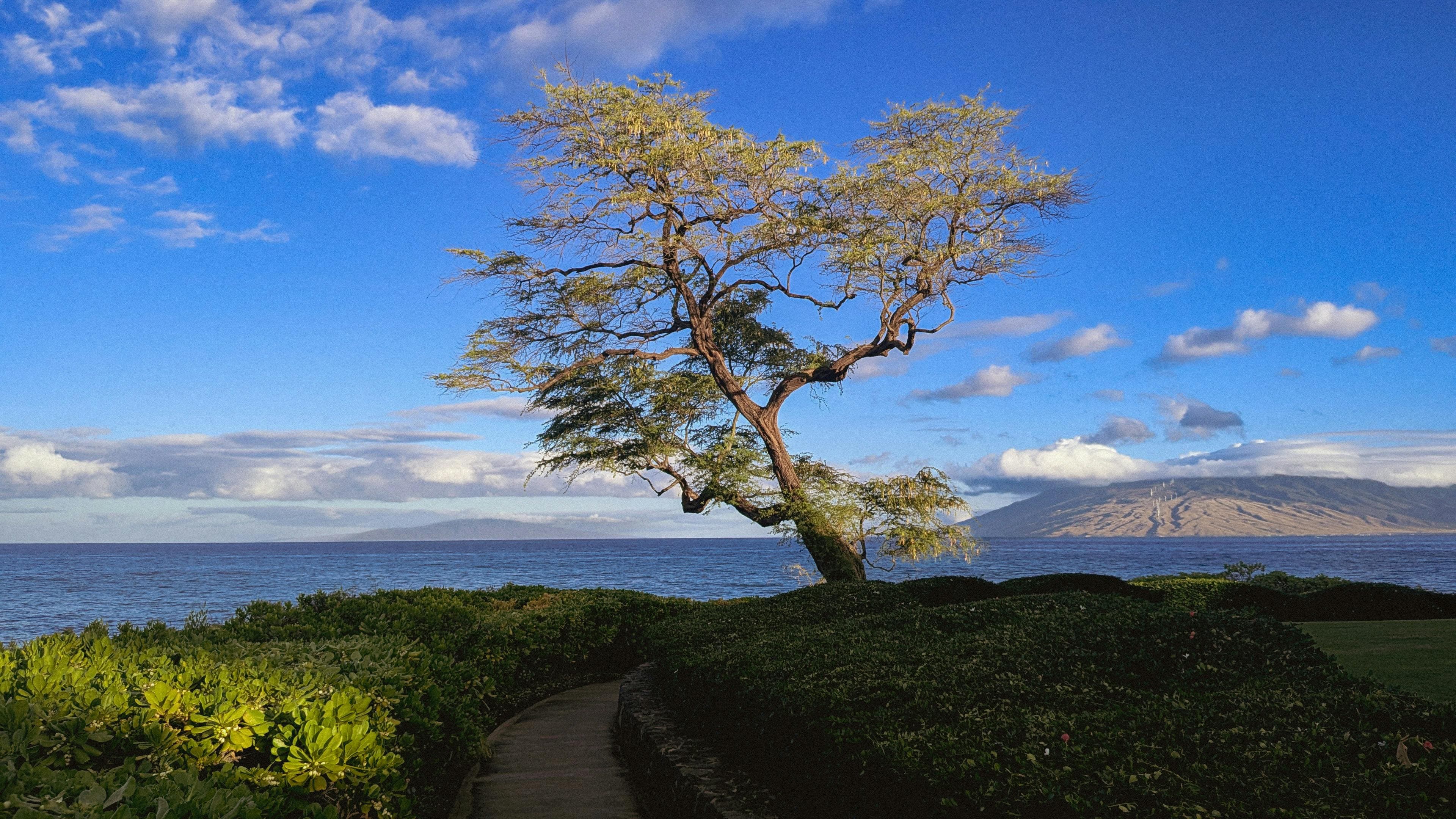
Mauna Kea Golf Course on Hawaii's Big Island, completed in 1964, established the template for the luxury resort golf course. Jones routed the course over volcanic terrain along the Kohala Coast, incorporating ocean views, lava rock, and the dramatic topography of the Big Island into a design that was as much about landscape as strategy.
The par-3 3rd, which plays over a cove in the Pacific, is one of the most photographed holes in golf and set the standard for the "signature hole" as a marketing tool for resort development.
Mauna Kea demonstrated that a golf course could be the primary amenity that justified a resort's construction, not an afterthought added to an existing property. That model has been replicated hundreds of times since, and Jones's design for the course, with its integration of natural features and its playability for resort guests of varying abilities, remains the blueprint.
The Jones Influence on Modern Design
Jones's impact extends beyond his own courses. His son Robert Trent Jones Jr. has designed more than 200 courses worldwide, including SentryWorld in Wisconsin and the Wailea courses in Maui. His other son, Rees Jones, has built a career renovating and preparing courses for major championships. The design DNA of the elder Jones is visible in both portfolios: the emphasis on strategic bunkering, the use of water as both hazard and visual element, the belief that par should be earned rather than given.
Jones's influence also shaped the architects who reacted against him. The minimalist movement led by Coore and Crenshaw, Doak, and others is in many ways a direct response to the heavy earthmoving and dramatic hazard construction that Jones pioneered. The debate between Jones's interventionist approach and the minimalist philosophy that followed defines the central tension in modern golf architecture.
Where to Play Jones Today
Beyond Spyglass Hill and the RTJ Trail, Jones's accessible portfolio includes notable courses across the country. Palmetto Dunes RTJ Course on Hilton Head Island is a strong resort design along the Lowcountry coast. Horseshoe Bay's Ram Rock in the Texas Hill Country is a demanding layout with the elevation changes and granite terrain of the Hill Country providing a setting unlike any other Jones design. Golden Horseshoe's Gold Course in Williamsburg, Virginia, is a shorter but strategically rich design set within the Colonial Williamsburg historic area. Boyne Highlands' Heather Course in Northern Michigan and Treetops' Masterpiece in the same region offer Jones designs in the beautiful terrain of the northern Lower Peninsula.
Jones died in 2000 at the age of 93, having worked on golf courses for seven decades. His legacy is not a single course or even a collection of courses but a design philosophy that defined an era and shaped the profession. When modern architects move earth to create drama, when they use water to frame a green, when they build courses where the path to par requires strategic thinking and the path to bogey requires only reasonable competence, they are working within the framework Jones established. He did not invent American golf course architecture, but he standardized its language and raised its ambitions. The courses remain. The influence endures.