RTJ Trail, Alabama: Best Time to Visit
The Robert Trent Jones Golf Trail is not a single destination but a network of eleven sites spread across Alabama, from the Tennessee border to the Gulf Coast. That geographic breadth creates a practical reality that single-location destinations do not share: conditions vary not only by season but by which stop along the Trail a golfer is visiting. The northern sites around Huntsville experience cooler winters and later springs than the southern sites near Mobile. Despite these regional differences, the Trail operates year-round at all locations, and the pricing structure, which remains among the most aggressive values in American golf, shifts only modestly with the seasons. For a full overview of courses, logistics, and the best ways to structure a multi-stop itinerary, the RTJ Trail destination guide covers the broader picture.
Where to stay in Robert Trent Jones Golf Trail, Alabama
Planning the trip? Compare live prices across every nearby hotel and rental in one search.
Prices and availability from Booking.com, Expedia and others via Stay22. GolfTrailsHQ may earn a commission at no additional cost to you.
Spring: March Through May
Spring is the Trail's peak season, and the quality justifies the designation. Daytime highs range from the mid-60s in early March to the low 80s by late May, with the progression moving faster at the southern sites. Humidity builds through the season but stays manageable through April. The Bermudagrass and zoysiagrass fairways green up earliest in the Mobile area, typically by early March, while the northern sites around Huntsville and the Shoals may not reach full color until early April.
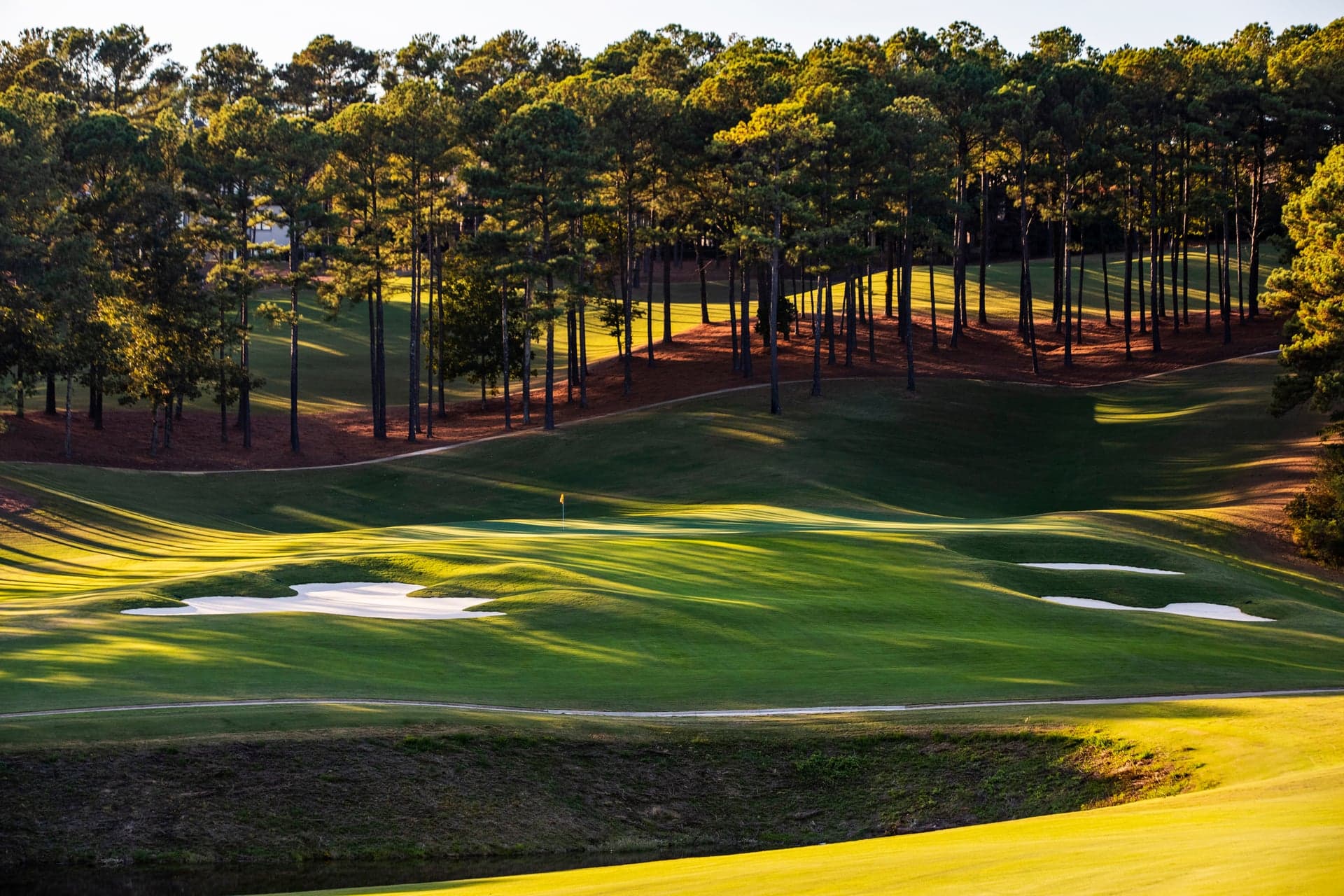
Ross Bridge
Course conditions across the Trail are at their annual best from mid-April through mid-May. The turf is dense, greens are firm, and the dramatic landforms that Robert Trent Jones Sr. incorporated into his designs are framed by the lush vegetation of a Southern spring. Courses like the Judge at Capitol Hill in Prattville and Oxmoor Valley's Ridge Course in Birmingham show their full strategic character when the turf is running fast.
Pricing reaches its peak during spring, though "peak" on the RTJ Trail remains modest by national standards. Tee time availability tightens on spring weekends but remains manageable with one to two weeks of advance planning.
Green fees at the most expensive courses rarely exceed $80, and many Trail stops offer rates in the $50 to $70 range even during prime months.
Summer: June Through August
Alabama summer is unambiguous. Daytime highs across the state settle into the low to mid-90s, with humidity levels that push the heat index above 100 consistently from late June through August. Afternoon thunderstorms are a daily possibility at every Trail stop, and they can be intense enough to suspend play for an hour or more.
The Trail's value proposition, already strong, improves further in summer. Green fees drop to their lowest point of the year at most sites, and multi-round packages become available at rates that border on unreasonable by any national comparison. Tee time availability is essentially unrestricted. The courses are maintained at the same standard regardless of season, and Bermudagrass thrives in heat, so turf quality is unaffected by the temperatures that test the golfer.
Early morning starts are mandatory for comfort. First tee times of 7:00 a.m. allow completion by noon, and many groups play a morning round, retreat to air conditioning through the hottest hours, and return for a second round in the late afternoon when shadows lengthen and temperatures ease slightly. The Trail's pricing makes this two-round-a-day approach economically feasible in a way it would not be at higher-priced destinations.
Fall: October Through November
Fall is the Trail's second prime window, and many experienced Trail golfers prefer it to spring. October brings daytime highs in the upper 70s to low 80s in central Alabama, dropping to the 70s by November. The humidity that defines summer breaks cleanly in early October, replaced by dry air that makes 80 degrees feel entirely different from the same reading in July.
Course conditions are strong. The turf retains its summer density into October, and the reduced heat stress results in firm, consistent playing surfaces across the Trail. The hardwood forests of northern Alabama begin turning in mid-October, adding a visual element to the Ross Bridge and Oxmoor Valley courses that spring does not provide.
The southern sites do not experience dramatic fall color but benefit from the comfortable temperatures and reduced crowds.
Pricing reverts to spring levels or slightly below. November offers a further discount as temperatures cool into the 60s and early morning frost becomes possible at the northern stops. The Trail is quieter in fall, and pace of play improves accordingly.
Winter: December Through February
The Trail remains open year-round, and winter golf in Alabama is viable at all eleven sites, though conditions vary by latitude. Southern stops near Mobile and the Gulf Coast enjoy daytime highs in the upper 50s to low 60s, with frost rare enough to be a minor inconvenience. Central Alabama sites around Montgomery and Birmingham see highs in the low to mid-50s, with morning frost delays common in January. Northern sites near Huntsville average highs in the upper 40s to low 50s, and occasional winter weather events can close courses for a day or two.
Tip
For golfers traveling from northern states, a winter RTJ Trail trip represents a significant improvement in playing conditions compared to staying home, particularly at the southern stops. A Mobile-to-Montgomery route in January offers playable weather more days than not.
The Verdict
The RTJ Trail is at its best from mid-April through mid-May and from early October through early November. Spring offers peak turf conditions and building warmth. Fall delivers similar quality with lower humidity and a more relaxed atmosphere. Summer is the value play for heat-tolerant golfers, and the Trail's pricing makes it one of the few destinations where summer rates approach the cost of driving range sessions elsewhere.
The verdict