PGA Frisco: Insider Tips for First-Time Visitors
The PGA Frisco campus does a good job of presenting itself as a straightforward golf resort. Two championship courses, a short course, a luxury hotel, and a sprawling entertainment district. Check in, tee off, eat dinner, repeat. In practice, a few decisions made before arrival and a handful of tactical adjustments on the ground separate a solid trip from an excellent one. These are the things first-time visitors tend to learn the hard way.
Where to stay in PGA Frisco
Planning the trip? Compare live prices across every nearby hotel and rental in one search.
Prices and availability from Booking.com, Expedia and others via Stay22. GolfTrailsHQ may earn a commission at no additional cost to you.
Play Fields Ranch East First
If the schedule allows two rounds on campus, play Fields Ranch East before Fields Ranch West. Gil Hanse's design is the headliner, the course that will host the 2027 PGA Championship, and it benefits from fresh legs and full attention. The caddie will contextualize the layout, point out the practice areas, and offer restaurant recommendations that are more current than anything published online. West, designed by Beau Welling, is a tighter and more directional test that plays well as a second-day round once the legs have adjusted to walking and the North Texas wind has become a known variable rather than an abstract concern.
The wide fairways and complex green sites reward a patient first encounter, and the walking-only format with mandatory caddies means the round functions as an orientation to the campus itself.
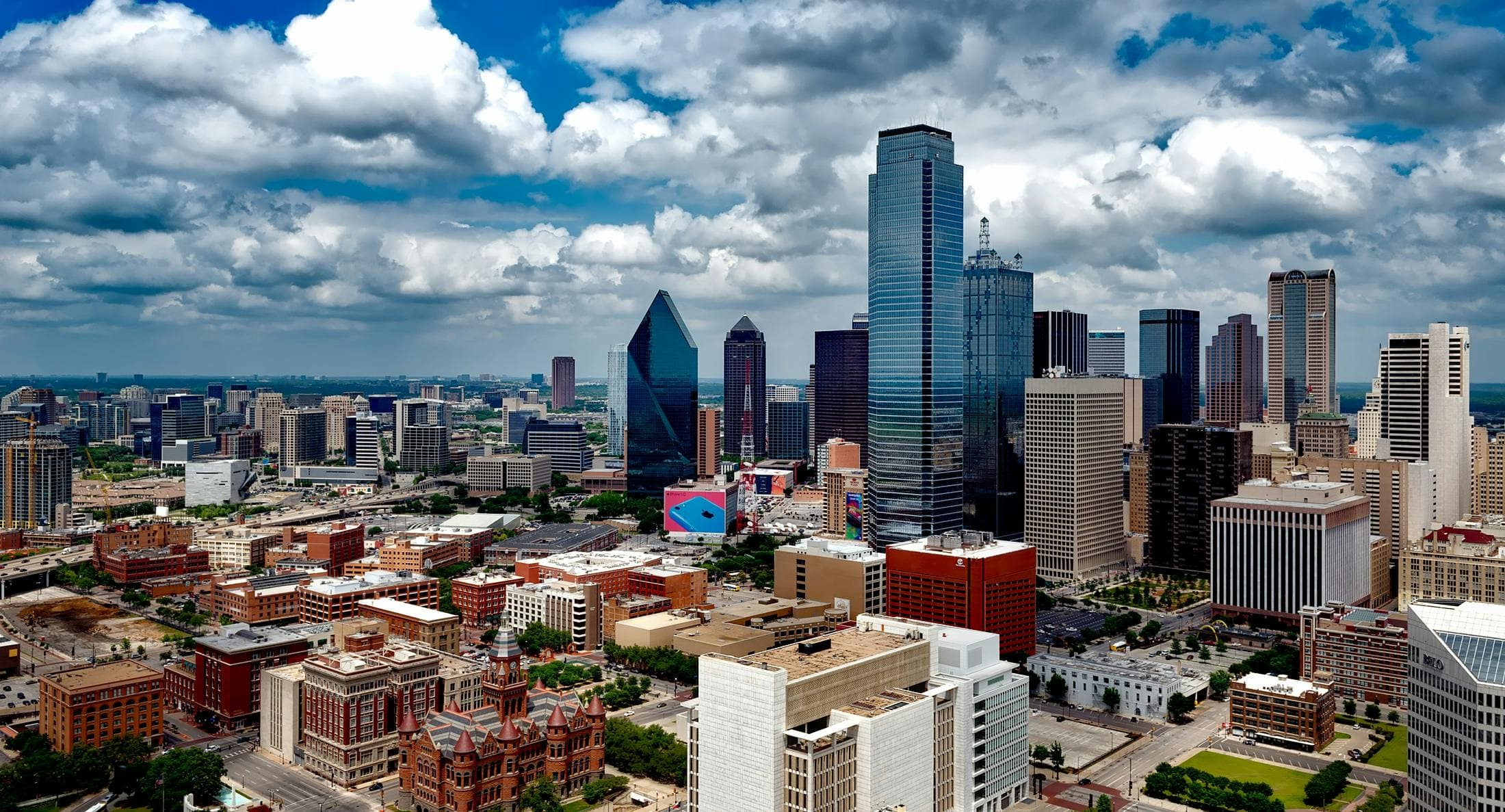
Old American Golf Club
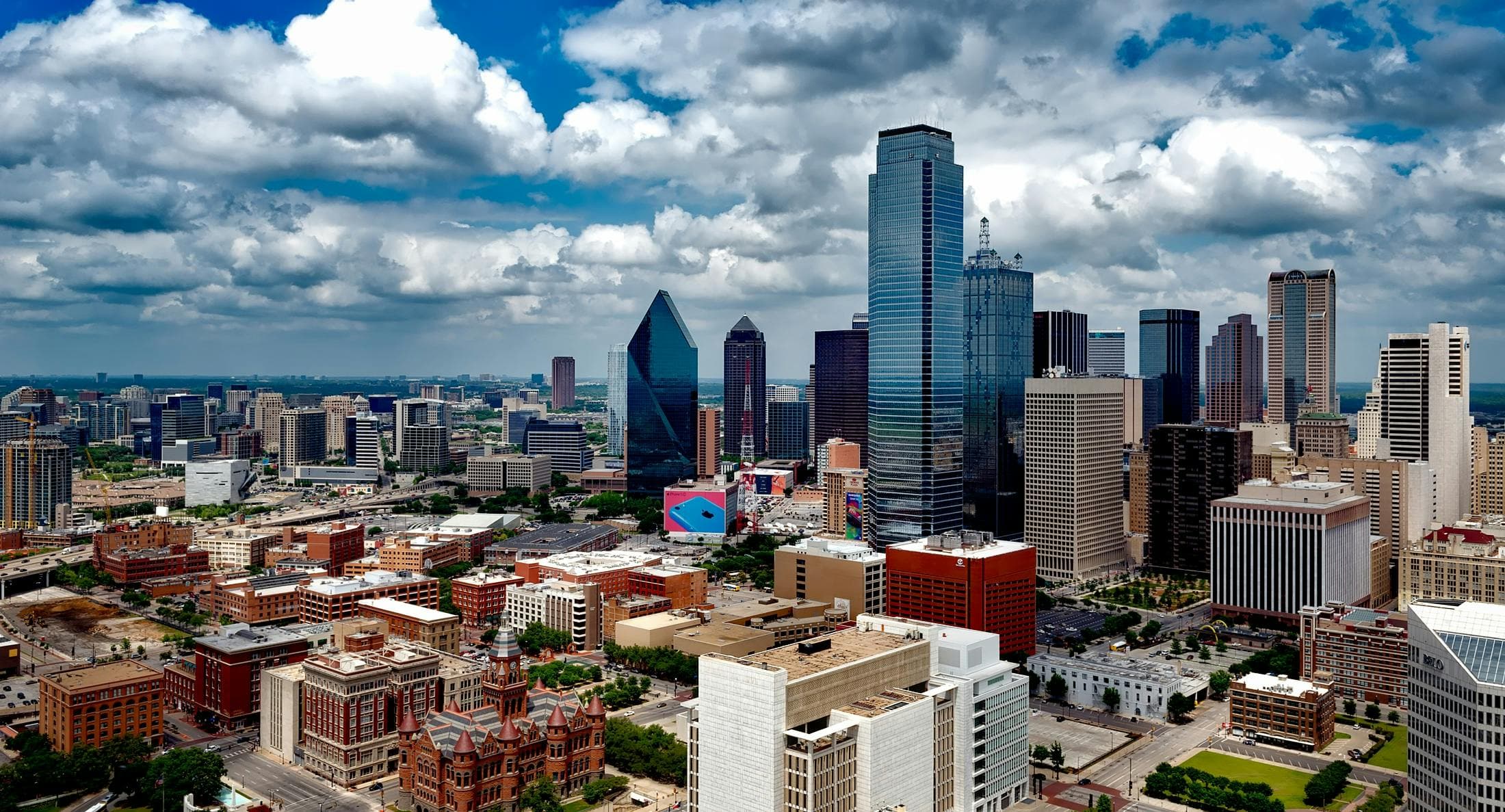
Cowboys Golf Club
Respect the Wind
The PGA Frisco campus sits on open prairie terrain in Collin County, and there is nothing between Frisco and Oklahoma to slow the wind down. Prevailing southerly breezes in spring and fall can reach 15 to 25 mph by early afternoon, and the effect on flat, firm ground is more pronounced than many visitors expect. Club selection can shift by two or three clubs on exposed holes. Check the hourly wind forecast the morning of each round and adjust expectations accordingly. A calm morning tee time and a breezy afternoon tee time on the same course can feel like two entirely different experiences.
Low-trajectory shots and bump-and-run approaches become genuine scoring tools rather than stylistic preferences.
The Swing Is Not a Novelty
The ten-hole short course deserves more than a passing glance. Designed by Hanse and Welling, The Swing plays between 60 and 130 yards per hole and features green complexes that mirror the contour and challenge found on the championship layouts. It is lighted for evening play, which makes it a natural bookend to a full day on East or West. An hour is sufficient for ten holes. The strategic interest is real, and the atmosphere after dark, with the campus lit up and the pressure of a scorecard removed, is one of the more distinctive experiences in American resort golf. Bring a wedge, a 9-iron, and a putter.
Time the Calendar Carefully
March through May and October through November are the preferred windows. April and October hit the sweet spot of mid-70s temperatures, manageable humidity, and courses in peak condition. Summer in North Texas is not a suggestion to be taken lightly. July and August average highs of 96 to 97 degrees, and the heat radiating off the prairie turf adds a layer the thermometer does not fully capture. If a summer trip is unavoidable, book the earliest available tee time and plan to be off the course by early afternoon. Green fees drop and crowds thin during these months, which provides a legitimate value argument for golfers who handle heat well. Winter is mild but unpredictable. Blue northers can arrive with little warning and drop temperatures 30 degrees in a few hours.
The Omni Is Walkable, and That Matters
The Omni PGA Frisco Resort sits directly adjacent to the clubhouse, the practice facility, and the first tees. This proximity is the single strongest argument for staying on-site rather than at one of the many business-class hotels in the surrounding area. The ability to walk from the room to the range to the first tee without starting a car compresses the morning routine and eliminates the parking logistics that add friction to every off-site round. Resort guests also receive priority booking and preferred green fee rates. For a first visit, the convenience justifies the premium over a Hyatt or Westin ten minutes away.
Build in a DFW Day
The broader Dallas-Fort Worth region holds courses worth combining with a PGA Frisco itinerary. TPC Craig Ranch in McKinney, twenty minutes north, hosts the CJ Cup Byron Nelson and offers public access on non-tournament weeks. Cowboys Golf Club in Grapevine delivers resort conditioning in a parkland setting near Grapevine Lake. Old American Golf Club in The Colony, a Tripp Davis design along Lake Lewisville, plays firm and fast in a way that complements the PGA campus courses. Note that several of the region's most acclaimed private clubs, including Dallas National and Maridoe, are members-only with no public access.
Use the PGA Coaching Center
The campus includes a PGA Coaching Center with professional instruction, TrackMan bays, and practice areas that go well beyond a typical resort range. A lesson or a fitting session scheduled between rounds is a productive use of a half-day, particularly for golfers whose games reveal specific weaknesses during the first round on East or West.
Eat Like a Texan
The PGA District restaurants handle the on-campus dining needs competently, but the defining meal of a DFW golf trip is barbecue. The Dallas-Fort Worth area has entered the upper tier of the Texas barbecue conversation, with pitmasters drawing lines that rival the Central Texas strongholds around Lockhart and Taylor. A lunch stop at a serious barbecue restaurant is not a detour. It is a required component of the itinerary. Beyond barbecue, Legacy West in Plano and the Bishop Arts District in Dallas offer dining that justifies the short drive from Frisco.
The verdict