PGA Frisco / Dallas-Fort Worth, TX: The Complete Golf Trip Guide
For decades, the Dallas-Fort Worth metroplex was a golf destination in aggregate rather than by design. The region had plenty of good courses scattered across its suburban sprawl, but no single anchor property that justified a dedicated trip from out of state. That changed in 2023 when the PGA of America opened its new headquarters campus in Frisco, a fast-growing city thirty miles north of downtown Dallas. The 660-acre development brought two new championship courses, a short course, a luxury resort hotel, and a modern clubhouse under one roof, giving North Texas something it never previously had: a reason for travelling golfers to put the region at the top of the itinerary rather than treating it as a convenient stopover.
The campus sits in the flat, open terrain of Collin County, where the blackland prairie has largely given way to master-planned communities and corporate campuses. Frisco itself has grown from a small farming town to a city of over 200,000 residents in the span of two decades, and the PGA development fits the area's broader trajectory of ambitious, large-scale construction. But the golf courses themselves are notably restrained. The design team prioritized playability and strategic interest over spectacle, and the result is a facility that rewards return visits in a way that many resort courses do not.
For the full destination overview, including course profiles and accommodation details, see our PGA Frisco destination guide.
Where to stay in PGA Frisco
Planning the trip? Compare live prices across every nearby hotel and rental in one search.
Prices and availability from Booking.com, Expedia and others via Stay22. GolfTrailsHQ may earn a commission at no additional cost to you.
The Courses
Fields Ranch East is the campus flagship. Designed by Gil Hanse and Beau Welling, the course opened alongside the broader campus in 2023 and has already hosted the 2023 KitchenAid Senior PGA Championship. Hanse, whose portfolio includes the 2016 Olympic Course in Rio de Janeiro and extensive restoration work at Merion and The Country Club at Brookline, brought a ground-game sensibility to flat North Texas terrain that might have defeated a less inventive architect. The course features wide fairways, firm conditions when maintenance allows, and green complexes that offer multiple angles of approach depending on pin position and wind direction. Hanse moved over a million cubic yards of earth to create elevation changes that feel organic rather than manufactured, and the routing uses water features and native grass areas to define strategy without resorting to punitive rough. Green fees run $200 to $350 depending on season and time of day. The course plays to a par of 72 at just over 7,200 yards from the back tees, but the forward tee options are thoughtfully placed and the strategic questions remain intact regardless of the tees selected.
Cowboys Golf Club
TPC Craig Ranch
Fields Ranch West, designed by Beau Welling, is the complementary layout. Where East emphasizes width and options off the tee, West presents tighter corridors and more defined shot shapes. The greens are smaller on average and the bunkering is more directional, asking players to work the ball in specific ways to access certain pin locations. At $175 to $300, the green fee sits slightly below East, and many golfers who play both courses in a single trip find that West provides the sterner test of ball-striking. The two courses share a practice facility and clubhouse, making back-to-back rounds on consecutive days a logistically simple proposition.
The Swing is the campus short course, a ten-hole layout designed by Hanse and Welling that ranges from 60 to 130 yards per hole. Lighted for evening play, it serves a different purpose than the championship courses. Groups arriving late in the afternoon or looking for a low-pressure round after a full day on East or West will find it a useful addition to the itinerary. The Swing also functions as a legitimate short-game examination. The green contours mirror the complexity found on the main courses, and the variety of required pitch, chip, and bunker shots makes it more than a novelty. Green fees are modest, typically under $75.
Beyond the PGA Frisco campus, the broader Dallas-Fort Worth region holds several courses worth incorporating into a longer trip. TPC Craig Ranch in McKinney, roughly twenty minutes north of Frisco, is a Tom Weiskopf design that hosts the PGA Tour's CJ Cup Byron Nelson. The course plays through rolling terrain with mature trees and well-defined water hazards, and public access is available on non-tournament weeks at $175 to $275. Cowboys Golf Club in Grapevine, affiliated with the Dallas Cowboys organization, occupies a scenic piece of land near Grapevine Lake and delivers resort-style conditioning in a parkland setting at $175 to $250. Texas Star Golf Course in Euless, designed by Keith Foster, offers one of the best municipal values in the metroplex at $50 to $85, with championship-caliber routing through rolling prairie terrain. The Tribute at The Colony plays as an homage to famous links holes from Scotland and Ireland, set along the shores of Lake Lewisville. The layout includes recreations of holes inspired by St Andrews, Royal Troon, and Prestwick, and while the inland setting cannot replicate genuine links conditions, the course provides an interesting architectural study at $90 to $150.
A practical four-round trip anchored at PGA Frisco would pair Fields Ranch East and West with one or two of these regional courses, creating variety in design philosophy and price point across the itinerary.
Where to Stay
The Omni PGA Frisco Resort is the obvious and strongest choice for golfers building a trip around the campus courses. The 500-room hotel opened with the broader development and sits directly adjacent to the clubhouse, practice facility, and first tees. Rooms are appointed in a contemporary style that references golf's traditions without descending into theme-park territory. Nightly rates run $300 to $600 depending on season and room category. The resort includes multiple dining outlets, a spa, two pools, and a sports-entertainment district within walking distance.
Stay-and-play packages that bundle accommodation with rounds on East and West represent the most efficient way to book, and the per-round savings over booking separately can be meaningful.
For groups seeking alternatives, Frisco and the surrounding cities of Plano, McKinney, and Allen offer a deep inventory of business-class hotels in the $150 to $250 range. The area's growth has attracted most major hotel brands, and properties along the Dallas North Tollway corridor provide easy access to both the PGA campus and the regional courses listed above. These options sacrifice walkable proximity to the courses but reduce the nightly spend by $100 to $300, which matters for groups allocating a larger share of the budget to green fees.
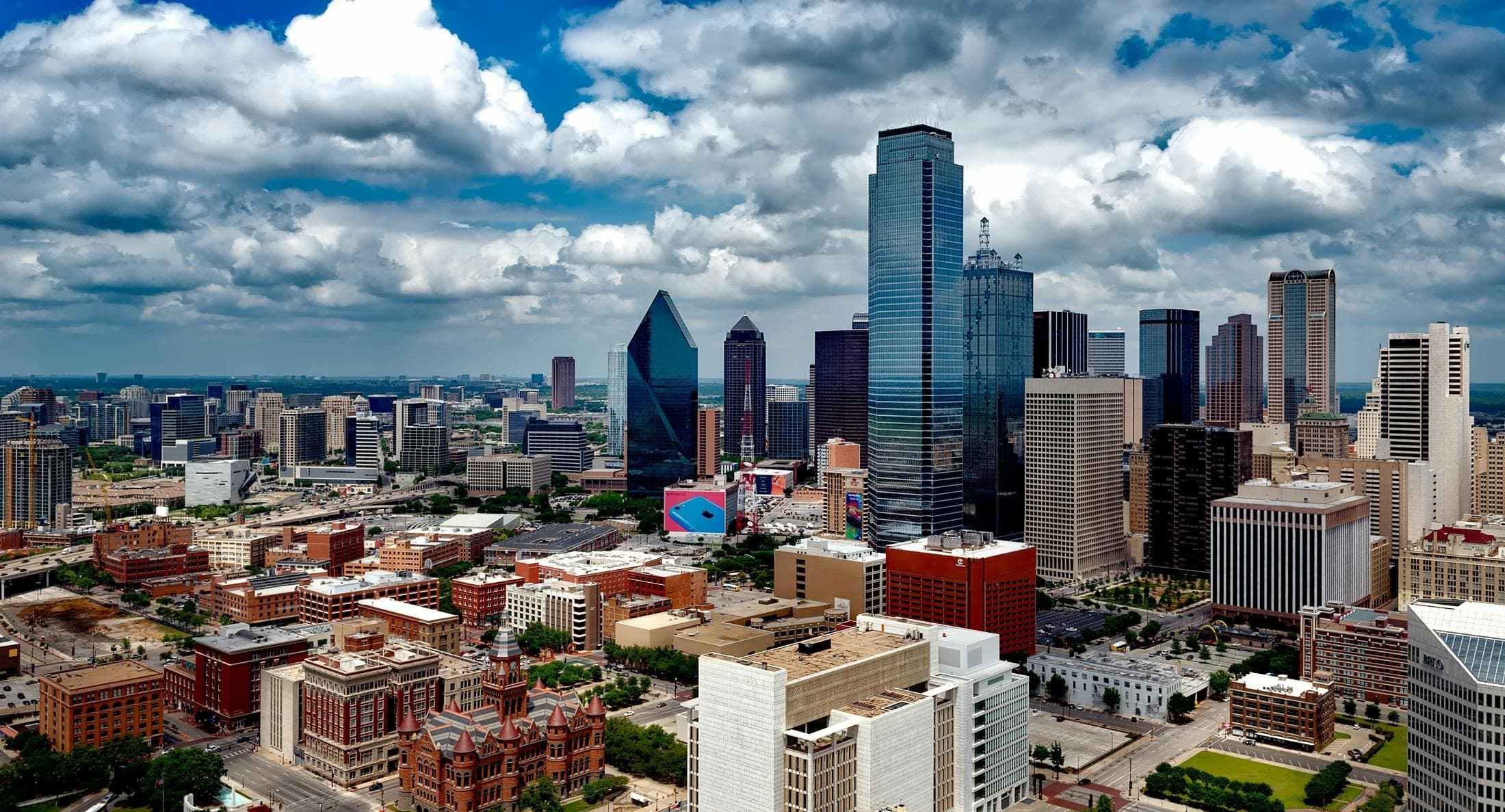
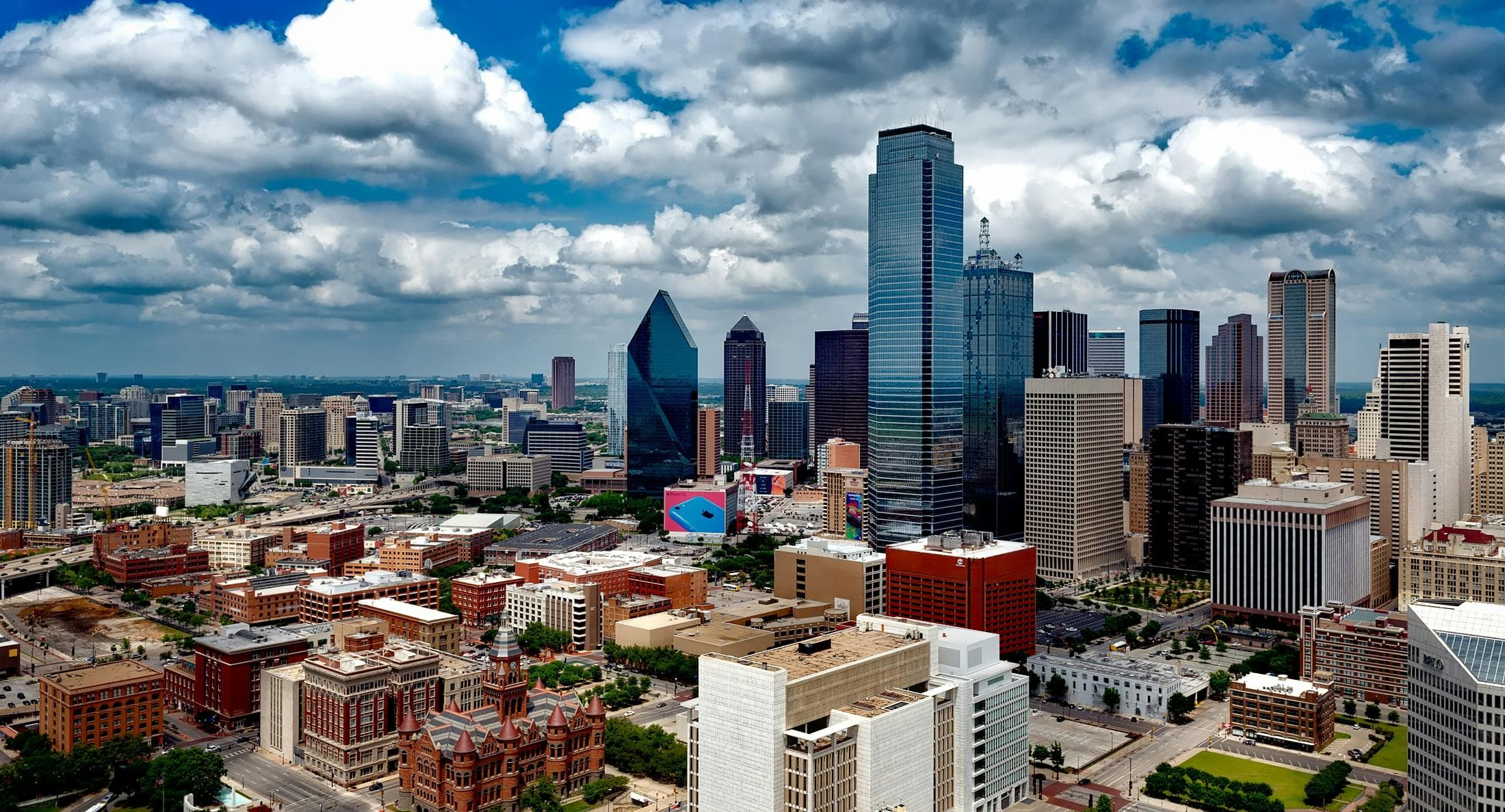
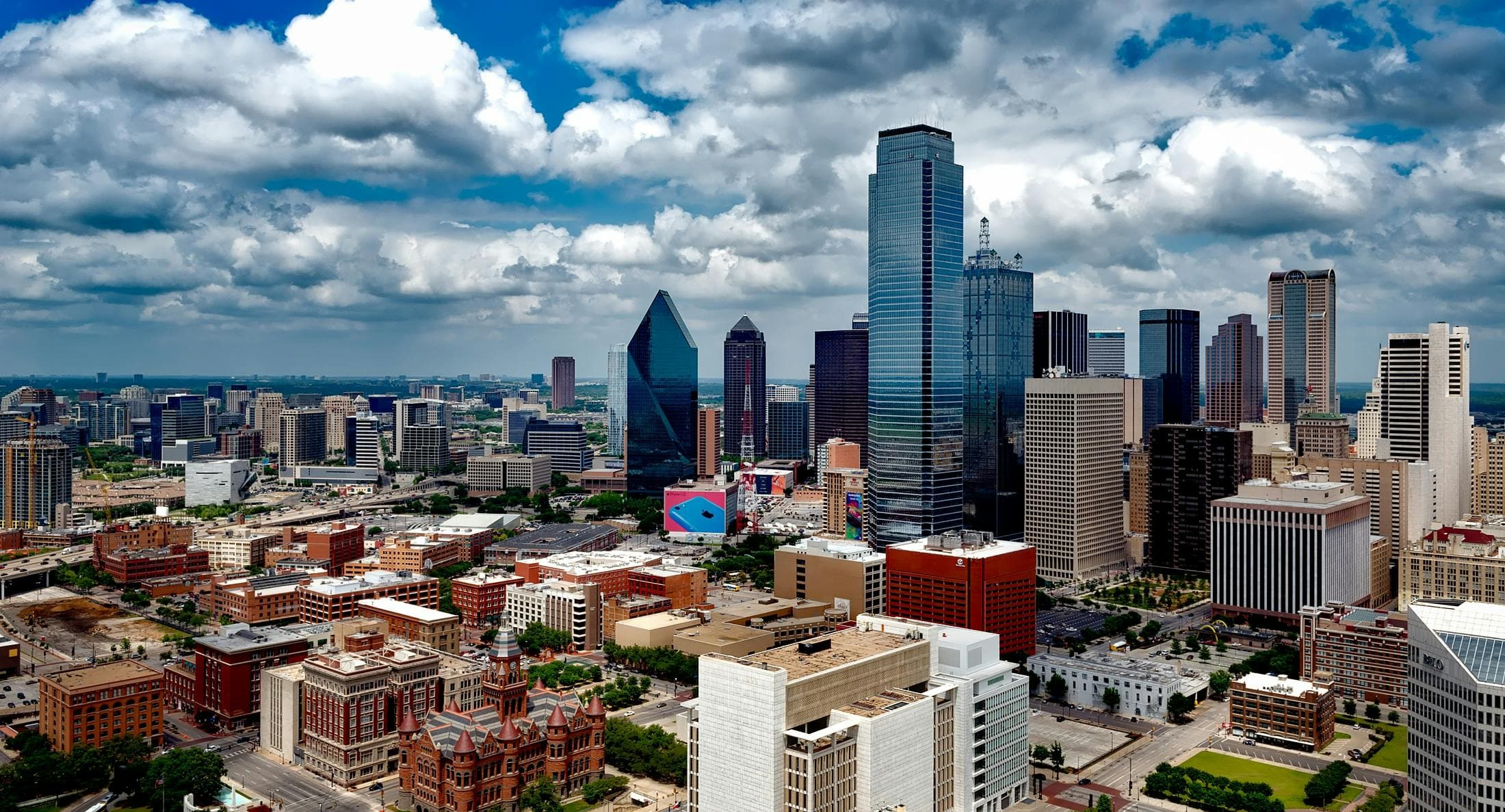
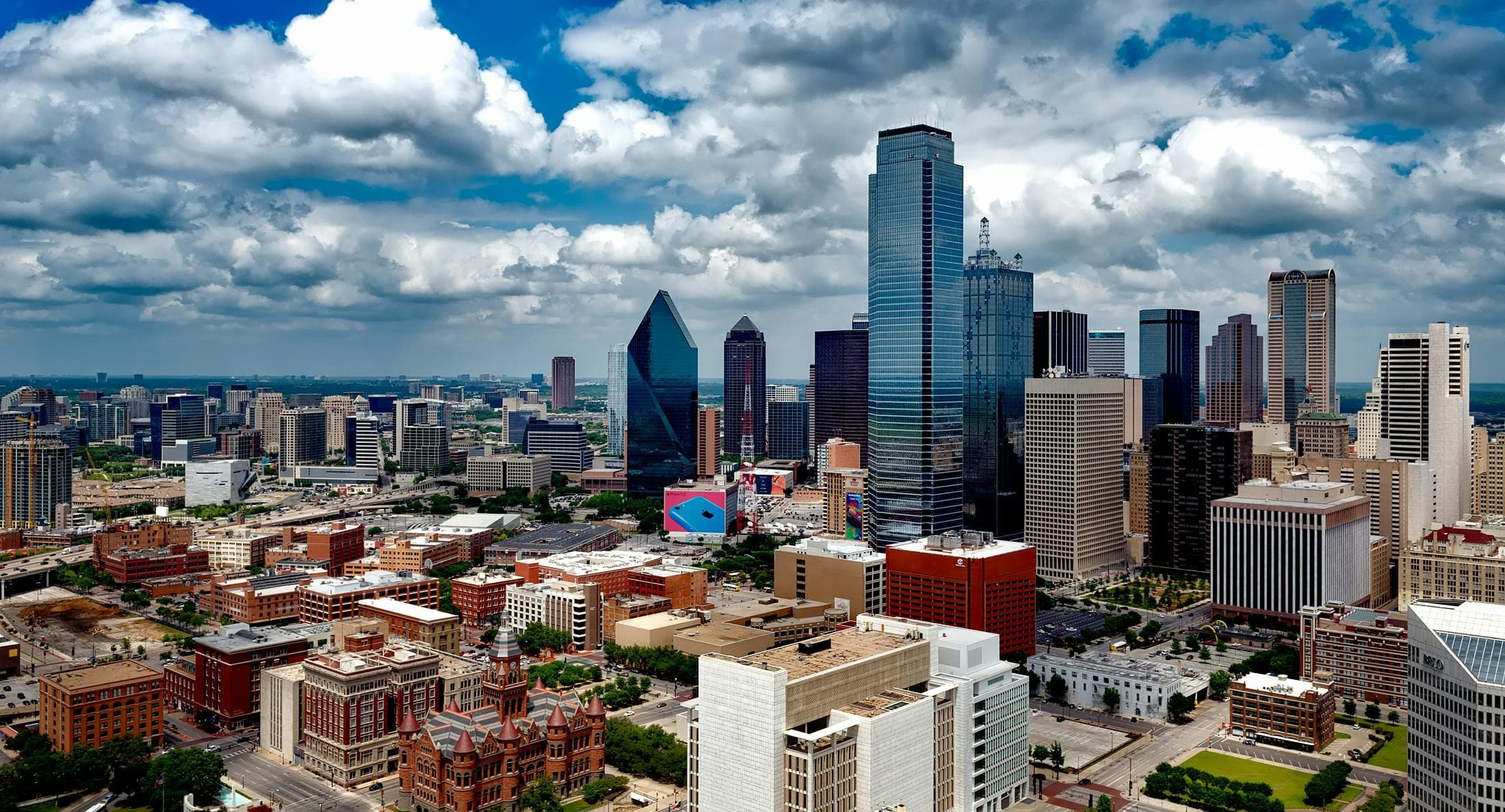
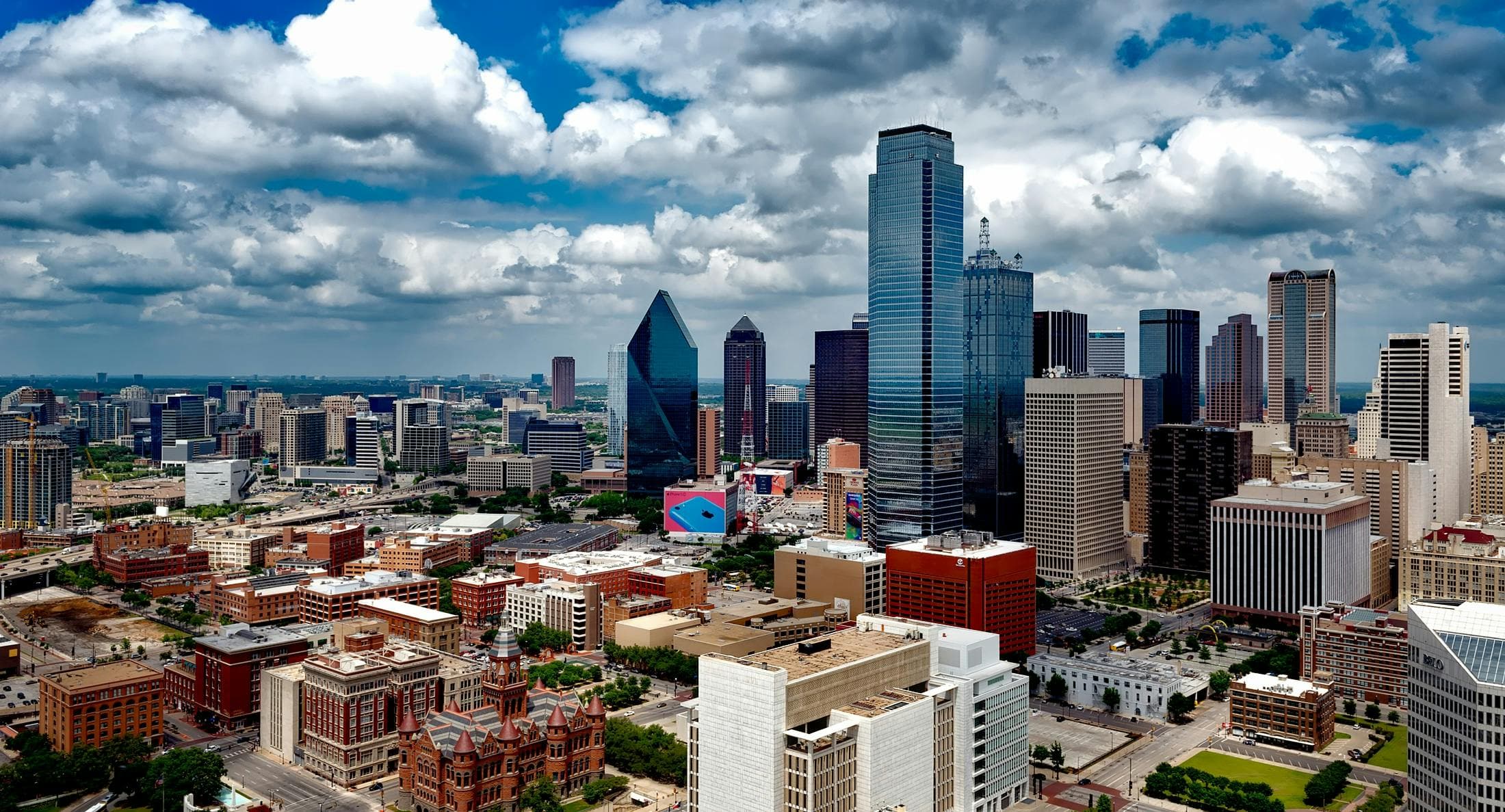
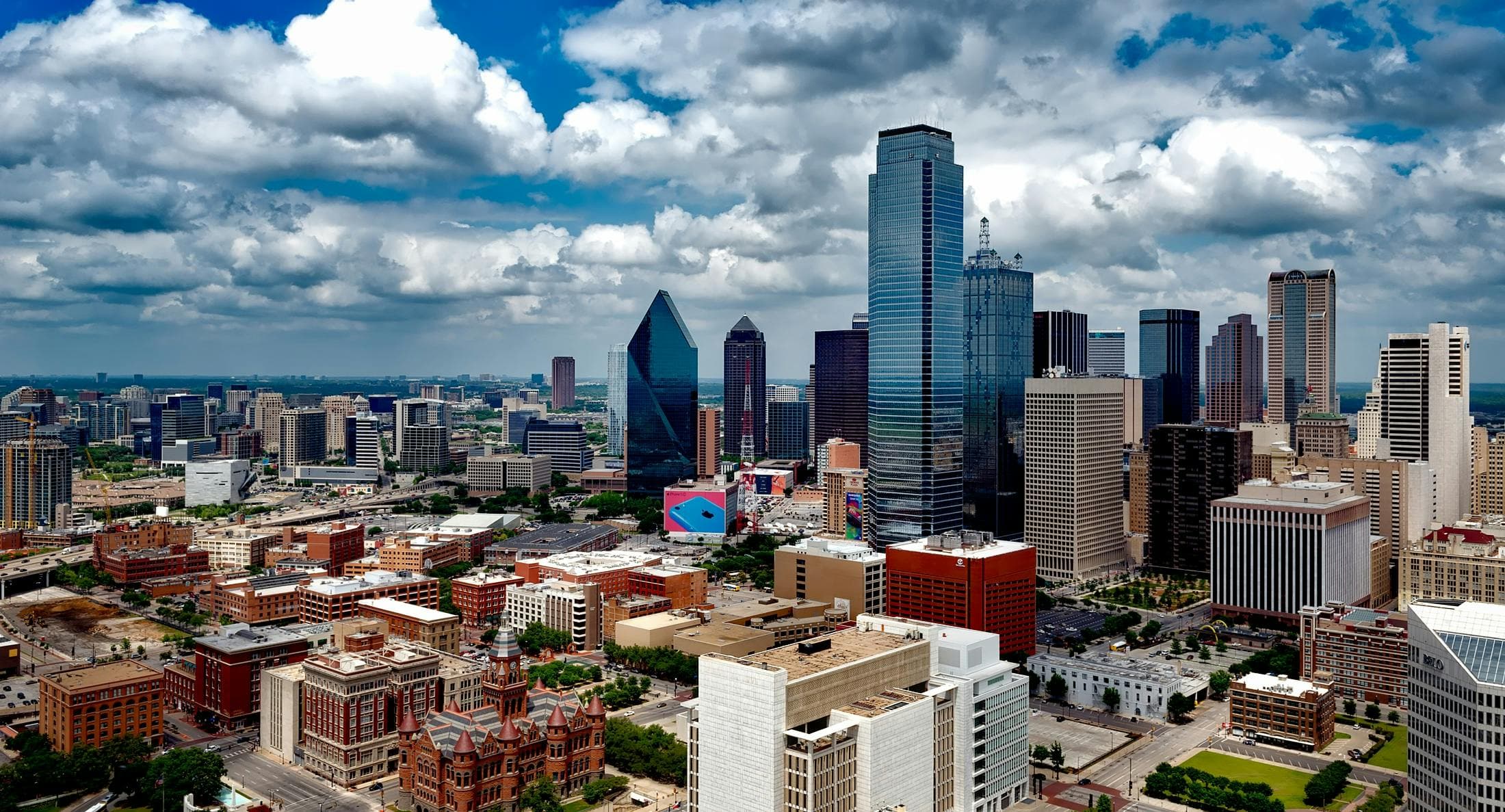
Downtown Dallas, thirty miles south, is a viable base for golfers who want urban nightlife and dining after their rounds. The drive to Frisco takes thirty to forty-five minutes depending on traffic, and Dallas traffic during peak hours is substantial. This approach works for groups playing one or two rounds at PGA Frisco and spending the balance of their time exploring the city, but it introduces enough commute friction to be impractical for a golf-intensive itinerary.
Getting There
Dallas-Fort Worth International Airport (DFW) is the primary gateway, located roughly twenty-five miles southwest of Frisco. DFW is a major American Airlines hub with nonstop service from virtually every domestic market and numerous international destinations. The drive from the airport to PGA Frisco takes thirty to forty minutes via the Sam Rayburn Tollway or the Dallas North Tollway, depending on traffic conditions. Dallas Love Field (DAL), the secondary airport located closer to downtown Dallas, serves primarily as a Southwest Airlines hub and sits about thirty minutes south of Frisco. Both airports offer rental car facilities, and a car is essential for this trip. The DFW metroplex sprawls across roughly 9,000 square miles, public transit does not reach Frisco in any practical way, and ride-share costs accumulate quickly over a multi-day trip.
From the airport, the drive north to Frisco passes through the suburban corridor that defines modern North Texas: highway interchanges, corporate campuses, and retail developments interspersed with the occasional remnant of the blackland prairie that once covered the region. The landscape is not dramatic, but the infrastructure is efficient and well-maintained.
When to Go
North Texas is playable year-round, but the calendar divides into clearly preferred and less preferred windows. Spring, from mid-March through May, offers the best combination of moderate temperatures, long daylight, and green turf conditions. Daytime highs range from the low 70s to mid-80s, and the courses are in strong condition after winter dormancy breaks. Fall, from late September through November, provides a similar temperature profile and the added benefit of reduced crowds as the summer travel season fades.
Summer in North Texas is genuinely hot. June through September brings daytime highs consistently above 95 degrees, with July and August frequently exceeding 100. Humidity varies but can be oppressive. Early morning tee times are manageable, but afternoon rounds in July require a tolerance for heat that not all visitors possess. Green fees often drop during summer months, and the courses are less crowded, which creates a value window for golfers who acclimate well.
Winter is mild by national standards but occasionally disruptive. December through February brings daytime highs in the 50s and occasional cold fronts that push temperatures into the 30s. Bermuda grass goes dormant and overseed quality varies. Ice storms, while infrequent, can shut down the region for days when they occur. A winter trip is feasible but carries more weather risk than spring or fall.
Where to Eat
The Dallas-Fort Worth dining scene has matured significantly over the past decade, and the options available to visiting golfers extend well beyond steakhouses, though the steakhouses remain excellent. In Frisco and Plano, the restaurant inventory reflects the area's corporate growth: high-quality casual dining, strong Asian cuisine along the Legacy Drive corridor, and several independently owned restaurants that compete with anything in downtown Dallas.
For a proper Dallas dining experience, the drive south to the city is worthwhile for at least one evening. Pecan Lodge, originally a farmers' market stall, serves Texas barbecue at a level that justifies its national reputation. The steakhouse tradition runs deep, with Town Hearth, Knife, and Nick & Sam's each presenting distinct interpretations of the genre. For groups wanting something beyond beef, the Oak Cliff neighborhood offers excellent Mexican and Tex-Mex cuisine rooted in the region's culinary heritage rather than corporate approximation.
The Design District and Bishop Arts neighborhoods house some of the most interesting restaurants in the state.
The Omni PGA Frisco Resort operates several on-site restaurants that eliminate the need to drive for every meal. The quality is above typical resort dining, and the convenience factor on multi-round days is considerable.
Beyond the Fairway
The PGA Frisco campus itself includes the PGA District, a mixed-use entertainment area with retail, dining, and event space adjacent to the resort. The facility also houses offices of the PGA of America, lending the campus an institutional weight that distinguishes it from purely commercial resort developments.
Frisco has invested heavily in sports and entertainment infrastructure. The Dr Pepper Ballpark hosts minor league baseball, the Ford Center at The Star is the Dallas Cowboys' practice facility and event venue, and the National Soccer Hall of Fame is located on the Toyota Stadium grounds. For groups with non-golfing companions or rest-day activities, the options are more varied than the suburban setting might suggest.
Downtown Dallas, when the drive is warranted, offers the Dallas Museum of Art, the Sixth Floor Museum at Dealey Plaza, and the Dallas Arboretum. Fort Worth, forty-five minutes west, houses the Kimbell Art Museum, widely regarded as one of the finest small art museums in the country, and the Fort Worth Stockyards, which preserve the city's cattle-trade heritage in a walkable historic district.
Planning Your Trip
A well-structured PGA Frisco trip runs three to four days and accommodates four to five rounds of golf. The core itinerary pairs Fields Ranch East and West on consecutive days, with The Swing filling a late afternoon or evening slot. Adding one or two regional courses, such as TPC Craig Ranch or Cowboys Golf Club, extends the trip to four rounds and introduces architectural variety.
Budget for three nights at the Omni and three rounds on campus plus one regional round runs approximately $1,500 to $2,500 per person, depending on season, room selection, and whether stay-and-play packages are available. Groups willing to stay off-campus at a business-class hotel and drive to the courses can reduce that figure by $300 to $500 per person without meaningfully diminishing the golf experience.
The verdict