PGA Frisco vs Austin: Texas Golf Destinations Compared
Texas offers two distinct models for a golf trip, and they happen to sit four hours apart on Interstate 35. PGA Frisco, the new headquarters campus of the PGA of America in the northern suburbs of Dallas, represents a concentrated, purpose-built golf facility with championship-caliber courses and a singular focus on the game. Austin, the state capital, distributes its golf across a wider geography and wraps it in a city whose food, music, and outdoor culture compete with the courses for a traveler's attention. The two destinations serve different priorities, and understanding the distinction before booking matters more than debating which is better in the abstract.
Where to stay in Austin
Planning the trip? Compare live prices across every nearby hotel and rental in one search.
Prices and availability from Booking.com, Expedia and others via Stay22. GolfTrailsHQ may earn a commission at no additional cost to you.
Course Quality and Variety
PGA Frisco's centerpiece is the Fields Ranch, which operates two eighteen-hole courses: Fields Ranch East (Gil Hanse and Jim Wagner) and Fields Ranch West (Beau Welling). Both opened in 2023 and were designed with championship hosting in mind. East is the headliner, with a links-influenced aesthetic built on rolling terrain that is unusually engaging for the North Texas landscape. The fairways are wide, the green complexes are varied and demanding, and the maintenance standards reflect the PGA of America's investment in the property. West plays through more tree-lined corridors with a slightly more traditional character. Together, the two courses provide 36 holes of new, high-quality golf at a single campus, supplemented by a short course and extensive practice facilities.
Austin's golf is more dispersed and more varied. The Coore-Crenshaw course, opened in 2022, has quickly established itself as the best public course in the Austin market, with a design that works with the Hill Country's natural limestone terrain and elevation changes. Beyond Barton Creek, courses like Falconhead, Crystal Falls, and Vaaler Creek provide solid public options at lower price points. The total depth of quality golf in Austin is comparable to PGA Frisco, though it requires more driving to access.
The Barton Creek resort operates four courses, with the Fazio Foothills and Coore-Crenshaw layouts representing the strongest options.
For golfers who value a single campus with everything in one place, PGA Frisco is the cleaner proposition. For those who prefer variety across multiple properties and terrain types, Austin provides a broader canvas.
Setting and Terrain
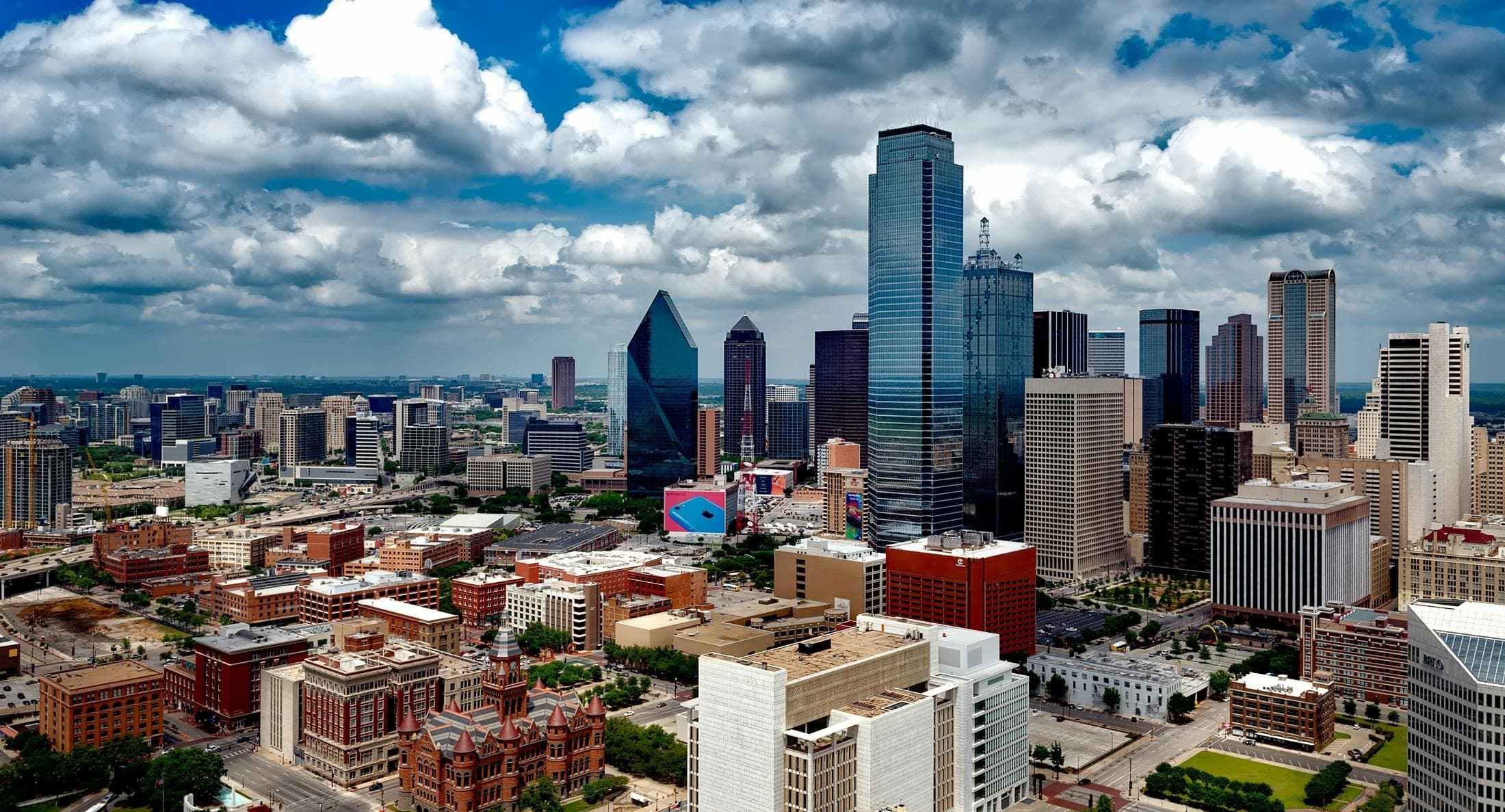
PGA Frisco sits in the flat, suburban landscape north of Dallas. The courses were built on terrain that required significant shaping to create visual interest, and the architects have succeeded in making the land more engaging than its natural topography would suggest. But the setting is suburban development corridor, and the surrounding area does not contribute to the atmosphere of the golf.
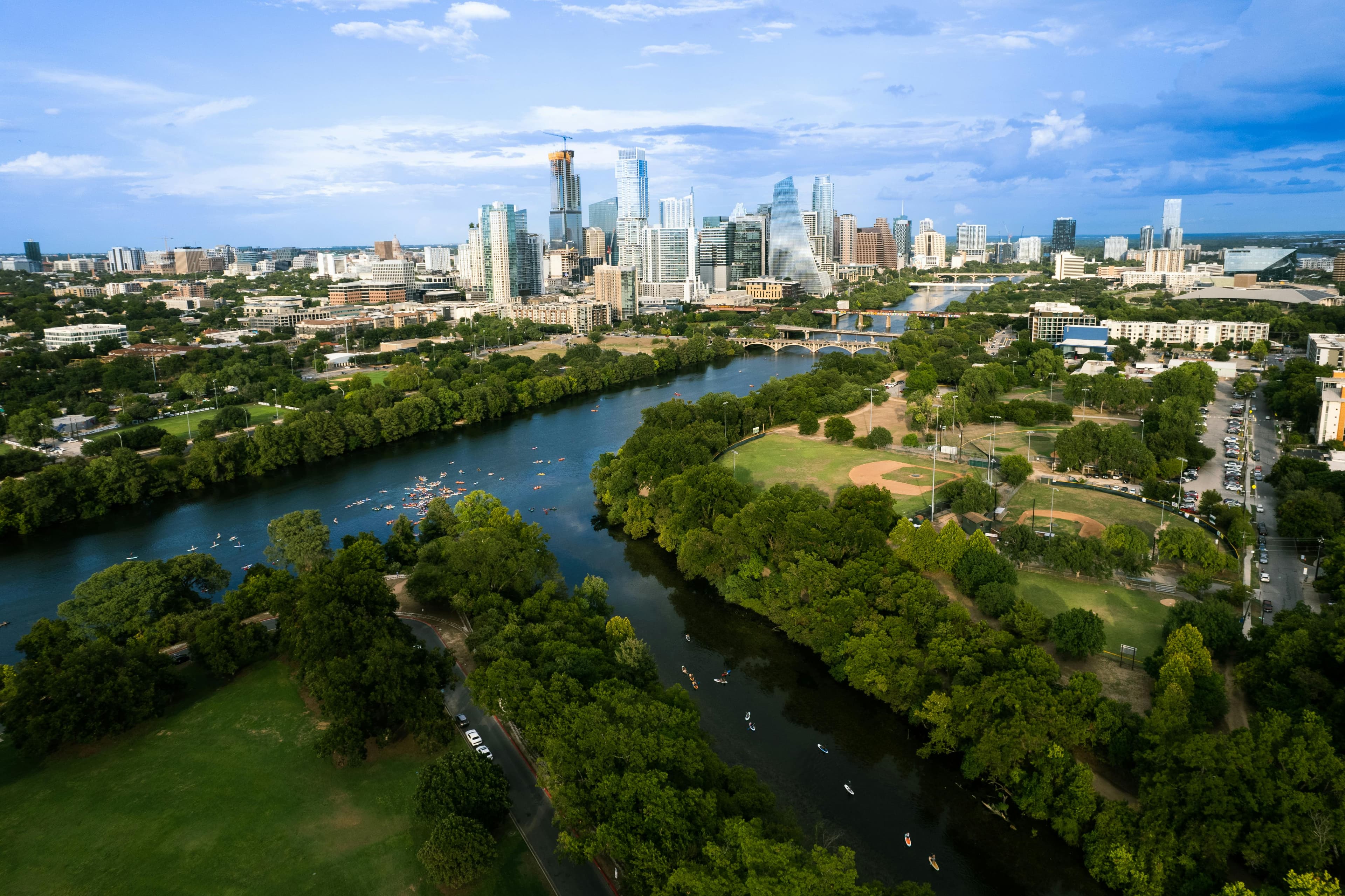
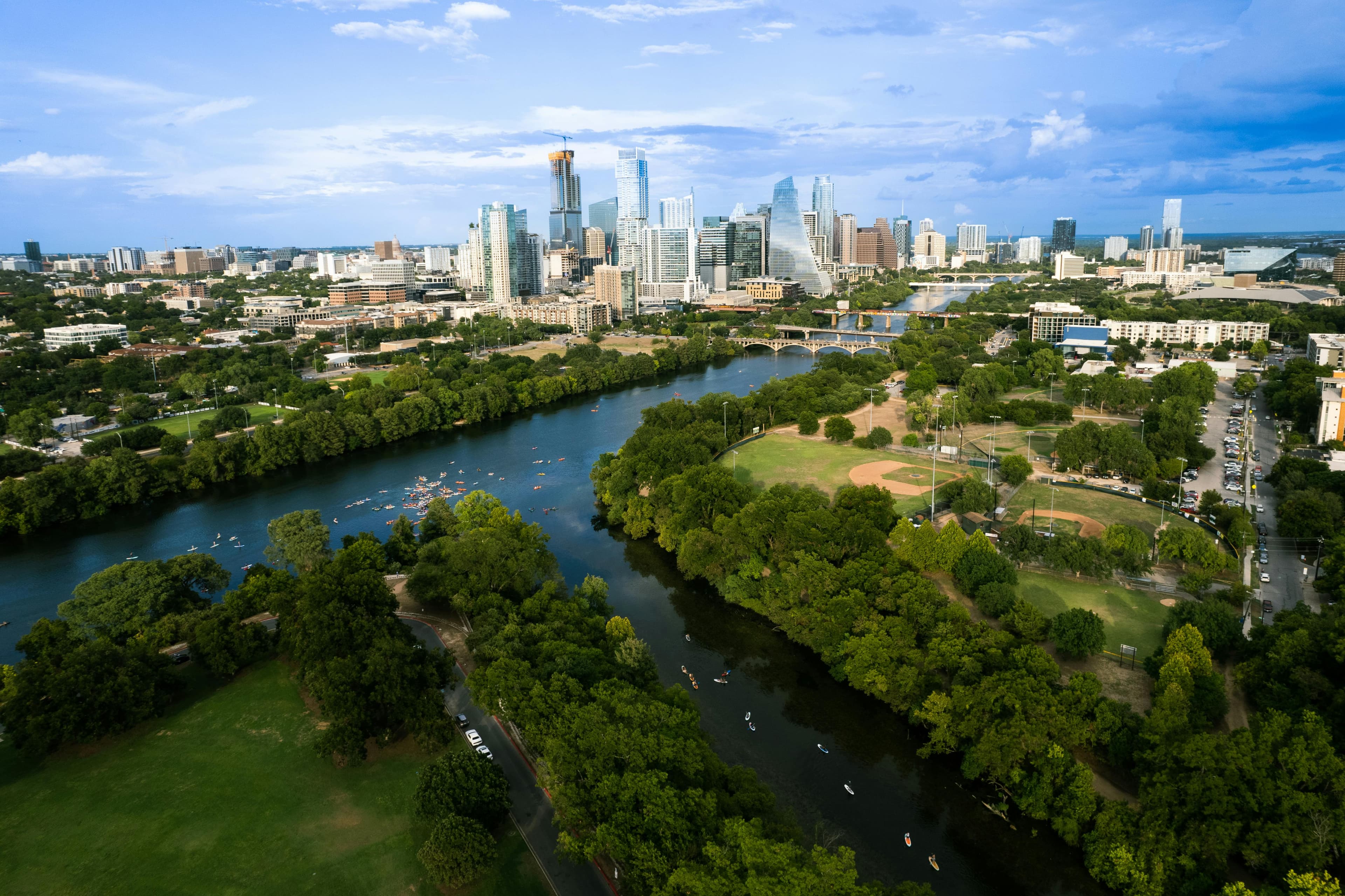
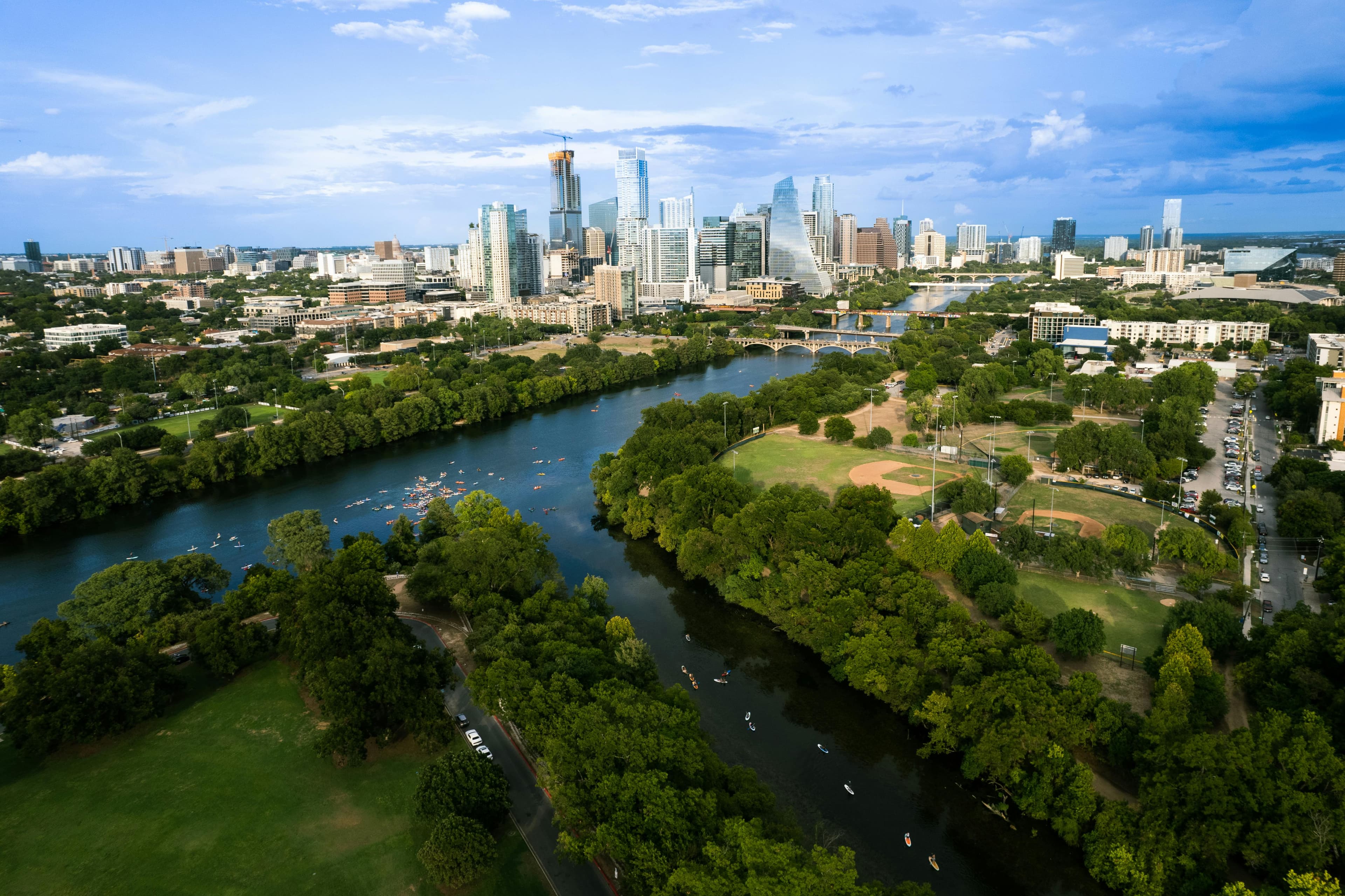
Austin's Hill Country provides natural terrain that flatters golf course design. Limestone ridges, live oak canopies, creek beds, and elevation changes of 100 feet or more create routing opportunities that North Texas cannot offer. The Coore-Crenshaw course at Barton Creek, in particular, uses the terrain in ways that make the golf feel site-specific rather than imposed. For golfers who care about landscape and the relationship between course and setting, Austin holds a clear advantage.
Non-Golf Experience
The dining scene is deep, ranging from celebrated barbecue institutions to innovative restaurants that have earned national recognition. The live music culture provides evening programming that requires no planning beyond walking down Sixth Street or the Rainey Street district. The outdoor amenities, including Barton Springs, Lake Travis, and the greenbelt trail system, offer non-golf activities that appeal to traveling companions and mixed groups.
Austin's non-golf appeal is among the strongest of any golf destination in the country.
PGA Frisco's non-golf options are limited to the broader Dallas-Fort Worth metro, which provides restaurants, entertainment, and culture at scale but requires navigating suburban sprawl to access them. The Frisco area itself has developed rapidly, with a growing restaurant scene and entertainment venues, but it does not carry the distinctive identity that Austin offers.
For groups that want their evenings to carry the trip's momentum, Austin is the clear choice.
Getting There
Both destinations are well-served by major airports. Austin-Bergstrom International (AUS) offers extensive domestic service, with the airport sitting roughly twenty minutes from downtown and thirty minutes from the Barton Creek resort area. Dallas-Fort Worth International (DFW) is one of the largest hubs in the country, with flights to virtually everywhere, and PGA Frisco sits approximately thirty minutes north of the airport.
Neither destination presents a logistical challenge, though DFW's broader flight network gives PGA Frisco a modest edge for groups originating from smaller cities with limited nonstop options.
Price and Value
Tip
Lodging in both markets is competitive, with Austin offering greater variety from downtown hotels to Hill Country resorts. Dining costs are comparable, though Austin's food truck and barbecue scene provides excellent options at price points below sit-down restaurants.
Best For
PGA Frisco is the right choice for groups that want a focused golf trip at a single campus with championship-caliber courses, modern facilities, and efficient logistics. The PGA Frisco guide covers the property in detail.
Austin is the better fit for groups that want quality golf woven into a broader travel experience, with Hill Country terrain, a distinctive food and music culture, and a city that rewards exploration beyond the course. The Austin guide provides full planning details.
The verdict