Austin / Texas Hill Country: The Complete Golf Trip Guide
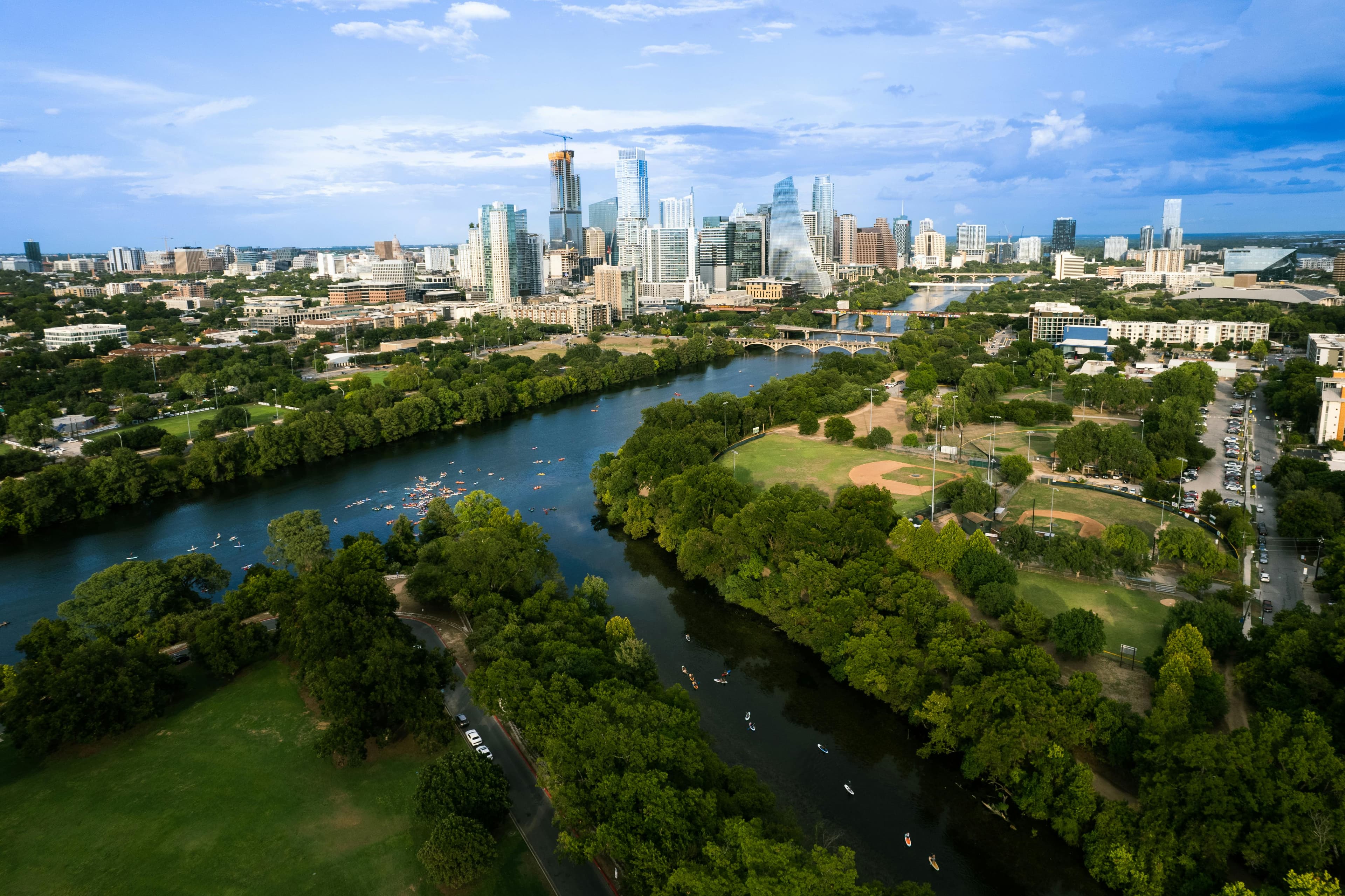
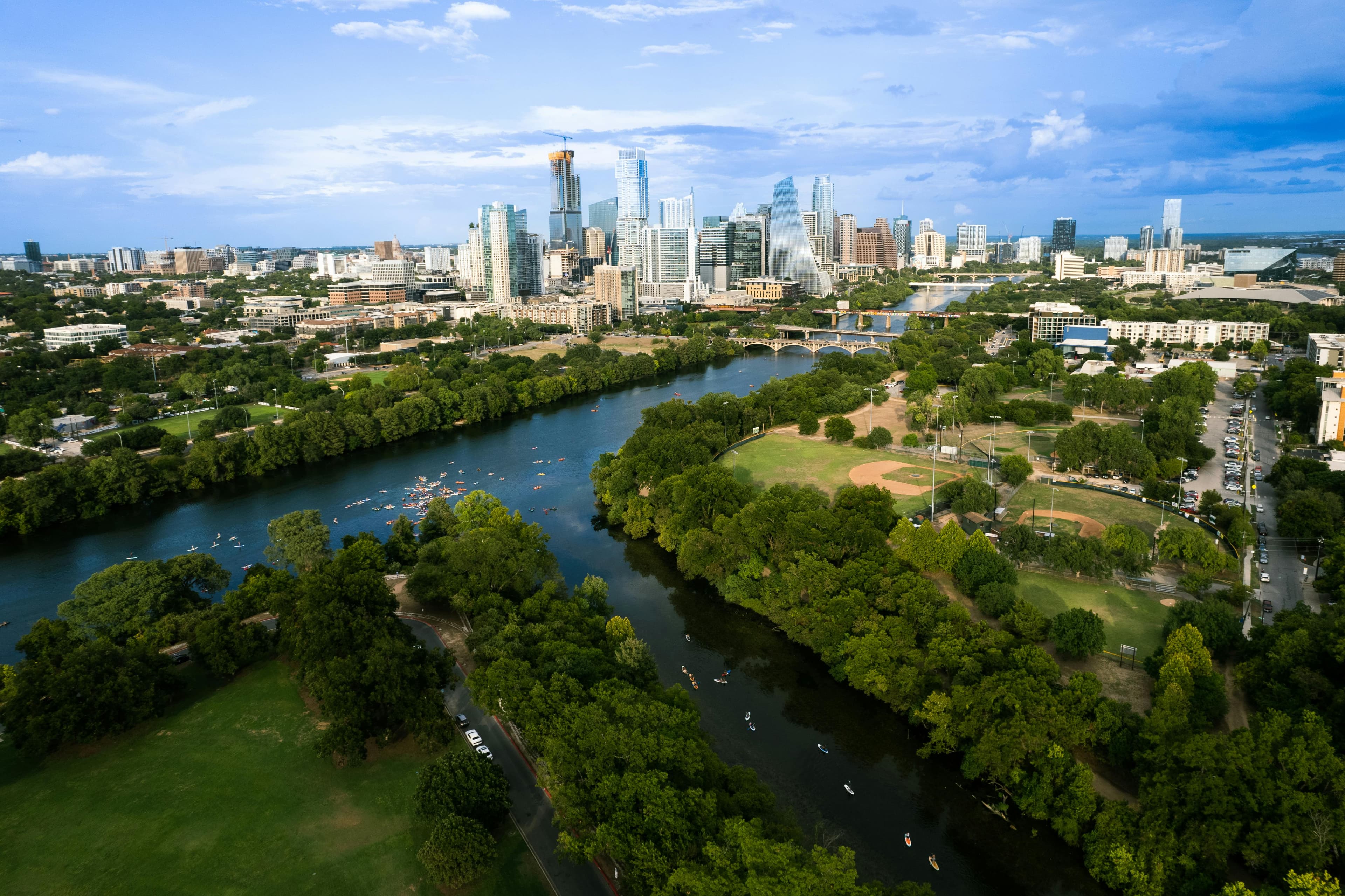
Austin is not the first city that comes to mind when golfers start planning a destination trip. It lacks the resort density of Scottsdale, the oceanfront routing of Hilton Head, the tournament pedigree of Pinehurst. What it has instead is the Texas Hill Country: a fractured limestone landscape west of the Balcones Escarpment where creeks have carved canyons through ancient rock, live oaks grow sideways out of cliff faces, and the terrain provides the kind of natural golf architecture that most designers can only approximate with bulldozers and budget.
The golf here is spread across a wider geography than a typical resort destination. Omni Barton Creek operates four courses within twenty minutes of downtown. Horseshoe Bay Resort sits ninety minutes northwest with three courses along Lake LBJ. Public options fill the space between. The result is a destination that rewards planning more than most, because the courses are not clustered on a single property but distributed across a region that stretches from the city's western suburbs into the open ranch land of Blanco County. Factor in Austin's live music scene, one of America's strongest barbecue traditions, and a Hill Country wine trail that has matured significantly over the past decade, and the non-golf hours hold their own against any destination in the portfolio. For full destination details, see our Austin destination guide.
Where to stay in Austin
Planning the trip? Compare live prices across every nearby hotel and rental in one search.
Prices and availability from Booking.com, Expedia and others via Stay22. GolfTrailsHQ may earn a commission at no additional cost to you.
The Courses
Omni Barton Creek is the anchor. The resort operates four eighteen-hole courses on a sprawling property southwest of Austin, and the architectural range across those four layouts is unusual for a single resort.
Vaaler Creek Golf Club
The Fazio Foothills course, designed by Tom Fazio and Roy Bechtol in 1986, is the flagship. The course plays 7,125 yards from the tips with a slope of 143, and the elevation changes are severe enough that walking is not an option. Green fees run $250 to $325 for resort guests. This is the course that earns Barton Creek its reputation, and for golfers who have played Fazio's work in the Carolinas or Florida, the geological intensity here registers as a genuine departure.
The routing threads through limestone cliffs, natural caves, and seasonal waterfalls on terrain that Fazio himself has cited as among the most dramatic he has worked with.
The Fazio Canyons course, which opened in 1999, is the sibling that Golfweek once ranked as the top course in Texas. Fazio returned to Barton Creek with collaborators Beau Welling and Dennis Wise to build a 7,153-yard layout through oak and sycamore canyons. Where the Foothills course confronts the player with exposed cliffs and waterfalls, Canyons moves through a more forested, contained landscape. Green fees sit at $275.
The Coore Crenshaw course holds a particular distinction: it was only the second course Bill Coore and Ben Crenshaw designed together, completed in 1991. The layout measures a modest 6,630 yards with a slope of 130, and it is the only walkable course at Barton Creek. For architecture enthusiasts who follow the Coore-Crenshaw body of work from Sand Hills to Streamsong, playing their early Hill Country design provides useful context for understanding how their philosophy developed. Green fees are $225.
The fourth Barton Creek course, Palmer Lakeside, rounds out the resort inventory and plays along the shores of Lake Travis.
It is the most accessible of the four in both difficulty and pricing.
Beyond Barton Creek, the destination's strongest option is Horseshoe Bay Resort, ninety minutes northwest on Lake LBJ. Robert Trent Jones Sr. designed three courses here beginning in the late 1970s. Ram Rock, which opened in 1981, is the headliner: a par-71 layout with 62 bunkers and 10 water hazards that Jones named "The Challenger" without apparent irony. The course has hosted the Texas State Open and USGA qualifying events. Green fees for resort guests range from $80 to $150, with replay rates dropping to $50. For the money, Ram Rock offers one of the strongest architectural tests in the region.
Lost Pines Golf Club, formerly Wolfdancer, sits east of Austin at the Hyatt Regency Lost Pines Resort. The Arthur Hills design plays 7,205 yards through two distinct landscapes: rolling prairie on the front twelve holes and dense loblolly pine forest on the closing six. The shift in character within a single round is the course's signature feature. Green fees range from $68 to $215, making it one of the more accessible resort courses in the Austin area.
For public golf, three courses merit attention. Falconhead Golf Club, designed by the PGA Tour Design Center, plays through genuine Hill Country terrain in west Austin at $75 to $89. The par-3 8th, with its waterfall backdrop, is one of the most photographed holes in central Texas. Crystal Falls Golf Club in Leander operates as a municipal course with green fees starting at $18, delivering honest Hill Country golf at prices that have become rare in a growing metro area. Vaaler Creek Golf Club in Blanco, forty-five minutes southwest, charges $75 to $110 for a layout that uses the open Hill Country landscape to full effect.
Where to Stay
Omni Barton Creek Resort and Spa is the natural base for groups focused on the resort courses. The property completed a $150 million renovation, and stay-and-play packages through OmniHotels.com bundle accommodations with tee times across all four courses. Nightly rates vary by season but generally run $250 to $450. The resort's location twenty minutes from downtown Austin means the city's dining and entertainment are accessible without requiring a long commute.
Horseshoe Bay Resort operates its own hotel and rental properties for golfers committed to spending two or three days on the Ram Rock, Slick Rock, and Apple Rock courses. Rates are generally lower than Barton Creek, and the lakeside setting offers a different rhythm: quieter, more removed from urban life, with water recreation as the primary non-golf activity.
For golfers who want to split time between courses and the city, downtown Austin hotels provide an alternative. Properties along South Congress or in the Warehouse District put visitors within walking distance of live music venues, restaurants, and the particular energy that distinguishes Austin from other Texas cities. The tradeoff is a twenty-to-thirty-minute drive to Barton Creek and longer drives to Horseshoe Bay or Vaaler Creek.
Getting There
Austin-Bergstrom International Airport (AUS) serves as the gateway, with direct flights from most major domestic hubs. The airport sits southeast of the city, roughly twenty minutes from downtown and thirty to forty minutes from Barton Creek. A rental car is essential. The geographic spread of courses across the Hill Country makes ride-share impractical for a golf trip, and the drives between venues pass through landscape that constitutes part of the experience: two-lane roads crossing low-water crossings, limestone bluffs catching the late-afternoon light, roadside stands selling peaches in season.
The drive to Horseshoe Bay takes approximately ninety minutes on US-281 through the Hill Country, passing through Johnson City and Marble Falls. For groups splitting time between Barton Creek and Horseshoe Bay, booking two or three nights at each property rather than commuting daily is the practical approach.
When to Go
Spring and fall are the optimal windows. March through May delivers temperatures in the 70s and low 80s, wildflower season across the Hill Country, and courses in peak condition. The Texas bluebonnet bloom, which typically peaks in late March and April, covers the roadsides and open fields with enough colour to justify the drive to Horseshoe Bay as a scenic experience independent of golf.
October through November offers similar playing temperatures with lower rates and smaller crowds. The Hill Country live oaks and Spanish oaks produce a subtle fall colour change that lacks the intensity of New England but provides a visual warmth to the landscape that photographs well and plays better.
Tip
Winter is mild by national standards. December through February temperatures range from the 40s to the 60s, with occasional cold fronts dropping readings below freezing. The courses remain open year-round, and a winter trip delivers playable conditions on most days with the lowest rates of the year.
Where to Eat
Austin's food identity runs deeper than most golf destinations can claim. Franklin Barbecue on East 11th Street is the restaurant that launched a thousand national profiles, and the brisket justifies its reputation. The line, which can exceed three hours on weekends, is a genuine logistical consideration. La Barbecue on East Cesar Chavez offers a comparable product with shorter wait times and a more casual atmosphere.
Beyond barbecue, Austin's dining scene has diversified considerably. Uchi and its sibling Uchiko deliver Japanese-inflected cuisine at a level that earned national recognition. Emmer & Rye on Rainey Street emphasizes seasonal, grain-forward cooking. For groups seeking something between fine dining and a taco truck, South Congress Avenue provides a concentration of options at multiple price points.
At Horseshoe Bay, dining options are more limited and resort-centric. Groups staying at the lake should plan at least one dinner in Marble Falls, where a small but growing restaurant scene serves the surrounding communities.
Beyond the Fairway
Austin holds the "Live Music Capital of the World" designation, and the density of venues along Sixth Street, Red River, and South Congress backs up the claim on any given evening. For golfers whose travel companions are not playing, this is a meaningful differentiator. A non-golfer in Austin has a fundamentally different experience than a non-golfer at a remote resort property.
The Hill Country wine trail, centred on Fredericksburg roughly ninety minutes west of Austin, has grown from a novelty into a legitimate wine region. Over fifty tasting rooms operate along US-290 and its feeder roads, producing primarily Tempranillo, Viognier, and Mourvèdre varietals suited to the climate. A day on the wine trail pairs naturally with a day at Horseshoe Bay or Vaaler Creek for groups willing to extend the trip into the deeper Hill Country.
Hamilton Pool Preserve, Enchanted Rock State Natural Area, and the spring-fed swimming holes that dot the region provide outdoor options that connect to the landscape in ways that complement the golf experience. The Hill Country is at its most persuasive when experienced across multiple activities rather than exclusively from the fairway.
Planning Your Trip
A three-to-four-day trip represents the practical minimum for Austin. Two days at Barton Creek, playing the Fazio Foothills and either Canyons or Coore Crenshaw, plus one round at a public course like Falconhead or Lost Pines, covers the architectural range without exhausting the schedule. Groups with four full days can add Horseshoe Bay and experience the broader Hill Country geography.
Budget planning should account for the wide spread in green fees. A three-day trip focused on Barton Creek and one public round runs $1,500 to $2,000 per person including accommodations, green fees, meals, and rental car. Adding Horseshoe Bay extends the trip and the budget to $2,000 to $2,500. The public courses offer legitimate value: a day at Crystal Falls or Falconhead can cost less than a single green fee at Barton Creek, which creates room to manage the overall spend.
The verdict