Pebble Beach Golf Links: Course Review and Playing Guide
Par: 72 | Yardage: 6,828 (tips) | Designer: Jack Neville & Douglas Grant (1919) | Type: Public (resort priority) | Green Fee: $575–$625 | Walking: Permitted, caddie available
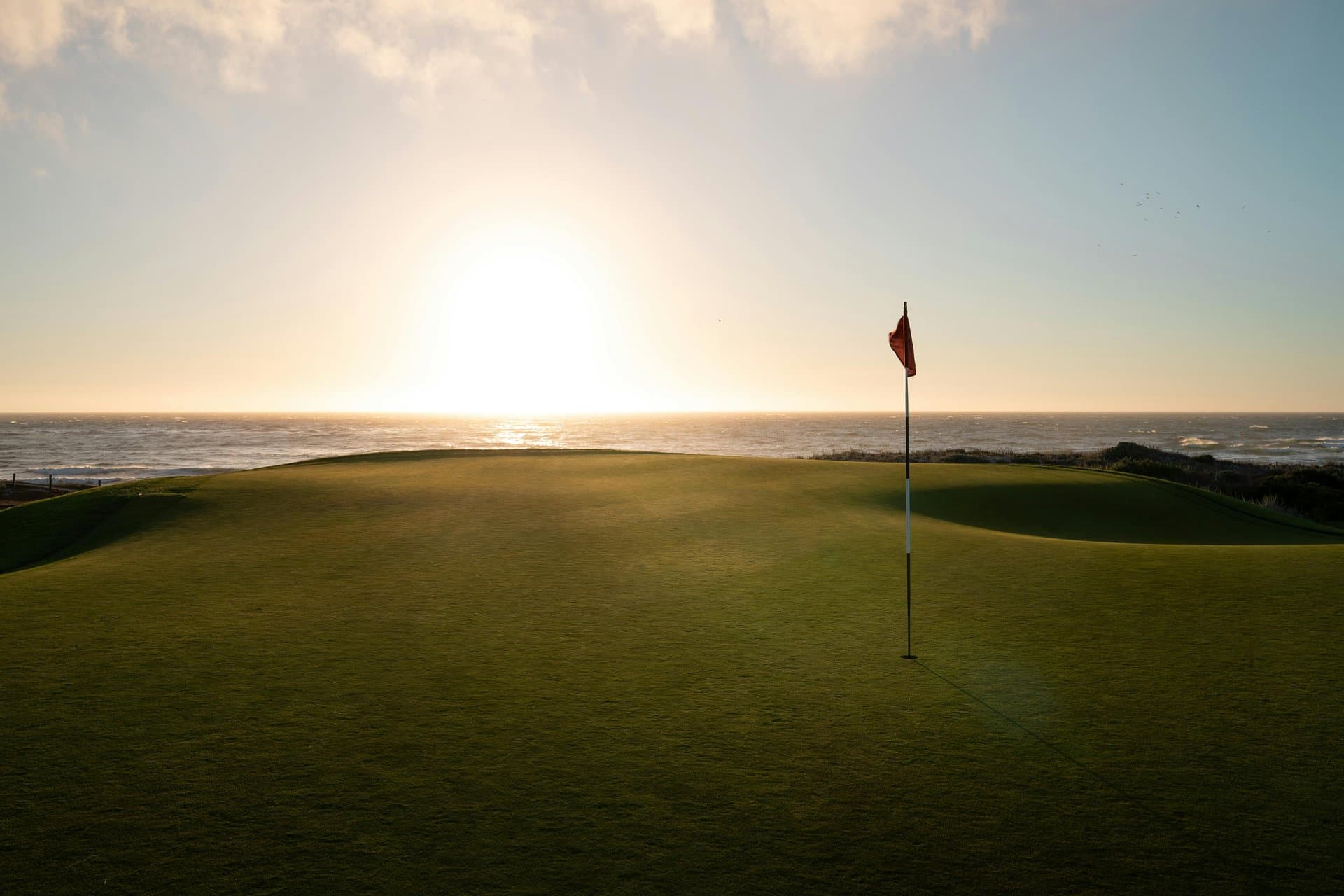
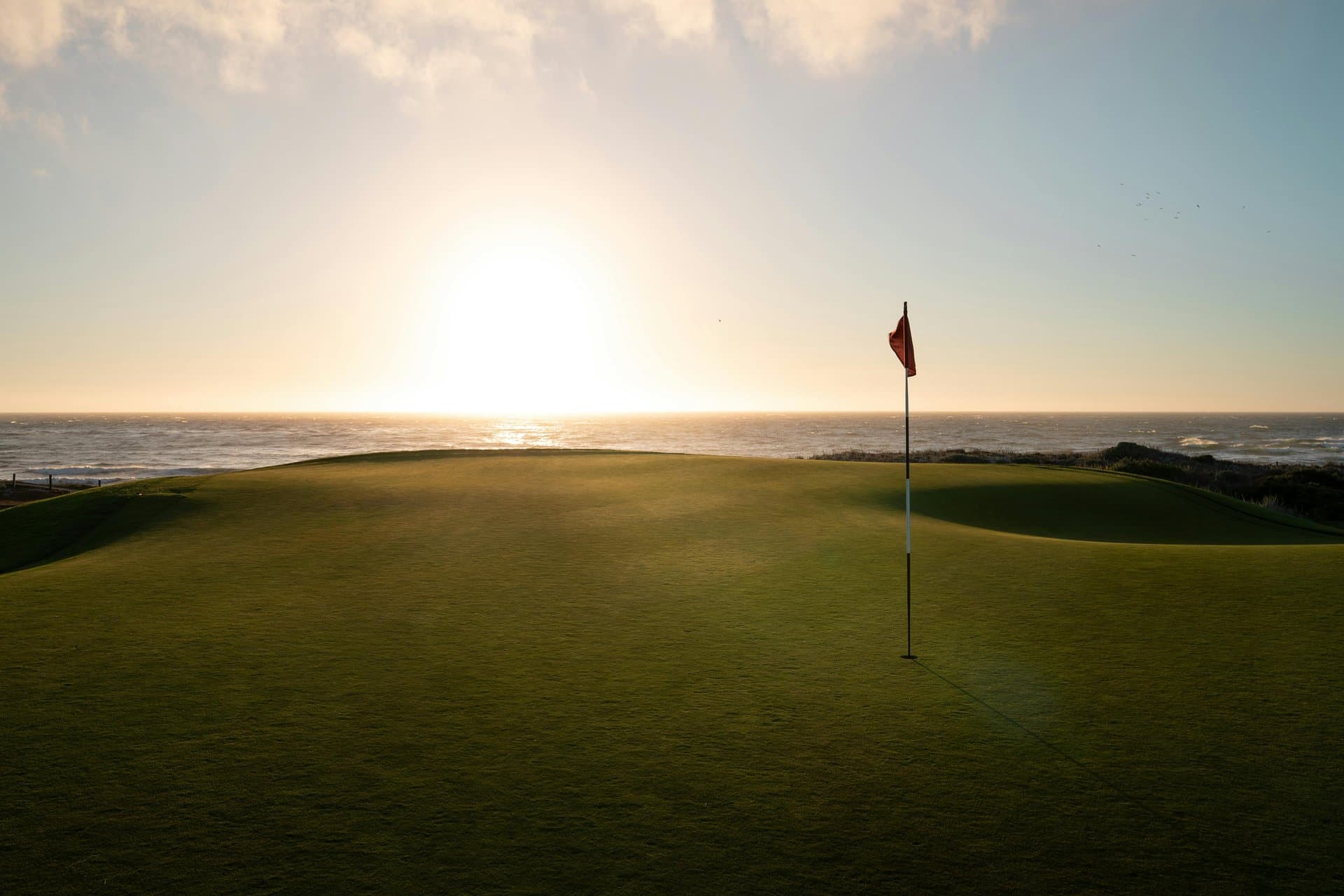
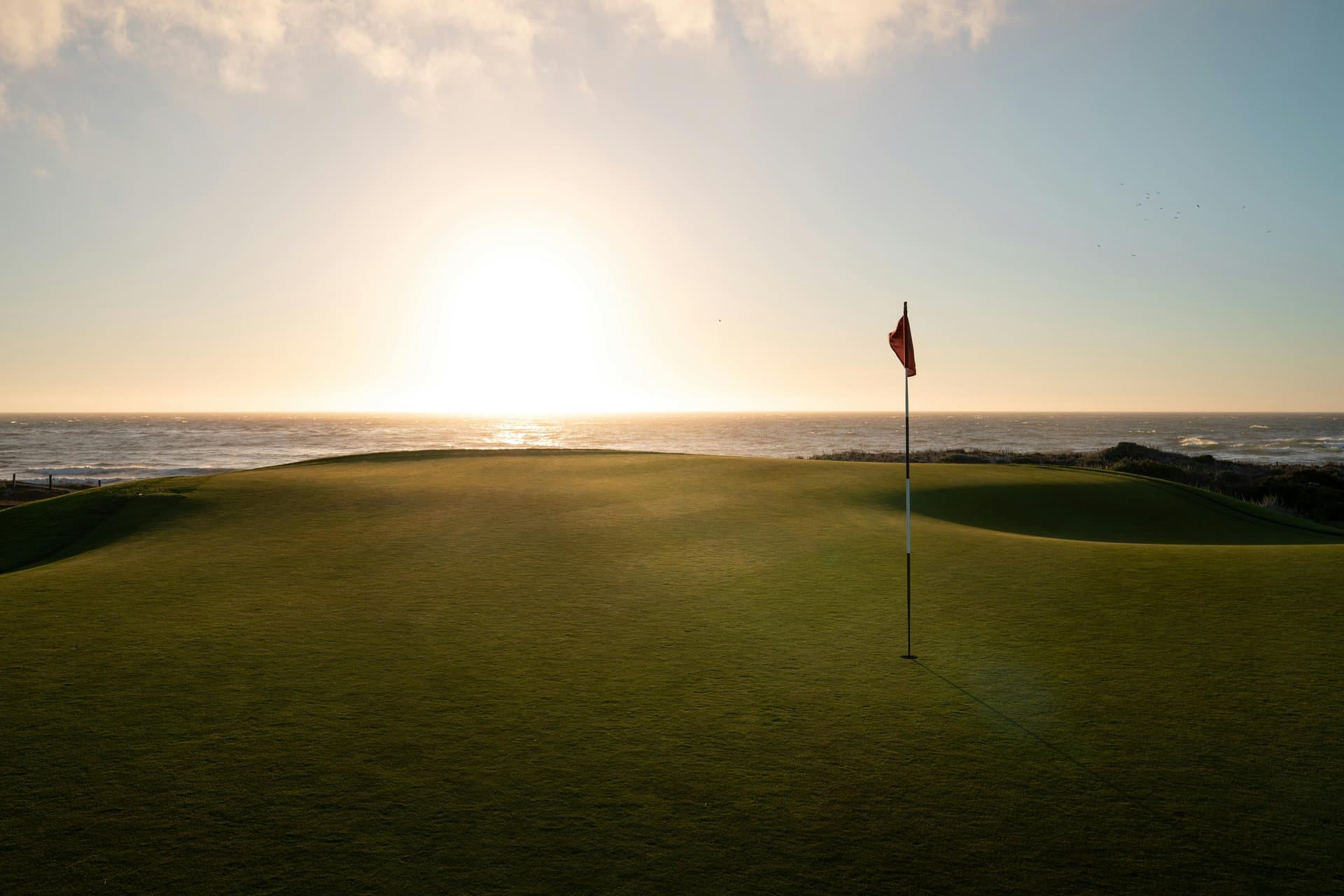
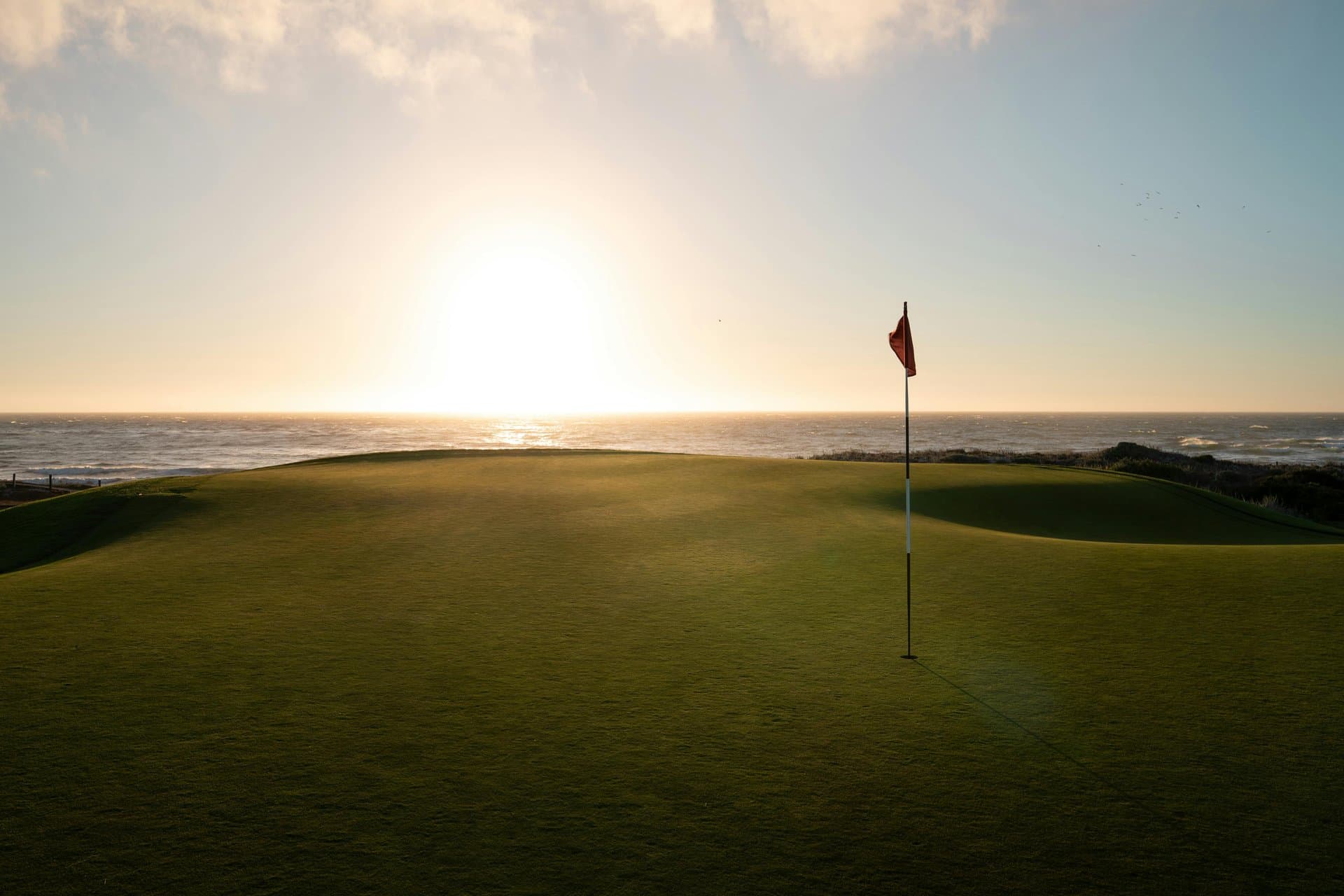
The first six holes at Pebble Beach Golf Links are played inland. That fact surprises nearly every first-time visitor, and it matters more than it seems. The opening stretch moves through pleasant, parkland-style terrain that could belong to any well-maintained course in coastal California. The views of Carmel Bay are distant. The Pacific is audible but not yet visible from the fairway. Neville and Grant understood what they were building toward, and they let the anticipation do its work.
Then the 7th tee arrives, and the course becomes what the photographs promised.
Where to stay in Monterey Peninsula
Planning the trip? Compare live prices across every nearby hotel and rental in one search.
Prices and availability from Booking.com, Expedia and others via Stay22. GolfTrailsHQ may earn a commission at no additional cost to you.
The Design Story
Jack Neville and Douglas Grant were accomplished amateur golfers, not professional course architects. Neither had designed a course before. Samuel Morse, the man developing the Del Monte properties on the Monterey Peninsula, selected them in 1918 and gave them a site that made the assignment simpler than it might otherwise have been. Neville said later that the holes were already there; he merely had to find them. The statement has been repeated so often that it sounds like modesty. It is more accurately a description of how good the land was.
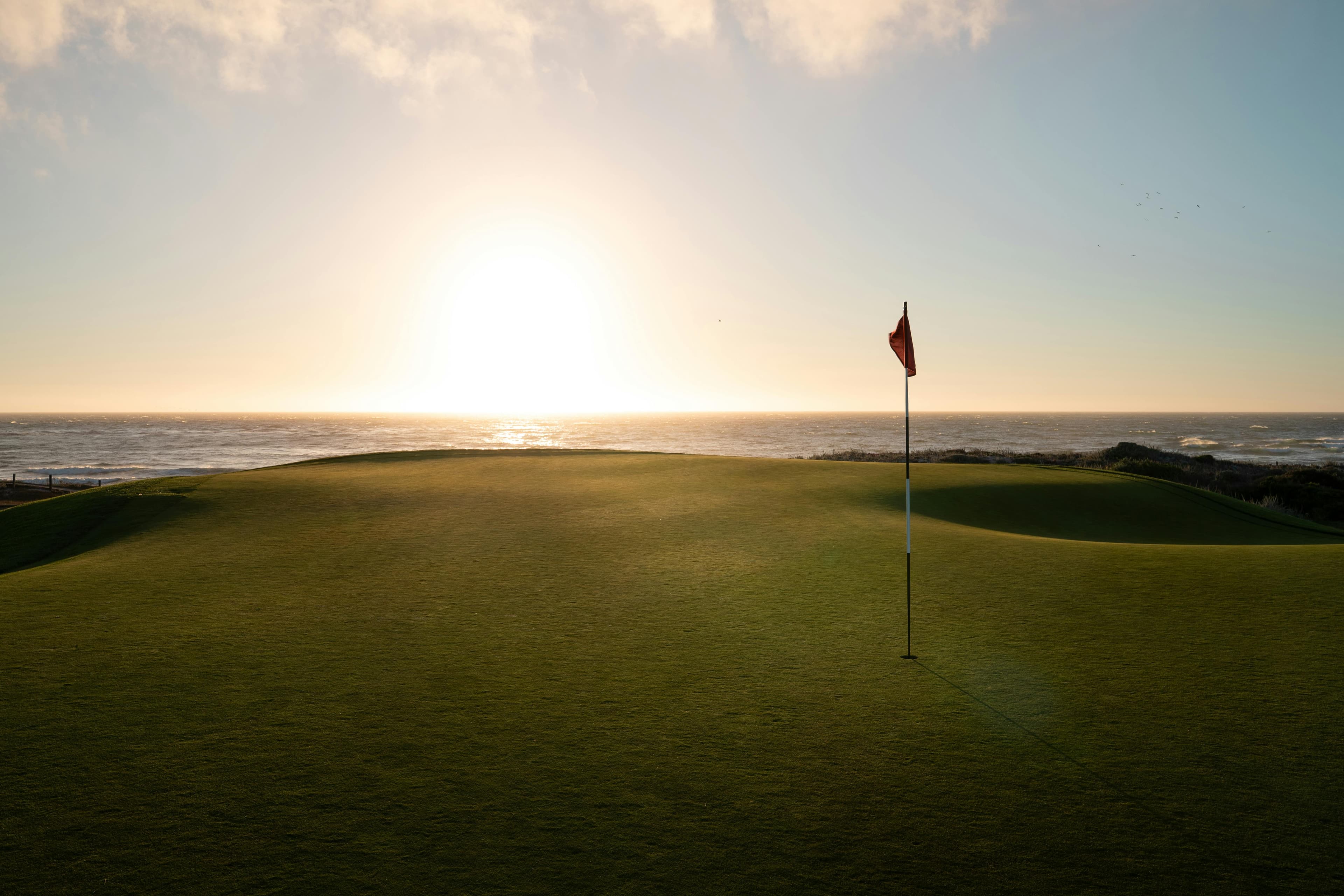
Pacific Grove Golf Links
The course opened in 1919 and has been revised periodically since. H. Chandler Egan reworked several greens and bunkers in 1928 ahead of the U.S. Amateur. The changes have been generally conservative. The routing Neville laid down remains intact, and the coastal holes occupy the same positions they always have. What has changed is the conditioning standard. Modern Pebble Beach is maintained to a level that Neville could not have imagined, and the green speeds and fairway firmness demand a precision that the original design did not require.
Jack Nicklaus oversaw the most substantial renovation in 1998, rebuilding the par-3 5th hole and restoring strategic elements that decades of maintenance had softened.
Six U.S. Opens have been contested here, most recently in 2019. The course has hosted the AT&T Pebble Beach Pro-Am annually since 1947, an event that pairs professionals with celebrity amateurs and carries an atmosphere closer to exhibition than competition. The tournament is popular with television audiences. It does not meaningfully test the course in the way a U.S. Open setup does.
The 2000 championship, won by Tiger Woods at 12 under par with a 15-stroke margin of victory, remains the most dominant performance in major championship history.
How the Course Plays
At 6,828 yards from the back tees, Pebble Beach is short by modern championship standards. The course compensates with small, firm green complexes, unpredictable coastal wind, and an intensity of setting that concentrates the mind in ways that yardage alone cannot. The ocean is in play on nine holes. On several of those, it is in play visually even when it is not in play architecturally, which is a distinction that matters to golfers standing over the ball.
The inland opening stretch plays gently. The 1st through 4th are pleasant without being memorable, though the 4th green, perched above the beach at Stillwater Cove, offers the first honest view of what is coming. The 5th, rebuilt by Nicklaus as a par 3 playing to a green set against the ocean, marks the transition. The 6th, a severe uphill par 5 that doglegs left along the cliff edge, establishes the scale.
The stretch from the 7th through the 10th is the most concentrated sequence of world-class golf holes on the continent. The 7th is a par 3 of roughly 110 yards, a downhill pitch to a tiny green set on a promontory with Carmel Bay on three sides. It plays shorter than any par 3 a visitor will encounter on the Monterey Peninsula, and it plays harder than most. Wind direction is the entire calculation. The 8th asks for an approach shot across an ocean chasm to a green perched on the cliff, a second shot that has appeared in more golf publications than any other in the game. The 9th and 10th run along the cliff edge with the ocean directly to the right, maintaining the visual and strategic intensity before the course briefly turns inland again.
The back nine mixes inland and coastal holes, building toward a finish that delivers on the accumulated weight of the round. The 17th is a par 3 to an hourglass-shaped green guarded by sand on all sides, where pin position changes the club selection by three clubs. The 18th, a par 5 that hugs the coastline of Carmel Bay for its entire length, curves left around the rocks and surf toward a green set below the lodge. It is the most famous closing hole in American golf, and it plays exactly as difficult and visually imposing as its reputation suggests.
What the Green Fee Purchases
The conversation about value at Pebble Beach is different from the conversation at any other public course in the country. At $575 for resort guests and $625 for outside play, the green fee is the highest a visitor will encounter in America. Whether that expenditure is justified depends on what the golfer is purchasing. The golf itself, measured against other courses in the $200 to $300 range, is not three times better. The experience, measured against any other single round available to the public, has no direct comparison.
The resort operation reinforces the sense of occasion. Bag handling, starter interaction, on-course service, and pace management reflect a property that understands exactly what it is selling. A caddie is available and recommended. Caddies here carry deep knowledge of the greens and the wind patterns, and their reads are worth more on this course than on most. The caddie fee and tip represent an additional $100 to $150, which brings the total cost of the round above $700.
Walking without a caddie is permitted and is how a significant number of rounds are played. The course is hilly but manageable on foot, and the walk itself is part of the experience. Cart golf at Pebble Beach is not wrong, but it removes something.
Practical Considerations
Tip
The Monterey Peninsula offers enough quality golf to fill a week. Spyglass Hill, located on the same property, provides a complementary test that many architects consider the superior design. Links at Spanish Bay, Pacific Grove Golf Links, and the courses at Pasadera and Bayonet/Black Horse extend the options further. Playing Pebble Beach's best courses across three or four days distributes the cost and builds a trip around the region rather than a single round.
The verdict