Pebble Beach, CA: Best Courses Guide
Eight golf courses sit within a twenty-minute drive on the Monterey Peninsula. The headliner needs no introduction, but the depth of the roster is what makes this a genuine golf destination rather than a single expensive round with filler on either side. From a $695 cliffside loop that has hosted six U.S. Opens to a $53 municipal course whose back nine traces the same Pacific coastline, the peninsula covers a range of price, difficulty, and character that few places in America can match. What follows is a course-by-course assessment, organized by tier, to help allocate rounds and budget with precision.
Where to stay in Monterey Peninsula
Planning the trip? Compare live prices across every nearby hotel and rental in one search.
Prices and availability from Booking.com, Expedia and others via Stay22. GolfTrailsHQ may earn a commission at no additional cost to you.
The Marquee Round
Pebble Beach Golf Links
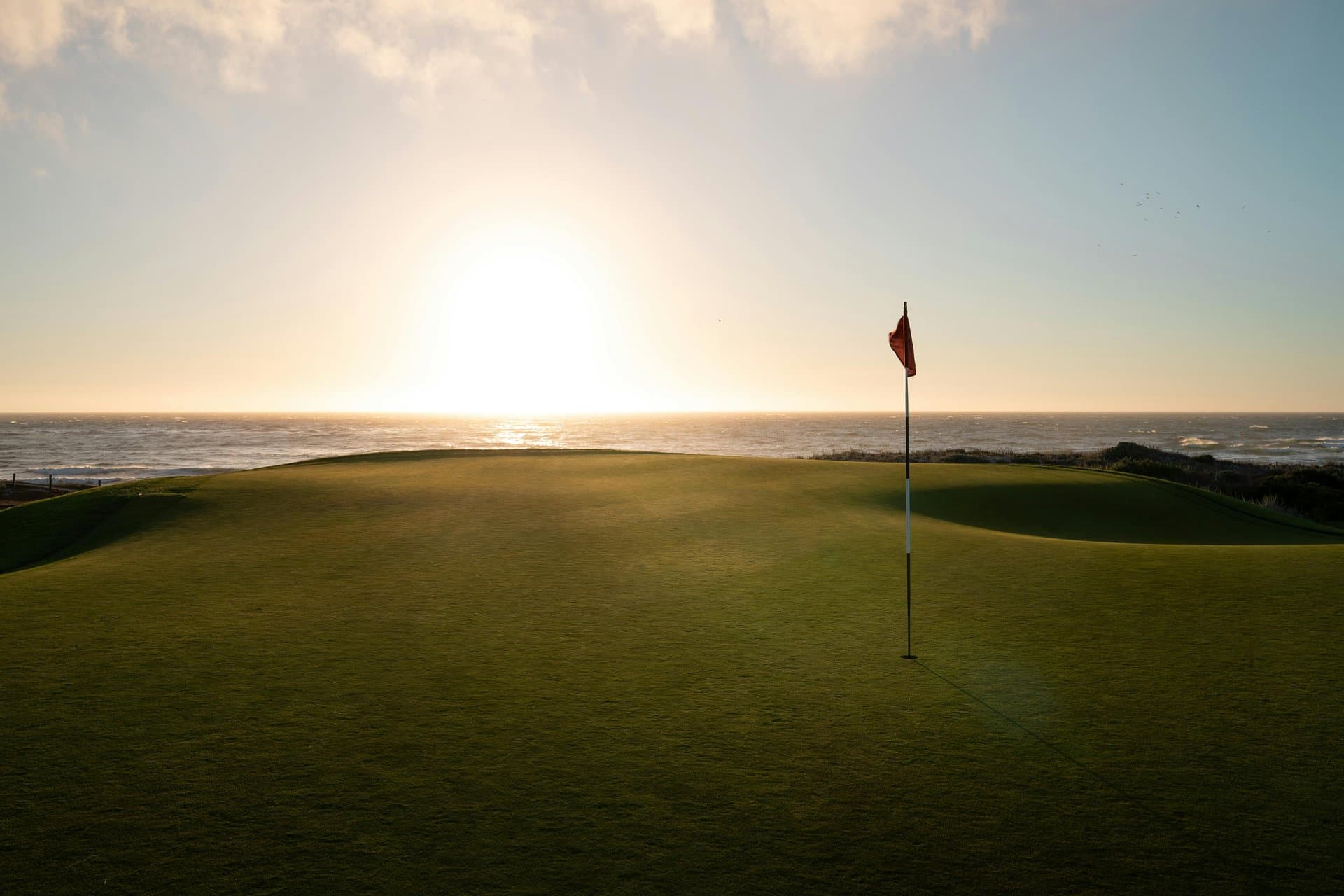
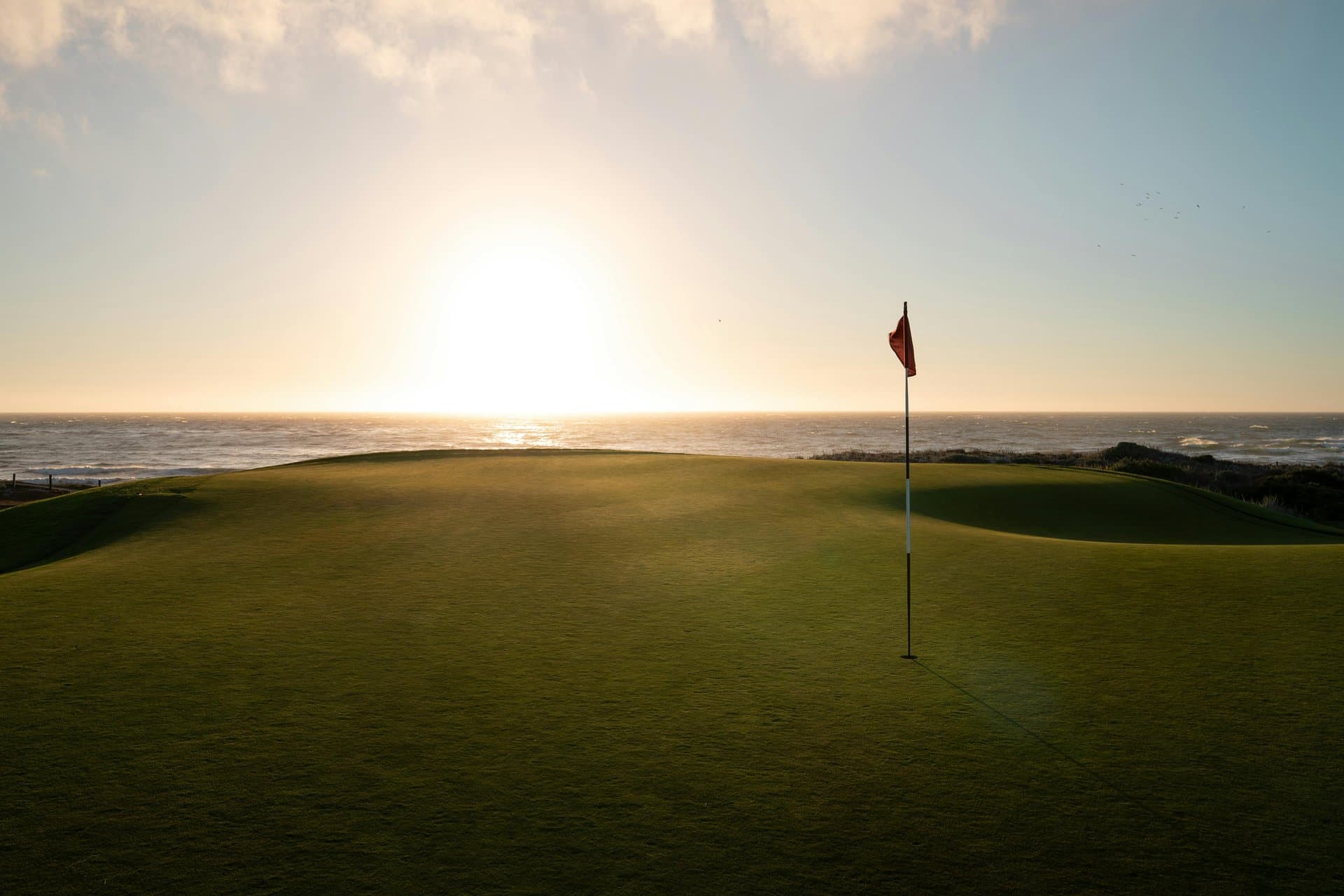
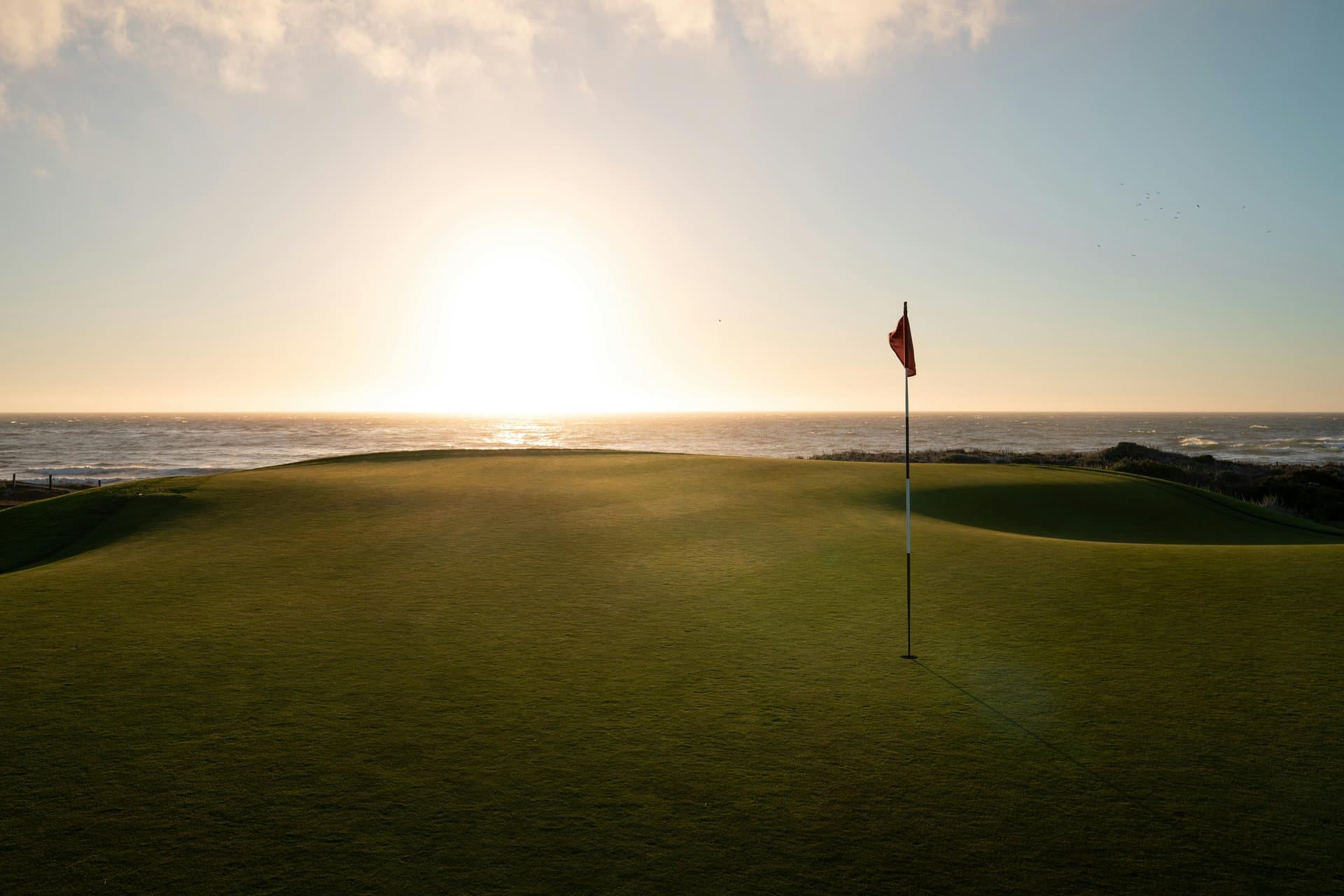
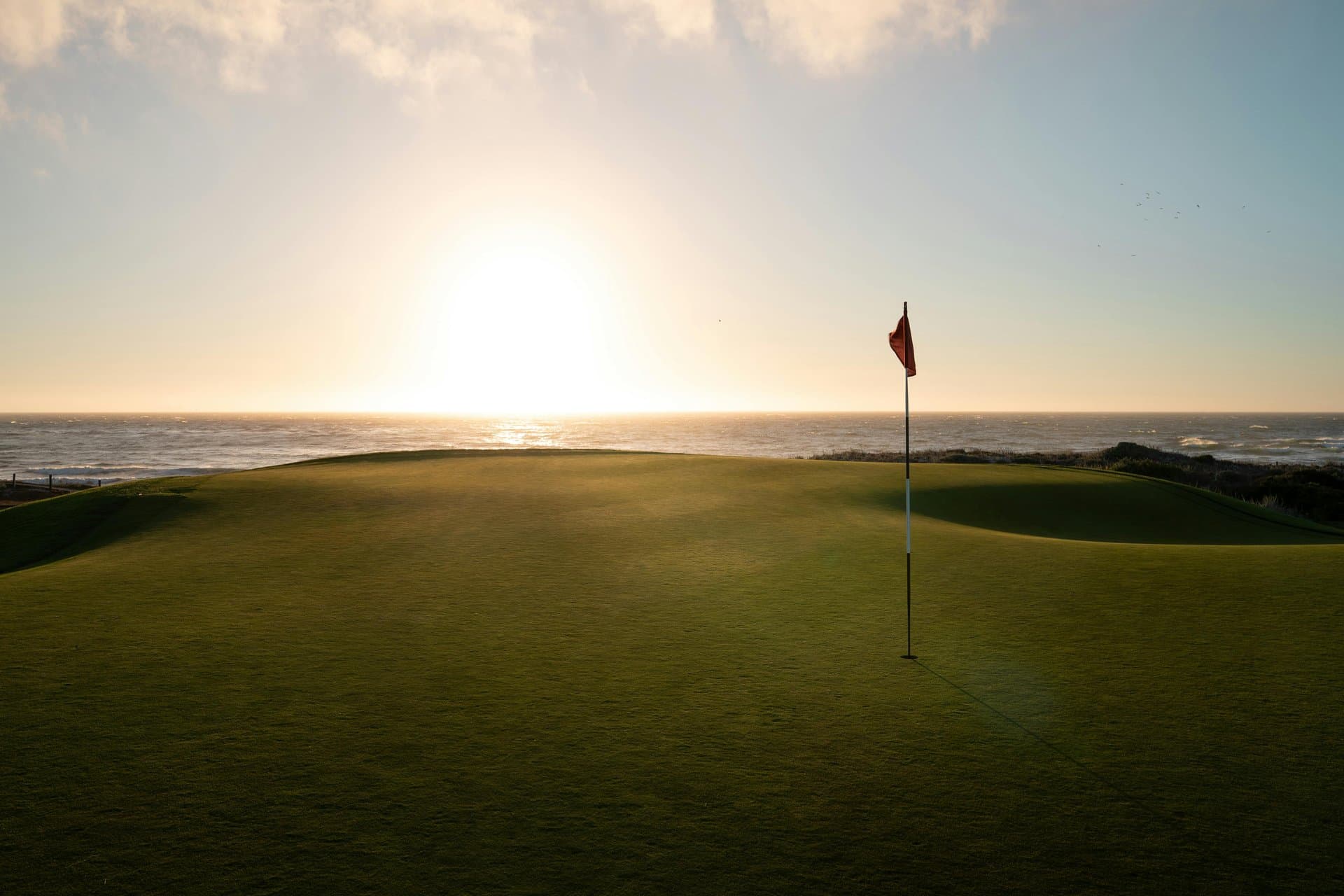
Jack Neville and Douglas Grant routed Pebble Beach Golf Links in 1919 with a straightforward ambition: place as many holes as possible along the water. Nine of the eighteen run along the cliffs above the Pacific, and the remaining nine weave through Monterey cypress groves handsome enough to hold attention on their own. The course measures 6,828 yards at par 72, but length is not the defense. Greens average roughly 3,500 square feet, the smallest on the PGA Tour, and they sit exposed to coastal wind. Precision is the currency here.
The opening holes are set back from the coast, building anticipation more than difficulty. That changes at the 6th, a downhill par 5 toward Stillwater Cove, and changes permanently at the 7th. At 106 yards, the 7th plays from a tee to a green perched on a rocky shelf above the ocean, with club selection dictated almost entirely by wind. The 18th curves along the rocky shoreline, a closing hole that asks for composure in a setting that makes composure difficult.
The 8th follows immediately with an approach shot across a cliff chasm that produces one of the finest back-to-back sequences in American golf.
Six U.S. Opens have been played here, with a seventh scheduled for 2027. Tiger Woods won the 2000 championship by fifteen strokes. Green fees are $695 for non-resort guests, with a mandatory $60 cart fee. Advance tee times require a minimum two-night stay at a Pebble Beach Resorts property. Non-guests may book within 48 hours of play. The total cost of a Pebble Beach day, once accommodation is factored in, starts around $2,500. It is not a casual round, and it was never designed to be one.
Premium Courses
Spyglass Hill
Robert Trent Jones Sr. He succeeded. The course carries a 75.4 rating and 145 slope, both exceeding Pebble Beach, and many golfers who play both report that Spyglass is the round they think about longer afterward.
designed Spyglass Hill in 1966 with the stated intention of building one of the most difficult courses in the world.
The opening five holes route through coastal sand dunes with ocean exposure, beginning with a 595-yard par 5 that plays into the wind through sandy waste areas. At the 6th, the course enters Del Monte Forest and transforms entirely. The wind drops, the dunes disappear, and the holes become tight corridors through Monterey pines that demand a different kind of precision. Jones was deliberate about the contrast: the coastal holes test nerve and imagination, the forest holes test accuracy and management. The back nine through the pines is relentless. Three-putts on these aggressively contoured greens are the mark of a misplaced approach, not a misread putt.
At $525, Spyglass costs $170 less than Pebble Beach and offers arguably more architectural variety. Named after locations in Robert Louis Stevenson's novels, the course rewards the golfer who values difficulty over spectacle. Playing from the forward tees is not a concession; it is the difference between a challenging round and a punishing one.
The Links at Spanish Bay
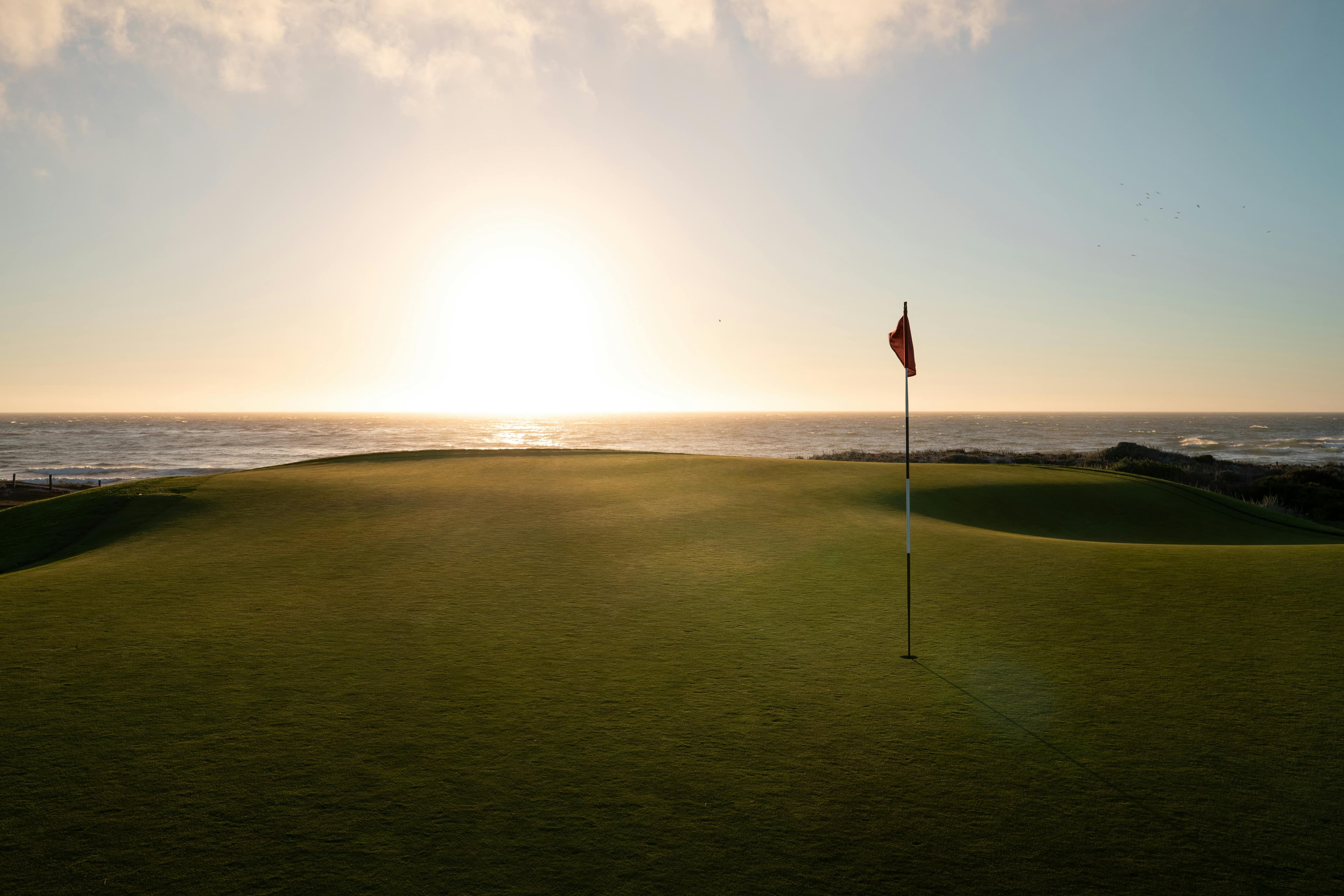
The Links at Spanish Bay closes on March 18, 2026, for a comprehensive Gil Hanse renovation estimated at thirteen months. When operational, the course designed by Robert Trent Jones Jr., Tom Watson, and Sandy Tatum in 1987 offered genuine links golf on the Pacific Coast at $350. The restored sand dunes, firm turf, and bump-and-run approaches made it the only course on the peninsula that rewarded a ground game over an aerial one. The bagpiper at sunset, walking the grounds near the Inn at Spanish Bay in full regalia, was theatrical and earned. Golfers planning peninsula trips during the renovation should slot Poppy Hills into the rotation instead. When Spanish Bay reopens under Hanse's hand, it may emerge as the most architecturally sophisticated of the three Pebble Beach Company courses.
Poppy Hills
The Northern California Golf Association opened Poppy Hills in 1986, and the 2014 renovation by Jones Jr. and Bruce Charlton resolved the drainage issues and congested routing that had drawn fair criticism. The result is 7,002 yards of clean, strategic golf through Del Monte Forest, the same Monterey pine landscape that Spyglass Hill occupies. The course co-hosted the AT&T Pebble Beach Pro-Am from 1991 through 2009, and conditioning reflects that pedigree.
Tip
Quail Lodge Golf Club
Twelve miles inland in Carmel Valley, Quail Lodge occupies a different climate zone entirely. Robert Muir Graves designed the original routing in 1963, later refined by Todd Eckenrode, and the 6,515-yard par-71 layout makes no pretense of championship difficulty. The appeal is the valley itself: mornings that begin overcast at the coast frequently dawn in sunshine here, with temperatures five to ten degrees warmer. At approximately $300, the course functions best as a recovery round between the marquee layouts, a morning where the pressure lifts, the fog burns off, and the game returns to something uncomplicated.
Value Courses
Pacific Grove Golf Links
The best value on the Monterey Peninsula costs $53 on weekdays and $58 on weekends. Pacific Grove Golf Links is a municipal course whose front nine, designed by H. Chandler Egan in 1932, routes through flat parkland that is pleasant but unremarkable. The back nine is a different matter. Jack Neville, the same architect who routed Pebble Beach in 1919, designed nine holes along the Pacific near Point Pinos in 1960. These oceanside holes are exposed to the same coastal wind that shapes play at Pebble Beach, and on a clear afternoon with the wind up, the golf becomes genuinely interesting despite the modest 5,732 yards. The conditioning reflects a municipal budget. The views do not.
A golfer who plays Pacific Grove in the morning and Pebble Beach in the afternoon will have experienced both ends of the peninsula's spectrum in a single day. Twilight rates drop to $33 on weekdays.
Bayonet Golf Course
General Robert McClure designed Bayonet in 1954 for military personnel at Fort Ord, and the course retains its military directness. At 7,094 yards with a slope of 139, this is a serious test. The finishing stretch from the 15th through 18th delivers four consecutive par 4s that are routinely cited as among the most demanding in Northern California: narrow corridors, elevated greens, and no alternative strategy beyond hitting the required shot. Green fees run $79 to $119 with cart included. The conditioning is functional rather than manicured, the clubhouse is no-frills, and the value proposition is difficulty per dollar.
Black Horse Golf Course
Black Horse shares the former Fort Ord property with Bayonet and operates at the same $79 to $119 price point. General Edwin Carnes designed it in 1964, and a 2008 Gene Bates renovation added fescue-framed fairways and contemporary bunkering. The back nine climbs to elevated tee boxes with distant Pacific views, a rarity at this green fee. Where Bayonet's finish is a gauntlet, Black Horse offers more variety and more room for course management. The two courses pair naturally for a 36-hole day at roughly $200 total, less than a third of a single round at Pebble Beach.
Building a Trip
The standard peninsula itinerary anchors around Pebble Beach and Spyglass Hill, filling the third round with Poppy Hills while Spanish Bay is under renovation. That three-day configuration, at roughly $1,450 in green fees alone, represents the canonical Monterey Peninsula experience.
The Links at Spanish Bay
A golfer on a tighter budget can build a compelling four-day trip around Poppy Hills, Pacific Grove, and a Bayonet-Black Horse double for under $500 in total green fees. The golf is different in character, but the peninsula's coastal setting, its particular quality of light, and the weight of its history are present at every price point.
The verdict