Pebble Beach, CA: Bucket List Golf Trip Itinerary (4-5 Days)
The Monterey Peninsula is the most concentrated stretch of premium golf in America. Within a few square miles, three resort courses and a handful of strong public options sit along a coastline that has defined the visual language of American golf for a century. That density makes trip planning straightforward, but the price of entry demands deliberate sequencing. This itinerary covers four to five days on the peninsula, from a sensible warmup round through the marquee event and out the other side with a clear sense of what the region offers beyond its most famous holes.
Where to stay in Monterey Peninsula
Planning the trip? Compare live prices across every nearby hotel and rental in one search.
Prices and availability from Booking.com, Expedia and others via Stay22. GolfTrailsHQ may earn a commission at no additional cost to you.
Day 1: Arrival and Pacific Grove Golf Links
Fly into Monterey Regional Airport (MRY), a small facility roughly ten minutes from the Del Monte Forest gate. Larger airports in San Jose (SJC) and San Francisco (SFO) are 90 and 120 minutes away, respectively. MRY's limited commercial service makes it the more expensive option, but the convenience is difficult to overstate for a trip built around minimizing wasted hours.
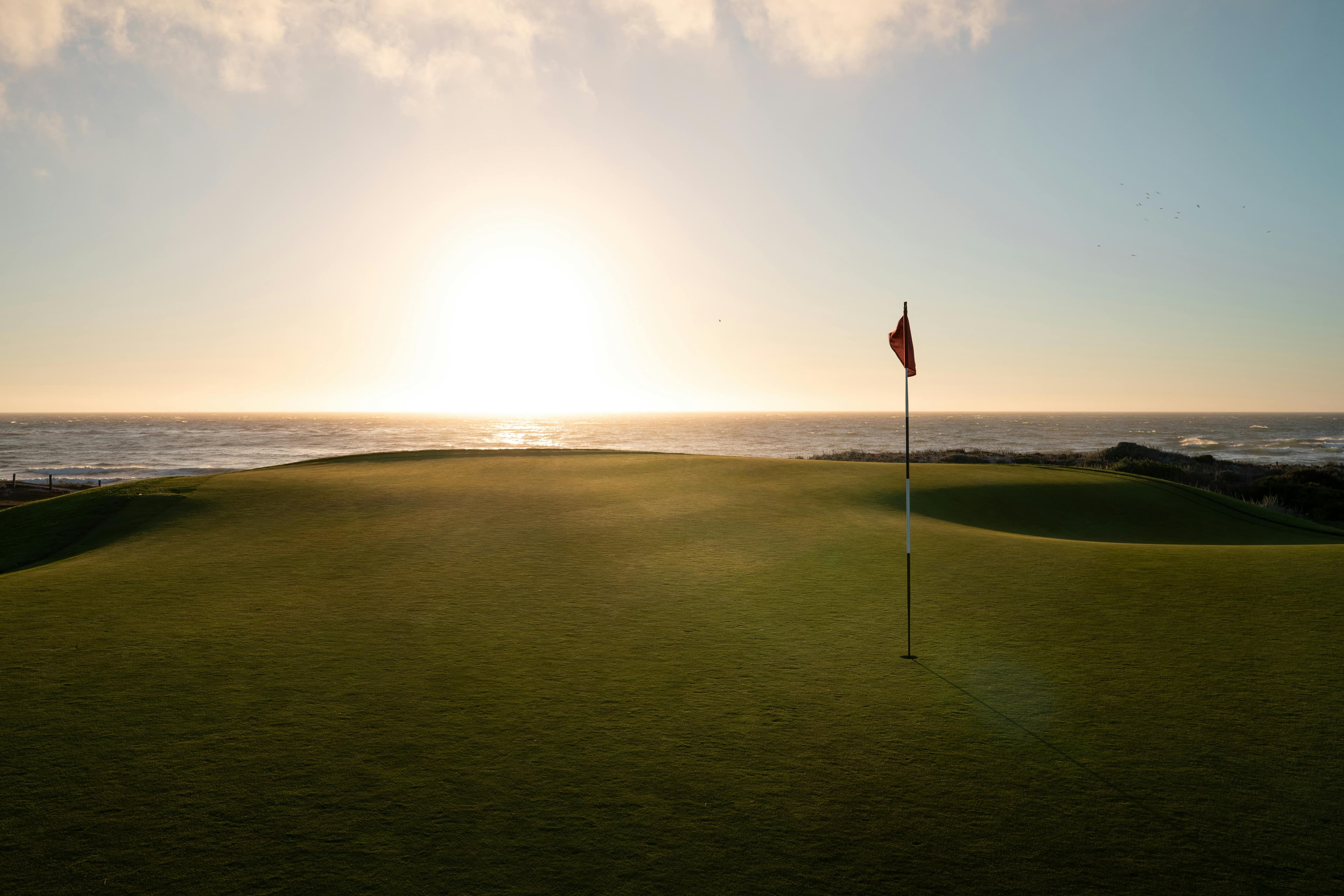
The Links at Spanish Bay
After checking in, head to Pacific Grove Golf Links for an afternoon round. The back nine traces the rocky shoreline between Point Pinos and Asilomar Beach, offering the kind of ocean-adjacent golf that would anchor a lesser destination. At roughly $55 for a green fee, it serves as both a calibration round and a reminder that not every hole on the Monterey Peninsula requires a second mortgage. The front nine is unremarkable inland routing, but the back nine justifies the stop entirely. Walk if the legs can handle it after travel.
Dinner in downtown Pacific Grove or Monterey keeps the first evening low-key. Save the Carmel restaurants for later in the trip.
Day 2: Pebble Beach Golf Links and Carmel-by-the-Sea
This is the day the trip exists to produce. Pebble Beach Golf Links carries a green fee between $575 and $625 for non-resort guests, with resort guests paying the same rate but gaining priority access to tee times. Book as far in advance as the system allows. Morning tee times are preferable; coastal fog tends to lift by mid-morning during summer months, and afternoon wind can complicate the exposed stretch from holes 4 through 10.
A caddie is not mandatory but is strongly recommended. The greens at Pebble Beach are smaller than they appear on television, and local knowledge on approach lines and green reads is worth the fee. Expect to pay $60-80 per bag plus tip.
The round will take five hours or more. Plan for a late lunch at The Bench, the restaurant inside The Lodge at Pebble Beach that overlooks the 18th green and Stillwater Cove. The afternoon belongs to Carmel-by-the-Sea, a village that rewards aimless walking through its galleries and side streets. It is compact enough to cover on foot in two hours.
Day 3: Spyglass Hill and The Links at Spanish Bay
The second major day pairs two Pebble Beach Resorts properties that together represent the full range of peninsula golf. Spyglass Hill opens with five holes through dunes and ice plant along the coast before climbing into a Del Monte Forest routing defined by Monterey pines and elevation change.
It is the most difficult course on the peninsula by most measures, and many regulars consider it the most rewarding round in the rotation.
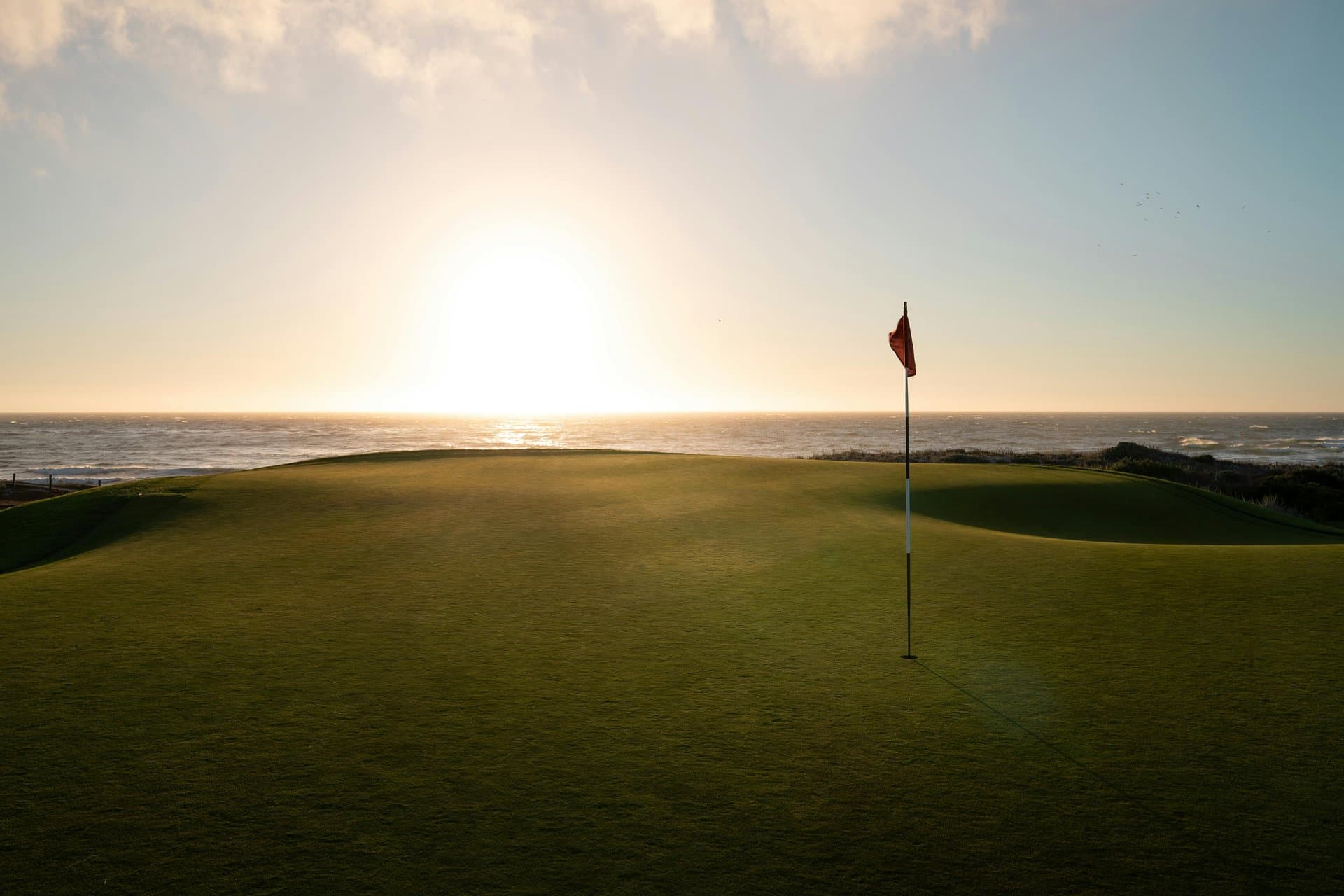
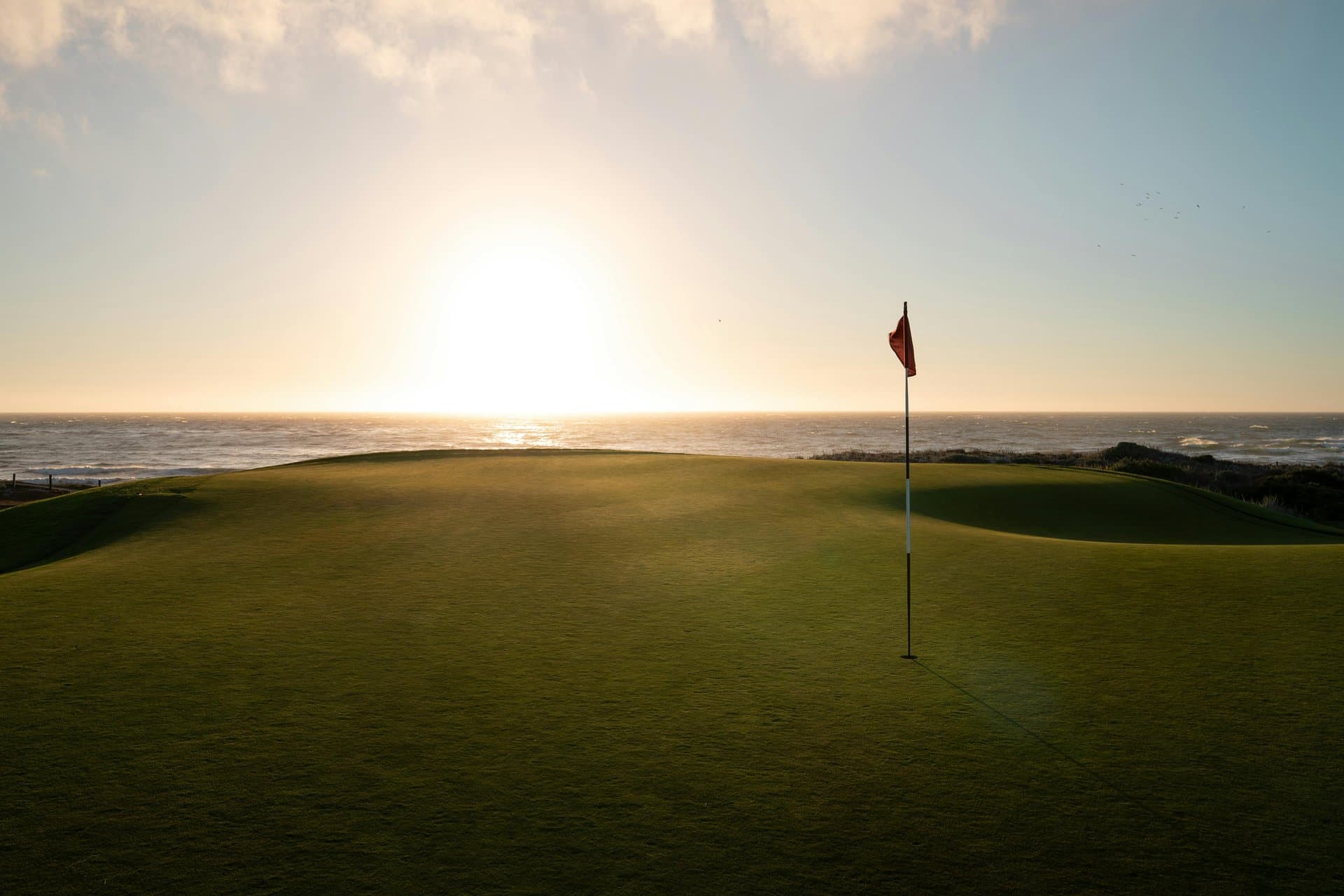
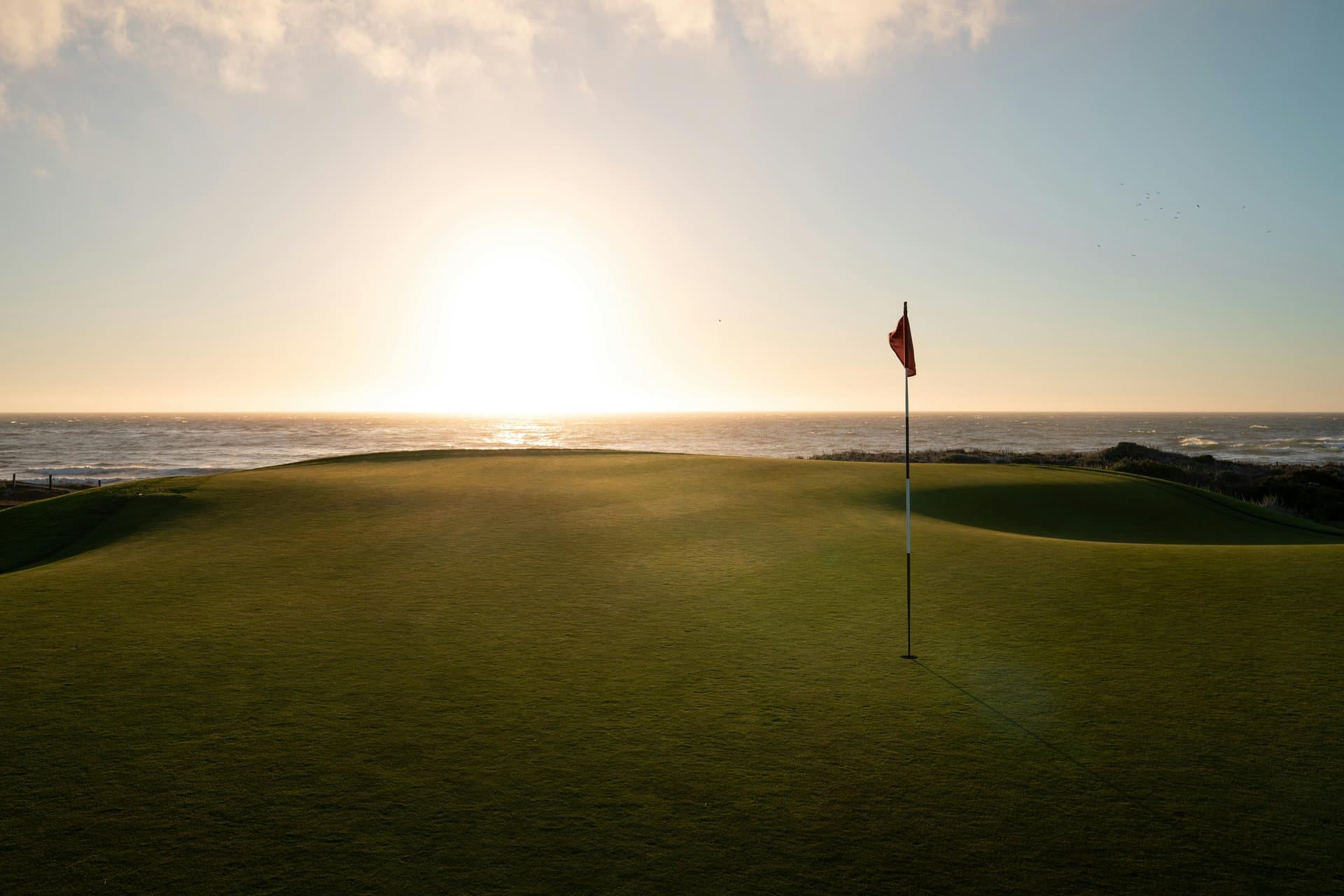
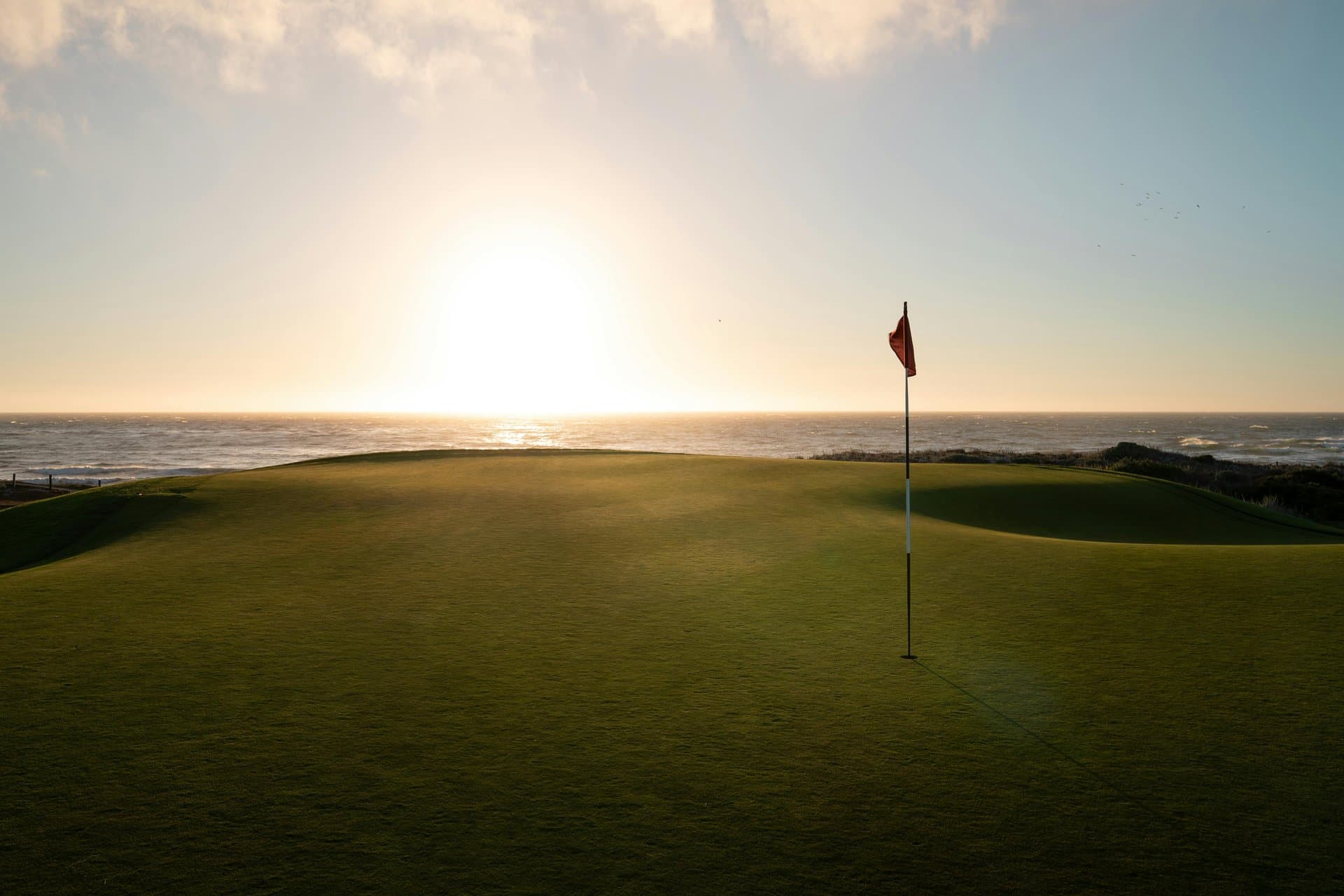
Book an early tee time at Spyglass Hill to leave room for an afternoon round at The Links at Spanish Bay. Designed by Robert Trent Jones Jr., Tom Watson, and Sandy Tatum, Spanish Bay is an intentional homage to Scottish links golf. The course plays through restored sand dunes along a stretch of coastline that catches the full force of Pacific weather. A bagpiper walks the course at sunset, which sounds contrived on paper but works in practice.
Dinner at Roy's at The Inn at Spanish Bay is the natural close to a two-round day. The Pacific Rim menu is the strongest dining option within the resort complex.
Day 4: Poppy Hills or Bayonet & Black Horse, Then Carmel Valley
The fourth day offers a choice. Poppy Hills, the home course of the Northern California Golf Association, sits within the Del Monte Forest and underwent a significant renovation in 2014. It is a genuine test, well-conditioned, and meaningfully less expensive than the resort courses. Alternatively, Bayonet & Black Horse at the former Fort Ord military base provides 36 holes of strong public golf with a completely different character: wider corridors, oak-studded terrain, and a distinctly inland feel. Both are good options. Poppy Hills is the better course; Bayonet & Black Horse is the better value.
The afternoon belongs to Carmel Valley, roughly 20 minutes inland. The valley has developed a credible wine scene anchored by producers like Bernardus, Holman Ranch, and Folktale. Tasting rooms are small-scale and unhurried compared to Napa or Paso Robles. A late lunch at one of the valley's farm-driven restaurants pairs well with an afternoon of tasting.
Day 5 (Optional): Replay or Rest
A fifth day exists for two kinds of travelers: those who want a second crack at Pebble Beach and those who have had enough golf for one trip. A replay round at Pebble Beach Golf Links rewards the return visitor. Shots that felt uncertain on the first pass become intentional on the second, and the course reveals details that adrenaline obscured the first time through.
For the non-golf option, the Monterey Bay Aquarium is one of the finest in the country. The open-ocean tank and kelp forest exhibits alone justify the visit. Combine it with a walk along Cannery Row and a final lunch in Monterey before heading to the airport.
Budget Overview
This is the most expensive golf trip in America, and the pricing is transparent enough that there are few surprises. A realistic per-person budget for four to five days:
- Green fees: $1,400-1,800 (varies by course selection and replay rounds)
- Accommodations: $1,200-2,400 (The Lodge at Pebble Beach runs $800+ per night; The Inn at Spanish Bay is slightly less; Carmel-area hotels offer rooms from $250-400)
- Caddies and tips: $300-500
- Dining and incidentals: $600-900
- Total range: $4,000-6,000 per person
Stay-and-play packages through Pebble Beach Resorts remain the most practical booking strategy. They bundle accommodations, tee times, and cart fees into a single rate and, critically, provide access to tee times that are difficult to secure independently.
The packages are not discounted in any meaningful sense, but the access they provide is the real value proposition.
Tip
When to Go
The Monterey Peninsula plays year-round, but conditions vary considerably. Summer (June through August) brings the heaviest fog, particularly in the morning. September and October are widely regarded as the best months: warmer temperatures, clearer skies, and calmer wind. Winter rounds are possible but carry real weather risk, and some courses reduce hours. Spring is pleasant but unpredictable.
Fog is not a dealbreaker. It typically lifts by 10 or 11 a.m. during summer, and playing through marine layer on the coastal holes has its own appeal. But travelers flying across the country for a once-in-a-lifetime round will want the best odds of clear conditions, and that points to early autumn.
The verdict