Las Vegas, NV: Best Time to Visit
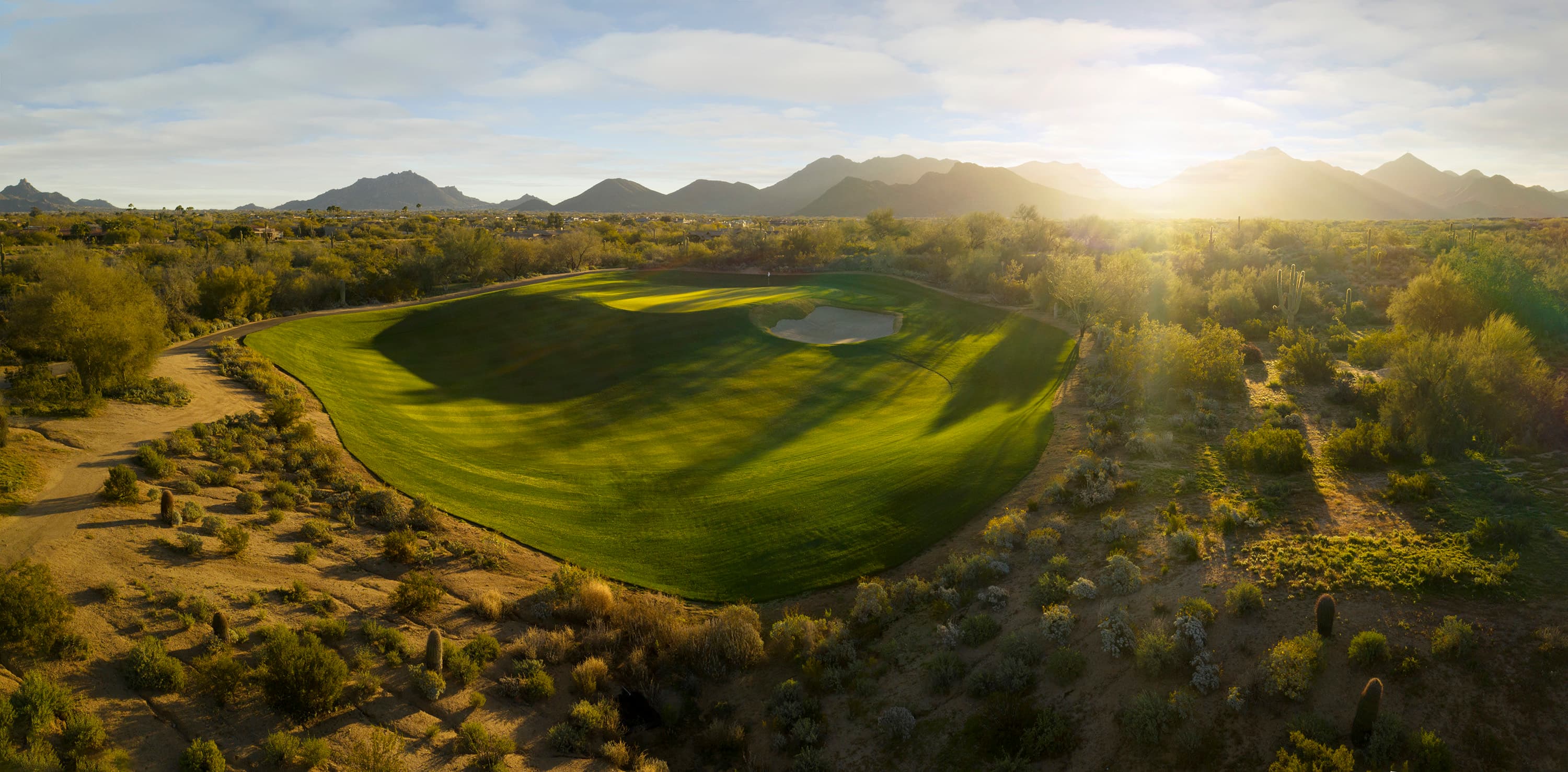
Las Vegas golf exists on a sharply defined calendar. The desert climate that makes the city a year-round entertainment destination creates a golf season with a firm expiration date. From October through May, the courses surrounding the valley offer some of the most visually dramatic golf in the American West, with mountain backdrops, desert landscaping, and immaculate conditioning on display from Shadow Creek to Cascata to the Paiute Resort. From June through September, temperatures routinely exceed 110 degrees and the notion of spending four hours on an exposed desert fairway shifts from uncomfortable to genuinely dangerous. The practical golf season runs roughly eight months, and within that window the variations in weather, pricing, and course conditions are significant enough to shape when and how a trip should be planned. For a broader overview of the area, the Las Vegas destination guide covers logistics, accommodations, and course selection in full.
Where to stay in Las Vegas
Planning the trip? Compare live prices across every nearby hotel and rental in one search.
Prices and availability from Booking.com, Expedia and others via Stay22. GolfTrailsHQ may earn a commission at no additional cost to you.
Fall: October Through November
Fall is the opening of the prime Las Vegas golf season, and October in particular marks a decisive shift. Summer heat breaks in late September, and by mid-October daytime highs settle into the upper 70s to low 80s. Humidity is negligible. The sky takes on the deep blue clarity that defines the Mojave Desert at its best, and the mountain ranges ringing the valley are visible in sharp relief.

TPC Las Vegas
Course conditions are excellent. Overseeding on Bermudagrass courses is typically complete by mid-October, creating lush green fairways that photograph well and play true. Greens are smooth and receptive. The desert rough on courses like Paiute and TPC Las Vegas is manageable, with the native landscape providing dramatic framing without excessive penalty.
Pricing in October and November sits in the middle range for the season. Green fees at premium courses like Cascata and Reflection Bay run $200 to $350, with the Paiute courses and TPC Las Vegas in the $150 to $250 range. Shadow Creek, which operates by invitation and maintains its own pricing structure, remains in the $500 to $600 range year-round.
Tee time availability is good, particularly on weekdays, though convention-week demand can tighten inventory at courses near the Strip.
Winter: December Through February
Winter is peak pricing season for Las Vegas golf. January and February, in particular, see the highest green fees of the year at most courses, with Cascata and Reflection Bay reaching $300 to $400 and the Paiute courses pushing $200 to $280.
Snowbird demand from the Midwest and Northeast drives occupancy across both hotels and tee sheets.
The weather justifies the demand, mostly. Daytime highs range from the mid-50s to low 60s in December and January, warming into the mid-60s by February. Morning temperatures can dip into the upper 30s, and frost delays occur periodically at courses at higher elevations. The air is dry and the sun is strong, so layering for a cold morning start with the expectation of stripping down to a polo by the back nine is standard practice.
Course conditions remain strong through winter, though growth slows and overseeded ryegrass surfaces peak in firmness. Wind is the primary variable. Winter fronts push through the valley periodically, bringing sustained winds of 20 to 30 miles per hour that transform exposed courses like Paiute Wolf into demanding tests. Wind days are the exception rather than the rule, but they are worth monitoring in the forecast.
Spring: March Through May
Spring is the second high-demand window and, for many Las Vegas regulars, the preferred season. March temperatures climb from the mid-60s to low 70s, April settles into the upper 70s, and May pushes into the low 90s. The transition from comfortable to warm happens gradually, and the sweet spot of April through early May delivers consistently excellent playing conditions with moderate temperatures and minimal wind.
Tip
Late May is the value shoulder season for Las Vegas golf. Temperatures are warm but not yet dangerous, pricing has dropped from peak, and course conditions remain strong. It is a narrow window that rewards the flexible traveler.
Summer: June Through September
Summer in Las Vegas is not a golf season. June highs average 105 degrees and July regularly exceeds 115. The courses do not close, and some offer deeply discounted twilight rates, but the conditions are extreme. Heat-related illness is a genuine concern, and even dawn tee times start in the 80s with temperatures climbing rapidly. Courses that maintain summer operations often reduce maintenance intensity, and conditioning reflects the reality that demand is minimal.
Green fees drop to their lowest points. Courses that command $250 in February may offer rounds for $60 to $100 in July. For golfers who live locally and are acclimated to desert heat, early morning summer rounds are a familiar routine. For visitors planning a trip specifically for golf, summer should be avoided entirely.
The Verdict
Las Vegas golf is best experienced in two windows: October through November and March through early May. October offers the strongest combination of weather, course conditions, and pricing balance. April rivals October on conditions but carries higher demand and pricing. The winter months deliver premium golf at premium prices, justified by comfortable temperatures and strong conditioning but subject to occasional cold mornings and wind events.
The verdict