Kiawah Island: How to Book and What to Pay
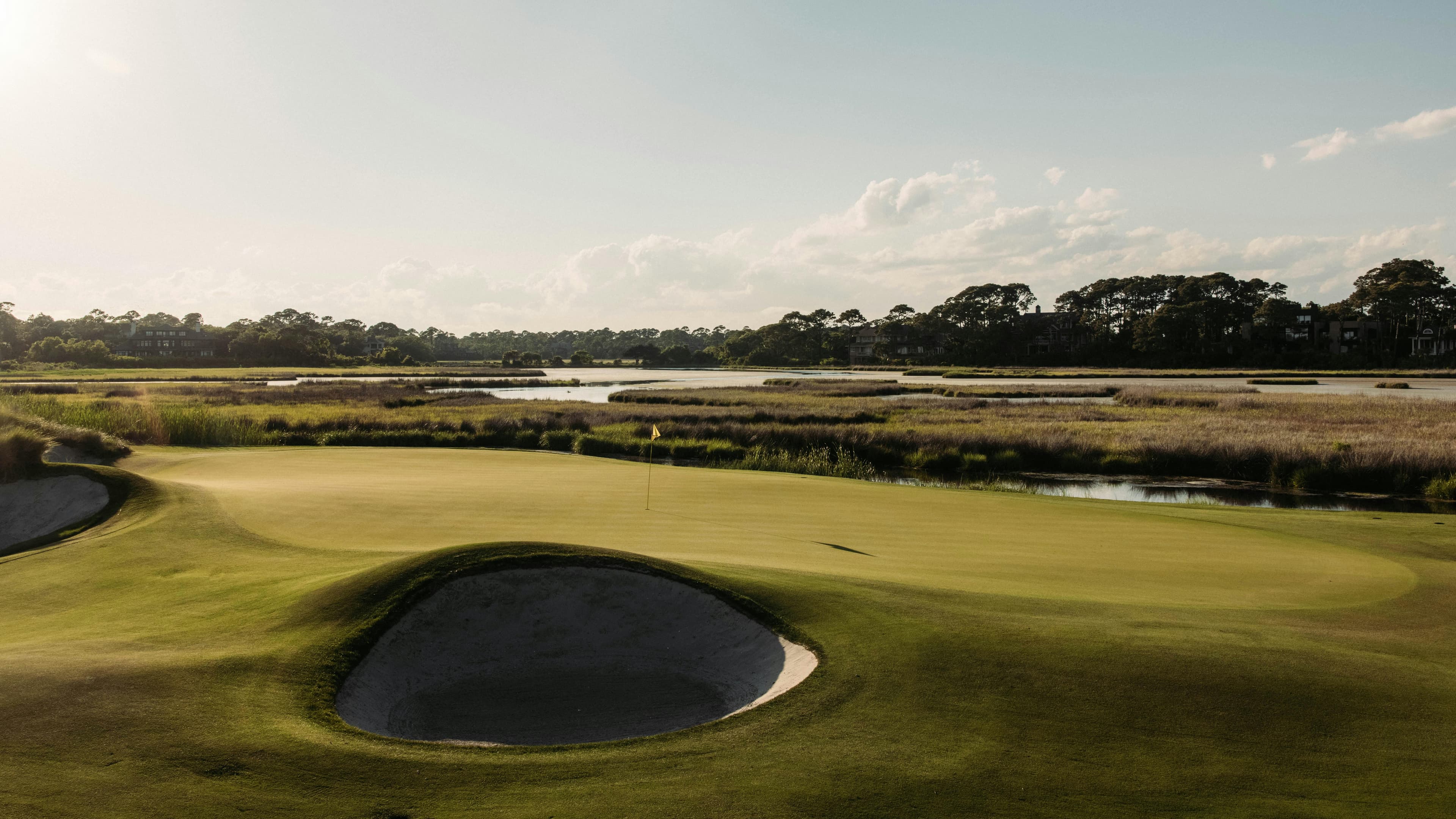
Kiawah Island occupies a particular position in American resort golf. The Ocean Course, site of the 1991 Ryder Cup and the 2021 PGA Championship, is among the most recognized layouts in the country. But access to it is controlled, pricing is steep, and the broader Kiawah resort system operates with rules that reward planning over spontaneity. Understanding those rules is the difference between a trip that delivers on its promise and one that leaves the marquee course on the wrong side of the tee sheet.
Where to stay in Charleston & Kiawah Island
Planning the trip? Compare live prices across every nearby hotel and rental in one search.
Prices and availability from Booking.com, Expedia and others via Stay22. GolfTrailsHQ may earn a commission at no additional cost to you.
The Ocean Course: Access and Pricing
There is no public access and no third-party booking channel. Green fees range from $400 to $500 or more depending on season, with peak pricing applied during spring and fall when Lowcountry conditions are at their best. Caddie fees add approximately $100 to $120 per bag, and caddies are strongly recommended given the course's exposure to Atlantic wind that shifts throughout the day.
The Ocean Course restricts tee times to guests of Kiawah Island Golf Resort.
Resort guests can book tee times when confirming their stay, and preferred morning times on the Ocean Course compress quickly for peak-season dates. Travelers with fixed spring or autumn schedules should finalize resort reservations as early as possible. The booking window for Ocean Course times is tied directly to the lodging reservation, which means waiting on the hotel decision delays the tee time decision.
The Other Kiawah Courses
Kiawah Island Golf Resort operates four additional courses: Osprey Point, Turtle Point, Cougar Point, and Oak Point. Green fees for these layouts range from $100 to $250 depending on course and season.
They are accessible to resort guests with the same advance booking privileges, and several accept outside play during lower-demand periods.
These are not consolation rounds. Osprey Point in particular is a well-regarded Pete Dye design that plays through maritime forest and salt marsh. The four supporting courses provide the variety that makes a multi-day Kiawah trip practical without requiring the Ocean Course budget for every round.
Seasonal Pricing
Kiawah operates year-round, which is a meaningful advantage over northern resort destinations. The pricing calendar breaks into three tiers. Peak season spans March through May and September through November, when temperatures sit between 65 and 85 degrees and humidity is manageable. Green fees across all courses reach their highest levels during these windows.
Summer, June through August, brings lower rates but also heat, humidity, and afternoon thunderstorms. Rounds that start before 8 a.m. can finish comfortably. Afternoon play is a different proposition. Winter, December through February, offers the lowest pricing and surprisingly playable conditions on many days, though wind chill along the coast can make exposed holes on the Ocean Course genuinely challenging.
Packages and Stay-and-Play
Tip
The packages are most advantageous during transition weeks between pricing tiers, particularly late May and early September. The resort also offers replay rates for additional rounds beyond those included in a package, which allows golfers to add a fourth or fifth round without paying full rack rate.
Beyond the resort, the greater Charleston area offers public and semi-private courses at lower price points. The Links at Stono Ferry and Charleston National provide solid golf in the $75 to $125 range and serve as effective complements to a Kiawah-anchored trip.
Advance Booking Strategy
For peak-season travel, particularly October dates when Kiawah's conditions are arguably at their finest, booking three to six months in advance is prudent. The Ocean Course has limited daily tee times by design, and resort occupancy during autumn weekends approaches capacity well ahead of arrival dates.
For summer and winter travel, shorter lead times of four to eight weeks are generally sufficient for all courses except the Ocean Course, which warrants advance planning regardless of season.
Getting There
Charleston International Airport (CHS) is approximately 30 miles from Kiawah Island, a 40-minute drive in normal traffic. The island is a gated community, so resort guests receive access credentials at check-in. There is no meaningful public transit option; a rental car or resort shuttle is necessary.
The Bottom Line
Kiawah Island is structured around the Ocean Course, and the resort system is built to monetize that draw. The pricing reflects it. But the surrounding courses offer genuine quality at more moderate rates, and the Kiawah Island destination guide covers the full scope of what the Lowcountry provides beyond the flagship layout. Book early, book through the resort, and budget the Ocean Course as the centerpiece rather than the standard. The Kiawah Island best courses can help determine which supporting rounds to build around it.