When to Book a Golf Trip: Planning Timeline Guide
The difference between a well-timed golf trip booking and a last-minute scramble is not just price. It is access. The best tee times at high-demand courses operate on booking windows that open months in advance, fill within days, and do not reappear. The golfer who books early gets the preferred tee times, the better accommodations, and in many cases, meaningfully lower rates. The golfer who waits gets whatever remains.
What follows is a practical guide to booking timelines, organized by destination type and trip complexity.
The General Rule
For a standard golf trip to a well-known destination during peak season, the planning timeline looks like this:
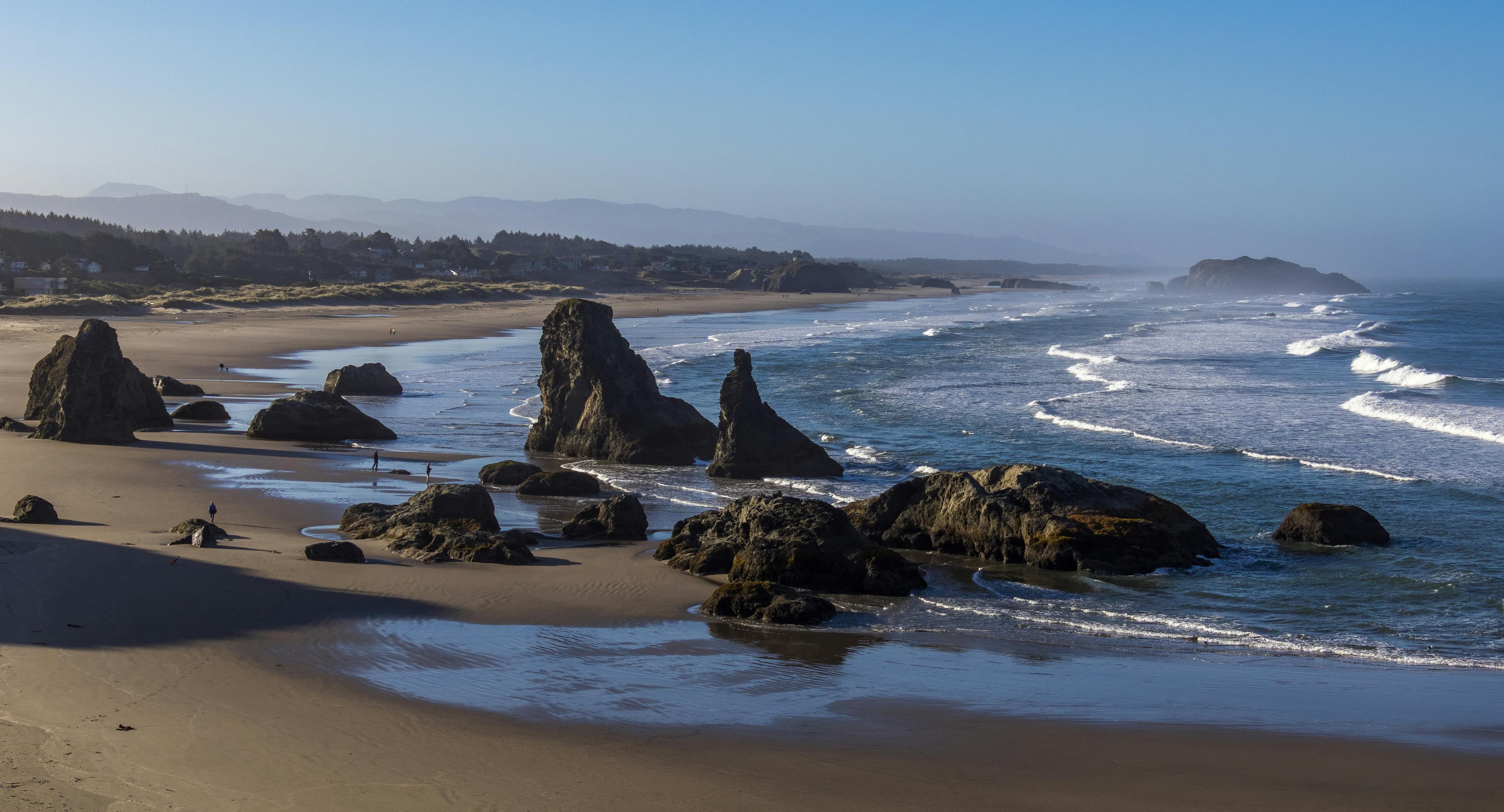
Bandon Dunes
- 6 to 9 months out: Book accommodations and secure resort tee times at premium destinations (Pebble Beach, Bandon Dunes, Kiawah Ocean Course, Whistling Straits).
- 4 to 6 months out: Book accommodations and tee times at popular mid-tier destinations (Scottsdale, Palm Springs, Myrtle Beach, Hilton Head).
- 2 to 3 months out: Book off-peak travel, shoulder-season trips, and destinations with large course inventories where availability remains deep.
- 2 to 4 weeks out: Acceptable for last-minute trips to high-volume markets or off-peak windows, but expect limited choices at the top of the market.
These are minimums, not targets. Earlier booking consistently produces better outcomes across every variable.
Booking Windows by Destination Tier
Prestige Destinations
Pebble Beach prioritizes resort guests, and the Lodge books well in advance of the tee sheet opening. Bandon Dunes opens reservations based on lodging bookings, and peak-season weekends in June through September fill months ahead. At Whistling Straits, the Straits Course tee sheet for summer and early fall is competitive from the day it opens.
Pebble Beach, Bandon Dunes, Whistling Straits, and the Kiawah Ocean Course operate with the most constrained availability.
For these destinations, booking 6 to 12 months in advance is standard. Last-minute availability does appear through cancellations, but planning a group trip around cancellation luck is not a reliable strategy.
Resort and Mid-Tier Destinations
Scottsdale, Palm Springs, Hilton Head, Pinehurst, and Naples operate with more flexibility. The course inventories are deeper, the accommodations more varied, and the booking windows more forgiving. A trip booked four months in advance during peak season will typically secure strong tee times and reasonable rates. Six months provides greater certainty and access to preferred pricing.
The exception is peak-peak windows: Scottsdale in February and March, Palm Springs in January and February, Pinehurst during major event weeks. These sub-seasons within the peak season tighten availability and increase prices in ways that reward earlier commitment.
High-Volume Markets
Myrtle Beach, Orlando, and the Robert Trent Jones Trail in Alabama maintain enough course inventory that availability is rarely a constraint. Booking 2 to 3 months out is generally sufficient for good options, and even shorter lead times will produce playable results, though at the cost of preferred tee times at the top courses.
The best deals come from package operators who bundle lodging and rounds, and these packages are typically published 3 to 6 months before the season begins.
Seasonal Pricing Patterns
Golf destination pricing follows predictable cycles, and understanding them is the simplest way to improve the value of a trip.
Tip
Southeast coastal (Hilton Head, Kiawah, Myrtle Beach, Sea Island): Peak pricing aligns with spring (March through May) and fall (September through November). Winter offers moderate savings with cooler temperatures. Summer is the lowest-price window but brings heat and humidity. See the best spring golf destinations guide for seasonal recommendations.
Florida (Naples, Orlando, Streamsong): Peak runs December through April, coinciding with the dry season. Summer is the low season, with afternoon thunderstorms a daily factor and green fees dropping accordingly. See the best winter golf destinations guide for winter trip planning.
Northern destinations (Kohler, Northern Michigan, Bandon): Peak runs June through September, with July and August commanding the highest rates. May and October offer lower prices and strong conditions, though weather variability increases.
Group Booking Logistics
Group trips introduce variables that individual travel does not. Each additional person in the group extends the booking timeline by a factor that most people underestimate.
Groups of 4: The simplest format. One tee time, one lodging unit, one rental car. Book as you would for any trip, adding a modest buffer for schedule coordination. A month of lead time beyond the standard window is usually sufficient.
Groups of 8 to 12: This is where logistics compound. Two or three tee times need to be coordinated sequentially, lodging must accommodate the group without scattering across multiple properties, and travel arrangements multiply. Start the planning process 6 to 8 months before the target date, with deposits secured within the first month of discussion. Designate a single organizer who controls the booking and collects funds on a defined schedule.
Groups of 16 or more: Consider working with a golf travel operator who specializes in group bookings. The coordination cost of managing tee times, lodging, transportation, and payments for large groups exceeds what most volunteer organizers can handle without dedicated infrastructure. Operators also access rates and availability that direct bookings may not reach. See the best golf group trip destinations guide for destination-specific advice.
The Cost of Waiting
The common failure mode in golf trip planning is not booking too early; it is waiting too long to commit. The group that spends three months debating destinations before booking arrives at a tee sheet with diminished options and inflated pricing. The group that commits early, even if the destination is imperfect, plays better courses at better prices with less stress.
The verdict