Best Budget Golf Destinations in America
The assumption that good golf requires serious money is understandable but wrong. The most celebrated American golf trips do lean expensive. Pebble Beach at $600 a round, Bandon Dunes at $350, Kiawah's Ocean Course at $450. These numbers are real, and they set a psychological anchor that makes the entire sport feel like a luxury exercise. But a parallel universe of American golf exists at a fraction of these prices, and the quality gap is often far narrower than the cost gap suggests. A golfer willing to travel strategically can play well-designed, well-maintained courses for under $150 per day, including lodging and meals, in at least eight distinct markets across the country.
The key is understanding what drives golf pricing. Season, day of week, time of day, and geographic competition all create exploitable gaps between quality and cost. What follows is an honest assessment of where those gaps are widest.
The RTJ Golf Trail, Alabama
The Robert Trent Jones Golf Trail remains the single best value proposition in American golf, and it is not particularly close. Eleven sites spread across Alabama, from the Tennessee border to the Gulf Coast, offering 26 courses designed or overseen by the Jones firm. Green fees range from $50 to $80 per round, with twilight and replay rates dropping below $40. The courses are full-length, full-quality tournament layouts.
Oxmoor Valley, Ross Bridge, and the Fighting Joe course at The Shoals are routinely cited among the best public courses in the Southeast.
TPC Myrtle Beach
The daily budget math is straightforward. A round at $65, a hotel in Birmingham or Huntsville at $90, and meals at $35 produce a fully loaded day under $200. Travelers willing to stay at the on-site lodges and book multi-round packages can compress that further toward $150. The RTJ Trail was designed from inception as a public golf asset, and the pricing reflects state economic development incentives rather than pure market extraction.
It is, in the most literal sense, subsidized quality golf.
Myrtle Beach, South Carolina
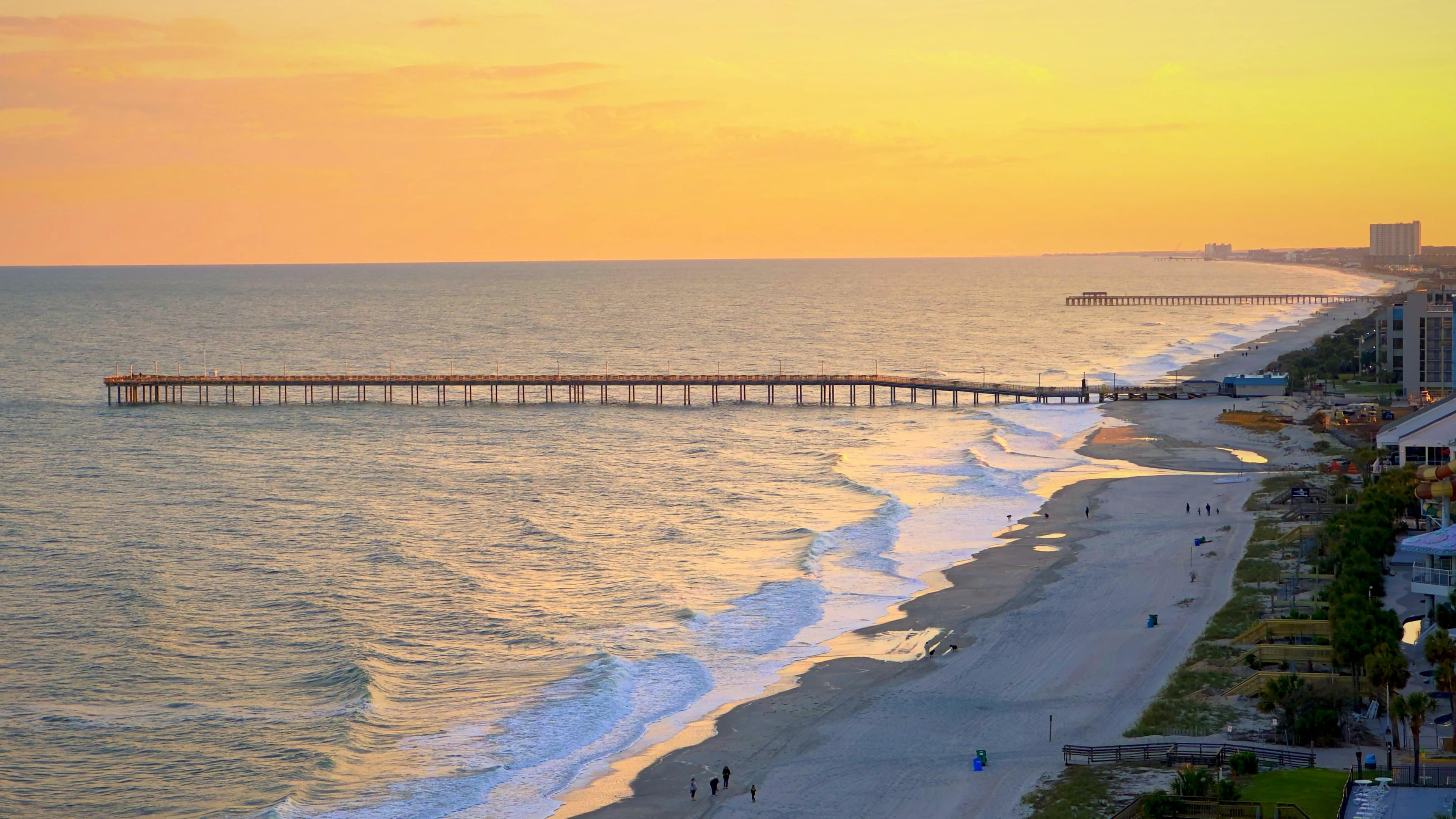
The Grand Strand's economics are governed by sheer volume. More than 80 courses competing for tee times within a 30-mile corridor creates pricing pressure that works relentlessly in the golfer's favor. Peak spring and fall rates at top-tier courses like Caledonia Golf and Fish Club, True Blue, and TPC Myrtle Beach run $120 to $200. Off-peak summer rates at those same courses drop to $60 to $120, and winter rates fall to $40 to $100. The mid-market courses that populate the Strand run $30 to $70 year-round.
A summer Myrtle Beach trip lands comfortably under $150 per day. Green fees at $70, a hotel or rental condo at $50 to $80, and meals at $30 to $40 keep the arithmetic simple. The heat is real from June through August, with temperatures in the upper 80s to mid-90s. Early morning tee times and an afternoon at the beach resolve that problem for most visitors. The Myrtle Beach destination guide covers course selection and timing in detail.
Branson and the Ozarks, Missouri
Branson operates below the radar of most golf travelers, which is precisely why the value holds. A cluster of roughly a dozen courses winds through the Ozark foothills, with green fees ranging from $50 to $100 at the top end. Top of the Rock, Payne's Valley (the first public course designed by Tiger Woods), and Ozarks National by Bill Coore and Ben Crenshaw represent a quality ceiling that would surprise golfers who associate the area primarily with country music theaters.
Daily budgets in the Ozarks run $120 to $160, depending on course selection. Lodging and dining costs are among the lowest of any golf destination on this list. The season runs from April through October, with September and October delivering the best combination of fall color, mild temperatures, and available tee times.
Orlando, Florida (Off-Peak)
Orlando's summer pricing represents one of the sharper seasonal discounts in American golf. The courses themselves do not change between January and July, but the rate cards do. Courses that charge $150 to $250 during the peak winter window drop to $50 to $120 from June through September. Reunion Resort, Orange County National, and ChampionsGate all participate in this seasonal compression.
Tip
Pinehurst, North Carolina (Beyond No. 2)
Pinehurst's reputation is built on Course No. 2, and its pricing follows accordingly. But the Pinehurst Resort operates nine courses, and the ones numbered above two offer genuine quality at a fraction of the flagship rate. Courses No. 1, 4, 5, and 8 carry green fees between $150 and $250 for resort guests, roughly half the cost of No. 2. The Pine Needles and Mid Pines complex nearby offers two Donald Ross designs at $100 to $175.
A Pinehurst trip built around the secondary courses rather than No. 2 lands in the $200 to $250 per day range, which exceeds the strict $150 threshold but enters the conversation for golfers whose definition of budget extends slightly higher. The town itself is affordable, with dining and accommodation options well below resort pricing. Spring and fall deliver ideal conditions; summer is hotter but cheaper.
Scottsdale, Arizona (Summer)
Scottsdale's summer pricing inversion is the most dramatic in American golf. Courses that charge $250 to $400 from November through April drop to $50 to $150 from June through September. TPC Scottsdale, Troon North, and Grayhawk all participate. The discount is real, and the courses are identical to their winter-season selves.
The catch is equally real. Daytime highs from June through September regularly exceed 110 degrees Fahrenheit, with July often reaching 115. Rounds must start at dawn. Walking is medically inadvisable. The daily budget runs $100 to $170, factoring in summer hotel rates that drop alongside green fees. This is a legitimate budget golf destination for golfers who have experience in extreme desert heat. For everyone else, the savings are not worth the physical cost.
Hilton Head Island, South Carolina (Off-Peak)
Hilton Head's peak season runs from March through May and September through November. The windows on either side of those periods bring meaningful discounts. Winter green fees at courses like Harbour Town, Palmetto Dunes, and Port Royal drop to $100 to $160, with summer rates similarly reduced. The course quality remains strong year-round, and the island's infrastructure operates without seasonal interruption.
A winter or summer Hilton Head trip runs $150 to $200 per day, with lodging in the villa-rental market keeping accommodation costs moderate. The trade-off is weather. Winter mornings start in the low 40s, and summer afternoons push into the upper 80s with humidity. Neither is prohibitive, but neither matches the ideal conditions of the shoulder seasons.
How to Plan a Budget Golf Trip
The common thread across these destinations is timing. Every major golf market has a pricing trough, and the courses available during that trough are the same physical layouts that command premium rates during peak season. The fairways do not shrink because the rate drops. For a detailed framework on structuring trips around these pricing windows, see how to plan a golf trip.
| Destination | Daily Budget | Green Fee Range | Best Value Window |
|---|---|---|---|
| RTJ Trail, Alabama | $150-$200 | $50-$80 | Year-round |
| Myrtle Beach | $120-$150 | $40-$120 | Jun-Aug, Dec-Feb |
| Branson / Ozarks | $120-$160 | $50-$100 | Sep-Oct |
| Orlando | $130-$180 | $50-$120 | Jun-Sep |
| Pinehurst (non-No. 2) | $200-$250 | $100-$250 | Jun-Aug |
| Scottsdale (summer) | $100-$170 | $50-$150 | Jun-Sep |
| Hilton Head | $150-$200 | $100-$160 | Dec-Feb, Jun-Aug |
The verdict