Scottsdale vs Palm Springs: Desert Golf Showdown
Two cities, separated by five hours of interstate and an entire philosophy of what a desert golf trip should feel like. Scottsdale and Palm Springs are the most frequently compared golf destinations in the American Southwest, and the comparison is reasonable. Both offer desert terrain, winter sunshine, and enough courses to fill a week without repeating a tee time. But the resemblance is largely superficial. These are different trips, suited to different priorities, and choosing between them is less about which is objectively better than about what a particular group is actually looking for.
Where to stay in Palm Springs
Planning the trip? Compare live prices across every nearby hotel and rental in one search.
Prices and availability from Booking.com, Expedia and others via Stay22. GolfTrailsHQ may earn a commission at no additional cost to you.
Course Quality and Variety
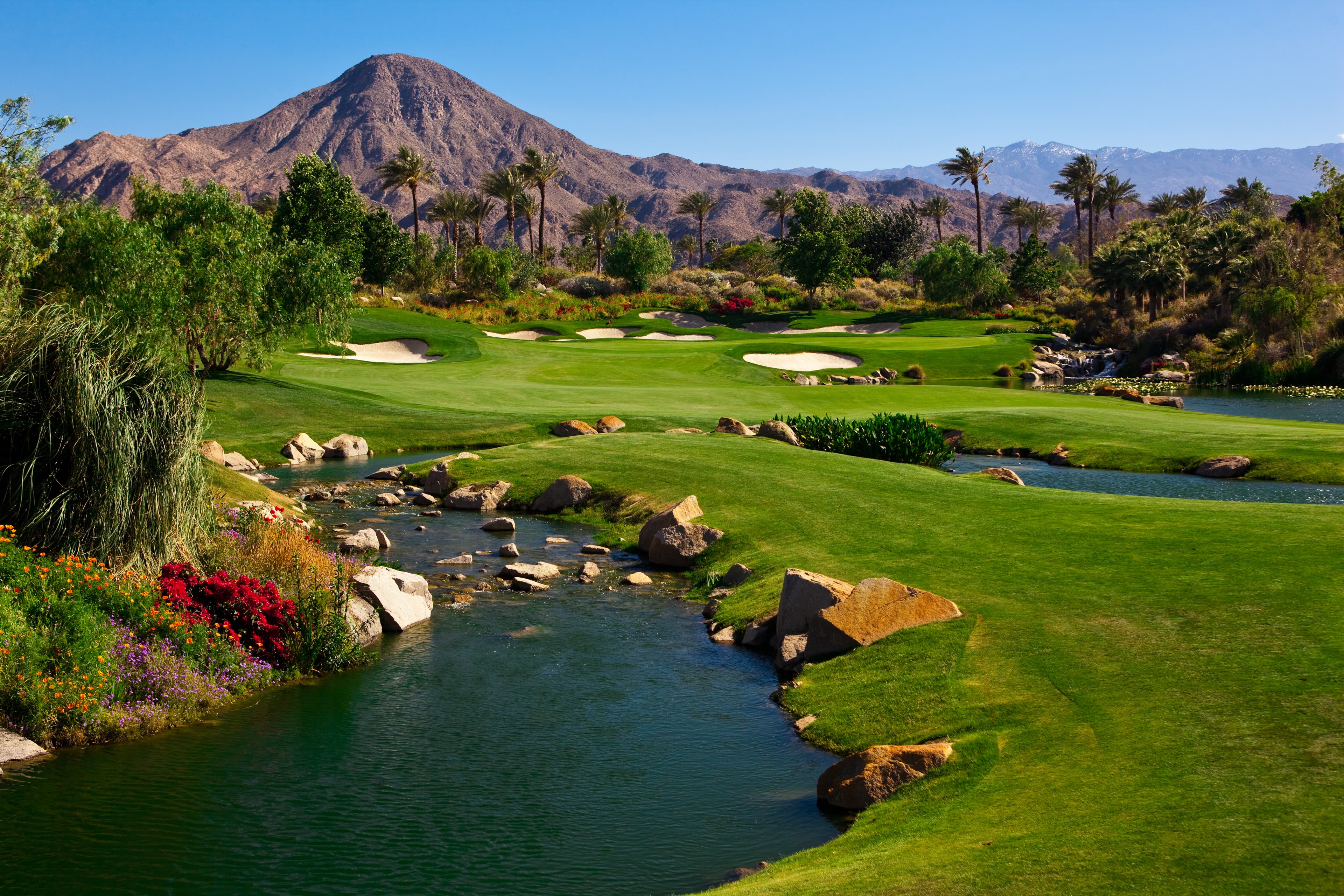
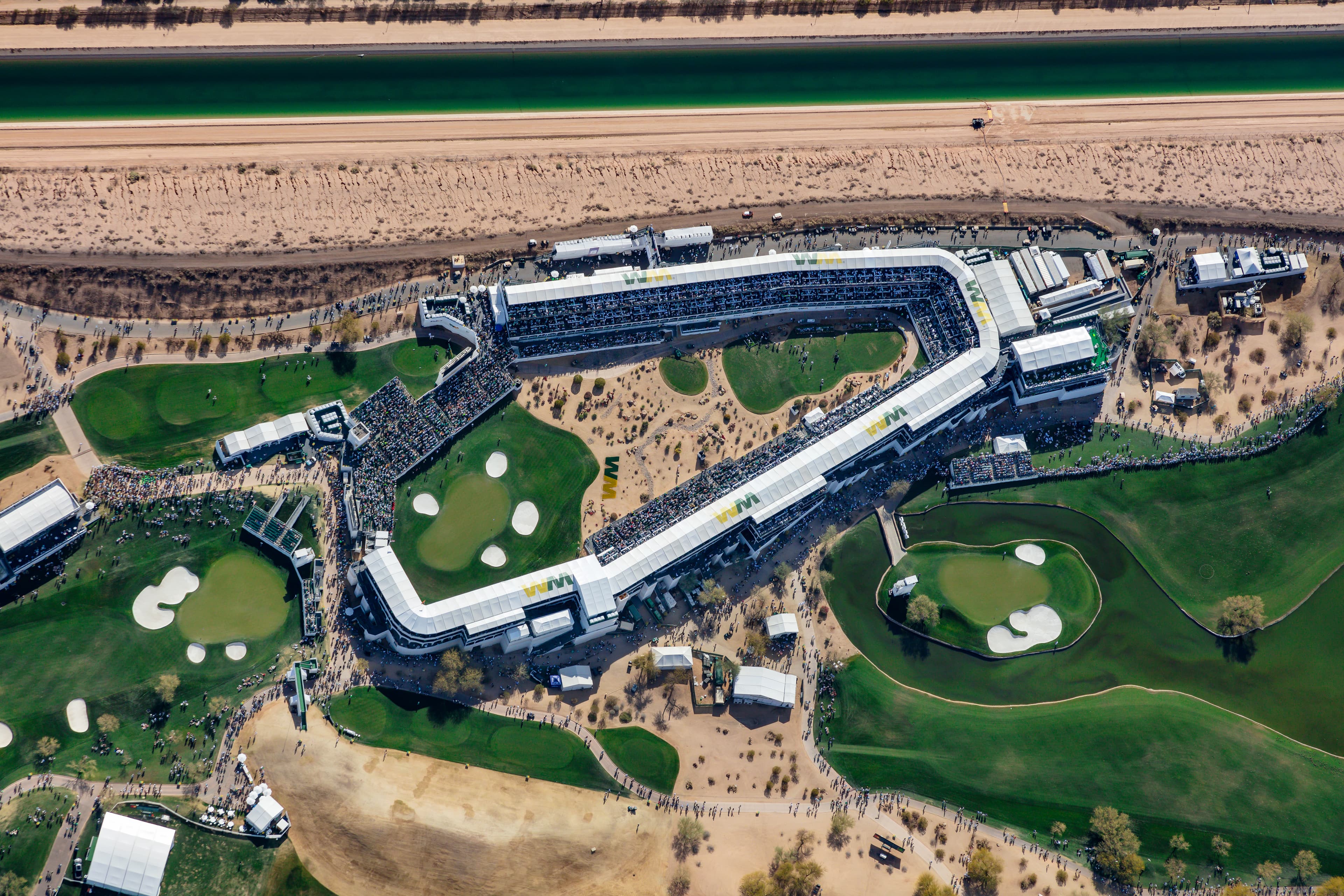
Scottsdale's advantage at the top of the market is significant. The roster of elite public and resort courses runs deep: We-Ko-Pa Saguaro, Troon North Monument, Quintero, Grayhawk Raptor, TPC Scottsdale Stadium. Each of these layouts would anchor a golf trip on its own merit. The architecture leans dramatic. Saguaro cacti, exposed granite, and significant elevation changes define the visual identity. Forced carries over raw desert scrub are common, and the penalty for offline shots tends to be severe.
Collectively, they form the strongest concentration of accessible high-end desert golf in the country.

The Phoenician
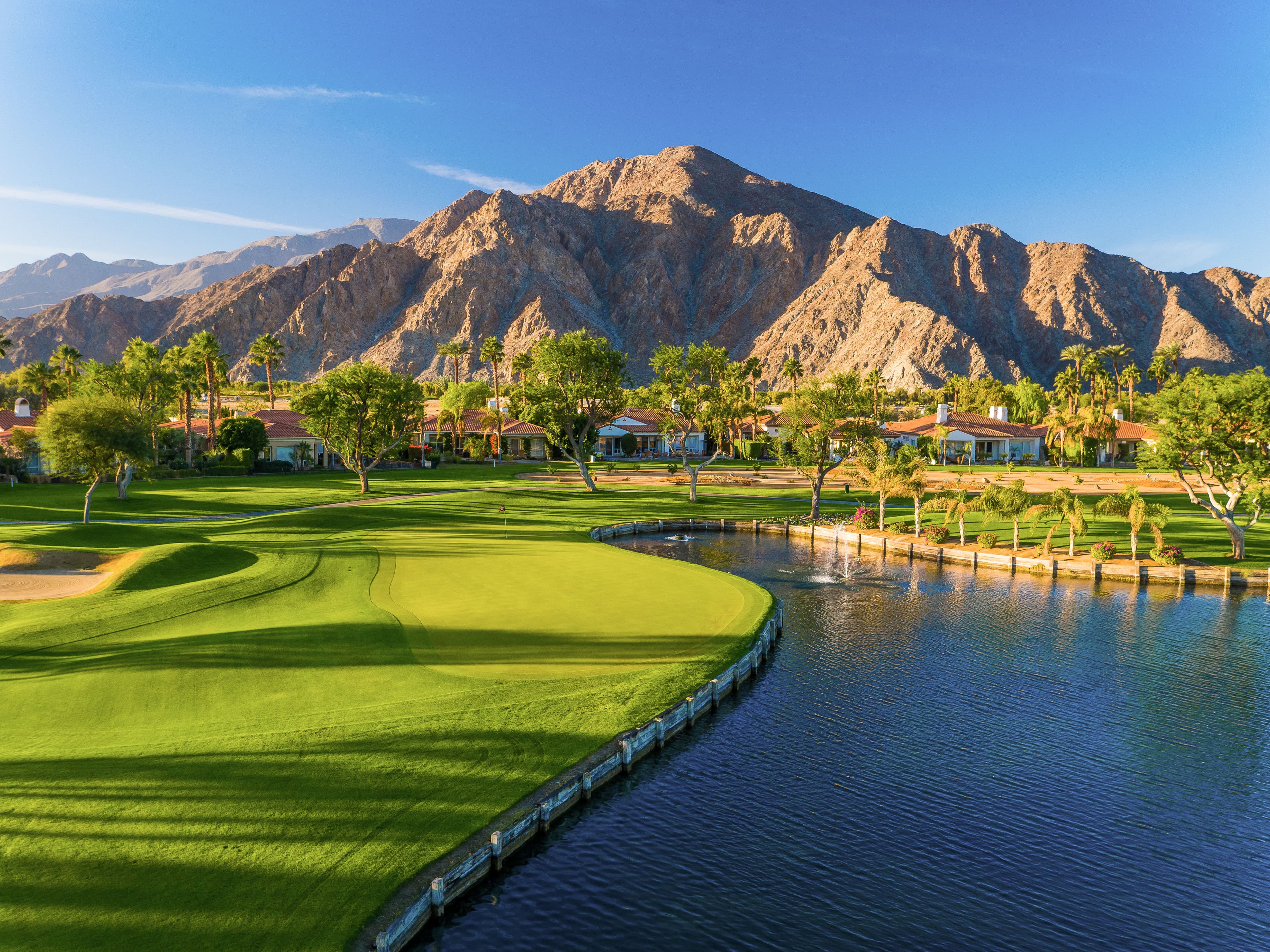
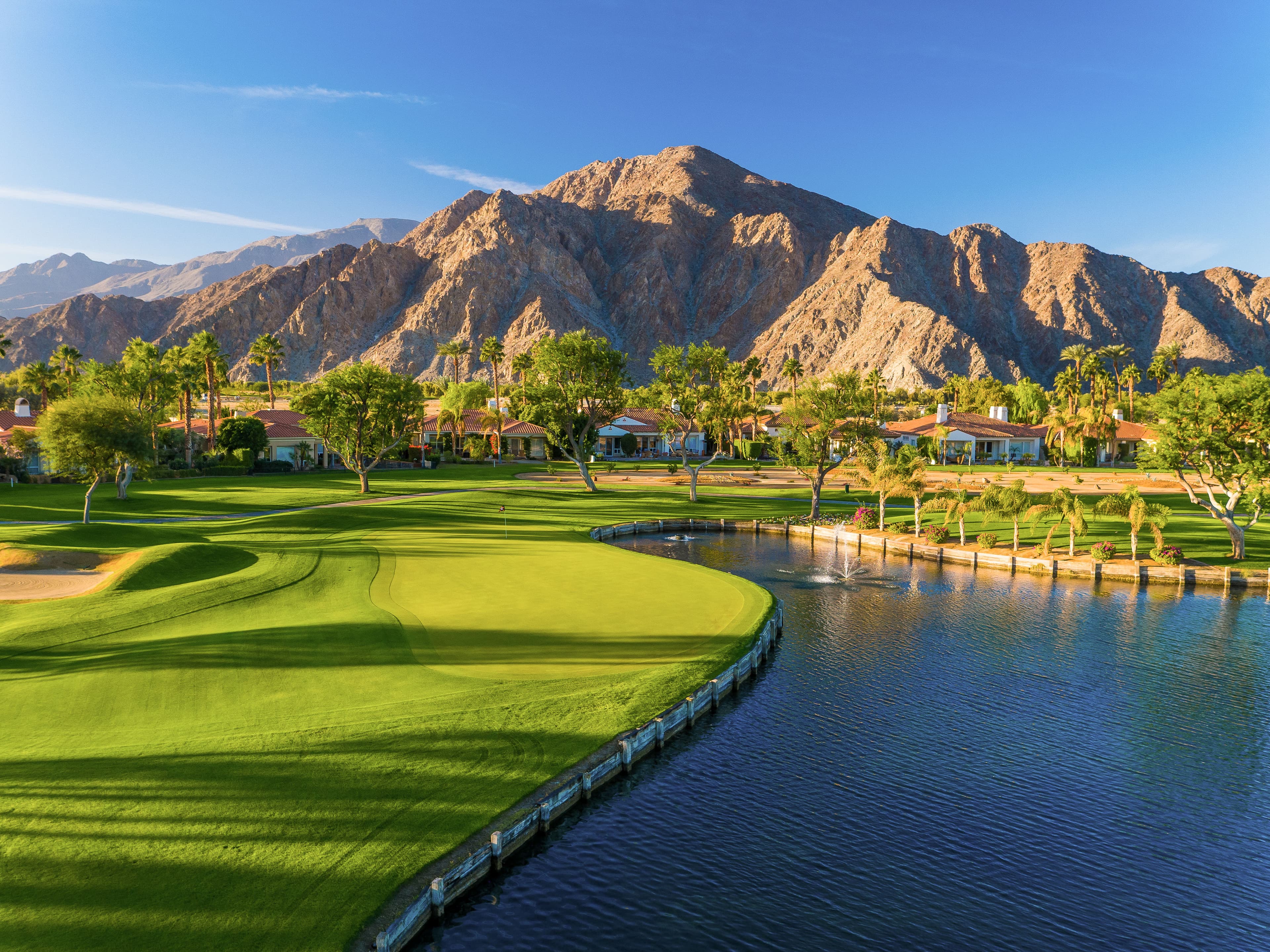
Palm Springs operates on a different model. The Coachella Valley contains more than 100 courses spread across a dozen cities from Cathedral City to La Quinta. The sheer volume is impressive, but the percentage of those courses that qualify as destination-worthy is smaller. PGA West Stadium Course is the headliner, a Pete Dye design with genuine teeth and national reputation. Indian Wells, Escena, and SilverRock provide strong public options below that tier. The terrain is flatter than Scottsdale, the mountain backdrops more distant, and the desert aesthetic softer. Palm trees outnumber cacti. The design vocabulary runs more toward manicured resort golf than raw desert architecture.
For groups that want to play four or five rounds without agonizing over tee time availability, Palm Springs offers more flexibility.
For groups whose primary objective is playing the best possible courses, Scottsdale wins this category clearly.
Price and Value
Peak-season green fees in Scottsdale sit between $250 and $350 for premium courses, with shoulder-season rates dropping modestly. The pricing floor remains relatively high from November through April, which is when most visitors arrive. Scottsdale has never positioned itself as a value destination and does not pretend to.
Palm Springs exhibits the most dramatic seasonal pricing swings in American golf. A round that costs $180 in February might cost $30 in July. The summer rates are not a misprint. Courses discount aggressively to attract any play at all during months when afternoon temperatures exceed 110 degrees. For the heat-tolerant golfer willing to tee off at first light and be finished by noon, the summer value proposition in Palm Springs is unmatched anywhere in the continental United States. Even during peak season, mid-tier Palm Springs courses generally undercut their Scottsdale equivalents by $50 to $80 per round.
Weather and Season
Both destinations share a peak window from late October through early April, with January through March representing the ideal overlap of comfortable temperatures and reliable sunshine. Scottsdale sits at a slightly higher elevation and runs a few degrees cooler in winter, which occasionally means morning temperatures in the low 40s that take an hour or two to warm through. Palm Springs runs warmer and calmer on average, though wind events in the Coachella Valley can be fierce when they occur.
Summer is where the destinations diverge most sharply. Both are brutally hot, but Palm Springs embraces its off-season identity with aggressive pricing and early-morning tee times. Scottsdale's premium courses maintain higher rates even in summer, making the value case for off-season play less compelling. Desert golf in either location requires the same adjustments: the ball flies farther in thin, dry air, hydration is non-negotiable, and cart-path-only rules are standard to protect the turf.
Getting There
Phoenix Sky Harbor (PHX) is a major domestic hub with nonstop service from virtually every significant American city. The airport sits roughly 20 minutes from central Scottsdale, and the freeway infrastructure makes reaching courses in any direction straightforward. For groups flying from the East Coast or Midwest, the flight options and frequency are a genuine logistical advantage.
Palm Springs International (PSP) is smaller and serves fewer routes, though coverage from West Coast cities, Chicago, and several East Coast hubs has expanded in recent years. The airport's compact size means shorter transit times from gate to car, and the drive to most Coachella Valley courses is under 30 minutes. Groups originating from Southern California often drive, which eliminates the airport consideration entirely.
Non-Golf Scene
Old Town Scottsdale provides the more developed dining and nightlife district. The restaurant density is high, the quality ceiling is genuinely impressive, and the after-dinner options range from quiet cocktail bars to venues with real energy. For groups that want their evenings to carry some of the trip's momentum, Scottsdale delivers with less effort.
Palm Springs offers something Scottsdale does not: a distinctive cultural identity beyond golf and dining. The city's mid-century modern architecture is globally significant. The concentration of preserved Neutra, Frey, and Alexander homes gives Palm Springs an aesthetic coherence that rewards even casual exploration. Joshua Tree National Park sits less than an hour east, and the drive through the desert landscape between the valley floor and the park entrance is striking. The pace is slower, the scene is quieter, and the trip extends beyond the course in a different direction than Scottsdale's nightlife-forward model.
Accommodations
Scottsdale's resort infrastructure is extensive and polished. Properties like the Boulders, the Phoenician, and Talking Stick offer on-site golf, spa facilities, and the full resort experience at prices that match the market positioning. Vacation rental inventory in North Scottsdale provides a strong alternative for groups of four or more.
Palm Springs tilts toward vacation rentals, many of them architecturally interesting homes with private pools. The rental stock is deep, the pricing is competitive, and for groups seeking a house rather than a hotel, the options outperform Scottsdale in character and value. Resort properties exist but occupy a smaller share of the market than in Scottsdale.
Best For
Scottsdale is the stronger pure golf destination. The top-end courses are better, the infrastructure is more refined, and the airport access is superior. Groups whose trip revolves around playing the best available courses and eating well in the evenings should start here. Consult the Scottsdale destination guide for detailed planning.
Palm Springs is the better value play, the more interesting cultural experience, and the more relaxed trip. Groups that want solid golf without peak pricing, a distinctive sense of place, and a house with a pool should look to the Coachella Valley first. The Palm Springs destination guide covers the full picture.
The verdict