Pebble Beach Golf Links: Best Holes Ranked
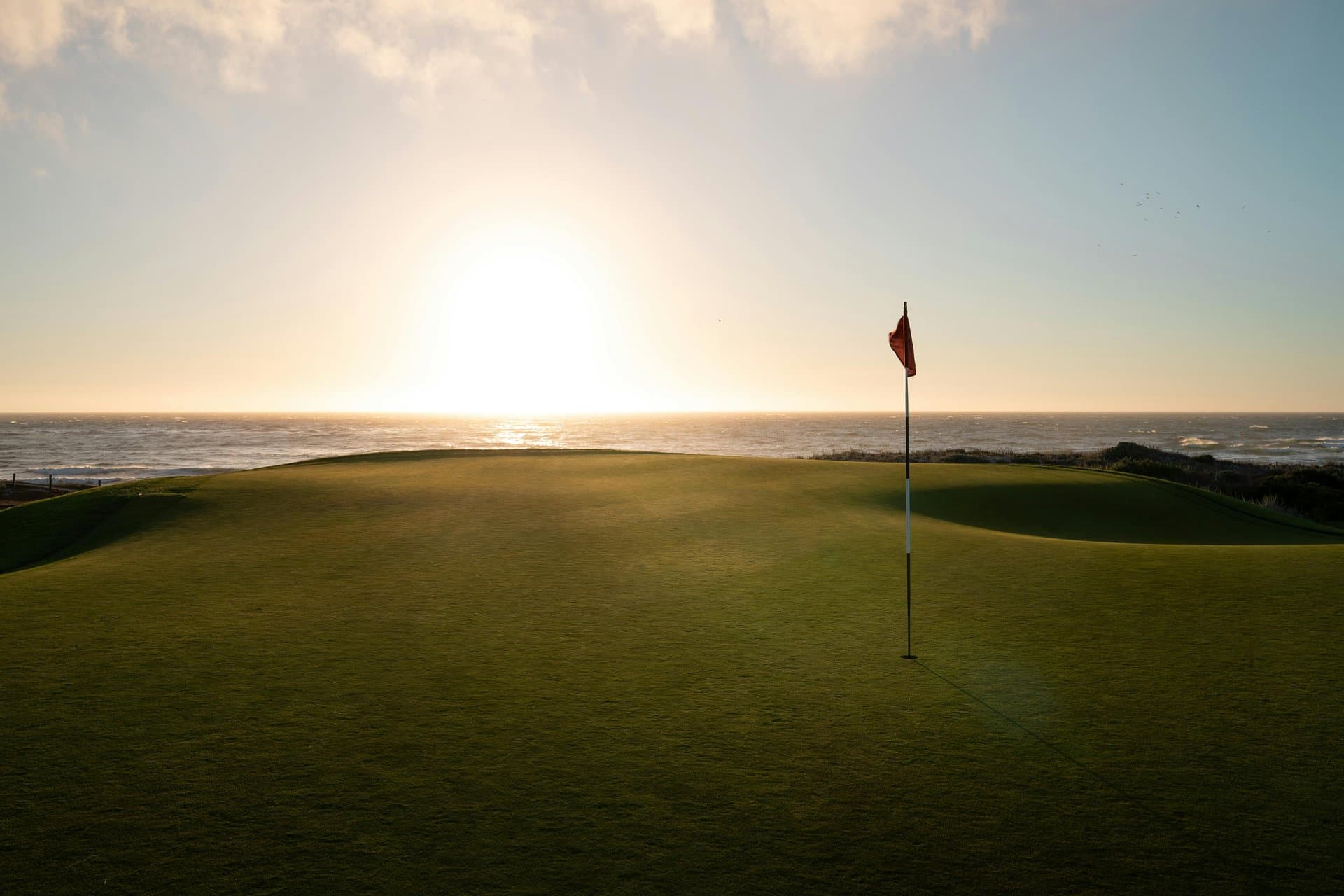
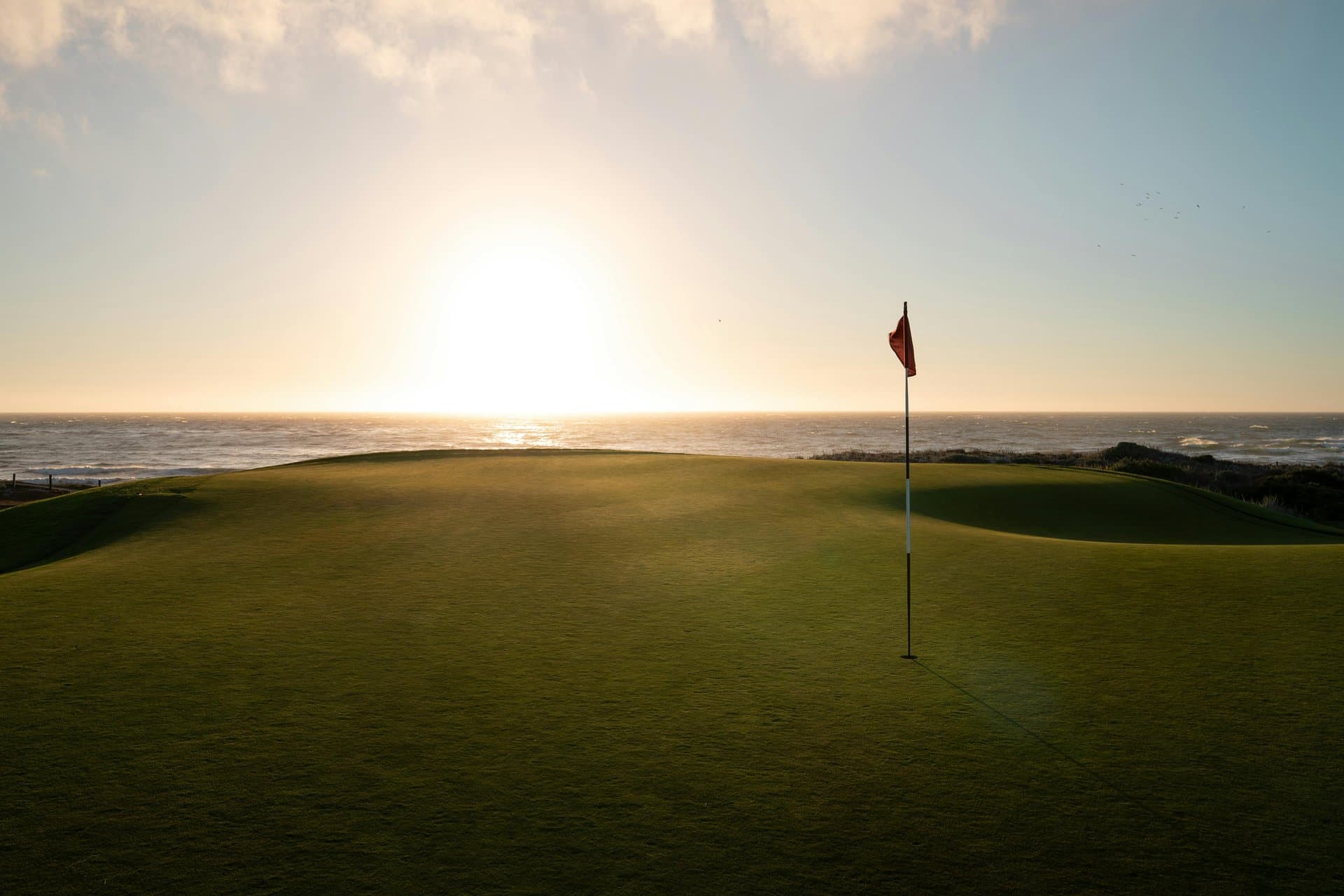
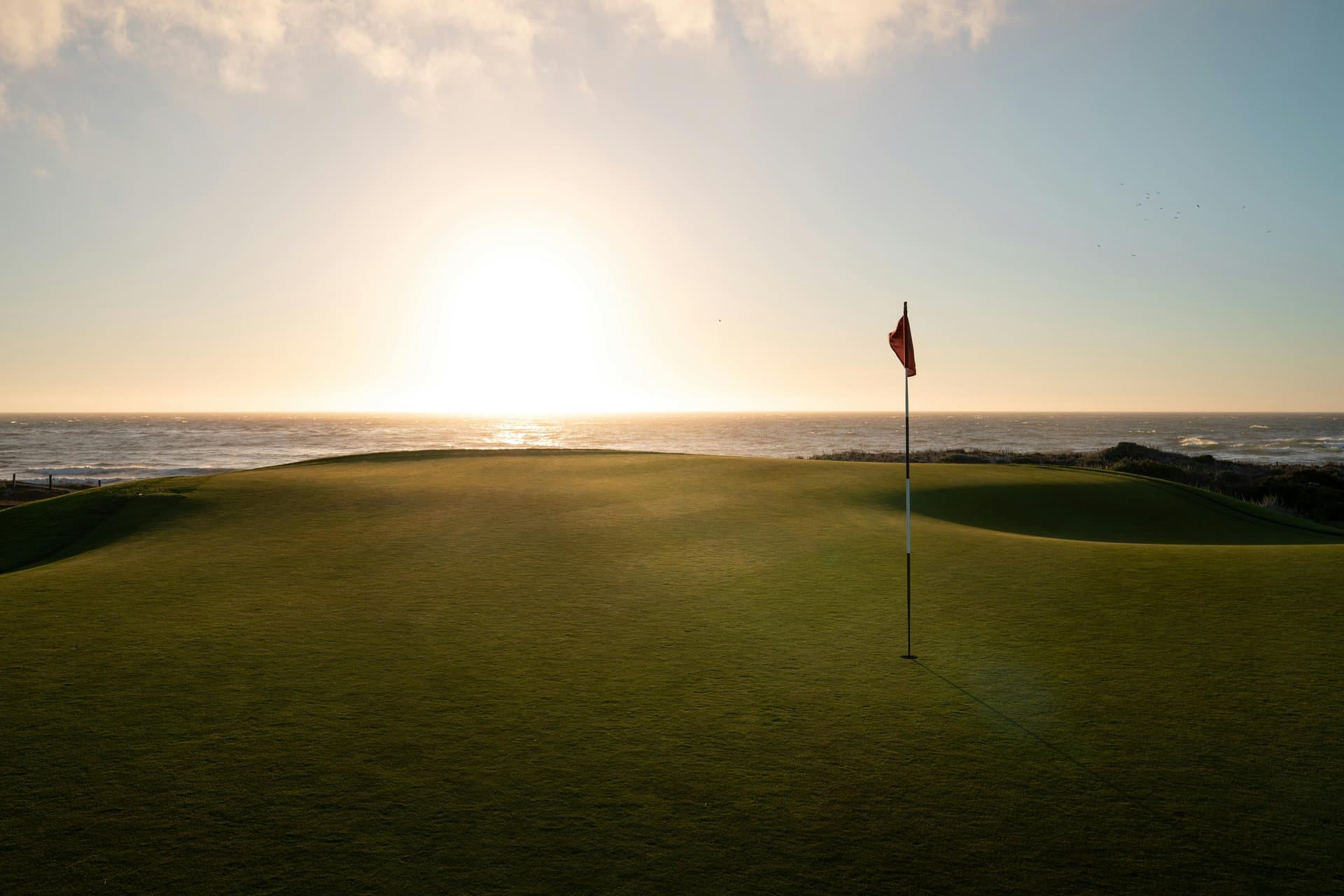
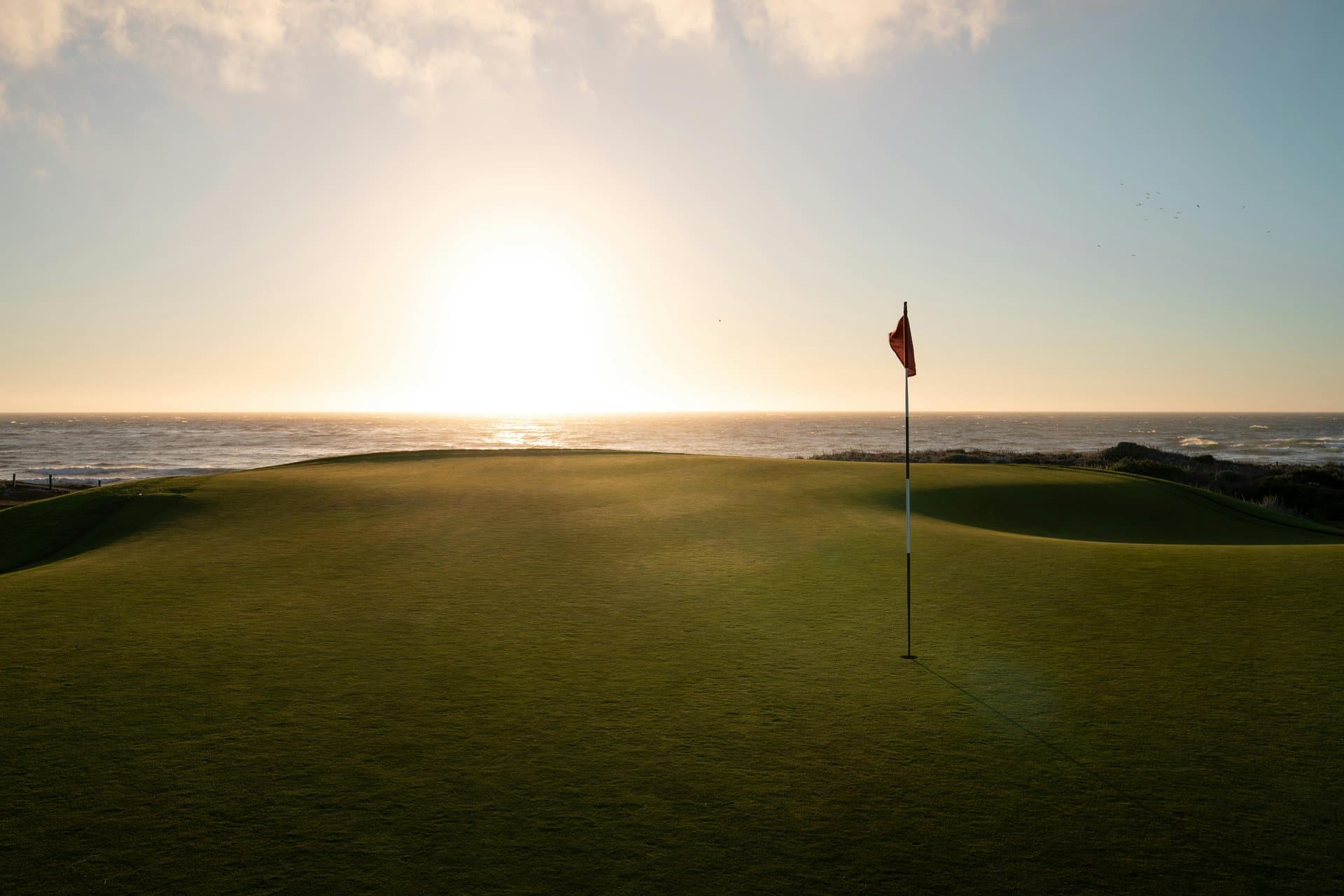
Jack Neville and Douglas Grant routed Pebble Beach Golf Links in 1919 across a dramatic stretch of Monterey Peninsula coastline. Their restraint was the genius: letting terrain dictate the golf rather than imposing design upon it. Nine of the eighteen holes touch the Pacific directly. What follows is a ranking of the course's finest, judged by architectural merit and the quality of the decisions they demand.
Where to stay in Monterey Peninsula
Planning the trip? Compare live prices across every nearby hotel and rental in one search.
Prices and availability from Booking.com, Expedia and others via Stay22. GolfTrailsHQ may earn a commission at no additional cost to you.
1. No. 7 — Par 3, 106 yards
The shortest hole on the course is also its most iconic. The 7th plays steeply downhill to a small green on a rocky promontory jutting into Carmel Bay, the Pacific crashing on three sides. Wind shifts constantly, making club selection a moving target from lob wedge to 9-iron within the same round. The margin for error is the putting surface itself. Anything beyond it finds rocks, surf, or an unplayable lie. It is the most photographed par 3 in American golf, and the attention is earned.
2. No. 8 — Par 4, 428 yards
The drive crosses a chasm where cliffs fall to the ocean, finding a fairway that bends right along the bluff. The second shot defines the hole: a mid-iron across another ocean chasm to a green perched on the far cliff. There is no bail-out. The carry must be made cleanly or the ball is gone.
It is routinely cited as the most dramatic approach shot in the game, and the claim holds.
3. No. 18 — Par 5, 543 yards
The closing hole hugs Carmel Bay for its entire length, ocean running along the left from tee to green. The drive must navigate a lone cypress and avoid the beach below. The second shot presents a choice: lay up to wedge distance or chase the green with a long iron that risks rocks left and trees right. Tom Watson's chip-in at the 1982 U.S. Open fixed this hole in the public imagination, but its architectural strength stands independent of that moment.
4. No. 9 — Par 4, 505 yards
The longest par 4 runs along the cliff edge with the ocean immediately right. The fairway is generous, but prevailing wind blows toward the water, turning a wide landing area into something far narrower. The approach must find a green defended by bunkers and a false front that rejects anything without sufficient carry. It requires two quality strikes in sequence.
5. No. 17 — Par 3, 178 yards
The hourglass-shaped green is surrounded by sand and narrows to roughly ten paces at its center. Wind is the governing variable. On calm days, the hole yields to a confident mid-iron. When conditions build off Stillwater Cove, holding the correct section becomes a genuine test of ball flight control.
Pin positions on either lobe demand different shot shapes.
6. No. 6 — Par 5, 513 yards
The sixth climbs steeply along the cliff edge, doglegging left toward a green that reveals the ocean for the first time on the outward nine. The uphill nature neutralizes distance, and a severe left-to-right fairway slope funnels errant drives toward trouble. Reaching in two requires a precise blind second shot. It rewards planning over power.
7. No. 4 — Par 4, 331 yards
Short on the card but rich in options. The fourth plays to a narrowing fairway and a green perched above the beach at Stillwater Cove. Longer hitters face the temptation to drive the green, but the putting surface punishes anything without the correct trajectory. A layback to wedge distance is often the shrewder play. At its core, this is a question about course management dressed in coastal scenery.
8. No. 10 — Par 4, 446 yards
The tenth continues the cliffside stretch that begins at the sixth, the final opportunity to play directly along the ocean before the course turns inland. The drive must hold the right side of a fairway that slopes toward the bluff, and the approach plays to a green framed by the Pacific behind it. Accuracy over ambition is the theme.
9. No. 5 — Par 3, 195 yards
Rebuilt under Nicklaus's direction, the fifth plays to a green set against the ocean with little margin on any side. At nearly 200 yards from an exposed tee, wind is a constant factor. The hole's strength lies in its simplicity: one shot, one target, no alternative. The Pacific behind the green narrows the psychological margin in a way that influences every swing.
The verdict