Palm Springs, CA: Insider Tips for First-Time Visitors
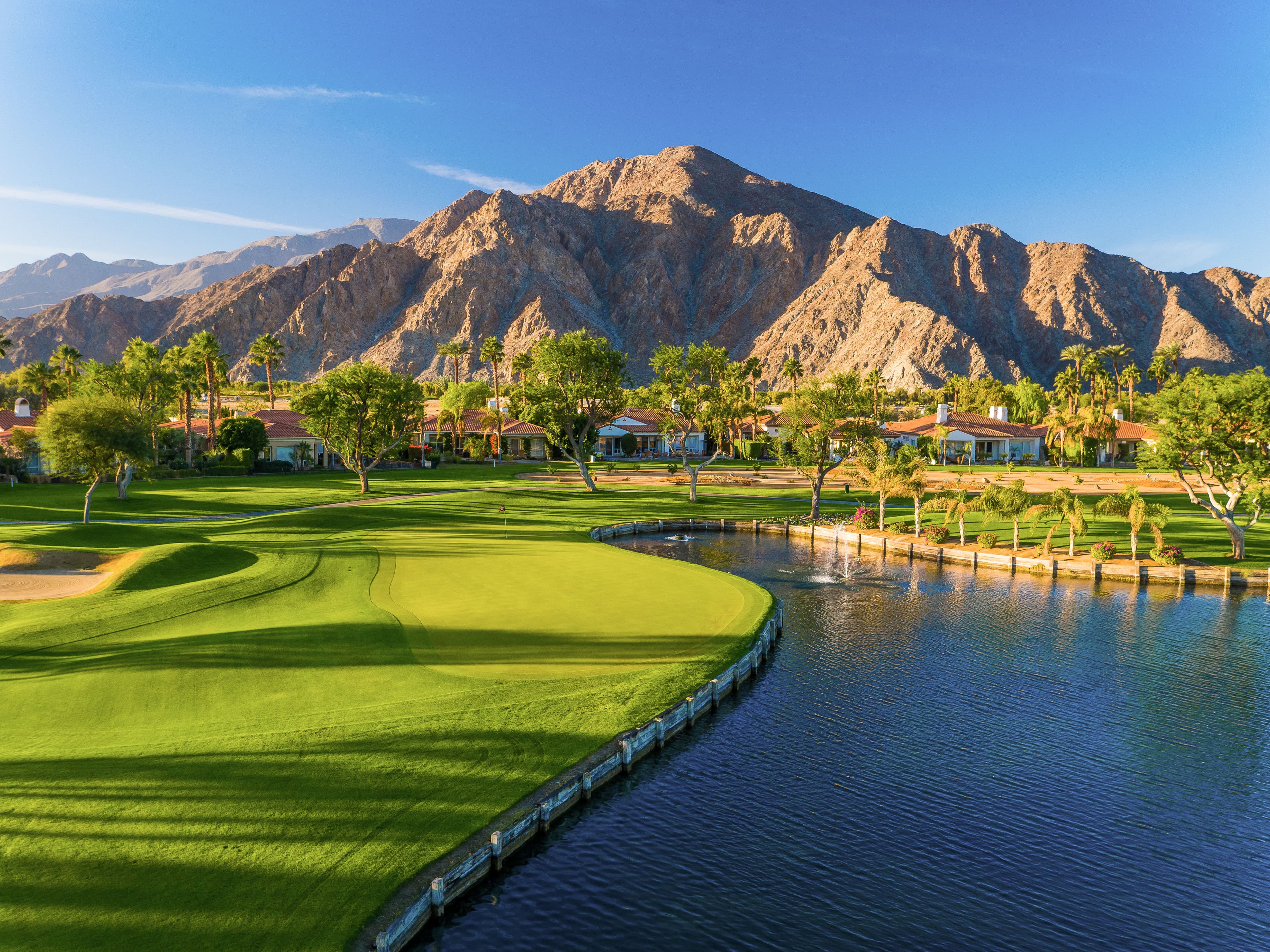
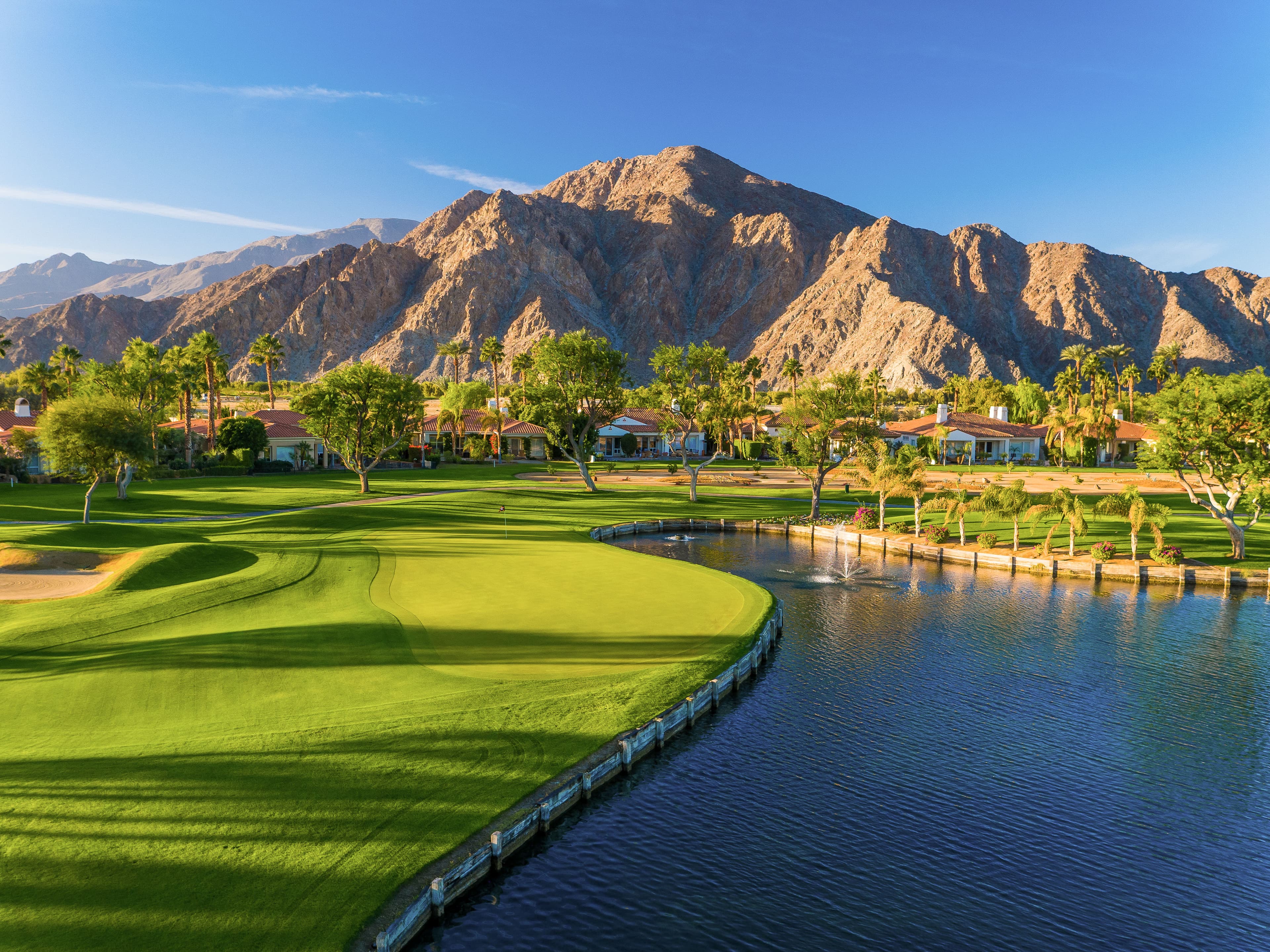
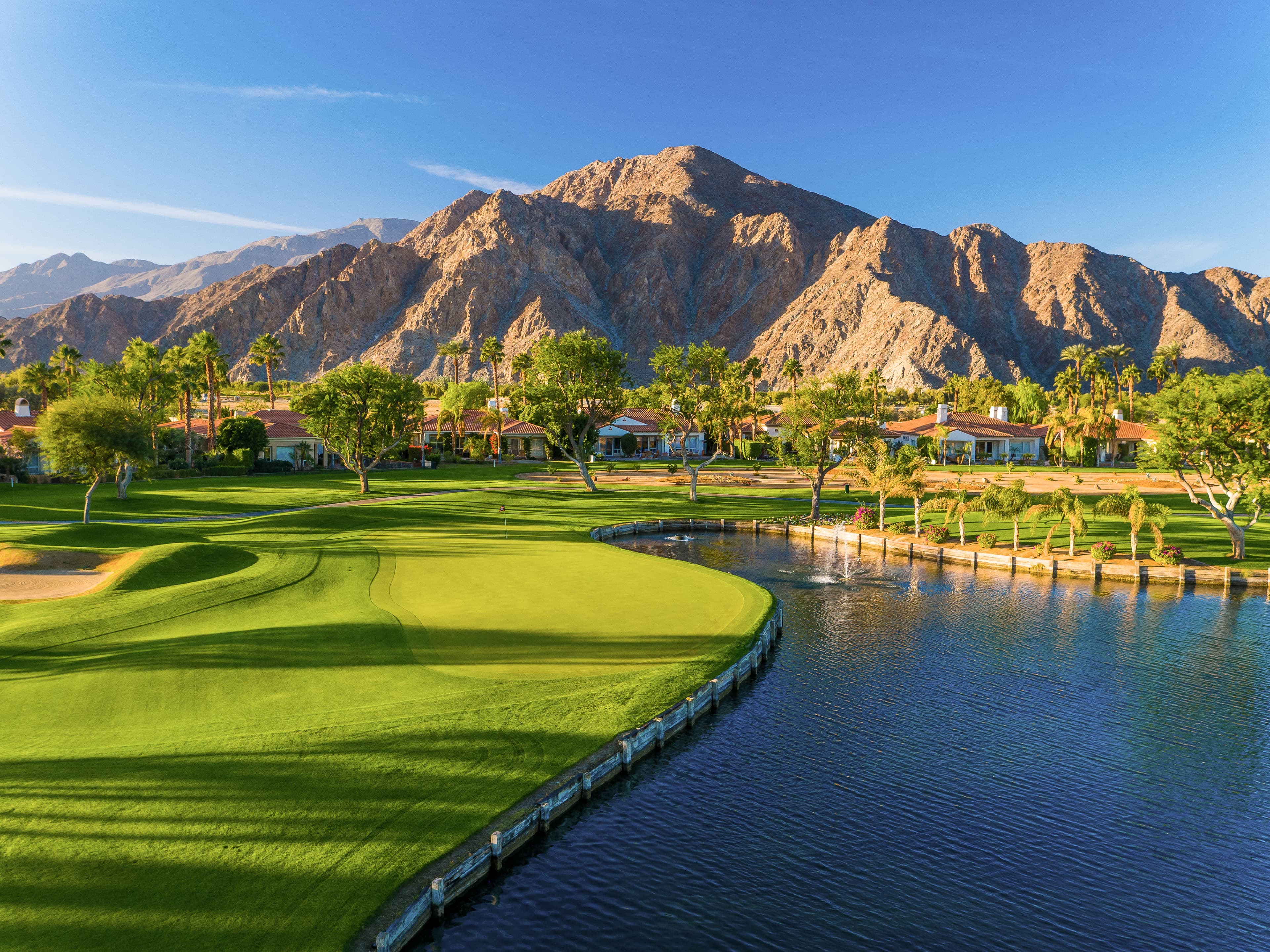
The Coachella Valley contains more than 100 golf courses spread across nine cities in a narrow desert corridor. First-time visitors who book a hotel in Palm Springs proper and a tee time in La Quinta often discover, mid-drive, that the valley is longer than it looked on a map. The distance between those two points is over 30 miles, and the difference between a well-planned trip and a disorienting one comes down to understanding the geography, the calendar, and a handful of local realities that guidebooks tend to skip.
Where to stay in Palm Springs
Planning the trip? Compare live prices across every nearby hotel and rental in one search.
Prices and availability from Booking.com, Expedia and others via Stay22. GolfTrailsHQ may earn a commission at no additional cost to you.
The Valley Is Not One Place
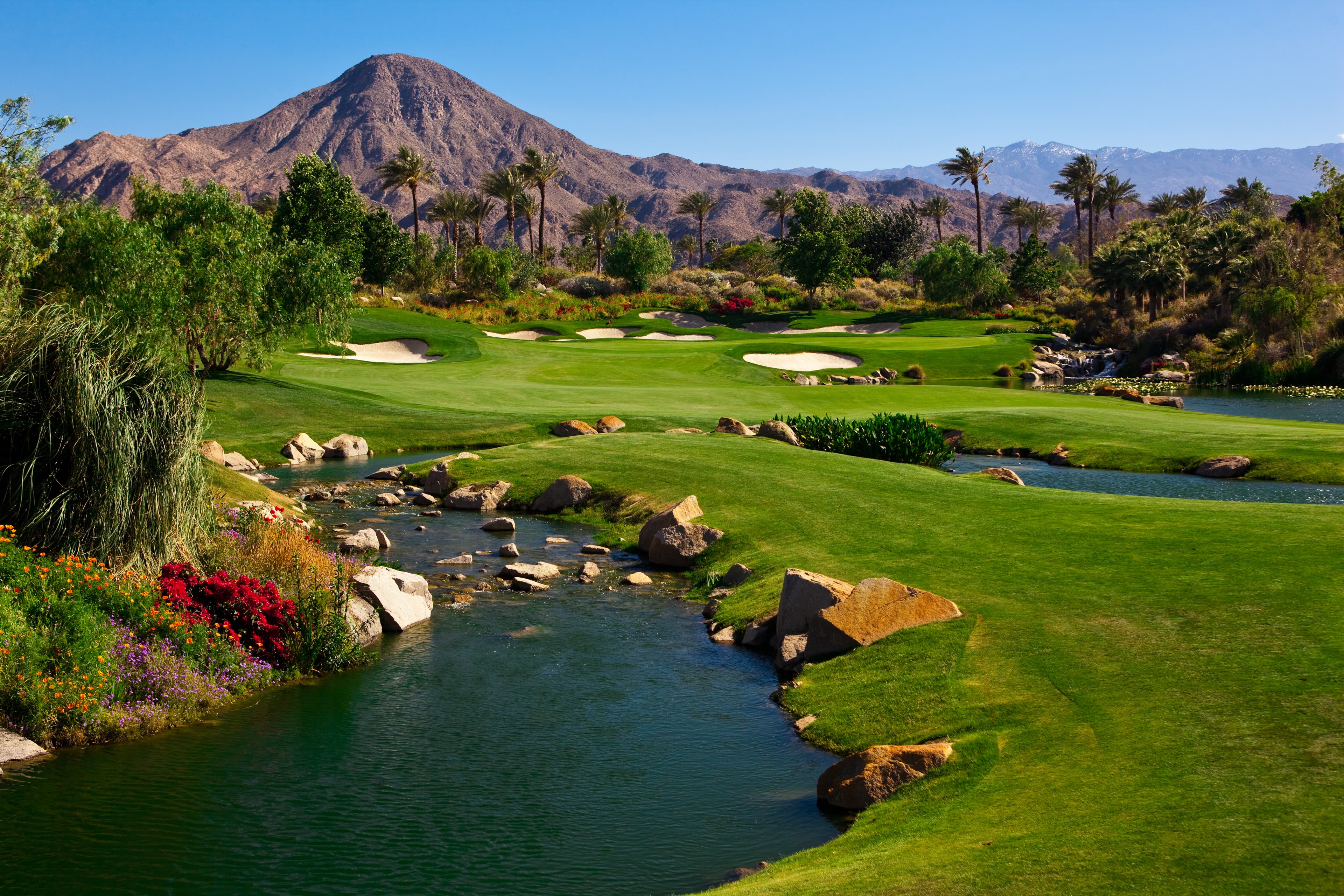
Palm Springs lends its name to the region, but the city itself sits at the northwest end of a corridor that stretches southeast through Cathedral City, Rancho Mirage, Palm Desert, Indian Wells, and La Quinta. Most of the marquee golf is concentrated in the eastern half. PGA West Stadium Course, the layout Pete Dye built for television and later softened slightly for resort play, sits in La Quinta. Indian Wells Golf Resort and Desert Willow are in the middle of the valley. The Classic Club is in Palm Desert.
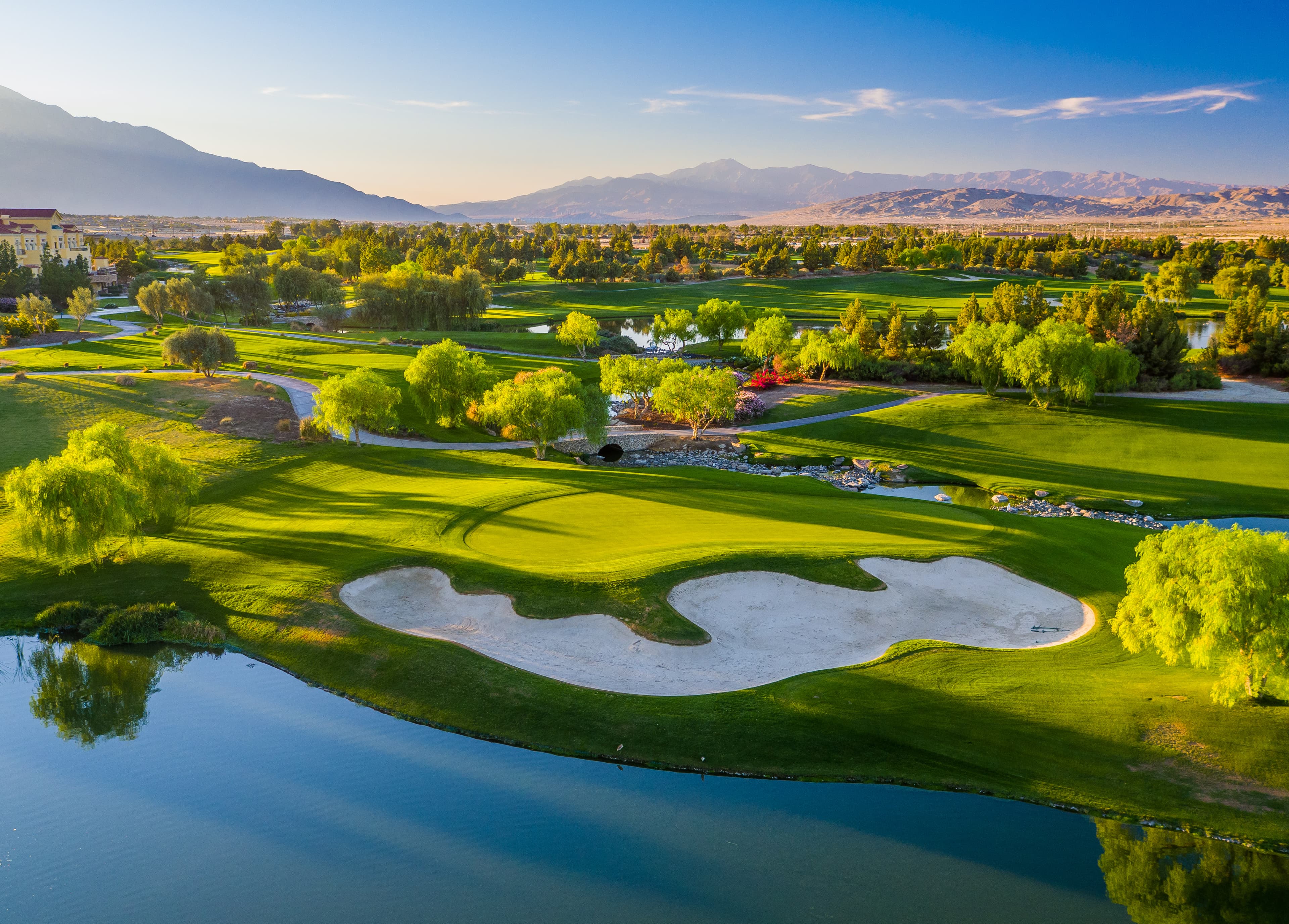
The Classic Club
The practical consequence: choose accommodation based on where the golf is, not where the name recognition is. Staying in Palm Springs proper adds 25 to 40 minutes each way to the courses most visitors come to play. The Palm Springs destination guide maps the full corridor, but the central takeaway is simple. Location dictates how much of the trip is spent on Highway 111.
A hotel in Palm Desert or Indian Wells puts the majority of the best public courses within a 15-minute drive.
Seasonal Pricing Changes Everything
Coachella Valley pricing follows one of the steepest seasonal curves in American golf. The same round that costs $300 in February can cost $50 in July. Understanding the calendar is the single most effective way to control the trip budget.
Peak season runs from January through March, when the weather is temperate and the valley fills with seasonal residents. Premium courses charge $200 to $400 per round, and desirable tee times require booking two to three weeks in advance. This is also when The American Express, the PGA Tour event hosted at PGA West and the adjacent La Quinta Country Club, draws spectators and closes courses for tournament operations in late January.
Shoulder season covers November, December, and April. Rates drop to $100 to $250, the weather remains comfortable, and tee time availability improves markedly. Late November and early April represent the sharpest value: conditions nearly as good as peak, at roughly half the price.
Summer, from June through September, is where the arithmetic becomes dramatic. Green fees fall to $30 to $80, and courses that are booked solid in February have wide-open tee sheets. The trade-off is heat. Afternoon temperatures routinely exceed 115 degrees Fahrenheit. Dawn tee times — 6:00 AM or earlier — are not optional. They are the only responsible way to play. Carry more water than instinct suggests, and plan to be finished by 10:30 AM. The savings are real, but the conditions demand respect.
Public Access Is More Limited Than It Appears
Tip
The strongest options for visitors include PGA West (Stadium and Nicklaus Tournament courses), Indian Wells Golf Resort (Players and Celebrity courses), Desert Willow (Firecliff and Mountain View), Escena, and the Classic Club. These represent the core of what is realistically available without a club membership or a resort package at a specific property. Some semi-private clubs sell limited public tee times during shoulder and summer months, but availability varies by season and should be confirmed directly.
The Desert Air Effect
Golfers arriving from sea-level cities will notice the ball carrying slightly farther. At roughly 200 feet of elevation with low humidity, dry air produces less drag. The effect is real but modest — less pronounced than Scottsdale at 1,200 to 2,500 feet or Las Vegas at 2,000 feet. Expect an extra 3 to 5 yards on iron shots rather than the 10-plus yard difference that higher-elevation desert courses produce. The adjustment is minor, but it compounds on approach shots where the margin between the green and a back bunker is thin.
Wind is the more relevant variable. Afternoon winds through the valley, particularly in spring, can gust to 25 or 30 miles per hour. Morning rounds are calmer. Another reason to book early.
Beyond the Course
Palm Springs has a cultural identity distinct from most golf destinations. The city's concentration of mid-century modern architecture draws design-conscious visitors independently of the golf, and the combination of the two makes it particularly well-suited for trips with non-golf companions. Joshua Tree National Park is a 45-minute drive from the valley floor, and the contrast between the desert floor and the high desert landscape of the park is worth the time.
Dining concentrates in two distinct zones. The resort cities to the southeast skew toward hotel dining and country club grills. Plan at least one dinner in Palm Springs even if the hotel is in Indian Wells.
Palm Springs proper, particularly along Palm Canyon Drive, has the strongest restaurant scene — walkable, varied, and oriented toward evening.
The verdict