Palm Springs: Course History & Design Story
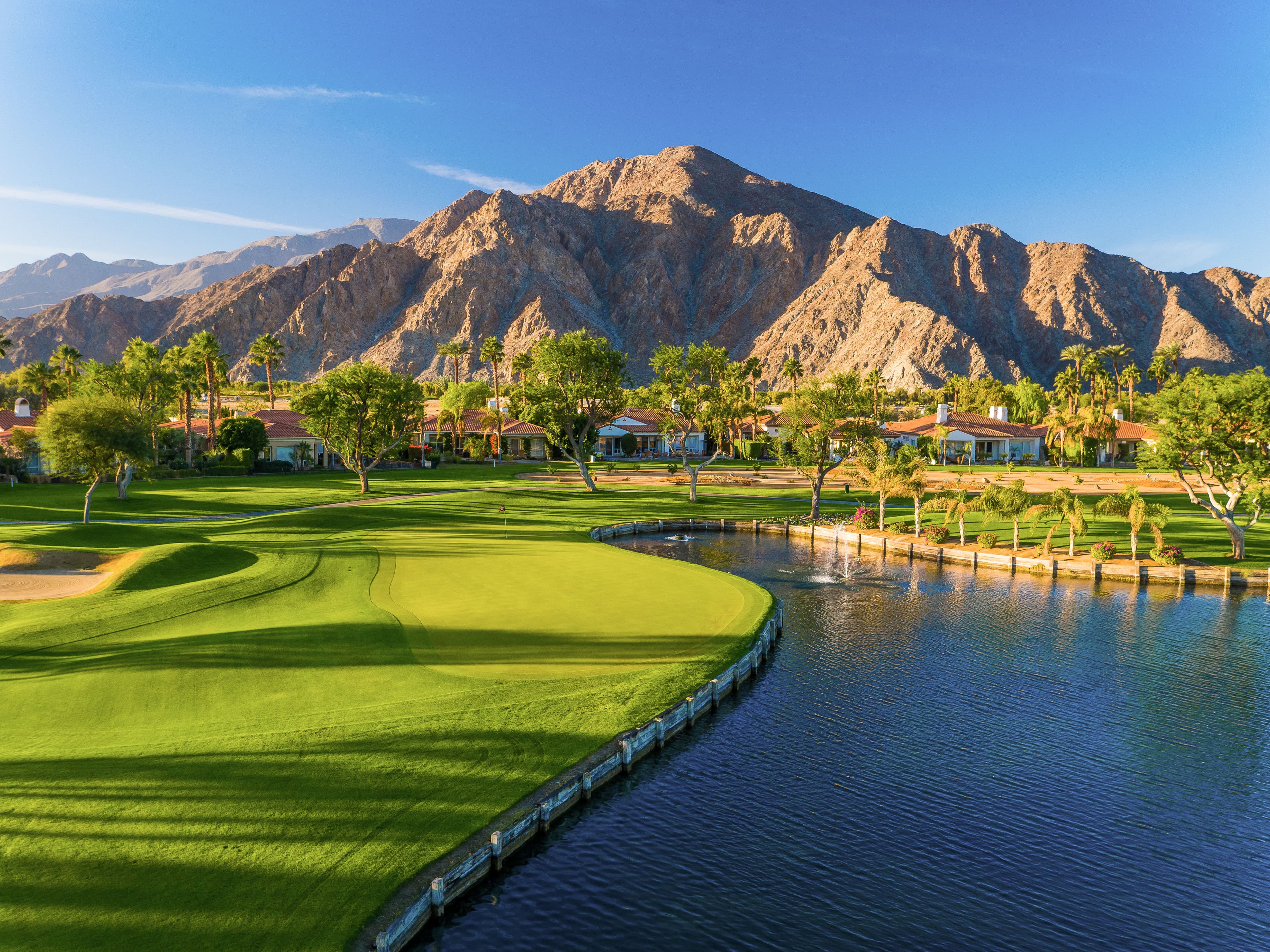
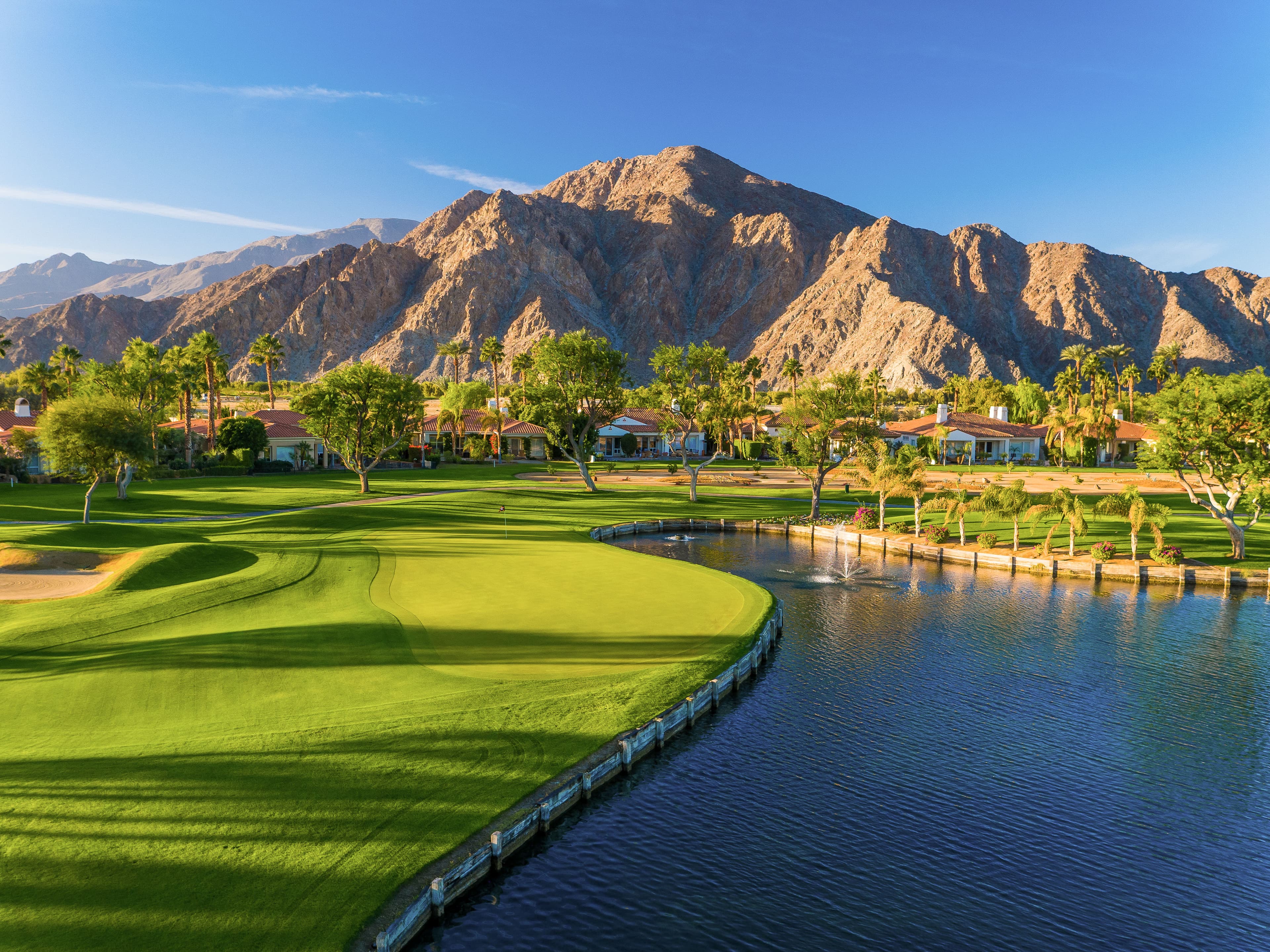
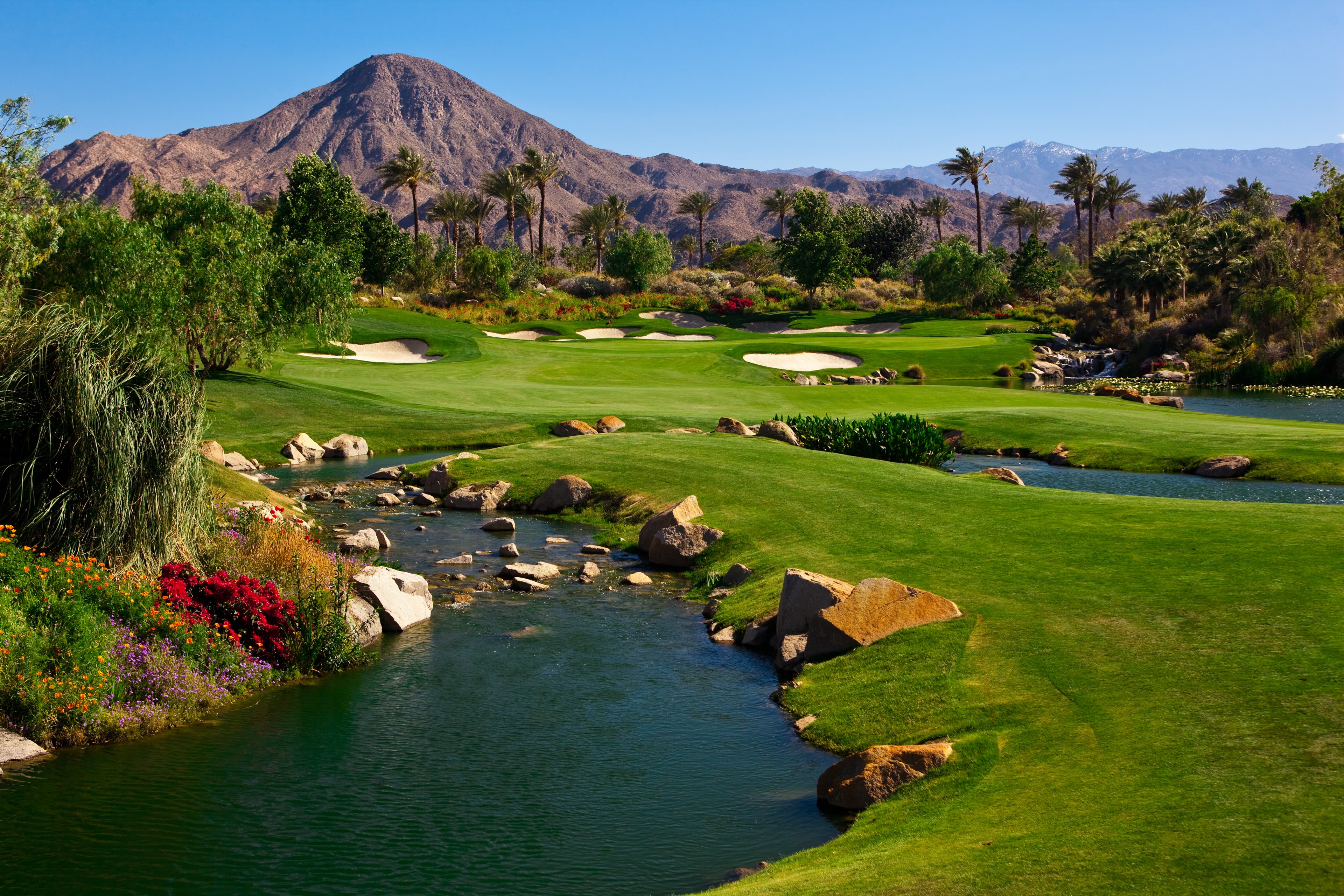
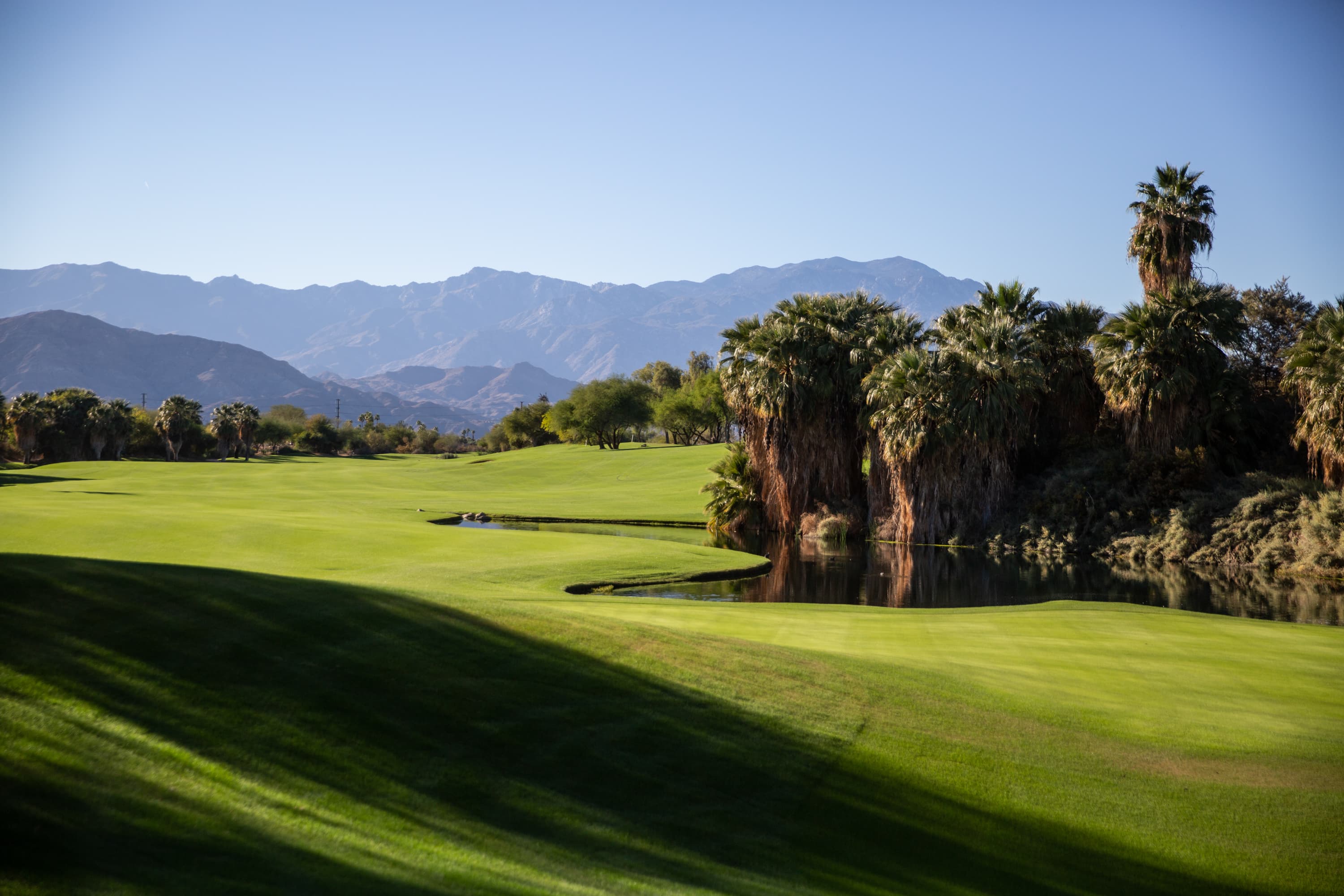
The Coachella Valley was not a natural place to build golf courses. The desert floor east of the San Jacinto and Santa Rosa mountains receives fewer than six inches of rain per year, summer temperatures routinely exceed 115 degrees, and the native landscape is sand, rock, and scrub vegetation adapted to extreme aridity. That this corridor became one of the densest concentrations of golf in the Western Hemisphere is a story about water rights, celebrity culture, and the particular American conviction that any landscape can be made to serve recreational purposes if sufficient resources are applied.
Where to stay in Palm Springs
Planning the trip? Compare live prices across every nearby hotel and rental in one search.
Prices and availability from Booking.com, Expedia and others via Stay22. GolfTrailsHQ may earn a commission at no additional cost to you.
The Celebrity Era
Golf arrived in the Coachella Valley in the 1950s, carried by the same wave of Hollywood money and leisure culture that transformed Palm Springs from a quiet desert town into a winter retreat for the entertainment industry. Thunderbird Country Club (1951), designed by Lawrence Hughes, was among the first significant private clubs in the valley. Its membership roster read like a studio lot call sheet: Bing Crosby, Bob Hope, Desi Arnaz, and dozens of other names who associated the desert with escape, privacy, and a lifestyle that paired golf with cocktail culture.
The celebrity connection was not merely atmospheric; it drove real infrastructure development. Bob Hope's involvement with desert golf extended over five decades and included hosting the tournament that bore his name, an event that rotated among multiple Coachella Valley courses and became a fixture of the PGA Tour schedule. The tournament, now the American Express, continues to use a multi-course format that reflects the valley's unusual density of championship-caliber layouts.
Eldorado Country Club (1957, Lawrence Hughes) and Indian Wells Country Club (1957, various) followed Thunderbird, extending the private club network southward through the valley. These early courses followed the conventional model of the era: irrigated turf, tree-lined fairways, and green-on-green aesthetics that bore no visual relationship to the surrounding desert.
The design approach treated the desert as something to be eliminated rather than engaged, and the water consumption required to maintain these landscapes was substantial even by mid-century standards.
PGA West and the Dye Era
The project that elevated the Coachella Valley from a private club enclave to a destination with national architectural significance was PGA West, developed in La Quinta beginning in 1986.
The centerpiece was Pete Dye's Stadium Course, a design of deliberate severity that remains one of the most challenging courses accessible to public play in the United States.
Dye built the Stadium Course with the same confrontational philosophy he applied at TPC Sawgrass and Whistling Straits. The course features deep pot bunkers, railroad tie walls, island greens, and manufactured elevation changes that create visual intimidation on nearly every hole. The par-3 17th, named "Alcatraz," plays to an island green surrounded by rocks and waste areas, a hole that generates a double bogey from a competent golfer as easily as it produces a par. The course is not universally admired; its critics describe it as punitive rather than strategic, a design that creates difficulty through penalties rather than options. Its defenders argue that the Stadium Course does exactly what Dye intended: it demands total commitment to every shot and refuses to allow a casual approach.
Jack Nicklaus contributed the Tournament Course at PGA West (1986), a somewhat less severe layout that hosted the PGA Tour's Bob Hope Chrysler Classic for several years. Arnold Palmer and Tom Weiskopf also designed courses within the PGA West complex, creating a multi-course facility that offered stylistic range within a single development.
Indian Wells and the Resort Expansion
Tip
The broader Coachella Valley now contains over 100 courses stretched across roughly 40 miles from Palm Springs through Cathedral City, Rancho Mirage, Palm Desert, Indian Wells, La Quinta, and Indio. The concentration is staggering, and the range of quality varies enormously. At the top end, private clubs like The Vintage Club (Tom Fazio), Bighorn Golf Club (Tom Fazio and Arthur Hills), and Madison Club (Tom Fazio) offer architecture and conditioning at the highest level in American private golf. At the public and resort level, the options span from PGA West's demanding championship courses to accessible daily-fee layouts designed for the tourism market.
Water and Sustainability
The environmental conversation around Coachella Valley golf has intensified over the past two decades, and it deserves acknowledgment in any honest account of the destination's history. The valley's courses consume significant water resources, drawn primarily from the Coachella Valley Water District and supplemented by recycled water on many properties. The transition from potable water to recycled water for irrigation has been a meaningful step, and newer courses are designed with reduced turf acreage, native desert landscaping on non-play areas, and irrigation systems that minimize waste.
The tension between desert golf and water stewardship is real and unlikely to resolve fully. The courses exist because the market supports them, and the market exists because the climate delivers 350 days of sunshine per year with winter temperatures ideally suited to outdoor recreation. The proposition is fundamentally one of resource allocation: the valley uses water to produce an economic activity that generates tourism revenue, employment, and property tax income.
The verdict