Palm Springs, CA: Best Time to Visit
No major golf destination in the United States experiences wider seasonal pricing swings than the Coachella Valley. A round that costs $350 in February can drop below $50 in July. The course is the same. The conditioning, in most cases, remains surprisingly consistent. What changes is the temperature, the demand, and the arithmetic of a golf trip budget. Understanding that calendar is the single most useful piece of planning for any visit to the desert.
The Palm Springs destination guide covers the full geography of the valley. This piece focuses on when to go and what each window actually delivers.
Where to stay in Palm Springs
Planning the trip? Compare live prices across every nearby hotel and rental in one search.
Prices and availability from Booking.com, Expedia and others via Stay22. GolfTrailsHQ may earn a commission at no additional cost to you.
Peak Season: January Through March
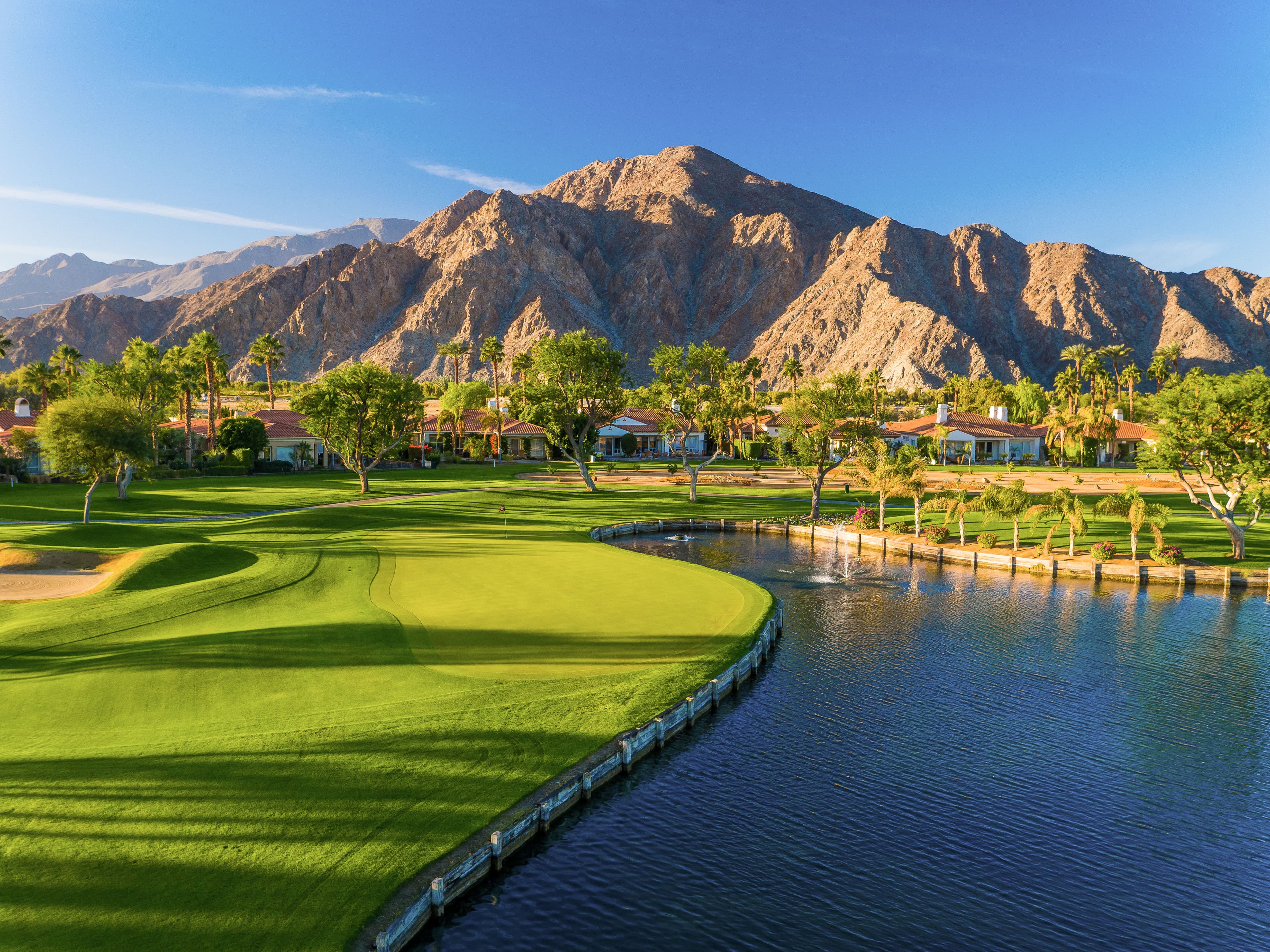
This is the period the Coachella Valley was built for. Daytime highs settle between 70 and 85 degrees. Humidity is negligible. Mornings carry a mild chill that burns off by the back nine. Turf conditions across the valley reach their peak, with overseeded bermuda fairways playing firm and fast under cloudless skies.
The American Express, the PGA Tour event held each January at PGA West and La Quinta Country Club, anchors the season. It brings a spike in hotel rates and tee-time demand in the surrounding weeks, but it also puts the region's best conditioning on full display. Courses across the valley raise their standards in sympathy, knowing that visitors who attend the tournament will be booking rounds the following morning.
The cost is real. Green fees at the marquee layouts run $200 to $400 per round, and resort rates follow suit. A four-day trip with three rounds during peak season can easily exceed $2,500 per person before meals and flights. For golfers whose priority is ideal playing conditions and full access to the valley's social calendar, this is the window. For those watching the budget, it is the window to avoid.
Shoulder Season: November to December and April to May
November and December offer warm days in the mid-70s with cool evenings, and the holiday calendar creates natural booking gaps between Thanksgiving and Christmas that resorts fill with discounted packages. Green fees drop 30 to 40 percent from peak rates, and tee-time availability improves considerably.
The shoulder months represent the most compelling value proposition in Coachella Valley golf.
April and May mirror that discount on the back end of the season. Temperatures begin their climb toward summer levels, with May afternoons occasionally reaching the mid-90s, but mornings remain comfortable. The courses are still in strong shape from the winter grow-in. Many of the valley's best resort packages appear during this stretch, when operators are clearing remaining inventory before the summer slowdown.
The one variable to account for is wind. March and April bring periodic desert wind events that can gust above 30 miles per hour and carry fine sand across exposed layouts. These episodes typically last one to three days. They are not dangerous, but they change the character of a round and can make target golf on open desert courses a genuine test of patience. Checking the forecast 48 hours before a shoulder-season trip is a reasonable precaution.
For the Palm Springs best courses at their most accessible price point, the shoulder months are difficult to beat.
Summer: June Through September
Summer in the Coachella Valley is a different proposition entirely. Daytime highs routinely exceed 110 degrees, and stretches above 120 degrees occur every year. The heat is dry, which makes it more tolerable than Gulf Coast humidity at lower temperatures, but it is still extreme by any standard. Sustained outdoor exertion in the midday sun is inadvisable without serious hydration discipline.
Golf does not stop. It shifts. Dawn tee times, some as early as 5:30 a.m., allow a full round before the worst of the heat arrives. By 10 a.m., most courses are quiet. Many layouts remain in good condition through the summer, as bermuda grass thrives in the heat and irrigation systems in the valley are well established.
Tip
The tradeoff is straightforward. Golfers willing to wake before dawn and finish before the temperature crosses 100 degrees will play excellent courses at a fraction of their listed value. Those who prefer a leisurely pace and an afternoon round will find the conditions incompatible with enjoyment. There is no middle ground. Summer golf in the desert is an early-morning discipline or it is not golf at all.
The Verdict
The right time to visit the Coachella Valley depends almost entirely on how a golfer weighs cost against comfort. Summer delivers the lowest prices and demands the most from the body. The shoulder months split the difference with remarkable efficiency.
Peak season delivers the best conditions and the highest prices.
For groups planning a first trip to the valley, November or early April offers the most balanced combination of weather, price, and course availability. The courses are in strong condition, the rates leave room for an extra round, and the temperatures cooperate for a full day outdoors.
For budget-conscious golfers who have visited before and know the geography, summer remains one of the most underpriced experiences in American golf. A week of pre-dawn rounds on courses that host PGA Tour fields, at green fees that would not cover a bucket of range balls in peak season, is a proposition that exists nowhere else in the country.
The verdict