Myrtle Beach vs Scottsdale: Which Mega-Destination Wins?
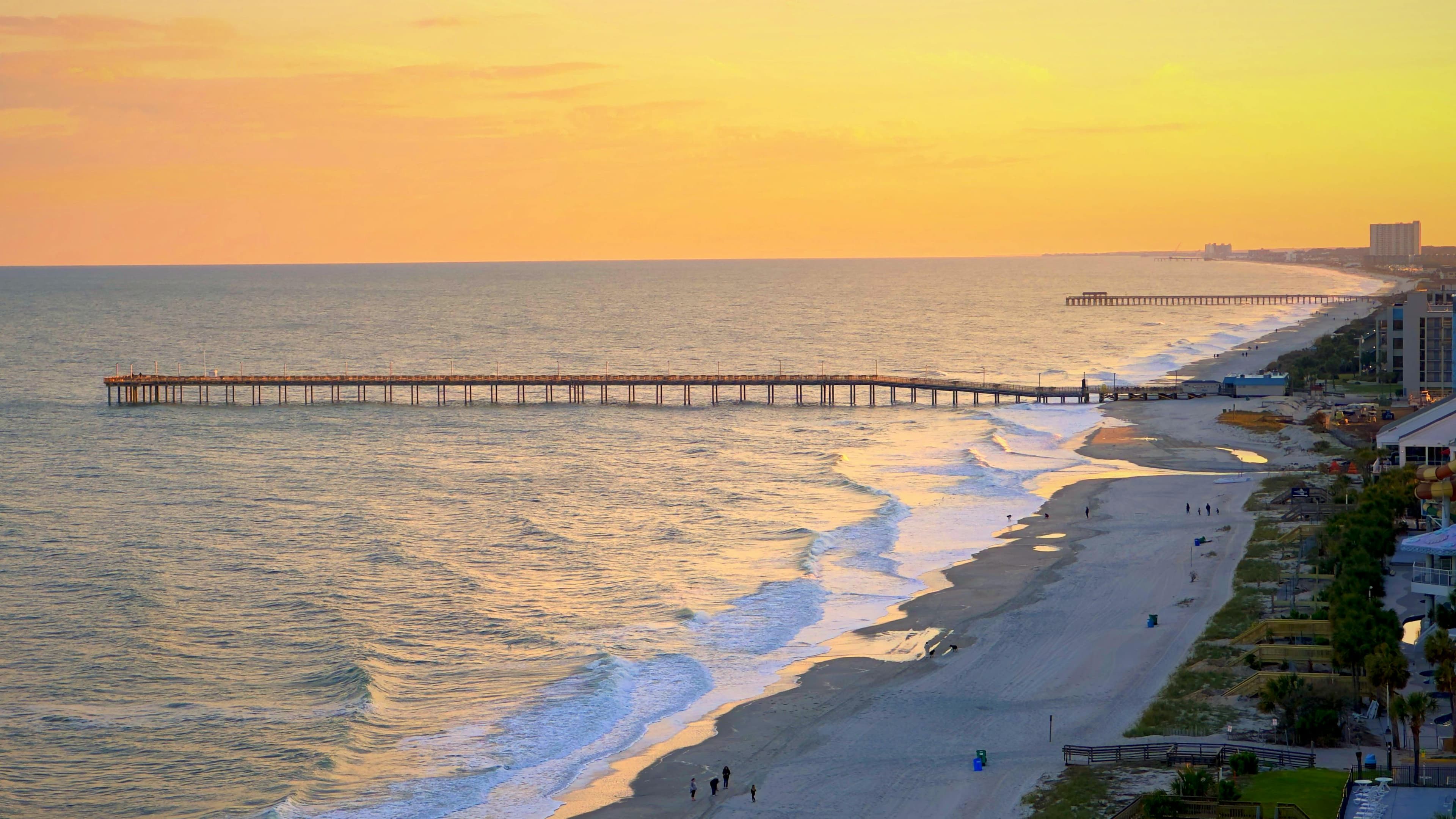
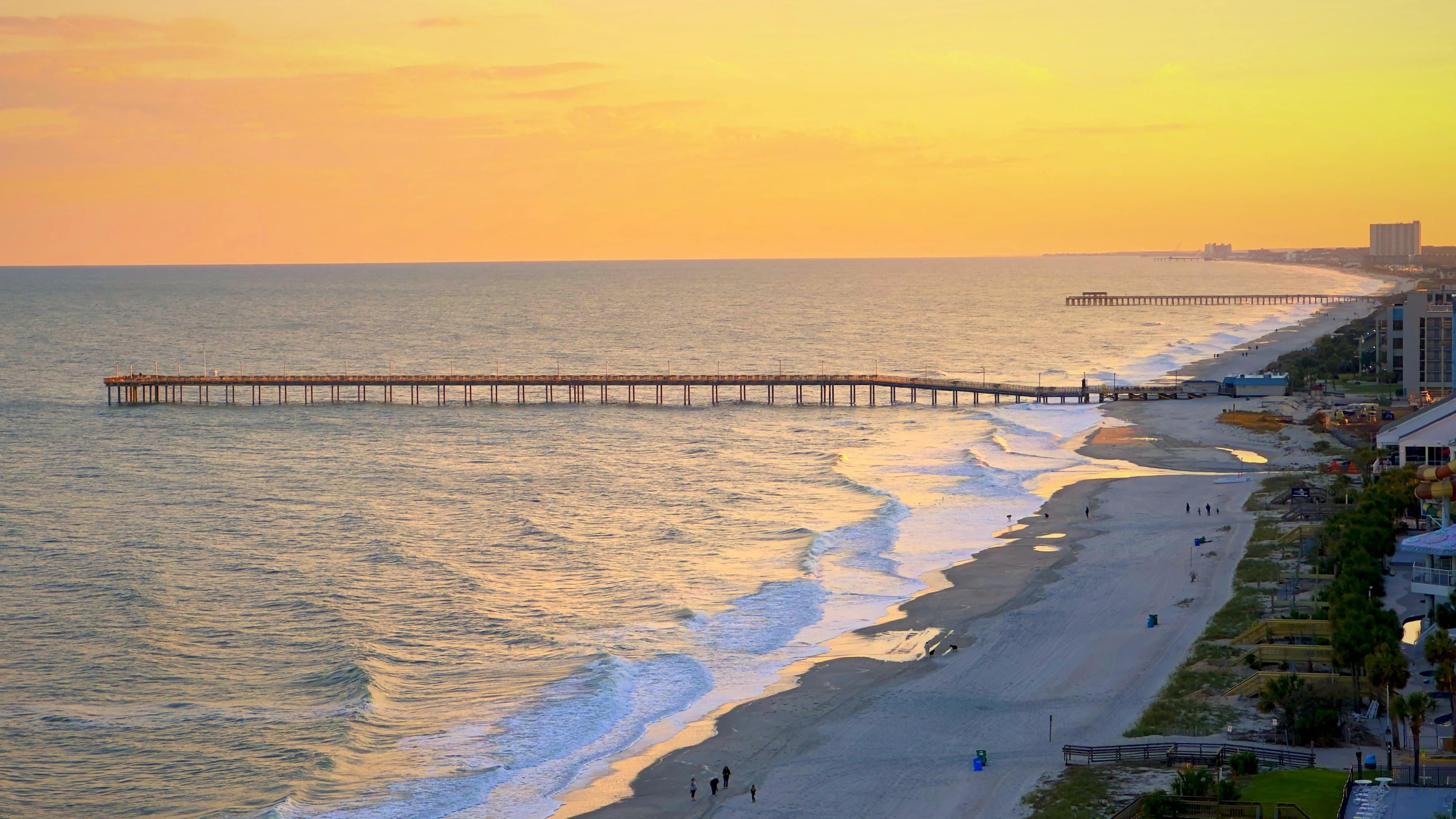
These are the two largest golf destinations in the United States by course count and visiting golfer volume. Myrtle Beach offers roughly 90 courses along the Grand Strand, a 60-mile corridor of South Carolina coastline built around the proposition that golf should be abundant and affordable. Scottsdale spreads 100-plus courses across the Sonoran Desert, combining desert target golf with one of the country's more polished resort cities. Both attract hundreds of thousands of visiting golfers each year. Both deliver quality across multiple price tiers. The trip you get, however, is remarkably different.
Where to stay in Myrtle Beach
Planning the trip? Compare live prices across every nearby hotel and rental in one search.
Prices and availability from Booking.com, Expedia and others via Stay22. GolfTrailsHQ may earn a commission at no additional cost to you.
Course Quality at the Top
Scottsdale wins the top tier decisively. We-Ko-Pa's Saguaro, the Coore and Crenshaw design on Fort McDowell Yavapai Nation land, has been ranked number one in Arizona by Golfweek for most of the past sixteen years. At 6,966 yards with a slope of 137, it plays through unspoiled Sonoran Desert with saguaro cacti and mountain views in every direction. The companion Cholla Course, a Scott Miller design, is equally strong. TPC Scottsdale's Stadium Course, home of the WM Phoenix Open, provides PGA Tour pedigree. Troon North's Monument Course routes through boulder-strewn desert at a slope of 148. Grayhawk's Raptor, a Tom Fazio design, has hosted NCAA Championships.
Myrtle Beach's top courses are excellent without reaching the same architectural ceiling. Caledonia Golf and Fish Club, Mike Strantz's 1994 design at $200 to $249, is a Golfweek-ranked course with no interior homes and complimentary fish chowder at the turn. True Blue Golf Club, Strantz's bolder sister course, plays 7,060 yards through a former indigo plantation. TPC Myrtle Beach, a Fazio design, is the Grand Strand's only TPC-branded course at $250 to $350. Tidewater, with its oceanfront holes on the Cherry Grove peninsula, charges $97 to $192.
The Strantz courses at Caledonia and True Blue are genuinely special. But Scottsdale's combination of Coore and Crenshaw at We-Ko-Pa, Tom Fazio at Grayhawk, and the Coore and Crenshaw pair at Talking Stick creates an architectural depth that the Grand Strand does not match.
Course Volume and the Mid-Range
Myrtle Beach reclaims the advantage in the middle tier, and the gap is substantial. Barefoot Resort alone offers four courses from Fazio, Love, Norman, and Dye at $90 to $168 each. Legends Resort provides a Tom Doak links-style course for $65 to $93. King's North at Myrtle Beach National, an Arnold Palmer design recently renovated, plays for $80 to $140. Pawleys Plantation, a Jack Nicklaus Signature Course, charges $150 to $225.
At the true value level, Myrtle Beach has no peer. Beachwood plays for $40 to $79. Crow Creek charges $45 to $79. These are not worn-out tracks; they are maintained courses with genuine architectural intent. A group can play four mid-range rounds in Myrtle Beach for $400 to $600 per person in green fees alone.
Scottsdale's mid-range starts higher. Papago Golf Course, a renovated municipal layout at 7,380 yards, charges $100 to $140, which is among the lowest on the Scottsdale/Phoenix roster. TPC Scottsdale's Champions Course runs approximately $234. The Talking Stick courses, both Coore and Crenshaw designs, play for $150 to $250 with dynamic pricing. Lookout Mountain at $87 to $168 and Raven Golf Club Phoenix at $55 to $229 provide range, but the floor never drops to the Myrtle Beach level.
For the group playing four to five rounds and watching the total spend, Myrtle Beach delivers more rounds per dollar than any comparable destination.
The Trip Experience
Scottsdale is the more polished destination by a considerable margin. Old Town Scottsdale offers genuine dining, from Marshall Way gallery-district restaurants to Stetson Drive steak houses. The accommodation ranges from Hilton-tier chains to resort properties like The Phoenician and Hyatt Regency Scottsdale. The desert landscape provides a visual backdrop that photographs well and feels elevated.
Myrtle Beach is an unvarnished beach town. The architecture along the hotel strip is functional, the dining scene is improving but still leans towards chains and seafood buffets, and the overall presentation is built for volume rather than polish. That said, the Hammock Coast section around Pawleys Island and Murrells Inlet offers a quieter alternative. The MarshWalk at Murrells Inlet provides waterfront seafood restaurants with live music. Brookgreen Gardens, a National Historic Landmark with 1,400 American figurative sculptures, is a legitimate cultural attraction.
The honest assessment: Scottsdale offers a better evening after golf. Myrtle Beach offers a better deal during the round.
Weather and Season
Scottsdale's peak golf season runs January through April, with highs in the 60s to 80s and virtually no rain. Summer is brutal: 104 to 106F from June through September, with tee times practical only at dawn. Green fees drop 50 to 70 percent in summer.
Myrtle Beach plays year-round with more seasonal variation. Summer is hot (mid-80s) and humid. Winter is mild enough for comfortable golf most days, with green fees 30 to 50 percent below peak.
The best golf weather arrives April through May and September through October, with highs in the 70s.
Tip
The Price Comparison
Myrtle Beach, four rounds, three nights, mid-range: Four rounds at the $80 to $150 tier, beachfront condo at $90 to $170 per night shared, dining at casual restaurants. Total: $700 to $1,100 per person. Adding a Caledonia or TPC round pushes toward $1,400.
Scottsdale, four rounds, three nights, mid-range: Four rounds at the $150 to $300 tier, hotel in Old Town at $150 to $250 per night. Total: $1,500 to $2,500 per person. Adding We-Ko-Pa or TPC Stadium pushes toward $3,000.
Myrtle Beach is $800 to $1,400 cheaper per person. That gap narrows at the luxury level but never closes entirely.
Getting There
Phoenix Sky Harbor (PHX) is a major hub with 20-minute access to Scottsdale. Direct flights from most US cities. No connecting flights required from any major hub.
Myrtle Beach International Airport (MYR) receives direct flights from 50-plus cities and is five minutes from the hotel strip. Coverage is broad, with Spirit, Allegiant, American, Delta, United, and Southwest all serving the airport.
Both destinations are easy to reach. A rental car is essential at both.
Dining and Nightlife
Scottsdale's dining scene operates at a higher level. The Scottsdale corridor from Old Town to Kierland supports serious restaurants, craft cocktail bars, and a nightlife that stays lively into the evening. For the group that values a good dinner after the round, Scottsdale delivers consistently.
Myrtle Beach is improving. The MarshWalk offers eight-plus waterfront restaurants. Broadway at the Beach provides a 350-acre entertainment complex. The Carolina Opry has run for 30-plus years.
But the dining ceiling is lower, and the entertainment leans toward family-friendly variety rather than sophistication.
The Decision
Choose Myrtle Beach for a dedicated golf trip where course volume, variety, and value are the priorities. Twenty-two courses in the GolfTrailsHQ selection span every budget level, and the actual number of playable courses approaches 90. A group of eight can play different courses every day for a week and still leave options on the table. The Strantz designs at Caledonia and True Blue provide a genuine architectural highlight. The budget math is unbeatable.
Choose Scottsdale for the better overall trip experience. The desert courses are architecturally superior at the top tier, the dining and nightlife reward the evening hours, and the destination carries a polish that Myrtle Beach does not attempt. We-Ko-Pa Saguaro, Troon North Monument, and Grayhawk Raptor are courses that belong on a serious golfer's list. The price premium over Myrtle Beach is real, and so is the quality difference at every touchpoint beyond the green fee.
The verdict