Shadow Creek Golf Course: Review and Playing Guide
Par: 72 | Yardage: 7,560 | Designer: Tom Fazio (1989) | Type: Resort (MGM Resorts guests only) | Green Fee: $600+ | Walking: Not permitted (cart only)
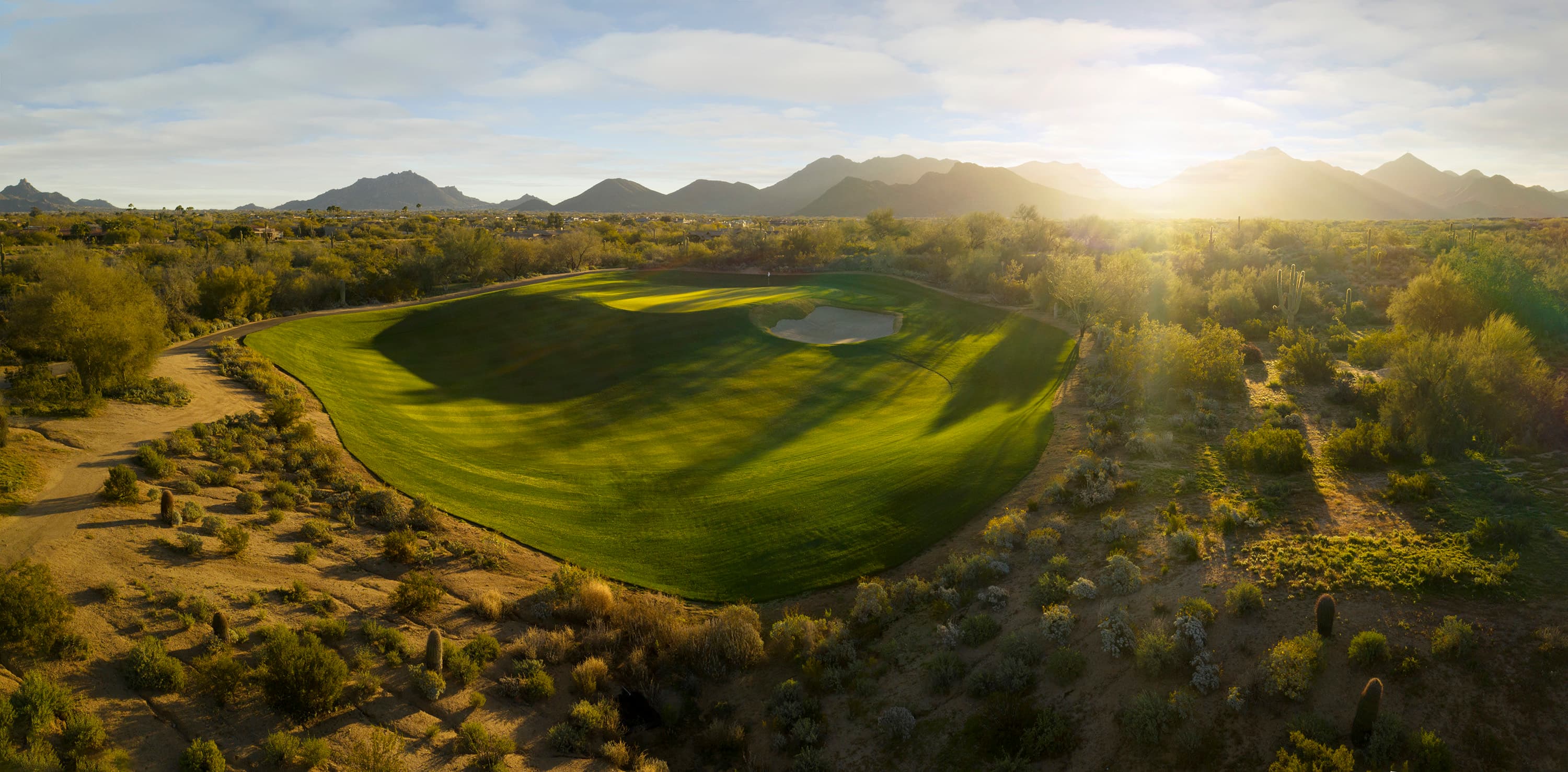
Steve Wynn spent an estimated $60 million building Shadow Creek on a piece of flat, featureless desert north of the Las Vegas Strip. The year was 1989. The land had nothing: no trees, no water, no elevation change, no reason to believe a golf course could exist there. Wynn hired Tom Fazio and told him to build the best course in the world without regard to budget. Fazio obliged. His crew moved 21,000 mature trees onto the property, sculpted hills and ridgelines from the desert floor, dug lakes fed by recirculated water, and planted vegetation so dense that nothing visible from inside the property suggests the Mojave Desert surrounds it on all sides.
It is the most manufactured golf course in America, and it is executed at a level that makes the manufacturing irrelevant.
Where to stay in Las Vegas
Planning the trip? Compare live prices across every nearby hotel and rental in one search.
Prices and availability from Booking.com, Expedia and others via Stay22. GolfTrailsHQ may earn a commission at no additional cost to you.
The Design Story
What Fazio accomplished at Shadow Creek has no real precedent and has never been replicated. Other courses have moved significant earth. Shadow Creek created an entire ecosystem. The trees were not saplings. They were mature specimens, some reaching forty feet, trucked in and planted to create the impression of a forest that had been growing for decades. The elevation changes, some exceeding thirty feet, were built from imported fill dirt sculpted into ridgelines, valleys, and rolling terrain.
The lakes and creek beds were engineered with naturalistic shorelines, graded so carefully that the water appears to be spring-fed rather than mechanically pumped.
The construction took three years. The budget, adjusted for inflation, would exceed $120 million today. No developer has attempted anything comparable since, because no developer has been willing to spend at that scale on a single golf course. Wynn originally built Shadow Creek as a private course for his highest-value casino clients. It operated as an invitation-only venue for more than a decade before MGM Resorts, which acquired the Wynn properties, opened it to hotel guests in the early 2000s. That shift in access policy transformed the course from an industry rumor into a playable destination, though one that remains heavily restricted.
The philosophical question Shadow Creek raises is whether manufactured beauty counts the same as natural beauty in golf architecture. The purist position says it does not. The experience of playing the course renders that argument academic. Thirty-five years of growth have matured the landscape to the point where the distinction between placed and planted, sculpted and natural, has effectively disappeared. The trees have filled in. The shorelines have softened. The terrain reads as authentic even to golfers who know the origin story.
How It Plays
The routing is classic Fazio: generous from the tee, increasingly demanding as the ball approaches the green. Fairways are wide enough to accommodate a range of shot patterns without feeling featureless. The corridors narrow through mature tree lines that frame each hole and isolate it from its neighbors, creating a sense of privacy unusual even at exclusive venues. Water comes into play on roughly half the holes, sometimes as a forced carry, more often as a lateral hazard that penalizes the wrong miss without destroying a scorecard.
At 7,560 yards from the back tees with a slope of 145, the course has genuine teeth. But multiple tee positions compress the yardage meaningfully for mid-handicap players, and the absence of deep rough or extreme forced carries keeps the round playable. Fazio was not designing for punishment. He was designing for immersion. The difficulty reveals itself in the green complexes, which are large enough to find but contoured enough that a ball on the wrong shelf leaves a putt of considerable difficulty. Three-putting here is a function of approach shot quality, not green speed.
The par 3s are the most visually striking holes on the property, playing across water to greens defended by bunkers and backed by the kind of dense vegetation that belongs in the Carolinas, not Nevada. The par 5s offer legitimate birdie opportunities for players willing to challenge the water hazards with their second shots. The par 4s provide the course's strategic substance, with several holes asking the golfer to choose a side of the fairway to open the preferred approach angle. The variety is carefully constructed, and it works. No two consecutive holes feel similar in shape, challenge, or visual character.
Conditioning is exceptional, a product of both maintenance investment and restricted play. The limited number of daily rounds keeps turf wear minimal, and the maintenance staff operates at standards that daily-fee and most resort courses cannot match. Fairways are firm and consistent. Greens roll true and hold their speed throughout the day. Bunker sand is uniform across the property. The presentation is immaculate in a way that reinforces the broader illusion: nothing at Shadow Creek looks like it required effort.
What the Green Fee Purchases
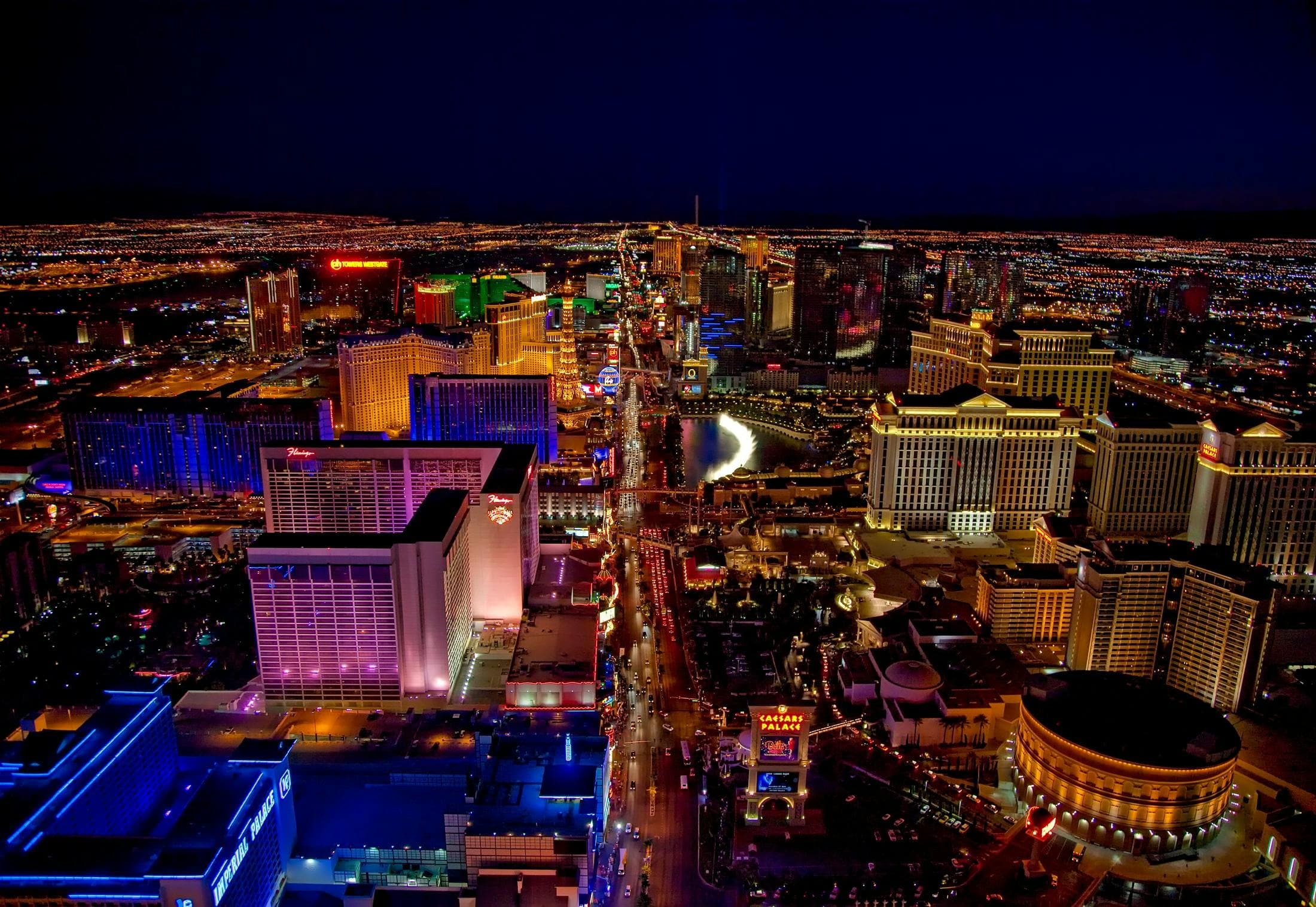
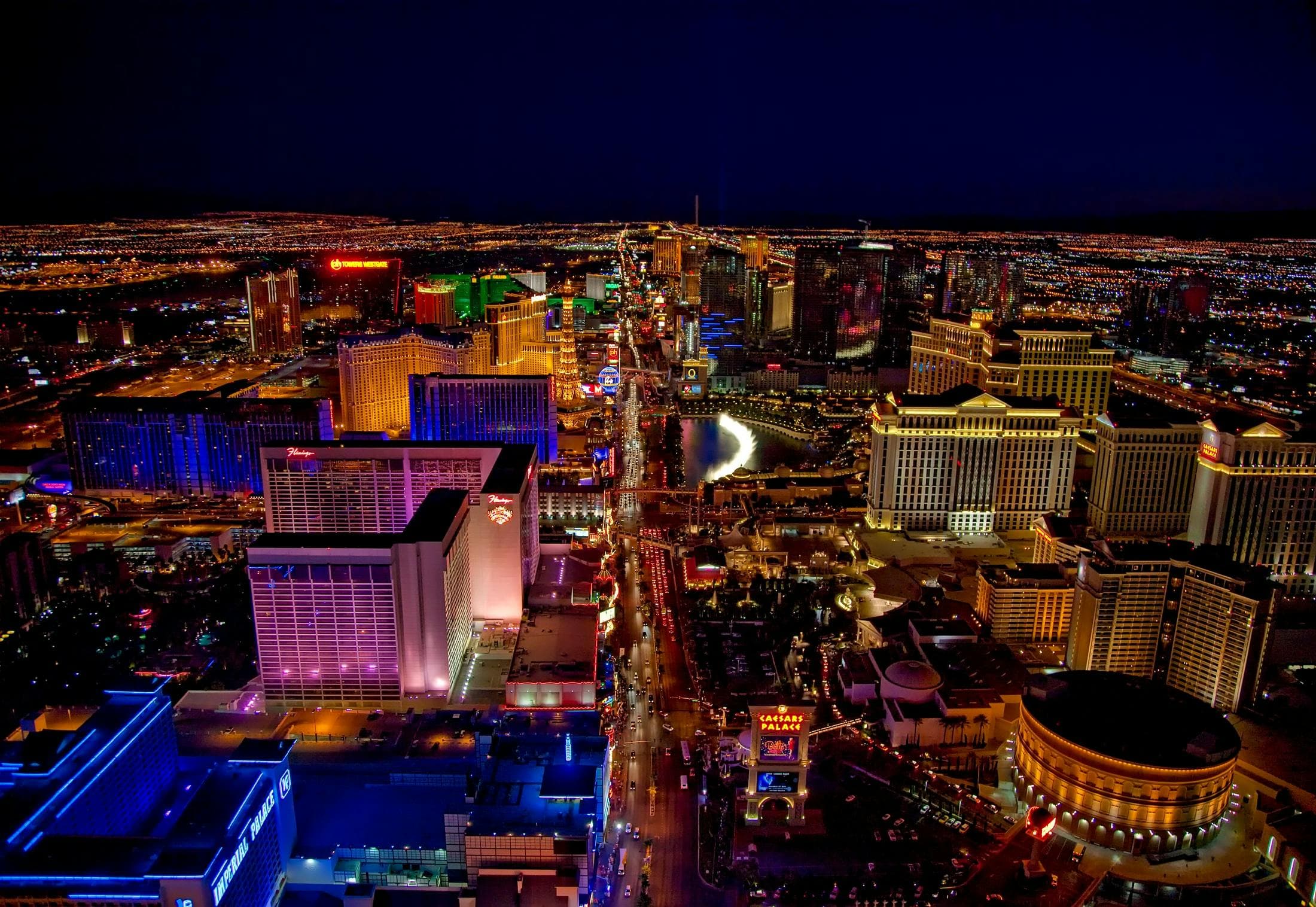
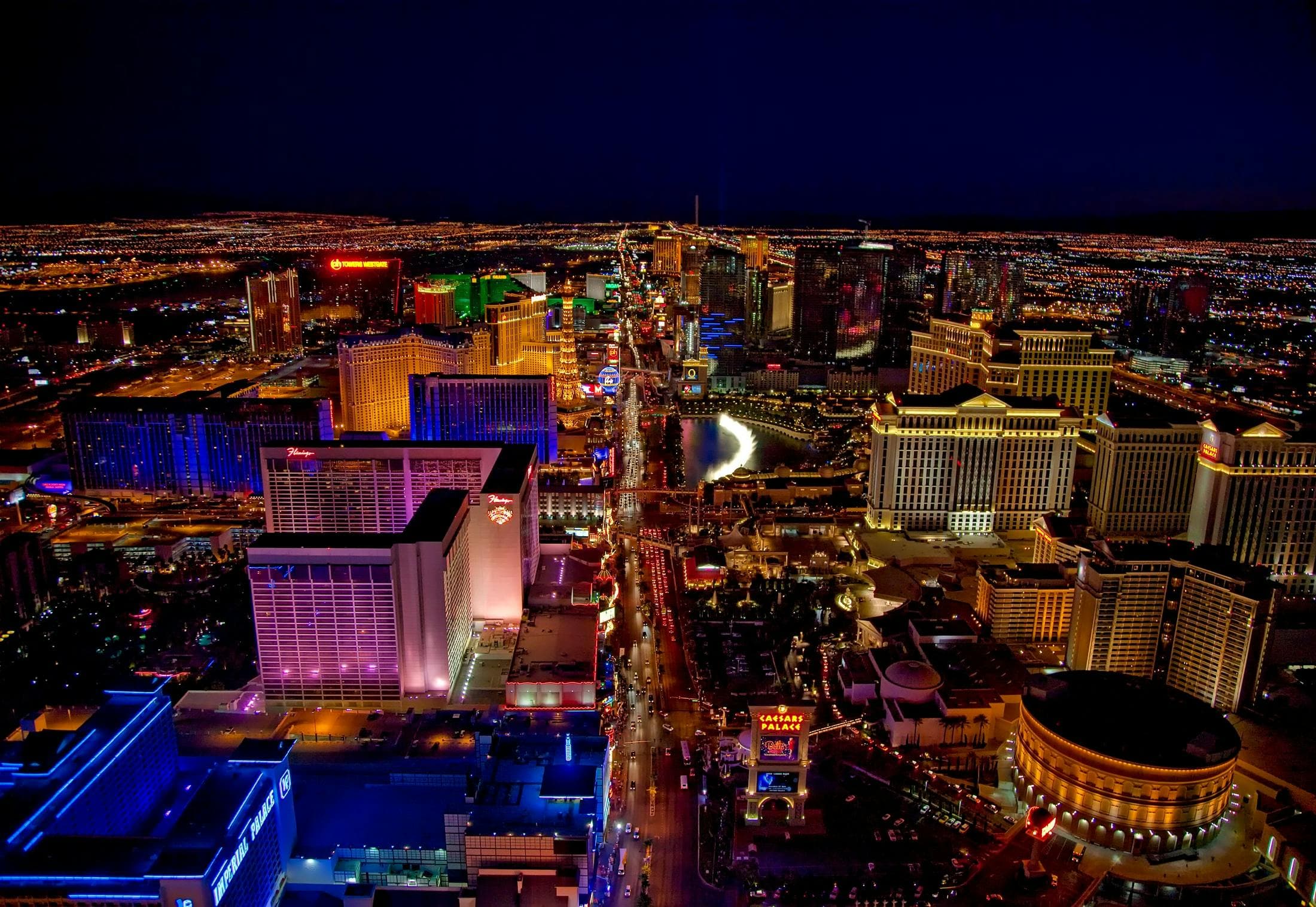
The current rate exceeds $600 and includes several elements that distinguish the experience from a standard resort round. A limousine collects guests from their MGM property on the Strip and delivers them directly to the course, a thirty-minute ride that functions as a deliberate transition from the sensory overload of Las Vegas to the quiet of Fazio's created landscape. The contrast is intentional and effective.
On-course service operates at a level closer to a private club than a resort. Pace of play is managed carefully, with spacing between groups wide enough that the sense of solitude feels genuine. The overall atmosphere is unhurried and attentive. For golfers accustomed to crowded resort operations where the starter is pushing groups through at eight-minute intervals, the difference is immediately apparent.
Tip
Practical Considerations
Access requires a reservation at an MGM Resorts hotel in Las Vegas. Tee times are available Monday through Thursday for hotel guests. Friday through Sunday play is restricted to invited guests and is not bookable through normal channels. Reservations are arranged through the hotel concierge, not through a public tee time system. Booking should be done well in advance during peak season, which runs from October through May when desert temperatures are comfortable for golf.
The Las Vegas complete golf guide covers the full range of courses in the corridor, from the Paiute Golf Resort's three public layouts to the semi-private options at Cascata and Reflection Bay. For golfers building a multi-day trip, pairing Shadow Creek with one or two of these courses distributes the cost and provides useful contrast.
The verdict