Las Vegas, NV: The Complete Golf Trip Guide
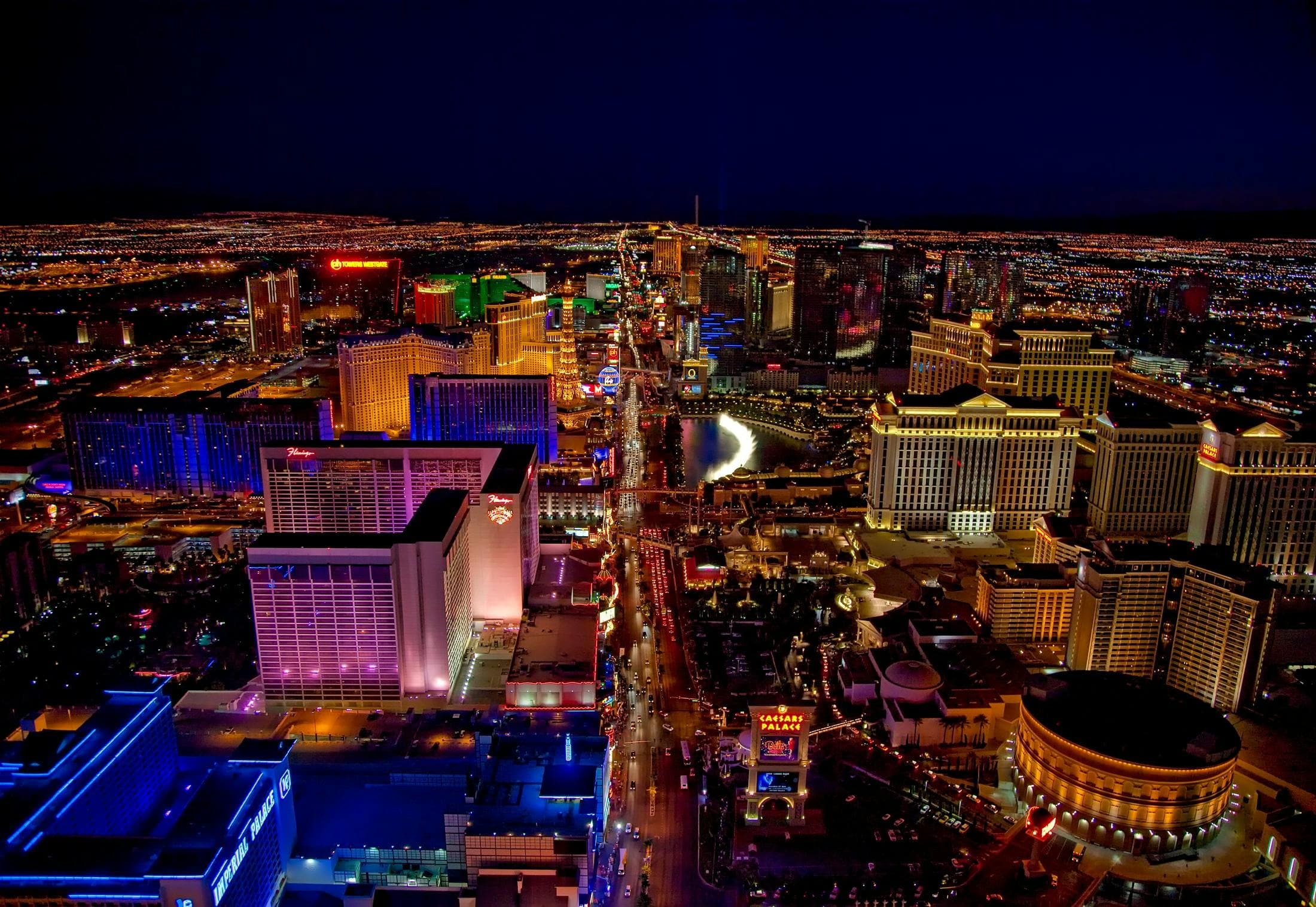
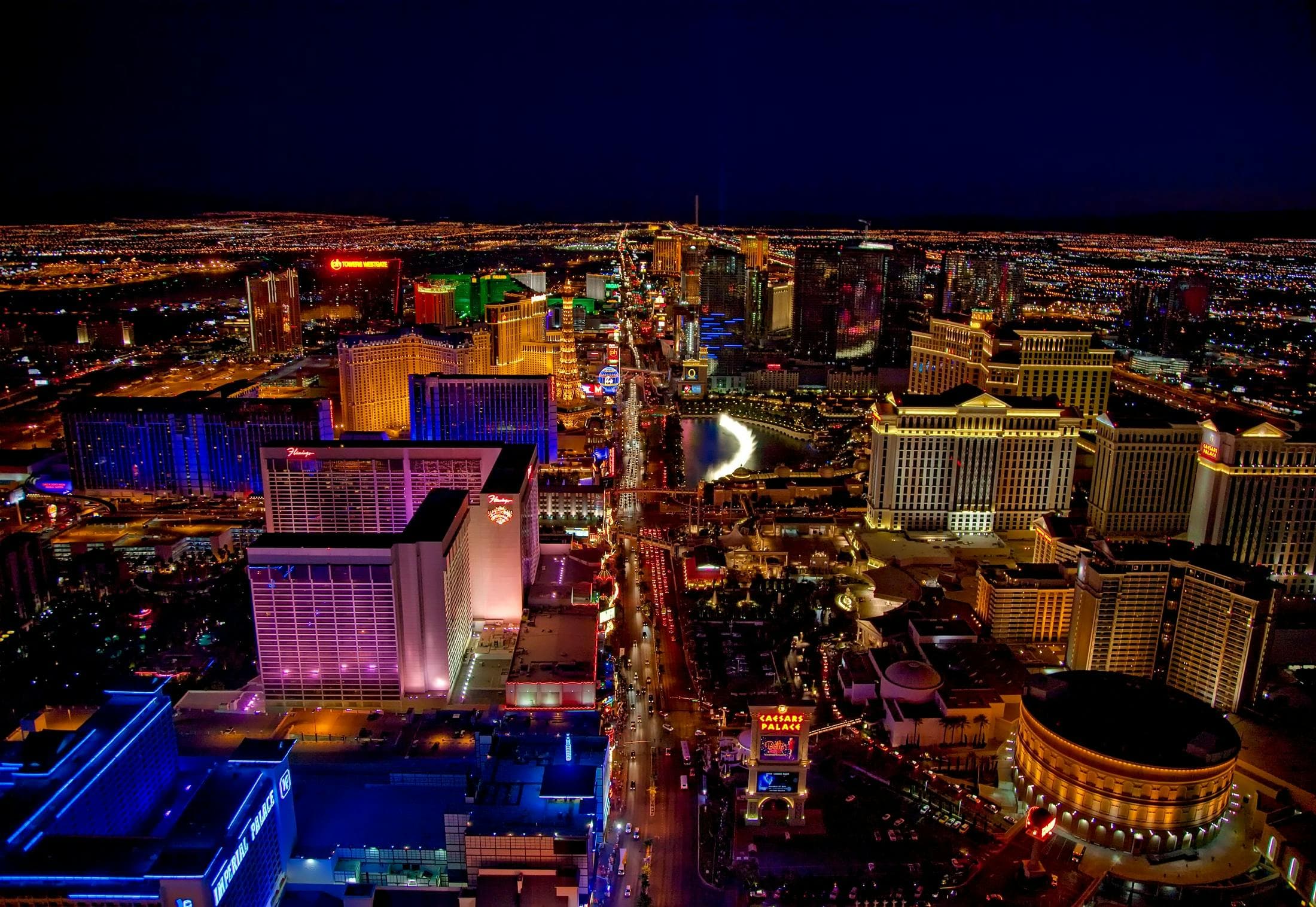
Las Vegas occupies an unlikely position in American golf. The surrounding Mojave Desert is not, by any honest measure, natural golf country. Summer temperatures routinely exceed 110 degrees Fahrenheit, native vegetation is sparse, and the landscape in its unaltered state bears no resemblance to the irrigated fairways that dozens of courses have imposed upon it. Yet the city has produced a golf portfolio that ranges from the most exclusive resort experience in the country to accessible daily-fee operations that deliver genuine design quality at reasonable prices. The explanation is straightforward: Las Vegas has always been a city that manufactures experience from raw desert, and golf is simply another expression of that impulse.
The courses worth travelling for are spread across a forty-mile radius from the Strip. Some require hotel stays at specific properties. Others sit on tribal land north of the city. A Las Vegas golf trip can run from $1,500 to $3,500 per person depending on how far up the exclusivity ladder the group climbs.
The best planning approach treats the Strip as a base of operations and builds outward, with course selection determined by budget tolerance and the group's appetite for logistical complexity.
Where to stay in Las Vegas
Planning the trip? Compare live prices across every nearby hotel and rental in one search.
Prices and availability from Booking.com, Expedia and others via Stay22. GolfTrailsHQ may earn a commission at no additional cost to you.
The Courses
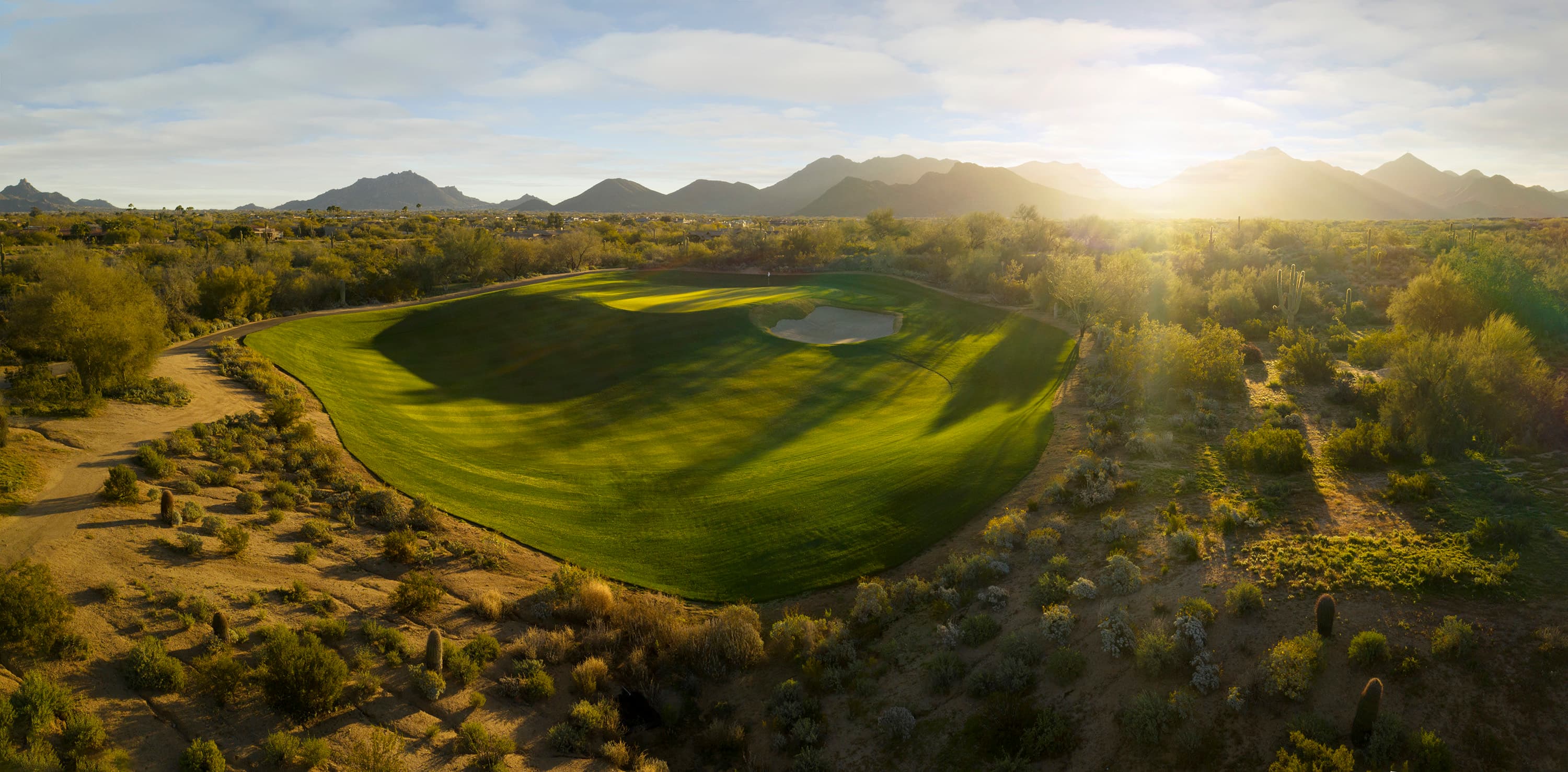
Tom Fazio built it in 1989 on flat, featureless desert north of the Strip, spending an estimated $60 million to create an entirely manufactured landscape of rolling terrain, mature trees, creek beds, and water features. The result bears no relationship to its surroundings. A limousine transfers guests from their MGM hotel to the course, and by the time a golfer reaches the first tee, the desert has been replaced by something closer to the Carolina Sandhills. Access is restricted to MGM Resorts hotel guests, Monday through Thursday only, at a flat $1,250 that includes the car service and caddie. Golf Digest ranks it among the top 25 courses in America. The green fee is the highest in Las Vegas by a wide margin, and the experience is calibrated accordingly.
Shadow Creek is the apex of the Las Vegas golf experience and one of the most unusual courses in the United States.
TPC Las Vegas
Wynn Golf Club occupies sixty-five acres directly behind the Wynn Las Vegas resort, making it the only course on the Strip itself. The layout was redesigned and reopened in 2019 as an eighteen-hole, par-70 course that threads between the hotel towers and the desert edge. The proximity to the resort is both the course's primary selling point and its most notable concession: acreage constraints mean the routing is tighter and shorter than what most designers would choose given open land. Green fees run $500 and above, and access is limited to Wynn and Encore guests. For golfers who want to walk off the casino floor and onto the first tee with minimal transit, no other option in the city competes.
Cascata, located thirty minutes south of the Strip in Boulder City, represents a different proposition entirely. Rees Jones designed the course through a desert canyon, and the natural topography provides elevation changes, rock outcroppings, and a waterfall near the clubhouse that the flatter courses closer to town cannot replicate. The routing plays through the canyon walls rather than across open desert, producing a sense of enclosure and drama that rewards the drive south. Green fees range from $250 to $400, and the course regularly appears on lists of the best public-access layouts in Nevada. For groups seeking a premium experience without the four-figure green fee of Shadow Creek or Wynn, Cascata is the strongest candidate.
TPC Las Vegas sits in the Summerlin community on the western edge of the city, where residential development meets the Red Rock Canyon foothills. The Bobby Weed design hosted the PGA Tour's Las Vegas Invitational for multiple years, and the routing uses the natural desert arroyos and elevation changes of the Summerlin terrain to create a course that feels less constructed than many of its peers in the valley. Green fees range from $150 to $250, and the TPC branding brings a level of conditioning and service infrastructure that daily-fee courses in this price range do not always deliver. It is a reliable choice for the round when the group wants quality golf at a moderate price point.
Paiute Golf Resort, operated by the Las Vegas Paiute Tribe on tribal land thirty minutes northwest of the Strip, is the volume play in Las Vegas golf. Pete Dye designed all three courses: Snow Mountain (1995), Sun Mountain (1997), and Wolf (2001). The three layouts share the same open desert setting and Dye's characteristic use of railroad-tie bunker faces, forced carries, and green complexes that demand precise approach play. Wolf is the most demanding of the three, with more water and narrower landing areas. Snow Mountain is the most balanced. Sun Mountain occupies the middle ground. Green fees for all three run $100 to $200, and multi-round packages reduce the per-round cost further. For a group planning three or four rounds, booking two or three at Paiute is the most efficient way to fill a trip without exhausting the budget.
Reflection Bay at Lake Las Vegas, a Jack Nicklaus design twenty-five minutes east of the Strip, plays along the shoreline of the man-made Lake Las Vegas. The water comes into play on several holes, and the routing alternates between lakeside terrain and desert hillside, producing more visual variety than the flat courses closer to town. Green fees range from $150 to $250. The Lake Las Vegas development surrounding the course includes hotels and restaurants that make it a viable base for groups who prefer to stay outside the Strip's density.
Bears Best Las Vegas rounds out the roster of courses worth considering. Jack Nicklaus designed it as a collection of replica holes drawn from his most notable courses around the world, which makes it more novelty than architectural statement. The concept works better in practice than it sounds in description, and at $100 to $175, it fills a useful role as an accessible, well-conditioned round on a day when the group's priority is enjoyment over challenge.
Where to Stay
The Strip is the default base, and the hotel decision is often dictated by course access requirements. Shadow Creek requires an MGM property stay. Wynn Golf Club requires a Wynn or Encore reservation. For groups building a trip around either of those courses, the hotel selection is predetermined.
For groups focused on Paiute, TPC, Cascata, and the mid-tier courses, the hotel choice opens considerably. The Bellagio, Venetian, and Wynn operate at the top of the Strip's price range, with nightly rates from $250 to $600 depending on season and day of week. Mid-range options like the Marriott Grand Chateau and the Westin Lake Las Vegas run $150 to $300 and provide a quieter base without sacrificing proximity to dining and entertainment. Budget-conscious groups can find quality accommodations in Henderson or along the Tropicana corridor at $100 to $180 per night, though the drive to the northwestern courses adds thirty minutes in each direction.
The Lake Las Vegas area offers an alternative for groups playing Reflection Bay and seeking distance from the Strip. The Hilton Lake Las Vegas and Westin Lake Las Vegas both sit on the lake, and the setting is calmer than anything the Strip provides. The tradeoff is a twenty-five-minute drive to the city's restaurants and nightlife.
Getting There
Harry Reid International Airport (LAS) is three miles south of the Strip and receives direct flights from virtually every major airport in the country. The terminal-to-hotel transit is among the shortest of any major golf destination, and most groups are checked in within thirty minutes of landing. A rental car is strongly recommended. While ride-share services operate efficiently on the Strip, the courses at Paiute, Cascata, and Lake Las Vegas are thirty minutes outside the city, and the cost of individual rides adds up quickly across a multi-day trip. Parking at Strip hotels typically runs $15 to $25 per day for self-park.
When to Go
Tip
December through February is cooler than most visitors expect. Daytime highs range from the mid-40s to low 60s, and morning tee times can start in the 30s. The courses remain open, green fees drop, and the playing conditions are acceptable for golfers who dress in layers and tolerate the chill. For budget-focused trips, winter delivers the best combination of reduced green fees and available tee times.
June through September is a different calculation entirely. Temperatures exceed 100 degrees routinely and reach 115 at the peak. Courses shift to dawn tee times, and by mid-morning the heat becomes a genuine health consideration rather than a comfort inconvenience. Green fees plummet, and the courses are nearly empty. A small number of golfers chase these discounts deliberately, but honest planning acknowledges that summer golf in Las Vegas is an endurance exercise, not a vacation.
Where to Eat
The Strip's restaurant concentration is the strongest off-course asset a Las Vegas golf trip can claim. The density of high-end dining within a two-mile stretch has no equivalent in American golf destinations. Restaurants from established chefs operate inside the major casino hotels: Carbone at the Aria, Bavette's at Park MGM, and SW Steakhouse at Wynn represent the upper tier. For groups seeking quality without the white-tablecloth commitment, Estiatorio Milos at the Venetian serves Mediterranean seafood, and Mon Ami Gabi at Paris Las Vegas offers French bistro cooking with a patio overlooking the Bellagio fountains.
Off the Strip, Henderson and Summerlin have developed dining scenes that reflect the residential communities they serve. These restaurants lack the spectacle of Strip establishments but frequently deliver better value and shorter waits.
Beyond the Fairway
The non-golf inventory in Las Vegas requires no introduction, but a few options carry particular relevance for golf trip planning. Red Rock Canyon National Conservation Area, twenty minutes west of the Strip, offers a thirteen-mile scenic drive and hiking trails through sandstone formations that provide a genuine contrast to the casino-dominated itinerary. Valley of Fire State Park, an hour northeast, contains some of the most striking desert geology in the Southwest.
On the Strip, the range extends from Cirque du Soleil productions to the High Roller observation wheel to the kind of nightlife infrastructure that sustains Las Vegas's reputation. For travelling companions, the spa facilities at the major resorts, the shopping corridors at the Forum Shops and Wynn Plaza, and the pool complexes that operate as daytime social venues provide a full itinerary independent of golf.
Planning Your Trip
A four-day, three-night framework accommodates most Las Vegas golf trips effectively. A premium itinerary built around Shadow Creek, Wynn, and Cascata with three nights at an MGM or Wynn property runs $3,000 to $3,500 per person. A mid-range version playing TPC Las Vegas, two rounds at Paiute, and Reflection Bay with a mid-Strip hotel comes in at $1,500 to $2,200 per person. A value-focused trip with three rounds at Paiute and a budget hotel runs $800 to $1,200 per person. All three deliver courses and experiences that justify the travel.
Shadow Creek and Wynn require the most advance planning due to their hotel-guest restrictions. Confirming the hotel reservation before requesting the tee time is essential. Paiute and TPC Las Vegas rarely require more than a week of lead time outside of peak-season weekends.
The full Las Vegas destination guide covers the complete course and accommodation inventory.
The verdict