10 Best Golf Destinations for Winter
The American golf season does not end in October. It migrates. While courses across the Northeast and Midwest close for winter, the Sun Belt and desert corridors enter their prime playing months. Green fees rise in these markets precisely because the demand is real: the courses are in peak condition, the weather cooperates more often than not, and the alternative is five months without golf. Planning a winter golf trip is not an indulgence. For serious golfers in northern climates, it is a reasonable response to geography.
The destinations on this list share three qualities. The weather between October and March is reliably mild enough for comfortable golf. The course inventory is deep enough to sustain a multi-day trip without repetition. And the surrounding infrastructure, from accommodations to dining to airport access, is mature enough that the logistics do not consume the trip.
Scottsdale, Arizona
Scottsdale is the default answer to the winter golf question, and the default is correct. The Sonoran Desert delivers dry, sunny conditions through the winter months, with daytime temperatures typically ranging from the mid-60s to the low 70s. The course inventory is enormous: from the TPC Scottsdale Stadium Course to Troon North to We-Ko-Pa, the options span every price point and design philosophy. The dining and nightlife in Old Town Scottsdale add a social dimension that most golf destinations cannot match. Booking two to three months ahead is advisable for the marquee courses.
Peak season runs January through April, and green fees reflect that demand.
Palm Springs, California
The Coachella Valley contains more than 100 courses spread across Palm Springs, Palm Desert, La Quinta, and the surrounding communities. Winter temperatures sit in the 70s most days, with rain rare enough to be a genuine surprise. The design quality ranges from the PGA West Stadium Course, Pete Dye's famously punishing desert layout, to well-conditioned resort courses that offer a more relaxed round. The valley's mid-century architecture, restaurant scene, and proximity to Joshua Tree National Park make it a strong option for trips that include non-golfers.
Naples, Florida
Southwest Florida's golf concentration is extraordinary. Naples and the surrounding communities offer dozens of courses, many designed by major architects and maintained to a standard that reflects the area's affluent permanent population. Tiburon Golf Club, Lely Resort, and the courses at WCI communities provide a range of options, and the winter weather is warm, humid, and punctuated by occasional afternoon showers that clear quickly. Naples is quieter and more refined than Orlando, with a food scene that punches above its weight and Gulf beaches that provide genuine downtime between rounds.
Orlando, Florida
Orlando is the volume play for winter golf. The corridor from Lake Buena Vista to Championsgate to the International Drive area contains dozens of resort courses, and the competition among them keeps quality high and pricing competitive. Arnold Palmer's Bay Hill, the Tom Fazio course at Championsgate, and Orange County National's Panther Lake are the headliners. The theme park infrastructure means families with mixed interests can build a trip around golf without sacrificing everyone else's holiday. Winter temperatures are warm but not oppressive, and the courses are in better condition than during the humid summer months.
Myrtle Beach, South Carolina
Myrtle Beach occupies a unique position in the winter golf market. While not a warm-weather guarantee, the Grand Strand's mild winters produce plenty of playable days from October through March, with temperatures typically in the 50s and 60s. The real advantage is pricing. Myrtle Beach in winter costs a fraction of its spring peak season, and the course inventory of 80-plus layouts means tee times are readily available. Caledonia Golf & Fish Club, Tidewater, and the Dunes Golf and Beach Club remain the quality benchmarks, and they are all accessible at reduced winter rates.
Hilton Head, South Carolina
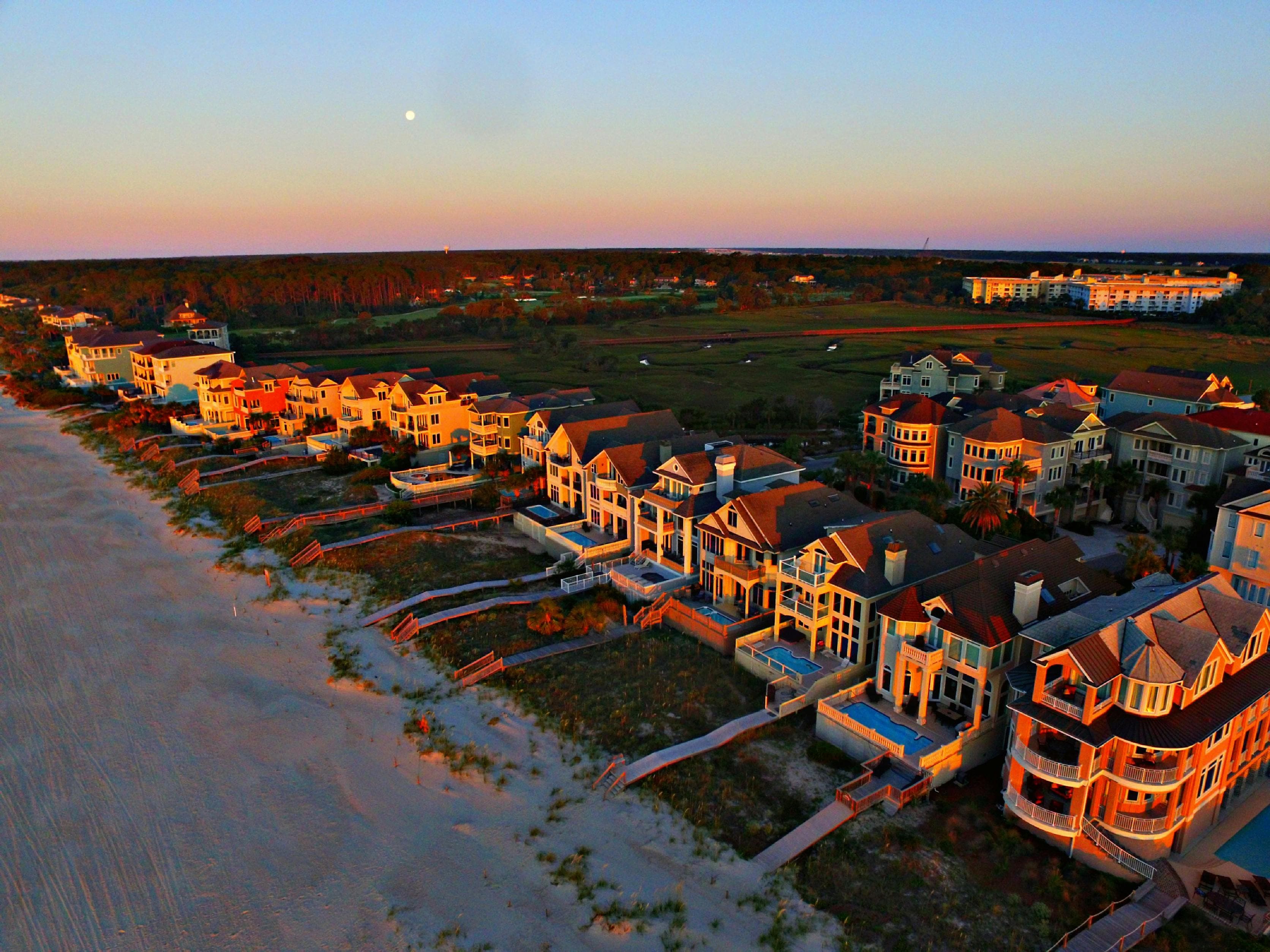
Hilton Head follows a similar pattern to Myrtle Beach but with a higher quality floor and a more refined atmosphere. Winter on the island is mild, with occasional cool mornings giving way to comfortable afternoon golf. Harbour Town Golf Links and the Palmetto Dunes courses maintain good conditions through the off-season, and the reduced crowds make the island's restaurants and beaches more enjoyable. Hilton Head is the winter golf destination for golfers who want quality over quantity and do not mind wearing an extra layer on the first tee.
Las Vegas, Nevada
Las Vegas is not the first destination that comes to mind for golf, but it should be. The desert climate produces winter days in the 50s and 60s, the course inventory includes strong designs from Tom Fazio, Jack Nicklaus, and Pete Dye, and the non-golf infrastructure is, obviously, extensive. Shadow Creek, TPC Las Vegas, and Cascata anchor the upper end, while courses like Bear's Best and Las Vegas Paiute offer quality rounds at more accessible price points. The ease of flights from virtually every American city and the hotel room inventory make logistics simple.
Hawaii
The Hawaiian Islands offer year-round golf in a setting that no mainland destination can replicate. Maui's Kapalua Plantation Course, host of the PGA Tour's Sentry Tournament of Champions, and the Big Island's Mauna Kea and Mauna Lani resorts provide genuine destination-quality golf. The trade-off is cost: flights, accommodations, and green fees are all significantly higher than mainland alternatives. Winter is technically the wet season, but showers are typically brief and localized, particularly on the leeward sides of the islands. Hawaii is the winter golf trip that doubles as a proper vacation.
The Robert Trent Jones Golf Trail, Alabama
The RTJ Trail offers the best value proposition in winter golf. Eleven complexes spread across Alabama deliver championship-quality courses at green fees that rarely exceed $80. The weather from October through March is mild enough for comfortable play most days, with temperatures typically in the 50s and 60s. Ross Bridge in Birmingham, the Judge Course at Capitol Hill in Prattville, and the Fighting Joe at Shoals are the standouts. The trail format encourages a road trip itinerary, hitting two or three complexes over a long weekend. For golfers accustomed to paying $150 or more per round in the Sun Belt, the RTJ Trail pricing feels like an accounting error.
Streamsong Resort, Bowling Green, Florida
Streamsong is a different kind of winter destination. There is no beach, no downtown, no nightlife strip. There are three exceptional golf courses on reclaimed phosphate mining land in central Florida, a well-appointed lodge, and very little else. Winter is prime season, with firm conditions and comfortable temperatures. Streamsong is for golfers who want to play golf, eat well, and do little else. It does that better than almost anywhere in America.
Tom Doak's Red Course, Bill Coore and Ben Crenshaw's Blue Course, and Gil Hanse's Black Course comprise one of the strongest three-course collections in the country.
Planning a Winter Golf Trip
The decision between these destinations comes down to three variables: budget, travel party composition, and how many rounds the trip needs to accommodate. Solo golfers and small groups focused purely on course quality should look at Streamsong, Bandon (which plays year-round, though winter is wet), and the RTJ Trail. Larger groups seeking social infrastructure will find it in Scottsdale, Las Vegas, and Myrtle Beach. Families splitting time between golf and other activities are best served by Orlando, Palm Springs, and Hawaii.
Harbour Town Golf Links

TPC Las Vegas
Tip