10 Best Budget Golf Destinations in America
The most expensive golf trip is not always the best one. Some of the finest courses in the country charge green fees that would barely cover a sleeve of balls at Pebble Beach, and the destinations that house them often come with accommodation and dining costs that make the whole equation work for a group splitting expenses. These are places where you can play four rounds of genuinely good golf, sleep in a decent room, eat well, and come home having spent less than a single round at some of the courses on the bucket list circuit.
Budget golf is not about compromise. It is about knowing where quality and value converge.
1. Robert Trent Jones Golf Trail, Alabama
The RTJ Trail is the single greatest value proposition in American golf. Eleven sites across Alabama, 26 courses in total, all designed by Robert Trent Jones Sr. and his firm, all maintained to a standard that belies green fees that rarely exceed $70. Ross Bridge in Birmingham is a genuine championship layout at half the price of comparable courses elsewhere. Capitol Hill in Prattville offers 54 holes on the Alabama River. The Fighting Joe course at Shoals plays along the Tennessee River and would cost three times the green fee if it were located in the Carolinas.
Prestwick Country Club
A four-day road trip hitting Ross Bridge, Capitol Hill, Grand National, and Cambrian Ridge will run under $800 for golf alone, and the lodging along the trail is equally reasonable. Alabama does not market itself as a golf state, which is both the reason for the value and the reason most golfers have never considered it.
2. Myrtle Beach, South Carolina
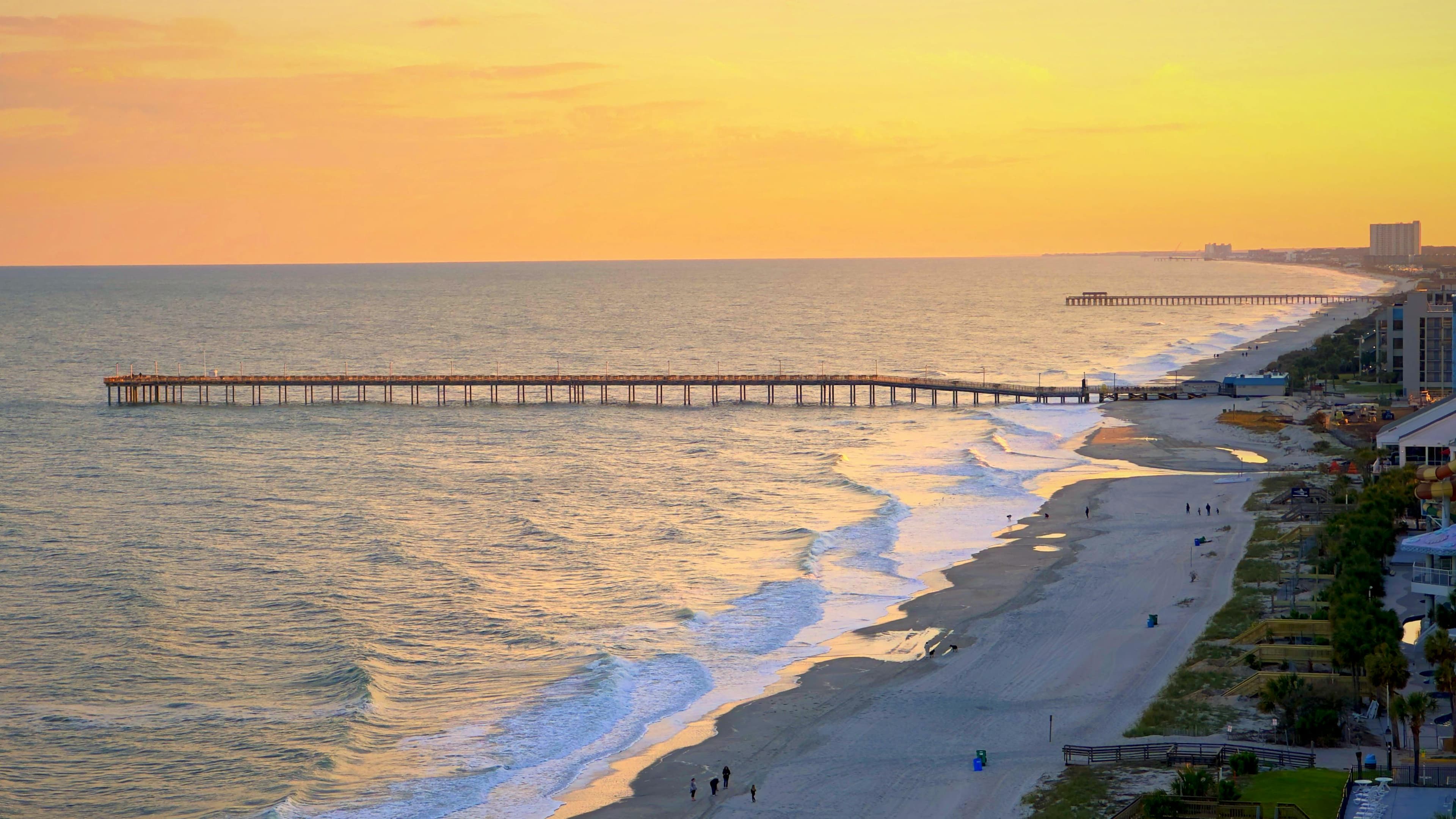
The sheer volume of courses creates competition, and competition creates value. Myrtle Beach has roughly 90 playable courses, and a significant portion of them offer rates under $100 even in peak season. Prestwick Country Club, a Pete Dye and P.B. Dye collaboration, regularly posts rates in the $50 range. Crow Creek, designed by Rick Robbins, offers similar value.
The hidden value tier is where the real discoveries live.
But the value play extends beyond the cheapest options. Package deals from the major booking platforms bundle multiple courses with accommodation at rates that individual booking cannot match. A four-round, three-night package at mid-range courses will run $400 to $600 per person when booked as a group, and the golf quality at that price point is legitimate. Myrtle Beach's dining scene adds to the value: seafood restaurants along the Grand Strand offer better prices than comparable coastal towns in New England or California.
3. Branson / Ozarks, Missouri
Branson flies under the national radar as a golf destination, which is precisely why it belongs on this list. Green fees at courses like Branson Hills and Thousand Hills rarely exceed $80, and the accommodation market, driven by the entertainment tourism industry, keeps lodging costs well below resort-town averages. A lakefront cabin that sleeps six costs less per person than a standard hotel room in Scottsdale.
The golf itself is better than the price suggests. Ledgestone Golf Club, designed by Tom Clark, is a genuinely challenging course carved through Ozark ridgelines. The elevation changes at Murder Rock provide views that courses three times the price would envy. Combine Branson with a day trip to Payne's Valley at Big Cedar Lodge (the one splurge on this trip), and you have a four-day golf trip with a tiger-designed centrepiece for under $1,200 per person.
4. Palm Springs (Off-Season), California
The Coachella Valley's extreme summer heat is the budget golfer's best friend. From June through September, green fees at courses that charge $200 or more in January drop to $40 or $50. Twilight rates during summer months can be even lower. The courses are empty, the conditioning remains excellent, and if you start at dawn and finish by noon, the heat is manageable.
Desert Willow's Firecliff course, Tahquitz Creek's Legend layout, and Escena Golf Club all offer summer rates that qualify them as genuine value plays. The accommodation market follows suit: hotels that charge $400 per night in February drop to $100 or less. A three-day summer trip with four rounds of quality desert golf, a comfortable hotel, and meals will run well under $800 per person. You will sweat. You will also play courses that cost five times as much in season. Palm Springs rewards the heat-tolerant golfer like few destinations can.
5. Orlando, Florida
The theme park economy distorts the accommodation market in a way that benefits golfers. Hotels compete fiercely for the tourism dollar, keeping rates lower than comparable markets, and the golf courses compete with each other in a similar fashion. Orange County National offers two full 18-hole courses at green fees that rarely exceed $100, and the quality of the Panther Lake and Crooked Cat layouts rivals courses at twice the price.
Falcon's Fire, a Rees Jones design, and Shingle Creek regularly offer rates under $70. The courses are well maintained because they rely on repeat play from local golfers and convention visitors, not one-time bucket list tourists. Orlando's golf is surprisingly good when you separate it from the theme park narrative, and the cost of a four-round trip is among the most reasonable for any major metropolitan destination in the country.
6. Scottsdale (Summer), Arizona
Tip
The key is timing. Dawn tee times starting at 5:30 or 6:00 AM allow you to finish before the worst of the heat. The courses are empty, the pace of play is fast, and the morning desert light has a quality that the afternoon lacks.
A serious golfer with heat tolerance can play some of the best courses in Arizona for the cost of a mid-range round anywhere else.
7. Williamsburg, Virginia
Kingsmill Resort's Plantation Course, Golden Horseshoe's Green Course, and Williamsburg National's Jamestown layout all offer green fees under $80, and the quality is genuine. Williamsburg's tourist infrastructure, driven by Colonial Williamsburg visitors, keeps accommodation costs reasonable, and the mid-Atlantic location makes it a drive-to destination for much of the Eastern Seaboard.
The real value play is Royal New Kent, a Mike Strantz design that charges mid-range prices for a course that delivers a premium experience. Strantz's dramatic bunkering and creative routing are present throughout, and the course sits on terrain that would cost four times as much to play if it were located an hour further south in the Carolinas. A three-day Williamsburg golf trip with Colonial Williamsburg as a companion activity runs under $1,000 per person, including four rounds.
8. Northern Michigan (Shoulder Season)
Northern Michigan's golf season runs from May through October, but the sweet spots are the bookends. May and late September offer meaningfully reduced rates at resorts that charge peak pricing in July and August. Boyne Highlands, Shanty Creek, and Treetops all offer shoulder-season packages that bundle accommodation and golf at rates approaching 40 percent below peak.
The courses are legitimate. Boyne Highlands' Heather Course, designed by Robert Trent Jones Sr., is a proper championship layout. Treetops' Masterpiece, also an RTJ Sr. design, offers views of the northern Michigan forest that improve in autumn colour. The weather in shoulder season is cooler but entirely playable, and the reduced crowds make for fast rounds and easier tee time access. A three-night resort package with four rounds will run $600 to $800 per person in shoulder season.
9. San Antonio / Texas Hill Country
While Austin's Barton Creek resort prices climb, San Antonio and the surrounding Hill Country offer genuine value. TPC San Antonio's Oaks Course, Brackenridge Park (one of the oldest public courses in Texas, designed by A.W. Tillinghast), and La Cantera's Palmer Course all offer competitive rates. Green fees at solid Hill Country courses regularly sit between $50 and $90, and the accommodation market benefits from San Antonio's broad tourism economy.
The food is the hidden bonus. San Antonio's culinary scene, particularly along the River Walk and in the Pearl District, offers quality at prices that would be unthinkable in comparable food cities. A golf trip where the best meal of the day costs less than $40 per person is a genuine rarity among serious destinations.
10. Myrtle Beach (Winter)
Myrtle Beach earns a second mention because its winter value is a distinct proposition from its year-round value. From December through February, green fees at courses that charge $120 in spring drop to $40 or $50. The weather is cooler but playable: afternoon temperatures in the 50s and 60s Fahrenheit, little rain, and the courses are in solid shape.
The real winter advantage is access. Courses that book up weeks in advance during spring are available on a day's notice. Caledonia Golf and Fish Club, which typically requires advance planning, is more accessible in winter. True Blue Golf Club, another Strantz design, offers reduced winter rates that make it one of the best values on the Grand Strand. A winter buddies trip to Myrtle Beach, playing four premium courses and staying in an ocean-front condo, will cost roughly half of what the same trip costs in April.
The Budget Golf Traveller's Framework
The common thread across these destinations is timing and local knowledge. Summer in the desert, winter on the Grand Strand, shoulder season in the North. The courses do not change quality with the season; only the price changes. A golfer willing to adapt their calendar to the market will play better golf for less money than someone who insists on peak-season travel to peak-price destinations.
The verdict