Bandon: Course History & Design Story
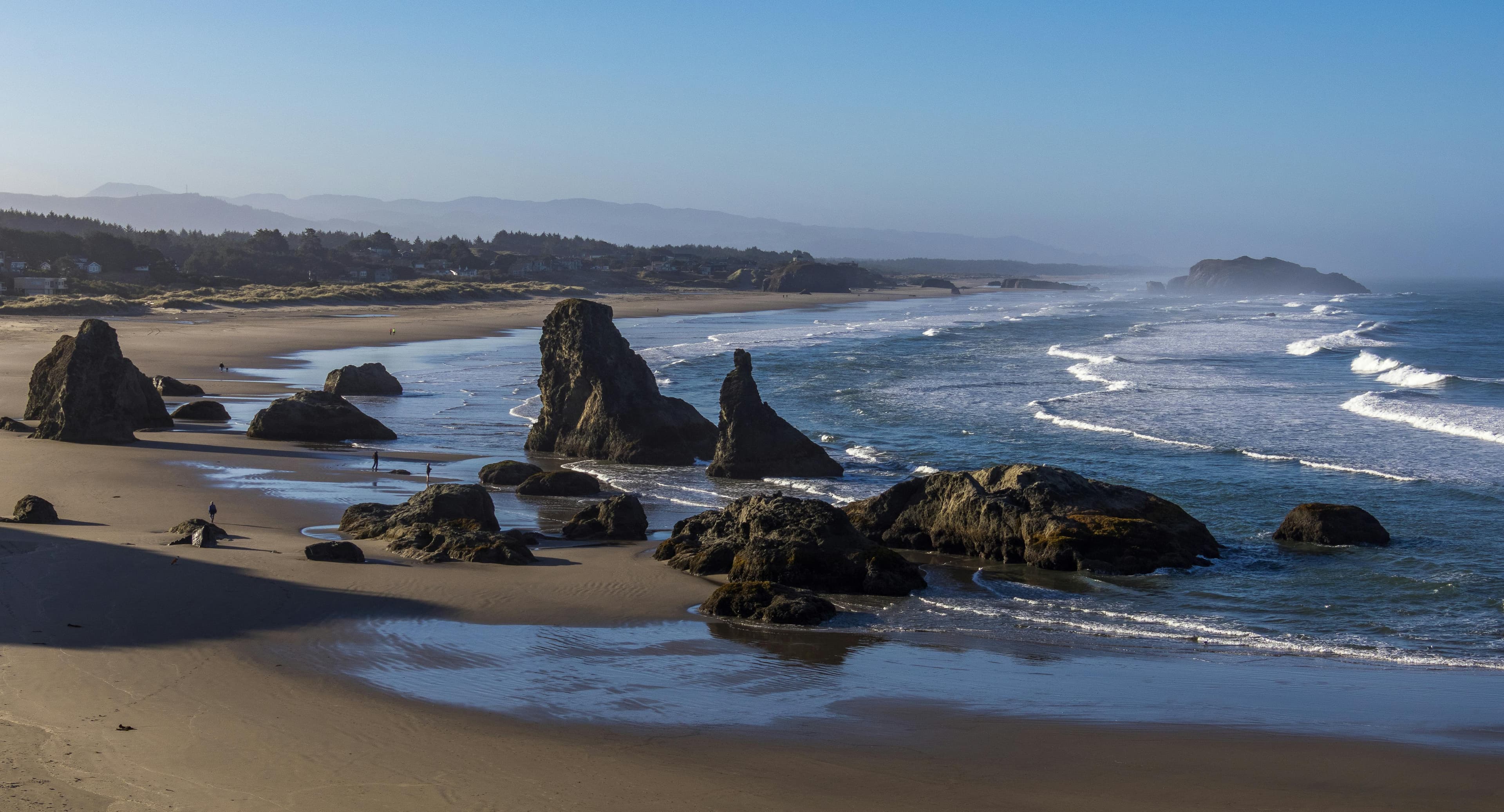
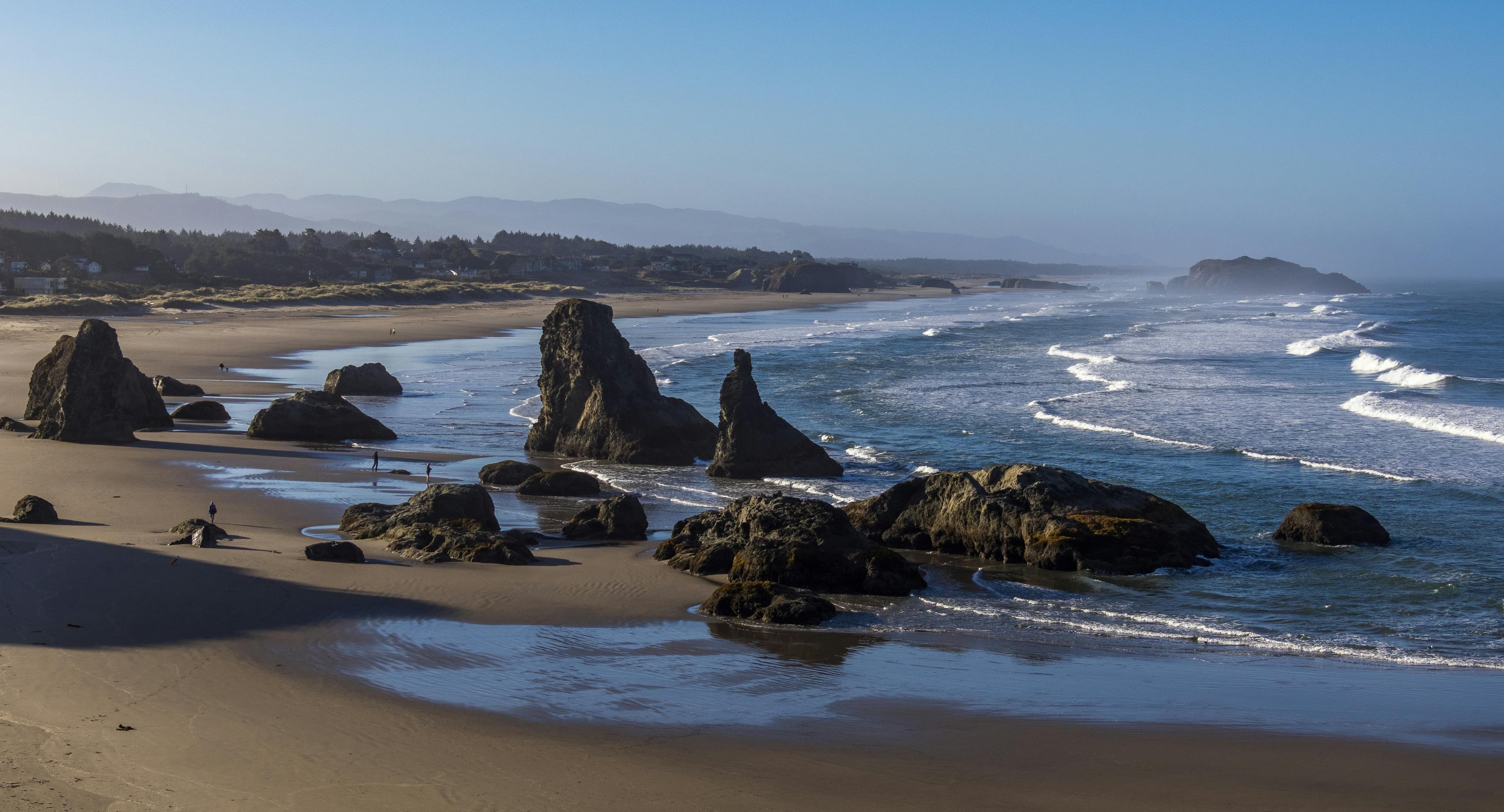
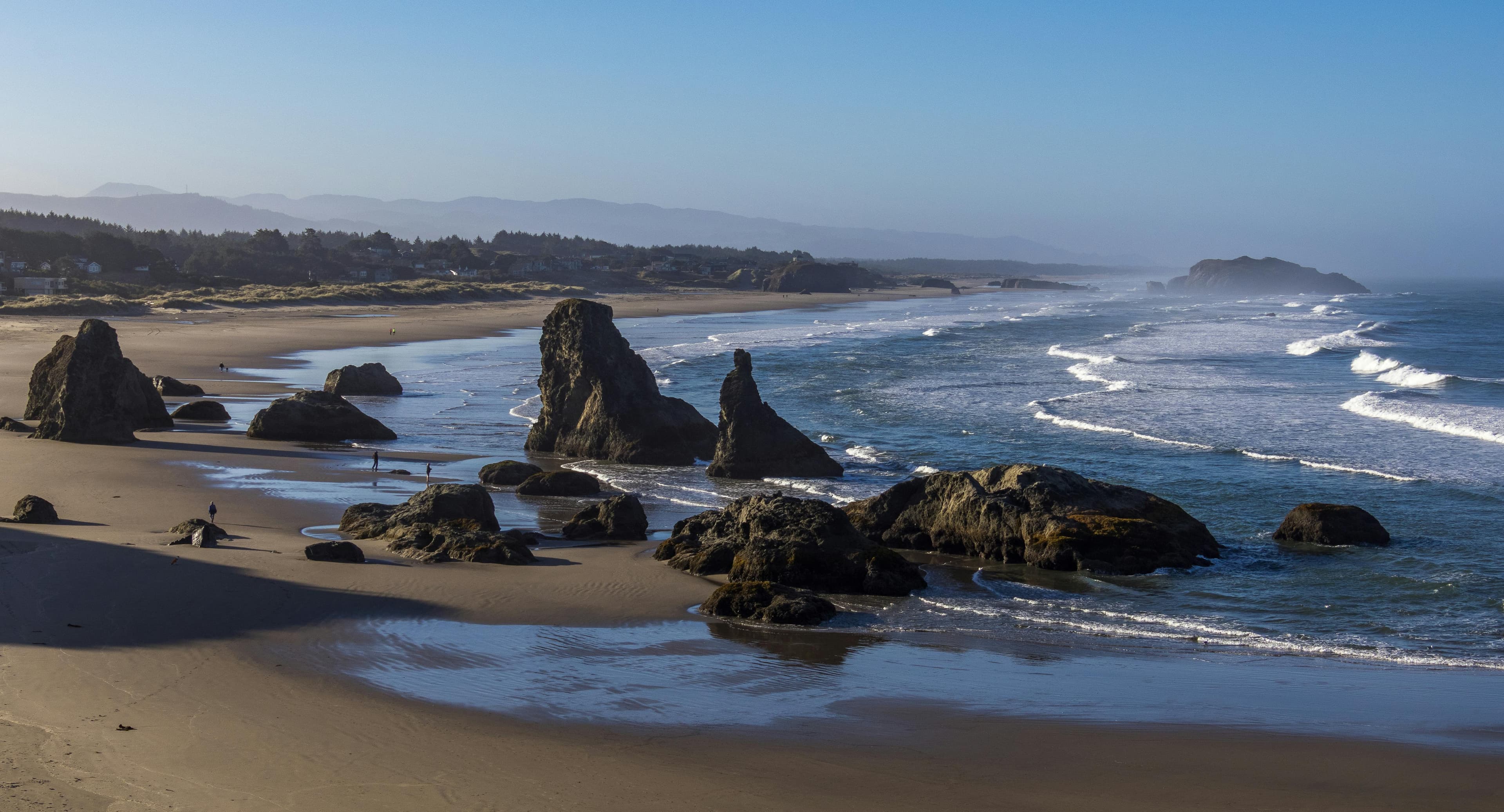
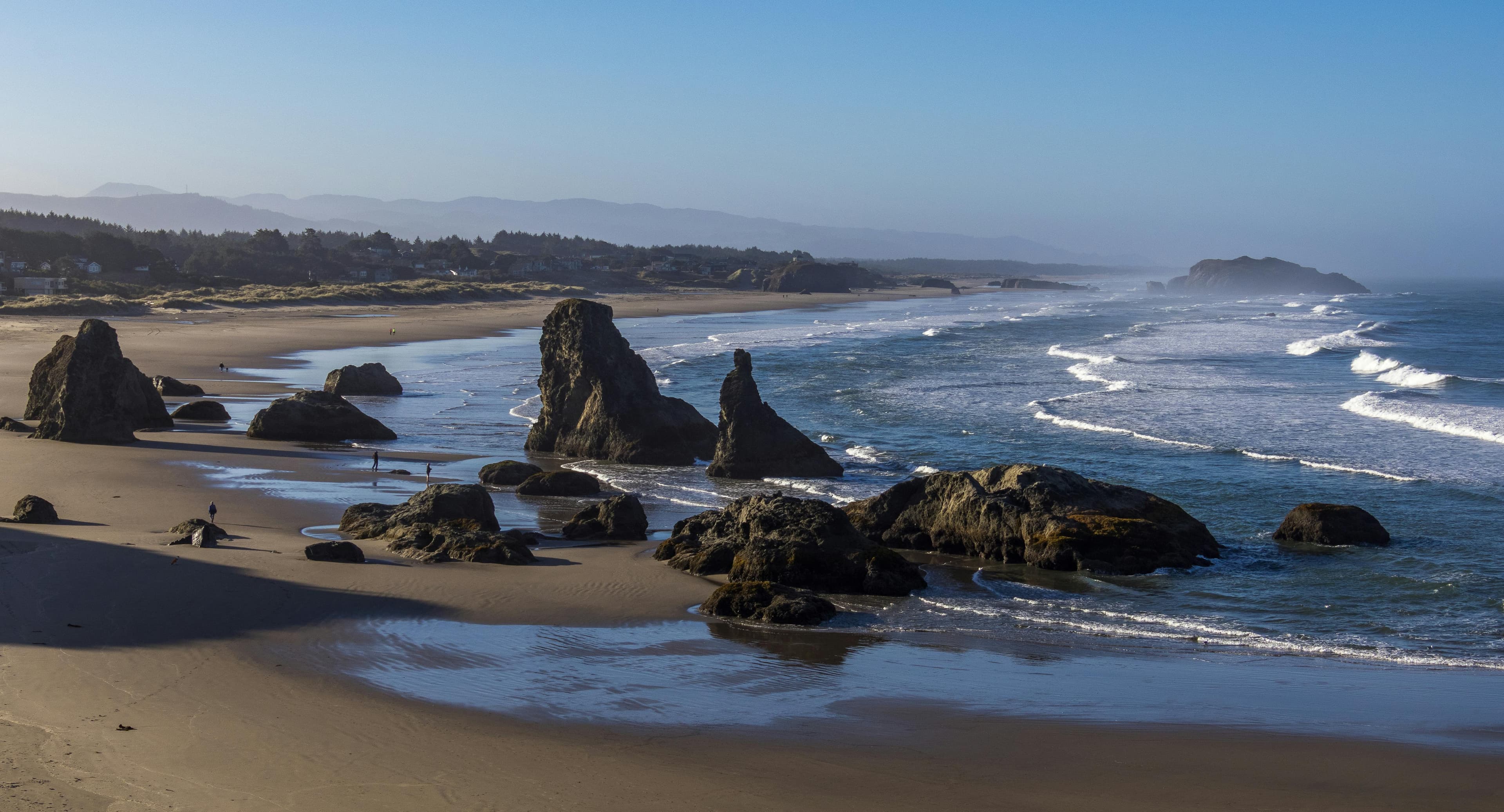
Bandon Dunes Golf Resort exists because one man believed that American golfers, given the option, would choose to walk. Mike Keiser, a greeting card executive from Chicago who had built his fortune with Recycled Paper Greetings, spent the better part of a decade searching for a site where he could build an American links course in the tradition of the British and Irish originals. He needed coastal land with sandy soil, firm turf, minimal tree cover, and enough elevation change to create visual drama. He found it on the southern Oregon coast, on a remote stretch of bluffs overlooking the Pacific, miles from the nearest commercial airport and hours from the nearest major city.
The remoteness was not a concession. It was part of the point.
Where to stay in Bandon
Planning the trip? Compare live prices across every nearby hotel and rental in one search.
Prices and availability from Booking.com, Expedia and others via Stay22. GolfTrailsHQ may earn a commission at no additional cost to you.
Bandon Dunes: The First Course
Keiser hired David McLay Kidd, a young Scottish architect whose primary credential was his nationality and his understanding of links golf from the inside. Kidd was twenty-eight years old when he began the project. Bandon Dunes, the resort's inaugural course, opened in 1999 to a reception that exceeded even Keiser's optimistic projections. Golfers flew into North Bend, drove an hour south through logging country, and arrived at a property that looked and played unlike anything else in American golf.
Bandon Trails
Kidd routed the course along the bluffs and through the gorse-covered dunes, using the natural contours of the land to create fairways that tumble and roll in the manner of Scottish originals. The turf is fescue, maintained firm and fast, and the course plays dramatically differently depending on wind direction and ground conditions. On a calm day, Bandon Dunes is accessible and scenic. On a day when the wind blows twenty-five miles per hour off the Pacific, the course demands the full repertoire of links golf: low shots, bump-and-run approaches, creative use of terrain, and the patience to accept that the wind will sometimes redirect a well-struck ball into trouble.
The opening course proved the thesis. American golfers would travel to a remote location, walk eighteen holes in variable weather, and consider the experience superior to anything available at conventional resort destinations.
Pacific Dunes
Tom Doak designed Pacific Dunes, the resort's second course, which opened in 2001. Where Kidd's routing balanced inland and coastal holes, Doak placed a higher proportion of his holes directly along the ocean bluffs, creating a visual intensity that few courses in the world can match. The par-4 4th hole plays along the cliff edge with the Pacific visible for the entire length of the hole. The par-3 11th, a short hole from an elevated tee to a green perched above the surf, is a hole that photographs spectacularly and plays with a subtlety that the photographs do not convey.
Doak's design philosophy at Pacific Dunes emphasized width and options over defined target lines. The fairways are broad, the greens accept multiple approach angles, and the strategic interest comes from choosing the correct line and trajectory for the day's conditions rather than from avoiding hazards placed at specific distances.
The course reflects Doak's conviction that the best golf architecture presents choices rather than demands, and that a well-designed hole should be playable in multiple ways depending on the golfer's skill, the wind, and the firmness of the ground.
The debate between Pacific Dunes and Bandon Dunes is one of the more productive arguments in American golf, precisely because both courses succeed on different terms.
Pacific Dunes is consistently ranked among the top five public courses in the United States, and many visitors consider it the strongest design on the property.
Bandon Trails and Old Macdonald
Bill Coore and Ben Crenshaw designed Bandon Trails, which opened in 2005. The routing moves inland through coastal forest and meadows, departing from the oceanside setting of the first two courses. Coore and Crenshaw worked with the natural terrain, creating holes that follow the ground's movement with minimal artificial shaping. The result is a course that feels quieter than its siblings, more contemplative, with a rhythm that builds through the round rather than announcing itself immediately.
Bandon Trails does not have the ocean views that define Pacific Dunes and Bandon Dunes. What it offers instead is a purity of design that appeals to golfers who value architectural subtlety over scenic drama. The greens are among the most interesting on the property, with slopes and contours that reveal themselves over multiple rounds.
Old Macdonald, designed by Tom Doak and Jim Urbina and opened in 2010, takes a different approach entirely. The course is a tribute to Charles Blair Macdonald, the father of American golf course architecture, whose template holes at National Golf Links of America (1911) established the vocabulary that American designers would draw from for the next century. Old Macdonald recreates and reinterprets several of Macdonald's template concepts, including the Redan, the Biarritz, the Cape, and the Alps, on the Bandon landscape. The greens are enormous, the fairways immensely wide, and the strategic concepts operate at a scale that modern course design rarely attempts.
The Walking-Only Philosophy
Tip
The conventional wisdom was wrong. Bandon Dunes demonstrated that a substantial segment of American golfers not only tolerated walking but actively preferred it, and that the walking-only policy functioned as a filter that attracted exactly the type of golfer the resort wanted to serve: someone who valued the experience of the game over convenience. The caddie program, which employs local caddies who know the courses intimately, enhances the walking experience and provides an economic contribution to the surrounding community.
The verdict