Pacific Dunes vs Sheep Ranch: Bandon's Best Course
Bandon Dunes has five 18-hole courses, and the debate over which is the best has evolved since Sheep Ranch opened in 2020. For years, the answer was straightforward: Pacific Dunes, Tom Doak's 2001 design perched on cliffs above the Pacific, consistently ranked among the top 20 public courses in America. Sheep Ranch, the Coore and Crenshaw design on an exposed coastal headland with no sand bunkers and ocean views from every hole, has introduced a competing vision of what links golf can be. The argument between them is a proxy for a larger question about what matters most in course architecture.
Where to stay in Bandon
Planning the trip? Compare live prices across every nearby hotel and rental in one search.
Prices and availability from Booking.com, Expedia and others via Stay22. GolfTrailsHQ may earn a commission at no additional cost to you.
Pacific Dunes
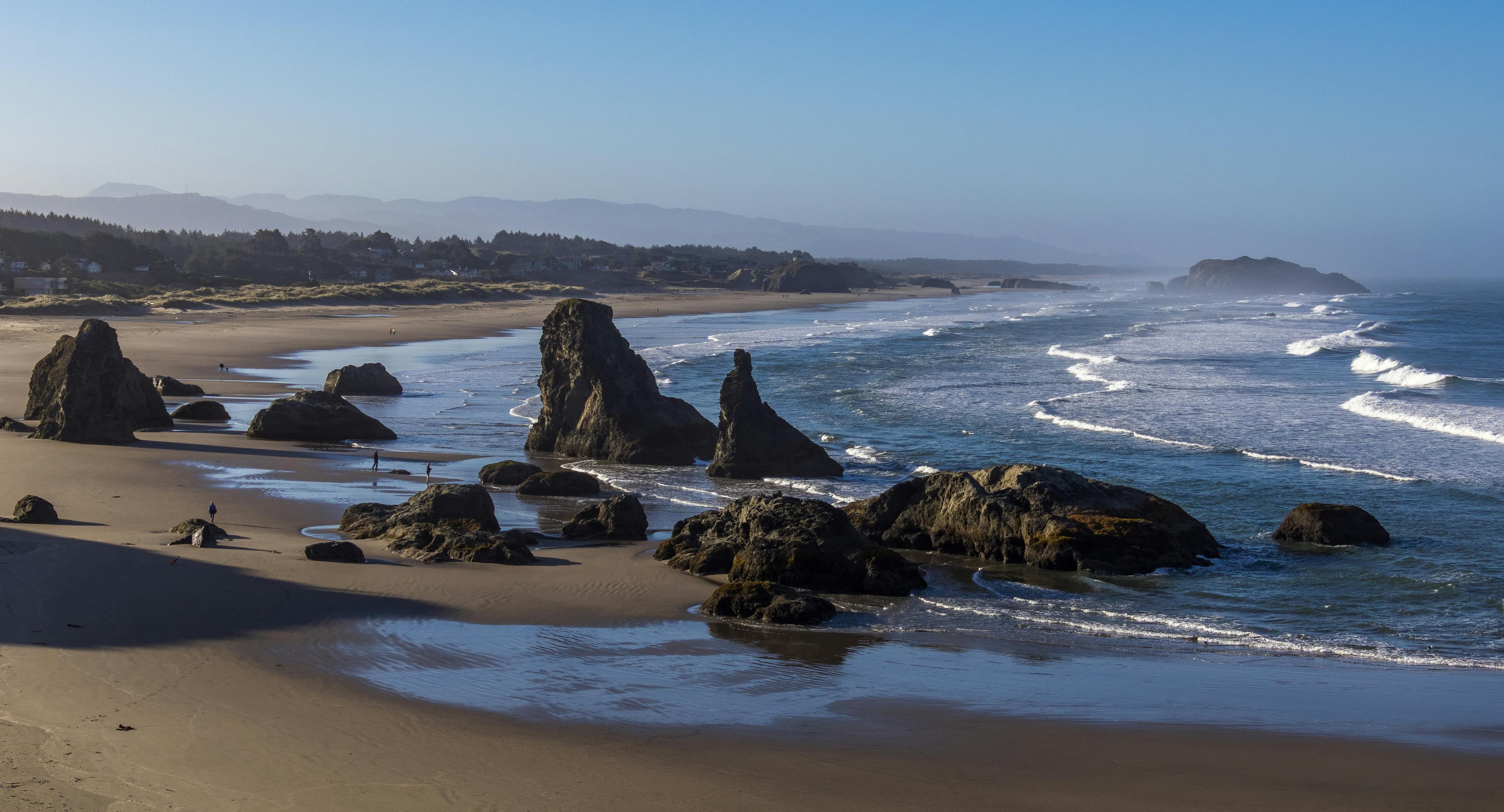
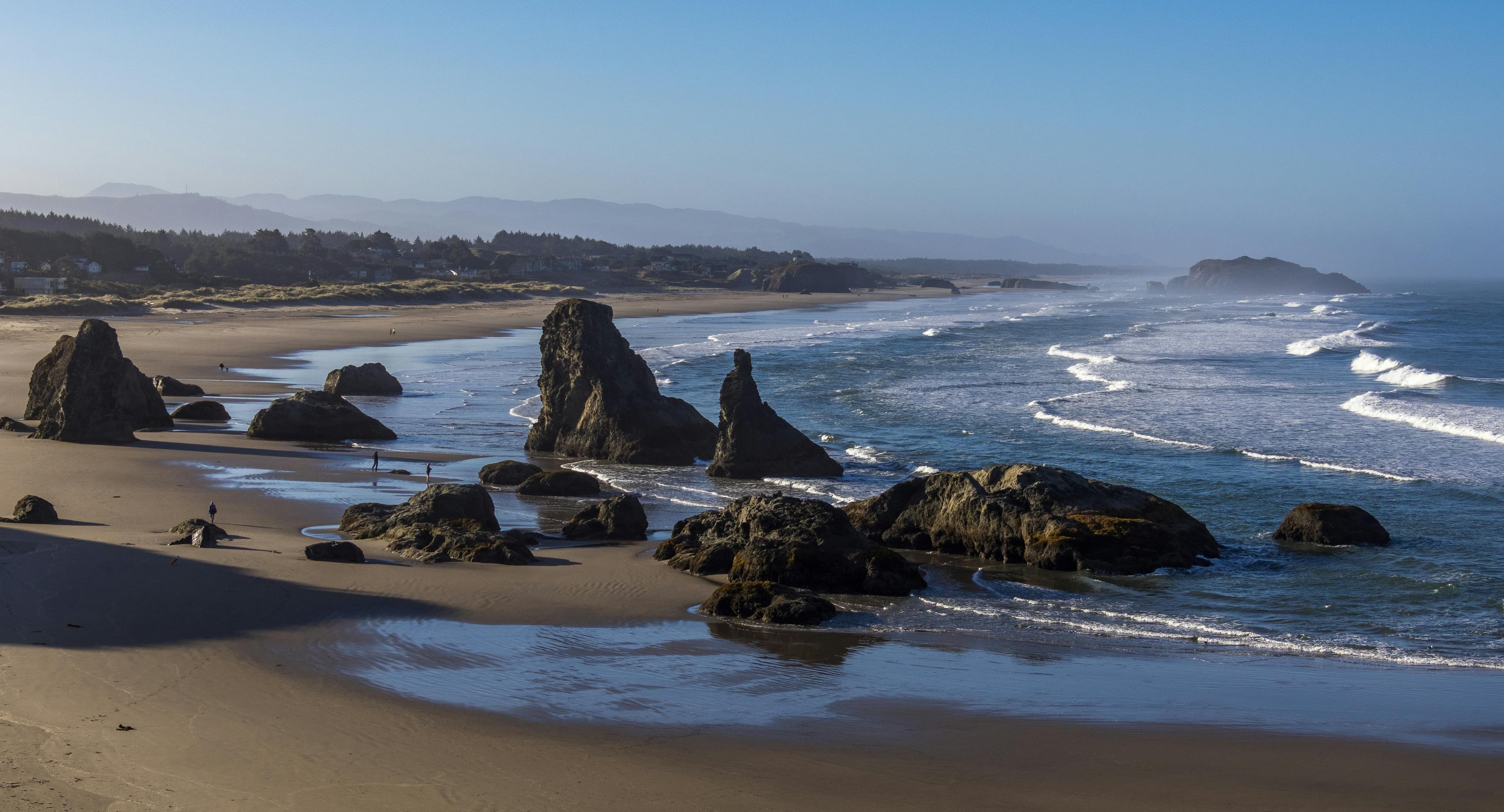
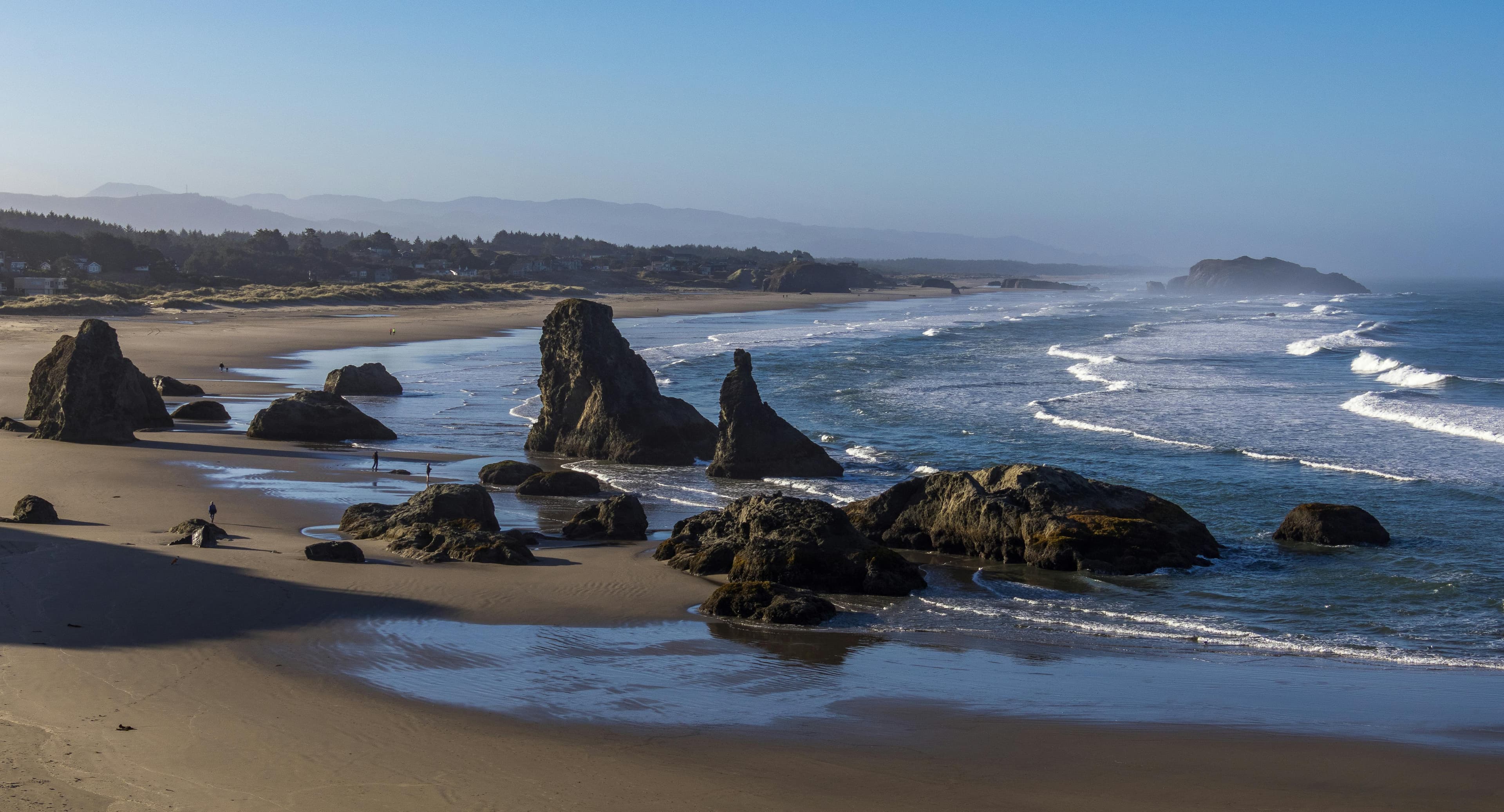
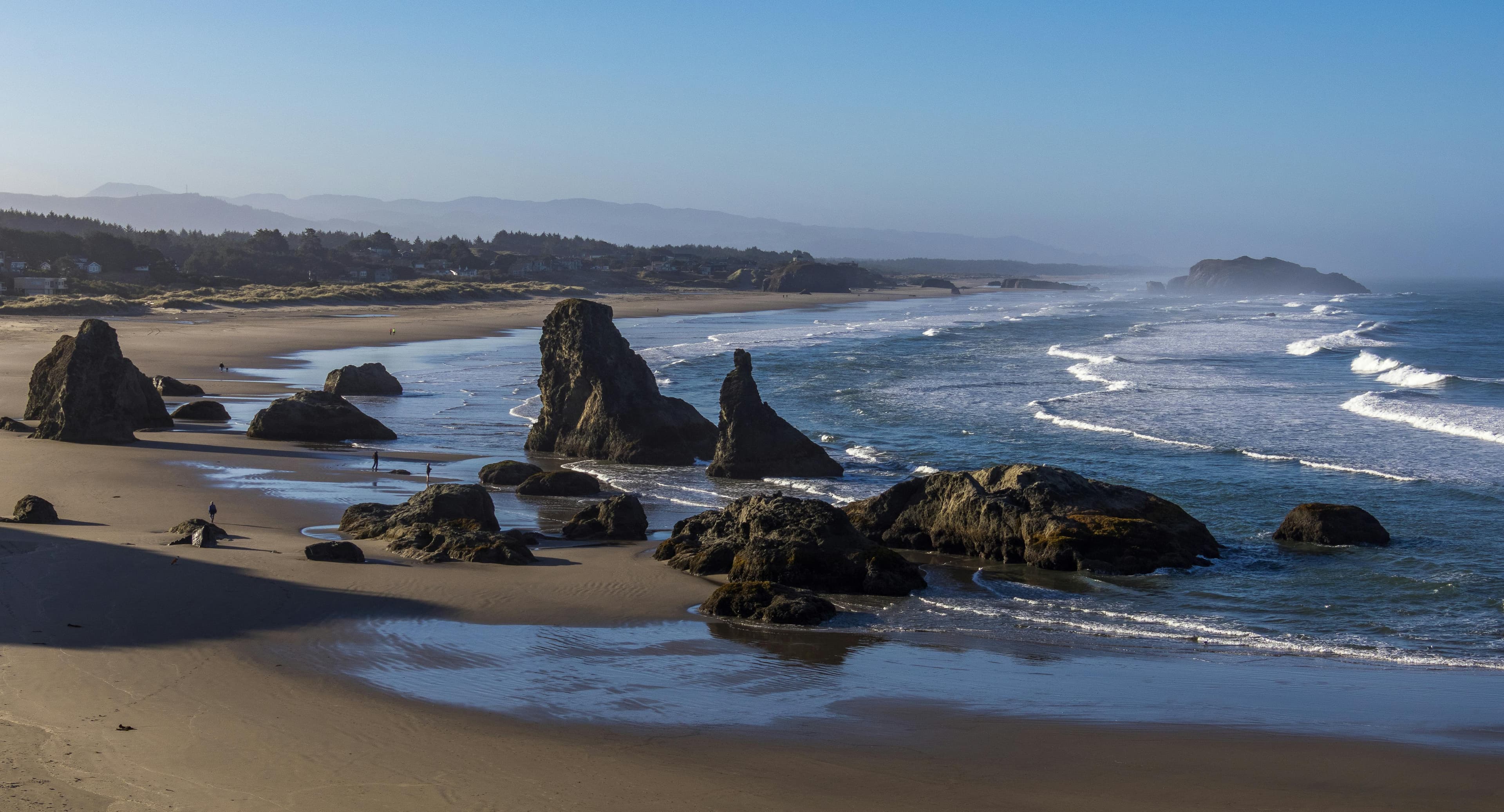
Doak's second course at the resort plays 6,633 yards at par 71 with a slope of 142. Eleven holes have direct ocean views. The course occupies a stretch of coastline that combines dune ridges, clifftop tees, and natural bunkers positioned to frame playing corridors.
The greens are among the most challenging at Bandon, with undulations that demand precise approach shots and reward the golfer who reads the terrain.
The routing is Pacific Dunes' greatest asset. Doak's sequencing of holes builds momentum toward the middle stretch, where the 11th through 13th holes play along the cliff edge with the Pacific visible on nearly every shot.
The par-4 13th, a short hole that tempts a driver at the green but punishes the miss, is one of the best risk-reward holes in American golf.
Pacific Dunes is the course that established Bandon Dunes as more than a novelty. The original Bandon Dunes course by David McLay Kidd launched the resort in 1999. Pacific Dunes, two years later, proved that the southern Oregon coast could host a course that competed with the best links in Scotland and Ireland. That proof changed American golf.
Sheep Ranch
Coore and Crenshaw's 2020 design plays 6,636 yards at par 72 with a slope of 121. That slope, 21 points lower than Pacific Dunes, signals a fundamentally different approach. There are no sand bunkers on the course. The only hazards are the natural terrain: fescue, mown hollows, and the ocean itself. The course occupies the most exposed headland at the resort, with ocean views from all 18 holes and wind that shapes every shot.
The absence of bunkers creates an unusual freedom. Without sand to penalise, the course relies on green contours, angles, and the wind to provide challenge. The greens are more accessible than Pacific Dunes' but no less interesting: the slopes and undulations create putting challenges that compensate for the missing bunkers.
Sheep Ranch plays differently every day based on the wind. A calm morning produces a course that feels generous, even gentle. A 25-mile-per-hour coastal wind transforms it into a strategic puzzle where club selection, ball flight, and ground game determine the outcome.
The Philosophical Difference
Pacific Dunes is Doak at his most celebrated: a course that uses natural landforms, strategic bunkering, and dramatic elevation to create a sequence of holes that builds toward a climax. The architecture is visible and intentional. The golfer can see the strategy and choose how to respond.
Sheep Ranch is Coore and Crenshaw at their most minimalist: a course that removed the most obvious architectural feature (bunkers) and trusted the wind and terrain to provide the challenge. The strategy is less visible, less obvious, and potentially more demanding on a windy day than Pacific Dunes' more structured challenge.
The debate between them mirrors a broader argument in golf architecture. Is the best course one that presents clear strategic choices with visible consequences? Or is the best course one that strips away manufactured obstacles and lets the natural elements determine the test?
Playing Both
Most Bandon visitors play both courses during their stay, and the contrast between them is part of the experience. Pacific Dunes typically generates the more immediate emotional response: the clifftop holes are stunning, and the bunkering provides visual punctuation that creates a strong first impression. Sheep Ranch tends to grow on players over multiple rounds, as the subtlety of the bunkerless design reveals itself.
The ideal sequence is Sheep Ranch before Pacific Dunes. Playing the minimalist course first sharpens your awareness of what bunkers and elevation change contribute when you encounter them at Pacific Dunes. Playing Pacific Dunes first can make Sheep Ranch feel understated by comparison, which undersells a course whose quality requires attention to appreciate.
The Rankings
Pacific Dunes consistently ranks in the top 15 to 20 public courses in the United States and in Golf Digest's top 50 overall. Sheep Ranch entered the rankings immediately upon opening and has risen steadily, currently placing in the top 25 to 30 public courses nationally.
Pacific Dunes has the ranking advantage, and it may retain it. But Sheep Ranch's trajectory suggests the gap is closing, and some architectural observers believe Coore and Crenshaw's design will eventually surpass Doak's.
The Answer
If forced to play only one course at Bandon, Pacific Dunes remains the answer for most golfers. The visual drama, the routing, and the cliff-edge holes create an experience that is accessible on the first visit and rewarding on the tenth. It is the course that defines Bandon.
But the golfer who has played Pacific Dunes three times and returns for a fourth trip may find that Sheep Ranch is the course they think about most. The wind, the freedom, the ocean views from every hole, and the quiet intelligence of the bunkerless design create something that lingers differently.
The verdict